Ricotta Stuffed Shells
Ricotta Stuffed Shells is the kind of dish that feels like a warm hug on a chilly night, and the very first time I made it I understood why pasta has such a hold on comfort food lovers. I remember juggling a pot of bubbling water while my kitchen filled with the subtle herbal perfume of rosemary and the nutty tang of parmesan cheese. The ritual of stuffing each shell became oddly meditative, a small accomplishment repeated twenty times, and by the time the bubbling marinara met the golden mozzarella cheese, I was already scheming when I could make it again.
Friends who popped by for dinner that evening kept asking for the recipe between forkfuls, and what struck me most was how a few quality ingredients transform into something greater than the sum of its parts. The creamy ricotta cheese filling contrasts with the al dente shells, and the herbs give a lift that keeps each bite lively. I like to make it when I want a fuss free, yet impressive meal to serve company, and it doubles brilliantly for a freezer stash when life gets busy.
Recipe Snapshot
40 mins
10 mins
30 mins
Easy
350 kcal
Italian
Gluten-Free, Low FODMAP
Dinner
Large pot, 9 x 13 inch baking pan, Mixing bowl, Colander, Aluminum foil
Why We Love This Ricotta Stuffed Shells
Comforting texture contrast
I love how Ricotta Stuffed Shells balances a pillowy pasta with a silky, seasoned ricotta cheese filling. The soft interior and slightly chewy shell create a satisfying mouthfeel, and when the top gets browned, you also get that wonderful, slightly crisp mozzarella cheese edge that makes everyone reach for seconds.
Simple ingredients, big payoff
We use straightforward pantry items like jarred marinara or a quick homemade sauce, so you can pull this together without a long shopping list. The combination of parmesan cheese, a little nutmeg, and fresh herbs elevates the filling into something that tastes much fancier than the effort required.
Make ahead and freezer friendly
I often double the batch and freeze portions, because these shells reheat beautifully. They are forgiving in that you can assemble, freeze, and then bake later, or bake immediately for a ready to eat crowd pleaser. That flexibility makes this recipe a go to for busy weeks or last minute guests.
Kid friendly yet grown up
My kids adore the cheesy softness, while adults appreciate the herbal notes from Italian parsley and rosemary. It hits that sweet spot where picky eaters and food curious adults both leave satisfied, which is rare and worth celebrating.
Customizable without losing identity
You can swap marinara styles or experiment with fresh herbs, but the core idea is the same: tender shells cradling a creamy, seasoned filling, baked until hot and bubbly. That simplicity means it adapts to what you have on hand while still delivering on flavor.
Everything You Need for Ricotta Stuffed Shells
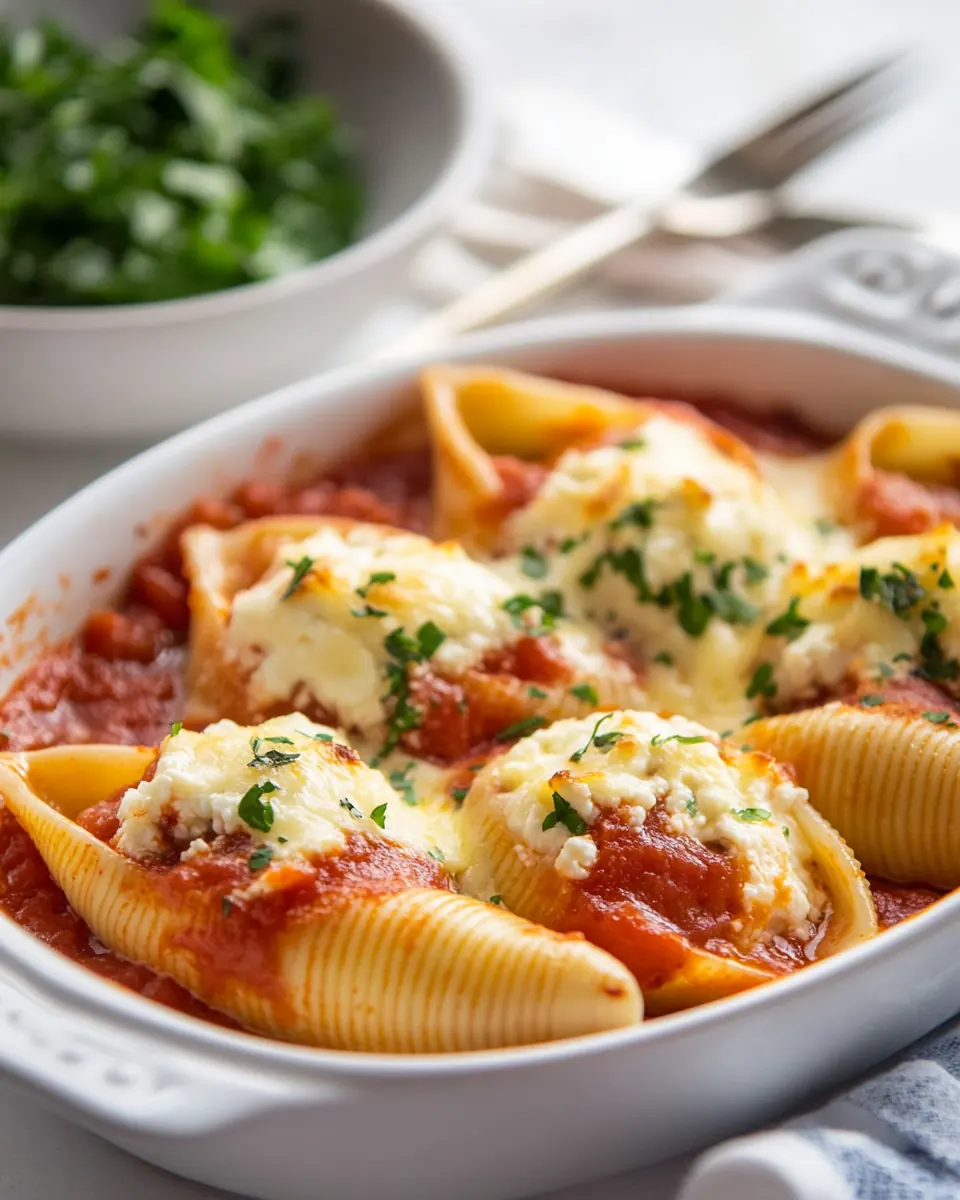
These ingredients are deliberately chosen to create a harmonious, comforting pasta bake. The key players are the large pasta shells, which act as edible spoons for the creamy ricotta cheese, the aromatic herbs that lift the filling, and the cheeses that add savory depth and golden finish. Together they form a textural contrast and a balanced flavor profile, where nothing overwhelms and each ingredient supports the others.
- 20 jumbo pasta shells (half of a 12-ounce box): Boil until al dente and provide sturdy vessels for holding the ricotta filling; jumbo shells create easy-to-fill pockets and crisp slightly at the edges when baked.
- 3 cups homemade marinara, or 24-ounce jar: Simmer gently to create a flavorful base that coats and complements the stuffed shells; marinara adds acidity, herbs, and moisture to the dish.
- 15 ounces ricotta cheese: Cream until smooth and serve as the main creamy filling component; ricotta brings richness, mild tang, and a soft texture that binds other filling ingredients.
- 2/3 cup parmesan cheese: Grate finely and fold into the filling for savory depth and umami; parmesan also contributes a nutty, salty finish that enhances overall flavor.
- 1 large egg: Whisk briefly and incorporate to help bind the ricotta mixture; the egg adds structure so the filling holds shape when baked.
- 2 tablespoons chopped Italian parsley: Chop finely and mix into the filling to add fresh herbal brightness; Italian parsley balances richness with a clean, slightly peppery note.
- 1 teaspoon chopped fresh rosemary: Mince very small and include sparingly for aromatic piney notes; fresh rosemary complements tomato and cheese with an earthy herbal punch.
- 3/4 teaspoons salt: Measure precisely and season the filling to enhance all flavors without overpowering; salt elevates sweetness and umami throughout the dish.
- 1/2 teaspoon pepper: Crack and grind to taste for subtle heat and flavor contrast; pepper sharpens other ingredients and brightens the overall palate.
- 1/4 teaspoon ground nutmeg: Grate a small amount and stir into the filling for warm, nutty undertones; nutmeg pairs especially well with ricotta and creamy cheeses.
- 1 pinch crushed red pepper: Pinch in and distribute lightly to introduce a gentle spicy kick; crushed red pepper offers heat that balances the richness of cheese and sauce.
- 1 cup shredded mozzarella cheese: Shred and sprinkle over the assembled shells to create a bubbly, golden topping; mozzarella melts smoothly and adds stretchy, cheesy texture when baked.
Step by Step Guide for Ricotta Stuffed Shells
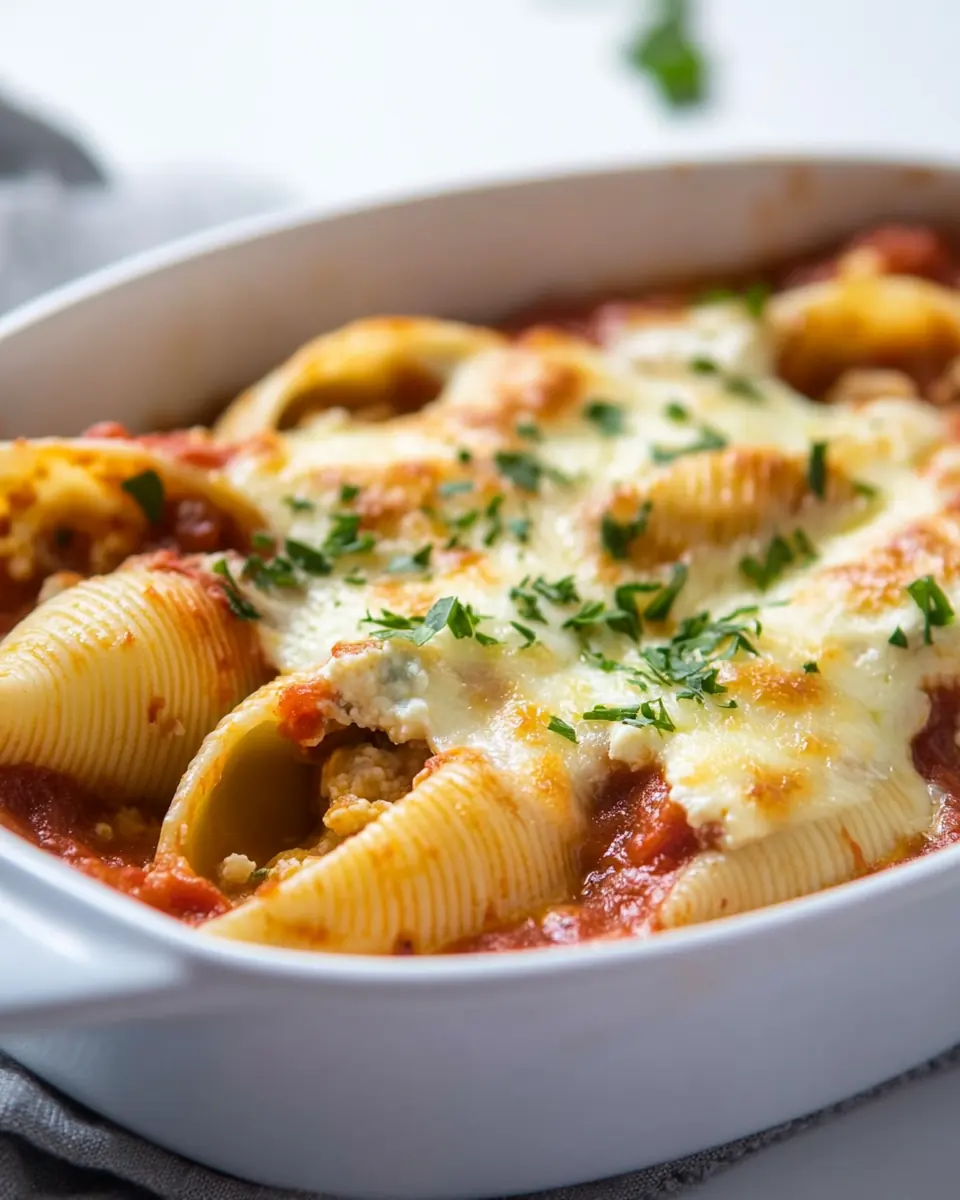
Follow these steps with patience and attention to sensory cues, and you will be rewarded with bubbling, golden stuffed shells that smell irresistible. I’ll walk you through each move so you can recognize the right textures, aromas, and visual signals that mean success.
- Lightly oil or spray a 9 X 13 inch baking pan and set aside. Preheat the oven to 350 degrees F.: The slightly slick surface will prevent the shells from sticking during baking, and it also helps the sauce glide under the shells for even heating. You should feel a thin, even sheen on the pan when you run your finger across it, not a puddle of oil. If you skip this, shells at the edges may cling to the dish and tear when you serve.
- Bring a large pot of salted water to a boil. Partially cook the pasta shells in water, 4-6 minutes. Strain the shells and lay in the pan. (See no-boil instructions in notes.): You will notice a gentle warmth in the kitchen as the oven comes up to temperature, and preheating ensures even baking from the moment the pan goes inside. Setting the oven early prevents the center shells from staying cold while the edges overcook. A common misstep is not allowing the oven to fully reach temperature, which can lengthen bake time and affect texture.
- Mix the ricotta, parmesan, egg, parsley, rosemary, salt, pepper, nutmeg, and crushed red pepper together in a medium bowl. Fill each shell with 1-2 tablespoons of the cheese mixture.: The water should roar with energetic bubbles and taste slightly of the sea when you add a drop to your lips. Properly salted water seasons the pasta shells from within. Under salting makes the shells taste flat, while oversalting can make the whole dish too salty when combined with the parmesan cheese .
- Spoon the sauce on and around the shells. Top with mozzarella cheese. Cover the pan tightly with foil. Bake until bubbly and golden, about 25 minutes. If you want the cheesy top golden, take the foil off the last 3-5 minutes.: Stop when the shells are tender but still firm to the bite, they will finish cooking in the oven. You want a slight resistance when bitten, not a floppy, mushy texture. Overcooking will lead to torn shells while stuffing, so watch closely and taste a shell at the lower end of the time range.
- Strain the shells and lay in the pan: After draining, arrange the shells open side up in the prepared baking pan , spacing them so they do not touch too tightly. They should feel warm and slightly springy. If they cool too quickly they can stiffen, making stuffing more difficult, so work efficiently.
- Mix the ricotta, parmesan, egg, parsley, rosemary, salt, pepper, nutmeg, and crushed red pepper together in a medium bowl: As you stir the filling, observe the creamy, slightly granular texture of the ricotta cheese marrying with the grated parmesan cheese and the sheen of the beaten egg . The aroma will shift as the herbs and spices disperse, giving a bright, herbaceous lift. If the mixture seems too loose, a touch more parmesan cheese will tighten it up; if too stiff, a spoonful of marinara can soften it.
- Fill each shell with 1-2 tablespoons of the cheese mixture: You should see a neat mound of filling sitting snug inside each shell, glossy and well seasoned. Use a small spoon to press the filling into the shell so it nests securely; when stuffed properly, the shells will hold their shape rather than collapse. Avoid overfilling, which can cause the filling to ooze out during baking.
- Spoon the sauce on and around the shells: Pour marinara over and between the shells until there is a generous, but not drowning, coating. You want the sauce to provide moisture and flavor without making the dish watery. The surface should glisten with sauce, and you should see pockets of red between shells. If the sauce is too thin, simmer it first to thicken.
- Top with mozzarella cheese: Scatter an even blanket of shredded mozzarella cheese over the sauced shells so it melts uniformly into a bubbly, golden crust. The cheese should cover most shells but not be piled so high that it prevents even browning. If the topping is uneven, some areas will overbrown while others remain pale.
- Cover the pan tightly with foil: A snug foil tent traps steam and warms the filling gently, ensuring the shells heat through without drying. You should see slight condensation form under the foil after minutes in the oven, a sign the dish is steaming properly. Leaving the pan uncovered the whole time risks drying out the tops and the filling.
- Bake until bubbly and golden, about 25 minutes: The dish will fill the kitchen with a rich, tomato and cheese aroma, and the sauce around the edges should be actively bubbling. If you want the cheesy top golden, take the foil off the last 3-5 minutes. Watch for bubbling sauce and a lightly browned cheese surface; if the top browns too fast, re-cover with foil to finish heating through.
Making Adjustments
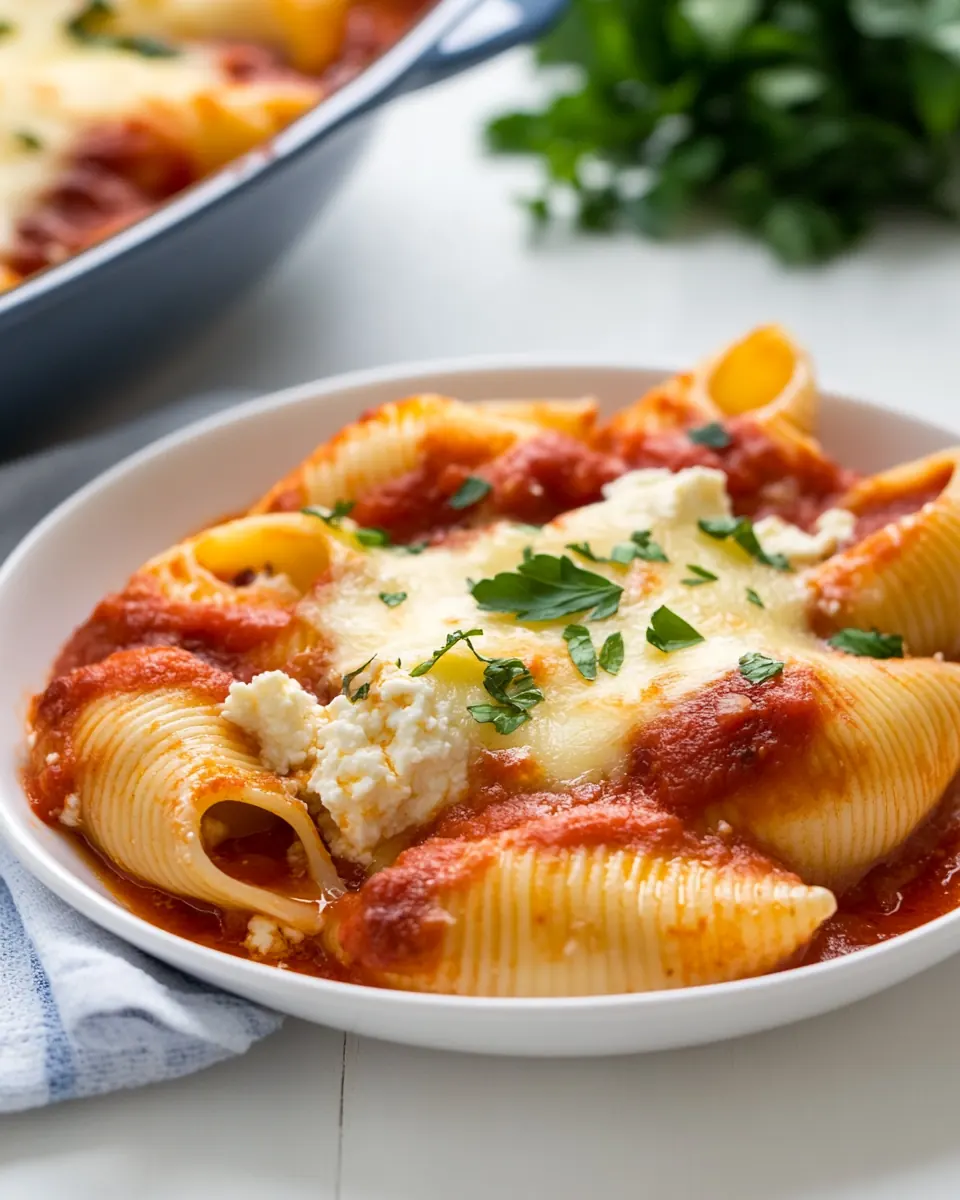
These adjustments help you adapt Ricotta Stuffed Shells to what you have on hand and to different occasions. Small swaps and techniques can change texture, ease of prep, and how well the dish stores or freezes for later.
- Soaking shells instead of boiling Don’t want to boil pasta first, soak the shells in a large bowl of hot salted water for 20 to 25 minutes. They will hydrate enough to hold filling and bake properly. Drain thoroughly before stuffing to avoid excess moisture.
- Freezing assembled or baked You can freeze both unbaked assembled shells or fully baked portions. Wrap tightly in foil and freeze flat, they reheat well in a 350 degrees F oven until hot throughout. If baking from frozen, add 20 to 30 minutes to the bake time and keep covered to prevent overbrowning.
- Thicker sauce tip If your marinara is too thin, simmer it down to concentrate the flavor and prevent the dish from becoming watery. A thicker sauce also clings better to the shells and creates a more cohesive bite.
- Herb intensity Fresh rosemary is potent, so finely chop and use sparingly; increase parsley for brightness without overwhelming the filling. Taste the filling before stuffing to adjust seasoning.
- Cheese variations Swap part of the mozzarella cheese for provolone for a sharper melt, or add a touch more parmesan cheese into the filling for extra umami. Avoid adding cheeses that melt too aggressively and make the filling runny.
Accompaniments for Ricotta Stuffed Shells
Choosing the right pairings elevates the meal. I like to balance the rich, cheesy shells with something crisp and acidic, and to plan sides that fit the occasion, whether it is a casual weeknight dinner or a special family gathering.
- Simple green salad A fresh salad with crisp greens and a tangy vinaigrette cuts through the richness of the shells, offering textural contrast and a palate cleansing bite.
- Garlic bread or crusty loaf Warm bread is perfect for sopping up extra marinara, and the toasty crunch pairs nicely with the soft shells.
- Roasted vegetables Oven roasted seasonal vegetables provide an earthy counterpoint, and their caramelized edges add complexity next to the creamy filling.
- Occasions and timing This dish is ideal for family dinners and holiday gatherings in cooler months, especially winter, when hearty, baked pasta feels most comforting. It also works well for casual entertaining or potlucks because it travels and reheats well.
- Storage tips Cool leftovers before sealing, and refrigerate for up to three days. For longer storage, freeze portions in airtight containers for up to three months, then bake from frozen adding extra time until heated through.
- Seasonal pairings Serve with a bright winter salad or roasted root vegetables during colder months, while lighter sides like a lemony arugula salad work well in milder seasons.
FAQ
Conclusion
Ricotta Stuffed Shells shine because of their comforting contrast of creamy filling and tender pasta, uplifted by bright herbs and bubbling cheese. You get an impressive, cozy casserole with minimal fuss, perfect for family meals or make ahead dinners. Give this recipe a try on a night when you want something hearty yet approachable, and enjoy the way simple ingredients come together to create something memorable. Serve it with a crisp salad or some crusty bread and savor the moments around the table.
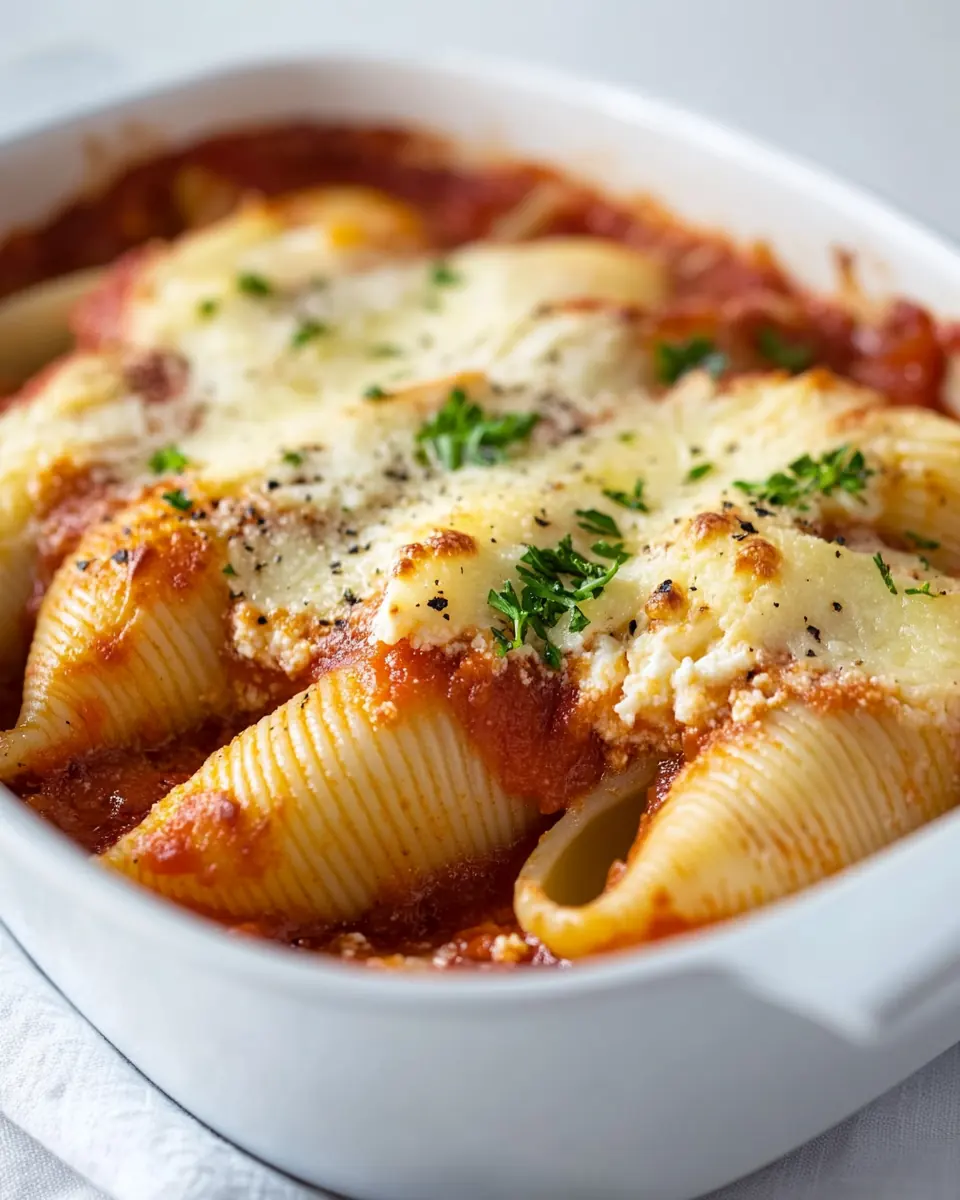
Ricotta Stuffed Shells
Ingredients
Equipment
Method
- Lightly oil or spray a 9 X 13 inch baking pan and set aside. Preheat the oven to 350 degrees F.: The slightly slick surface will prevent the shells from sticking during baking, and it also helps the sauce glide under the shells for even heating. You should feel a thin, even sheen on the pan when you run your finger across it, not a puddle of oil. If you skip this, shells at the edges may cling to the dish and tear when you serve.
- Bring a large pot of salted water to a boil. Partially cook the pasta shells in water, 4-6 minutes. Strain the shells and lay in the pan. (See no-boil instructions in notes.): You will notice a gentle warmth in the kitchen as the oven comes up to temperature, and preheating ensures even baking from the moment the pan goes inside. Setting the oven early prevents the center shells from staying cold while the edges overcook. A common misstep is not allowing the oven to fully reach temperature, which can lengthen bake time and affect texture.
- Mix the ricotta, parmesan, egg, parsley, rosemary, salt, pepper, nutmeg, and crushed red pepper together in a medium bowl. Fill each shell with 1-2 tablespoons of the cheese mixture.: The water should roar with energetic bubbles and taste slightly of the sea when you add a drop to your lips. Properly salted water seasons the pasta shells from within. Under salting makes the shells taste flat, while oversalting can make the whole dish too salty when combined with the parmesan cheese .
- Spoon the sauce on and around the shells. Top with mozzarella cheese. Cover the pan tightly with foil. Bake until bubbly and golden, about 25 minutes. If you want the cheesy top golden, take the foil off the last 3-5 minutes.: Stop when the shells are tender but still firm to the bite, they will finish cooking in the oven. You want a slight resistance when bitten, not a floppy, mushy texture. Overcooking will lead to torn shells while stuffing, so watch closely and taste a shell at the lower end of the time range.
- Strain the shells and lay in the pan: After draining, arrange the shells open side up in the prepared baking pan , spacing them so they do not touch too tightly. They should feel warm and slightly springy. If they cool too quickly they can stiffen, making stuffing more difficult, so work efficiently.
- Mix the ricotta, parmesan, egg, parsley, rosemary, salt, pepper, nutmeg, and crushed red pepper together in a medium bowl: As you stir the filling, observe the creamy, slightly granular texture of the ricotta cheese marrying with the grated parmesan cheese and the sheen of the beaten egg . The aroma will shift as the herbs and spices disperse, giving a bright, herbaceous lift. If the mixture seems too loose, a touch more parmesan cheese will tighten it up; if too stiff, a spoonful of marinara can soften it.
- Fill each shell with 1-2 tablespoons of the cheese mixture: You should see a neat mound of filling sitting snug inside each shell, glossy and well seasoned. Use a small spoon to press the filling into the shell so it nests securely; when stuffed properly, the shells will hold their shape rather than collapse. Avoid overfilling, which can cause the filling to ooze out during baking.
- Spoon the sauce on and around the shells: Pour marinara over and between the shells until there is a generous, but not drowning, coating. You want the sauce to provide moisture and flavor without making the dish watery. The surface should glisten with sauce, and you should see pockets of red between shells. If the sauce is too thin, simmer it first to thicken.
- Top with mozzarella cheese: Scatter an even blanket of shredded mozzarella cheese over the sauced shells so it melts uniformly into a bubbly, golden crust. The cheese should cover most shells but not be piled so high that it prevents even browning. If the topping is uneven, some areas will overbrown while others remain pale.
- Cover the pan tightly with foil: A snug foil tent traps steam and warms the filling gently, ensuring the shells heat through without drying. You should see slight condensation form under the foil after minutes in the oven, a sign the dish is steaming properly. Leaving the pan uncovered the whole time risks drying out the tops and the filling.
- Bake until bubbly and golden, about 25 minutes: The dish will fill the kitchen with a rich, tomato and cheese aroma, and the sauce around the edges should be actively bubbling. If you want the cheesy top golden, take the foil off the last 3-5 minutes. Watch for bubbling sauce and a lightly browned cheese surface; if the top browns too fast, re-cover with foil to finish heating through.
Notes
- Soaking shells instead of boiling Don’t want to boil pasta first, soak the shells in a large bowl of hot salted water for 20 to 25 minutes. They will hydrate enough to hold filling and bake properly. Drain thoroughly before stuffing to avoid excess moisture.
- Freezing assembled or baked You can freeze both unbaked assembled shells or fully baked portions. Wrap tightly in foil and freeze flat, they reheat well in a 350 degrees F oven until hot throughout. If baking from frozen, add 20 to 30 minutes to the bake time and keep covered to prevent overbrowning.
- Thicker sauce tip If your marinara is too thin, simmer it down to concentrate the flavor and prevent the dish from becoming watery. A thicker sauce also clings better to the shells and creates a more cohesive bite.
- Herb intensity Fresh rosemary is potent, so finely chop and use sparingly; increase parsley for brightness without overwhelming the filling. Taste the filling before stuffing to adjust seasoning.
- Cheese variations Swap part of the mozzarella cheese for provolone for a sharper melt, or add a touch more parmesan cheese into the filling for extra umami. Avoid adding cheeses that melt too aggressively and make the filling runny.