Rotisserie Chicken Buddha Bowl with Sweet Pomegranate Sauce
Rotisserie Chicken Buddha Bowl with Sweet Pomegranate Sauce came into my weeknight rotation the moment I wanted a bowl that felt both nourishing and celebratory at the same time.
I remember the afternoon I first threw one together, balancing a day of errands with the urge to make something vibrant and effortless. I grabbed a store bought rotisserie chicken, rinsed quinoa, and raided the fridge for bright vegetables. There was something comforting about how quickly a few humble components transformed into a satisfying, colorful meal. I liked that it was flexible, forgiving, and still felt intentionally plated when guests arrived.
On lazy Sundays I will make a batch of quinoa and keep pomegranate molasses in the fridge so I can assemble these bowls in a few minutes. Each forkful combines the warm, nutty quinoa, the creamy bite of avocado, crunchy sprouts and nuts, and that glossy, slightly tart pomegranate molasses that ties everything together. It’s my answer to nights when I want something healthy that does not demand a lot of thinking.
Over time I tuned the balance of textures, adding shredded carrots for sweetness, crisp broccoli for contrast, and a final scatter of pomegranate seeds so every bite has a burst of brightness. This bowl travels well too, which makes it a favorite for packed lunches. I enjoy how adaptable it is, and I often swap the nuts depending on what’s in the pantry. You’ll find this bowl perfect for when you want an easy, feel good meal without sacrificing flavor.
Recipe Snapshot
30 mins
15 mins
15 mins
Easy
450 kcal
American
Gluten-Free, AIP
Dinner
Saucepan, Mason jar with lid, Knife, Cutting board, Sieve
The Charm of This Rotisserie Chicken Buddha Bowl with Sweet Pomegranate Sauce
Bright contrast of textures
I adore how this Rotisserie Chicken Buddha Bowl with Sweet Pomegranate Sauce brings together crunchy, creamy, and tender elements. The combination of fluffy quinoa, crisp broccoli, and creamy avocado means every bite is interesting. I find that textural contrast keeps me coming back for second helpings.
Speed without compromise
Using a store bought rotisserie chicken and prepped quinoa gets this meal on the table quickly, yet it never feels rushed or throwaway. I often have the sauce made in advance, so assembly is fast but the flavor remains layered and intentional.
Balanced nutrition
I love that this bowl covers bases: plant based carbs from quinoa, healthy fats from avocado and extra virgin olive oil, protein from rotisserie chicken, and fiber and vitamins from the vegetables. It’s a one bowl meal that actually satisfies and fuels you.
Visual appeal
There is something about a bowl studded with pomegranate seeds and chopped nuts that feels festive. I often double as a simple centerpiece when friends come over; the colors are bright, and the glossy sauce makes everything look irresistible.
Flexible and forgiving
I appreciate how forgiving the recipe is. I’ll swap nuts, adjust the sauce sweetness, or change the vegetables depending on seasonality. That flexibility makes it a recipe I return to repeatedly.
Main Ingredients for Rotisserie Chicken Buddha Bowl with Sweet Pomegranate Sauce
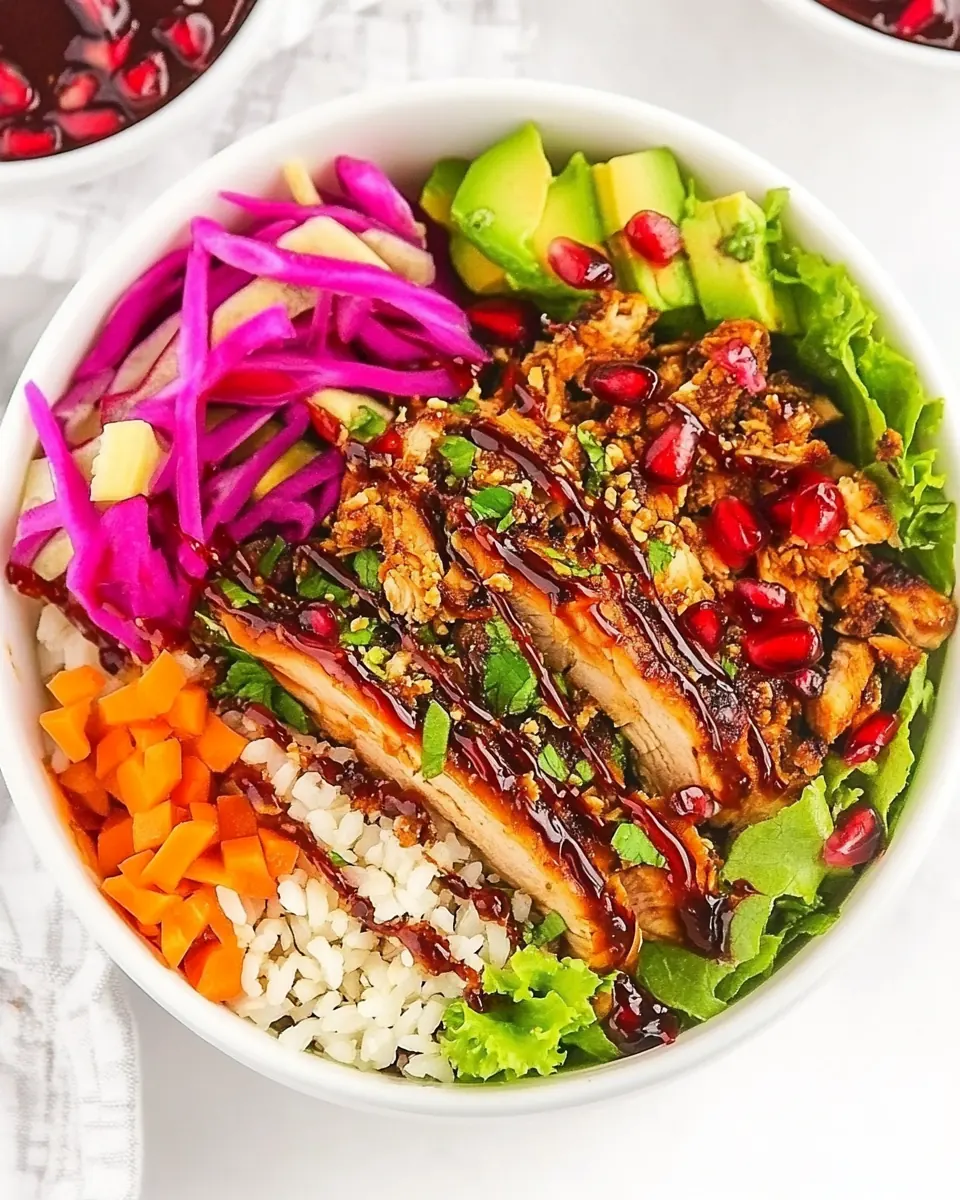
This bowl is built on a philosophy of complementary simplicity. Each ingredient plays a clear role: quinoa provides a nutty, protein rich base, vegetables bring crunch and freshness, rotisserie chicken adds savory ease, and the pomegranate molasses ties everything with tart sweetness. Together these ingredients create a balanced plate that is both nutritious and comforting.
- 2 1/2 cups water: Bring to a boil then simmer gently to cook quinoa; provides the necessary liquid base and helps absorb flavors for fluffy grains that form the Buddha bowl foundation.
- 1 1/4 cups quinoa: Rinse and toast lightly before cooking to remove bitterness and improve texture; supplies protein, fiber, and a nutty base that pairs well with vegetables and dressing.
- 1/2 tsp salt or other seasoning: Season the cooking water or quinoa for balanced taste; contributes a subtle savory note and enhances overall flavor without overpowering other components.
- 2 cups broccoli florets: Steam or blanch until bright and tender-crisp to retain color and nutrients; adds a fresh, slightly bitter green component and satisfying bite to the bowl.
- 2 ounces fresh sprouts: Rinse and pat dry to maintain crispness; contributes a peppery, crunchy microgreen element that adds freshness and visual appeal to each serving.
- 1 cup shredded carrots: Peel or grate to even strands and keep moist; supplies natural sweetness, color, and a tender texture that contrasts with grains and roasted vegetables.
- 1 large avocado sliced: Slice just before serving to prevent browning and preserve creaminess; delivers rich, buttery texture and healthy fats that balance the bowl’s flavors.
- 1/2 store bought rotisserie chicken chopped or shredded: Chop or shred for easy portioning and distribution; provides savory, protein-rich topping with concentrated flavor that makes the bowl hearty and ready-to-eat.
- 1/4 cup pomegranate molasses: Whisk into a dressing or drizzle sparingly for sour-sweet depth; offers a concentrated fruity tang that elevates the sauce and ties together savory and sweet elements.
- 2 tablespoons water: Mix with molasses or dressing to adjust consistency; helps thin sauces while adding minimal flavor, ensuring the sauce coats components evenly.
- 2 tablespoons extra virgin olive oil: Whisk into dressings or use to finish the bowl for richness; adds fruity, peppery notes and helps emulsify the pomegranate sauce for a smooth mouthfeel.
- 1/4 cup chopped nuts of your choice: Toast briefly to enhance aroma and crunch before sprinkling; contributes texture contrast and nutty flavor that complements the creamy avocado and tender grains.
- 1/3 cup pomegranate seeds: Scatter over the finished bowl as a bright garnish and little bursts of sweetness; introduces juicy, tart pops that balance richness and add visual interest.
How to Prepare Rotisserie Chicken Buddha Bowl with Sweet Pomegranate Sauce
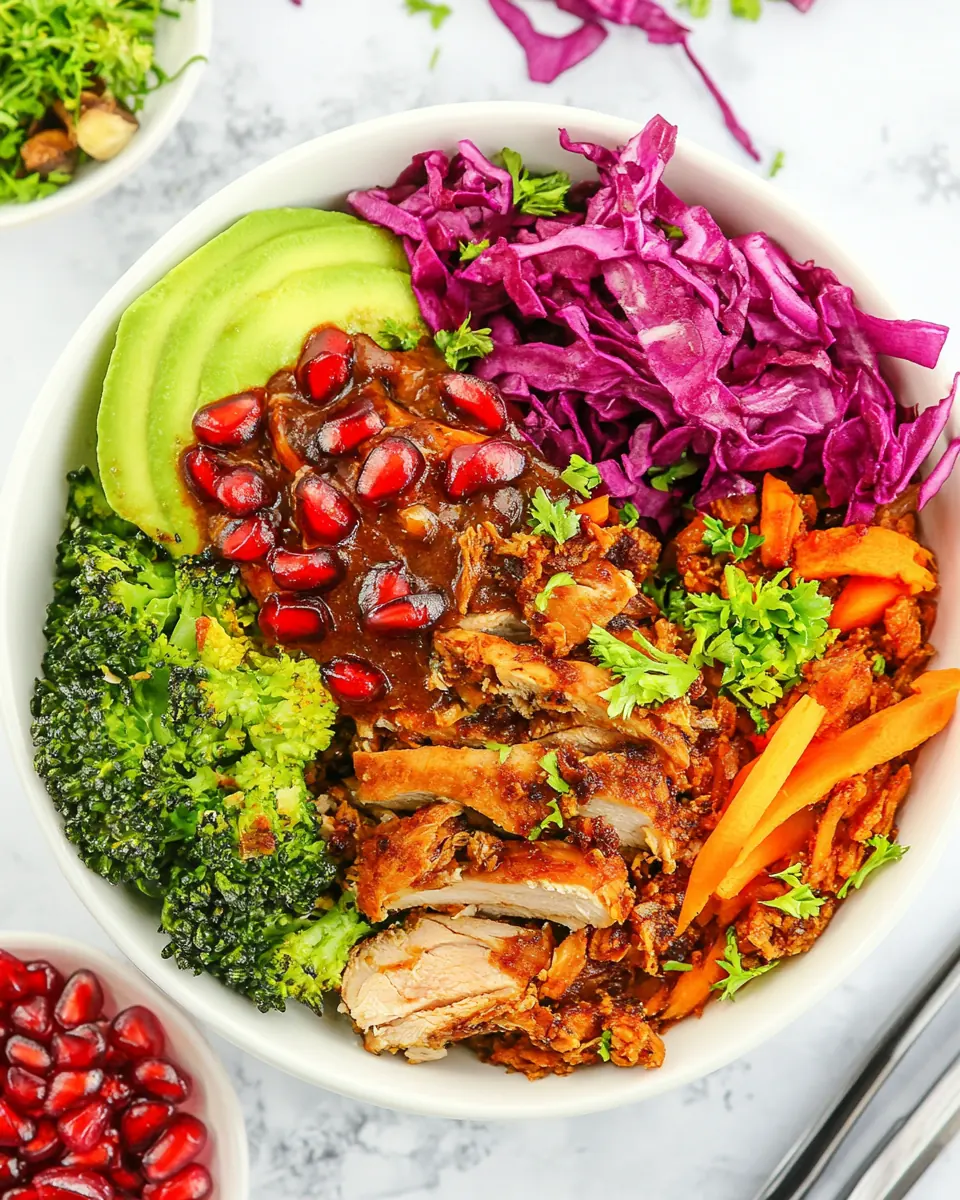
I like to think of building this bowl as a series of small sensory victories, each one contributing aroma, color, or texture. Follow the steps in order to layer flavors and keep elements at their best, and you will get a bowl that looks and tastes intentionally made.
- Wash and drain the quinoa in a bowl of water until it runs clear. Drain water.: Your first sensory cue is the water clarity, you will notice cloudy water turn clear as starch rinses away, leaving the grains smelling faintly nutty rather than bitter. This matters because rinsed quinoa cooks into separate, light grains instead of clumping into a paste, and the texture becomes pleasantly fluffy when done. A common pitfall is skipping this rinse, which can leave a soapy or earthy aftertaste; if you detect any off aroma after rinsing, repeat until the water runs clear. When draining, shake the sieve gently so excess water does not steam the grains before they hit the pot, which helps maintain the intended cooking ratio.
- Combine 2 1/2 cups water, 1 1/4 cups quinoa and salt in a pot over high heat and bring to a boil. Cover, turn heat to medium, and let simmer, until all of the water is absorbed, about 15 minutes. Remove from heat, fluff with fork. Keep covered until ready to serve.: You will hear a steady simmer and see gentle steam escape from under the lid; that soft bubbling is your audio cue that the water is cooking into the quinoa . The pot will smell mildly toasty as the liquid reduces. Allowing it to steam off with the lid on after removing from heat finishes the cooking gently, yielding plump, separated grains. Fluffing with a fork introduces air and prevents compacting. One error I often see is lifting the lid repeatedly during simmering which lets steam escape and can extend cooking time, so resist peeking. If you notice the bottom catching or a scorched smell, your heat was too high, and you should reduce the temperature earlier next time and stir gently to loosen any stuck bits.
- In a mason jar with tight fitting lid, add in the pomegranate molasses, olive oil, 2 tablespoons of water. Season with salt and pepper, if you'd like. Cover with lid tightly and shake.: When you shake the jar you will see the glossy dressing emulsify, a sheen forming as oil and syrup combine, and a bright, fruity aroma will rise. This simple vinaigrette clings to grains and vegetables, so the glossy texture is key to even coating. If the sauce seems too viscous, the added water will smooth it out without diluting the flavor too much. One trap is under seasoning; taste and adjust carefully because the rotisserie chicken may already carry salt, so add seasoning conservatively. If your dressing separates in the jar, shake again just before serving to recombine.
- If you would like to make the Pomegranate Sauce from scratch, see very bottom of recipe.: Follow the scratch sauce method when you want an intensely fresh pomegranate character; while it simmers, your kitchen will fill with a warm, fruity perfume and a deep crimson syrup will form. This homemade approach yields a more nuanced sweetness and a slightly brighter acidity than store bought molasses, which can elevate the bowl. The main mistake is boiling too aggressively, which can burn the sugars and impart a bitter note, so simmer gently and stir occasionally. When the sauce lightly coats the back of a spoon you have the correct consistency.
- Then assemble the Buddha Bowl, divide the quinoa amongst the bowls. Add in the vegetables, chicken. Drizzle on the Pomegranate Sauce and top with crunch.: As you assemble, notice the contrast of warm quinoa against cool avocado slices and crisp broccoli . Drizzling the glossy pomegranate dressing slowly lets it bead on top before sinking in, creating a beautiful finish and ensuring each element gets a hit of flavor. Scatter the toasted nuts last so they retain max crunch. Avoid tossing everything too aggressively which bruises delicate ingredients like avocado and sprouts; a gentle fold or artful placement keeps textures distinct and pleasing.
- Store the leftover Pomegranate Sauce in the refrigerator. It should last for 2 weeks.: The sauce chilling will concentrate flavors and thicken slightly, giving a richer mouthfeel when used later, and you will notice the aroma mellow and sweeten. Label the jar with the date so you track freshness. A frequent error is leaving the sauce at room temperature; always refrigerate to preserve quality. If the sauce becomes overly thick in the fridge, stir in a teaspoon of water and shake to loosen before using.
Ways to Adapt This Recipe
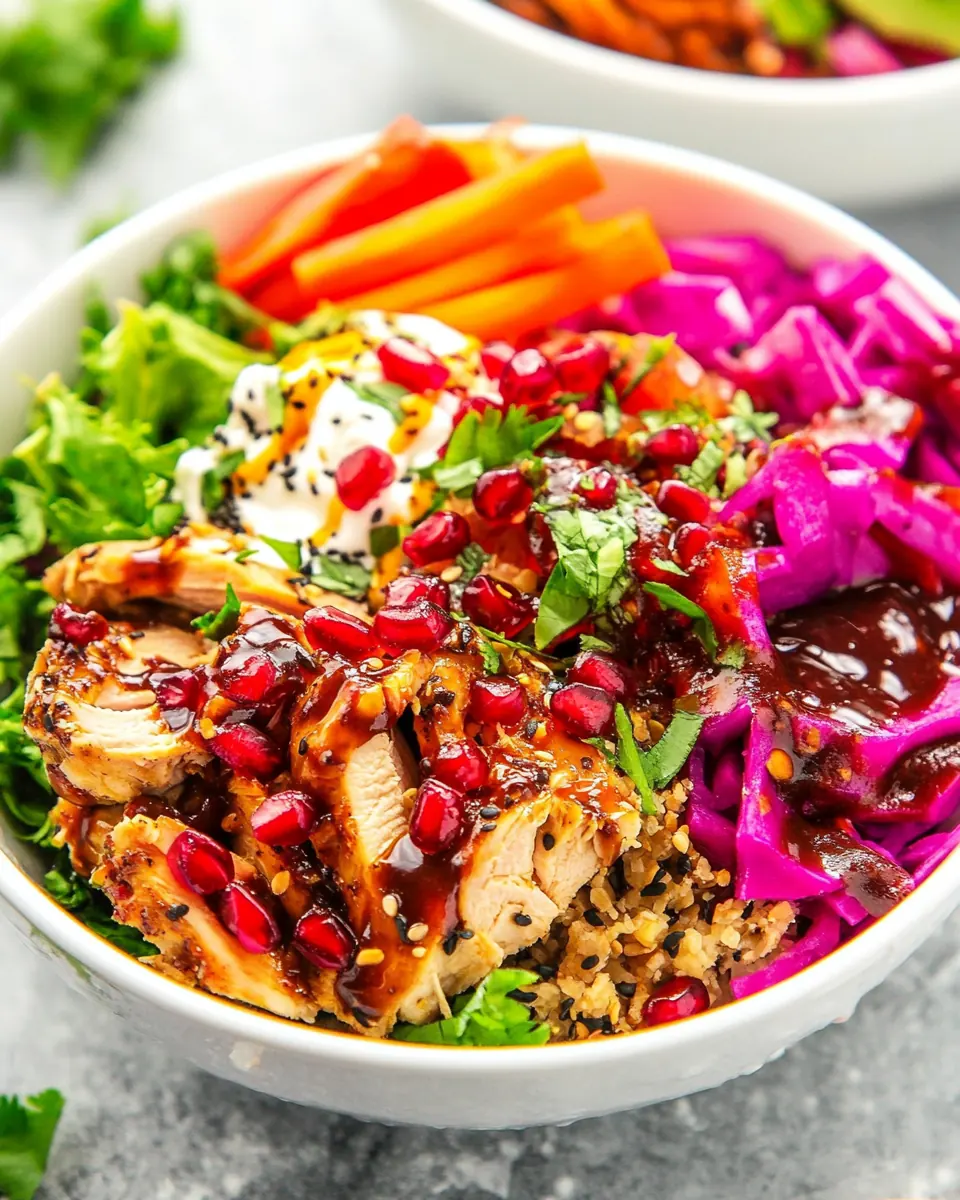
This bowl is naturally adaptable, and small swaps let you tailor it to what you have on hand or the season. Below are practical tips to adjust texture, flavor, and make the recipe fit your needs without losing its core appeal.
- Swap the nuts to change flavor and texture, using almonds, pistachios, or walnuts depending on what you prefer or have available.
- Make the sauce milder by adding an extra teaspoon of water or a touch more olive oil, which softens the pomegranate molasses without reducing the brightness.
- Add more greens like baby spinach or arugula for extra volume and a peppery bite; fold them in gently to avoid wilting.
- Use roasted vegetables by roasting broccoli and carrots for a deeper caramelized flavor if you prefer a warmer bowl.
- Prep ahead by cooking the quinoa and making the dressing in advance, which lets you assemble bowls in minutes on busy days.
- Make it vegetarian by omitting the rotisserie chicken and increasing nuts or adding chickpeas for protein, while keeping the rest of the components the same.
Serving Ideas for Rotisserie Chicken Buddha Bowl with Sweet Pomegranate Sauce
This dish is versatile for lunches, casual dinners, or festive gatherings. Below are detailed serving ideas and seasonal pairings to help you present it beautifully and make it fit the occasion.
- Weeknight dinner: Serve an individual bowl with a warm base of quinoa, topped with rotisserie chicken, broccoli, shredded carrots, sliced avocado, sprouts, and a drizzle of pomegranate molasses. Keep sides minimal, like a wedge of lemon for brightness.
- Lunch prep: Portion into airtight containers with sauce on the side. Add pomegranate seeds and nuts just before eating to retain crunch and pop, making it ideal for weekday lunches.
- Company meal: Arrange bowls family style on the table with a jar of extra sauce and a bowl of toasted nuts so guests can customize their portions. The colorful presentation reads festive and intentional.
- Ramadan or special occasions: This bowl works well for iftar because it combines energy boosting carbs, satisfying protein, and hydrating vegetables. Serve alongside dates and a light soup for a balanced spread.
- Seasonal pairing: In fall, pair with roasted root vegetables and an herbal tea. In warmer months, keep the components chilled and add more fresh herbs for a brighter profile.
- Storage tips: Store components separately if possible. Refrigerate the assembled bowl no more than one day to maintain texture; the sauce will keep for up to two weeks refrigerated.
FAQ
Conclusion
This Rotisserie Chicken Buddha Bowl with Sweet Pomegranate Sauce stands out because it combines quick convenience with layered flavors and textures. It’s an approachable meal that still feels special, with warm quinoa, tender rotisserie chicken, creamy avocado, vibrant vegetables, and a glossy pomegranate dressing that ties everything together. Give it a try when you want a nourishing, colorful bowl that comes together without fuss, and enjoy how small, simple elements can make a satisfying, memorable meal.
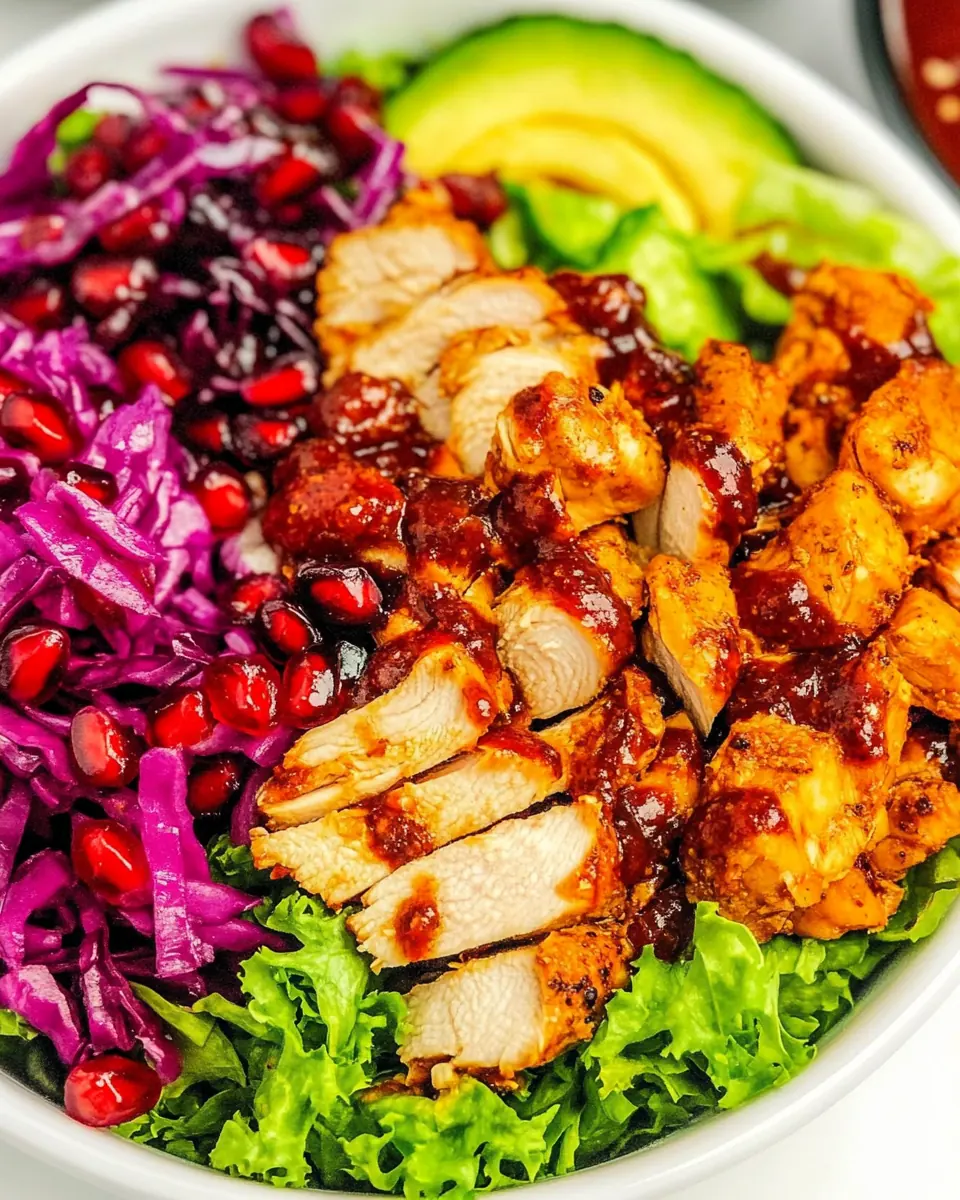
Rotisserie Chicken Buddha Bowl with Sweet Pomegranate Sauce
Ingredients
Equipment
Method
- Wash and drain the quinoa in a bowl of water until it runs clear. Drain water.: Your first sensory cue is the water clarity, you will notice cloudy water turn clear as starch rinses away, leaving the grains smelling faintly nutty rather than bitter. This matters because rinsed quinoa cooks into separate, light grains instead of clumping into a paste, and the texture becomes pleasantly fluffy when done. A common pitfall is skipping this rinse, which can leave a soapy or earthy aftertaste; if you detect any off aroma after rinsing, repeat until the water runs clear. When draining, shake the sieve gently so excess water does not steam the grains before they hit the pot, which helps maintain the intended cooking ratio.
- Combine 2 1/2 cups water, 1 1/4 cups quinoa and salt in a pot over high heat and bring to a boil. Cover, turn heat to medium, and let simmer, until all of the water is absorbed, about 15 minutes. Remove from heat, fluff with fork. Keep covered until ready to serve.: You will hear a steady simmer and see gentle steam escape from under the lid; that soft bubbling is your audio cue that the water is cooking into the quinoa . The pot will smell mildly toasty as the liquid reduces. Allowing it to steam off with the lid on after removing from heat finishes the cooking gently, yielding plump, separated grains. Fluffing with a fork introduces air and prevents compacting. One error I often see is lifting the lid repeatedly during simmering which lets steam escape and can extend cooking time, so resist peeking. If you notice the bottom catching or a scorched smell, your heat was too high, and you should reduce the temperature earlier next time and stir gently to loosen any stuck bits.
- In a mason jar with tight fitting lid, add in the pomegranate molasses, olive oil, 2 tablespoons of water. Season with salt and pepper, if you'd like. Cover with lid tightly and shake.: When you shake the jar you will see the glossy dressing emulsify, a sheen forming as oil and syrup combine, and a bright, fruity aroma will rise. This simple vinaigrette clings to grains and vegetables, so the glossy texture is key to even coating. If the sauce seems too viscous, the added water will smooth it out without diluting the flavor too much. One trap is under seasoning; taste and adjust carefully because the rotisserie chicken may already carry salt, so add seasoning conservatively. If your dressing separates in the jar, shake again just before serving to recombine.
- If you would like to make the Pomegranate Sauce from scratch, see very bottom of recipe.: Follow the scratch sauce method when you want an intensely fresh pomegranate character; while it simmers, your kitchen will fill with a warm, fruity perfume and a deep crimson syrup will form. This homemade approach yields a more nuanced sweetness and a slightly brighter acidity than store bought molasses, which can elevate the bowl. The main mistake is boiling too aggressively, which can burn the sugars and impart a bitter note, so simmer gently and stir occasionally. When the sauce lightly coats the back of a spoon you have the correct consistency.
- Then assemble the Buddha Bowl, divide the quinoa amongst the bowls. Add in the vegetables, chicken. Drizzle on the Pomegranate Sauce and top with crunch.: As you assemble, notice the contrast of warm quinoa against cool avocado slices and crisp broccoli . Drizzling the glossy pomegranate dressing slowly lets it bead on top before sinking in, creating a beautiful finish and ensuring each element gets a hit of flavor. Scatter the toasted nuts last so they retain max crunch. Avoid tossing everything too aggressively which bruises delicate ingredients like avocado and sprouts; a gentle fold or artful placement keeps textures distinct and pleasing.
- Store the leftover Pomegranate Sauce in the refrigerator. It should last for 2 weeks.: The sauce chilling will concentrate flavors and thicken slightly, giving a richer mouthfeel when used later, and you will notice the aroma mellow and sweeten. Label the jar with the date so you track freshness. A frequent error is leaving the sauce at room temperature; always refrigerate to preserve quality. If the sauce becomes overly thick in the fridge, stir in a teaspoon of water and shake to loosen before using.
Notes
- Swap the nuts to change flavor and texture, using almonds, pistachios, or walnuts depending on what you prefer or have available.
- Make the sauce milder by adding an extra teaspoon of water or a touch more olive oil, which softens the pomegranate molasses without reducing the brightness.
- Add more greens like baby spinach or arugula for extra volume and a peppery bite; fold them in gently to avoid wilting.
- Use roasted vegetables by roasting broccoli and carrots for a deeper caramelized flavor if you prefer a warmer bowl.
- Prep ahead by cooking the quinoa and making the dressing in advance, which lets you assemble bowls in minutes on busy days.
- Make it vegetarian by omitting the rotisserie chicken and increasing nuts or adding chickpeas for protein, while keeping the rest of the components the same.