White Chocolate Lemon Bars
White Chocolate Lemon Bars started showing up in my kitchen one bright spring afternoon when I had more lemons than sense and a jar of white chocolate chips begging for attention. I remember cracking the eggs, zesting a lemon until my fingers smelled like sunshine, and thinking how concise flavors can feel indulgent and light at the same time. There was a small crowd of friends due later that evening, and I wanted something that felt both festive and utterly simple, so I leaned into buttery crumbs and a tangy, silky lemon filling.
I have a habit of testing recipes across multiple tools, so I alternated between a blender and a food processor the day I developed these White Chocolate Lemon Bars. Each method yielded slightly different textures in the crust, and that tiny variation is exactly what made me fall for the recipe. While the crust compressed under my palm, the filling blended into a glossy, pale lemon custard that smelled of citrus and sweet cream. When the bars cooled, the contrast of the crisp shortbread base and the smooth lemon layer felt like a small triumph.
These bars became my go to when I needed a dessert that could be prepped ahead but still deliver that fresh, made today feeling. I found myself packing a tin for picnics, slicing neat squares for potlucks, and dusting them with powdered sugar just before serving to add that final whisper of elegance. If you love desserts that balance brightness and richness, you will likely keep coming back to this version of White Chocolate Lemon Bars.
Recipe Snapshot
60 mins
20 mins
40 mins
Medium
210 kcal
American
Gluten-Free, Low FODMAP
Desserts
Blender, Food processor, 9×9″ baking pan
Why You Need This White Chocolate Lemon Bars
A perfect balance of sweet and tart
I love that these White Chocolate Lemon Bars combine the sweetness of white chocolate with the bright acidity of lemon juice. The filling is velvety, and the lemon cuts through the richness so each bite feels balanced, not cloying. I usually remind guests that this is the kind of dessert that feels like a treat without overwhelming the palate.
Textural contrast that keeps you coming back
The crust made from crushed Pecan Shortbread Cookies gives a sandy, slightly nutty base that snaps against the soft custard. I press the crust until it is compact and firm, because that contrast is essential. When you bite in, you notice the crumbly base, then the smooth, almost custardy lemon layer, and finally the faint, cool dusting of powdered sugar.
Great for make ahead entertaining
I often make these a day ahead. They cool and set beautifully in the fridge, which is a lifesaver when I host. The flavors actually marry overnight, and the bars slice cleaner after chilling. If I am prepping a spread, these bars are one of the first items I tackle, and I love that they travel well.
Accessible ingredients, simple techniques
The ingredient list reads like pantry friendly staples. You do not need fancy equipment, just a blender or food processor and a 9 by 9 pan. Because the technique is straightforward, I can walk a novice cook through it in a single demonstration. The recipe encourages careful pressing of the crust and gentle blending of the filling, both small steps that create a polished final product.
Versatile and crowd pleasing
These White Chocolate Lemon Bars work for brunch, potlucks, or after dinner. They feel seasonal for spring because of the lemon, yet they are familiar enough that almost everyone reaches for a second square. I keep a few variations in my back pocket, but the core version remains my favorite because it is dependable and bright.
Key Ingredients for White Chocolate Lemon Bars
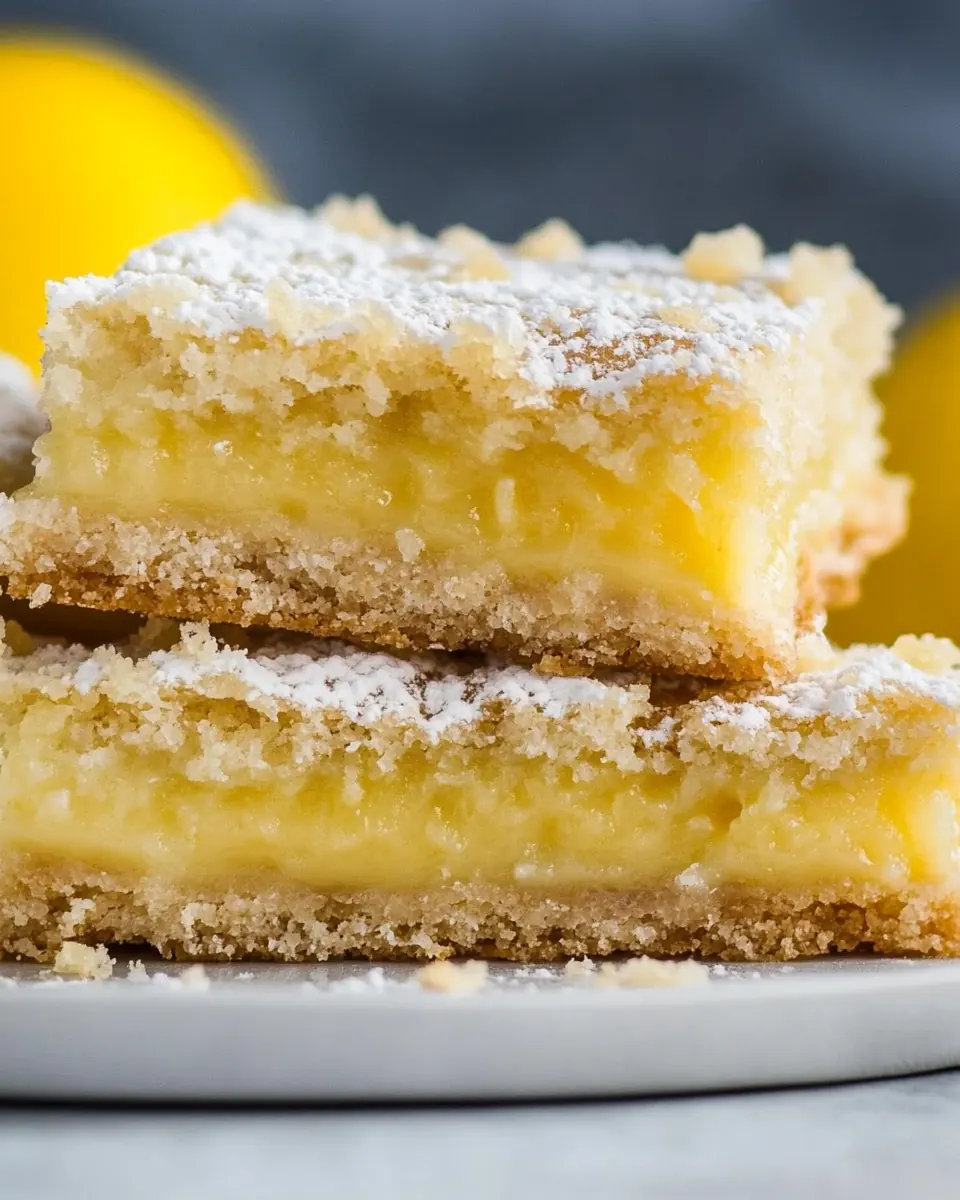
These ingredients are chosen to create a balance of texture and flavor. The crust relies on buttery cookie crumbs to provide structure and a nutty backdrop, while the filling blends citrus brightness with sweet creaminess. Each component plays a role, from binding the crust to setting the custard, so you get a slice that is firm, silky, and lively.
- 30 Pecan Shortbread Cookies (such as Pecan Sandies): Provide a crisp, buttery base when crushed and combined with melted butter to form the shortbread crust; offer toasted pecan flavor and a slightly sandy texture that holds together when pressed into the pan.
- 4 tablespoons (57 g) unsalted butter, melted: Melted to bind the cookie crumbs into a cohesive crust; contribute rich flavor and help the crust set firmly while adding moisture and gloss.
- 1 cup (170 g) white chocolate chips: Melted and folded into the lemon filling for sweet creaminess and a silky texture; offer an aromatic white chocolate flavor that balances tart lemon notes.
- 1/2 cup (118 ml) fresh lemon juice (from about 2 lemons): Sour and brightly acidic, used to provide the primary lemon flavor and tang for the custard-like filling; its acidity also helps the filling set and balances the dessert's sweetness.
- 1 teaspoon lemon zest from one lemon: Fragrant and zesty, added to enhance and intensify fresh lemon aroma in the filling; imparts essential citrus oils that lift the overall flavor profile.
- 2 cups (400 g) granulated sugar: Sweetener for the filling that dissolves into a smooth custard; helps stabilize the lemon curd, contributes structure, and balances the tartness of the lemon juice.
- 1/4 cup (31 g) all purpose flour: Lightly thickening the filling and helping to stabilize the custard; prevents weeping and provides subtle structure without making the filling heavy.
- 1/2 teaspoon baking powder: Leavening agent in small amount to slightly aerate and lighten the lemon filling; aids in a tender texture and ensures even rise without causing large air pockets.
- 4 large eggs: Provide structure, richness, and emulsification to the lemon filling; eggs coagulate during baking to create a firm, silky custard that holds when sliced.
- 1/4 cup (28 g) powdered sugar for dusting: Dust over the finished bars for a delicate, sweet finish and attractive presentation; adds a whisper of extra sweetness and contrasts visually with the tart filling.
White Chocolate Lemon Bars Instructions
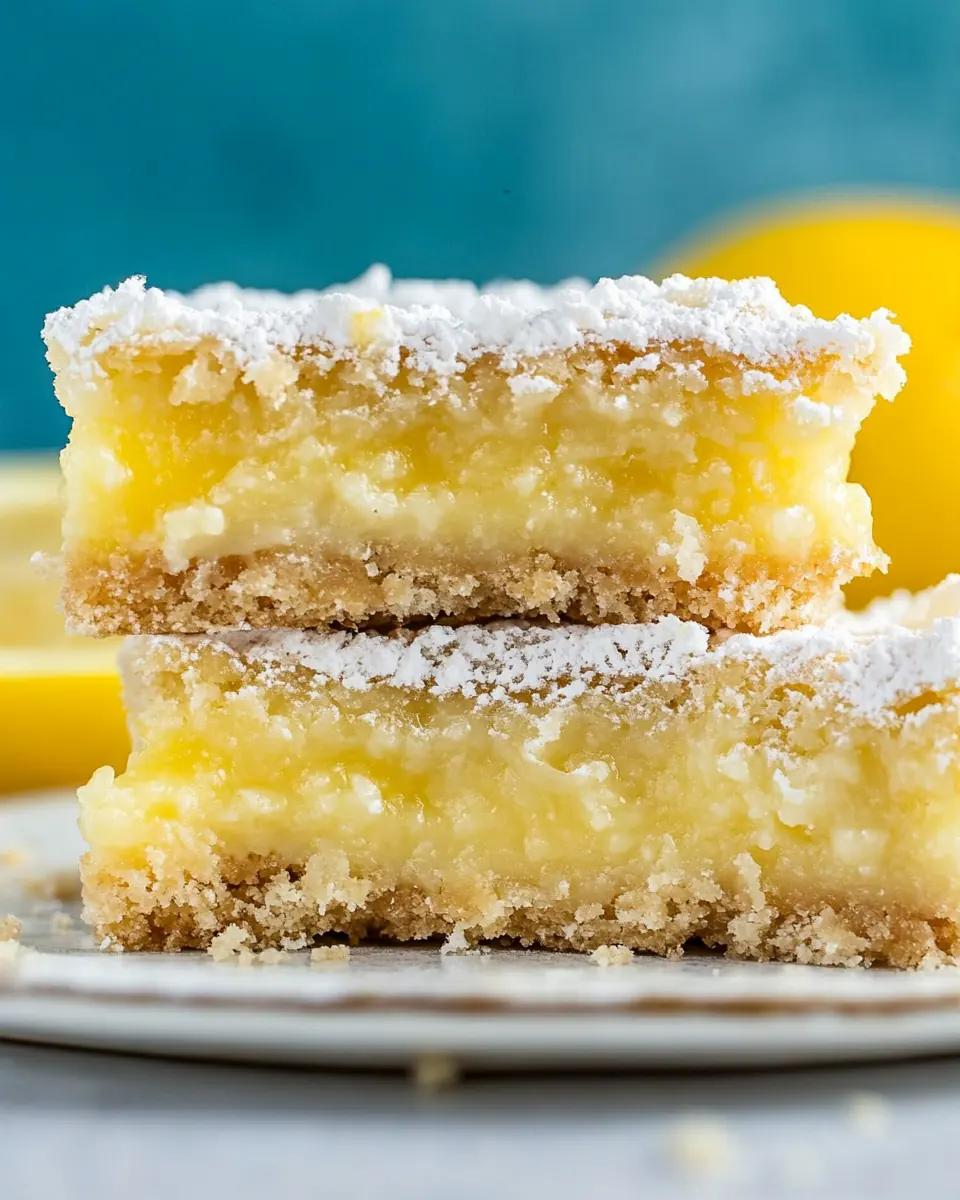
I like to keep the workflow tidy when I make these bars, laying out the cookies, measuring the dry ingredients, and preheating the oven. This little routine helps the bake move smoothly and reduces rushed mistakes. Below I expanded each direction into a rich, sensory guide so you know what to expect at every stage.
- Preheat oven to 350 F. Line a 9×9" baking pan with foil and spray with cooking spray.: As the oven warms, you will notice a gentle heat building in the kitchen, a signal that the butter and filling will transform soon. Doing this first ensures even baking later, and lining the pan with foil makes it effortless to lift the bars out after chilling. A common mistake is not pressing the foil into the corners, which can cause uneven crust edges, so take a moment to smooth it down. You want the pan surface to be completely covered, and spraying prevents sticking, so the bars release cleanly when they are cooled.
- Blender: Add cookies to a powerful blender and pulse a few times until they are a fine crumb. Add melted butter and pulse once or twice until incorporated. Press into the bottom of the prepared pan.: Add cookies to a powerful blender and pulse a few times until they are a fine crumb. Add melted butter and pulse once or twice until incorporated. Press into the bottom of the prepared pan. : The sound of the cookies breaking down into tiny crumbs is oddly satisfying, like soft rain on a tin roof, and the aroma of pecans will become more prominent. Once you add warm, melted butter , the mixture will take on a sandy, cohesive texture. Pressing the crumbs into the pan should feel firm under your palm, like compacted sand, to ensure structural integrity. If you press too lightly, you risk a crust that crumbles when slicing. One mistake I sometimes see is over pulsing so the crumbs become paste like; stop when they are sandy but still dry enough to press.
- Food processor: Finely crush the cookies using the food processor. Add to melted butter and stir with a fork until sandy, then press into the bottom of the prepared pan.: Finely crush the cookies using the food processor. Add to melted butter and stir with a fork until sandy, then press into the bottom of the prepared pan. : If you choose the food processor, you will notice the crumbs fall into a uniform texture quickly, with the pecan scent intensifying. Stirring with a fork helps you avoid overworking the crumbs, keeping that pleasant sandy feel that compacts without becoming greasy. Firm pressing with the heel of your hand yields a more consistent base. Avoid pressing unevenly, especially around the edges, because gaps can let the filling seep through, causing inversion when cooling.
- Be sure to press very well so they are totally compact. If there are any holes the bars will invert. Sprinkle crust with white chocolate chips.: When you press, run your fingers along the edges to compact them inward, ensuring no air pockets remain, because they can create weak spots in the final slice. The visual cue is a smooth, even surface that does not crumble under pressure. Sprinkling white chocolate chips across the crust provides small pockets of sweetness that will melt slightly when the filling is added, creating a lovely mosaic of flavor. A common slip up is skimping on pressure, so take the extra 30 seconds to firm everything up.
- Add lemon juice, lemon zest, granulated sugar, flour, baking powder, and eggs to a blender and blend until smooth. Alternately, whisk together until mixture is smooth. Pour onto crust.: As you blend, the mixture becomes glossy and pale, and citrus aromas will lift and perfume the kitchen. The role of the flour and baking powder is to stabilize the custard so it sets properly, while the eggs provide silkiness and body. Pour gently so the filling distributes evenly across the crust. If you overblend and heat the mixture, it may incorporate too much air, causing the surface to crack during cooling. A smooth, lump free pour is what you want.
- Bake for about 30-40 minutes, or until the edges are a light golden color. The top will have a dull white look to it. Cool completely.: As the bars bake, the edges will firm first and turn a light golden shade, while the center will set more slowly and retain a pale matte appearance. You may hear faint bubbling at the edges as moisture escapes, and the kitchen will fill with bright lemon notes. Cooling is crucial because it allows the filling to finish setting; slicing warm will yield a runny interior. A mistake to avoid is baking only until the surface looks done; check that the center gives just slightly to a gentle touch, indicating a custardy set.
- Slice into bars and dust with powdered sugar before serving.: When the chilled slab is ready, the satisfying sound of a clean knife through set custard is a tiny culinary triumph. Dusting with powdered sugar right before serving keeps the tops visually appealing and adds a soft sweetness to the first bite. Slice using a sharp knife wiped between cuts for neat squares. Cutting too soon or with a dull blade can lead to ragged edges, so patience and a careful hand will reward you with beautiful portions.
Expert Tips about White Chocolate Lemon Bars
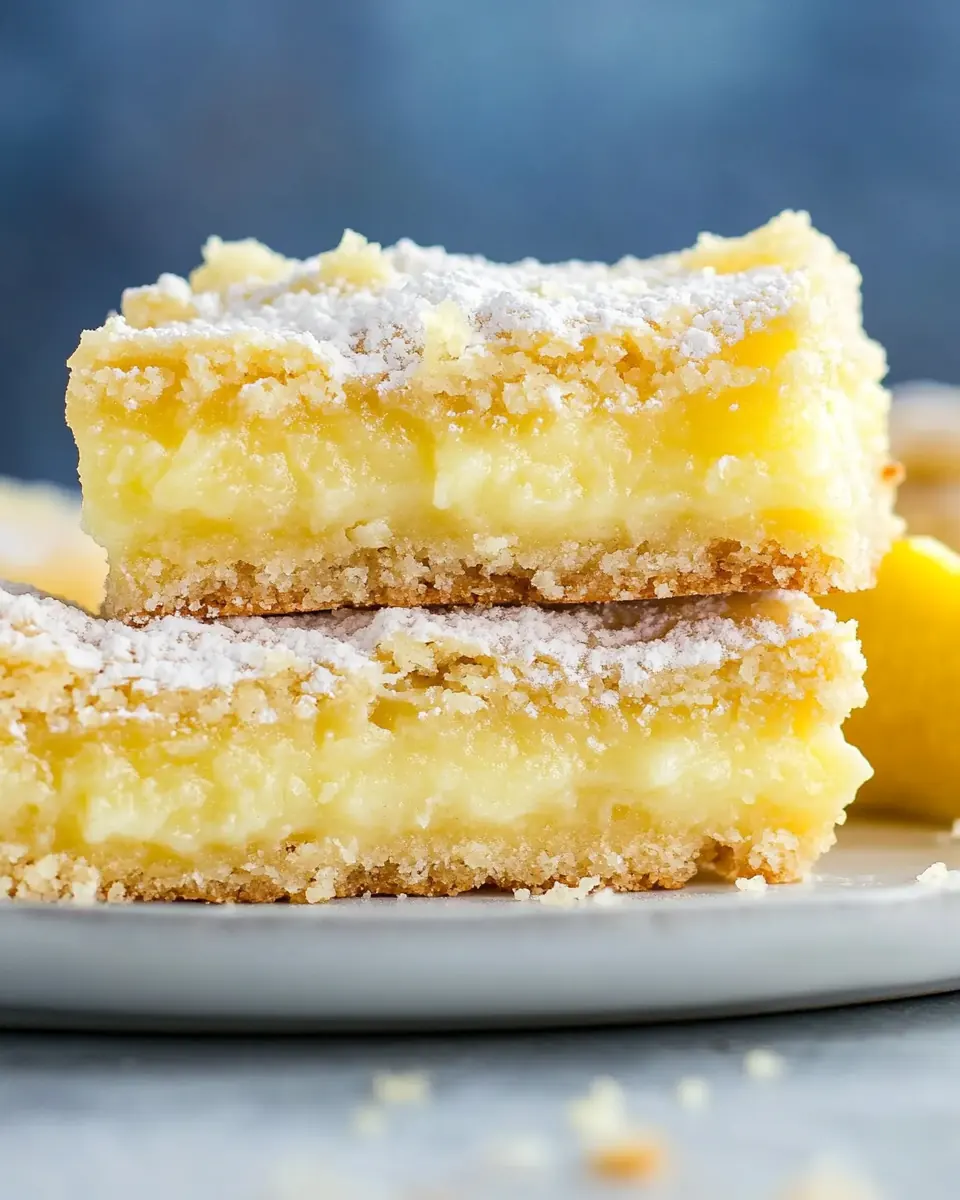
These tips reflect lessons I learned while testing the recipe. They focus on texture, timing, and presentation so you end up with pristine squares that taste as bright as they look. Keep these tricks in mind during prep and baking.
- Compact the crust: Firmly press the cookie and butter mixture into the pan so the base is dense and cohesive, preventing gaps that let the filling seep through.
- Prefer fresh citrus: Use freshly squeezed lemon juice and freshly grated lemon zest for the most aromatic, lively filling; bottled juice lacks those essential volatile oils.
- Blend for smoothness: If using a blender for the filling, pulse until glossy and lump free to create a velvety custard that sets evenly during baking.
- Chill before slicing: After cooling, refrigerate until fully set to make cleaner cuts and prevent the filling from oozing when serving.
- White chocolate placement: Scatter the white chocolate chips across the crust so they create small sweet pockets rather than a single melted layer, offering contrast in each bite.
- Dust sugar last: Apply the powdered sugar right before serving to preserve its appearance and prevent it from dissolving into the surface.
Serving This White Chocolate Lemon Bars
These bars are flexible for many occasions, and they are easy to dress up for gatherings or keep simple for everyday treats. Below are detailed serving ideas and practical storage notes to help you present them beautifully and keep them fresh.
- For brunch: Serve slightly chilled alongside coffee or a light fruit salad to balance the sweet and tangy profile.
- As a dessert after dinner: Pair a small portion with a sprig of mint and a cup of tea to provide a refreshing finish to a meal.
- For potlucks and parties: Slice into neat squares and arrange on a platter; they travel well when chilled in an airtight container.
- Storage: Keep in an airtight container in the refrigerator for up to three days, or freeze well wrapped for up to three months; thaw in the fridge before serving.
- Presentation tips: Dust with powdered sugar just before serving and use a warm, clean knife wiped between cuts for tidy portions.
FAQ
Conclusion
What makes these White Chocolate Lemon Bars special is the way buttery pecan shortbread meets a bright, silky lemon custard that is both bright and comforting. I encourage you to try them because they are simple to prepare, travel well, and deliver a satisfying sweet and tart balance that wins over a crowd. They are a dependable springtime favorite in my kitchen, and with a little patience while pressing the crust and cooling the bars, you will be rewarded with beautiful, delicious slices that are perfect for gatherings or a sweet everyday treat.
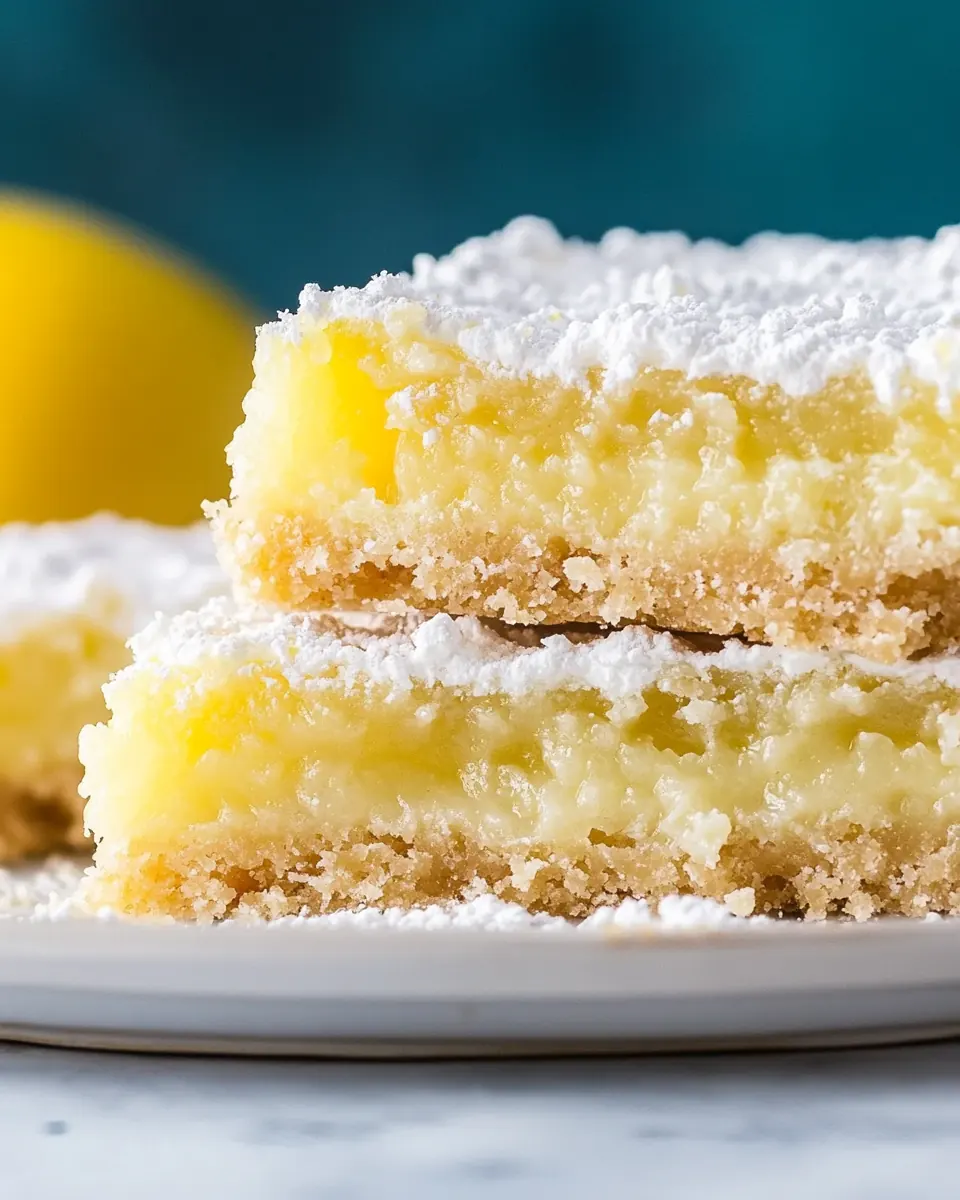
White Chocolate Lemon Bars
Ingredients
Equipment
Method
- Preheat oven to 350 F. Line a 9×9" baking pan with foil and spray with cooking spray.: As the oven warms, you will notice a gentle heat building in the kitchen, a signal that the butter and filling will transform soon. Doing this first ensures even baking later, and lining the pan with foil makes it effortless to lift the bars out after chilling. A common mistake is not pressing the foil into the corners, which can cause uneven crust edges, so take a moment to smooth it down. You want the pan surface to be completely covered, and spraying prevents sticking, so the bars release cleanly when they are cooled.
- Blender: Add cookies to a powerful blender and pulse a few times until they are a fine crumb. Add melted butter and pulse once or twice until incorporated. Press into the bottom of the prepared pan.: Add cookies to a powerful blender and pulse a few times until they are a fine crumb. Add melted butter and pulse once or twice until incorporated. Press into the bottom of the prepared pan. : The sound of the cookies breaking down into tiny crumbs is oddly satisfying, like soft rain on a tin roof, and the aroma of pecans will become more prominent. Once you add warm, melted butter , the mixture will take on a sandy, cohesive texture. Pressing the crumbs into the pan should feel firm under your palm, like compacted sand, to ensure structural integrity. If you press too lightly, you risk a crust that crumbles when slicing. One mistake I sometimes see is over pulsing so the crumbs become paste like; stop when they are sandy but still dry enough to press.
- Food processor: Finely crush the cookies using the food processor. Add to melted butter and stir with a fork until sandy, then press into the bottom of the prepared pan.: Finely crush the cookies using the food processor. Add to melted butter and stir with a fork until sandy, then press into the bottom of the prepared pan. : If you choose the food processor, you will notice the crumbs fall into a uniform texture quickly, with the pecan scent intensifying. Stirring with a fork helps you avoid overworking the crumbs, keeping that pleasant sandy feel that compacts without becoming greasy. Firm pressing with the heel of your hand yields a more consistent base. Avoid pressing unevenly, especially around the edges, because gaps can let the filling seep through, causing inversion when cooling.
- Be sure to press very well so they are totally compact. If there are any holes the bars will invert. Sprinkle crust with white chocolate chips.: When you press, run your fingers along the edges to compact them inward, ensuring no air pockets remain, because they can create weak spots in the final slice. The visual cue is a smooth, even surface that does not crumble under pressure. Sprinkling white chocolate chips across the crust provides small pockets of sweetness that will melt slightly when the filling is added, creating a lovely mosaic of flavor. A common slip up is skimping on pressure, so take the extra 30 seconds to firm everything up.
- Add lemon juice, lemon zest, granulated sugar, flour, baking powder, and eggs to a blender and blend until smooth. Alternately, whisk together until mixture is smooth. Pour onto crust.: As you blend, the mixture becomes glossy and pale, and citrus aromas will lift and perfume the kitchen. The role of the flour and baking powder is to stabilize the custard so it sets properly, while the eggs provide silkiness and body. Pour gently so the filling distributes evenly across the crust. If you overblend and heat the mixture, it may incorporate too much air, causing the surface to crack during cooling. A smooth, lump free pour is what you want.
- Bake for about 30-40 minutes, or until the edges are a light golden color. The top will have a dull white look to it. Cool completely.: As the bars bake, the edges will firm first and turn a light golden shade, while the center will set more slowly and retain a pale matte appearance. You may hear faint bubbling at the edges as moisture escapes, and the kitchen will fill with bright lemon notes. Cooling is crucial because it allows the filling to finish setting; slicing warm will yield a runny interior. A mistake to avoid is baking only until the surface looks done; check that the center gives just slightly to a gentle touch, indicating a custardy set.
- Slice into bars and dust with powdered sugar before serving.: When the chilled slab is ready, the satisfying sound of a clean knife through set custard is a tiny culinary triumph. Dusting with powdered sugar right before serving keeps the tops visually appealing and adds a soft sweetness to the first bite. Slice using a sharp knife wiped between cuts for neat squares. Cutting too soon or with a dull blade can lead to ragged edges, so patience and a careful hand will reward you with beautiful portions.
Notes
- Compact the crust: Firmly press the cookie and butter mixture into the pan so the base is dense and cohesive, preventing gaps that let the filling seep through.
- Prefer fresh citrus: Use freshly squeezed lemon juice and freshly grated lemon zest for the most aromatic, lively filling; bottled juice lacks those essential volatile oils.
- Blend for smoothness: If using a blender for the filling, pulse until glossy and lump free to create a velvety custard that sets evenly during baking.
- Chill before slicing: After cooling, refrigerate until fully set to make cleaner cuts and prevent the filling from oozing when serving.
- White chocolate placement: Scatter the white chocolate chips across the crust so they create small sweet pockets rather than a single melted layer, offering contrast in each bite.
- Dust sugar last: Apply the powdered sugar right before serving to preserve its appearance and prevent it from dissolving into the surface.