Boston Market Meatloaf Recipe
Boston Market Meatloaf Recipe is the kind of comfort food that takes me back to weeknight dinners at my parents house, the warm kitchen air carrying the scent of baking ground beef chuck and sweet tomato sauce. The first time I tried to recreate it, I was juggling a fussy toddler and an empty fridge, yet that familiar loaf somehow stitched the evening back together with its steady, savory presence. I remember pressing the mixture into the pan with purpose, thinking about how simple ingredients can yield something soulful and reliably satisfying.
Over the years, I have tweaked the rhythm of making this loaf so it fits into busy nights and slow Sunday afternoons alike. I appreciate how the combination of tender ground beef chuck, softened onions, and the binding power of breadcrumbs and egg shapes into a sliceable, shareable centerpiece. There is a humble ceremony to glazing the top with a sweet tomato sauce mix, which turns a rustic loaf into something glossy and welcoming. If you like hands-on, no fuss dinners that feed a crowd, this recipe will quickly become a reliable favorite.
Recipe Snapshot
1 hr 40 mins
10 mins
90 mins
Medium
300 kcal
American
Gluten-Free, Paleo
Dinner
Loaf pan, Oven, Mixing bowl
Why This Boston Market Meatloaf Recipe Is So Good
Comforting, nostalgic flavor
I’ve always loved how Boston Market Meatloaf Recipe tastes like home without any fuss. The blend of seasoned ground beef chuck and the tangy sweet tomato sauce glaze triggers memories while still feeling fresh. Every forkful offers that classic balance of savory and sweet, the kind that makes you reach for a second slice, and I never tire of that warm familiarity.
Simple pantry ingredients
One thing I admire about this recipe is how it leans on pantry staples. With plain breadcrumbs, an egg, and canned diced tomatoes, you can pull this together quickly. I frequently make small swaps depending on what I have, but the core combination always holds true. It is reassuring to know the dish does not demand exotic items to shine.
Flexible for feeding a crowd
We often need dishes that scale, and this loaf does exactly that. The ingredient list multiplies easily, and you can bake it in a single large loaf pan to serve family style. I like that it slices cleanly, making plating and portioning stress free for dinners where guests trickle in and out.
Textural satisfaction
The recipe gives you a pleasing contrast between a tender interior and a slightly sticky, caramelized glaze on top. The breadcrumbs and egg keep the crumb cohesive, while a brief bake, a drain, and a final glaze finish ensure the top becomes glossy and inviting. That mouthfeel is a big reason I keep returning to this loaf on chilly nights.
Kid friendly and adaptable
In my house, this loaf is a go to for picky eaters because the flavors are straightforward and familiar. I like to make it when company includes children since it is forgiving and straightforward to reheat. The smooth texture and mild seasoning make it a practical, comforting choice for mixed palates.
Ingredients Overview for Boston Market Meatloaf Recipe
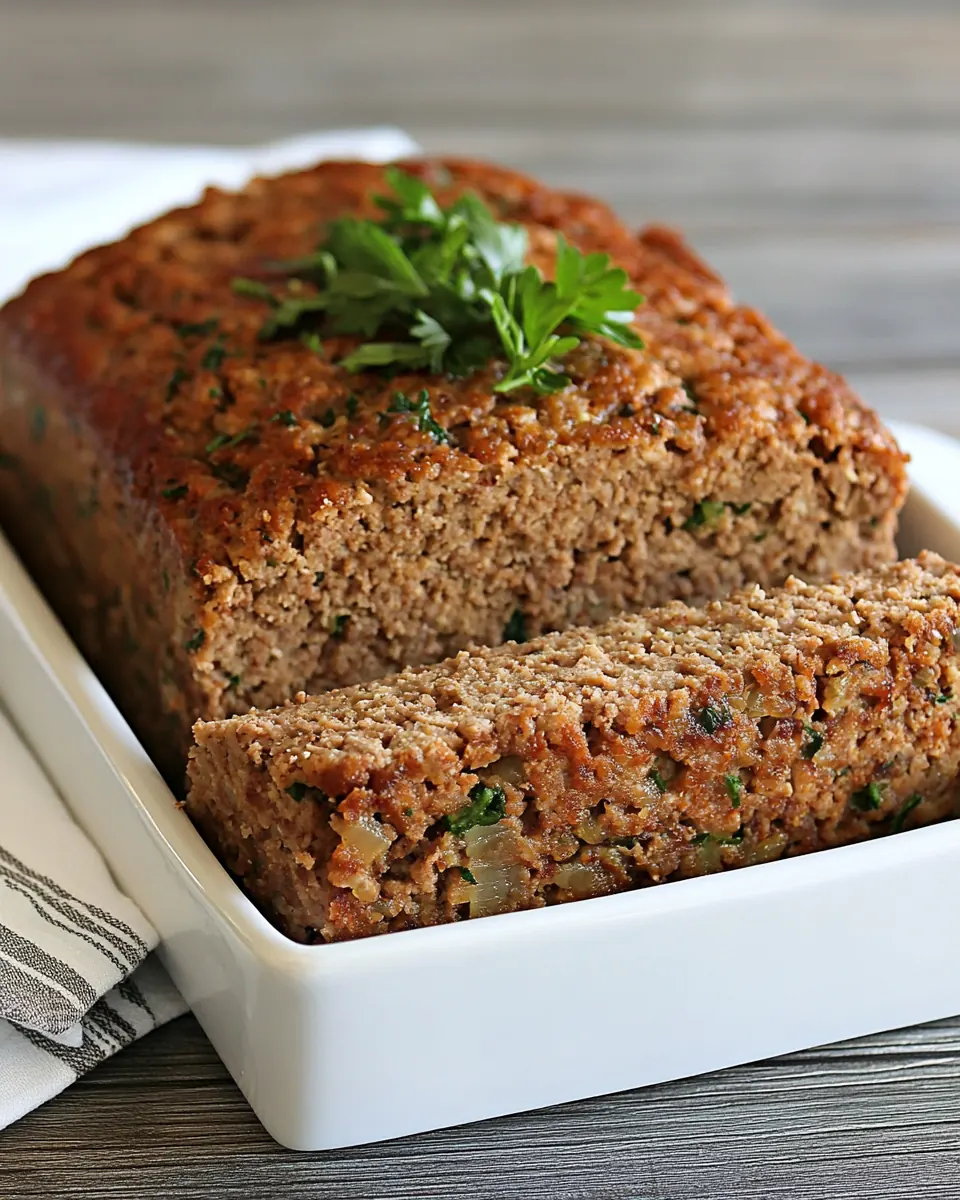
The philosophy behind these ingredients is about cooperation. Every item plays a clear role: the ground beef chuck provides richness and body, the breadcrumbs and egg bind and give structure, while the onions and diced tomatoes add moisture and subtle complexity. The tomato sauce and sugar team up to create a glossy, sweet tang that finishes the loaf, making each slice both comforting and lively.
- 1 1/2 pounds ground beef chuck: Provide rich, savory fat and beefy flavor while giving the meatloaf structure and moisture; choose ground beef chuck for its balanced fat content that helps prevent dryness. Brown gently if desired for added caramelized notes, but it mixes well raw with the other components to bind and flavor the loaf. Properly seasoned beef chuck forms the foundation of the classic meatloaf profile.
- 1/2 cup onions minced: Add subtle sweetness and aromatic depth by supplying moisture pockets and mild onion flavor when minced finely. Distribute evenly through the mixture to complement the meat and breadcrumbs, helping meld flavors during baking. Onions also release juices that contribute to overall tenderness.
- 1/2 teaspoon garlic salt: Deliver concentrated savory seasoning with a hint of garlic that enhances overall umami and elevates the meat's taste profile. Use measured amounts to avoid overpowering other flavors; it dissolves easily into the mixture. Garlic salt simplifies seasoning by combining both garlic flavor and salt.
- 3/4 cup drained diced tomatoes: Introduce bright acidity and tender moisture from drained diced tomatoes, contributing slight tomato flavor and texture without excess liquid. Drain well to prevent loosening the meatloaf's structure while retaining tomato pieces for bursts of flavor. Tomatoes also complement the tomato sauce and sugar in the glaze.
- 3/4 cup plain breadcrumbs: Provide bulk and absorb excess moisture to bind the mixture while contributing a light, slightly chewy texture that helps the loaf hold its shape. Choose plain breadcrumbs to avoid unwanted flavors and to allow seasoning control. Even distribution ensures consistent density and sliceability.
- 1 egg: Bind ingredients together and add richness through its yolk, which helps the meatloaf set and slice cleanly when cooked. Beat lightly before adding to ensure even incorporation and avoid pockets of unmixed egg. Egg also contributes a tender crumb to the finished loaf.
- 3/4 cup tomato sauce: Supply cohesive tomato flavor and moist glaze base that melds with the diced tomatoes and sugar to create a classic meatloaf topping. Spread over the formed loaf before baking or during the last minutes to form a flavorful, slightly sticky coating. Tomato sauce adds both moisture and familiar savory-sweet notes.
- 2 tablespoons sugar: Contribute sweetness to balance the acidity of tomato components and create a caramelized glaze when combined with tomato sauce and baked. Dissolve into the sauce or sprinkle on top to achieve an even glaze that enhances flavor and appearance. Sugar also helps develop a glossy finish on the meatloaf.
How to Cook Boston Market Meatloaf Recipe
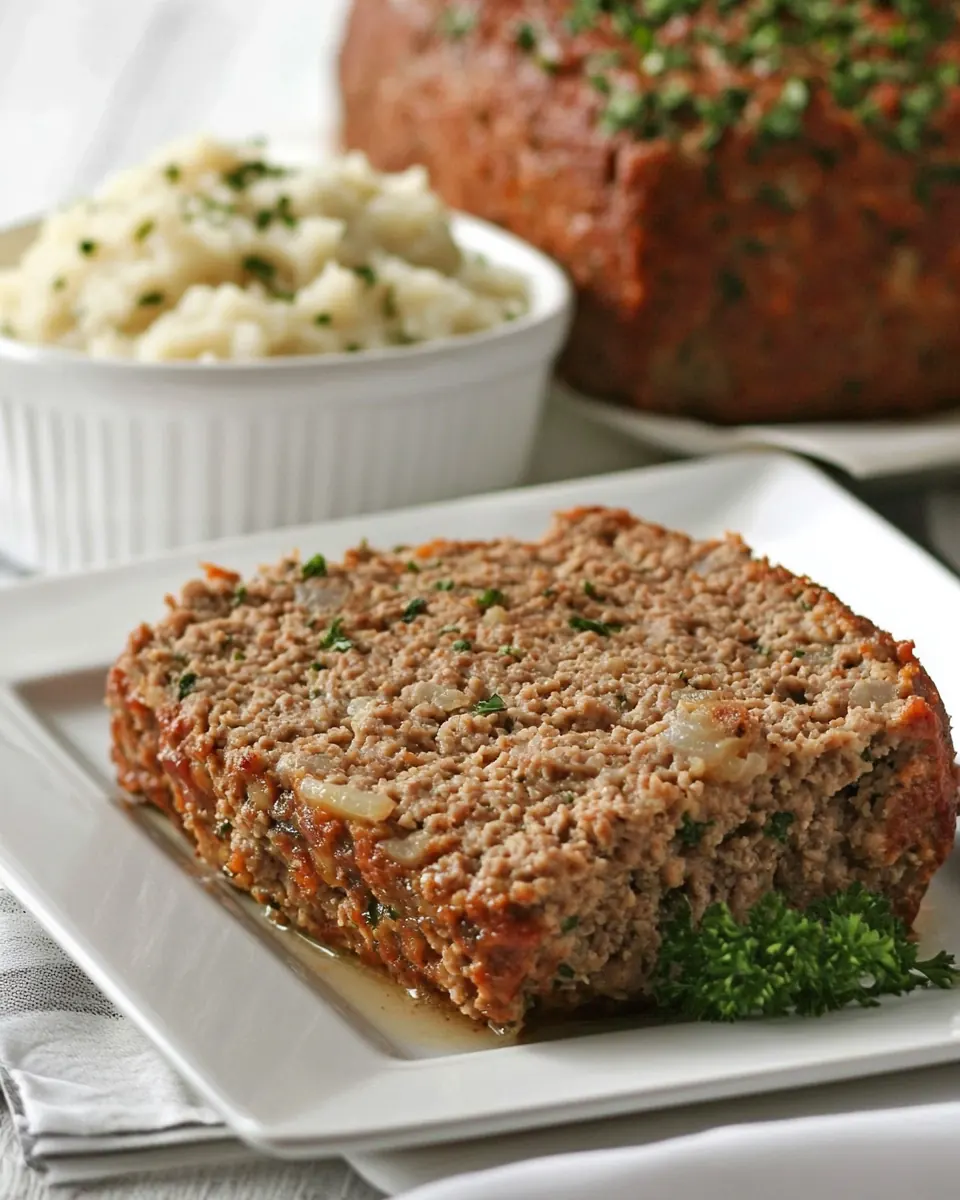
These directions are straightforward, but the success is in paying attention to sensation and small details. Baking in two stages and glazing midbake gives you both a cooked interior and a glossy top. Read each step carefully and notice the smells and textures as you go, since they will guide you to the ideal loaf.
- Preheat oven to 350 degrees.: When the oven warms up, you will feel the kitchen temperature shift and soon smell a faint dry heat, which primes the pan for even cooking. Preheating ensures the loaf begins cooking right away, forming a stable exterior that helps retain juices. A common mistake is placing a cold pan in a cold oven, which can lengthen the cooking time and produce uneven texture. Ensure the rack is centered so the heat circulates evenly around the loaf, and avoid opening the oven door frequently since that causes temperature fluctuations.
- Mix together all ingredients except tomato sauce and sugar.: As you combine ground beef chuck , minced onions , garlic salt , drained diced tomatoes , breadcrumbs , and egg , press gently with your hands until the mixture is cohesive but not overworked. You should notice a tacky, uniform texture that holds shape without feeling gummy. The scent will be quietly savory and slightly sweet from the tomatoes. Overmixing crushes the meat fibers, making the loaf dense, so mix with a light touch. If the mixture seems too wet, chilling for fifteen minutes can help firm it up for shaping.
- Place the mixture in a lightly greased loaf pan.: Smooth the top with dampened hands so the loaf has an even surface for glazing. The contact with the pan will produce a browned base and edges that contrast with the tender interior. You may hear a faint squeak as you smooth the surface, and the loaf should hold a clean outline when lifted gently. Avoid packing the meat too tightly since compressed meat cooks less evenly, resulting in a heavier texture.
- Bake at 350 degrees for 45 minutes.: During this first bake, the oven will begin to coax out juices, and you may smell roasted meat aromas rising in the kitchen. The exterior will start to firm and brown, which helps trap moisture inside. After forty five minutes, the center will be nearly set but still needs finishing. A typical error is underbaking at this stage, which leaves the interior too soft for glazing; use tactile cues and timing to judge readiness rather than relying solely on color.
- Remove the meatloaf from the oven and drain excess grease from the pan.: Carefully lift the loaf pan and tilt slightly to pour off rendered fat, or use a baster to draw it away, being mindful of hot steam. This step prevents the loaf from sitting in excess grease which can make the bottom soggy. You will notice a small puddle of golden liquid; removing it results in a cleaner, less oily slice. Avoid draining too aggressively in a way that destabilizes the loaf, and do not discard a little fat entirely if you like richer flavor.
- Mix tomato sauce and sugar together and pour it over the meatloaf.: Combine the tomato sauce with sugar until smooth, then spoon or pour a thin, even layer atop the loaf. You will see the sauce glisten and settle into the slight grooves on the surface, promising a glossy finish after the final bake. The aroma shifts toward sweet tang as the sauce warms against the hot loaf. Be careful not to use a watery sauce, which can run off and pool in the pan, preventing even caramelization.
- Place the meatloaf back in the oven to finish baking until done, about 30 minutes depending on the oven.: During this final bake, the glaze will thicken and become shiny, and the whole kitchen will fill with a warm, sweet tomato scent. The loaf should register a safe internal temperature and the edges will look set and slightly caramelized. If your oven runs hot or cool, the final time may vary, so check with a thermometer if unsure. A common pitfall is removing the loaf too early which results in undercooked center, so allow the described time frame and confirm doneness by touch and temperature if available.
Variations to Try
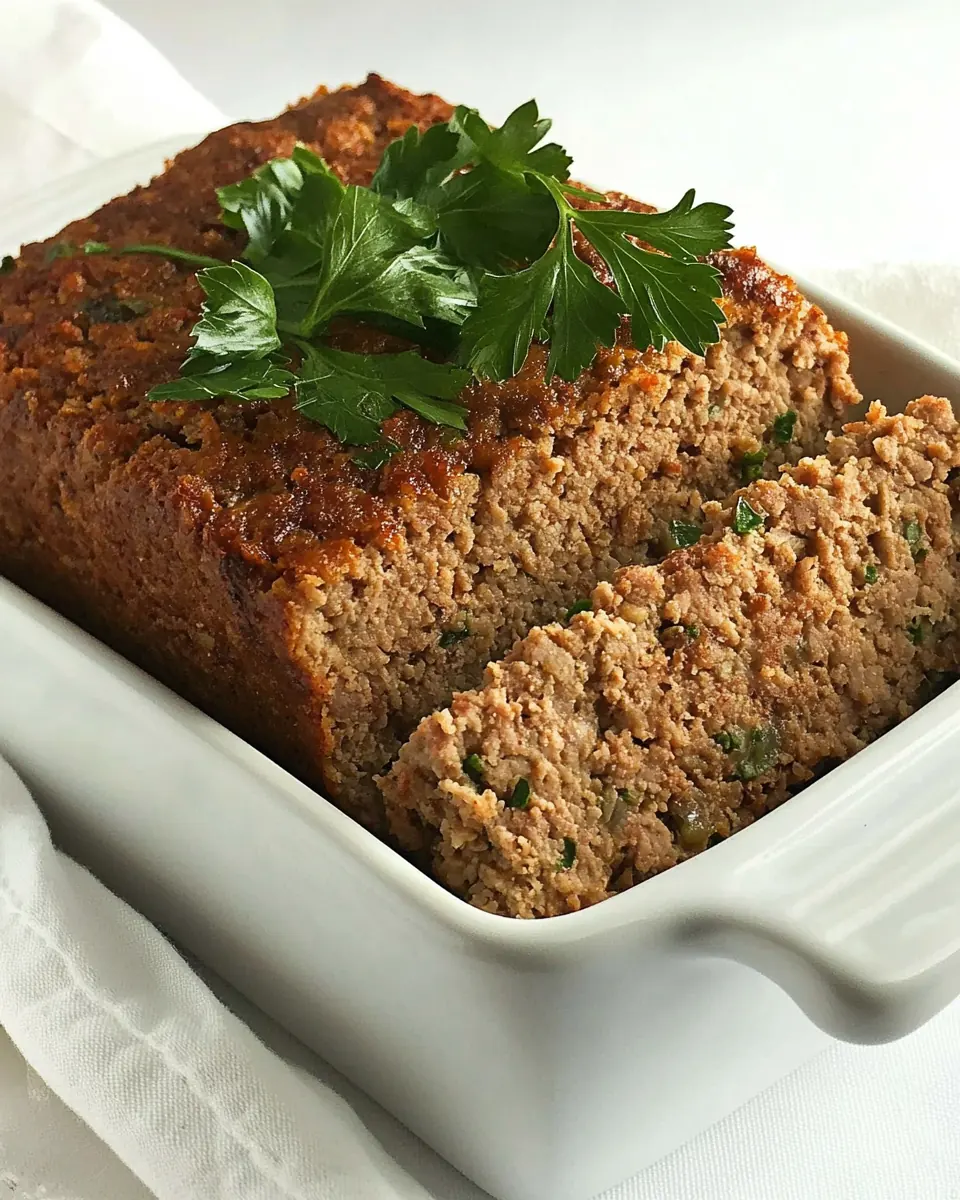
I like experimenting with small shifts that respect the original spirit of the loaf while adding subtle layers of flavor. These variations keep the method intact, but change textures, seasoning, or presentation so the dish can work for different meals and moods.
- Swap breadcrumbs type Use panko for a slightly lighter crumb, which will absorb juices differently and give a less dense texture.
- Sauté the onions Lightly cooking the minced onions until translucent mellows their sharpness and adds a sweeter, caramelized note.
- Adjust sugar level Reduce the sugar by half if you prefer a tangier glaze, this emphasizes acidity in the tomato sauce rather than sweetness.
- Chill before baking Refrigerate the shaped loaf for fifteen to twenty minutes so it firms, which helps maintain shape during the initial bake.
- Make mini loaves Divide the mixture into smaller pans for faster baking and easier portion control, useful when serving picky eaters.
Serving This Boston Market Meatloaf Recipe
This meatloaf is versatile on the plate, pairing well with cozy sides and simple accompaniments. I like to serve it when I want a straightforward, satisfying meal that appeals to a range of tastes. Below are ways I present and store the loaf for different occasions.
- Classic family dinner Slice the loaf and serve with mashed potatoes and steamed vegetables for a homey plate everyone recognizes.
- Weeknight comfort Pair with a green salad and crusty bread for a quicker, lighter meal that still feels comforting.
- Make ahead Bake ahead and refrigerate, then reheat slices gently in the oven for an easy dinner on busy nights.
- Occasion feeding For casual gatherings, arrange slices on a platter with pickles and roasted vegetables so guests can help themselves.
- Storage tips Wrap cooled slices tightly and store in the fridge for up to four days, or freeze portions for longer keeping, thawing in the fridge before reheating.
- Seasonal pairing In colder months, serve with roasted root vegetables and a warm gravy to lean into the seasonality implied by winter dinners.
FAQ
Conclusion
This Boston Market Meatloaf Recipe is special because it blends simple pantry ingredients into a reliably comforting, family friendly main dish with a glossy, sweet tomato glaze. Give it a try on a busy weeknight or for a casual gathering, and I think you will appreciate how easily it comes together and how well it feeds a crowd. With straightforward steps and timeless flavors, it earns a spot in your regular rotation as a go to comfort meal that warms both kitchen and company.
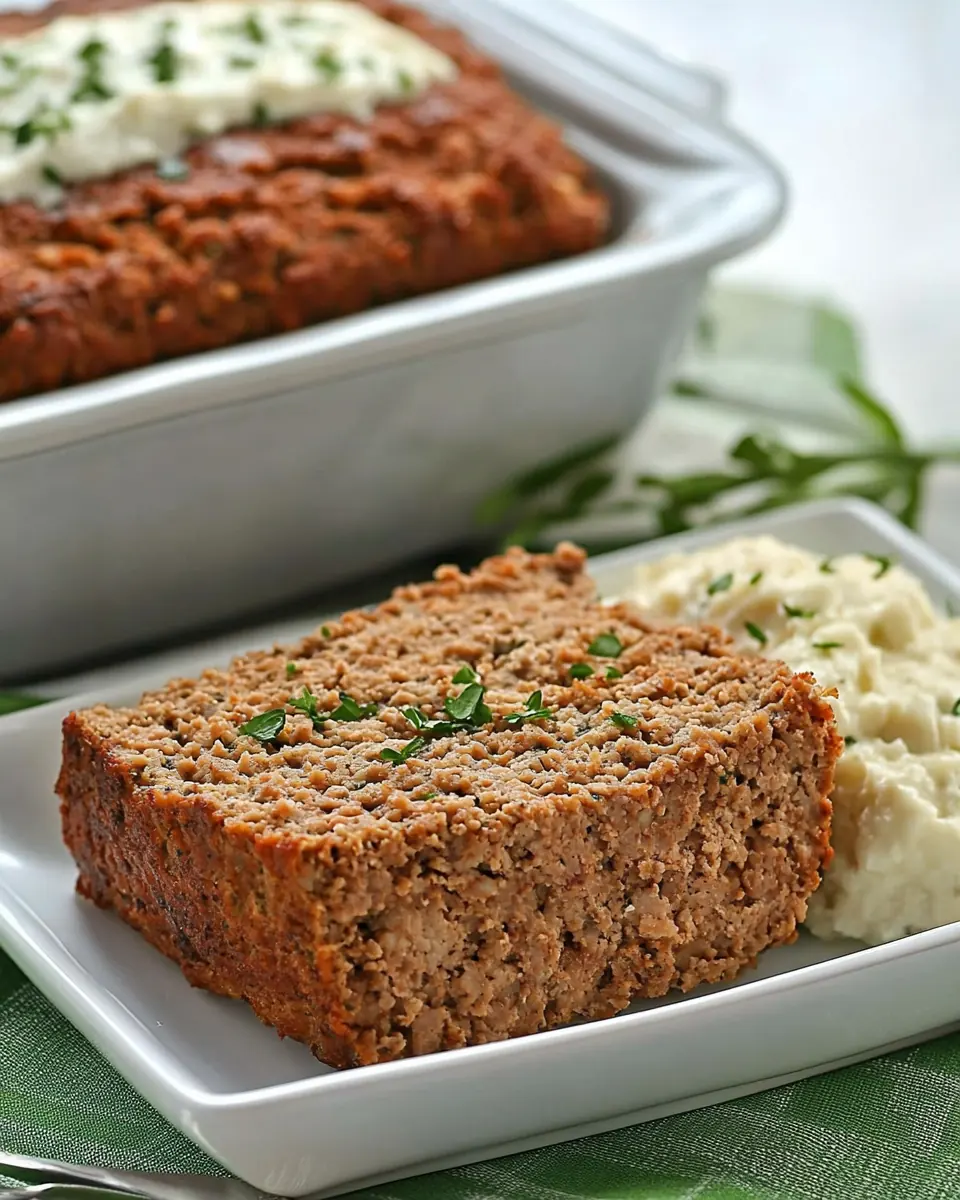
Boston Market Meatloaf Recipe
Ingredients
Equipment
Method
- Preheat oven to 350 degrees.: When the oven warms up, you will feel the kitchen temperature shift and soon smell a faint dry heat, which primes the pan for even cooking. Preheating ensures the loaf begins cooking right away, forming a stable exterior that helps retain juices. A common mistake is placing a cold pan in a cold oven, which can lengthen the cooking time and produce uneven texture. Ensure the rack is centered so the heat circulates evenly around the loaf, and avoid opening the oven door frequently since that causes temperature fluctuations.
- Mix together all ingredients except tomato sauce and sugar.: As you combine ground beef chuck , minced onions , garlic salt , drained diced tomatoes , breadcrumbs , and egg , press gently with your hands until the mixture is cohesive but not overworked. You should notice a tacky, uniform texture that holds shape without feeling gummy. The scent will be quietly savory and slightly sweet from the tomatoes. Overmixing crushes the meat fibers, making the loaf dense, so mix with a light touch. If the mixture seems too wet, chilling for fifteen minutes can help firm it up for shaping.
- Place the mixture in a lightly greased loaf pan.: Smooth the top with dampened hands so the loaf has an even surface for glazing. The contact with the pan will produce a browned base and edges that contrast with the tender interior. You may hear a faint squeak as you smooth the surface, and the loaf should hold a clean outline when lifted gently. Avoid packing the meat too tightly since compressed meat cooks less evenly, resulting in a heavier texture.
- Bake at 350 degrees for 45 minutes.: During this first bake, the oven will begin to coax out juices, and you may smell roasted meat aromas rising in the kitchen. The exterior will start to firm and brown, which helps trap moisture inside. After forty five minutes, the center will be nearly set but still needs finishing. A typical error is underbaking at this stage, which leaves the interior too soft for glazing; use tactile cues and timing to judge readiness rather than relying solely on color.
- Remove the meatloaf from the oven and drain excess grease from the pan.: Carefully lift the loaf pan and tilt slightly to pour off rendered fat, or use a baster to draw it away, being mindful of hot steam. This step prevents the loaf from sitting in excess grease which can make the bottom soggy. You will notice a small puddle of golden liquid; removing it results in a cleaner, less oily slice. Avoid draining too aggressively in a way that destabilizes the loaf, and do not discard a little fat entirely if you like richer flavor.
- Mix tomato sauce and sugar together and pour it over the meatloaf.: Combine the tomato sauce with sugar until smooth, then spoon or pour a thin, even layer atop the loaf. You will see the sauce glisten and settle into the slight grooves on the surface, promising a glossy finish after the final bake. The aroma shifts toward sweet tang as the sauce warms against the hot loaf. Be careful not to use a watery sauce, which can run off and pool in the pan, preventing even caramelization.
- Place the meatloaf back in the oven to finish baking until done, about 30 minutes depending on the oven.: During this final bake, the glaze will thicken and become shiny, and the whole kitchen will fill with a warm, sweet tomato scent. The loaf should register a safe internal temperature and the edges will look set and slightly caramelized. If your oven runs hot or cool, the final time may vary, so check with a thermometer if unsure. A common pitfall is removing the loaf too early which results in undercooked center, so allow the described time frame and confirm doneness by touch and temperature if available.
Notes
- Swap breadcrumbs type Use panko for a slightly lighter crumb, which will absorb juices differently and give a less dense texture.
- Sauté the onions Lightly cooking the minced onions until translucent mellows their sharpness and adds a sweeter, caramelized note.
- Adjust sugar level Reduce the sugar by half if you prefer a tangier glaze, this emphasizes acidity in the tomato sauce rather than sweetness.
- Chill before baking Refrigerate the shaped loaf for fifteen to twenty minutes so it firms, which helps maintain shape during the initial bake.
- Make mini loaves Divide the mixture into smaller pans for faster baking and easier portion control, useful when serving picky eaters.