Summer Tomato Salsa
Summer Tomato Salsa is the kind of bright, honest dish I reach for on the days when the garden is shouting for attention and guests arrive unannounced.
I remember the first time I made this, juggling a bowl of sun warmed tomatoes while a child chased a dog across the patio, and somehow the simplest moment produced the best flavor. There is a casual ritual to it, a rhythm of chopping, tasting, and nudging ingredients together until the bowl feels like a conversation. The mix of ripe, slightly sweet tomatoes and the snap of fresh corn taught me how minimal effort can yield vibrant results.
Over the years I have adjusted tiny things, like cutting the onion finer when the salsa is for a sensitive palate, or stirring in a touch more olive oil when I want silkier mouthfeel. Friends expect this at summer gatherings, and I love how it disappears within minutes, served simply with warm chips or a scoop onto grilled corn tortillas. This recipe always brings a crowd closer, because it tastes like sunlight and conversation.
Recipe Snapshot
10 mins
10 mins
0 mins
Easy
120 kcal
Mexican
Vegan, Gluten-Free
Appetizers
Mixing bowl, Sharp knife, Cutting board, Spoon
What’s Great About This Summer Tomato Salsa
Fresh seasonal brightness
I adore how Summer Tomato Salsa highlights the natural sweetness of ripe tomatoes. When tomatoes are at their peak, they add vibrant acid and juiciness that make the whole bowl sing without much effort. I find that the texture from the diced tomatoes gives a pleasing balance to the toasted chips or a scoop onto a salad, and I often tell guests they can taste the season in every bite.
Easy to scale and share
This salsa scales beautifully, I often double or triple it for larger gatherings. The components are forgiving, so if you need to stretch it a bit you can add extra drained corn or a squeeze more lime without losing character. It’s a true party hero, because it travels well and holds up at room temperature for a while.
Bright herbal lift
The fresh coriander is a small ingredient that changes everything, adding an herbal lift that keeps the salsa lively. I like to add it late and give it a gentle fold so the leaves remain fresh and green. That layering of fresh herb and citrus keeps each bite interesting and prevents the salsa from tasting flat.
Flexible heat and texture
I love that you can dial the heat up or down easily. If you want a little kick, a few chopped chillis will do the trick, but the base recipe is delightful on its own. The combination of finely diced onion, sweet corn, and bright lime juice gives a spectrum of textures, from crisp to juicy, so every mouthful feels balanced.
Minimal fuss, maximum flavor
Part of why I return to this recipe is how little time it takes to deliver real flavor. A simple toss and a short rest let the ingredients harmonize, and you end up with something that feels thoughtful but is incredibly simple to prepare. It’s one of those recipes I keep in my back pocket for both weeknight bites and festive spreads.
What You Need for Summer Tomato Salsa
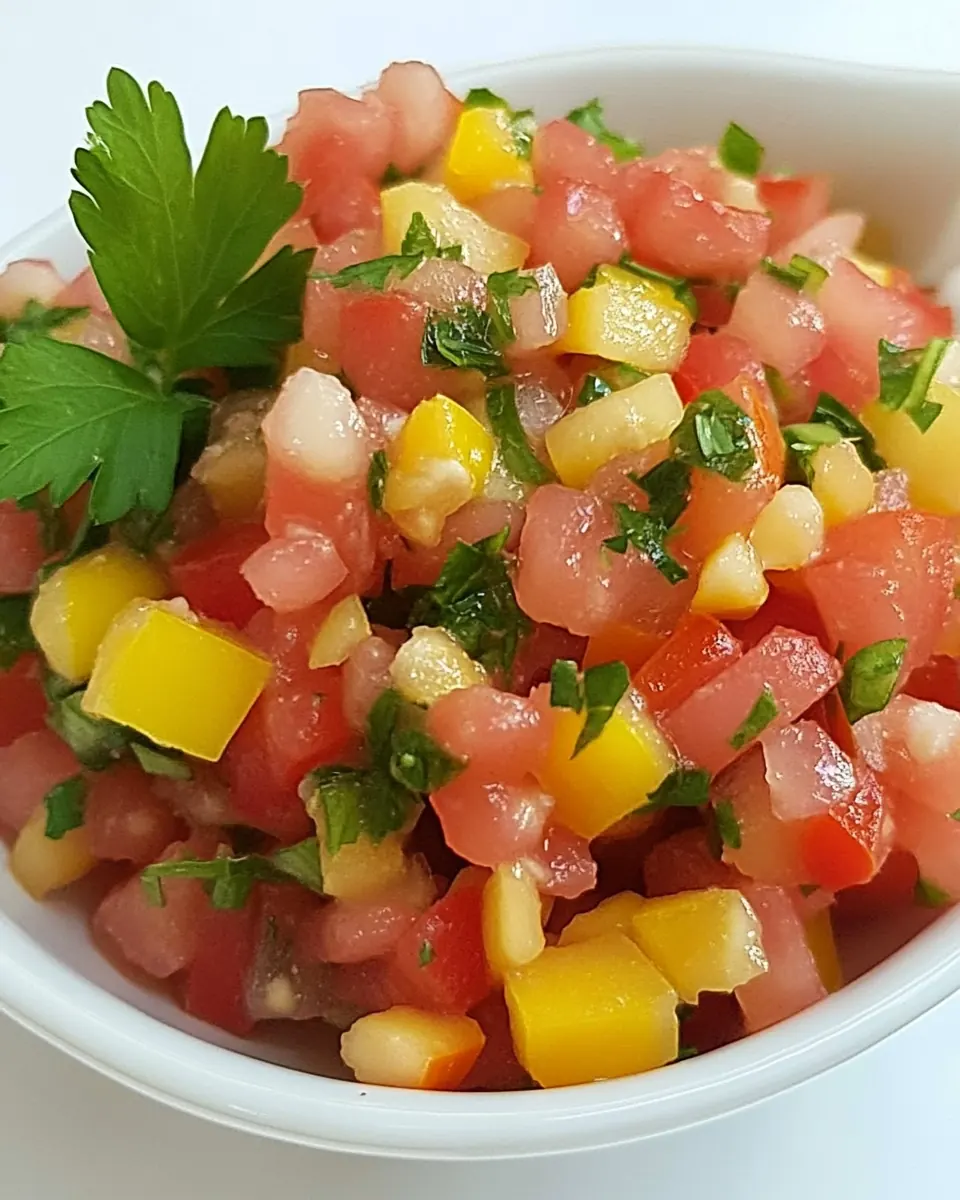
This ingredient list leans on freshness and straightforward pantry staples. The philosophy is simple, combine bright, ripe produce with a touch of fat and acid so each item complements the others rather than competes. The key players are the tomatoes for juiciness, the onion for bite, corn for sweet crunch, and the coriander plus lime for herbaceous lift and tang. Little additions like olive oil and the seasoning help the flavors meld.
- 6 tomatoes vine-ripened, finely diced: Provide juicy sweetness and acidic balance when finely diced, contributing bulk and fresh tomato flavor to the salsa; their ripeness impacts overall brightness and texture. Use vine–ripened tomatoes for optimal sweetness and minimal wateriness, and drain excess juice if necessary to prevent a watery salsa.
- 1 large purple onion finely diced: Add sharp, pungent crunch when finely diced, lending a bright bite that contrasts with the tomatoes and corn. Adjust quantity to taste to avoid overpowering the salsa; soaking in cold water briefly can mellow intensity if desired.
- 1 can corn kernels sweet, 420 gram (15 oz), drained: Contribute sweet, crisp kernels and a pleasant pop when drained, enhancing texture and visual appeal in the salsa. Rinse and drain well to remove canning liquid, then fold in gently to preserve kernel integrity and prevent excess moisture.
- 1 bunch coriander: Bring fresh herbaceous citrus notes and a vibrant green color when chopped, brightening the overall flavor profile of the salsa. Remove thick stems and chop leaves and tender stems finely to distribute flavor evenly throughout the mix.
- 1 lime juice only: Provide acidic tang that lifts and balances the sweetness and richness of other components when juiced, brightening the salsa without added bulk. Strain seeds and pulp for a cleaner finish and taste before mixing to achieve desired acidity.
- 3 tablespoons olive oil extra virgin: Deliver smooth mouthfeel and subtle fruity richness when combined, helping to bind ingredients and coat flavors evenly throughout the salsa. Use extra virgin olive oil sparingly to maintain freshness and avoid overwhelming delicate tomato and herb notes.
- sea salt flakes: Season to taste with flaky mineral salt to enhance and amplify natural flavors, bringing out sweetness and balancing acidity. Sprinkle gradually, taste frequently, and use sparingly to avoid oversalting, keeping in mind how lime and other ingredients interact.
- black pepper freshly ground: Season with freshly ground black pepper to add gentle heat and aromatic complexity, complementing the salsa's overall flavor. Grind just before use for maximum aroma and add incrementally to control pungency and avoid overpowering delicate ingredients.
Putting Together Summer Tomato Salsa
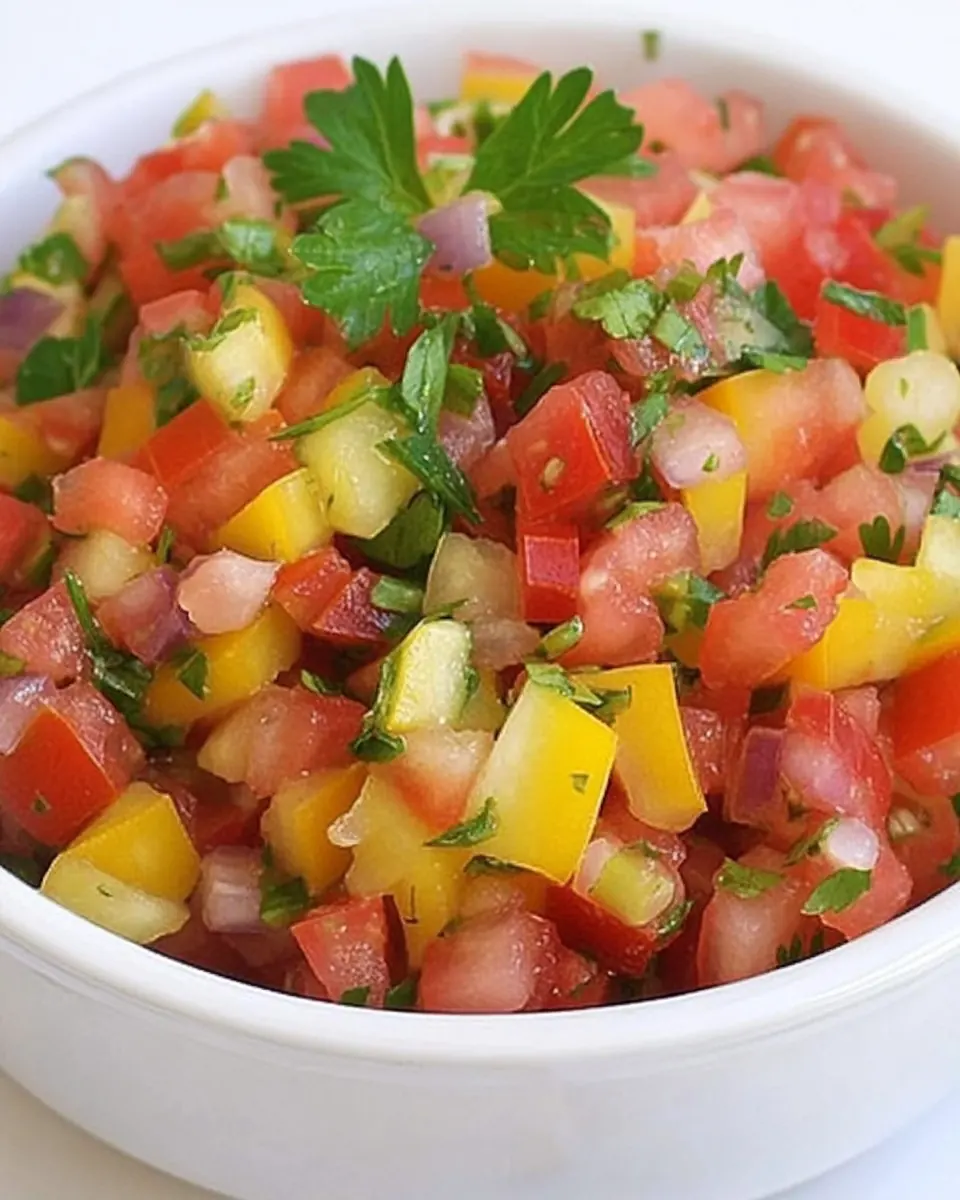
The assembly is joyful and low stress, a few simple motions that coax the ingredients to harmonize. I like to work in a wide bowl so every toss reaches each element, and I taste as I go. Below are the cleaned steps, expanded into detailed, sensory-forward guidance.
- Combine the tomatoes, onion, corn, coriander and lime juice in a mixing bowl.: Right away you will notice a chorus of colors and aromas, the ruby of the tomatoes , the pale crunch of the onion , the sunny kernels of corn , and the green, citrusy perfume of the coriander . As you fold these together gently with a large spoon, listen for the soft slap of juices hitting the bowl and breathe in the mingled scents. The lime will start to brighten the mixture, pulling flavors forward and softening the raw edge of the onion . This step matters because it allows the acid to begin breaking down cell walls, which helps the salsa feel cohesive rather than a loose pile of parts. Watch for excess liquid pooling at the bottom; if you see it, tilt the bowl slightly and spoon the salsa back up so it remains chunky. A common mistake is overmixing which can macerate the tomatoes into mush, so be gentle and keep the pieces distinct.
- Stir in extra virgin olive oil until desired consistency.: As you drizzle the olive oil in, the texture will change from loose and drier to satin and glossier. Use a gentle folding motion so the oil emulsifies with the lime juice and coats each piece. The oil softens edges and carries aromatic compounds, making the flavor more rounded and fuller on the palate. Pay attention to how the surface catches the light, that glossy sheen is a good visual cue you have the right balance. If the salsa looks greasy, you likely added too much oil, so correct by adding a touch more lime or an extra scoop of diced tomatoes to absorb it. Avoid vigorous whisking which can break down textures.
- Season with salt and pepper to taste.: At this stage the aroma shifts as the sea salt flakes and black pepper integrate, brightening and sharpening the ingredients. Sprinkle a modest amount, fold gently, then taste. Salt amplifies underlying sweetness and helps the herb notes pop, while the freshly ground pepper adds warmth. I always season incrementally, because you can add more but cannot take it away. A frequent error is adding too much salt initially, so correct cautiously and allow flavors to mingle for a minute before final adjustments.
- If you like a little kick add some chopped chillis (chilli peppers) or Tabasco and serve with corn chips & sour cream.: When you introduce heat, even a small amount, the whole salsa acquires a new dimension. Chopped chillis bring a fresh, immediate sting and vegetable fragrance while a dash of Tabasco offers vinegar sharpness and concentrated heat. If you choose to serve with corn chips and sour cream, the crunchy chips and creamy dollop create textural contrast and temper spiciness. Consider chopping the chillis very finely so heat disperses evenly, and always taste after adding a little, because heat accumulates quickly. A typical misstep is adding a large amount of hot sauce without tasting, which can overwhelm the delicate balance of the salsa.
Tips for Success
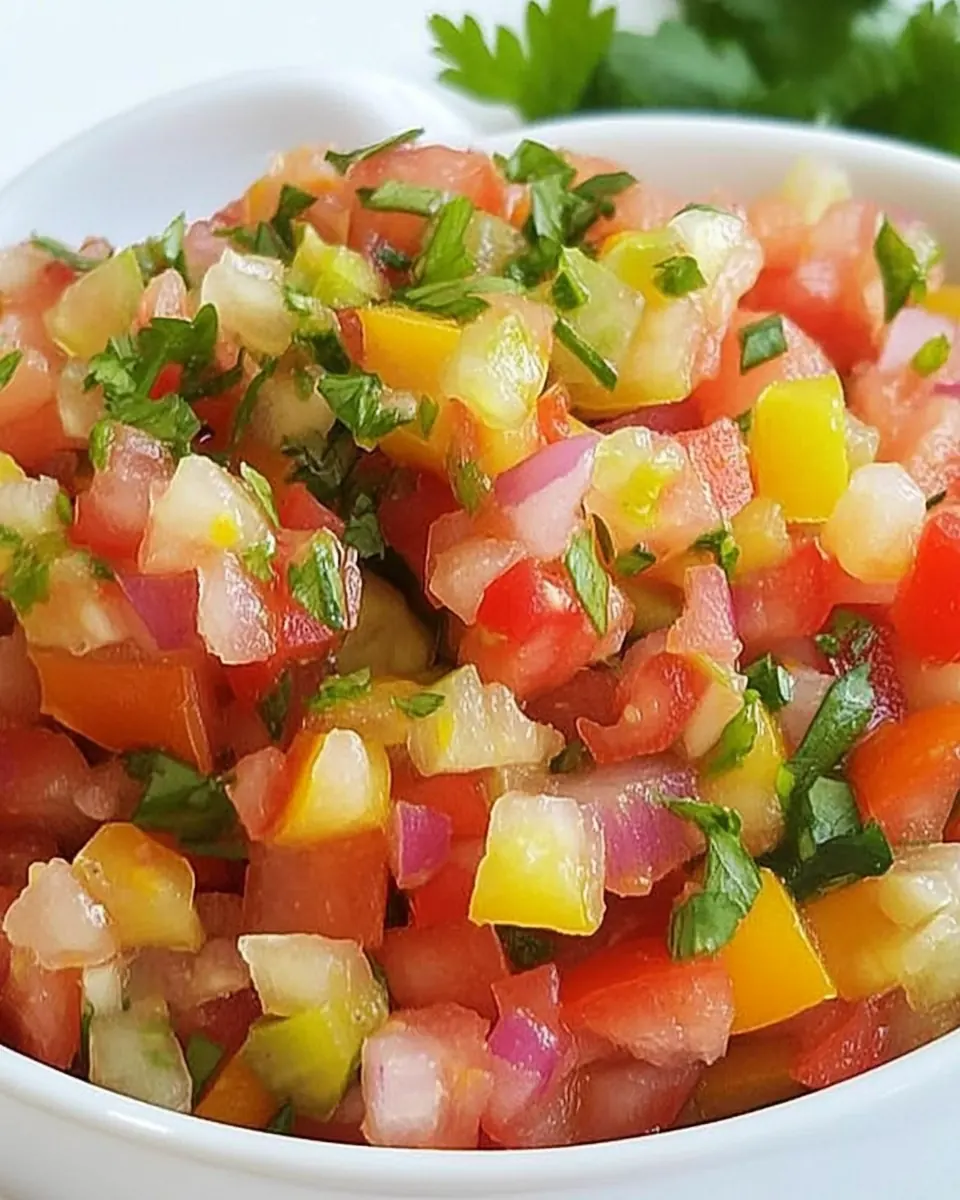
This salsa rewards attention to small details, and a few practical habits will elevate the final bowl. Below I expand simple pointers into actionable tips that help with texture, balance, and presentation. Read through them and incorporate the ones that fit your rhythm in the kitchen.
- Choose ripe tomatoes: Ripe tomatoes provide natural sweetness and complex acidity, which reduces the need for extra salt or sugar. Look for fruit that gives slightly when pressed and smells fragrant at the stem end.
- Finely dice the onion: Small pieces of onion distribute more evenly and temper the sharpness so every bite contains balance rather than big bursts of raw onion.
- Drain corn well: Properly drained corn prevents the salsa from becoming watery, which helps it cling to chips and keeps the texture satisfying.
- Add lime gradually: Fresh lime juice brightens flavors but can over-acidify, so start with a little, taste, and adjust until the brightness sings without overwhelming the other notes.
- Finish with coriander at the end: Adding coriander just before serving preserves its color and aroma, ensuring the salsa looks and tastes fresh.
- Taste as you go: Layer the seasonings slowly, because small adjustments are easier than corrections later on, and tasting helps you learn how the components interact.
- Serve at room temperature: Allow the salsa to sit out for a few minutes before serving so the flavors can open up and the oil integrates fully with the juices.
What Complements This Summer Tomato Salsa
This salsa is versatile and pairs well with simple companions that let it shine. I like to think in terms of texture contrasts, temperature variety, and complementary flavors. Below are ways I recommend serving it for different occasions, plus storage suggestions and seasonal pairings.
- As a dip for casual gatherings: Serve the Summer Tomato Salsa with sturdy corn chips for scooping, the crunch balancing the juicy salsa perfectly. This is a classic approach for parties and movie nights.
- Topping for grilled mains: Spoon the salsa over a grilled fish or vegetable skewer, the bright acidity cutting through char and adding freshness. It works well for outdoor barbecues and summer dinners.
- Light lunch idea: Add the salsa to a bowl of cooked grain or a bed of greens for a refreshing, easy lunch. The mix of textures keeps each bite interesting and satisfying.
- Occasion pairing: This shines at casual celebrations like backyard get togethers, picnics, or Ramadan if you need a fresh, shareable starter. It travels well and can be set out as part of a mezze or appetizer spread.
- Storage tips: Store leftovers in an airtight container in the refrigerator for up to two days. The tomatoes will release more juice over time, so give the salsa a gentle stir and possibly a squeeze of extra lime before serving again.
- Seasonal pairing: Lean into late summer produce, pairing the salsa with grilled stone fruits or simply with slices of avocado for creamy contrast. These combinations emphasize the fresh, sunny character of the salsa.
FAQ
Conclusion
Summer Tomato Salsa stands out for its straightforward assembly and bold seasonal flavor. It captures ripe tomatoes, sweet corn, and fresh coriander in a bowl that is both simple and satisfying. Give it a try next time you want an easy, shareable dish that elevates chips, tacos, or grilled foods. I hope it becomes a summer staple in your kitchen the way it has in mine.
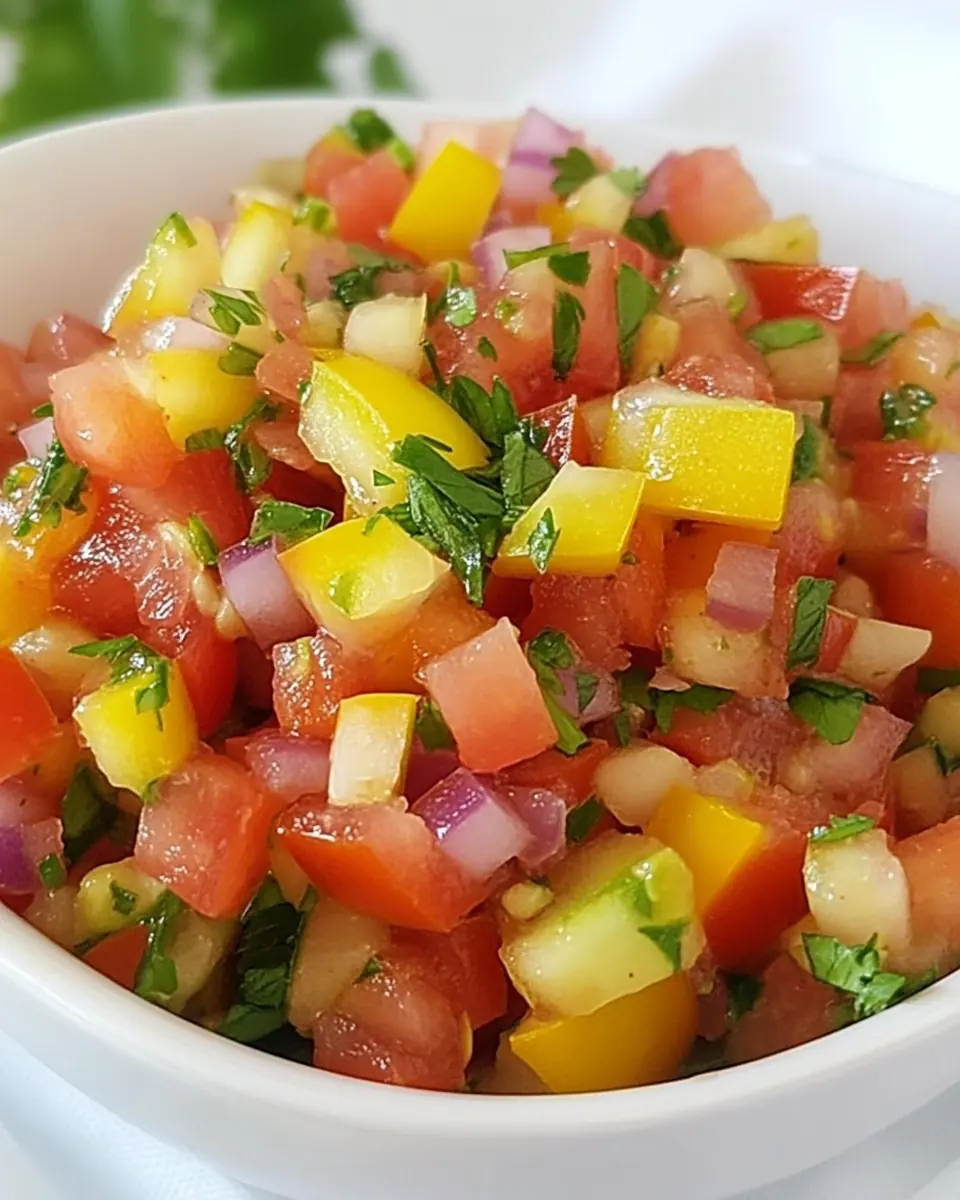
Summer Tomato Salsa
Ingredients
Equipment
Method
- Combine the tomatoes, onion, corn, coriander and lime juice in a mixing bowl.: Right away you will notice a chorus of colors and aromas, the ruby of the tomatoes , the pale crunch of the onion , the sunny kernels of corn , and the green, citrusy perfume of the coriander . As you fold these together gently with a large spoon, listen for the soft slap of juices hitting the bowl and breathe in the mingled scents. The lime will start to brighten the mixture, pulling flavors forward and softening the raw edge of the onion . This step matters because it allows the acid to begin breaking down cell walls, which helps the salsa feel cohesive rather than a loose pile of parts. Watch for excess liquid pooling at the bottom; if you see it, tilt the bowl slightly and spoon the salsa back up so it remains chunky. A common mistake is overmixing which can macerate the tomatoes into mush, so be gentle and keep the pieces distinct.
- Stir in extra virgin olive oil until desired consistency.: As you drizzle the olive oil in, the texture will change from loose and drier to satin and glossier. Use a gentle folding motion so the oil emulsifies with the lime juice and coats each piece. The oil softens edges and carries aromatic compounds, making the flavor more rounded and fuller on the palate. Pay attention to how the surface catches the light, that glossy sheen is a good visual cue you have the right balance. If the salsa looks greasy, you likely added too much oil, so correct by adding a touch more lime or an extra scoop of diced tomatoes to absorb it. Avoid vigorous whisking which can break down textures.
- Season with salt and pepper to taste.: At this stage the aroma shifts as the sea salt flakes and black pepper integrate, brightening and sharpening the ingredients. Sprinkle a modest amount, fold gently, then taste. Salt amplifies underlying sweetness and helps the herb notes pop, while the freshly ground pepper adds warmth. I always season incrementally, because you can add more but cannot take it away. A frequent error is adding too much salt initially, so correct cautiously and allow flavors to mingle for a minute before final adjustments.
- If you like a little kick add some chopped chillis (chilli peppers) or Tabasco and serve with corn chips & sour cream.: When you introduce heat, even a small amount, the whole salsa acquires a new dimension. Chopped chillis bring a fresh, immediate sting and vegetable fragrance while a dash of Tabasco offers vinegar sharpness and concentrated heat. If you choose to serve with corn chips and sour cream, the crunchy chips and creamy dollop create textural contrast and temper spiciness. Consider chopping the chillis very finely so heat disperses evenly, and always taste after adding a little, because heat accumulates quickly. A typical misstep is adding a large amount of hot sauce without tasting, which can overwhelm the delicate balance of the salsa.
Notes
- Choose ripe tomatoes: Ripe tomatoes provide natural sweetness and complex acidity, which reduces the need for extra salt or sugar. Look for fruit that gives slightly when pressed and smells fragrant at the stem end.
- Finely dice the onion: Small pieces of onion distribute more evenly and temper the sharpness so every bite contains balance rather than big bursts of raw onion.
- Drain corn well: Properly drained corn prevents the salsa from becoming watery, which helps it cling to chips and keeps the texture satisfying.
- Add lime gradually: Fresh lime juice brightens flavors but can over-acidify, so start with a little, taste, and adjust until the brightness sings without overwhelming the other notes.
- Finish with coriander at the end: Adding coriander just before serving preserves its color and aroma, ensuring the salsa looks and tastes fresh.
- Taste as you go: Layer the seasonings slowly, because small adjustments are easier than corrections later on, and tasting helps you learn how the components interact.
- Serve at room temperature: Allow the salsa to sit out for a few minutes before serving so the flavors can open up and the oil integrates fully with the juices.