Smothered Meatballs
Smothered Meatballs came into my life on a damp winter evening when I needed something comforting and unfussy, a dish that felt like a warm sweater for the stomach. I was juggling work calls and a sputtering oven, and what saved the night was a skillet full of savory, tender meatballs slowly bathed in a glossy, oniony gravy. The moment I placed a steaming spoonful over creamy mashed potatoes, the whole room seemed to exhale, and dinner became the center of the evening.
That first time I made Smothered Meatballs, I remember the sound of the onions sizzling, the fragrant hit of garlic, and the satisfying rhythm of rolling meatballs on the counter. My partner curled up in a chair with a mug, and we traded small stories between bites, each mouthful soft yet boldly seasoned. It was the sort of meal that turns an ordinary weeknight into something worth lingering over.
Over the years I’ve tweaked the balance of seasonings and texture to reach the sweet spot where the meatballs stay tender, but still have a caramelized crust that gives the gravy a richer base. The gravy itself, made in the same pan, captures the fond left from searing, turning what could be a plain sauce into something layered and deep. I love how simple techniques yield such emotional results, and this recipe is one I fall back on when I want reliable comfort without fuss.
Recipe Snapshot
55 mins
15 mins
40 mins
Medium
450 kcal
American
Gluten-Free, Low FODMAP
Dinner
10 to 12 inch skillet, Mixing bowl, Baking sheet, Scoop
The Best Thing About This Smothered Meatballs
Comforting simplicity
I adore Smothered Meatballs because it takes basic pantry staples and turns them into something soulful. The combination of ground beef, garlic, and parmesan cheese gives the meatballs a natural savory backbone, while the sautéed onion folded into the gravy brings sweetness and depth. When I want food that feels like a hug, this recipe is my first call.
One pan magic
Using the same skillet to brown the meatballs and make the gravy is a small trick that pays off big, and I use it all the time. The browned bits left behind after searing infuse the beef broth with a roasted flavor, creating a gravy that tastes richer than its ingredient list suggests. I love the efficiency, less cleanup, and the better tasting sauce you get from those fond bits.
Texture balance
What stands out to me is the contrast between a crispy exterior and tender interior in each meatball. The quick sear seals in juices, while a gentle simmer in the gravy finishes the cook without drying. This balance is why guests often ask for seconds, and why I think these meatballs work both for casual dinners and relaxed company.
Versatile serving options
I appreciate that Smothered Meatballs adapts easily. Serve them over fluffy mashed potatoes, wide egg noodles, or even creamy polenta. I’ve made them for a cozy family supper and for a small gathering when I needed something satisfying that travels well to the table. The recipe’s flexibility makes it a weekday hero and a weekend treat.
Approachable technique
Finally, I love how forgiving the method is. If your skillet is a bit small, you can brown in batches. If the gravy is too thick, a splash of water or extra beef broth brings it back. These small adjustments are easy to make, and they let cooks of all levels end up with a reliably delicious plate.
Everything You Need for Smothered Meatballs
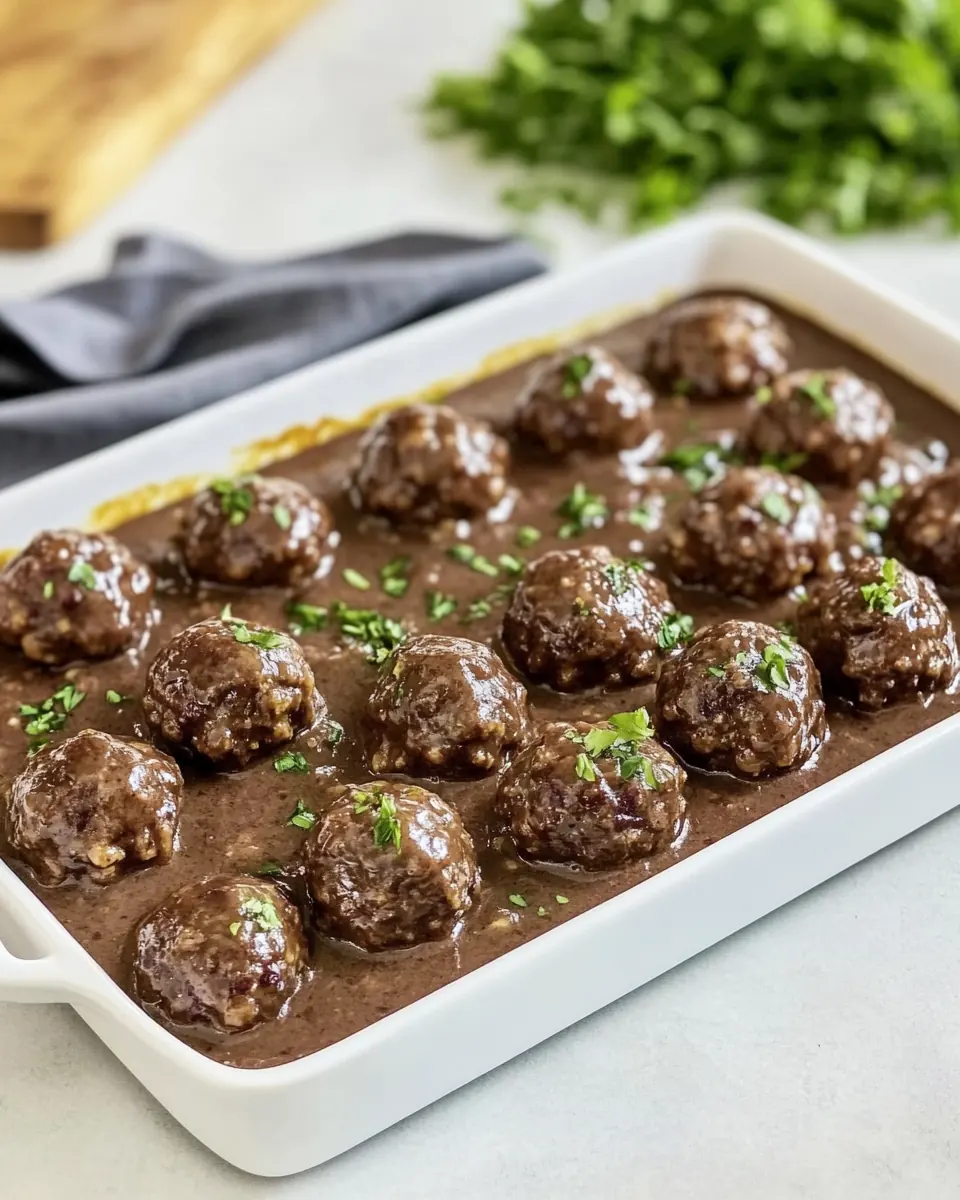
These ingredients come together like a small orchestra where every player has a clear role. The key players are the seasoned ground beef for savory depth, the onion and garlic for aromatic sweetness, and the beef broth with flour to build a silky gravy. Each item supports texture or flavor, and together they create a comforting, cohesive dish.
- 1 pound lean ground beef (I used 93% lean/7% fat ground beef): Provide richness and structure to the meatballs while keeping them lean; binds ingredients and contributes protein and moisture during cooking. Use ground beef with specified fat content to balance flavor and prevent dryness, and brown it thoroughly when forming meatballs.
- 1 large egg (well beaten): Act as a binder to hold meatball ingredients together and add moisture when well beaten; distributes evenly throughout the mixture for consistent texture. Beat thoroughly before combining so it integrates smoothly and helps create a tender interior.
- 1/4 cup plain breadcrumbs: Add light bulk and gentle texture to the meatball mixture while absorbing moisture from the milk and egg; helps prevent overly dense meatballs. Use plain breadcrumbs to keep flavors neutral and ensure proper crumb-to-meat ratio for tender results.
- 3 tablespoons whole milk: Provide additional moisture and tenderize the meatball mixture while helping breadcrumbs hydrate for a softer interior; contributes subtle richness. Warm milk slightly if cold to help it incorporate evenly with breadcrumbs and egg.
- 1 tablespoon garlic (minced): Deliver concentrated savory aromatics and depth of flavor when minced; infuse the meat mixture with a sharp garlic presence. Mince finely to distribute flavor evenly and avoid large pungent bites inside the meatballs.
- 1/4 cup parmesan cheese (freshly shredded): Contribute salty, umami richness and a savory finish when freshly shredded; enhances overall meatball flavor and complements the beef. Grate fresh to retain stronger aroma and better melting into the mixture.
- 3 tablespoons sweet yellow onion (finely diced): Introduce a mild, sweet onion bite in small pieces to add subtle texture and aromatic balance; finely diced for even distribution. Use finely diced sweet yellow onion to avoid noticeable chunks while boosting savory-sweet notes.
- 2 teaspoons Worcestershire sauce: Provide savory depth and a tangy, umami boost that enhances beef flavor; a small amount intensifies overall profile. Stir in evenly to avoid pockets of strong flavor and to round out the meatball seasoning.
- 1 teaspoon Italian seasoning: Impart a blend of dried Mediterranean herbs for aromatic warmth and balanced seasoning; complements the beef without overpowering. Use measured amount to keep herb note subtle and consistent throughout the meat mixture.
- 1 teaspoon kosher salt: Season the meat mixture to bring out natural flavors and ensure the finished meatballs are properly salted; kosher salt dissolves evenly. Add as part of initial seasoning and adjust if using different salt types to avoid oversalting.
- 1 teaspoon fresh cracked black pepper: Season with freshly cracked black pepper to add bright, pungent heat and aromatic lift; enhances savory components. Grind freshly for more pronounced flavor and incorporate evenly into the meat mixture.
- 2 to 3 tablespoons olive oil (extra virgin): Provide fat for pan-searing meatballs to achieve a golden crust and prevent sticking; extra virgin olive oil adds fruity notes. Use the specified amount to maintain frying temperature without overcrowding the pan.
- 2 tablespoons salted butter (sliced into pats): Add richness and a silky finish when searing and to the sauce; salted butter promotes browning and depth. Slice into pats so it melts quickly and disperses flavor evenly as meatballs brown or sauce develops.
- 2 cups sweet yellow onion (thinly sliced (a medium-large onion)): Offer a larger quantity of thinly sliced sweet yellow onion to form the base of the smothering sauce, yielding sweetness and body as it caramelizes. Slice uniformly for even cooking and allow time to soften and brown gently for best flavor.
- 3 tablespoons all-purpose flour: Act as a thickening agent to create a roux-like base or to help the sauce cling to meatballs; flour absorbs fat and liquid to form gravy. Cook briefly with butter or pan drippings to remove raw flour taste before adding liquids.
- 1 1/2 cups beef broth: Provide a concentrated beefy base and savory backbone to the sauce, enhancing meaty depth and umami; contributes volume and salt. Use warm broth to incorporate smoothly and adjust seasoning after simmering.
- 1 teaspoon Worcestershire sauce: Enhance savory complexity and deepen sauce flavor with additional umami and a slight tang; small amount boosts overall taste. Add with other liquids to blend evenly and taste for balance before finishing the sauce.
- 2 teaspoons kitchen bouquet (or your favorite browning and seasoning sauce): Supply coloring and additional savory, caramelized notes to the sauce when using a browning and seasoning sauce; helps achieve darker gravy appearance. Use sparingly and taste as it can be potent in salt and color.
- 1/2 cup water: Adjust sauce consistency slightly and increase volume for simmering; water helps deglaze pan and integrate browned bits. Add as needed to reach desired thickness and to keep sauce from becoming overly concentrated.
- 1/2 teaspoon kosher salt: Provide final seasoning control for the finished gravy, used to fine-tune saltiness after reducing; kosher salt dissolves predictably. Taste the sauce toward the end of cooking and add gradually to avoid oversalting.
- 1/2 teaspoon fresh cracked black pepper: Introduce finishing heat and aromatic lift with freshly cracked black pepper for the sauce; balances sweetness from onions and richness from butter. Grind fresh and add to taste at the end to preserve volatile pepper oils.
- 2 teaspoons chopped fresh parsley ( garnish) (optional): Offer a fresh herb garnish that brightens the rich meatballs and sauce with color and mild herbaceous flavor; optional but recommended for presentation. Chop parsley finely and sprinkle just before serving to maintain freshness.
The Process for Making Smothered Meatballs
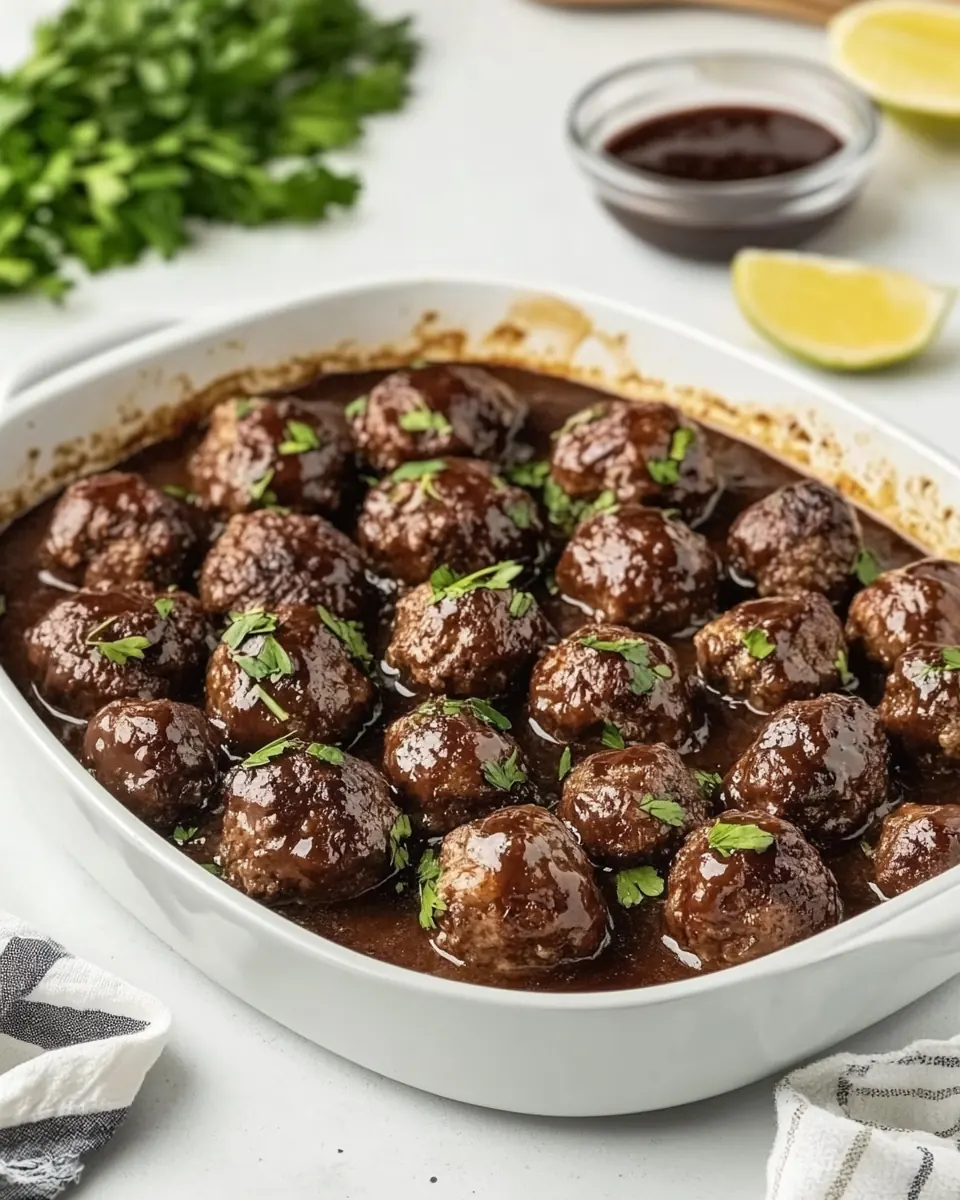
These steps walk you through from mixing to serving, with a focus on sensory cues so you know you are on the right track. Take your time to brown and build flavors in the pan, because that is where the magic happens.
- Line a baking sheet with parchment paper or heavy-duty aluminum foil. Set it aside.: The smell of clean paper or foil and the quiet crinkle as you prepare your workspace signals readiness. This small prep step prevents sticking and keeps the meatball rolling station tidy so you can work quickly. One common mistake is skipping this and having meatballs stick or tear when you move them, which makes portioning messy.
- Combine ground beef, egg, breadcrumbs, milk, garlic, parmesan cheese, onion, Worcestershire sauce, Italian seasoning, kosher salt, and cracked black pepper in a large bowl.: As you mix, you will notice the textures coming together, from the coarse grain of ground beef to the silky egg and moist breadcrumbs. The aroma of garlic and parmesan cheese will lift off the bowl, promising savory depth. I press and fold until the mixture is just cohesive, because overmixing tightens the proteins and yields denser meatballs. A frequent error is working the meat too vigorously, which makes the final texture heavy rather than tender.
- Use a 1 1/2-tablespoon scoop to scoop out the meatball filling. Roll the ground beef mixture into a tight ball. Place the meatball on the prepared baking sheet and repeat (I was able to get 24 meatballs).: You will hear a soft pat as each ball hits the sheet and feel the slight tack as the mixture compacts into a smooth ball. Uniform sizes ensure even cooking so listen for the subtle difference when you tap two balls together, they should be firm but not hard. Avoid making meatballs of wildly different sizes, since uneven cooking is the most common issue here.
- Heat 2-3 tablespoons extra virgin olive oil in a 10 to 12-inch skillet over medium heat. (Be sure the oil is hot but not smoking before adding the meatballs. That way, you will get a nice sear without burning the meatballs.) Fry the meatballs, turning them to brown on all sides, for about 8-10 minutes or until cooked through. (If you use a smaller skillet, you may need to fry the meatballs in batches to ensure they cook evenly. If you overcrowd the skillet, you will steam the meatballs instead of frying.) Transfer the meatballs to a plate lined with paper towels to drain.: When the oil shimmers and gives a faint perfume of green olive, it is ready. Add meatballs and let them sit so a golden crust forms, you will hear a gentle sizzle that tells you the Maillard reaction is happening. The contrast between the crisp exterior and soft interior comes from this initial sear. A typical mistake is adding meatballs too early when the oil is not hot enough, which causes sticking and lackluster browning.
- In the same skillet, melt the butter over medium heat.: As you brown, watch for even color development, moving them gently to expose each side to heat, and listen for steady sizzling that slows as moisture releases. The internal aroma will shift from raw to savory when they are nearly done. Overcrowding is the most common issue because it traps steam and prevents the crisp crust, so give them space and keep an eye on the color for an even golden brown.
- Add the sliced onion and sauté until translucent.: As the salted butter melts you will see glossy gold encouraging the next step, and the aroma will be slightly sweet and nutty. This melted butter forms the base for the onion, and helps deglaze those browned bits later. A pitfall is heating the butter too high until it browns or burns, which changes the sauce flavor, so keep it moderate.
- Sprinkle the flour over the cooked onions, stirring constantly, for 1-2 minutes.: The pan will fill with a sweet, savory scent as the onion softens and the edges begin to take on pale golden notes. Stir gently so slices cook evenly and release their natural sugars. This step builds the gravy's backbone, and rushing it prevents proper flavor development. Avoid skipping until translucent, as undercooked onion will taste sharp and raw.
- Slowly whisk in the beef broth to ensure there are no lumps. Add the Worcestershire sauce, kitchen bouquet, and water. Bring the mixture to a simmer and let it thicken, stirring occasionally. Season with salt and pepper to taste.: As you stir, the raw flour smell disappears and a nutty aroma emerges, indicating the flour has cooked enough to thicken without tasting pasty. The mixture will take on a slightly sandy texture before you add liquid. Not cooking the flour long enough leads to a raw flour taste, so give it that minute to integrate and brown lightly.
- Once the gravy is thickened, add the pan-fried meatballs to the skillet. Let the meatballs simmer in the gravy for 2-3 minutes. Garnish with the chopped fresh parsley. Serve immediately over mashed potatoes or cooked egg noodles.: Pouring the beef broth in a steady stream while whisking creates a glossy, lump free gravy. The scent deepens as it simmers, and the sauce will reduce to a velvety consistency that coats the back of a spoon. The kitchen bouquet darkens the color and layers in savory notes, while the simmer allows flavors to marry. A common slip is adding liquid too quickly and ending up with lumps, so whisk steadily and keep the heat gentle.
- Once the gravy is thickened, add the pan fried meatballs to the skillet. Let the meatballs simmer in the gravy for 2 to 3 minutes. Garnish with the chopped fresh parsley. Serve immediately over mashed potatoes or cooked egg noodles.: As the meatballs nestle into the glossy gravy, you will hear a quiet bubble and see the sauce cling to their sides, signaling they are absorbing flavor. The steam will carry concentrated beef and onion aromas, and a gentle spooning of gravy over each ball gives a finished sheen. The parsley adds a bright herbal note and visual contrast at the end. Beware of simmering too long, which can firm the meatballs excessively; a brief finish is all you need.
Tips for Success
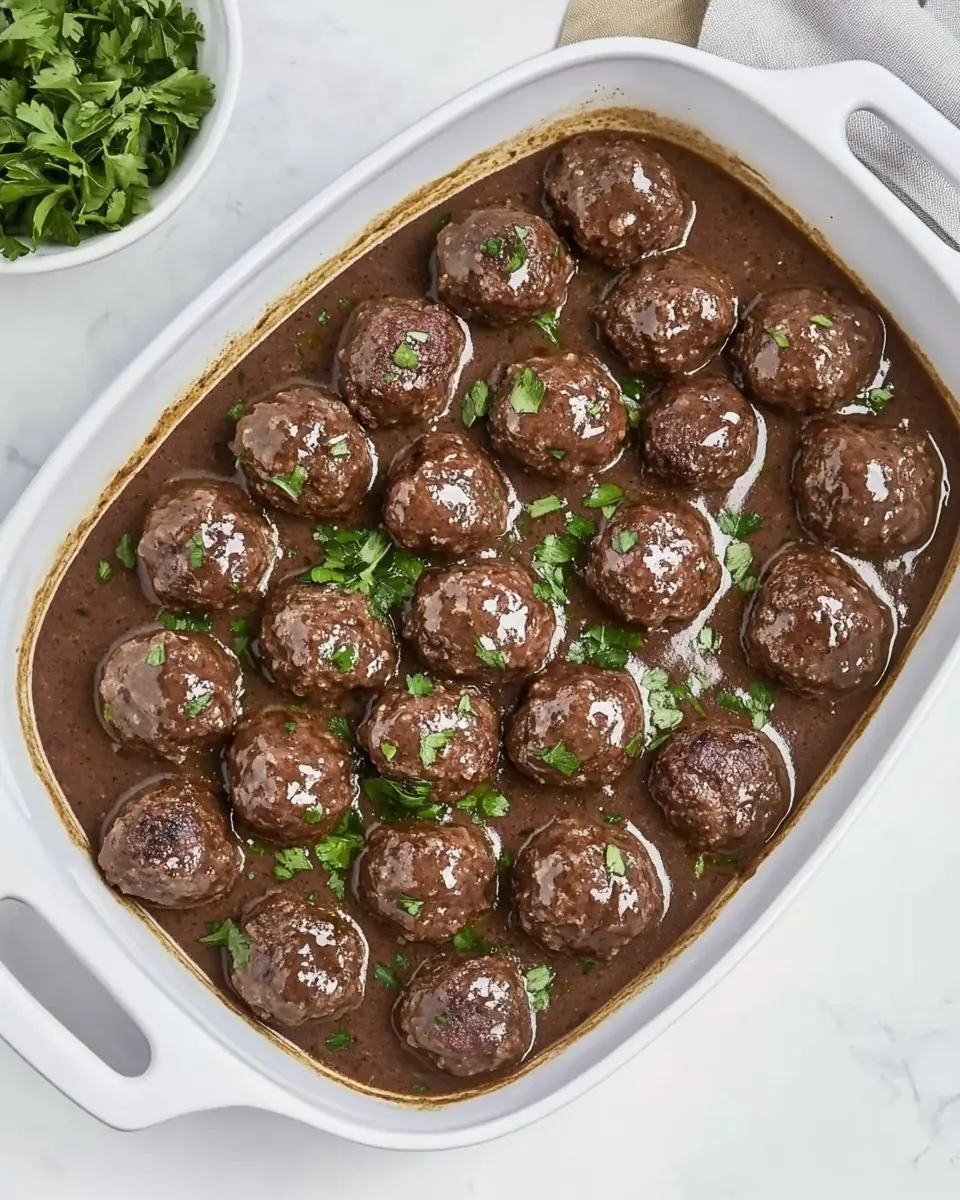
These tips will help you get consistent results with Smothered Meatballs. Small adjustments in technique and timing make big differences, so I focus on simple, practical advice that keeps the dish tender, flavorful, and easy to serve.
- Measure ingredients accurately. I always measure the breadcrumbs and milk to maintain the right meatball texture; too much liquid can make them loose, and too little makes them dry.
- Use a scoop for uniform meatballs. A 1 1/2 tablespoon scoop gives even sizes, which ensures consistent browning and cooking times across the batch.
- Don’t overcrowd the pan. Fry in batches if needed, because overcrowding causes steaming, which prevents the Maillard crust that flavors the gravy.
- Cook the flour slightly longer for depth. Letting the flour toast for 1 to 2 minutes with the onions removes raw taste and adds a subtle roasted note to the gravy.
- Adjust gravy consistency thoughtfully. If the gravy gets too thick, whisk in warm water or extra beef broth a tablespoon at a time until it reaches the desired silkiness.
- Finish with fresh herbs. Add chopped parsley at the end to lift the rich flavors and add visual contrast for plating.
Accompaniments for Smothered Meatballs
These serving ideas turn Smothered Meatballs into a complete meal for family weeknights or cozy gatherings. Choose a starchy base, pick a vegetable side, and consider presentation styles that suit the occasion.
- Mashed potatoes as a classic base. Spoon hot meatballs and plenty of gravy over creamy mashed potatoes for a homestyle plate that soaks up every drop of sauce.
- Wide egg noodles for comfort. Toss cooked egg noodles with a little butter then top with meatballs and gravy for a hearty noodle bowl that carries the sauce well.
- Steamed vegetables for balance. Serve alongside simple steamed green beans or carrots to add freshness and brightness to the rich main.
- Family style for gatherings. Arrange meatballs in a warm casserole dish and spoon extra gravy over the top so guests can serve themselves at the table.
- Storage and reheating. Store leftovers in an airtight container in the fridge up to three days; reheat gently on the stovetop over low heat, adding a splash of beef broth or water to loosen the gravy if needed.
- Seasonal pairings. In cooler months, pair with roasted root vegetables and a crisp green salad to contrast textures and temperatures.
FAQ
Conclusion
Smothered Meatballs stands out because it marries simple techniques with bold, comforting flavors that feel homey and satisfying. I encourage you to give this recipe a try, especially on a chilly night when you want something warming and reliably delicious. It’s approachable, forgiving, and delivers the kind of dinner that invites conversation and seconds, so roll up your sleeves and enjoy the comforting results.
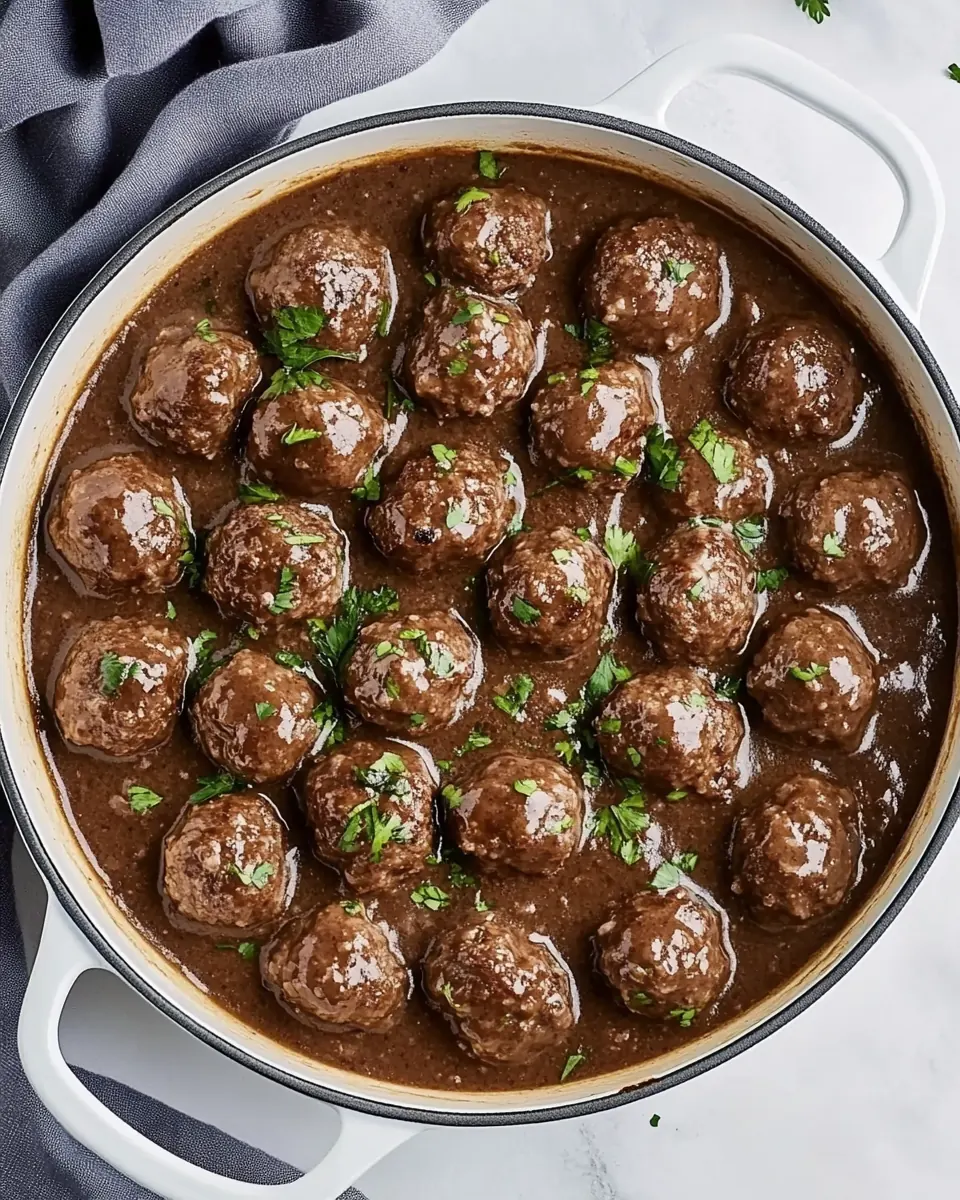
Smothered Meatballs
Ingredients
Equipment
Method
- Line a baking sheet with parchment paper or heavy-duty aluminum foil. Set it aside.: The smell of clean paper or foil and the quiet crinkle as you prepare your workspace signals readiness. This small prep step prevents sticking and keeps the meatball rolling station tidy so you can work quickly. One common mistake is skipping this and having meatballs stick or tear when you move them, which makes portioning messy.
- Combine ground beef, egg, breadcrumbs, milk, garlic, parmesan cheese, onion, Worcestershire sauce, Italian seasoning, kosher salt, and cracked black pepper in a large bowl.: As you mix, you will notice the textures coming together, from the coarse grain of ground beef to the silky egg and moist breadcrumbs. The aroma of garlic and parmesan cheese will lift off the bowl, promising savory depth. I press and fold until the mixture is just cohesive, because overmixing tightens the proteins and yields denser meatballs. A frequent error is working the meat too vigorously, which makes the final texture heavy rather than tender.
- Use a 1 1/2-tablespoon scoop to scoop out the meatball filling. Roll the ground beef mixture into a tight ball. Place the meatball on the prepared baking sheet and repeat (I was able to get 24 meatballs).: You will hear a soft pat as each ball hits the sheet and feel the slight tack as the mixture compacts into a smooth ball. Uniform sizes ensure even cooking so listen for the subtle difference when you tap two balls together, they should be firm but not hard. Avoid making meatballs of wildly different sizes, since uneven cooking is the most common issue here.
- Heat 2-3 tablespoons extra virgin olive oil in a 10 to 12-inch skillet over medium heat. (Be sure the oil is hot but not smoking before adding the meatballs. That way, you will get a nice sear without burning the meatballs.) Fry the meatballs, turning them to brown on all sides, for about 8-10 minutes or until cooked through. (If you use a smaller skillet, you may need to fry the meatballs in batches to ensure they cook evenly. If you overcrowd the skillet, you will steam the meatballs instead of frying.) Transfer the meatballs to a plate lined with paper towels to drain.: When the oil shimmers and gives a faint perfume of green olive, it is ready. Add meatballs and let them sit so a golden crust forms, you will hear a gentle sizzle that tells you the Maillard reaction is happening. The contrast between the crisp exterior and soft interior comes from this initial sear. A typical mistake is adding meatballs too early when the oil is not hot enough, which causes sticking and lackluster browning.
- In the same skillet, melt the butter over medium heat.: As you brown, watch for even color development, moving them gently to expose each side to heat, and listen for steady sizzling that slows as moisture releases. The internal aroma will shift from raw to savory when they are nearly done. Overcrowding is the most common issue because it traps steam and prevents the crisp crust, so give them space and keep an eye on the color for an even golden brown.
- Add the sliced onion and sauté until translucent.: As the salted butter melts you will see glossy gold encouraging the next step, and the aroma will be slightly sweet and nutty. This melted butter forms the base for the onion, and helps deglaze those browned bits later. A pitfall is heating the butter too high until it browns or burns, which changes the sauce flavor, so keep it moderate.
- Sprinkle the flour over the cooked onions, stirring constantly, for 1-2 minutes.: The pan will fill with a sweet, savory scent as the onion softens and the edges begin to take on pale golden notes. Stir gently so slices cook evenly and release their natural sugars. This step builds the gravy's backbone, and rushing it prevents proper flavor development. Avoid skipping until translucent, as undercooked onion will taste sharp and raw.
- Slowly whisk in the beef broth to ensure there are no lumps. Add the Worcestershire sauce, kitchen bouquet, and water. Bring the mixture to a simmer and let it thicken, stirring occasionally. Season with salt and pepper to taste.: As you stir, the raw flour smell disappears and a nutty aroma emerges, indicating the flour has cooked enough to thicken without tasting pasty. The mixture will take on a slightly sandy texture before you add liquid. Not cooking the flour long enough leads to a raw flour taste, so give it that minute to integrate and brown lightly.
- Once the gravy is thickened, add the pan-fried meatballs to the skillet. Let the meatballs simmer in the gravy for 2-3 minutes. Garnish with the chopped fresh parsley. Serve immediately over mashed potatoes or cooked egg noodles.: Pouring the beef broth in a steady stream while whisking creates a glossy, lump free gravy. The scent deepens as it simmers, and the sauce will reduce to a velvety consistency that coats the back of a spoon. The kitchen bouquet darkens the color and layers in savory notes, while the simmer allows flavors to marry. A common slip is adding liquid too quickly and ending up with lumps, so whisk steadily and keep the heat gentle.
- Once the gravy is thickened, add the pan fried meatballs to the skillet. Let the meatballs simmer in the gravy for 2 to 3 minutes. Garnish with the chopped fresh parsley. Serve immediately over mashed potatoes or cooked egg noodles.: As the meatballs nestle into the glossy gravy, you will hear a quiet bubble and see the sauce cling to their sides, signaling they are absorbing flavor. The steam will carry concentrated beef and onion aromas, and a gentle spooning of gravy over each ball gives a finished sheen. The parsley adds a bright herbal note and visual contrast at the end. Beware of simmering too long, which can firm the meatballs excessively; a brief finish is all you need.
Notes
- Measure ingredients accurately. I always measure the breadcrumbs and milk to maintain the right meatball texture; too much liquid can make them loose, and too little makes them dry.
- Use a scoop for uniform meatballs. A 1 1/2 tablespoon scoop gives even sizes, which ensures consistent browning and cooking times across the batch.
- Don’t overcrowd the pan. Fry in batches if needed, because overcrowding causes steaming, which prevents the Maillard crust that flavors the gravy.
- Cook the flour slightly longer for depth. Letting the flour toast for 1 to 2 minutes with the onions removes raw taste and adds a subtle roasted note to the gravy.
- Adjust gravy consistency thoughtfully. If the gravy gets too thick, whisk in warm water or extra beef broth a tablespoon at a time until it reaches the desired silkiness.
- Finish with fresh herbs. Add chopped parsley at the end to lift the rich flavors and add visual contrast for plating.