Roasted Beet and Garlic Hummus
Roasted Beet and Garlic Hummus is one of those recipes I always come back to when I want something vibrant, comforting, and a little showy without any fuss. The first time I made it, I was hosting a small Saturday afternoon gathering and wanted a dip that would cut through rich cheeses and crisp vegetables, but still feel wholesome and wholesome. The deep, jewel tone of the beets on the table got everyone leaning in before they even tasted it. I still remember the nervous thrill when the oven timer went off and a sweet, caramelized scent drifted through the kitchen, promising something special.
That weekend I roasted the beets and a whole bulb of garlic together, and the result felt almost like a secret ingredient had revealed itself. The garlic, mellowed and sweet from roasting, married the earthiness of the beets and the creamy texture of the garbanzo beans. Guests kept reaching back for more, and I scribbled down the tweaks that made it mine, like a touch of cinnamon for warmth and pumpkin seeds for crunch. Over time I refined the balance of tahini and lemon so the hummus stayed bright, but still luxuriously creamy.
Making Roasted Beet and Garlic Hummus has become my go to when I need an impressive but simple starter. It travels well to potlucks, looks stunning spread on a platter, and pairs with almost anything from crisp pita to sturdy roasted vegetables. I love that it offers both comfort and a little drama, and once you roast the beets and garlic, the rest comes together in the food processor with minimal effort. You will find it becomes one of those recipes you reach for when you want to feel like the host who thinks of everything.
Recipe Snapshot
60 mins
10 mins
50 mins
Medium
200 kcal
Mediterranean
Gluten-Free, Vegan
Appetizers
Oven, Baking sheet, Foil, Food processor
Why You Need This Roasted Beet and Garlic Hummus
Bright Visual Appeal
When I serve Roasted Beet and Garlic Hummus, the color is the first thing people comment on. The beets give the hummus a striking magenta hue that instantly elevates any spread. I love how it photographs, and I find it draws people to the table, inviting conversation before the first bite.
Layered Flavor from Roasting
Roasting the beets and garlic brings out natural sugars, which deepens the taste and softens the garlic‘s bite. I enjoy the contrast between the sweet roasted notes and the bright acidity of lemon juice, it keeps the dip lively. This gentle caramelization is why I roast rather than boil, it’s a small step that yields big payoff.
Comforting Creamy Texture
The combination of garbanzo beans and well stirred tahini makes the hummus luxuriously smooth. I always aim for a texture that feels like a velvety spread, and drizzling the olive oil while processing is the trick I use to lock in that silkiness. It makes the hummus feel indulgent while still being wholesome.
Playful Finishings
I often sprinkle feta cheese crumbles and pumpkin seeds on top for contrast in flavor and texture. The saltiness of the feta and the crunch of seeds create a delightful finishing bite. I appreciate how little embellishments like this can turn a simple dip into a composed appetizer.
Versatile and Crowd Friendly
I bring Roasted Beet and Garlic Hummus to everything from casual picnics to more formal gatherings because it travels well and pleases many palates. It works as a dip, a spread for sandwiches, or a colorful component on a mezze platter. That versatility means it lives in my recipe rotation year round.
What Goes Into Roasted Beet and Garlic Hummus
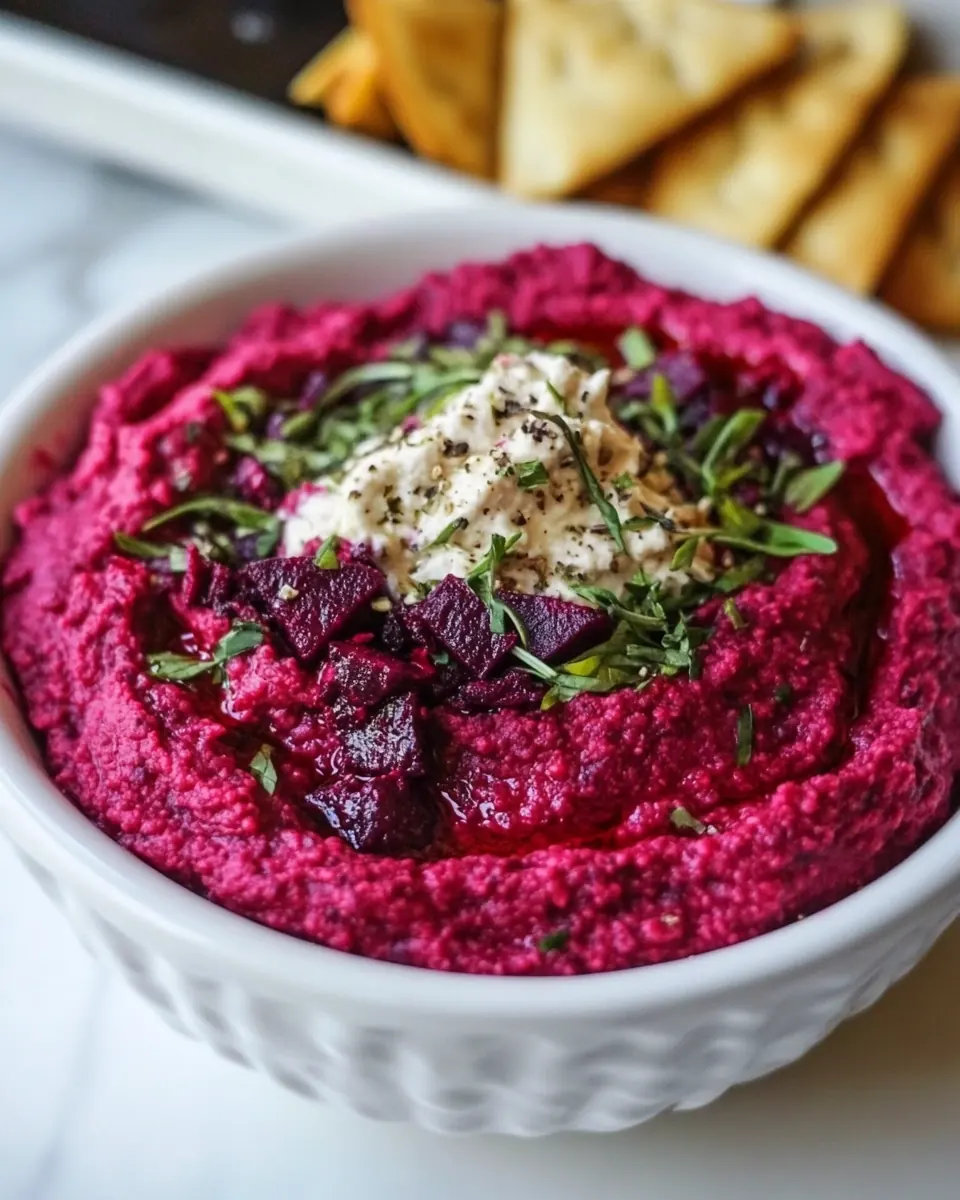
These ingredients are selected to balance earthiness, creaminess, and a hint of warmth. The roasted beets anchor the color and sweet earth flavor, while the garbanzo beans and tahini build the hummus body. Lemon juice brightens, and small spices like turmeric and cumin add subtle depth. The final garnishes bring texture contrast and a salty finish.
- 115 oz can garbanzo beans, drained and rinsed: Provide creamy body and protein, creating the hummus base when blended; drain and rinse to remove canning liquid and reduce sodium for a smoother texture.
- 2 small beets: Add earthy sweetness and vibrant color when roasted or boiled, contributing natural sugars and a silky texture that balances the savory chickpeas.
- 6 cloves large garlic: Offer pungent, aromatic heat that infuses the hummus with depth; roast or mince to mellow sharpness and bring out a sweeter garlic character.
- 1/4 cup lemon juice: Contribute bright acidity and freshness that brightens flavors and helps emulsify the mixture for a lighter, tangy finish.
- 1/4 cup tahini well stirred: Impart a rich, nutty creaminess that lends body and a subtle sesame flavor; stir well to ensure smooth consistency and easy incorporation.
- 1/4 tsp ground turmeric: Introduce warm, slightly bitter notes and a golden hue that complements the beets and adds subtle complexity to the spice profile.
- 1/4 tsp ground cumin: Bring earthy, aromatic warmth that enhances savory depth and pairs well with the turmeric to round out the overall spice blend.
- 1/8 tsp red pepper (optional): Provide optional heat and a hint of smoky spice to elevate the flavor; use sparingly to avoid overpowering the delicate beet sweetness.
- Pinch ground cinnamon: Add a subtle, sweet-warm layer that complements the beets and spices, enhancing overall complexity with a tiny amount of aromatic nuance.
- 1/2 tsp sea salt: Season and enhance overall flavors while helping to balance sweetness and acidity; dissolve evenly to ensure consistent seasoning throughout the hummus.
- 1/4 cup olive oil: Create a silky, rich mouthfeel and help emulsify the mixture; drizzle or blend in for added healthy fats and glossy texture.
- 3 tbsp feta cheese crumbles: Contribute salty, tangy creaminess as a finishing garnish or folded-in element, adding savory contrast and a touch of richness to the dip.
- 3 tbsp pumpkin seeds: Provide crunchy texture and a toasty, nutty flavor as a topping, offering visual contrast and an additional layer of savory interest.
How to Assemble Roasted Beet and Garlic Hummus
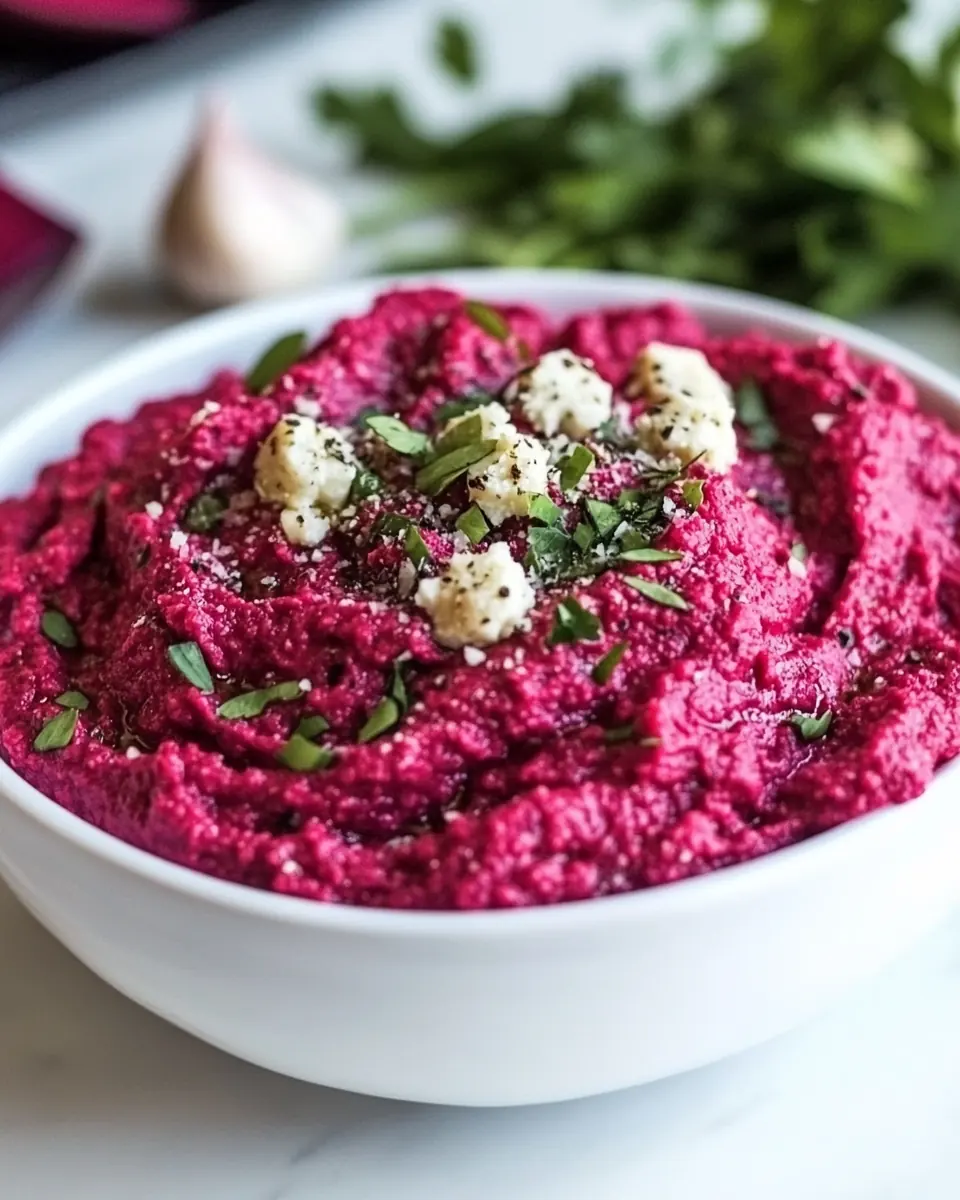
I find the assembly is where the magic comes together, and with a food processor the whole thing is joyful and tactile. These steps carry you from raw ingredients to a creamy, jewel toned hummus, and the sensory cues will let you know when things are just right. Move deliberately, taste frequently, and adjust small amounts of lemon or salt to fine tune the final bowl.
- Preheat the oven to 400° F.: When the oven warms up, you will notice a faint dry warmth in the air that helps the beets roast evenly, encouraging sugars to caramelize, which deepens flavor. A common misstep is not waiting for full preheat, this can lead to uneven roasting. Be mindful to set the oven to the exact temperature, and preheating for at least 10 minutes ensures steady heat distribution.
- Wash the beets and pat them dry. Chop them into 1/4”-1/2” slices and place on a large strip of foil. Fold the foil over the beets, creating a packet.: The tactile act of cleaning and slicing gives you the first visual hints about beet freshness, such as vibrant color and firm texture. When you wrap the beets in foil, you create a steamy environment that helps them soften without drying out, which yields tender, intensely flavored pieces. A frequent error is cutting too thin or too thick, which affects roasting time, so aim for consistent slices to ensure uniform cooking and to prevent some pieces from becoming mushy while others remain underdone.
- Slice the top off a bulb of garlic, drizzle it with olive oil and add it to the foil wrap. Place the packet of beets and garlic on a baking sheet and roast 40-45 minutes or until juices are seeping out of the beets. Remove the packet from the oven and allow the beets and garlic to cool.: When the packet is hot and you open it, you should see fragrant steam and a glossy sheen on the beets, indicating caramelization and tender flesh. The roasted garlic will be soft and syrupy, and you can press cloves out of their skins easily. Letting them cool slightly makes handling safer and preserves the bright color of the beets. Avoid peeking too early, because opening the packet repeatedly lets heat escape and slows even cooking. If the beets are not tender to a fork after the listed time, continue roasting in five minute increments.
- Add all the ingredients except the oil to a food processor. Process until smooth. While the food processor is running, drizzle the olive oil slowly through the top spout and continue to process until it's creamy. You may have to stop the food processor a few times and scrape the sides to get everything to blend together.: As you pulse the processor, watch for a thick, grainy mixture that begins to pull into a cohesive mass. The aroma at this point shifts from raw to roasted, with a mellow garlic scent and sweet beet notes. A common mistake is over processing at this stage without adding oil gradually, which can lead to a dry texture. If the mixture seems too stiff, pause and scrape down the sides to ensure even blending before proceeding with the oil. This ensures each spoonful will be uniformly creamy.
- Sprinkle feta cheese and pumpkin seeds over the top of the hummus. Serve with fresh raw vegetables, chips or crackers.: Adding the olive oil slowly creates an emulsion that yields a silky, spreadable hummus. Pay attention to sound, a smoothing, steady whir indicates the oil is integrating; a strained motor sound means the mixture is too thick and needs scraping or a small splash of water. One mistake is pouring the oil too quickly, which can separate the texture and leave bits unincorporated. Take this step slowly, tasting as you go to adjust salt and lemon to your preference.
- Sprinkle feta cheese and pumpkin seeds over the top of the hummus Serve with fresh raw vegetables chips or crackers: The final garnishing step is about texture and contrast, the salty crumb of feta cheese and the toasty crunch of pumpkin seeds elevate each bite. When plating, smooth the surface and create a shallow well to hold a light drizzle of olive oil , then scatter the toppings for visual appeal. A typical slip is over topping which can overwhelm the hummus, so a few measured tablespoons of each garnish preserve balance and invite guests to customize on their own.
Making Adjustments
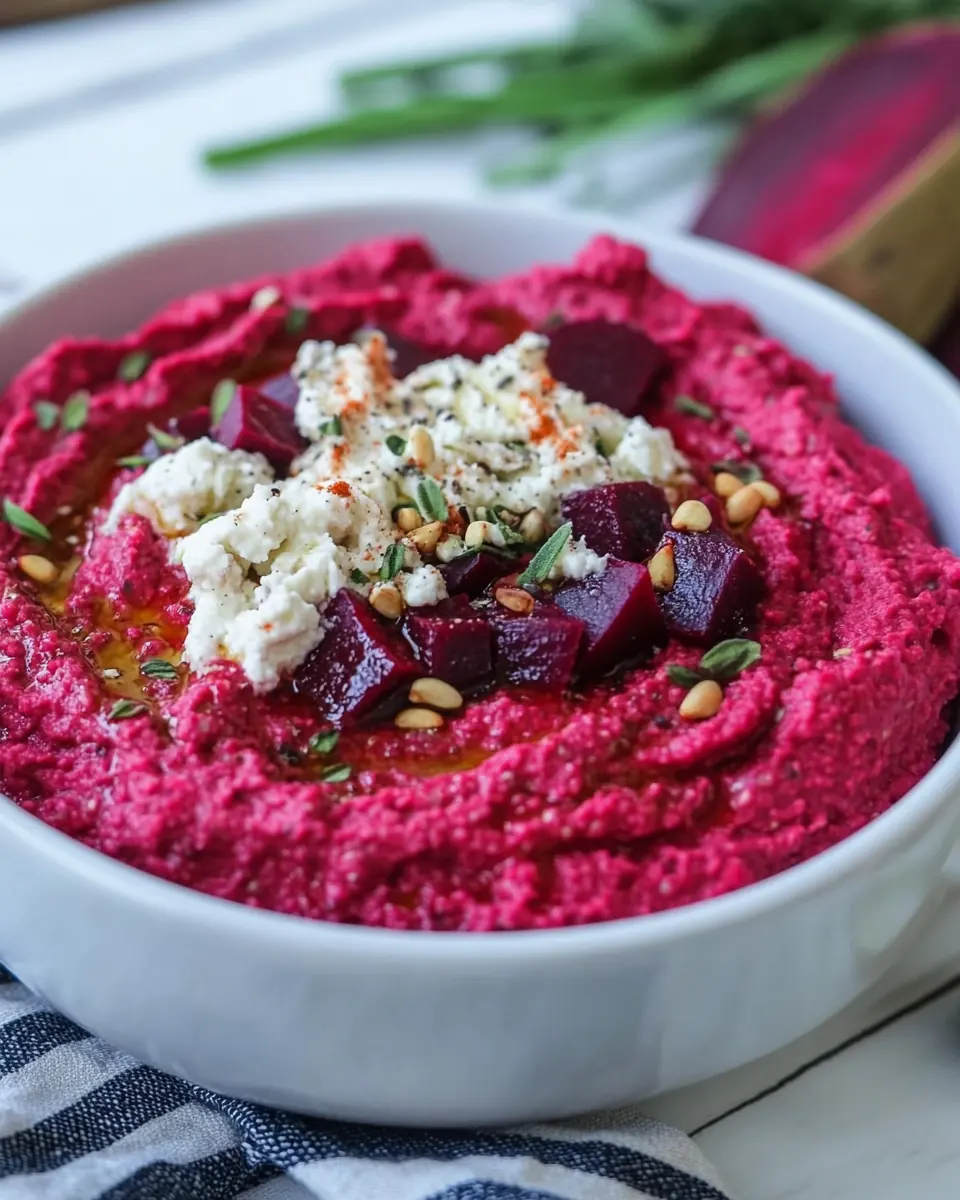
I like to view adjustments as opportunities to personalize the hummus without losing its soul. Below are focused tips to adapt texture, seasoning, and presentation while keeping the integrity of Roasted Beet and Garlic Hummus intact. Each tip starts with a bolded action so you can scan quickly while you cook.
- Thin the texture by adding a tablespoon of the reserved bean liquid or water at a time if the hummus is too thick during processing, which helps you reach the desired creaminess without diluting flavor.
- Brighten the flavor with an extra splash of fresh lemon juice if the hummus tastes flat after blending, adding acid balances richness and highlights the roasted notes.
- Adjust salt carefully because canned garbanzo beans and feta cheese contribute sodium, so season gradually and taste after folds to avoid over salting.
- Control spice level by omitting the red pepper if serving to children or sensitive guests, or add a pinch more for a gentle warm finish if you prefer a kick.
- Enhance nuttiness by stirring in a teaspoon of toasted sesame seeds or increasing the tahini slightly for a deeper sesame character without changing texture dramatically.
- Make it smoother by passing the blended hummus through a fine sieve if you want an ultra refined spread for elegant plating, this removes any remaining fibrous bits.
- Garnish with intention using a small well of olive oil in the center and sprinkling the feta cheese and pumpkin seeds evenly, so every scoop includes contrasting textures and flavors.
- Store properly in an airtight container with a thin film of olive oil on top to preserve color and freshness for up to four days in the refrigerator.
- Scale up for gatherings by roasting beets in batches and processing sequentially, this keeps the texture consistent and prevents the food processor from overheating.
- Serve chilled or room temperature depending on preference, chilling tightens flavors while serving at room temperature highlights the aromatic roasted garlic and beet notes.
Best Served With
This section explores serving ideas, pairings, and occasions where Roasted Beet and Garlic Hummus shines. The suggestions below cover textures, seasonal contexts, and storage guidance to help you present it beautifully. Each list item describes how to combine or serve the hummus for maximum impact.
- As a mezze centerpiece spread the hummus on a wide platter, drizzle with olive oil, and surround it with raw vegetable sticks for a colorful, shareable starter.
- With warm flatbreads cut pita or flatbread into wedges and warm briefly so the hummus softens into the bread, creating a comforting bite perfect for casual lunches or picnics.
- At festive gatherings include it on a holiday or seasonal spread where the vibrant color adds visual interest, it works well for fall entertaining and special occasions that welcome bold flavors.
- On sandwiches and wraps use a thin layer as a spread to introduce creamy texture and beet flavor, pairing well with grilled vegetables or leafy greens for a light meal.
- Storage tips keep in an airtight container for up to four days, and place a thin layer of olive oil on top to help preserve color and prevent drying; if the color dulls slightly, a quick stir and fresh lemon can revive it.
- Seasonal pairings enjoy it in the autumn months with roasted root vegetables, or bring it to spring gatherings for a bright counterpoint to heavier dishes.
- Occasion advice it is great for lunch spreads, casual dinner starters, potlucks, and Ramadan iftar tables as a flavorful, shareable dish.
FAQ
Conclusion
Roasted Beet and Garlic Hummus stands out because of its brilliant color, velvety texture, and the deep sweetness that roasting brings to both beets and garlic. Try it to add a bold, elegant element to your appetizer spread or as a flavorful spread for sandwiches and wraps. Give it a go the next time you want something that looks impressive but is straightforward to make, and enjoy how easily it becomes a conversation starter around the table.
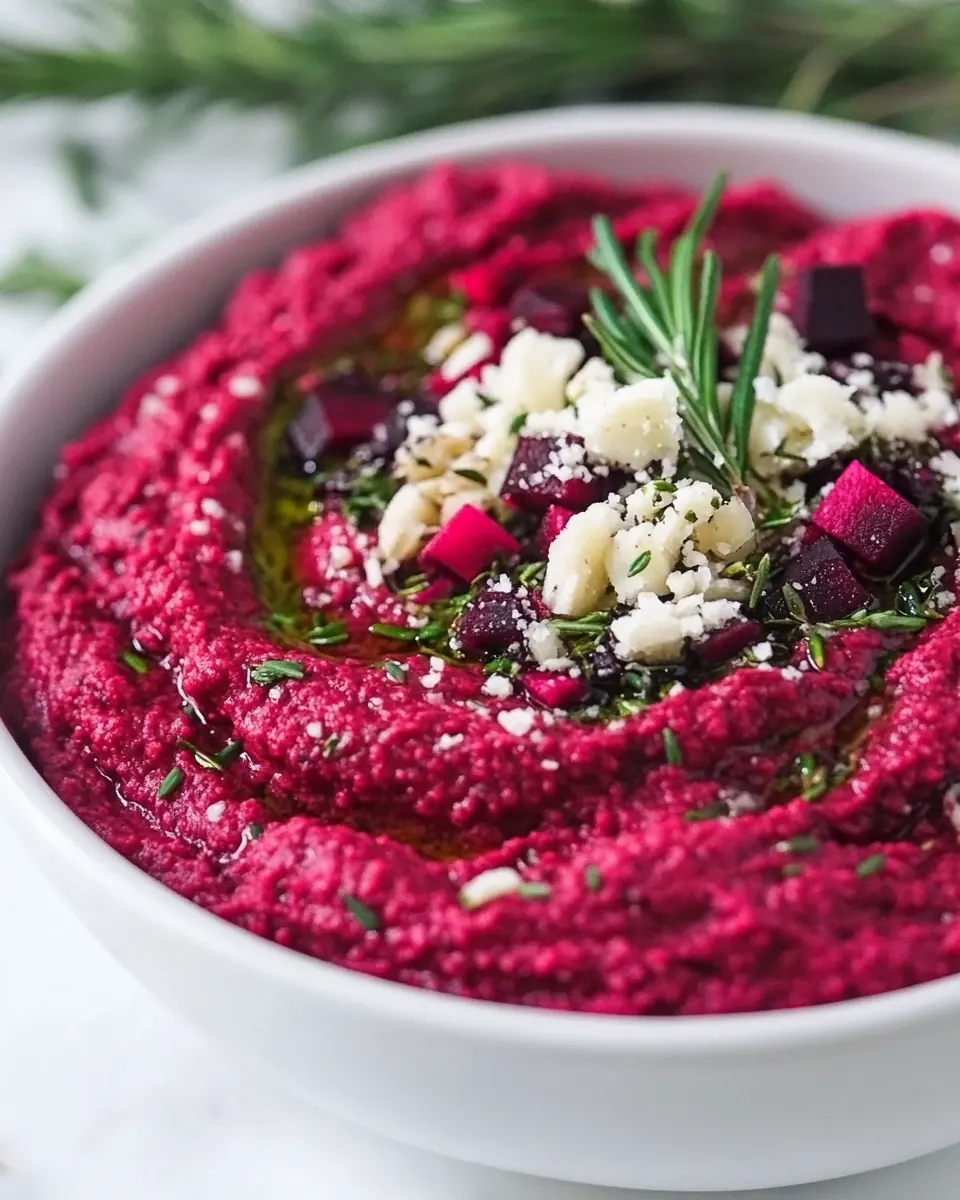
Roasted Beet and Garlic Hummus
Ingredients
Equipment
Method
- Preheat the oven to 400° F.: When the oven warms up, you will notice a faint dry warmth in the air that helps the beets roast evenly, encouraging sugars to caramelize, which deepens flavor. A common misstep is not waiting for full preheat, this can lead to uneven roasting. Be mindful to set the oven to the exact temperature, and preheating for at least 10 minutes ensures steady heat distribution.
- Wash the beets and pat them dry. Chop them into 1/4”-1/2” slices and place on a large strip of foil. Fold the foil over the beets, creating a packet.: The tactile act of cleaning and slicing gives you the first visual hints about beet freshness, such as vibrant color and firm texture. When you wrap the beets in foil, you create a steamy environment that helps them soften without drying out, which yields tender, intensely flavored pieces. A frequent error is cutting too thin or too thick, which affects roasting time, so aim for consistent slices to ensure uniform cooking and to prevent some pieces from becoming mushy while others remain underdone.
- Slice the top off a bulb of garlic, drizzle it with olive oil and add it to the foil wrap. Place the packet of beets and garlic on a baking sheet and roast 40-45 minutes or until juices are seeping out of the beets. Remove the packet from the oven and allow the beets and garlic to cool.: When the packet is hot and you open it, you should see fragrant steam and a glossy sheen on the beets, indicating caramelization and tender flesh. The roasted garlic will be soft and syrupy, and you can press cloves out of their skins easily. Letting them cool slightly makes handling safer and preserves the bright color of the beets. Avoid peeking too early, because opening the packet repeatedly lets heat escape and slows even cooking. If the beets are not tender to a fork after the listed time, continue roasting in five minute increments.
- Add all the ingredients except the oil to a food processor. Process until smooth. While the food processor is running, drizzle the olive oil slowly through the top spout and continue to process until it's creamy. You may have to stop the food processor a few times and scrape the sides to get everything to blend together.: As you pulse the processor, watch for a thick, grainy mixture that begins to pull into a cohesive mass. The aroma at this point shifts from raw to roasted, with a mellow garlic scent and sweet beet notes. A common mistake is over processing at this stage without adding oil gradually, which can lead to a dry texture. If the mixture seems too stiff, pause and scrape down the sides to ensure even blending before proceeding with the oil. This ensures each spoonful will be uniformly creamy.
- Sprinkle feta cheese and pumpkin seeds over the top of the hummus. Serve with fresh raw vegetables, chips or crackers.: Adding the olive oil slowly creates an emulsion that yields a silky, spreadable hummus. Pay attention to sound, a smoothing, steady whir indicates the oil is integrating; a strained motor sound means the mixture is too thick and needs scraping or a small splash of water. One mistake is pouring the oil too quickly, which can separate the texture and leave bits unincorporated. Take this step slowly, tasting as you go to adjust salt and lemon to your preference.
- Sprinkle feta cheese and pumpkin seeds over the top of the hummus Serve with fresh raw vegetables chips or crackers: The final garnishing step is about texture and contrast, the salty crumb of feta cheese and the toasty crunch of pumpkin seeds elevate each bite. When plating, smooth the surface and create a shallow well to hold a light drizzle of olive oil , then scatter the toppings for visual appeal. A typical slip is over topping which can overwhelm the hummus, so a few measured tablespoons of each garnish preserve balance and invite guests to customize on their own.
Notes
- Thin the texture by adding a tablespoon of the reserved bean liquid or water at a time if the hummus is too thick during processing, which helps you reach the desired creaminess without diluting flavor.
- Brighten the flavor with an extra splash of fresh lemon juice if the hummus tastes flat after blending, adding acid balances richness and highlights the roasted notes.
- Adjust salt carefully because canned garbanzo beans and feta cheese contribute sodium, so season gradually and taste after folds to avoid over salting.
- Control spice level by omitting the red pepper if serving to children or sensitive guests, or add a pinch more for a gentle warm finish if you prefer a kick.
- Enhance nuttiness by stirring in a teaspoon of toasted sesame seeds or increasing the tahini slightly for a deeper sesame character without changing texture dramatically.
- Make it smoother by passing the blended hummus through a fine sieve if you want an ultra refined spread for elegant plating, this removes any remaining fibrous bits.
- Garnish with intention using a small well of olive oil in the center and sprinkling the feta cheese and pumpkin seeds evenly, so every scoop includes contrasting textures and flavors.
- Store properly in an airtight container with a thin film of olive oil on top to preserve color and freshness for up to four days in the refrigerator.
- Scale up for gatherings by roasting beets in batches and processing sequentially, this keeps the texture consistent and prevents the food processor from overheating.
- Serve chilled or room temperature depending on preference, chilling tightens flavors while serving at room temperature highlights the aromatic roasted garlic and beet notes.