Italian Cannellini Bean Soup
Italian Cannellini Bean Soup has been my go to when I want something that feels both homey and a little bit elegant at the same time. The first time I tasted a version of this soup was at a tiny trattoria on a rainy afternoon, and ever since I’ve been chasing that warm, silky spoonful that feels like a hug. I love how a few pantry staples transform into something deeply comforting, and this recipe captures that exact moment.
On a blustery evening, I often pull out a can of cannellini beans and a potato and let the kitchen fill with the gentle sizzle of garlic in extra-virgin olive oil. There is a small ritual to it, the kind that grounds me after a long day: mincing the garlic, stirring until the edges of the potato turn translucent, and lifting the lid to inhale the savory steam. Each time I make this version of Italian Cannellini Bean Soup, I tweak the balance of thyme and chili flakes until it sings for me.
What makes this soup a repeat performer in my weeknight rotation is its simplicity without sacrificing depth. I’ll sometimes mash a portion of the beans to thicken the broth, or swirl a little more extra-virgin olive oil on top for silkiness. It’s flexible, forgiving, and when paired with grilled bread it becomes a meal that’s greater than the sum of its parts. Friends always ask for the recipe after one bowl, and I admit I take a quiet pleasure in watching them go back for seconds.
Recipe Snapshot
20 mins
5 mins
15 mins
Easy
250 kcal
Italian
Vegan, Gluten-Free
Soups
Large pot, Blender, Slotted spoon
Why We Love This Italian Cannellini Bean Soup
Comfort in a Bowl
I adore how Italian Cannellini Bean Soup delivers pure comfort with minimal fuss. The combination of creamy cannellini beans and tender potato creates a velvety texture that settles nicely on a chilly night. It feels like slow cooking, even though it comes together quickly, which makes it a reliable pick for when I want warmth fast.
Pantry Friendly and Frugal
We all love a recipe that trusts the pantry. With canned cannellini beans, stock, and a couple of aromatics, this soup stretches ingredients into several satisfying servings. I often cook it when my fridge is sparse, and it never disappoints. It’s the sort of recipe you make when you want something nourishing without a long grocery list.
Textures That Surprise
The trick of pureeing a third of the soup gives it a creamy body while leaving plenty of whole beans for bite. That contrast is a small detail that lifts the dish from ordinary to memorable. When I spoon it, I enjoy the creamy mouthfeel alongside the slight tooth of whole cannellini beans.
Adaptable Heat and Herb Notes
I appreciate how easy it is to tailor the seasonings. A pinch of red chili pepper flakes wakes the broth gently, and fresh thyme adds an aromatic lift. I’ll dial the heat up or down depending on who’s coming to the table, and it never loses its identity.
Great for Sharing
This soup is unfussy to scale, which is why I bring it to potlucks and weeknight dinners alike. It pairs beautifully with grilled bread for dunking, and it holds up well as leftovers, making it practical as well as delicious. I love serving it when I want something homey that still feels considered.
Main Ingredients for Italian Cannellini Bean Soup
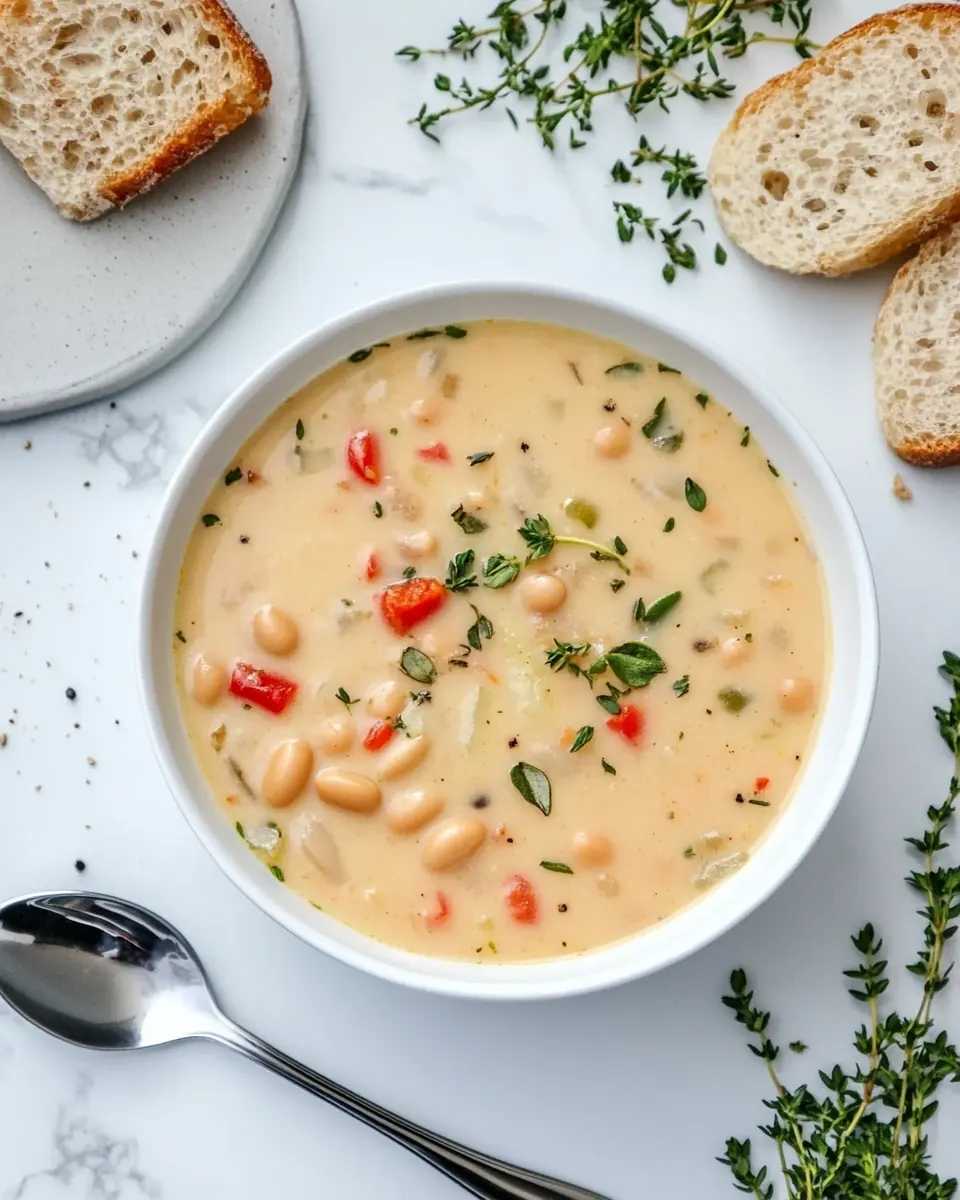
These ingredients work together to create a soup that is both creamy and balanced. The key players are the cannellini beans for creaminess and body, the potato to add starch and smoothing texture, and the extra-virgin olive oil plus garlic to build an aromatic base. A modest amount of thyme and red chili pepper flakes introduce herbal brightness and controlled heat, while the hot vegetable stock ties everything into a cohesive broth.
- 3 tablespoon extra-virgin olive oil: Provide a fruity, peppery base fat for sautéing aromatics and building the soup’s flavor; drizzle early to soften garlic and coat potatoes while adding silkiness to the finished broth.
- 1 floury medium-sized potato (or two small ones), peeled and finely cubed: Offer a starchy, creamy body when peeled and cubed; simmer until tender to help thicken the soup naturally and lend a comforting texture.
- 3 cloves garlic, finely minced: Impart a pungent, savory kick when minced and softened; cook briefly to release aromatic oils that deepen the overall flavor without becoming bitter.
- 3 cans cannellini beans (15 ounces/425 g), drained: Contribute a creamy, hearty protein and fiber component; drain and add to the pot so beans can break down slightly and enrich the soup’s consistency.
- 1 teaspoon fresh thyme leaves: Add a bright, herbal note with subtle lemony and floral tones; scatter leaves in while simmering to lift and complement the beans and stock.
- 1 l hot vegetable stock: Provide a savory, liquid backbone that melds all ingredients; pour hot vegetable stock over solids and simmer to extract and harmonize flavors.
- sea salt and freshly-cracked black pepper: Season to taste and balance flavors; sprinkle sea salt and crack black pepper gradually while simmering and adjust at the end for proper seasoning.
- 1 teaspoon red chili pepper flakes (optional): Introduce a warm, spicy heat if desired; stir in red chili flakes sparingly to elevate the soup with a lingering, aromatic kick.
- grilled bread or croutons: Serve as a crunchy accompaniment that contrasts the soup’s creaminess; top bowls with grilled bread or croutons for texture and to sop up the broth.
Italian Cannellini Bean Soup Instructions

This soup comes together with a few straightforward steps, and a little attention to timing delivers a richly flavored bowl. I like to move through the steps with a calm pace, keeping the heat low to coax maximum flavor from the aromatics while preserving texture. Below you’ll find detailed, sensory focused guidance to help you get it just right.
- Heat 2 tablespoons of extra-virgin olive oil in large pot over medium-low heat, add the cubed potato and garlic, and cook until they both begin to brown, adding a splash of warm water if necessary.: The moment the extra–virgin olive oil warms, it releases a subtle fruity perfume that sets the tone for the whole soup. As the potato and garlic sizzle gently, you should hear a soft, steady whisper of cooking rather than a loud fry, and the edges of the cubes will take on a pale gold, signaling they are caramelizing and yielding sweetness. Stir occasionally so nothing sticks, and if the pan looks dry, a splash of warm water will lift any fond and prevent scorching, which would make the garlic taste bitter. The purpose here is to soften the potato and mellow the raw bite of garlic, creating a tender base that will blend into a silky body later. One common mistake is turning the heat too high, which makes the garlic burn quickly; if you smell bitterness, reduce the heat immediately and add a small amount of liquid to cool the pan.
- Add the drained beans, followed by the thyme and red chili flakes (optional), and cook, stirring for a couple of minutes.: When the cannellini beans join the pot, they bring a faint bean aroma that mingles with the browned potato. Gently folding them in releases their creamy character without breaking them down completely, which preserves some bite. The fresh thyme will unfurl its green, slightly lemony scent, and if you include red chili pepper flakes , a warm, peppery undertone will begin to build. Stirring for a couple of minutes allows the flavors to marry; you will notice the mixture becoming a little more cohesive as the beans warm through. Avoid vigorous stirring that pulverizes the beans at this stage, unless you prefer a uniformly smooth texture; over-mixing can also thicken the soup too quickly before you add stock.
- Pour in the broth and bring to a boil, then reduce the heat and simmer for 5 minutes. Season with sea salt and black pepper to taste.: Adding the hot vegetable stock lifts the aromas and transforms the pot from a sauté to a simmering soup. You will see delicate steam rise as the liquid comes up to a boil, and then calming the heat to a gentle simmer produces tiny rhythmic bubbles that indicate a steady, even cook. Simmering for the suggested time helps the flavors meld and the potato to become fully tender, contributing starch to thicken the broth slightly. Taste and season with sea salt and black pepper incrementally, since canned beans can already contain salt. A frequent error is over-salting before the pot reduces, so season lightly and adjust after the puree step.
- Transfer 1/3 of the bean and potato mixture into a blender, with the help of a slotted spoon. Blend on low speed, adding a ladle of stock from the pot at a time, until reaching the desired creamy consistency. Transfer the creamed beans mixture back into the pot and stir to combine. If you'd like your soup thicker, continue to simmer the soup on low heat until reaching the desired consistency.: When you scoop out a portion of the pot, notice the contrast between the steamy liquid and the soft solids; blending these cooked pieces with a bit of the hot stock creates a lush, velvety emulsion. Blend slowly, adding stock by the ladle so the mixture smooths without splattering, and listen for the blender's steady hum rather than a frantic roar. The resulting puree should be glossy and thick enough to coat a spoon, which will thicken the remaining soup without losing all textural interest. Return it to the pot and stir until it integrates seamlessly; you will see the broth take on a creamier body and a slightly deeper color. If the soup is thinner than you prefer, a gentle simmer will reduce some liquid and concentrate flavor, but watch closely because excessive boiling can darken the taste and over reduce the volume. Be careful when blending hot liquid, use a towel over the lid if needed to prevent steam escape and splashes.
- Divide the soup into bowls, swirl the remaining extra-virgin olive oil on top and sprinkle with extra fresh thyme leaves. Serve with grilled bread or croutons.: Ladling the soup into warmed bowls releases savory steam and offers the first sensory reward, the heady smell of warmed thyme and garlic . A glossy swirl of extra–virgin olive oil on each bowl adds richness and a peppery top note, while fresh thyme leaves scattered over the surface brighten the aroma and presentation. The contrast of a crisp, golden grilled bread or crunchy croutons provides textural play against the soup's silkiness and invites dipping. Serve immediately while the soup is hot, because the contrast between warm soup and toasted bread is part of the appeal. Avoid letting bowls sit too long before serving, as the bread will soften and lose its crunch.
Ways to Customize
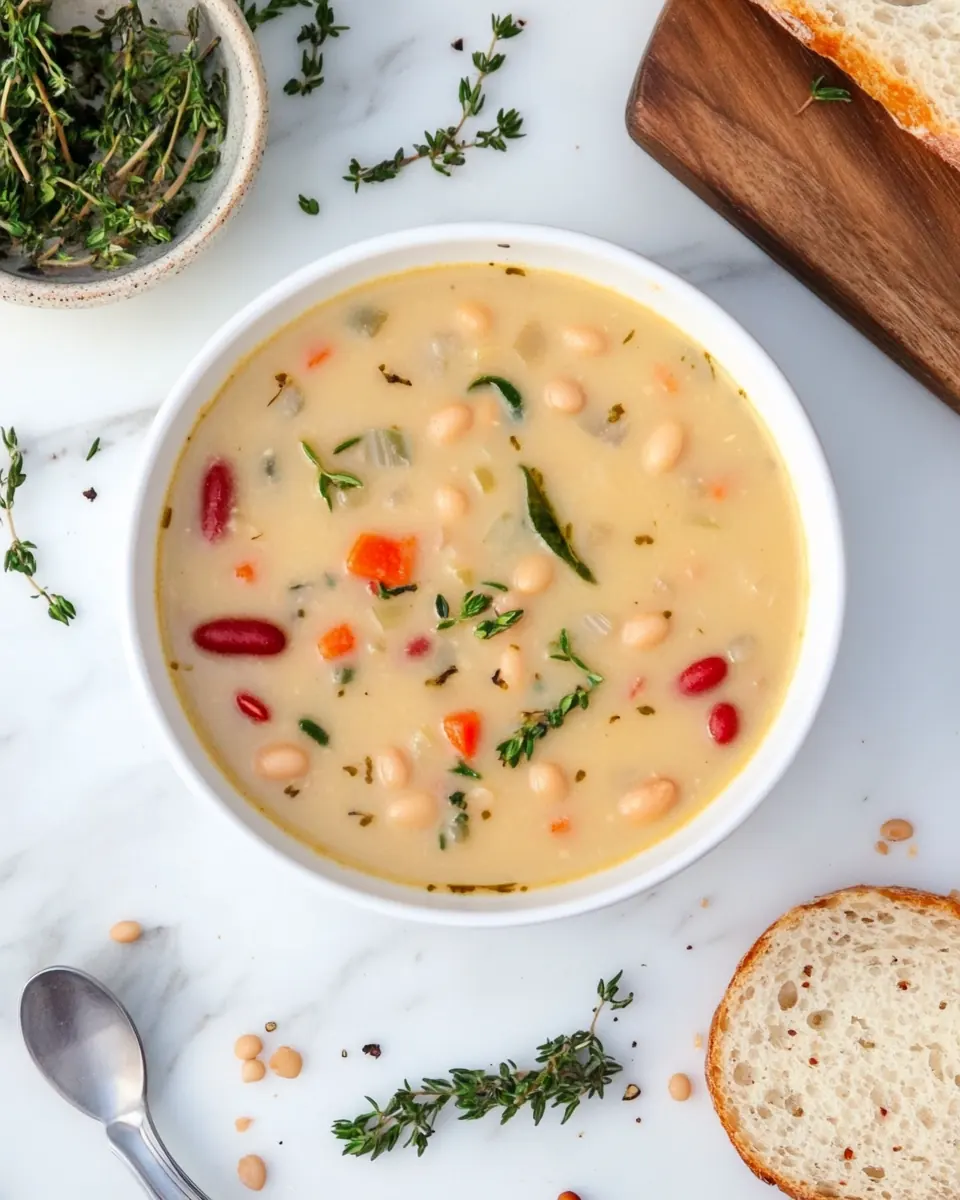
This soup is a great canvas for small, thoughtful changes that let you tailor it to your pantry and palate. Below are focused ideas you can use to adjust texture, heat, and finishing touches, each expanded with how and why to make the swap.
- Boost richness: Stir in an extra drizzle of extra-virgin olive oil or a small spoon of butter at the end to add silkiness and a rich mouthfeel that lingers on the palate.
- Make it heartier: Add more cubed potato or gently fold in cooked grains for a more substantial bowl that holds up as a main course for cooler evenings.
- Adjust the heat: Increase or omit the red chili pepper flakes to tailor spiciness, adding them early for infused warmth or finishing with a sprinkle for a sharper note.
- Herbal swap: If you don’t have thyme, try another mild herb from the pantry; add cautiously because fresh herbs vary in intensity.
- Texture control: Blend more or less of the soup depending on whether you prefer a fully smooth bowl or one with notable bean bite, blending slowly to avoid splashes of hot liquid.
What to Pair With Italian Cannellini Bean Soup
This soup pairs beautifully with a handful of simple sides and occasions, making it versatile for weeknight dinners, cozy lunches, or welcoming Ramadan iftar tables. Think about accompaniments that offer texture and brightness to balance the gentle creaminess of the soup.
- Grilled bread or croutons: Toasted, rubbed bread or crisp croutons provide the ideal crunchy contrast for dipping and soaking up the flavorful broth.
- Simple salad: A light green salad with a tangy vinaigrette cuts through the soup’s richness and refreshes the palate between spoonfuls.
- Cheese board: A small selection of mild cheeses can be served on the side for those who enjoy an extra layer of creaminess, though do not add cheese into the cooking if avoiding it.
- Occasions: Serve this soup for casual weeknight dinners, small gatherings, or as a calming option for colder winter evenings when you want something nourishing and easy to scale.
- Storage tips: Refrigerate leftovers in an airtight container for up to two days. Reheat gently on the stovetop, adding a splash of stock if the soup has thickened too much.
- Seasonal pairings: This dish shines in winter when hearty warm bowls are welcome, but it also makes a cozy early spring lunch with bright salad sides.
FAQ
Conclusion
This version of Italian Cannellini Bean Soup stands out for its creamy texture and straightforward technique that delivers deep flavor from humble ingredients. Give it a try when you crave a warm, satisfying bowl that is both quick to make and easy to scale for guests. I hope this recipe becomes one of the pages you turn to on chilly nights, offering comfort and a little culinary elegance with minimal fuss.
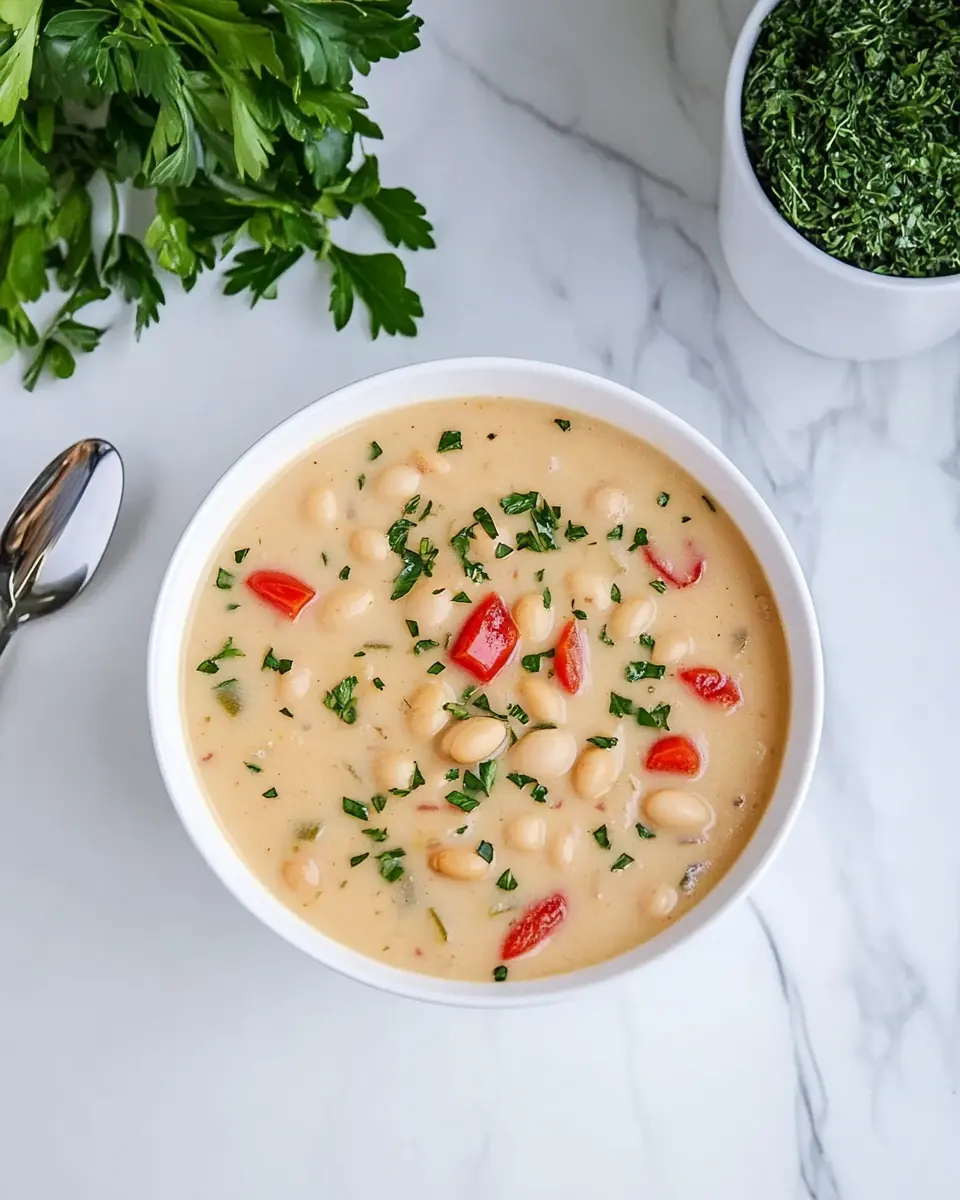
Italian Cannellini Bean Soup
Ingredients
Equipment
Method
- Heat 2 tablespoons of extra-virgin olive oil in large pot over medium-low heat, add the cubed potato and garlic, and cook until they both begin to brown, adding a splash of warm water if necessary.: The moment the extra-virgin olive oil warms, it releases a subtle fruity perfume that sets the tone for the whole soup. As the potato and garlic sizzle gently, you should hear a soft, steady whisper of cooking rather than a loud fry, and the edges of the cubes will take on a pale gold, signaling they are caramelizing and yielding sweetness. Stir occasionally so nothing sticks, and if the pan looks dry, a splash of warm water will lift any fond and prevent scorching, which would make the garlic taste bitter. The purpose here is to soften the potato and mellow the raw bite of garlic, creating a tender base that will blend into a silky body later. One common mistake is turning the heat too high, which makes the garlic burn quickly; if you smell bitterness, reduce the heat immediately and add a small amount of liquid to cool the pan.
- Add the drained beans, followed by the thyme and red chili flakes (optional), and cook, stirring for a couple of minutes.: When the cannellini beans join the pot, they bring a faint bean aroma that mingles with the browned potato. Gently folding them in releases their creamy character without breaking them down completely, which preserves some bite. The fresh thyme will unfurl its green, slightly lemony scent, and if you include red chili pepper flakes , a warm, peppery undertone will begin to build. Stirring for a couple of minutes allows the flavors to marry; you will notice the mixture becoming a little more cohesive as the beans warm through. Avoid vigorous stirring that pulverizes the beans at this stage, unless you prefer a uniformly smooth texture; over-mixing can also thicken the soup too quickly before you add stock.
- Pour in the broth and bring to a boil, then reduce the heat and simmer for 5 minutes. Season with sea salt and black pepper to taste.: Adding the hot vegetable stock lifts the aromas and transforms the pot from a sauté to a simmering soup. You will see delicate steam rise as the liquid comes up to a boil, and then calming the heat to a gentle simmer produces tiny rhythmic bubbles that indicate a steady, even cook. Simmering for the suggested time helps the flavors meld and the potato to become fully tender, contributing starch to thicken the broth slightly. Taste and season with sea salt and black pepper incrementally, since canned beans can already contain salt. A frequent error is over-salting before the pot reduces, so season lightly and adjust after the puree step.
- Transfer 1/3 of the bean and potato mixture into a blender, with the help of a slotted spoon. Blend on low speed, adding a ladle of stock from the pot at a time, until reaching the desired creamy consistency. Transfer the creamed beans mixture back into the pot and stir to combine. If you'd like your soup thicker, continue to simmer the soup on low heat until reaching the desired consistency.: When you scoop out a portion of the pot, notice the contrast between the steamy liquid and the soft solids; blending these cooked pieces with a bit of the hot stock creates a lush, velvety emulsion. Blend slowly, adding stock by the ladle so the mixture smooths without splattering, and listen for the blender's steady hum rather than a frantic roar. The resulting puree should be glossy and thick enough to coat a spoon, which will thicken the remaining soup without losing all textural interest. Return it to the pot and stir until it integrates seamlessly; you will see the broth take on a creamier body and a slightly deeper color. If the soup is thinner than you prefer, a gentle simmer will reduce some liquid and concentrate flavor, but watch closely because excessive boiling can darken the taste and over reduce the volume. Be careful when blending hot liquid, use a towel over the lid if needed to prevent steam escape and splashes.
- Divide the soup into bowls, swirl the remaining extra-virgin olive oil on top and sprinkle with extra fresh thyme leaves. Serve with grilled bread or croutons.: Ladling the soup into warmed bowls releases savory steam and offers the first sensory reward, the heady smell of warmed thyme and garlic . A glossy swirl of extra-virgin olive oil on each bowl adds richness and a peppery top note, while fresh thyme leaves scattered over the surface brighten the aroma and presentation. The contrast of a crisp, golden grilled bread or crunchy croutons provides textural play against the soup's silkiness and invites dipping. Serve immediately while the soup is hot, because the contrast between warm soup and toasted bread is part of the appeal. Avoid letting bowls sit too long before serving, as the bread will soften and lose its crunch.
Notes
- Boost richness: Stir in an extra drizzle of extra-virgin olive oil or a small spoon of butter at the end to add silkiness and a rich mouthfeel that lingers on the palate.
- Make it heartier: Add more cubed potato or gently fold in cooked grains for a more substantial bowl that holds up as a main course for cooler evenings.
- Adjust the heat: Increase or omit the red chili pepper flakes to tailor spiciness, adding them early for infused warmth or finishing with a sprinkle for a sharper note.
- Herbal swap: If you don’t have thyme, try another mild herb from the pantry; add cautiously because fresh herbs vary in intensity.
- Texture control: Blend more or less of the soup depending on whether you prefer a fully smooth bowl or one with notable bean bite, blending slowly to avoid splashes of hot liquid.