St. Patricks Day Cookies
St. Patricks Day Cookies are the ones I reach for when I want a festive, chewy treat that still feels homemade and personal. I remember the first time I made them, balancing a green dough log in one hand while trying not to smudge the sprinkles with the other, laughing because my kitchen looked like a tiny bakery had exploded. From that afternoon on, these cookies became my go to for neighborhood parties, classroom events, and every time I wanted something that looked special with very little fuss.
My approach with St. Patricks Day Cookies always starts with the texture. I love the contrast between the tender, buttery shortbread like cookie and the crunchy pop of rainbow nonpareil sprinkles on the outside. It feels like a little surprise in every bite, and people always comment on the clover shapes before they even taste them. Over the years I refined the chilling and freezing steps so the shapes keep their edge and the dough slices stay neat during baking. That extra bit of patience makes the difference.
Recipe Snapshot
22 mins
10 mins
12 mins
Easy
120 kcal
American
Gluten-Free, Low FODMAP
Desserts
Stand mixer, Hand mixer, Mixing bowl, Clover shaped cookie cutter, Loaf pan, Baking sheet, Parchment paper, Wire rack
What Sets This St. Patricks Day Cookies Apart
I love the festive shape and color
When we serve St. Patricks Day Cookies everyone smiles at the clover shapes and bright green interior. The visual appeal makes them ideal for gatherings, and I find that presentation matters as much as flavor. Dressing the outer log with sprinkles turns a simple cookie into a statement piece without complicated piping or decorations.
Buttery, tender texture that holds up
The blend of salted butter and just enough all purpose flour gives these cookies a delicate crumb that is still sturdy. I adore how they feel in the mouth, soft and slightly sandy, not cakey, and they keep their shape because of the chilling and freezing steps. This technique ensures each slice bakes evenly, producing consistent batches.
Make ahead and freezer friendly
I often prepare the dough logs days ahead. Freezing the assembled logs means I can bake as many or as few as I want, when I want. For busy days, that flexibility is a lifesaver. I have friends who keep dyed logs for different holidays, swapping colors and shapes to match the occasion.
Kid friendly and interactive
Children adore cutting the clovers and rolling the dough ropes into logs, so these become a fun activity as well as a recipe. I always let little helpers press the sprinkles on the outside, which leads to delightful, imperfect patterns that taste as good as they look. It creates memories, and the cookies remain a conversation starter.
Simple pantry ingredients, big reward
The ingredient list is straightforward, yet the result feels elevated. With egg, brown sugar, and a touch of almond extract, the flavors are layered without needing exotic items. I appreciate recipes that use common staples to deliver something memorable.
Ingredients Overview for St. Patricks Day Cookies
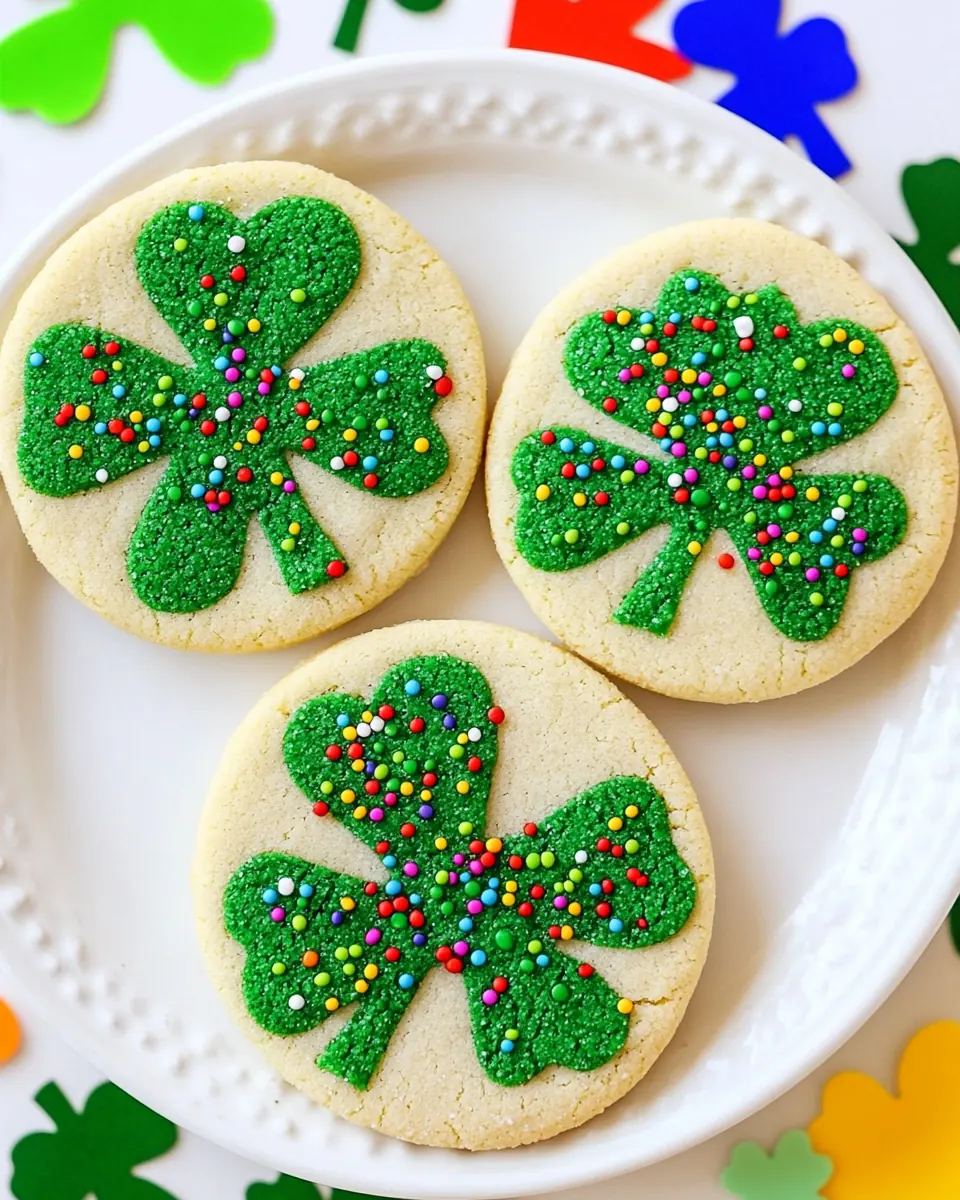
These ingredients are chosen to create a tender, buttery cookie with a bright, festive center and a crunchy, colorful exterior. The key players are the salted butter for richness, the combination of brown sugar and sugar for depth and texture, and the all purpose flour that gives structure. The egg and egg white help bind and finish the exterior, while the green gel food coloring and rainbow nonpareil sprinkles deliver the holiday look.
- 3/4 cups salted butter room temperature: Soften and cream to create a rich, tender cookie base; provides fat for texture, moisture, and flavor while helping incorporate air for lightness when beaten with sugars.
- 1/3 cup brown sugar packed: Add sweetness and deep caramel notes; contributes moisture and chewiness while enhancing color and creating a more complex, rounded flavor in the dough.
- 1/3 cup sugar: Sweeten and lighten texture; helps dissolve into the butter for proper creaming, contributing to structure and a crisp edge when baked.
- 1 large egg: Bind and leaven slightly while adding richness; contributes structure and moisture, and helps emulsify the dough for an even crumb.
- 2 teaspoons vanilla extract: Flavor and aroma enhancer; adds a warm, familiar vanilla note that rounds out the sweetness and complements other extracts.
- 1/2 teaspoon almond extract: Provide a subtle, nutty flavor accent; strengthens overall aroma and adds depth without overpowering the vanilla.
- 2 cups all purpose flour: Create structure and bulk; combine with fat and liquids to form the dough matrix, supplying gluten and starch that determine chewiness.
- 1/4 teaspoon kosher sea salt: Balance and enhance flavor; controls sweetness, strengthens gluten slightly, and helps bring out other flavors while preventing flatness.
- 1/4 teaspoon green gel food coloring: Color the dough for festive appearance; concentrated gel provides vibrant green without thinning the dough or affecting texture.
- 1 egg white: Glaze and help toppings adhere; beaten egg white adds shine and tackiness so sprinkles cling and surfaces brown slightly.
- 1 tablespoon water: Thin the egg white for brushing; water adjusts consistency for an even, glossy wash and helps distribute the egg white across the cookie surface.
- 1/4 cup rainbow nonpareil sprinkles: Provide bright, crunchy decoration; nonpareils add color, texture, and a celebratory look when pressed onto cookie surfaces before baking.
Preparation Steps for St. Patricks Day Cookies
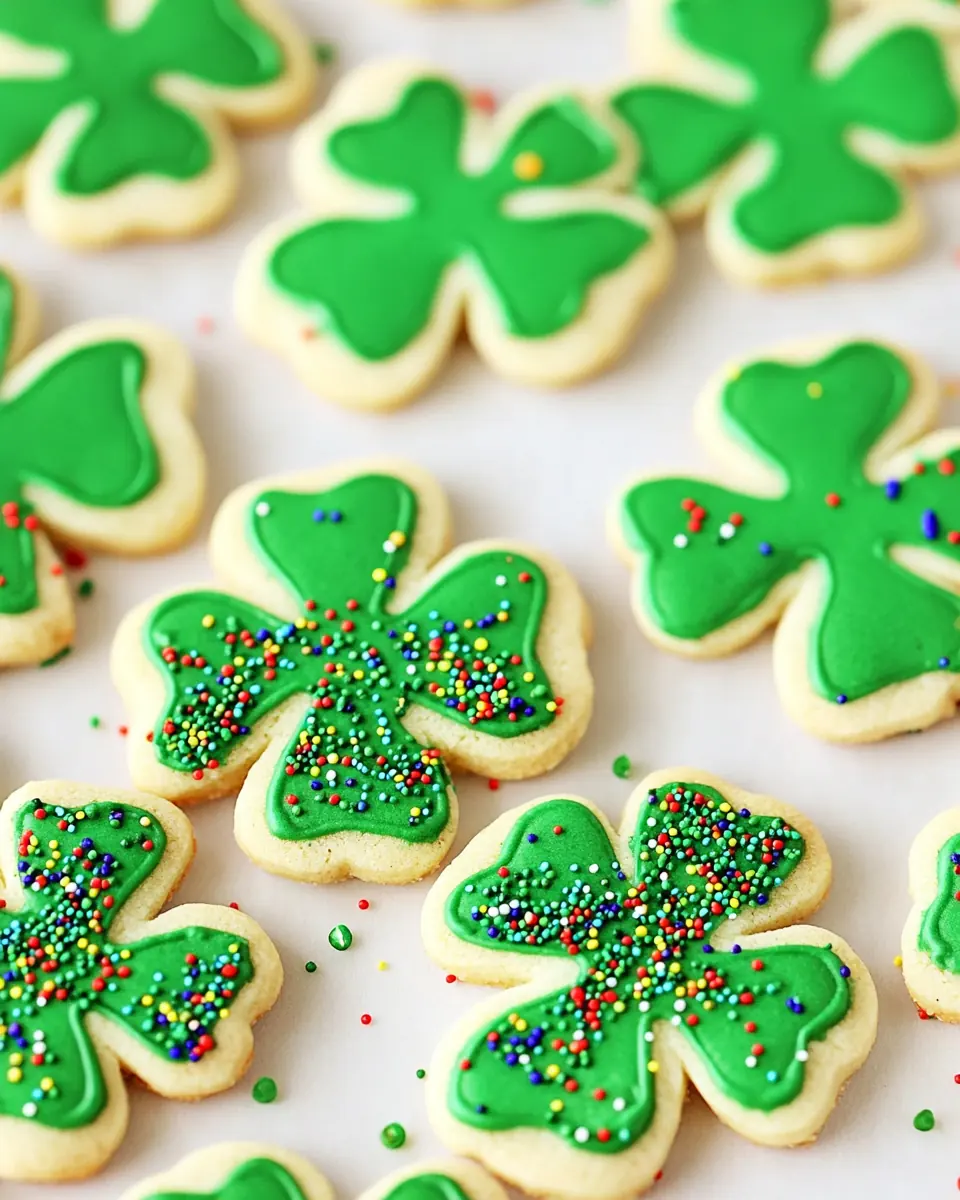
These directions transform the simple ingredients into precise, clover shaped cookies. Follow each step patiently and use sensory cues to guide you. The chilling stages and freezer work are what make the shapes hold and the sprinkles adhere neatly.
- In the bowl of a stand mixer or a large mixing bowl (with a hand mixer), beat butter and sugars for 2-3 minutes until light and fluffy. Add egg, vanilla, and almond. Mix until combined. Add the flour and salt. Mix until a soft dough forms.: As you begin, notice the change in color and texture when you cream the salted butter with the brown sugar and sugar , it should become paler and pillowy, and the sound of the mixer will shift to a lighter, higher pitched hum. This aeration is crucial, because those tiny air pockets help the cookies feel tender rather than dense, and the sugars begin to dissolve giving the dough a smooth, slightly sticky feel. When you add the egg , the mixture will become glossy and more cohesive, which signals proper emulsification. Adding the extracts will send a warm aromatic note through the bowl, and you should pause and scrape the sides to ensure even mixing. Once you add the all purpose flour and kosher sea salt , fold just until no streaks of flour remain to avoid developing excess gluten, which would make the cookies tough. A common mistake is overmixing after the flour goes in, so stop as soon as the dough comes together and still feels soft to the touch.
- Divide the dough into two balls. Wrap one ball in plastic wrap and set it aside. Fold the green food coloring into the remaining ball until it is a uniform color. Flatten into a 1-inch thick disk. Wrap in plastic wrap and place in the refrigerator along with the ball of dough. Chill for 3 hours.: As you split the dough, note the contrast between the plain ball and the one that will become green; working the gel into the dough yields a vivid, streak free color when properly kneaded. Press the gel in gently with clean hands or a spatula, folding until the dough holds a steady, uniform green, and the aroma of extracts is still discernible. Flattening into a disk increases surface area so the chilling is faster and more even, and after wrapping, the dough will firm up and become easier to roll and cut. The three hour chill is not arbitrary, it allows the butter to solidify which prevents spreading and preserves crisp edges during slicing. A common error is trying to speed this up by freezing immediately, which can create uneven texture and cracking when you later try to cut shapes.
- Remove the green dough, using a clover-shaped cookie cutter, cut as many clovers as you can out of the dough, re-rolling the dough as needed.: When you take the green disk from the fridge it should feel firm and cold, with just enough give to imprint a cutter, and your clover cuts will pop cleanly with a satisfying sound as the edges separate. If the cutter drags, chill the dough a bit longer or lightly flour the cutter edge. Re rolling scraps is fine, but do it minimally to keep the layers from getting tight, which can make the finished cookies tougher. Aim to stack the clovers neatly and press out excess air between layers when you plan to make the clover tower, otherwise there will be gaps that make the next steps difficult.
- In a small bowl, whisk together the egg white and water. Brush over the tops of each clover, and stack into a tall "tower." You want the clovers to be lined up as evenly as possible. Lay the tower down, so that it's one long log of clovers. Wrap with plastic wrap and freeze for 30 minutes.: The egg wash should be glossy and thin, and when you brush it onto each clover the surface becomes tacky, which is exactly what helps the layers stick. Stacking the clovers into a tall tower requires patience, align each leaf so the shapes nest together, and you will notice a faint tack when they are correctly adhered. Rolling the tower into a log orientation evens out the shape and freezing for 30 minutes firms it so you can encase it without distortion. A frequent mistake is skipping the freeze, which makes the clover stack collapse when you try to wrap it, resulting in uneven slices.
- Break the ball of dough into several pieces and roll it into ropes. When the clover log is ready, remove it and line the clovers with the long ropes. You want to encase the clovers completely. Press tightly, then roll on a lightly floured surface into a smooth log. Brush the outside with egg wash, then roll in the sprinkles. I used a loaf pan to do this and it worked really well. Return to the freezer for 30 minutes.: The plain dough broken into ropes should feel pliable and cool, perfect for wrapping the frozen clover stack. As you encase the clovers, press firmly so there are no visible seams and run the log gently over the palm of your hand to smooth it; the motion helps the dough meld and hides any imperfections. Brushing the outside with the egg white mixture gives a sheen and tack for the rainbow nonpareil sprinkles to adhere to, and when you roll the log in sprinkles you will hear tiny clinking sounds and see a uniform, colorful crust form. Returning to the freezer chills the entire log so it slices cleanly and the sprinkles set in place. Avoid working too long at room temperature, which softens the butter and makes rolling difficult.
- Preheat oven to 375 degrees. Line a baking sheet with parchment paper or a silicone mat. Slice the log into 1/4" thick slices. Place 12 on a baking sheet at a time. Bake for 10-12 minutes, remove from the oven, and allow to cool on the sheet for 3 minutes before transferring to a wire rack to cool completely.: The oven should be fully preheated so the cookies set quickly and keep their shape, and the initial heat gives the exterior a gentle crisp while the interior stays tender. Slicing into neat 1 4 inch pieces yields a pleasing ratio of green interior to sprinkled crust, and you will notice the edges gaining a faint golden hint when they are ready. The short rest on the warm sheet lets the cookies stabilize so they do not break when moved, and the final cooling on a wire rack prevents residual steam from making the bottoms soggy. A common pitfall is slicing when the log is not cold enough, which leads to misshapen rounds and smeared sprinkles, so keep the log chilled until the knife goes through cleanly.
Ways to Customize
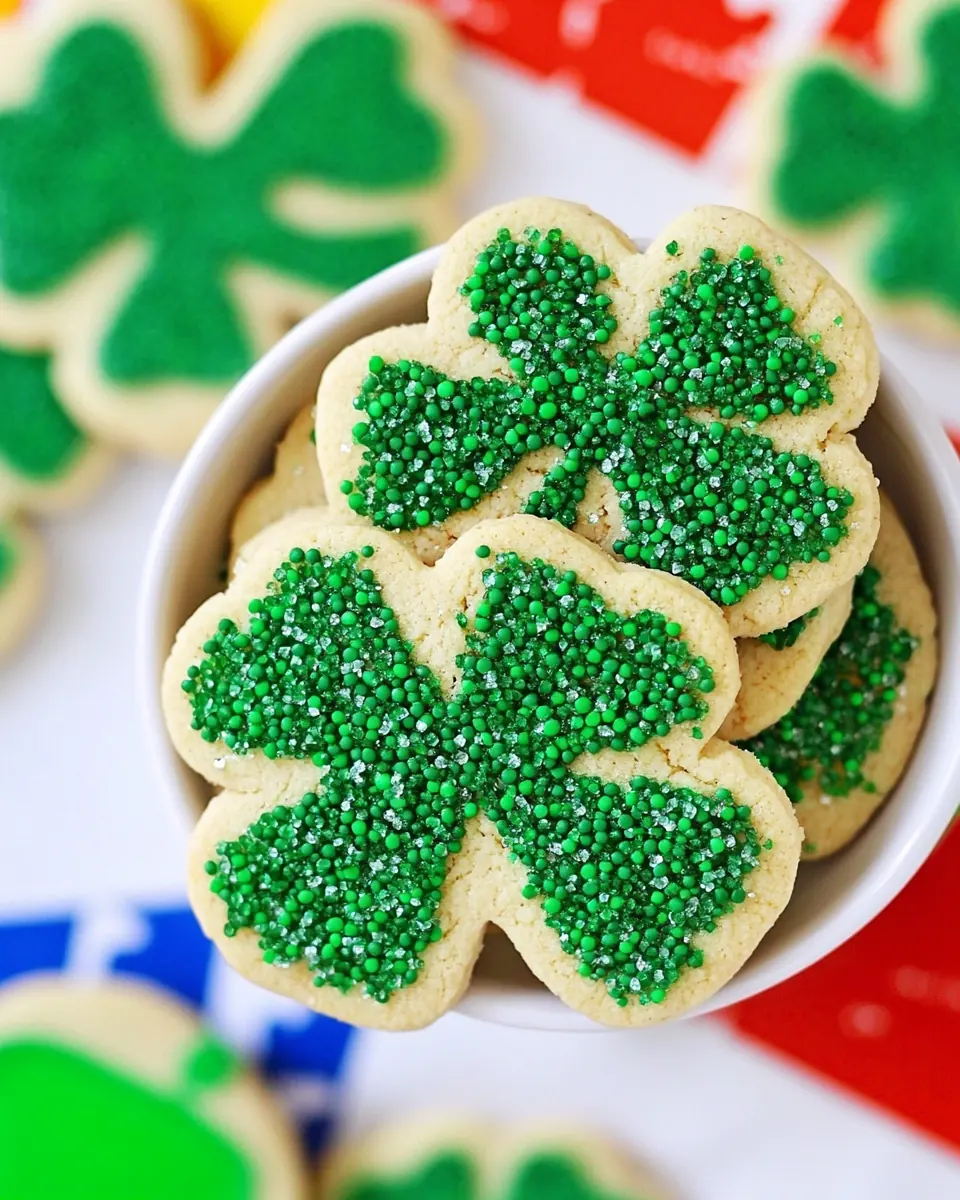
These ideas let you adapt the cookies for other holidays or flavor preferences. Each tip starts with a focused suggestion to make changes easy and reliable while keeping the technique intact.
- Swap colors and shapes Change the green gel food coloring and the clover cutter to create cookies for any celebration, using the same assembly method for consistent results.
- Try different sprinkles Use larger or smaller nonpareils or colored sanding sugar to alter the crunch and appearance while following the same egg wash adhesion technique.
- Make multiple logs Prepare several smaller logs to freeze and bake a few at a time, simplifying portion control and reducing waste.
- Adjust extracts If you prefer a different aromatic profile, slightly reduce the almond extract and increase the vanilla extract for a more classic flavor balance.
- Decorate after baking For a cleaner exterior, bake plain slices and press sprinkles into the warm cookie edges or pipe a thin line of egg white to attach decorations post bake.
Serving Suggestions
These cookies serve beautifully at casual gatherings and formal events alike. Present them on a platter or package them individually for gifts, and consider pairing with simple beverages for different occasions.
- Party platter presentation Arrange the cookies on a large platter with a few plain cookies as contrast so the clovers stand out visually for celebrations.
- Gift boxes Layer slices between parchment in a decorative box for a thoughtful edible gift that travels well when the logs are frozen and baked as needed.
- Holiday table Serve as part of a dessert spread during spring or St Patricks Day gatherings, where their color and shape complement themed décor.
- Cafeteria or bake sale Portion into small bags with a label for school events or bake sales, highlighting the cookie shape and homemade appeal.
- Storage tips Keep baked cookies in an airtight container at room temperature for up to three days, or freeze unbaked logs for up to three months to bake fresh when needed.
- Occasion pairing These are ideal for afternoon tea, school parties, or as a festive addition to brunch spreads where sweet bites are welcome.
FAQ
Conclusion
These St. Patricks Day Cookies are special because they combine simple techniques with a big visual payoff, delivering tender, festive cookies that look like they took much longer to make than they actually did. I encourage you to try them when you want a holiday treat that is portable, make ahead friendly, and delightfully colorful. Bake a test log first to get comfortable with slicing and chilling times, and then enjoy sharing a tray with friends and family, knowing you created something charming and reliably delicious.
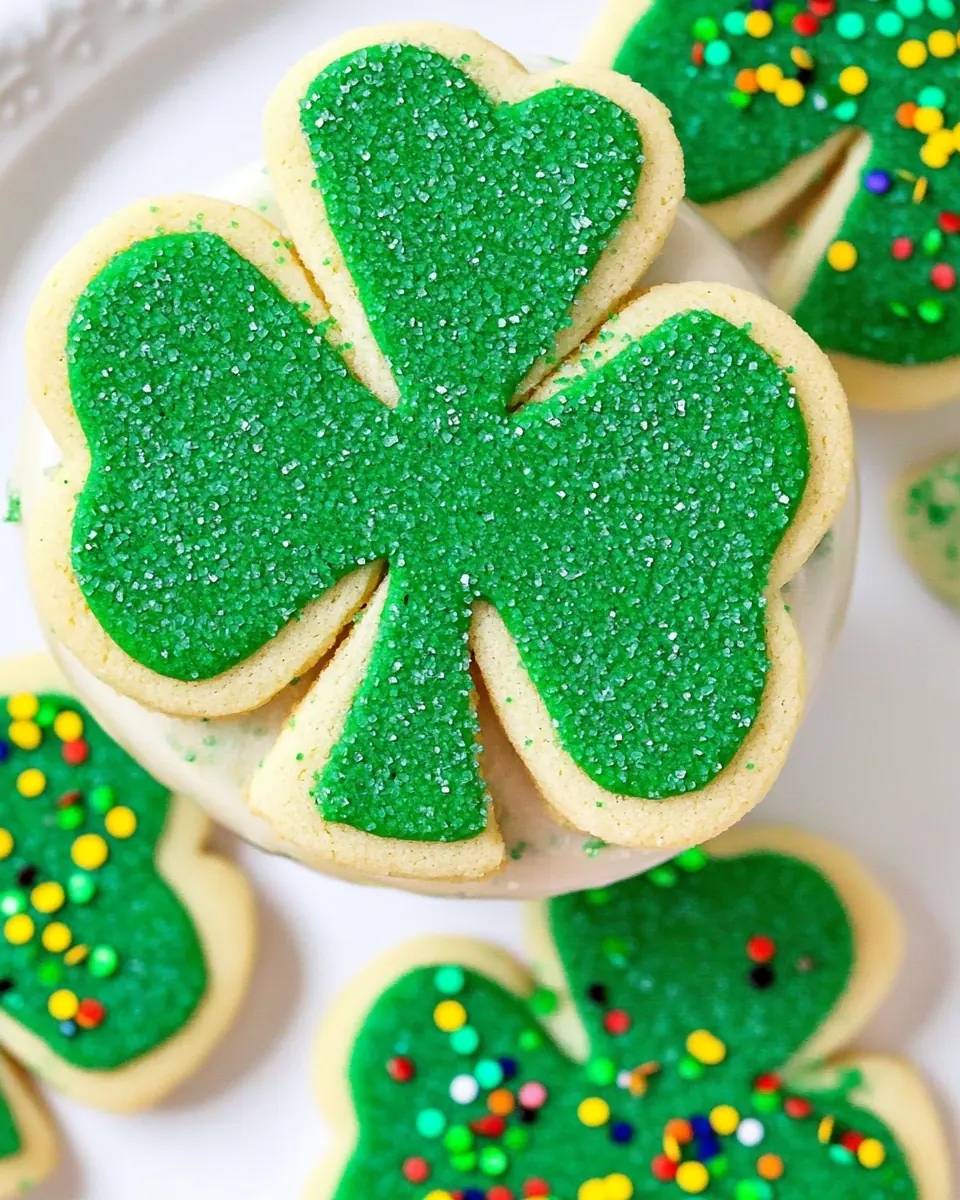
St. Patricks Day Cookies
Ingredients
Equipment
Method
- In the bowl of a stand mixer or a large mixing bowl (with a hand mixer), beat butter and sugars for 2-3 minutes until light and fluffy. Add egg, vanilla, and almond. Mix until combined. Add the flour and salt. Mix until a soft dough forms.: As you begin, notice the change in color and texture when you cream the salted butter with the brown sugar and sugar , it should become paler and pillowy, and the sound of the mixer will shift to a lighter, higher pitched hum. This aeration is crucial, because those tiny air pockets help the cookies feel tender rather than dense, and the sugars begin to dissolve giving the dough a smooth, slightly sticky feel. When you add the egg , the mixture will become glossy and more cohesive, which signals proper emulsification. Adding the extracts will send a warm aromatic note through the bowl, and you should pause and scrape the sides to ensure even mixing. Once you add the all purpose flour and kosher sea salt , fold just until no streaks of flour remain to avoid developing excess gluten, which would make the cookies tough. A common mistake is overmixing after the flour goes in, so stop as soon as the dough comes together and still feels soft to the touch.
- Divide the dough into two balls. Wrap one ball in plastic wrap and set it aside. Fold the green food coloring into the remaining ball until it is a uniform color. Flatten into a 1-inch thick disk. Wrap in plastic wrap and place in the refrigerator along with the ball of dough. Chill for 3 hours.: As you split the dough, note the contrast between the plain ball and the one that will become green; working the gel into the dough yields a vivid, streak free color when properly kneaded. Press the gel in gently with clean hands or a spatula, folding until the dough holds a steady, uniform green, and the aroma of extracts is still discernible. Flattening into a disk increases surface area so the chilling is faster and more even, and after wrapping, the dough will firm up and become easier to roll and cut. The three hour chill is not arbitrary, it allows the butter to solidify which prevents spreading and preserves crisp edges during slicing. A common error is trying to speed this up by freezing immediately, which can create uneven texture and cracking when you later try to cut shapes.
- Remove the green dough, using a clover-shaped cookie cutter, cut as many clovers as you can out of the dough, re-rolling the dough as needed.: When you take the green disk from the fridge it should feel firm and cold, with just enough give to imprint a cutter, and your clover cuts will pop cleanly with a satisfying sound as the edges separate. If the cutter drags, chill the dough a bit longer or lightly flour the cutter edge. Re rolling scraps is fine, but do it minimally to keep the layers from getting tight, which can make the finished cookies tougher. Aim to stack the clovers neatly and press out excess air between layers when you plan to make the clover tower, otherwise there will be gaps that make the next steps difficult.
- In a small bowl, whisk together the egg white and water. Brush over the tops of each clover, and stack into a tall "tower." You want the clovers to be lined up as evenly as possible. Lay the tower down, so that it's one long log of clovers. Wrap with plastic wrap and freeze for 30 minutes.: The egg wash should be glossy and thin, and when you brush it onto each clover the surface becomes tacky, which is exactly what helps the layers stick. Stacking the clovers into a tall tower requires patience, align each leaf so the shapes nest together, and you will notice a faint tack when they are correctly adhered. Rolling the tower into a log orientation evens out the shape and freezing for 30 minutes firms it so you can encase it without distortion. A frequent mistake is skipping the freeze, which makes the clover stack collapse when you try to wrap it, resulting in uneven slices.
- Break the ball of dough into several pieces and roll it into ropes. When the clover log is ready, remove it and line the clovers with the long ropes. You want to encase the clovers completely. Press tightly, then roll on a lightly floured surface into a smooth log. Brush the outside with egg wash, then roll in the sprinkles. I used a loaf pan to do this and it worked really well. Return to the freezer for 30 minutes.: The plain dough broken into ropes should feel pliable and cool, perfect for wrapping the frozen clover stack. As you encase the clovers, press firmly so there are no visible seams and run the log gently over the palm of your hand to smooth it; the motion helps the dough meld and hides any imperfections. Brushing the outside with the egg white mixture gives a sheen and tack for the rainbow nonpareil sprinkles to adhere to, and when you roll the log in sprinkles you will hear tiny clinking sounds and see a uniform, colorful crust form. Returning to the freezer chills the entire log so it slices cleanly and the sprinkles set in place. Avoid working too long at room temperature, which softens the butter and makes rolling difficult.
- Preheat oven to 375 degrees. Line a baking sheet with parchment paper or a silicone mat. Slice the log into 1/4" thick slices. Place 12 on a baking sheet at a time. Bake for 10-12 minutes, remove from the oven, and allow to cool on the sheet for 3 minutes before transferring to a wire rack to cool completely.: The oven should be fully preheated so the cookies set quickly and keep their shape, and the initial heat gives the exterior a gentle crisp while the interior stays tender. Slicing into neat 1 4 inch pieces yields a pleasing ratio of green interior to sprinkled crust, and you will notice the edges gaining a faint golden hint when they are ready. The short rest on the warm sheet lets the cookies stabilize so they do not break when moved, and the final cooling on a wire rack prevents residual steam from making the bottoms soggy. A common pitfall is slicing when the log is not cold enough, which leads to misshapen rounds and smeared sprinkles, so keep the log chilled until the knife goes through cleanly.
Notes
- Swap colors and shapes Change the green gel food coloring and the clover cutter to create cookies for any celebration, using the same assembly method for consistent results.
- Try different sprinkles Use larger or smaller nonpareils or colored sanding sugar to alter the crunch and appearance while following the same egg wash adhesion technique.
- Make multiple logs Prepare several smaller logs to freeze and bake a few at a time, simplifying portion control and reducing waste.
- Adjust extracts If you prefer a different aromatic profile, slightly reduce the almond extract and increase the vanilla extract for a more classic flavor balance.
- Decorate after baking For a cleaner exterior, bake plain slices and press sprinkles into the warm cookie edges or pipe a thin line of egg white to attach decorations post bake.