Lemon Dijon Herb Dressing
Lemon Dijon Herb Dressing is the kind of simple sauce I reach for when a salad needs a lift, or when roasted vegetables beg for a bright, tangy finish. I first mixed this dressing on a rainy Saturday when the fridge held a sad bunch of lettuce and a lonely lemon. The sharpness of the lemon cut through the day s grey mood, while the little punch of dijon mustard gave the whole bowl backbone.
I remember standing by the window, whisk in hand, as the olive oil slowly emulsified with the lemon and the aroma of minced garlic and shallot rose up, making the kitchen feel warm even though it was damp outside. I drizzled it over crisp greens and found myself savoring each bite, amazed how a few pantry staples could transform a plain plate into something memorable.
Over time I played with the herb ratios, learning that finely chopped thyme and rosemary add personality without stealing the show. The touch of honey balances the acidity, and a scant pinch of salt and pepper ties everything together. I now keep a jar of this in the fridge for quick lunches, easy weeknight dinners, and when friends drop by unexpectedly.
Recipe Snapshot
5 mins
5 mins
0 mins
Easy
120 kcal
Mediterranean
Paleo, Gluten-Free
Salads
Mixing bowl, Whisk, Mason jar
Why This Lemon Dijon Herb Dressing Stands Out
Bright, bold flavor without fuss
I love how Lemon Dijon Herb Dressing delivers immediate brightness from the lemon, tempered by the creamy hold of the olive oil and the savory edge of dijon mustard. You get high impact flavor with minimal effort, which is exactly what I want on busy days when I still want food that tastes thoughtful.
Versatile pairing power
This dressing moves easily from salad to grain bowl to roasted vegetables. The herb notes from the thyme and rosemary make it feel elevated, while the tiny bit of honey keeps it approachable for kids and adults alike. I often spoon it over warm quinoa or steamed green beans to wake flavors up.
Pantry friendly and reliable
Most of the ingredients are things I keep on hand, so I can whip up Lemon Dijon Herb Dressing in minutes. The recipe uses straightforward pantry staples like olive oil, dijon mustard, and honey, which makes this a go to when inspiration is low but taste matters.
Balances acidity and sweetness beautifully
The acid from the lemon is assertive but never harsh because the olive oil and honey smooth it out. That equilibrium is why the dressing brightens salads without overpowering delicate greens or roasted produce.
Easy to scale and store
I appreciate that you can double or halve the batch without changing anything else, and that a sealed jar in the fridge holds well for several days. That reliability makes it a practical choice for meal prep or entertaining on short notice.
Ingredient List for Lemon Dijon Herb Dressing
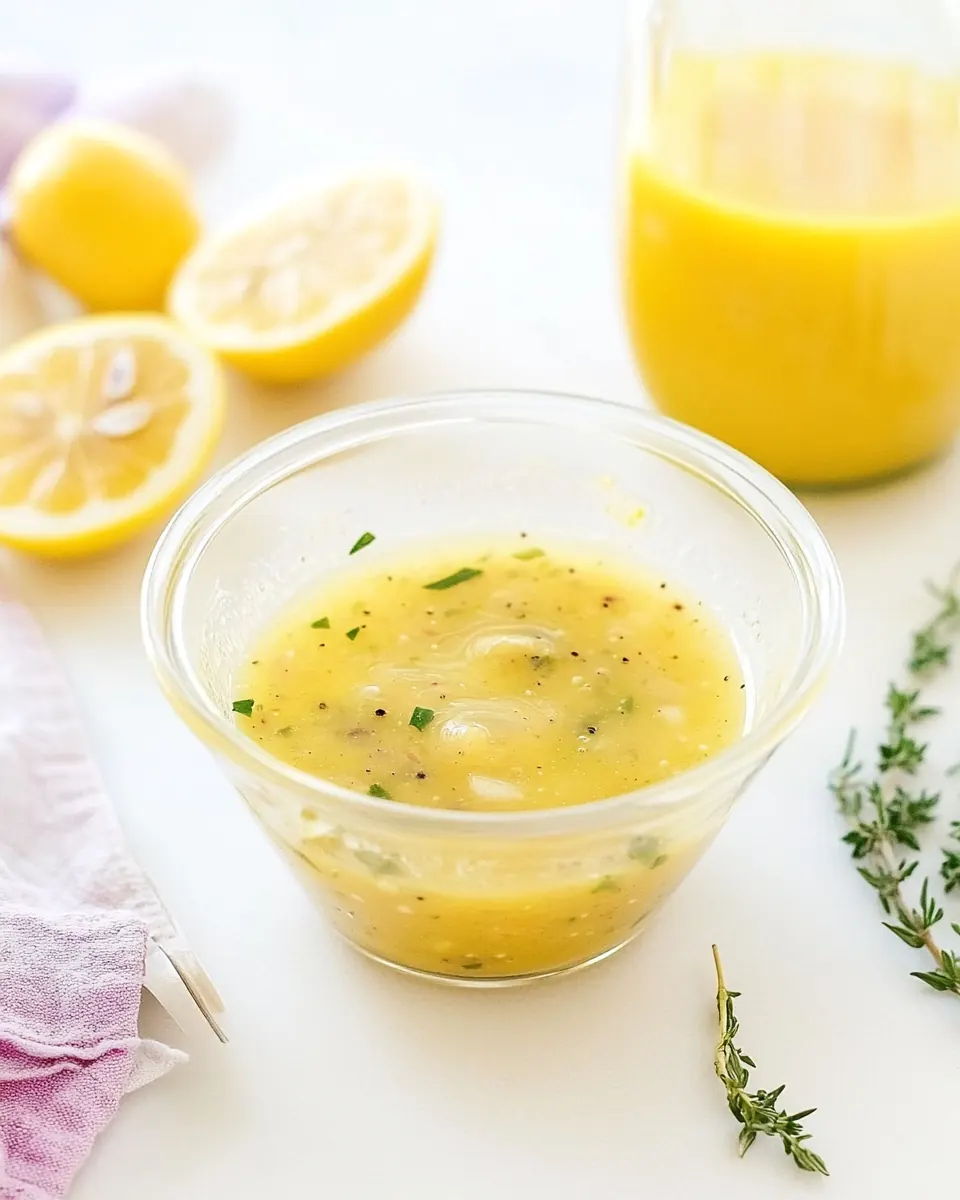
These ingredients come together with a simple philosophy, they each play a single clear role. The lemon brings bright acid, the olive oil carries and softens flavors, the dijon mustard helps emulsify while adding savory zip, and the herbs and aromatics round everything out. Together they create a dressing that is lively, balanced, and flexible enough to complement many dishes.
- 1/4 cup lemon juice, about 2 lemons: Provide bright, acidic flavor and balancing brightness to the dressing; freshly squeezed lemon juice also helps to slightly thin the emulsion and lift other flavors. Use about 1/4 cup (from roughly 2 lemons) for a lively, refreshing tang that complements the herbs and mustard.
- 1/2 cup olive oil: Offer rich, smooth mouthfeel and act as the primary fat to carry and meld flavors in the dressing. Use 1/2 cup of olive oil to create a silky emulsion with the lemon juice and mustard, choosing extra-virgin for more pronounced fruitiness.
- 2 tbsp honey: Add gentle sweetness to balance the lemon's acidity and the mustard's sharpness while enhancing overall harmony. Two tablespoons of honey provide subtle floral notes and help stabilize the emulsion for a smoother dressing.
- 1 tbsp dijon mustard: Act as an emulsifier and provide sharp, piquant depth that ties the oil and lemon together; Dijon also contributes savory complexity. One tablespoon gives the dressing a tangy backbone and helps create a stable, cohesive texture.
- 2 cloves garlic, minced: Bring pungent, savory heat and aromatic depth when minced finely; garlic also adds umami richness to the dressing. Use two cloves for a noticeable but not overpowering garlic presence that melds with the herbs.
- 2 tbsp shallot, minced: Contribute delicate allium sweetness and mild onion-like flavor when minced, adding complexity and subtle body to the dressing. Two tablespoons of shallot provide softer, more refined savory notes than raw onion.
- 1 tsp thyme, finely chopped: Supply earthy, floral notes and bright herbal character when finely chopped; thyme pairs well with lemon and has a subtle savory backbone. One teaspoon integrates seamlessly into the vinaigrette without overwhelming other flavors.
- 1 tsp rosemary, finely chopped: Provide piney, aromatic accents and savory depth when finely chopped; rosemary brings a warm, resinous note that complements the mustard and garlic. One teaspoon, finely chopped, ensures aromatic presence without becoming woody.
- Salt and pepper, to taste: Season to taste with salt and pepper to enhance and balance all flavors while rounding out the dressing; salt increases perceived brightness and pepper adds mild heat. Adjust seasoning gradually and taste as you combine ingredients to achieve the desired balance.
The Process for Making Lemon Dijon Herb Dressing
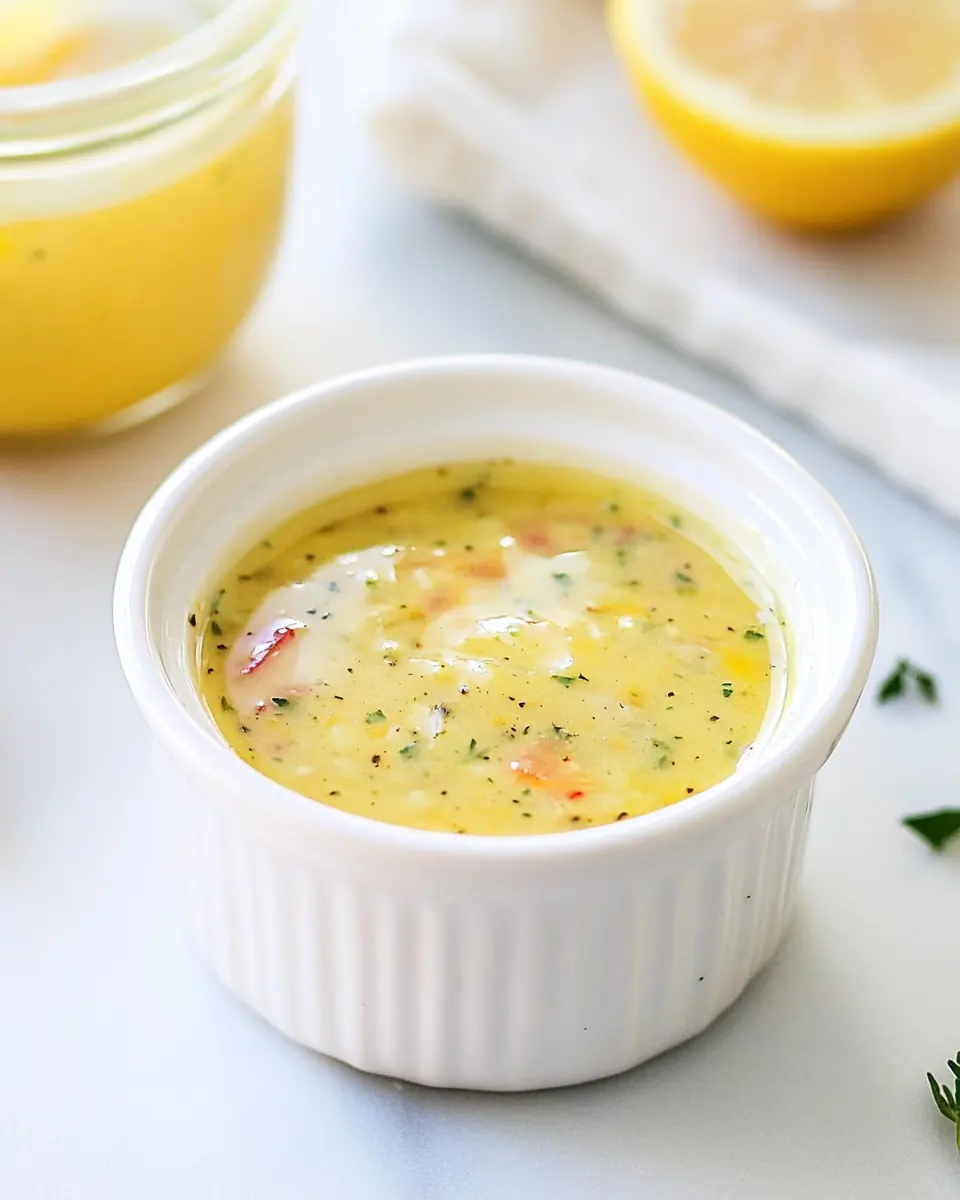
This dressing is wonderfully fast to prepare and forgiving to technique. Below I walk you through each action with sensory cues and things to watch for, so you end up with a smooth, balanced emulsion that makes salads sing. Keep tasting and adjust little by little, and store in a sealed jar for easy use all week.
- In a medium bowl or mason jar, whisk together all ingredients until smooth and creamy. Serve immediately or store in an airtight container in the fridge until ready to serve.: Right away you will notice the bright citrus scent from the lemon , followed by the faint floral lift of the chopped thyme and rosemary . As you whisk, the surface should go from separate droplets to a glossy, slightly thickened mixture as the olive oil begins to emulsify with the lemon and the binding support of the dijon mustard . Expect a soft, rhythmic splashing sound and a pale, unified color; if the oil floats as distinct beads, keep whisking briskly in a circular motion and add the oil more slowly. A common mistake is adding the olive oil too quickly which prevents proper emulsification, so drizzle the oil in steadily while you whisk to achieve that silky texture.
- Serve immediately or store in an airtight container in the fridge until ready to serve: Once combined, the dressing will smell brighter and taste more integrated, with the initial sourness of the lemon softened by the smoothness of the olive oil and a subtle sweetness from the honey . If storing, pour into a clean jar, seal tightly, and chill; chilling will make the dressing slightly thicker and the flavors will meld further after a few hours. When you take it from the fridge, it may separate a bit, which is normal, simply shake or whisk it back to life before using. A pitfall to avoid is leaving the dressing at room temperature for too long, as the fresh garlic and shallot flavors can become assertive; keep it refrigerated and use within a few days.
Make It Your Own
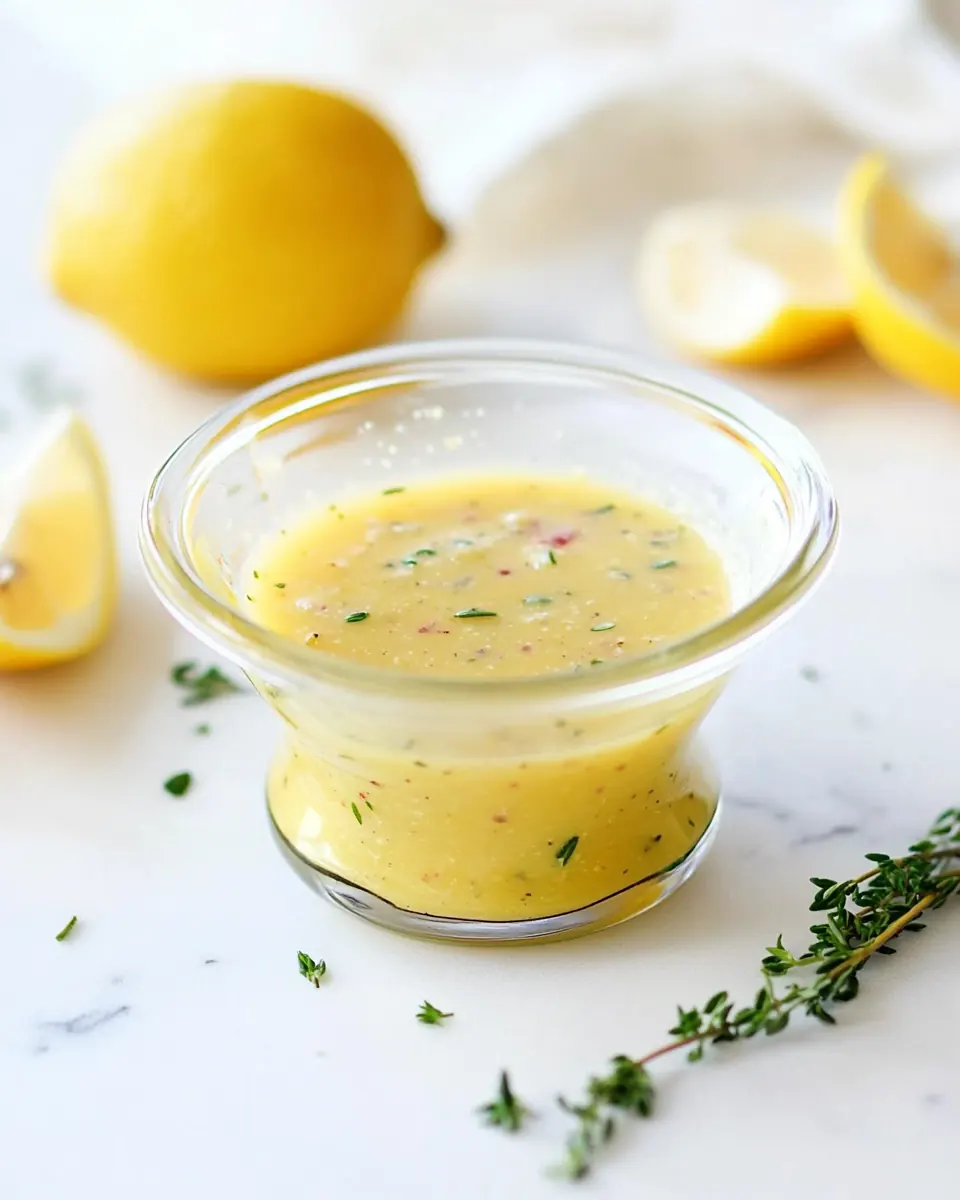
This dressing is a canvas that responds well to small nudges. Below are tips to personalize texture and flavor, each starting with a clear action you can take. Use them to tailor the dressing to your taste or to the dish you plan to serve.
- Adjust acidity: If you like a gentler citrus note, use a touch less lemon juice and add a drizzle more olive oil to soften the bite, which works well on delicate greens.
- Sweetness level: Modify the amount of honey to taste; a little more will round the dressing for bitter greens, while less keeps it sharper for tart citrus salads.
- Garlic intensity: For a milder garlic presence, grate the garlic instead of mincing, or let the grated garlic sit in the lemon juice for a few minutes to mellow.
- Herb emphasis: Increase the thyme for a greener note, or the rosemary for a more pine like aroma, but always keep the herbs finely chopped to avoid overpowering bites.
- Storage tip: Keep in a sealed jar for up to five days in the fridge, and shake or whisk before each use to recombine separated oil and juice.
What Goes Well With This Lemon Dijon Herb Dressing
This dressing pairs with a wide range of foods and occasions, from quick lunches to festive dinners. Below I list serving ideas, seasonal pairings, and storage notes so you can plan how to use the dressing across meals and menus. Each suggestion highlights how the dressing complements textures and flavors.
- Simple green salads: Use the dressing on mixed baby greens or arugula to add bright acidity without overwhelming tender leaves, great for light lunches.
- Grain bowls: Drizzle over warm quinoa or farro bowls to lift earthy grains, pairing especially well with roasted root vegetables or steamed greens for a balanced meal.
- Roasted vegetables: Toss roasted asparagus, Brussels sprouts, or carrots with a spoonful of the dressing after roasting to add fresh citrus notes and herb complexity.
- Marinade for tofu or vegetables: Use as a quick marinade for firm tofu or vegetable skewers before grilling or broiling, the lemon and dijon mustard help tenderize and flavor the surface.
- Occasions: This is a good choice for casual weeknight dinners, springtime gatherings, and light holiday sides where you want something bright and fresh to counter richer dishes.
- Storage and prep: Store in a sealed jar in the fridge for up to five days, and always shake well before using; if the dressing is too thick from chilling, let it sit at room temperature for a few minutes and whisk to loosen.
FAQ
Conclusion
This dressing stands out for its lively citrus, savory mustard depth, and herb driven aroma, making it a versatile and reliable addition to your kitchen. Try it on salads, grain bowls, or roasted vegetables to experience how a few simple ingredients can transform a meal. Keep a jar in the fridge so you can brighten weeknight plates and impress guests with minimal effort, then come back and tweak the balance to make it truly yours.
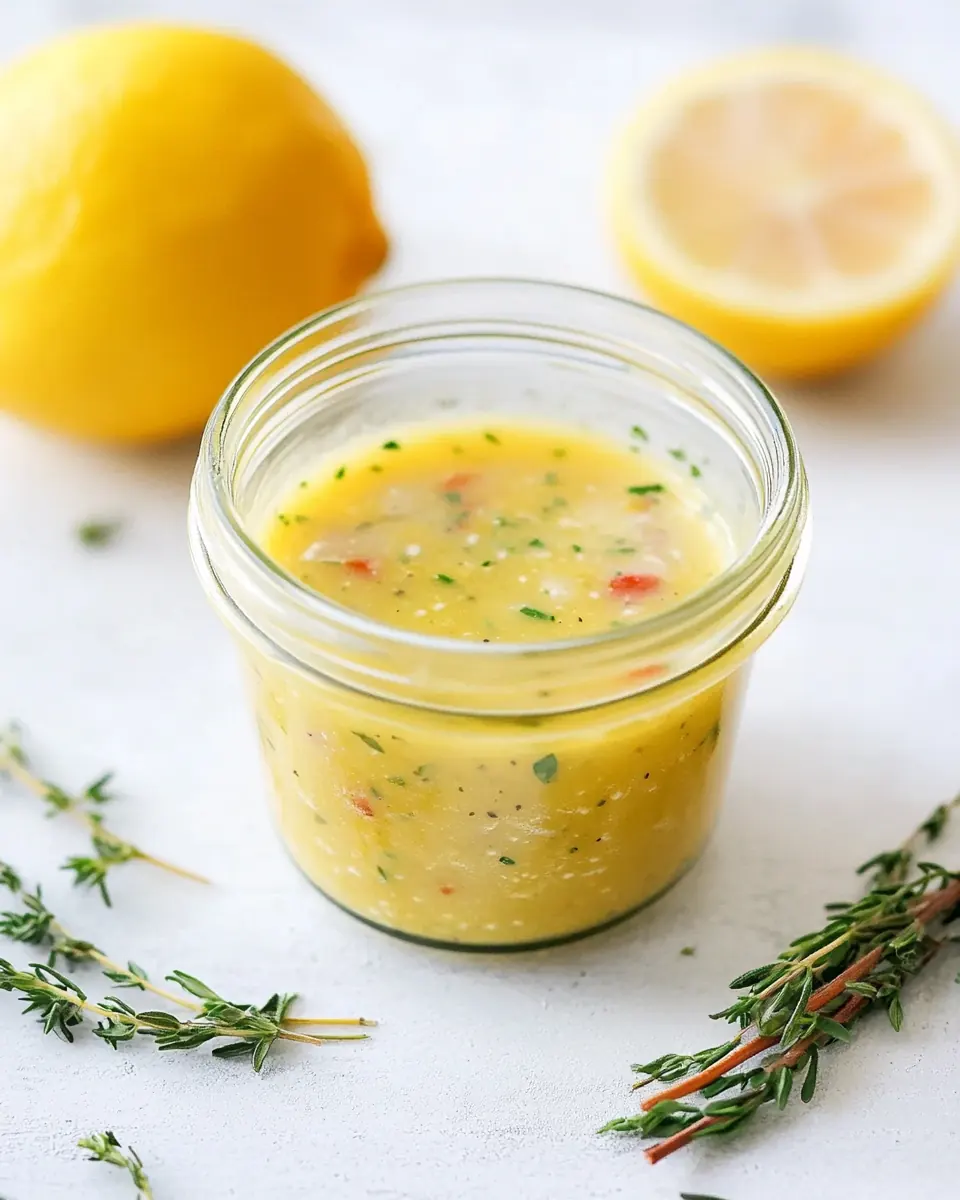
Lemon Dijon Herb Dressing
Ingredients
Equipment
Method
- In a medium bowl or mason jar, whisk together all ingredients until smooth and creamy. Serve immediately or store in an airtight container in the fridge until ready to serve.: Right away you will notice the bright citrus scent from the lemon , followed by the faint floral lift of the chopped thyme and rosemary . As you whisk, the surface should go from separate droplets to a glossy, slightly thickened mixture as the olive oil begins to emulsify with the lemon and the binding support of the dijon mustard . Expect a soft, rhythmic splashing sound and a pale, unified color; if the oil floats as distinct beads, keep whisking briskly in a circular motion and add the oil more slowly. A common mistake is adding the olive oil too quickly which prevents proper emulsification, so drizzle the oil in steadily while you whisk to achieve that silky texture.
- Serve immediately or store in an airtight container in the fridge until ready to serve: Once combined, the dressing will smell brighter and taste more integrated, with the initial sourness of the lemon softened by the smoothness of the olive oil and a subtle sweetness from the honey . If storing, pour into a clean jar, seal tightly, and chill; chilling will make the dressing slightly thicker and the flavors will meld further after a few hours. When you take it from the fridge, it may separate a bit, which is normal, simply shake or whisk it back to life before using. A pitfall to avoid is leaving the dressing at room temperature for too long, as the fresh garlic and shallot flavors can become assertive; keep it refrigerated and use within a few days.
Notes
- Adjust acidity: If you like a gentler citrus note, use a touch less lemon juice and add a drizzle more olive oil to soften the bite, which works well on delicate greens.
- Sweetness level: Modify the amount of honey to taste; a little more will round the dressing for bitter greens, while less keeps it sharper for tart citrus salads.
- Garlic intensity: For a milder garlic presence, grate the garlic instead of mincing, or let the grated garlic sit in the lemon juice for a few minutes to mellow.
- Herb emphasis: Increase the thyme for a greener note, or the rosemary for a more pine like aroma, but always keep the herbs finely chopped to avoid overpowering bites.
- Storage tip: Keep in a sealed jar for up to five days in the fridge, and shake or whisk before each use to recombine separated oil and juice.