Apple Dutch Baby
Apple Dutch Baby has been a weekend favorite in my kitchen ever since I stumbled on the recipe during a rainy autumn afternoon. The first time I made it I remember the way the warm cinnamon scent filled the house, how the batter rose like a golden cloud, and how everyone hovered at the table waiting for the crisp edges and custardy center. That cozy memory keeps me coming back whenever apples are in season.
Over the years I have learned to treat this dish like a small, theatrical performance. I like to use a sturdy skillet so the crust crisps up against the sides, and I enjoy the little ritual of dusting the top with confectioners’ sugar just before serving. The contrast between the tender apple slices and the puffy, eggy pancake-like base is something I crave on lazy mornings and relaxed brunches.
What I love most is the way Apple Dutch Baby makes a simple list of pantry staples feel special. When friends come over I’ll often whisper that it only looks fancy, and then watch them be quietly convinced otherwise by the first bite. It’s forgiving, fast, and oddly elegant, which is why it lives on my menu from crisp fall weekends to casual holiday breakfasts.
Recipe Snapshot
35 mins
15 mins
20 mins
Easy
200 kcal
American
Gluten-Free, Low FODMAP
Breakfast
12-inch oven-safe skillet, Blender
Why We Love This Apple Dutch Baby
Comfort with a show stopping rise
I adore how Apple Dutch Baby puffs dramatically in the oven, creating a visual moment that feels celebratory without much effort. I find that guests are impressed before they even taste it, and that makes serving it extra fun.
Simple pantry ingredients, impressive flavor
The ingredient list reads like everyday staples, yet together they produce a custardy interior and crisp edges. Using whole milk and a few large eggs gives the batter structure and richness, so the texture is simultaneously tender and substantial.
Fruit forward and flexible
Because the recipe highlights the natural sweetness of apple, you get bright, lightly caramelized fruit against the soft batter. I like that you can emphasize the fruit by slicing it thinly or arranging it in a pretty pattern before pouring the batter.
Fast enough for weeknights, pretty enough for guests
This dish comes together quickly, which I appreciate on busy mornings, yet it still reads as special when entertaining. The speed from prep to table keeps it practical, while the presentation stays charming.
Comforting aroma and texture contrast
There is a warm cinnamon fragrance while it bakes, and the contrast between the lacy, golden edges and the soft center creates an irresistible mouthfeel. I always warn friends to serve it warm, because the flavors and textures are most vivid right out of the oven.
Apple Dutch Baby Shopping List
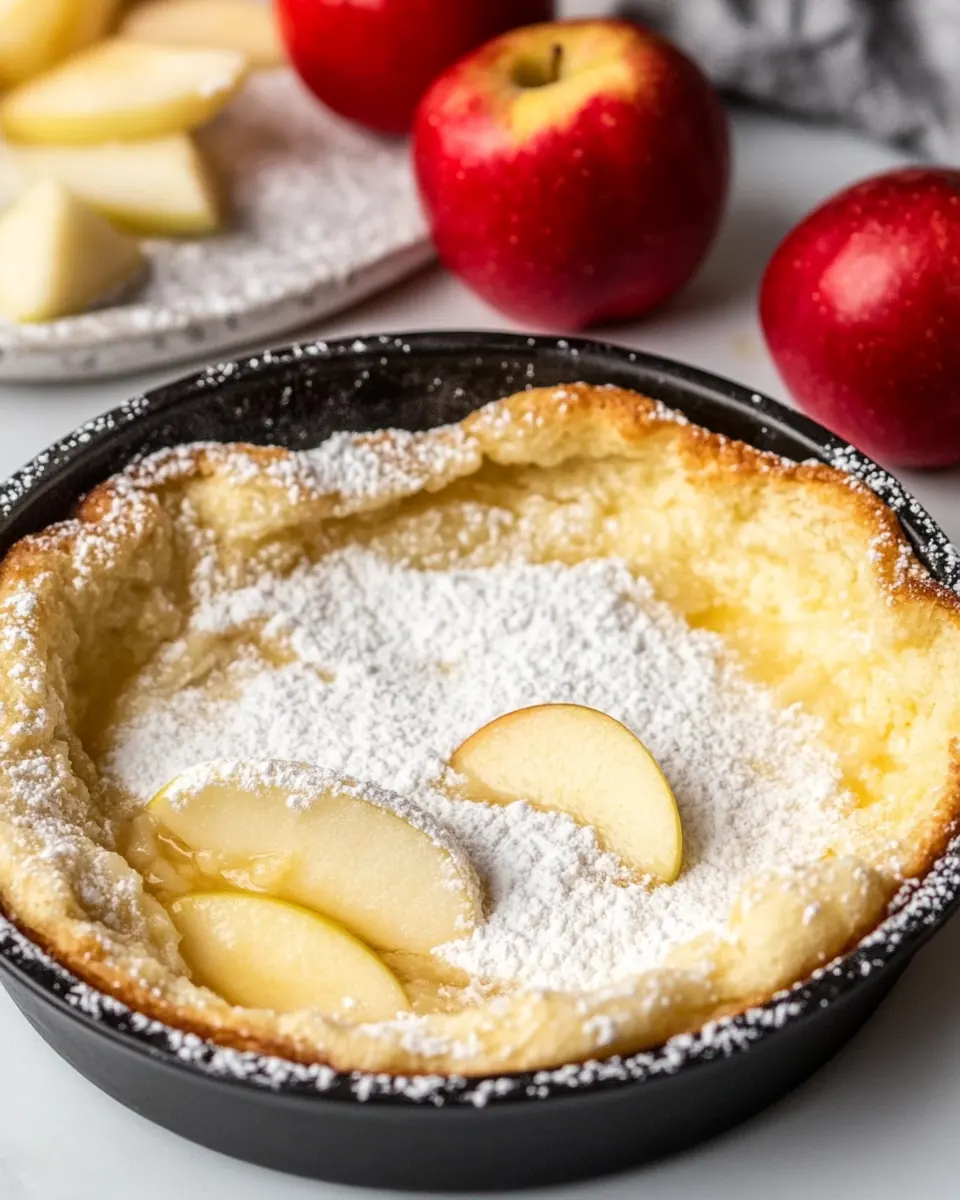
These ingredients work together to create a simple, theatrical breakfast that balances richness and brightness. The eggs and all purpose flour form the backbone of the batter, whole milk adds creaminess, and a touch of granulated sugar plus vanilla extract and ground cinnamon lift the flavor. The unsalted butter caramelizes the apple slices and helps the edges crisp up in the hot skillet, making the final texture irresistible.
- 6 large eggs: Whisk vigorously to incorporate air and provide structure, richness, and lift to the batter; eggs help create the puffy, custardy interior and golden exterior when baked.
- 2/3 cup whole milk: Pour smoothly to thin the batter and add creaminess; whole milk supplies moisture and fat that contribute to a tender, custard-like texture.
- 2/3 cup all-purpose flour: Sift or whisk thoroughly to form the base of the batter and bind liquids, supplying gluten for strength and a slight chew when baked.
- 2 tablespoons granulated sugar: Sprinkle evenly to add mild sweetness and help balance flavors; granulated sugar also aids browning of the exterior during baking.
- 3/4 teaspoon vanilla extract: Measure precisely and stir in to impart warm, sweet aroma and enhance other flavors; vanilla extract deepens the overall taste profile.
- 1/2 teaspoon ground cinnamon: Dust sparingly to introduce warm, fragrant spice that complements the apple and adds aromatic depth without overpowering the batter.
- 1/4 teaspoon salt: Pinch into the batter to enhance and balance flavors; salt sharpens sweetness and strengthens gluten slightly for better texture.
- 3 1/2 tablespoons unsalted butter: Melt gently to coat the pan and brown the batter; unsalted butter contributes a rich, nutty flavor and helps achieve crisp edges.
- 1 large apple peeled, cored, and thinly sliced: Slice thinly and layer into the hot buttered pan so the fruit softens and caramelizes, adding texture, sweetness, and a tart contrast.
- Confectioners’ sugar for dusting (optional): Sift lightly over the finished Dutch baby to add delicate sweetness and a decorative finish, optional but visually appealing.
Recipe Directions for Apple Dutch Baby
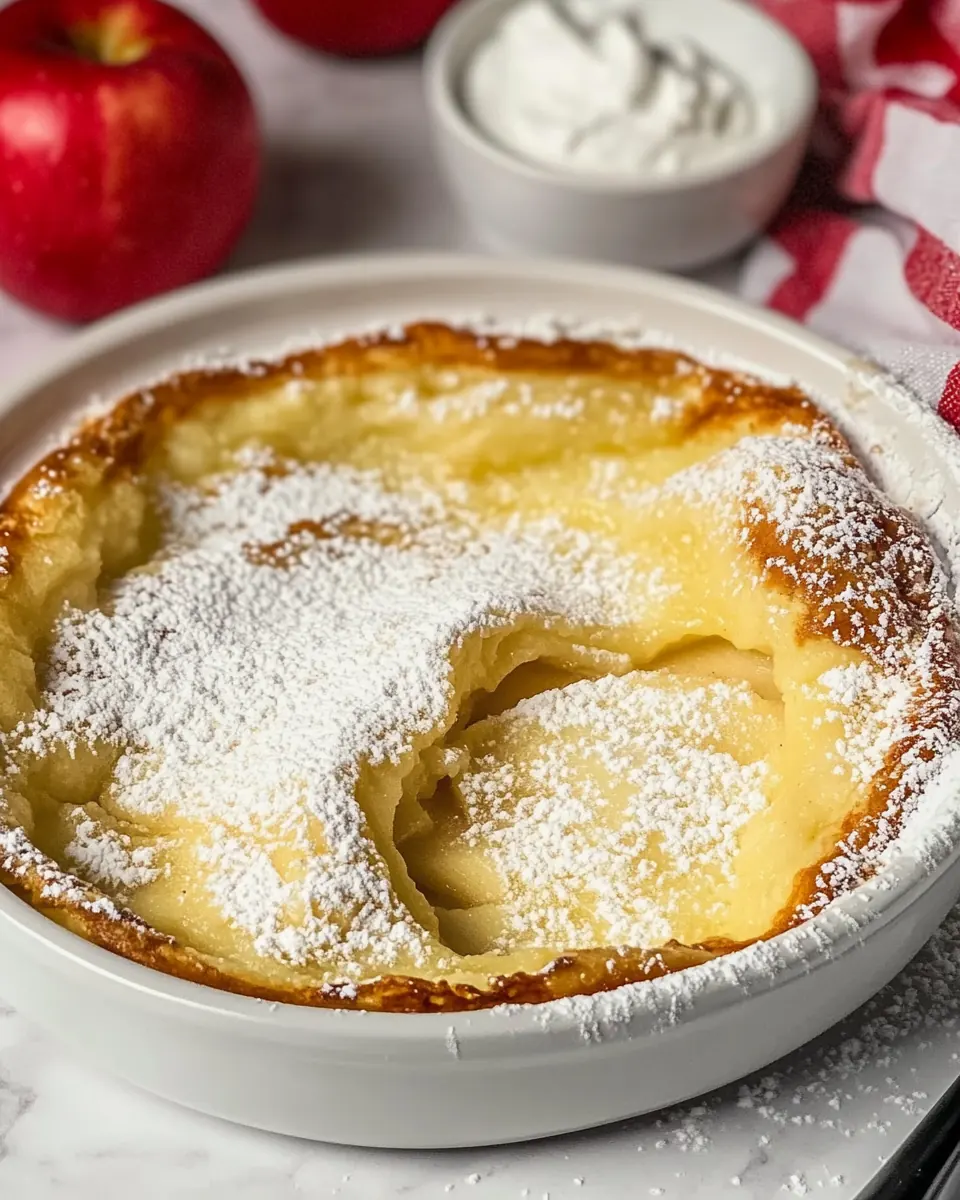
This recipe moves quickly, and the baking moment is the real crescendo. Follow each step closely to capture the puff, the caramelization of the apple, and the golden edges. I like to have everything prepped and ready so the batter can go straight from blender to skillet to oven.
- Preheat oven to 425°F. In a blender, pulse together eggs, milk, flour, sugar, vanilla extract, cinnamon, and salt until smooth. Set aside.: As the oven heats, you will notice a dry warmth that helps the exterior set quickly, which encourages the dramatic rise. This high heat is essential for achieving puffy edges and a tender center, so avoid lowering the temperature or opening the door during the first part of baking. A common mistake is not preheating fully, which leads to a flatter Dutch baby, so always wait until the oven reads the temperature.
- In a 12-inch oven-safe skillet over medium heat, melt butter. Add sliced apples and cook until softened, about 5 minutes.: Expect a silky, slightly frothy batter that smells faintly of vanilla and cinnamon. Blending removes lumps that would otherwise create uneven texture, and aeration helps the batter rise. If the batter seems too thick or thin, check that your measurements were accurate; overloading the blender can prevent even mixing. One error to watch for is undermixing, which leaves pockets of dry flour affecting the final custard.
- Pour the batter over the apples in the skillet. Transfer the skillet to the preheated oven and bake for 20 minutes until puffed and golden brown.: Letting the batter rest briefly allows the flour to hydrate fully, creating a smoother mouthfeel and more even structure. During this pause, you may notice small bubbles at the surface and a glossy sheen developing, indicating the batter is well combined. Avoid leaving it out too long, as separation can occur, and always give it a gentle stir before using. A potential pitfall is letting it sit uncovered for too long, which can form a skin on top.
- Carefully remove the skillet from the oven. Dust with confectioners’ sugar if desired. Slice and serve warm.: When the unsalted butter melts, it will foam and give off a nutty aroma as the milk solids brown lightly, which builds flavor. Swirl the skillet so the butter coats the bottom and sides, ensuring even crisping. Do not let the butter burn, as a bitter note will ruin the delicate balance of the dish. A frequent mistake is using too high heat, which scorches the butter instead of providing a gentle sizzle for the apple .
- Add sliced apples and cook until softened, about 5 minutes: The apple slices will sizzle softly, release juices, and begin to bend at the edges; you will also detect a gentle caramel scent as sugars begin to concentrate. Cooking briefly keeps some texture in the fruit while concentrating its flavor. Avoid overcooking so the slices do not become mushy, and spread them so they cook evenly. One common error is crowding the pan, which steams the fruit instead of allowing it to caramelize.
- Pour the batter over the apples in the skillet: As the batter hits the warm skillet, you may hear a soft hiss and see it settle around the apple slices, beginning to bake at the edges immediately. This contact with hot fat creates that lacy, crisp perimeter while encasing the fruit in a tender custard. If you pour slowly and evenly, the batter will nestle between slices for even pockets of flavor. A mistake to avoid is pouring onto a cold pan, which prevents proper browning and reduces rise.
- Transfer the skillet to the preheated oven and bake for 20 minutes until puffed and golden brown: During baking you will see the batter swell, creating dramatic, golden edges, and the center will set into a custard. The aroma will deepen into a heady cinnamon and butter scent, and the top should take on an even golden color. Resist opening the oven while it rises, as this can cause collapse. A common misstep is removing it too early, when the center is still wobbly, resulting in a soggy finish.
- Carefully remove the skillet from the oven: Use oven mitts and set the skillet on a heatproof surface; the handle and rim will be intensely hot. The baked surface should be puffed and slightly crackled at the edges, and the underside will have crisped against the pan. Stand back when first opening the oven to avoid the hot steam. Avoid transferring the skillet to a cold surface that might shock and slightly deflate the puff.
- Dust with confectioners’ sugar if desired: When you dust with confectioners’ sugar , it melts slightly on the warm top, creating an elegant sheen and a touch of sweetness. This final flourish enhances presentation without altering texture; apply just before serving to prevent dissolving. One mistake is adding it too early, which will vanish into the surface and not have the desired visual effect.
- Slice and serve warm: Serving warm allows you to enjoy the contrast between the crisp edges and custardy center along with the softened apple . The first bite should be warm, slightly tangy from the fruit, and fragrant with spice. If you let it cool, the texture becomes denser and less lively, so plan to serve soon after baking. A common error is slicing after it has fully cooled, which reduces the sensory appeal.
Variations to Try
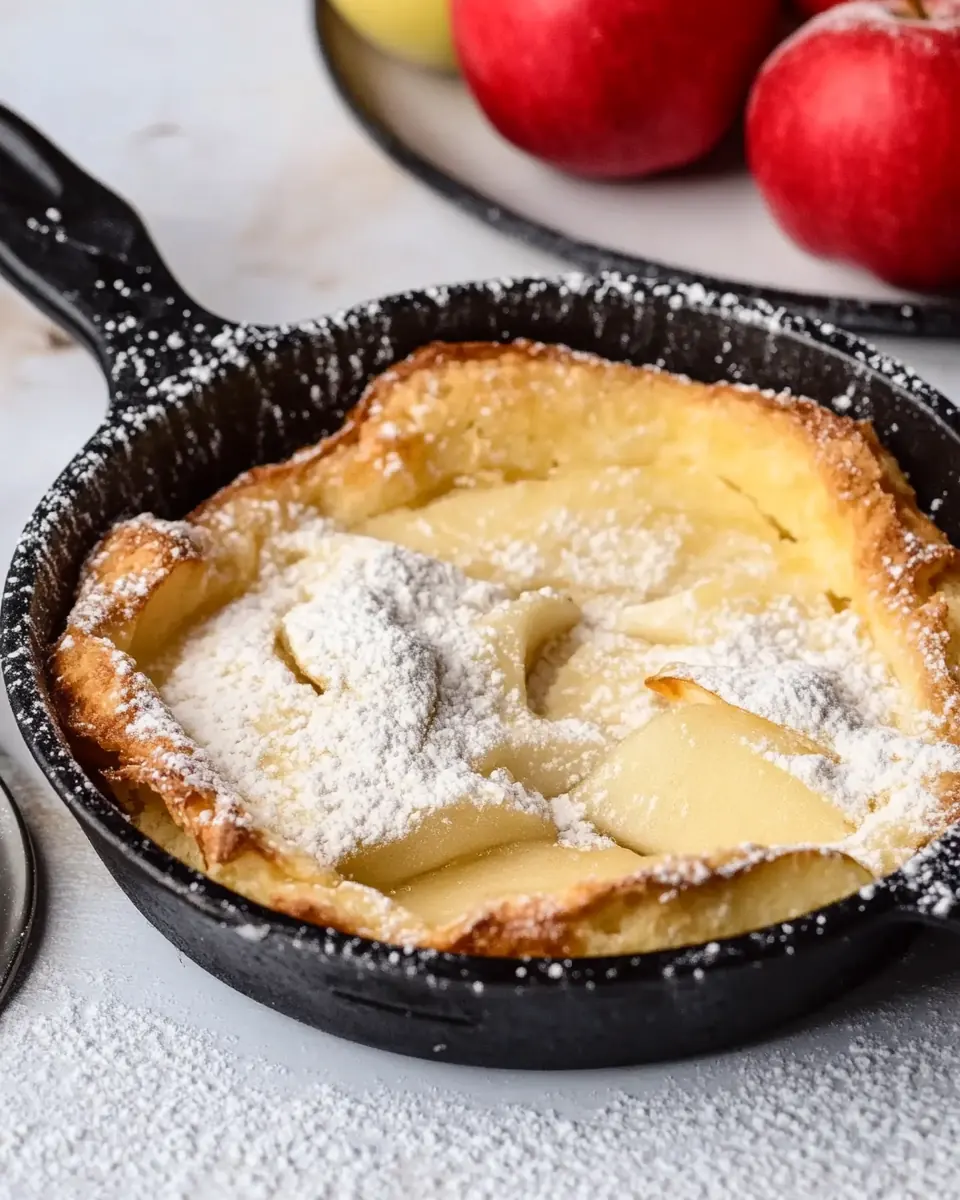
There are many ways to make Apple Dutch Baby your own while keeping the core technique intact. Below are ideas to adapt textures, flavors, and presentations for different occasions and preferences.
- Use different apple varieties Swap in firmer, tangier apples for contrast or sweeter varieties for a milder flavor, but keep the slice thickness consistent so they soften evenly during the short skillet time.
- Add a citrus zest touch Grate a little lemon or orange zest into the batter to brighten the flavors, using just a small amount so the citrus complements rather than overwhelms the warm cinnamon notes.
- Top with a compote Warm a small amount of diced fruit into a quick compote and spoon it over individual slices just before serving to amplify fruit intensity and add saucy texture.
- Make it gluten free Substitute a one to one gluten free flour blend for the all-purpose flour, but note the structure and rise may differ slightly; whisk thoroughly to minimize grittiness.
- Finish with a flavored sugar Mix a little cinnamon into the confectioners’ sugar before dusting to echo the spice note and make the presentation feel cohesive and intentional.
What Complements This Apple Dutch Baby
Apple Dutch Baby pairs well with bright, fresh accompaniments and comforting sides. It suits casual brunches, celebratory breakfasts, and cozy fall gatherings. Below are serving ideas, storage tips, and occasion suggestions to help you plan the whole meal.
- Serve with a dollop of yogurt or crème fraîche A spoonful of tangy yogurt or crème fraîche balances the sweet notes and adds a cooling contrast that pairs beautifully with warm apple and cinnamon flavors.
- Offer simple hot beverages Pair with coffee or tea to complement the warm spices; a lightly brewed tea will not overpower the delicate custard.
- Make it for brunch occasions This dish works well for weekend brunches, holiday mornings, or when you want something that feels special without too much fuss.
- Storage and reheating Store leftovers tightly wrapped in the refrigerator for up to two days; reheat gently in a low oven to restore some crispness to the edges rather than microwaving, which can make it soggy.
- Seasonal pairings In fall, serve with roasted nuts or a simple fruit compote to emphasize harvest flavors; in other seasons, lighter fruit and fresh herbs can brighten the plate.
- Presentation tips Dust with confectioners’ sugar just before serving and slice at the table for a sense of occasion that highlights the dramatic oven rise.
FAQ
Conclusion
This Apple Dutch Baby is special because it pairs simple pantry ingredients with an impressive oven puff and tender, cinnamon kissed apple pockets. It’s the kind of recipe that feels fancy on the table yet is forgiving and quick to make. Try it on a crisp morning when you want something cozy but effortless, and watch how a few basic moves transform the dish into a memorable centerpiece. Serve it warm, slice it at the table, and enjoy the little moment of delight when the golden edges meet the soft center.
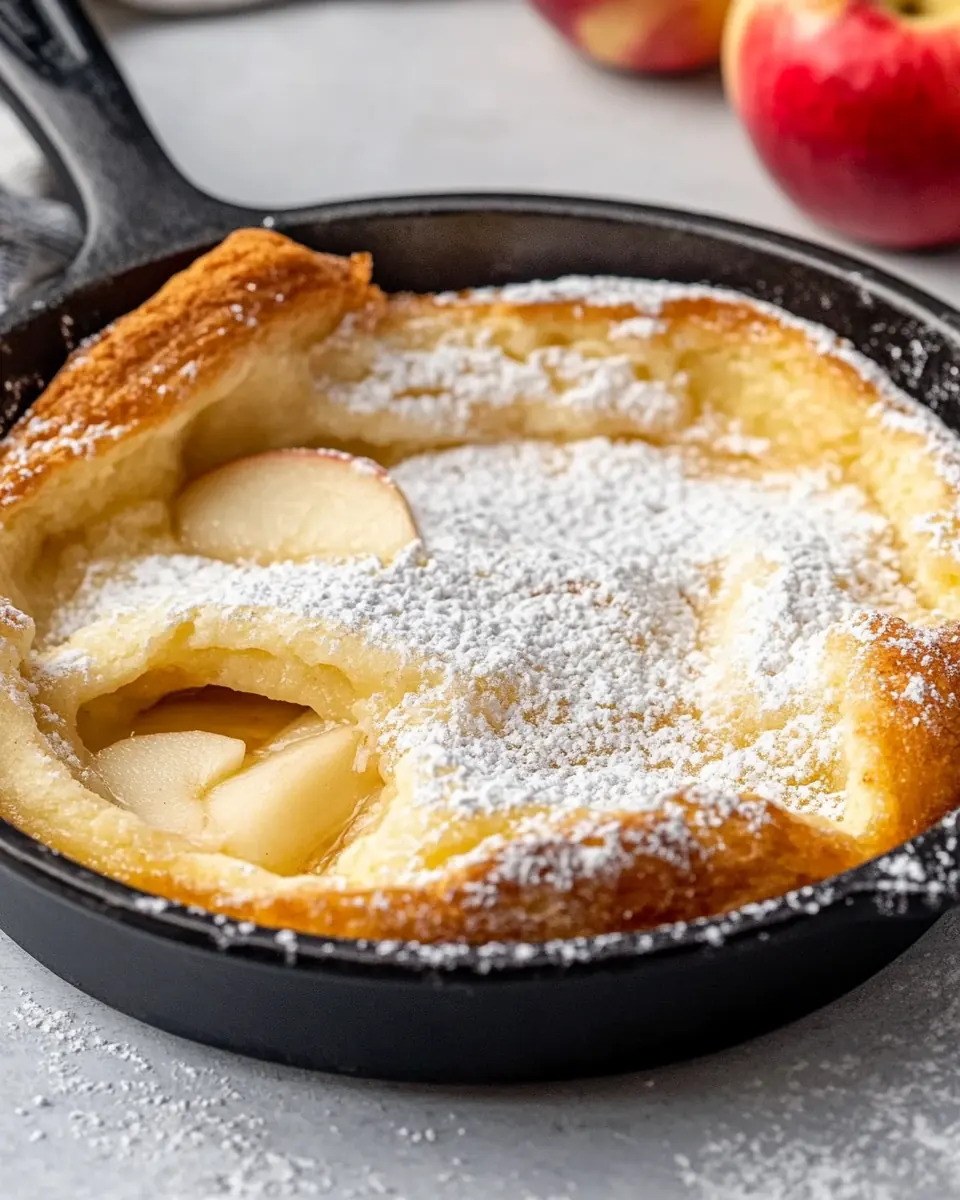
Apple Dutch Baby
Ingredients
Equipment
Method
- Preheat oven to 425°F. In a blender, pulse together eggs, milk, flour, sugar, vanilla extract, cinnamon, and salt until smooth. Set aside.: As the oven heats, you will notice a dry warmth that helps the exterior set quickly, which encourages the dramatic rise. This high heat is essential for achieving puffy edges and a tender center, so avoid lowering the temperature or opening the door during the first part of baking. A common mistake is not preheating fully, which leads to a flatter Dutch baby, so always wait until the oven reads the temperature.
- In a 12-inch oven-safe skillet over medium heat, melt butter. Add sliced apples and cook until softened, about 5 minutes.: Expect a silky, slightly frothy batter that smells faintly of vanilla and cinnamon. Blending removes lumps that would otherwise create uneven texture, and aeration helps the batter rise. If the batter seems too thick or thin, check that your measurements were accurate; overloading the blender can prevent even mixing. One error to watch for is undermixing, which leaves pockets of dry flour affecting the final custard.
- Pour the batter over the apples in the skillet. Transfer the skillet to the preheated oven and bake for 20 minutes until puffed and golden brown.: Letting the batter rest briefly allows the flour to hydrate fully, creating a smoother mouthfeel and more even structure. During this pause, you may notice small bubbles at the surface and a glossy sheen developing, indicating the batter is well combined. Avoid leaving it out too long, as separation can occur, and always give it a gentle stir before using. A potential pitfall is letting it sit uncovered for too long, which can form a skin on top.
- Carefully remove the skillet from the oven. Dust with confectioners’ sugar if desired. Slice and serve warm.: When the unsalted butter melts, it will foam and give off a nutty aroma as the milk solids brown lightly, which builds flavor. Swirl the skillet so the butter coats the bottom and sides, ensuring even crisping. Do not let the butter burn, as a bitter note will ruin the delicate balance of the dish. A frequent mistake is using too high heat, which scorches the butter instead of providing a gentle sizzle for the apple .
- Add sliced apples and cook until softened, about 5 minutes: The apple slices will sizzle softly, release juices, and begin to bend at the edges; you will also detect a gentle caramel scent as sugars begin to concentrate. Cooking briefly keeps some texture in the fruit while concentrating its flavor. Avoid overcooking so the slices do not become mushy, and spread them so they cook evenly. One common error is crowding the pan, which steams the fruit instead of allowing it to caramelize.
- Pour the batter over the apples in the skillet: As the batter hits the warm skillet, you may hear a soft hiss and see it settle around the apple slices, beginning to bake at the edges immediately. This contact with hot fat creates that lacy, crisp perimeter while encasing the fruit in a tender custard. If you pour slowly and evenly, the batter will nestle between slices for even pockets of flavor. A mistake to avoid is pouring onto a cold pan, which prevents proper browning and reduces rise.
- Transfer the skillet to the preheated oven and bake for 20 minutes until puffed and golden brown: During baking you will see the batter swell, creating dramatic, golden edges, and the center will set into a custard. The aroma will deepen into a heady cinnamon and butter scent, and the top should take on an even golden color. Resist opening the oven while it rises, as this can cause collapse. A common misstep is removing it too early, when the center is still wobbly, resulting in a soggy finish.
- Carefully remove the skillet from the oven: Use oven mitts and set the skillet on a heatproof surface; the handle and rim will be intensely hot. The baked surface should be puffed and slightly crackled at the edges, and the underside will have crisped against the pan. Stand back when first opening the oven to avoid the hot steam. Avoid transferring the skillet to a cold surface that might shock and slightly deflate the puff.
- Dust with confectioners’ sugar if desired: When you dust with confectioners’ sugar , it melts slightly on the warm top, creating an elegant sheen and a touch of sweetness. This final flourish enhances presentation without altering texture; apply just before serving to prevent dissolving. One mistake is adding it too early, which will vanish into the surface and not have the desired visual effect.
- Slice and serve warm: Serving warm allows you to enjoy the contrast between the crisp edges and custardy center along with the softened apple . The first bite should be warm, slightly tangy from the fruit, and fragrant with spice. If you let it cool, the texture becomes denser and less lively, so plan to serve soon after baking. A common error is slicing after it has fully cooled, which reduces the sensory appeal.
Notes
- Use different apple varieties Swap in firmer, tangier apples for contrast or sweeter varieties for a milder flavor, but keep the slice thickness consistent so they soften evenly during the short skillet time.
- Add a citrus zest touch Grate a little lemon or orange zest into the batter to brighten the flavors, using just a small amount so the citrus complements rather than overwhelms the warm cinnamon notes.
- Top with a compote Warm a small amount of diced fruit into a quick compote and spoon it over individual slices just before serving to amplify fruit intensity and add saucy texture.
- Make it gluten free Substitute a one to one gluten free flour blend for the all-purpose flour, but note the structure and rise may differ slightly; whisk thoroughly to minimize grittiness.
- Finish with a flavored sugar Mix a little cinnamon into the confectioners’ sugar before dusting to echo the spice note and make the presentation feel cohesive and intentional.