Spiced Winter Squash Soup
Spiced Winter Squash Soup has been one of those recipes that quietly marked the turn of many winters in my kitchen. The first time I made it, I was coming in from a cold, windblown afternoon and needed something that felt like a warm blanket from the inside out. I sliced into a small pumpkin and a butternut squash, and the scent of warm spices and roasted squash filled the house, changing the mood instantly. I remember pausing with a mug of tea as the kitchen warmed, feeling grateful for the simple ritual of chopping, stirring, and tasting.
I learned early on that this is not a showy soup, but a steady, comforting one. Over the years I refined the balance of cardamom and cumin, and I started reserving cubes of squash to give the finished bowl a tender little bite, rather than a wholly velvety puree. When friends come over in winter, I often ladle this soup into deep bowls, top it with a drizzle of coconut milk, and watch how a humble spoonful can turn tiredness into conversation. Each time I make Spiced Winter Squash Soup, it brings back a different small story, whether it is a late night study session turned cozy dinner, or a quiet Sunday where I lingered over the pot, making notes for the next tweak.
Recipe Snapshot
60 mins
15 mins
45 mins
Medium
250 kcal
American
Gluten-Free, Vegan
Soups
Large soup pot, Stove, Blender or immersion blender, Sieve or strainer
What You’ll Enjoy About This Spiced Winter Squash Soup
Comforting, But Not Cloying
I love how Spiced Winter Squash Soup manages to feel indulgent without being heavy. The combination of roasted squash and a splash of coconut milk produces a creamy mouthfeel while allowing the warm spices to breathe. This keeps the soup rich, yet light enough for second helpings on a weeknight.
Layered Spice Profile
The duo of cardamom and cumin gives the soup a warm, slightly floral lift and a savory earthiness. I often toast the spices briefly to deepen their aroma. That little step makes a surprising difference, turning a simple squash soup into something with personality and depth.
Textural Interest
I appreciate the way this recipe uses both pureed and cubed squash. The puree provides silkiness, and the reserved cubes offer gentle structure. That contrast keeps each spoonful interesting, and it takes the soup from one-note to memorable without complicating the cooking process.
Flexible and Kitchen Friendly
This recipe scales well for a small family dinner or to feed a crowd. You can adjust the seasoning easily, and the method is forgiving, which I really value when I cook for guests. It reheats beautifully, and leftovers deepen in flavor overnight, which is perfect for busy weeks.
Seasonal Celebration
Because the recipe uses a mix of winter squashes, it celebrates seasonal produce in a meaningful way. The natural sweetness of the pumpkin and squashes pairs so well with the spices, and the result feels celebratory without being fussy. I reach for this bowl when I want the taste of the season, nothing more and nothing less.
What to Gather for Spiced Winter Squash Soup
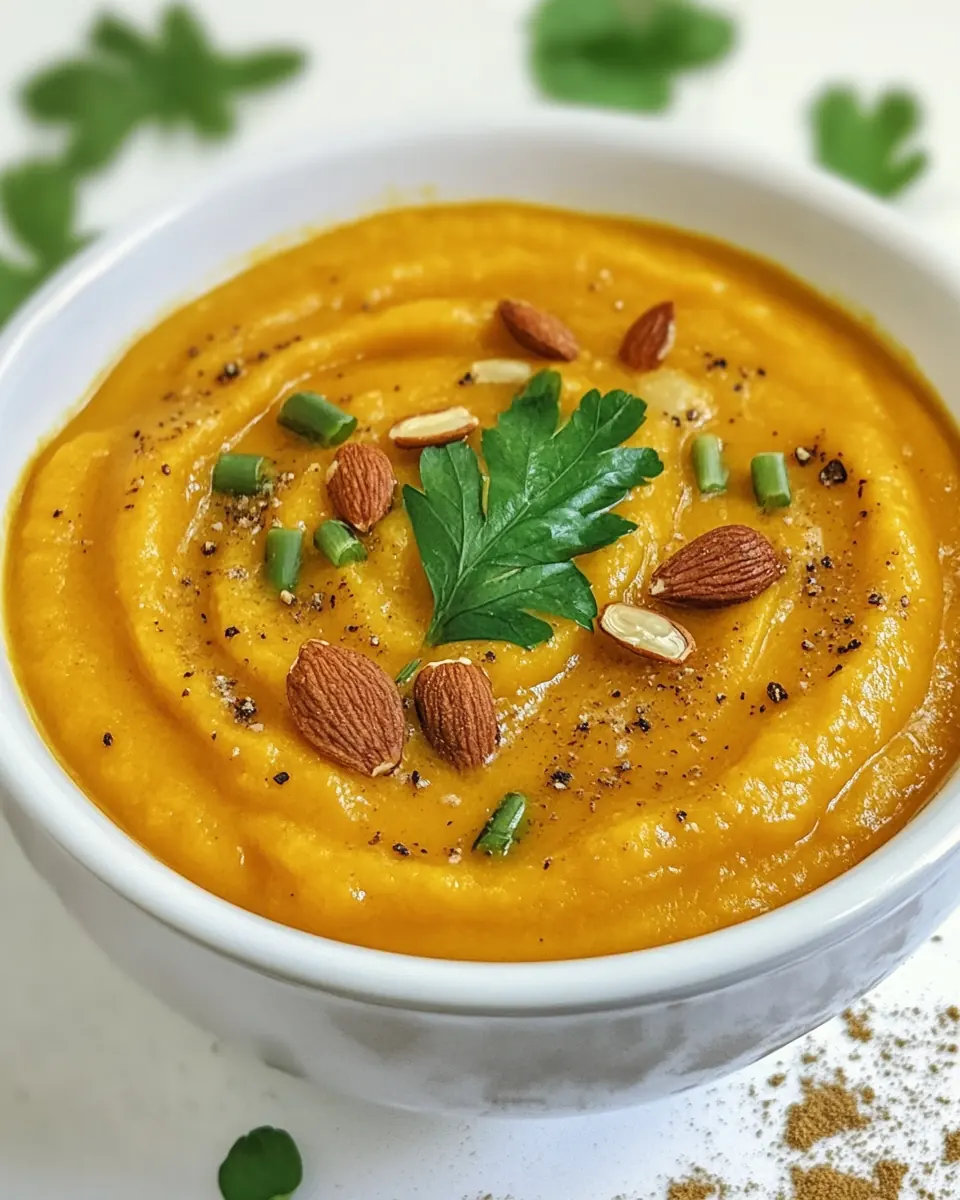
For this soup I think of ingredients as a small team where each member has a role. The squashes bring body and natural sweetness, the aromatics build the savory backbone, the spices add warmth and interest, and the vegetable broth and coconut milk tie it all together in a silky finish. When they work together, you get a bowl that is both nourishing and evocative of the season.
- 2 tablespoons olive oil: Sauté in the pan to build a flavorful fat base and help bloom spices; contributes richness and a silky mouthfeel to the soup. Use moderate heat to avoid burning and maintain a clean olive flavor that complements the winter squashes.
- 1 onion medium, peeled, 1" dice: Caramelize gently to add sweet, savory depth and aromatic foundation; diced size promotes even cooking and faster softening. Cook until translucent to release natural sugars that enhance the soup's overall complexity.
- 2 garlic cloves peeled, minced: Mince and sweat briefly to infuse sharp, pungent aromatics and brighten the broth; adds a subtle garlicky background that balances the sweet squash. Avoid prolonged high heat to prevent bitterness and preserve fresh aroma.
- 2 teaspoons cardamom ground: Toast lightly with other spices to release intense floral, citrusy notes and warm complexity; ground form disperses evenly through the soup. Use sparingly for nuanced fragrance that pairs especially well with coconut milk and winter squash.
- 1 teaspoon cumin ground: Bloom in oil to provide earthy warmth and a slightly smoky, nutty backbone; ground cumin enhances savory depth and ties the other spices together. Adjust amount to control the warm, aromatic profile of the final soup.
- 1 pumpkin small, peeled, seeded, cut into 1" cubes: Simmer until tender to deliver sweet, earthy body and creamy texture when pureed; cubed size ensures uniform cooking and easy blending. Combines with other squashes for layered pumpkin flavor and hearty mouthfeel.
- 1 butternut squash large, peeled, seeded, cut into 1" cubes: Roast or simmer to contribute smooth, sweet flesh and substantial volume to the soup; large cubes become luxuriously creamy when processed. Provides a buttery, slightly nutty character that enriches the puree.
- 2 acorn squash small, peeled, seeded, cut into 1" cubes: Cook until soft to introduce a mild, sweet, and slightly nutty taste while adding textural variety; small acorn cubes meld with other winter squashes. Enhances visual and flavor complexity when blended into a harmonious base.
- 6 cups vegetable broth: Simmer as the liquid backbone to extract flavors and create a cohesive soup consistency; vegetable broth adds savory depth without overpowering the squash. Choose a low-sodium option if you plan to adjust salt later for balanced seasoning.
- 1/2 cup coconut milk: Stir in at the end to lend creamy richness and subtle tropical sweetness while smoothing the puree; coconut milk lightens and complements warm spices. Adds a silky finish and gentle tang that harmonizes with cardamom and cumin.
- 1 teaspoon salt: Season during cooking to enhance and balance flavors throughout the soup; salt helps lift sweetness and bind aromatic compounds. Adjust to taste after reducing to ensure the final seasoning is well balanced.
- 1/4 teaspoon black pepper ground: Finish with a light grind to provide mild heat and aromatic contrast; freshly ground black pepper sharpens the palate and accentuates other spices. Use sparingly to avoid overpowering the delicate squash flavors.
Making Spiced Winter Squash Soup
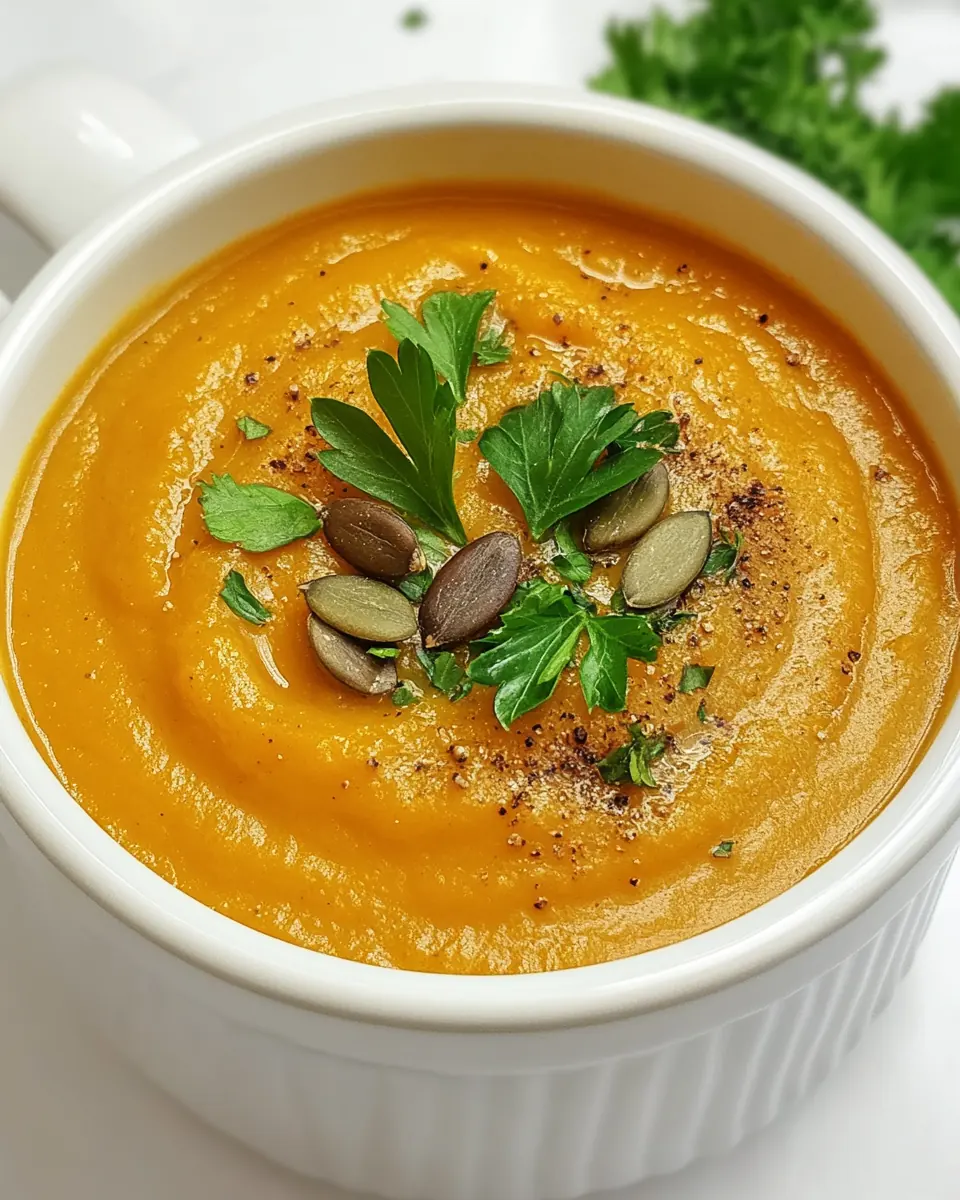
These steps are straightforward but rewarding. I like to keep my tools close and taste as I go, so the final soup feels like a conversation between the spices and the natural sweetness of the squashes. Below I expand each direction into detailed guidance so you can cook confidently.
- Heat olive oil over medium heat in a large soup pot.: When the oil shimmers faintly and moves easily across the pot, the pan is ready. You'll hear a subtle thin sound as the oil spreads, and it will throw off a faint, warm aroma. This step matters because the oil carries heat to the aromatics and spices, releasing their flavor gently. A common mistake is heating the oil until it smokes, which will impart a bitter note, so keep the flame at medium, and if you see smoke, remove the pot from heat and let it cool slightly before proceeding.
- Saute onions and garlic for about 5 minutes, until translucent and fragrant, taking care not to burn the garlic.: As the onion softens, it will turn glossy and nearly transparent at the edges, releasing a sweet scent that signals the Maillard reactions beginning. The garlic will add a bright, savory perfume, but it browns quickly, so stir frequently to keep it from sticking to the pan. This slow sweating builds the soup's savory foundation; rushing this step by using high heat will give harsh browned bits instead of gentle sweetness, so lower the heat if you see rapid browning.
- Add cardamom and cumin, and toast lightly, careful not to burn.: When you add the ground spices, they'll bloom in the hot oil, releasing a heady fragrance that lifts from the pot in warm plumes. The scent should become more complex, with cardamom lending floral notes and cumin adding smoky earth. Keep the heat low and stir constantly for just a few breaths until the aroma intensifies. Burning the spices will create acrid flavors, so if you sense bitterness, remove the pot from heat and start fresh with new spices.
- Add cubed squash and stir to coat with oil and spices.: As you tumble the 1 inch cubes into the pot, you'll see the spices cling to the flesh, and the surface will take on a glossy, spiced sheen. This coating step helps each piece absorb flavor as it cooks, and it encourages slight caramelization at the edges, which adds depth. Make sure pieces are evenly coated and spread in a single layer when possible; overcrowding the pot can trap steam and prevent that gentle browning, so use a wide pot and stir to distribute heat.
- Pour in broth, stir, and bring to a boil.: When the vegetable broth hits the pot, it will lift any browned bits from the bottom, incorporating their flavor into the liquid. As you stir, you will see the surface move into rolling bubbles when it reaches a boil. Bringing the mixture to a boil kickstarts the cooking process, but keep an eye on the vigor; an aggressive boil can disintegrate the squash exterior while leaving centers firmer. Aim for a steady, lively boil then lower to a gentle cooking pace once boiling is achieved.
- Reduce heat to a low boil, cover, and cook for 35-40 minutes, until vegetables are tender and easily mashed with a fork.: During this long, slow simmer the squash softens and the flavors meld. You should hear only a soft whisper of bubbles beneath the lid, and when you pierce a cube with a fork it should yield without resistance. This patient cooking extracts sweetness and allows the texture to become lusciously tender. A common issue is undercooking, which leaves fibrous bits, so test multiple cubes from different squashes to ensure uniform tenderness.
- Strain vegetables, reserving about 2 cups of broth, more for thinner soup.: Pour the cooked mixture through a sieve into a bowl, catching the broth separately. The broth will be infused with spice and squash essence, and reserving it gives you control over final consistency. Straining also removes fibrous bits and any excess skins for a cleaner puree. Be careful when handling hot liquid, use a ladle and steady hands, and never force-push solids through the sieve which can lead to gritty texture.
- Puree half the vegetables, reserving half of the squash cubes.: Use a blender or an immersion tool to puree only part of the cooked squash so the soup keeps a pleasing mix of silk and tender chunks. The puree should be smooth and creamy in texture, releasing a sweet, roasted aroma. Leaving half the cubes intact ensures each bowl has textural contrast. Over-pureeing every piece will yield a single texture that can feel heavy, while under-pureeing may leave the soup too chunky, so aim for balance.
- Pour pureed and cubed cooked squash back in pot, add coconut milk and stir. Salt and pepper to taste. Warm and stir to thicken. Serve hot.: Return the combined squash to the pot, then pour in the coconut milk , which will swirl into the deep orange puree in soft ribbons. Warm gently while stirring to integrate the creaminess; you should see the surface develop a satiny sheen. This step binds flavors and adds a subtle sweetness that keeps the soup rounded. Avoid boiling vigorously after adding coconut milk to prevent separation and an uneven texture.
- Salt and pepper to taste. Warm and stir to thicken. Serve hot: Finish by seasoning with salt and black pepper , tasting as you go to hit the point where the spices sing and the sweetness is balanced. Warm the soup through until it develops a slightly thicker body and the surface looks glossy, then ladle into bowls while hot. A frequent mistake is over-salting at the beginning; always adjust at the end when flavors have concentrated, and if you overdo it, add a bit more reserved broth to mellow the saltiness.
How to Switch It Up

I like having options when I serve this soup, so here are thoughtful variations that keep the soul of Spiced Winter Squash Soup while letting you personalize the bowl. Each tip is practical and grounded in flavor balance.
- Roast the squash first to deepen caramelized flavors and add a toasty note, roast at 400 F until edges are golden, then proceed with the recipe to intensify the soup.
- Adjust spice levels by increasing or decreasing the cardamom and cumin, tasting as you go; small adjustments change the profile significantly so add sparingly.
- Make it thinner or thicker by using more or less reserved vegetable broth; add broth gradually to reach your preferred body without diluting flavor abruptly.
- Swap coconut milk amount to suit richness, using a little less for a lighter soup or the full half cup for silkier texture, warming gently to combine.
- Prep ahead by cooking the soup a day early, then refrigerate; flavors meld overnight and reheating gently improves depth, but reheat slowly to preserve texture.
Great Combinations for Spiced Winter Squash Soup
This soup pairs well with simple, complementary dishes that let its warm spice notes shine. Think of accompaniments that add crunch, freshness, or a contrasting savory edge, and choose a serving style that suits the occasion, whether a quiet weeknight or a cozy holiday gathering.
- Crusty bread or a warm whole grain loaf for dipping, the textures balance the soup and make for an easy, satisfying meal.
- Green salad with a bright vinaigrette to cut through the soup’s creaminess, ideal for a light lunch or first course.
- Toasted seeds sprinkled on top provide crunchy contrast and a nutty boost to the bowl, great for casual dinners.
- Family dinner setting for weeknights because the soup is forgiving, reheats well, and pairs with many side dishes to feed a crowd.
- Seasonal gatherings in winter or holiday menus, where the squash theme feels appropriate and comforting for colder weather.
- Storage tips Store in an airtight container in the refrigerator for up to four days, or freeze in portions for up to three months, thaw and reheat gently to preserve texture.
- Serving temperature Serve hot, straight from the pot, because warmth heightens aroma and mouthfeel, and a cold bowl will mute the spices’ brightness.
FAQ
Conclusion
What makes this recipe special is the way simple winter squashes and a handful of warm spices transform into a bowl that feels both nourishing and comfortingly familiar. The balance of puree and reserved cubes gives the soup a pleasing texture, while toasted cardamom and cumin add unexpected depth. I encourage you to try Spiced Winter Squash Soup on a chilly evening, serve it with crusty bread, and notice how small rituals of cooking can brighten a routine night. It is a humble recipe that rewards patience and small adjustments, and it often becomes a seasonal favorite in my kitchen.
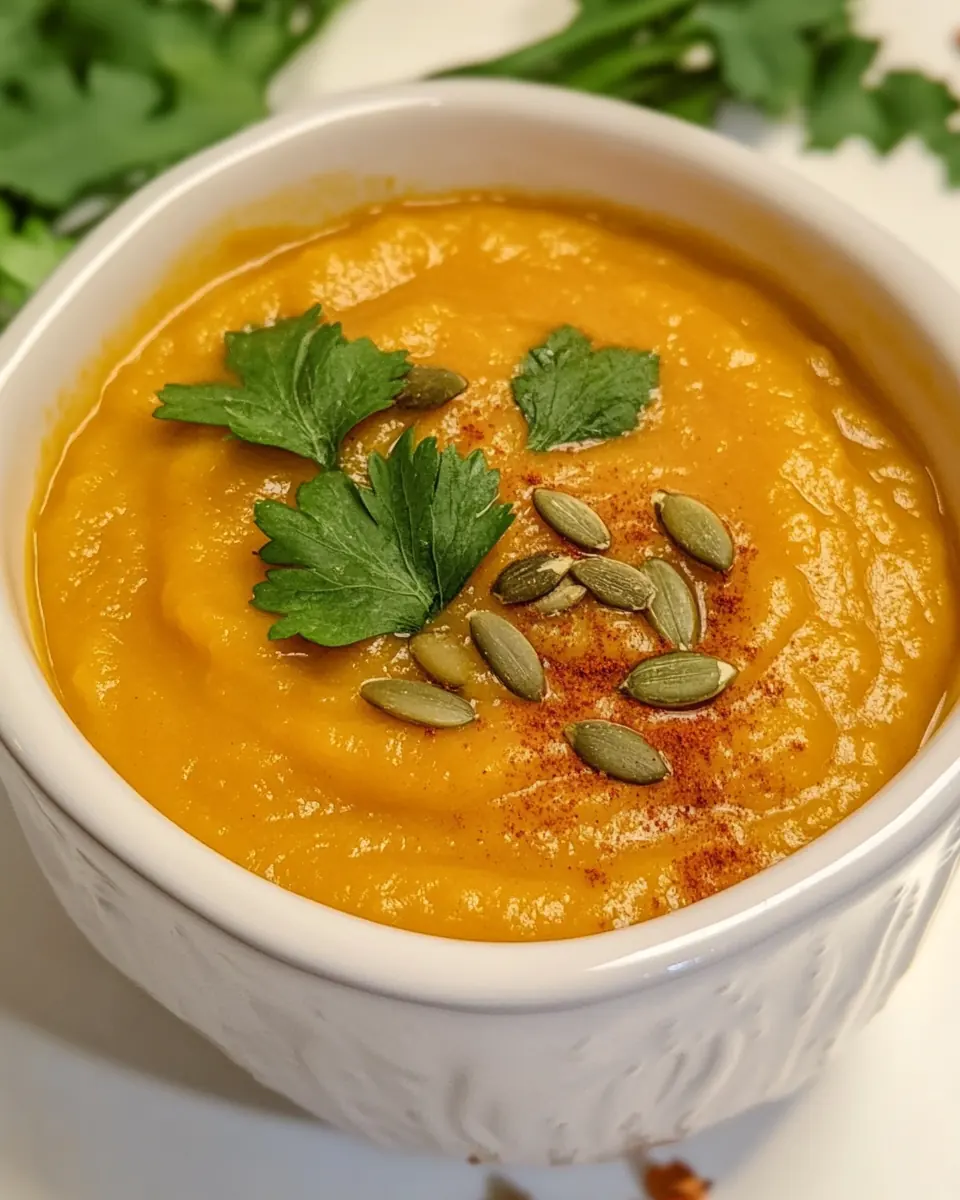
Spiced Winter Squash Soup
Ingredients
Equipment
Method
- Heat olive oil over medium heat in a large soup pot.: When the oil shimmers faintly and moves easily across the pot, the pan is ready. You'll hear a subtle thin sound as the oil spreads, and it will throw off a faint, warm aroma. This step matters because the oil carries heat to the aromatics and spices, releasing their flavor gently. A common mistake is heating the oil until it smokes, which will impart a bitter note, so keep the flame at medium, and if you see smoke, remove the pot from heat and let it cool slightly before proceeding.
- Saute onions and garlic for about 5 minutes, until translucent and fragrant, taking care not to burn the garlic.: As the onion softens, it will turn glossy and nearly transparent at the edges, releasing a sweet scent that signals the Maillard reactions beginning. The garlic will add a bright, savory perfume, but it browns quickly, so stir frequently to keep it from sticking to the pan. This slow sweating builds the soup's savory foundation; rushing this step by using high heat will give harsh browned bits instead of gentle sweetness, so lower the heat if you see rapid browning.
- Add cardamom and cumin, and toast lightly, careful not to burn.: When you add the ground spices, they'll bloom in the hot oil, releasing a heady fragrance that lifts from the pot in warm plumes. The scent should become more complex, with cardamom lending floral notes and cumin adding smoky earth. Keep the heat low and stir constantly for just a few breaths until the aroma intensifies. Burning the spices will create acrid flavors, so if you sense bitterness, remove the pot from heat and start fresh with new spices.
- Add cubed squash and stir to coat with oil and spices.: As you tumble the 1 inch cubes into the pot, you'll see the spices cling to the flesh, and the surface will take on a glossy, spiced sheen. This coating step helps each piece absorb flavor as it cooks, and it encourages slight caramelization at the edges, which adds depth. Make sure pieces are evenly coated and spread in a single layer when possible; overcrowding the pot can trap steam and prevent that gentle browning, so use a wide pot and stir to distribute heat.
- Pour in broth, stir, and bring to a boil.: When the vegetable broth hits the pot, it will lift any browned bits from the bottom, incorporating their flavor into the liquid. As you stir, you will see the surface move into rolling bubbles when it reaches a boil. Bringing the mixture to a boil kickstarts the cooking process, but keep an eye on the vigor; an aggressive boil can disintegrate the squash exterior while leaving centers firmer. Aim for a steady, lively boil then lower to a gentle cooking pace once boiling is achieved.
- Reduce heat to a low boil, cover, and cook for 35-40 minutes, until vegetables are tender and easily mashed with a fork.: During this long, slow simmer the squash softens and the flavors meld. You should hear only a soft whisper of bubbles beneath the lid, and when you pierce a cube with a fork it should yield without resistance. This patient cooking extracts sweetness and allows the texture to become lusciously tender. A common issue is undercooking, which leaves fibrous bits, so test multiple cubes from different squashes to ensure uniform tenderness.
- Strain vegetables, reserving about 2 cups of broth, more for thinner soup.: Pour the cooked mixture through a sieve into a bowl, catching the broth separately. The broth will be infused with spice and squash essence, and reserving it gives you control over final consistency. Straining also removes fibrous bits and any excess skins for a cleaner puree. Be careful when handling hot liquid, use a ladle and steady hands, and never force-push solids through the sieve which can lead to gritty texture.
- Puree half the vegetables, reserving half of the squash cubes.: Use a blender or an immersion tool to puree only part of the cooked squash so the soup keeps a pleasing mix of silk and tender chunks. The puree should be smooth and creamy in texture, releasing a sweet, roasted aroma. Leaving half the cubes intact ensures each bowl has textural contrast. Over-pureeing every piece will yield a single texture that can feel heavy, while under-pureeing may leave the soup too chunky, so aim for balance.
- Pour pureed and cubed cooked squash back in pot, add coconut milk and stir. Salt and pepper to taste. Warm and stir to thicken. Serve hot.: Return the combined squash to the pot, then pour in the coconut milk , which will swirl into the deep orange puree in soft ribbons. Warm gently while stirring to integrate the creaminess; you should see the surface develop a satiny sheen. This step binds flavors and adds a subtle sweetness that keeps the soup rounded. Avoid boiling vigorously after adding coconut milk to prevent separation and an uneven texture.
- Salt and pepper to taste. Warm and stir to thicken. Serve hot: Finish by seasoning with salt and black pepper , tasting as you go to hit the point where the spices sing and the sweetness is balanced. Warm the soup through until it develops a slightly thicker body and the surface looks glossy, then ladle into bowls while hot. A frequent mistake is over-salting at the beginning; always adjust at the end when flavors have concentrated, and if you overdo it, add a bit more reserved broth to mellow the saltiness.
Notes
- Roast the squash first to deepen caramelized flavors and add a toasty note, roast at 400 F until edges are golden, then proceed with the recipe to intensify the soup.
- Adjust spice levels by increasing or decreasing the cardamom and cumin, tasting as you go; small adjustments change the profile significantly so add sparingly.
- Make it thinner or thicker by using more or less reserved vegetable broth; add broth gradually to reach your preferred body without diluting flavor abruptly.
- Swap coconut milk amount to suit richness, using a little less for a lighter soup or the full half cup for silkier texture, warming gently to combine.
- Prep ahead by cooking the soup a day early, then refrigerate; flavors meld overnight and reheating gently improves depth, but reheat slowly to preserve texture.