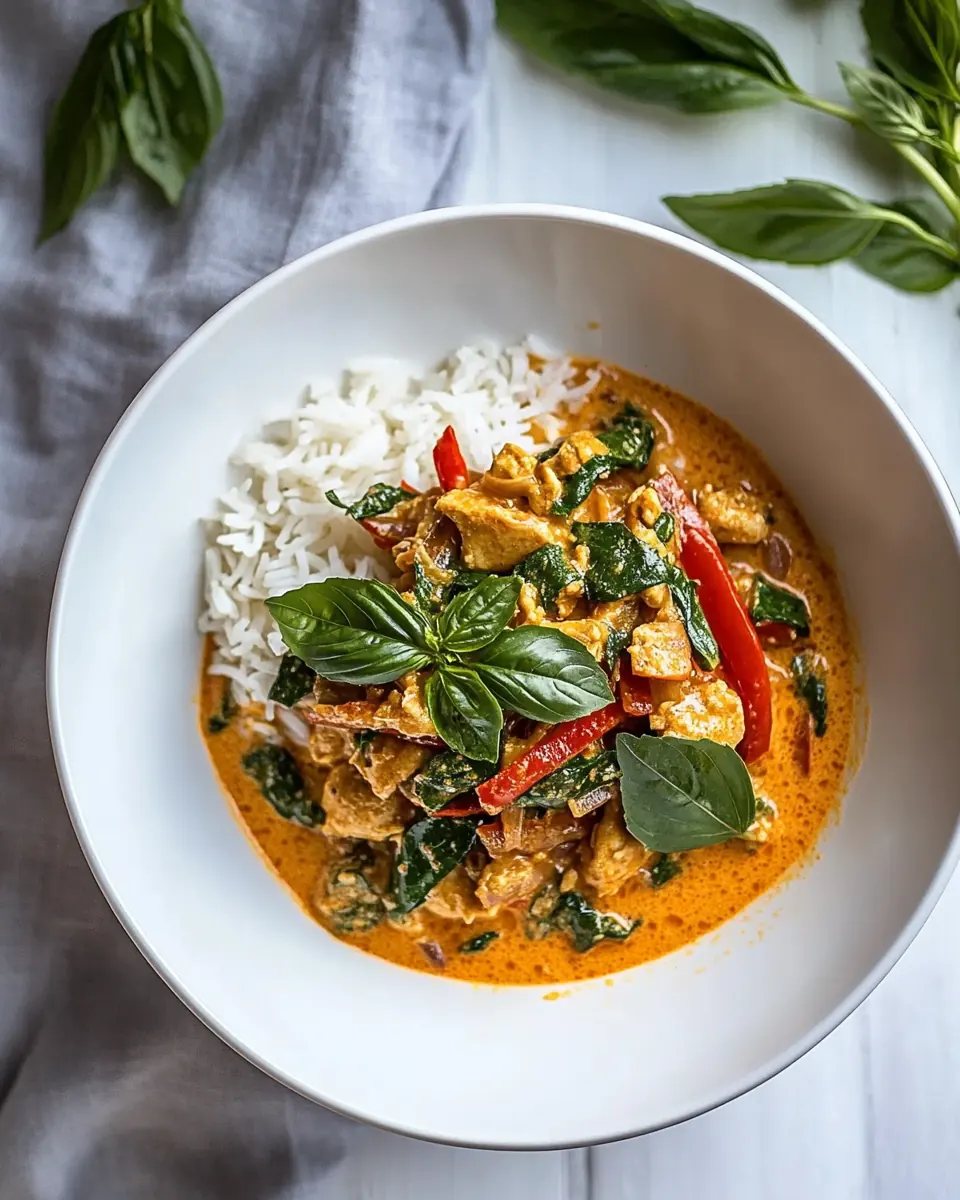
Thai Panang Curry
Thai Panang Curry is one of those dishes I return to when I want comfort that feels a little indulgent and a little adventurous at the same time. I first learned to make it on a rainy evening years ago, when a neighbor knocked on my door with a jar of homemade curry paste and an offer to teach. We chopped, we tasted, and I left with a head full of aroma and a recipe that still warms the house whenever I make it.
The memory of that first meal sticks with me because of the way the kitchen filled with fragrant coconut steam as the curry simmered, and how the sauce clung to every piece of chicken. Over time I adjusted the balance to suit my pantry and palate, swapping ingredients subtly but never losing the heart of the dish. Now I make this recipe when I want to impress without stress, packing layers of savory, nutty, and subtly sweet flavor into a single skillet.
When friends come over, I like to tell the story of the jar of curry paste and the lesson about patience while the sauce reduces. It’s a great conversation starter, and it gives people a clue about why the texture matters. By the time the curry finishes, the house smells like the market at dusk, and everyone crowds the kitchen to taste a spoonful right from the pan. It always feels like a shared little celebration.
Recipe Snapshot
40 mins
10 mins
30 mins
Easy
600 kcal
Thai
Gluten-Free, Low FODMAP
Dinner
Large skillet, Dutch oven, Separate skillet, Tongs
Why We Love This Thai Panang Curry
Deep, layered flavor
I love how Thai Panang Curry manages to be creamy and bold at the same time. The combination of full fat coconut milk and panang curry paste creates a sauce that is rich but not heavy, carrying aromatic spices and umami notes that keep you coming back for another bite.
Simple, pantry friendly ingredients
One of my favorite things about this recipe is how accessible it is. Most of the ingredients are things I keep on hand, so I can throw this together on a weeknight without a run to a specialty market. The list is short, and each component plays a clear role, so you do not need to second guess substitutions.
Fast enough for weeknights
I appreciate that Thai Panang Curry cooks up quickly. From start to finish it fits into a busy evening, yet it never feels rushed. The short simmer time allows flavors to develop, while the separate sear on the chicken locks in texture and depth.
Versatile serving options
What keeps me returning to this curry is its flexibility. You can serve it over rice for a classic meal, or choose lighter options like cauliflower rice or zucchini noodles depending on the mood. That adaptability makes it my go to for everything from cozy dinners to casual gatherings.
Comfort with a refined finish
This dish has the heart of comfort food, paired with a refined balance of sweet, salty, and savory. It is the kind of recipe I recommend to people who want to explore Southeast Asian flavors without a steep learning curve. I always find it satisfying to share something both approachable and impressive.
Ingredient List for Thai Panang Curry
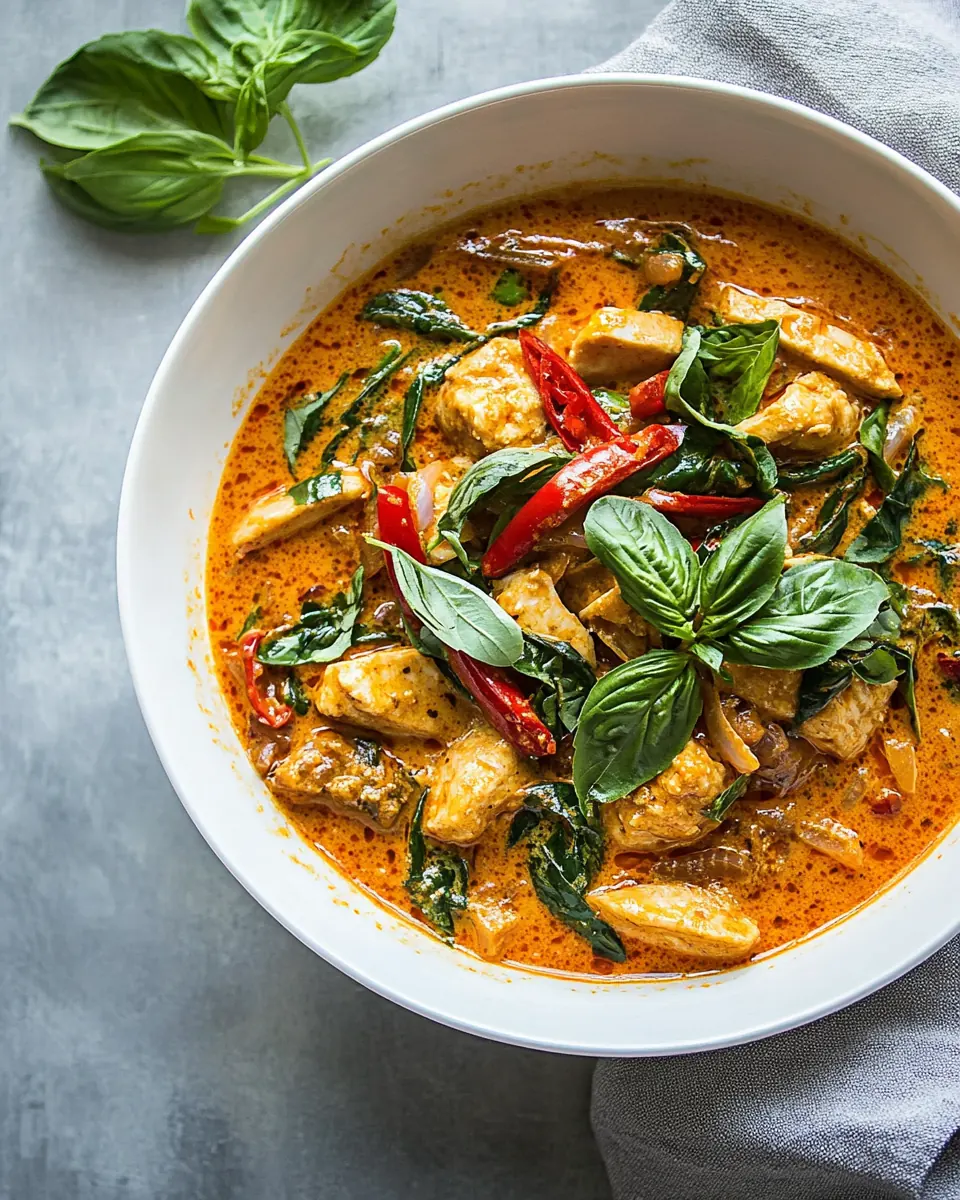
These ingredients form a concise, balanced lineup designed to deliver a classic Thai Panang Curry. The coconut milk and curry paste are the heavy hitters, creating the creamy, aromatic base. Chicken provides substance and soaks up the sauce, while the onion and bell pepper offer texture and a touch of sweetness. Small additions like fish sauce and a spoonful of sugar round the flavors into a harmonious curry.
- 2 (15-oz) cans full-fat coconut milk divided: Provide rich, creamy body to the curry and balance heat; separate cans to use thicker cream first and thinner milk later for desired sauce consistency and simmering.
- 1/2 yellow onion finely chopped: Add a sweet, aromatic base and soften into the curry when finely chopped; sweat until translucent to release natural sugars and meld with spices.
- 1 red bell pepper chopped: Contribute bright color, crisp texture, and mild sweetness; chop into bite-sized pieces and add toward the end to retain some crunch and freshness.
- 1 tbsp coconut oil: Impart a subtle tropical flavor and help prevent sticking while sautéing aromatics; melt gently and use as the cooking fat for the curry base.
- 1.5 lbs boneless skinless chicken breasts chopped: Offer tender protein and soak up the curry flavors; chop into uniform pieces for even cooking and to ensure quick, juicy results.
- 4 tbsp panang curry paste: Provide concentrated heat, depth, and characteristic Panang flavor; dissolve into the oil to bloom the aromatics and form the core of the sauce.
- 2 tbsp peanut butter unsweetened almond butter: Lend nuttiness, creaminess, and subtle savory richness; whisk into the sauce to enhance mouthfeel and complement the curry paste.
- 2 tbsp coconut sugar or brown sugar (optional): Supply gentle caramelized sweetness to balance salt and spice; add sparingly to taste to round out flavors without overpowering the dish.
- 2 tbsp fish sauce: Introduce umami and savory saltiness that amplifies other flavors; stir in gradually and taste to achieve a balanced salty profile.
- sea salt to taste: Adjust seasoning and enhance overall flavor harmony; sprinkle or pinch as needed during cooking and at the end for precise taste control.
Putting Together Thai Panang Curry
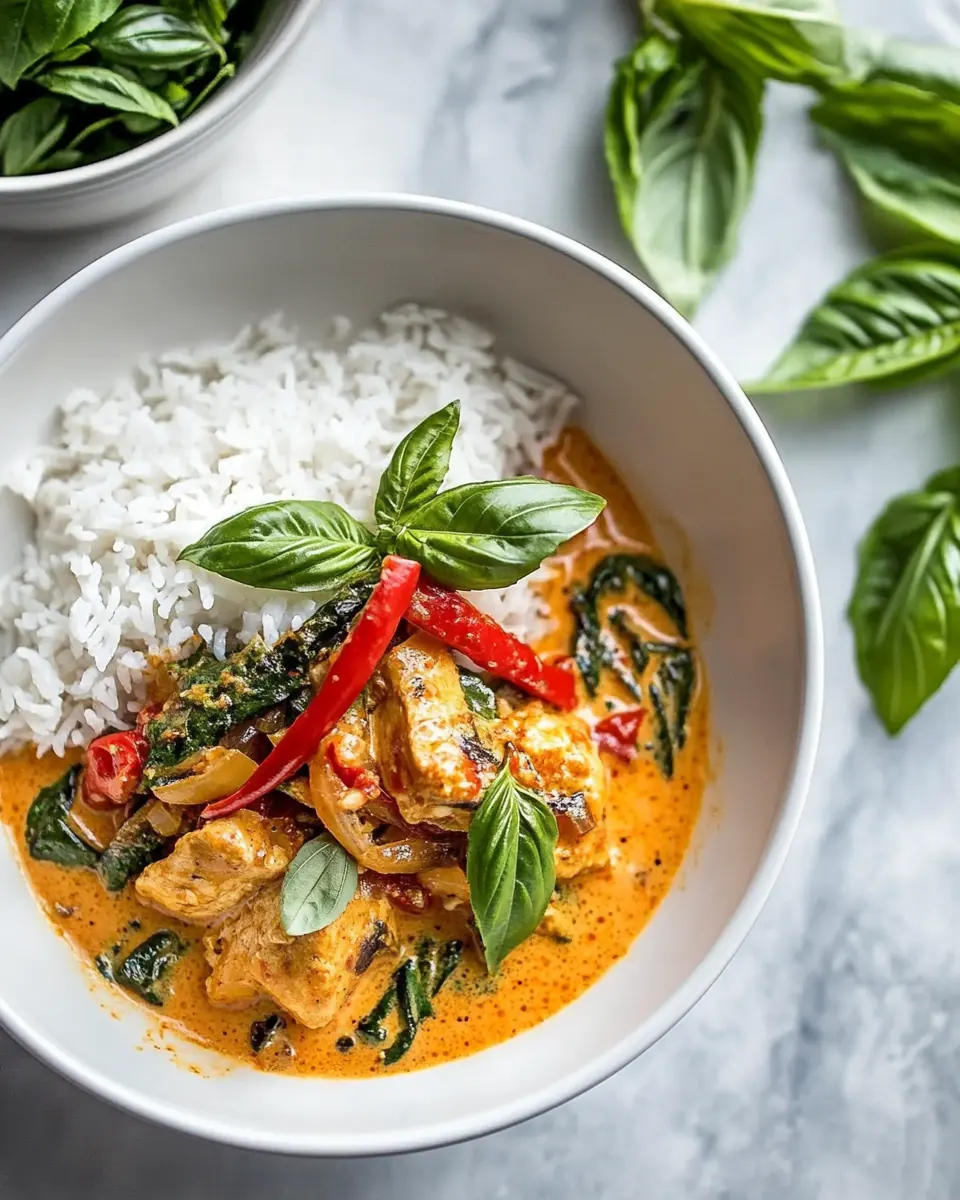
Bringing this dish together is a satisfying blend of quick mise en place, active stovetop work, and patient simmering. I like to have everything measured and chopped before I turn on the heat, because the first few minutes require attention. The following steps expand the directions into sensory guidance, reasons why the technique matters, and what to watch for at each stage.
- Open a can of full-fat coconut milk and pour a small amount (about 1/4 cup) into a large skillet or dutch oven. Add the onion and saute until very fragrant and softened, about 5 to 8 minutes. Add the bell pepper and saute an additional 2 minutes to soften.: As the warm milk hits the skillet you will notice it separates slightly, releasing fragrant coconut oils, which is perfect for blooming the curry paste. The scent should be soft and sweet, signaling the fat is ready to carry aromatics. Use a gentle medium heat to avoid scorching the milk, because burning will introduce a bitter note. A common mistake here is turning the heat too high and causing the milk to curdle, so keep the heat moderate and stir gently as you add the next ingredients.
- Add the remaining coconut milk, panang curry paste, peanut butter (almond butter), sugar, fish sauce, and sea salt and bring mixture to a full boil. Reduce heat to a simmer and cook 15 minutes to allow flavors to develop, stirring occasionally.: The onion should sizzle softly when it hits the pan, and within a few minutes you will smell a sweet, savory aroma as the natural sugars begin to emerge. Visually, the pieces will turn translucent and glossy, shrinking slightly in size. This step builds the foundational flavor layer, which is why taking the time matters. If the onion browns too quickly, lower the heat and stir more often to avoid a bitter edge.
- While you are sautéing the onion and bell pepper (and simmering the panang sauce), heat a separate skillet over medium-high and add about a tablespoon of coconut oil (or cooking oil of choice). Add the chopped chicken and brown on two sides, about 3 to 5 minutes.: When you add the red bell pepper , the pan will hiss a bit, and the pepper should become tender while still holding some structure. The color will brighten and the scent will become fruitier, which contrasts nicely with the savory base. This brief cook prevents the pepper from turning limp and losing its fresh note. Overcooking here removes the crispness and can make the texture mushy, so aim for just softened.
- Cover this skillet and continue cooking until chicken is cooked through, about 3 to 5 minutes. Drain any excess liquid off of the chicken. Transfer the chicken to the skillet/pot with the curry mixture. Continue cooking a gentle simmer for additional 10 minutes to allow flavors to come together.: As you pour in the remaining coconut milk the sauce will look pale and creamy, and stirring in the panang curry paste will immediately tint it a warm, inviting color. The aroma intensifies as the paste blooms in the fat, and folding in the peanut butter adds a silky sheen. Bringing the pot to a full boil briefly helps meld flavors, but keep a close eye because coconut milk can foam up. Boiling too vigorously may split the sauce, so lower to a simmer once it reaches a rolling bubble.
- Serve panang curry with your choice of rice, cauliflower rice, zucchini noodles, quinoa, etc.: At a gentle simmer you will see small bubbles around the edges and the sauce will thicken slightly, taking on a more concentrated aroma. This resting simmer is where flavors deepen and marry, giving the curry its characteristic roundness. Stir occasionally to prevent sticking and to encourage even reduction. If you skip this time the curry may taste one dimensional, so be patient and let the sauce settle into its full character.
- While you are sautéing the onion and bell pepper and simmering the panang sauce heat a separate skillet over medium-high and add about a tablespoon of coconut oil: Heating a separate pan yields better texture for the chicken , and the small pool of coconut oil will shimmer when ready. You should hear a bright sizzle when the chicken hits the pan, which indicates good contact and browning potential. If the oil smokes heavily the pan is too hot, which can char the surface without cooking through. Moderate the heat to maintain control.
- Add the chopped chicken and brown on two sides, about 3 to 5 minutes: As the chicken sears you will see a golden crust form and hear a satisfying sizzle. That crust boosts flavor through the Maillard reaction, and it helps the meat hold juices during the simmer. Aim for even browning on each side and avoid moving the chicken too frequently, because that prevents a proper sear. A common error is crowding the pan, which causes steaming instead of browning, so cook in batches if needed.
- Cover this skillet and continue cooking until chicken is cooked through, about 3 to 5 minutes: Covering helps the internal temperature rise evenly, making the chicken tender and juicy. You will hear less sizzle as steam accumulates, and the surface will firm up to a cooked texture. Use a timer or an instant read thermometer to ensure doneness, aiming for fully opaque pieces and juice that runs clear. Overcooking here leads to dryness, so check early if your pieces are small.
- Drain any excess liquid off of the chicken: After cooking, draining helps prevent the curry sauce from becoming too thin when you combine everything. You might notice a small amount of rendered liquid in the pan, which is normal; tipping the pan and using tongs works well to remove excess. Leaving too much liquid can dilute the sauce and change the intended texture, so be mindful to remove what is not needed.
- Transfer the chicken to the skillet pot with the curry mixture: As you add the browned chicken into the simmering curry, you will hear the sauce bubble more actively, and the pieces will begin to take on the sauce color. This step allows the chicken to finish absorbing flavors while the sauce thickens further, integrating texture and seasoning. Stir gently to coat each piece, taking care not to break the meat apart. Vigorous stirring can shred the chicken and change the mouthfeel.
- Continue cooking a gentle simmer for additional 10 minutes to allow flavors to come together: During this final simmer the sauce will reduce a touch and cling to the chicken , becoming glossy and slightly thicker. The aroma should become harmonious, with the nutty, sweet, and savory notes balanced. Taste and adjust seasoning with a pinch of sea salt if needed. Avoid letting the sauce evaporate completely, which would make it too thick and intense, so maintain a gentle bubble.
- Serve panang curry with your choice of rice cauliflower rice zucchini noodles quinoa etc: The warm sauce will glisten as you spoon it over your chosen base, and the contrast in textures adds to the experience. Traditional jasmine rice soaks up sauce, while lighter options keep the dish fresher. Plate with care to show the bright red pepper against the creamy curry. One mistake is serving it straight from a stone cold pan, so allow it to rest a minute so flavors finish settling.
Recipe Tips about Thai Panang Curry
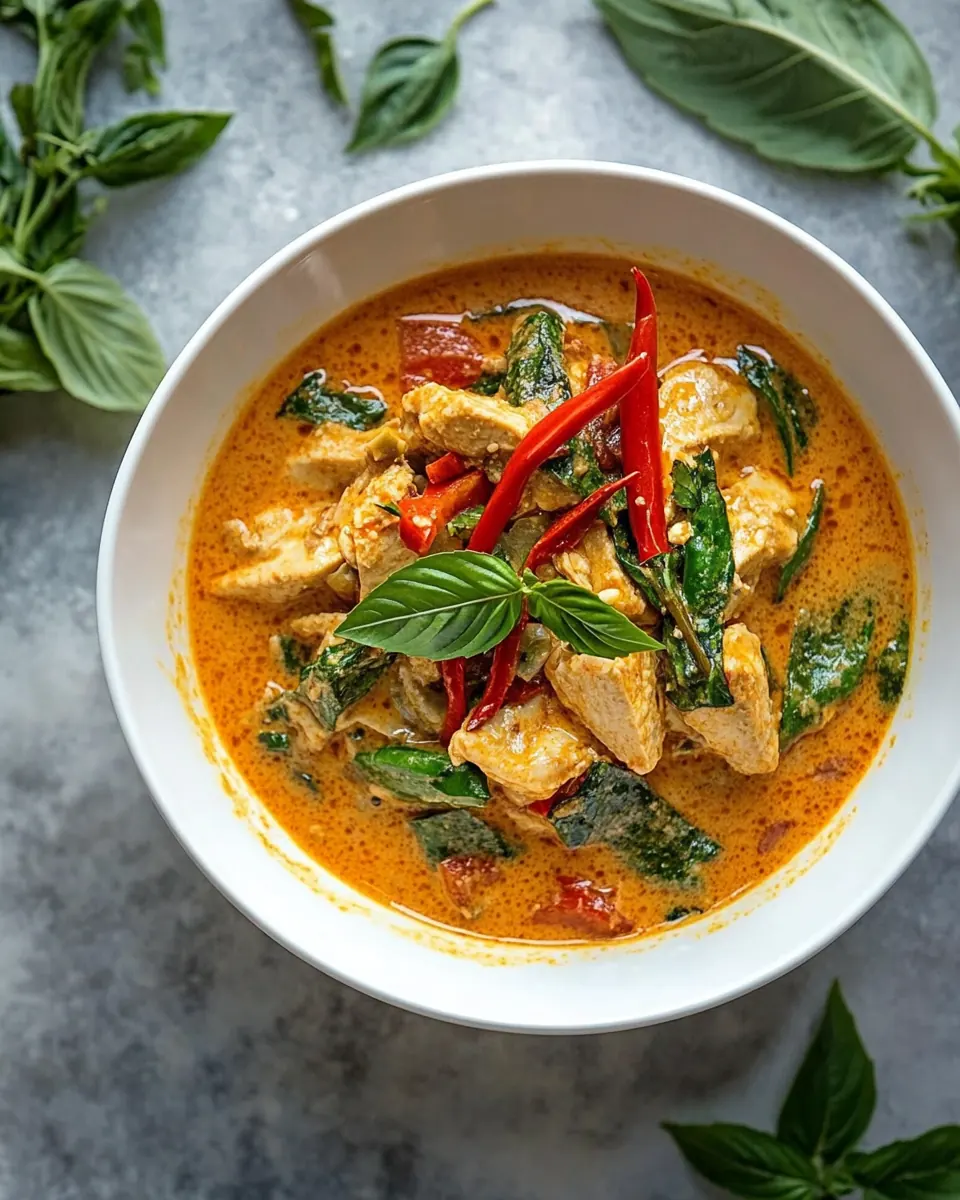
I like to think of tips as small design choices that make the final dish sing. These pointers focus on timing, texture, and getting the balance of savory sweet and nutty just right. Read them before you start, and you will feel more confident at the stove.
- Measure the curry paste, because a little goes a long way and the potency can vary between brands; start with the listed amount and adjust gently after the simmer.
- Reserve and bloom coconut milk, as using a small portion to release the curry oils enhances aroma and prevents the paste from clumping when added to cold liquid.
- Sear chicken in a hot pan, which creates a flavorful exterior that contrasts with the tender interior and improves the overall mouthfeel of the finished curry.
- Use unsweetened nut butter, ensuring the curry stays balanced; sweetened varieties will push the profile too far toward dessert territory.
- Simmer gently, since a vigorous boil can break the coconut milk and alter texture; aim for small, even bubbles around the edge.
- Taste and adjust late, adding salt or sugar near the end so you can fine tune the harmony without overshooting the flavors.
How to Serve Thai Panang Curry
This curry is versatile in presentation and pairing. Whether you want a cozy dinner for two or a casual family meal, there are simple ways to elevate the plate and match the occasion. Below are detailed serving suggestions and storage notes to keep the curry tasting its best.
- Classic jasmine rice, spoon the curry over a bed of warm jasmine rice for an authentic and comforting experience that soaks up the sauce beautifully.
- Cauliflower rice, serve the curry over cauliflower rice for a lower carb option that still pairs well with the creamy sauce while adding a mild, fresh contrast.
- Zucchini noodles, for a lighter plating, use zucchini noodles to keep the meal bright and vegetable forward, which also makes a great summer serving idea.
- Quinoa, choose quinoa for a protein forward grain option that adds a slightly nutty texture and pairs nicely with the curry‘s creaminess for a more filling bowl.
- Family style, place the skillet in the center of the table with rice on the side so everyone can serve themselves, making it perfect for casual dinners and gatherings.
- Meal prep, store in airtight containers in the refrigerator for up to four days, reheating gently over low heat to preserve the texture of the chicken and prevent the coconut milk from separating.
- Freezing, if you freeze leftovers, do so in portions and thaw in the refrigerator overnight before reheating slowly, as rapid reheating can cause separation of the sauce.
- Seasonal pairings, serve with a crisp cucumber salad or quick pickled vegetables to cut through the richness in warmer months, or pair with steamed greens in cooler months for a heartier meal.
- Occasions, this dish suits weeknight dinners, weekend entertaining, and special meals during Ramadan evenings when you want something flavorful and satisfying that feeds a family.
- Garnish ideas, keep it simple with a few fresh herbs or a wedge of lime on the side to add brightness just before serving.
FAQ
Conclusion
What makes this recipe special is the harmony between creamy full fat coconut milk, fragrant panang paste, and tender pieces of chicken that soak up the sauce. It is a dish that feels indulgent yet straightforward, delivering complex flavors without an intimidating technique. Give it a go on a busy weeknight or when you want to impress friends with minimal fuss, and you will likely find it becomes a reliable favorite in your rotation. I hope you enjoy the warm, layered taste and the cozy kitchen moments that come with making it.
Thai Panang Curry
Ingredients
Equipment
Method
- Open a can of full-fat coconut milk and pour a small amount (about 1/4 cup) into a large skillet or dutch oven. Add the onion and saute until very fragrant and softened, about 5 to 8 minutes. Add the bell pepper and saute an additional 2 minutes to soften.: As the warm milk hits the skillet you will notice it separates slightly, releasing fragrant coconut oils, which is perfect for blooming the curry paste. The scent should be soft and sweet, signaling the fat is ready to carry aromatics. Use a gentle medium heat to avoid scorching the milk, because burning will introduce a bitter note. A common mistake here is turning the heat too high and causing the milk to curdle, so keep the heat moderate and stir gently as you add the next ingredients.
- Add the remaining coconut milk, panang curry paste, peanut butter (almond butter), sugar, fish sauce, and sea salt and bring mixture to a full boil. Reduce heat to a simmer and cook 15 minutes to allow flavors to develop, stirring occasionally.: The onion should sizzle softly when it hits the pan, and within a few minutes you will smell a sweet, savory aroma as the natural sugars begin to emerge. Visually, the pieces will turn translucent and glossy, shrinking slightly in size. This step builds the foundational flavor layer, which is why taking the time matters. If the onion browns too quickly, lower the heat and stir more often to avoid a bitter edge.
- While you are sautéing the onion and bell pepper (and simmering the panang sauce), heat a separate skillet over medium-high and add about a tablespoon of coconut oil (or cooking oil of choice). Add the chopped chicken and brown on two sides, about 3 to 5 minutes.: When you add the red bell pepper , the pan will hiss a bit, and the pepper should become tender while still holding some structure. The color will brighten and the scent will become fruitier, which contrasts nicely with the savory base. This brief cook prevents the pepper from turning limp and losing its fresh note. Overcooking here removes the crispness and can make the texture mushy, so aim for just softened.
- Cover this skillet and continue cooking until chicken is cooked through, about 3 to 5 minutes. Drain any excess liquid off of the chicken. Transfer the chicken to the skillet/pot with the curry mixture. Continue cooking a gentle simmer for additional 10 minutes to allow flavors to come together.: As you pour in the remaining coconut milk the sauce will look pale and creamy, and stirring in the panang curry paste will immediately tint it a warm, inviting color. The aroma intensifies as the paste blooms in the fat, and folding in the peanut butter adds a silky sheen. Bringing the pot to a full boil briefly helps meld flavors, but keep a close eye because coconut milk can foam up. Boiling too vigorously may split the sauce, so lower to a simmer once it reaches a rolling bubble.
- Serve panang curry with your choice of rice, cauliflower rice, zucchini noodles, quinoa, etc.: At a gentle simmer you will see small bubbles around the edges and the sauce will thicken slightly, taking on a more concentrated aroma. This resting simmer is where flavors deepen and marry, giving the curry its characteristic roundness. Stir occasionally to prevent sticking and to encourage even reduction. If you skip this time the curry may taste one dimensional, so be patient and let the sauce settle into its full character.
- While you are sautéing the onion and bell pepper and simmering the panang sauce heat a separate skillet over medium-high and add about a tablespoon of coconut oil: Heating a separate pan yields better texture for the chicken , and the small pool of coconut oil will shimmer when ready. You should hear a bright sizzle when the chicken hits the pan, which indicates good contact and browning potential. If the oil smokes heavily the pan is too hot, which can char the surface without cooking through. Moderate the heat to maintain control.
- Add the chopped chicken and brown on two sides, about 3 to 5 minutes: As the chicken sears you will see a golden crust form and hear a satisfying sizzle. That crust boosts flavor through the Maillard reaction, and it helps the meat hold juices during the simmer. Aim for even browning on each side and avoid moving the chicken too frequently, because that prevents a proper sear. A common error is crowding the pan, which causes steaming instead of browning, so cook in batches if needed.
- Cover this skillet and continue cooking until chicken is cooked through, about 3 to 5 minutes: Covering helps the internal temperature rise evenly, making the chicken tender and juicy. You will hear less sizzle as steam accumulates, and the surface will firm up to a cooked texture. Use a timer or an instant read thermometer to ensure doneness, aiming for fully opaque pieces and juice that runs clear. Overcooking here leads to dryness, so check early if your pieces are small.
- Drain any excess liquid off of the chicken: After cooking, draining helps prevent the curry sauce from becoming too thin when you combine everything. You might notice a small amount of rendered liquid in the pan, which is normal; tipping the pan and using tongs works well to remove excess. Leaving too much liquid can dilute the sauce and change the intended texture, so be mindful to remove what is not needed.
- Transfer the chicken to the skillet pot with the curry mixture: As you add the browned chicken into the simmering curry, you will hear the sauce bubble more actively, and the pieces will begin to take on the sauce color. This step allows the chicken to finish absorbing flavors while the sauce thickens further, integrating texture and seasoning. Stir gently to coat each piece, taking care not to break the meat apart. Vigorous stirring can shred the chicken and change the mouthfeel.
- Continue cooking a gentle simmer for additional 10 minutes to allow flavors to come together: During this final simmer the sauce will reduce a touch and cling to the chicken , becoming glossy and slightly thicker. The aroma should become harmonious, with the nutty, sweet, and savory notes balanced. Taste and adjust seasoning with a pinch of sea salt if needed. Avoid letting the sauce evaporate completely, which would make it too thick and intense, so maintain a gentle bubble.
- Serve panang curry with your choice of rice cauliflower rice zucchini noodles quinoa etc: The warm sauce will glisten as you spoon it over your chosen base, and the contrast in textures adds to the experience. Traditional jasmine rice soaks up sauce, while lighter options keep the dish fresher. Plate with care to show the bright red pepper against the creamy curry. One mistake is serving it straight from a stone cold pan, so allow it to rest a minute so flavors finish settling.
Notes
- Measure the curry paste, because a little goes a long way and the potency can vary between brands; start with the listed amount and adjust gently after the simmer.
- Reserve and bloom coconut milk, as using a small portion to release the curry oils enhances aroma and prevents the paste from clumping when added to cold liquid.
- Sear chicken in a hot pan, which creates a flavorful exterior that contrasts with the tender interior and improves the overall mouthfeel of the finished curry.
- Use unsweetened nut butter, ensuring the curry stays balanced; sweetened varieties will push the profile too far toward dessert territory.
- Simmer gently, since a vigorous boil can break the coconut milk and alter texture; aim for small, even bubbles around the edge.
- Taste and adjust late, adding salt or sugar near the end so you can fine tune the harmony without overshooting the flavors.