Lemon Poppy Seed Bread
Lemon Poppy Seed Bread is the loaf I reach for when I want something bright, tender, and a little nostalgic. The very first time I made this, I was chasing a childhood memory of a bakery slice that tasted like sunshine, and the zing of citrus with the tiny crunch of poppyseed brought that memory back in an instant.
I remember pulling a warm loaf from the pan, the kitchen filled with a scent that was both sweet and sharply lemony, and thinking that this simple combination of pantry staples could feel so special. Over time I learned a few tricks to keep the crumb soft and the top glossy after glaze, and I love sharing those small adjustments because they change the loaf from good to unforgettable.
Friends ask me for this recipe when they want an easy dessert for potlucks or a bright breakfast for a slow weekend morning. I like to slice it thin with my afternoon tea, or thicker for weekend brunch, and it rarely lasts long. The balance of all purpose flour, granulated sugar, maple syrup, and a sharp hit of lemon makes it versatile, and the little pops of poppyseed are the kind of texture detail people notice but cannot name.
Over the years I also played with oil choices to keep the loaf moist, and swapped in unsweetened apple sauce for part of the fat to lighten it without drying out the crumb. If you like a crust that glistens under a lemon glaze, the method in this recipe will get you there. Try it once, and you may find yourself baking it on repeat.
Recipe Snapshot
1 hr 15 mins
15 mins
60 mins
Medium
250 kcal
American
Gluten-Free, Vegan
Desserts
Loaf pan, Mixing bowls, Whisk, Cooling rack
What Makes This Lemon Poppy Seed Bread Special
Bright, focused citrus flavor
I love that Lemon Poppy Seed Bread offers a clear citrus note without overpowering the rest of the loaf. The combination of lemon zest and a touch of lemon juice in the glaze cuts through the sweetness, keeping each slice lively and clean on the palate, which makes it stand out at any table.
Comforting texture with a little crunch
The crumb is tender and slightly springy, thanks to the balance of all purpose flour, liquids, and the right mixing method. Meanwhile, the poppyseed adds a subtle crunchy counterpoint that keeps the bite interesting. That contrast is simple but highly effective.
Quick and forgiving method
I appreciate recipes that welcome small mistakes, and this loaf is one of them. Using a mix of canola oil and unsweetened apple sauce gives some forgiveness on moisture, so slight overmixing or a minor misread on the oven time usually still yields a great loaf. That forgiving nature makes it perfect for busy home bakers.
Versatile for occasions
Whether you bring Lemon Poppy Seed Bread to a brunch, serve it with coffee for an afternoon guest, or enjoy it as a light dessert, it adapts well. The glaze can be thicker or thinner depending on how sweet you want it to be, and the loaf slices cleanly for gifting, which is one of my favorite ways to share it.
Ingredient driven and accessible
The ingredient list uses pantry staples like granulated sugar, maple syrup, and eggs, so there’s no specialty shopping required. Small choices, like fresh lemon zest and room temperature eggs, have an outsized impact on taste and texture, which I always point out when I share this recipe with friends.
Ingredients You’ll Need for Lemon Poppy Seed Bread

This loaf celebrates balance and simplicity. The flour forms the tender structure, while sweeteners and fats keep the crumb moist. Bright citrus, tiny poppyseed specks, and a glossy glaze finish create a loaf that is both comforting and lively. The ingredients work together so that no single component overwhelms the rest, and small technique choices will make a noticeable difference.
- 2 cups all purpose flour: Provide the structure and bulk for the loaf, forming the framework that holds all other ingredients together; sift or whisk to ensure even texture and prevent lumps, leading to a tender crumb.
- 1 teaspoon baking soda: Act as a leavening agent to create lift and lightness by producing carbon dioxide when reacting with acidic components; measure carefully to avoid an overly airy or soapy flavor.
- 1 teaspoon salt: Enhance overall flavor balance and control yeast or baking reaction perception by subtly intensifying sweetness and other flavors; evenly distribute to avoid salty pockets.
- 1/2 teaspoon baking powder: Support leavening by adding additional lift and tenderness through a controlled reaction with heat; use the specified small amount to prevent an overly quick rise and coarse crumb.
- 1/2 cup granulated sugar: Add sweetness and help with browning, contributing to tender texture by interfering with gluten formation; creaming with wet fats can incorporate tiny air pockets for lightness.
- 1/2 cup real maple syrup: Provide additional sweetness and moisture while adding depth of flavor and a mild caramel note; blending with other sweeteners helps maintain a moist, denser crumb without crystalized graininess.
- 6 tablespoons canola oil or vegetable oil: Contribute fat for tenderness, moisture, and a soft crumb while aiding in even baking and preventing sticking; choose a neutral oil to let citrus and poppy flavors shine.
- 2/3 cup unsweetened apple sauce: Introduce moisture and a natural binding element while reducing overall fat content; unsweetened applesauce also helps keep the loaf soft and adds subtle fruitiness without extra sugar.
- 2 large eggs at room temperature: Bind ingredients, add structure, and enrich flavor and color while promoting leavening through trapped air in beaten eggs; bring to room temperature to mix more evenly and yield better volume.
- 1 teaspoon vanilla: Provide aromatic depth and a warm vanilla note that rounds out flavors and enhances sweetness perception; add to wet ingredients to distribute flavor uniformly throughout the batter.
- 1 teaspoon lemon extract , but recommended (optional): Impart concentrated citrus flavor when used, giving a bright lemony aroma and reinforcing fresh zest; optional but recommended to intensify lemon character without adding acidity.
- 1/4 cup lemon zest 5 lemons for me!: Deliver concentrated citrus oils and bright, fresh lemon flavor while contributing some texture; finely grate zest and measure packed or loose as preferred for consistent intensity.
- 1 tablespoon poppyseed: Offer a mild nutty crunch and visual interest while contributing a traditional poppy seed profile; toast lightly if desired to heighten aroma before incorporating into batter.
- 1 cup powdered sugar: Create a smooth, sweet glaze or icing for finishing, adding sweetness and a silky coating that contrasts the crumb; sift to remove lumps and adjust thickness with liquid as needed.
- 1 2 tablespoons fresh lemon juice: Provide fresh acidity to balance sweetness and brighten flavor, especially in glazes or batter; start with less and adjust to taste for proper tartness and consistency.
How to Make Lemon Poppy Seed Bread

These instructions take you from mixing to a glazed, fragrant loaf. I will walk through each step with sensory cues, small reasons behind the techniques, and a troubleshooting note so you can avoid common pitfalls and feel confident at the oven door.
- Preheat oven to 325 degrees. Spray a loaf pan with nonstick cooking spray and set aside.: The warm air when you open the oven should feel steady, not blast hot, and the plan is to give the batter a gentle rise for an even crumb. Preheating ensures that the leavening begins reacting immediately, creating an even lift and a uniform interior. If you skip preheating you risk a dense loaf. A common mistake is placing the pan in a not fully heated oven, which leads to uneven rise and a gummy center.
- In a large bowl, whisk together: flour, baking soda, salt, baking powder, and granulated sugar. Create a well in the middle of the ingredients and pour in the wet ingredients: maple syrup, oil, apple sauce, eggs, extracts, and lemon zest. Stir the center of wet ingredients first before starting to incorporate the wet into the dry. Stir until dry ingredients are just combined. Add in poppyseed and stir again gently.: flour, baking soda, salt, baking powder, and granulated sugar. : You will smell the faint sweetness of the sugar and notice a dry, sandy texture from the flour mixture, which is important so the leavening is distributed evenly. Whisking aerates these dry elements so the loaf gets a light lift. If you do not whisk thoroughly, pockets of baking soda or powder can create uneven flavor or holes. One trap here is measuring flour too compactly, which makes the mixture heavy and leads to a denser result.
- Pour into prepared loaf pan and bake 50 minutes to 1 hour, or until a toothpick comes out clean. Cool 15 minutes in the pan before removing to a cooling rack. Cool completely.: maple syrup, oil, apple sauce, eggs, extracts, and lemon zest. : Look for the wet mixture to glisten as the oils and syrup catch the light, and the lemon zest will release its oils, offering a bright citrus scent. Making a well helps you combine wet and dry more gently, preventing overmixing when the batters meet. If you dump wet into dry all at once and overwork the batter, gluten develops and the loaf becomes tough. A typical mistake is not bringing the eggs to room temperature, which can make the batter sluggish and uneven.
- For the glaze, stir powdered sugar together with just enough lemon juice to create a thick glaze the consistency of white school glue. Drizzle generously over loaf and enjoy!: As you stir, the wet center should smooth out into a glossy pool dotted with zest, which indicates a cohesive mixture ready to meet the dry. This method ensures the heavier liquids blend before encountering flour, giving a more even batter. If you skip this and mix everything aggressively, you risk creating a flat, overdeveloped crumb. Watch for streaks of unmixed flour, as working past that point causes toughness.
- Stir until dry ingredients are just combined.: You should stop when you see no large pockets of flour, but a few small streaks are fine, because residual mixing will equalize them. The batter will be slightly viscous and shiny from the maple syrup and oil. Overmixing at this stage makes the texture chewier and can produce tunnels. A common error is thinking a completely smooth batter is the goal in quick breads; that leads to a heavy loaf.
- Add in poppyseed and stir again gently.: When the poppyseed is folded in, you will feel tiny specks through the batter and see the contrast against the pale mix, adding visual interest. Gentle folding keeps the seeds evenly dispersed without overworking the batter. Aggressive stirring can crush or clump seeds and toughen the dough. Avoid adding too many seeds which would shift texture balance.
- Pour into prepared loaf pan and bake 50 minutes to 1 hour, or until a toothpick comes out clean.: As the loaf bakes, you will notice a gentle rise and the top gaining a light golden color, with a warm, citrus aroma filling the kitchen. The toothpick test is your best cue for doneness, because oven temps vary. If you remove too early the center will be underbaked and gummy. A common mistake is relying solely on surface color, which can mislead when ovens brown differently.
- Cool 15 minutes in the pan before removing to a cooling rack.: Leaving the loaf to rest slightly helps it finish setting, and the steam that escapes will keep the crumb tender. After 15 minutes, the loaf should pull away lightly from the pan edges and feel slightly springy to the touch. If you try to slice it too soon, it can tear and compress. Another trap is letting it cool fully in the pan, which can create condensation on the bottom and a soggy texture.
- Cool completely.: The loaf should reach room temperature so the glaze adheres and the interior firms without being dry. Cooling completely prevents the glaze from melting into a thin film and gives cleaner slices. If you glaze a warm loaf, the sugar will run off and form a hard sheet below the crust. A common error is impatience, which results in a messy glaze and less attractive slices.
- For the glaze, stir powdered sugar together with just enough lemon juice to create a thick glaze the consistency of white school glue.: The powdered sugar will shimmer as you whisk, and the lemon juice lends a bright tang that cuts the sweetness. Aim for a pourable but thick texture so the glaze coats the loaf and sets to a glossy finish. If the glaze is too thin, it will soak in and disappear; if too thick, it will clump and not spread. A frequent mistake is adding all the juice at once, making the glaze too runny. Add lemon juice gradually and test the drip on a spoon.
- Drizzle generously over loaf and enjoy!: As you drizzle, the glaze should form soft ribbons that slowly set, leaving a shiny top and delicate lemon aroma. Allow a few minutes for the glaze to firm before slicing to keep clean edges. If you slice immediately, the glaze may smear and tear. People often rush to taste, but letting it rest yields neater slices and better presentation.
Make It Your Own
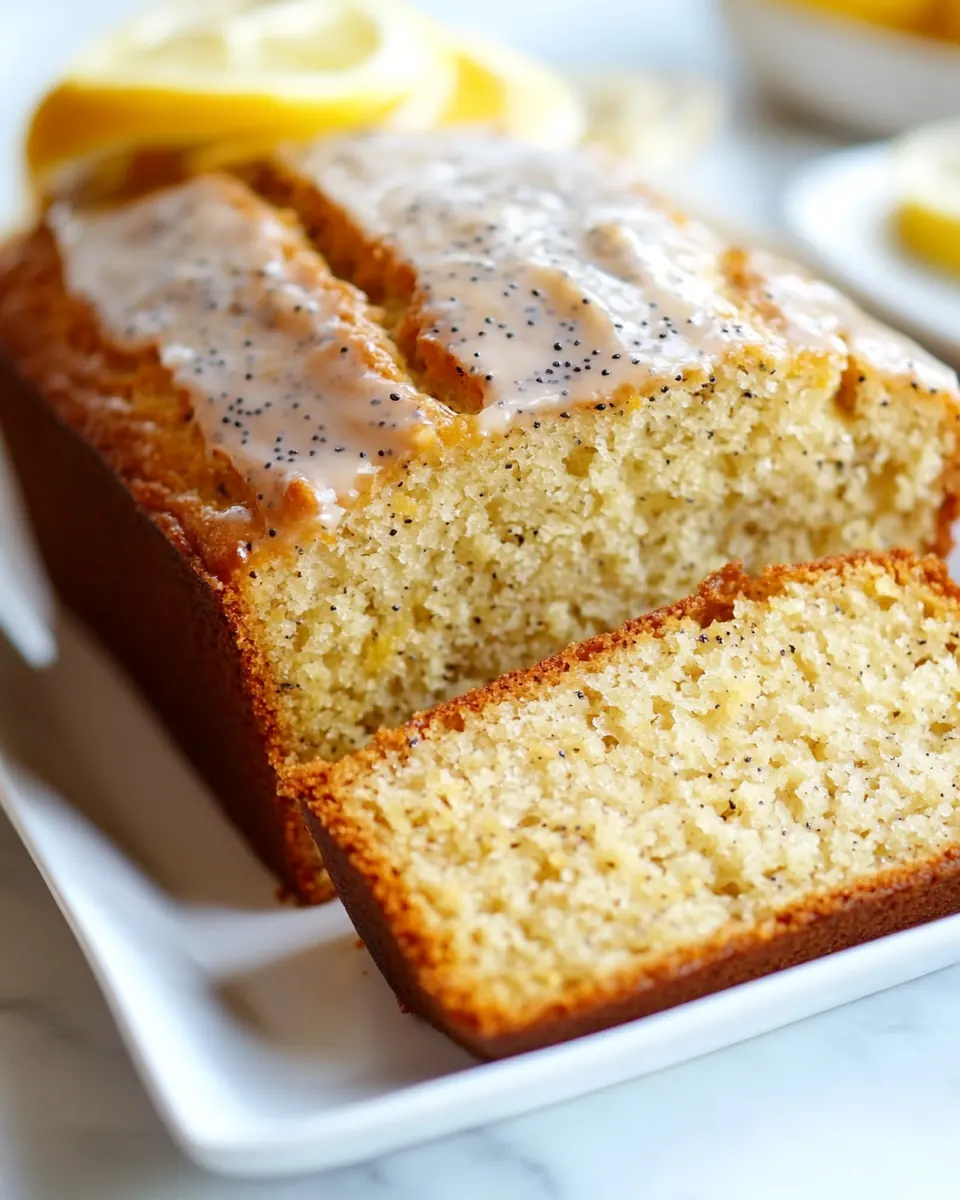
This section helps you personalize Lemon Poppy Seed Bread with modest swaps and presentation ideas. Small tweaks can highlight citrus, texture, or sweetness without changing the base method. Below are focused tips to guide your adjustments and keep the loaf reliable every time.
- Boost lemon intensity. Add extra lemon zest or the optional lemon extract for a bolder citrus profile. Taste the batter before baking and adjust zest in small increments so the lemon does not become overwhelmingly bitter from pith.
- Control sweetness. Reduce the powdered sugar in the glaze or start with 1 tablespoon of lemon juice to keep the top tangy rather than cloying. You can always add more juice to thin the glaze if needed.
- Keep it moist longer. Using the combination of canola oil and unsweetened apple sauce preserves crumb moisture. Store wrapped in plastic at room temperature for up to three days to maintain softness.
- Mix gently. Fold the poppyseed in at the end to distribute it without crushing or overworking the batter, which preserves texture.
- Oven calibration matters. If your oven runs hot, lower the temperature by 10 degrees and check earlier; a cooler, longer bake can yield a more even crumb.
- Glaze consistency. Aim for a school glue like thickness for the glaze so it holds on the loaf surface and creates a pretty finish without dripping away.
What to Serve With Lemon Poppy Seed Bread
This loaf pairs beautifully with simple accompaniments and fits many occasions. Offer it at brunch, as an afternoon treat, or as a light dessert after a lemon forward meal. Below are serving ideas, storage notes, and seasonal pairings to help you present the loaf confidently.
- Brunch spread. Serve slices alongside fresh fruit and a pot of coffee or tea for an easy brunch that looks deliberate and tastes balanced. The brightness of the loaf offsets richer items like scrambled eggs.
- Afternoon tea. Present thin slices with a small dish of softened butter and herbal tea. The loaf’s texture makes it ideal for sipping with a warm cup and quiet conversation.
- Gift loaf. Wrap a cooled, glazed loaf in parchment and tie with twine for a thoughtful hostess gift. It travels well for short distances and feels homemade and elegant.
- Seasonal pairing. In spring, pair with light salads or fresh berries; in cooler months, serve with a dollop of plain yogurt to add creaminess and temper the citrus.
- Storage tips. Keep the loaf wrapped tightly at room temperature for up to three days, or freeze slices in a sealed bag for up to two months. Thaw at room temperature or warm gently in a low oven for a refreshed texture.
- Occasion notes. This loaf is great for casual gatherings, potlucks, and Ramadan suhoor when you want something light but satisfying. Its adaptable sweetness makes it appropriate for many tables.
FAQ
Conclusion
Lemon Poppy Seed Bread stands out for its bright citrus punch, tender crumb, and pleasing little pops of texture from the seeds. It’s a straightforward loaf that delivers big flavor with pantry friendly ingredients, and the glaze gives it a polished finish that feels special. Give it a try on a weekend morning or bring it to your next gathering, and enjoy the small rituals of zesting, mixing, and that first warm slice. I hope this recipe becomes one of your trusted bakes, ready whenever you want a slice of citrus comfort.
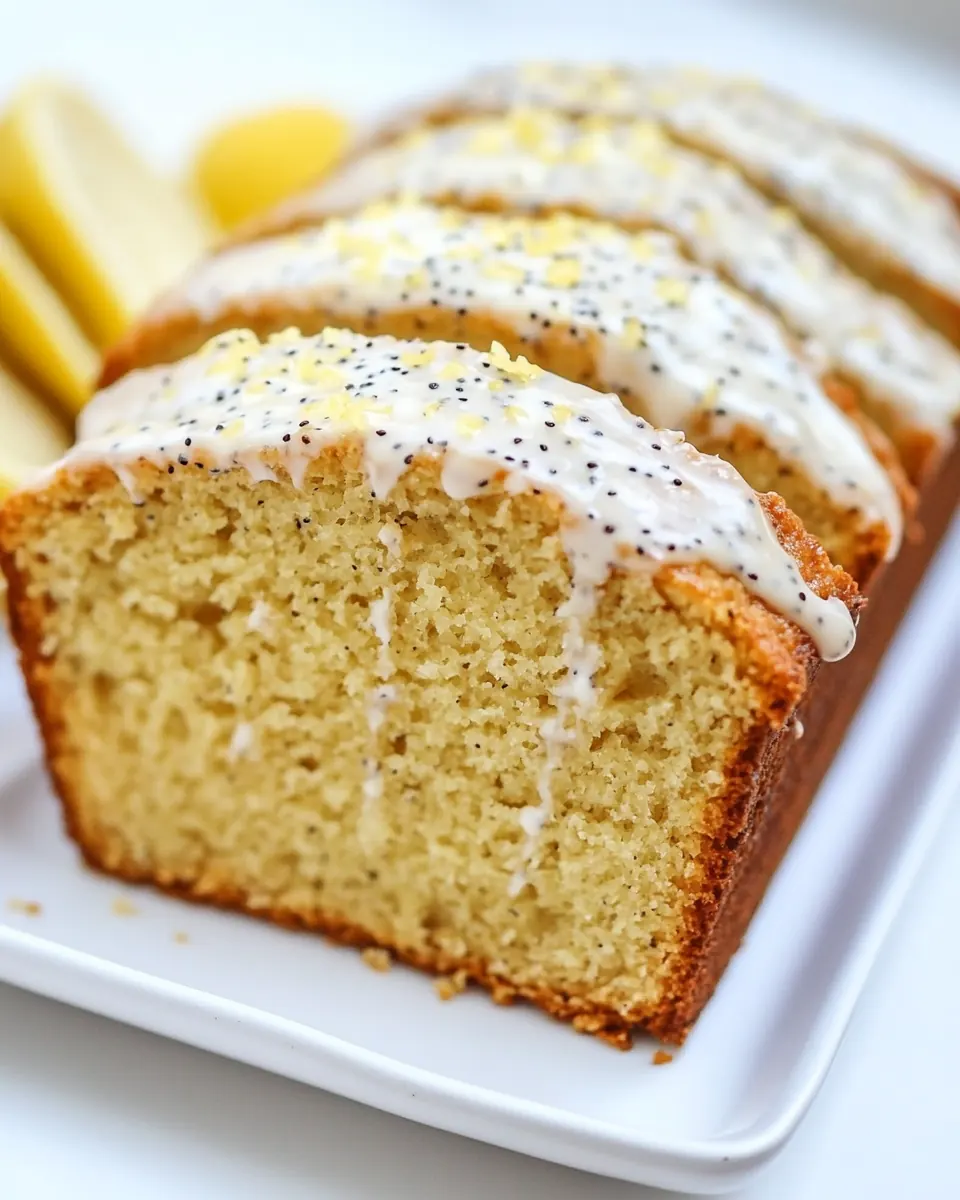
Lemon Poppy Seed Bread
Ingredients
Equipment
Method
- Preheat oven to 325 degrees. Spray a loaf pan with nonstick cooking spray and set aside.: The warm air when you open the oven should feel steady, not blast hot, and the plan is to give the batter a gentle rise for an even crumb. Preheating ensures that the leavening begins reacting immediately, creating an even lift and a uniform interior. If you skip preheating you risk a dense loaf. A common mistake is placing the pan in a not fully heated oven, which leads to uneven rise and a gummy center.
- In a large bowl, whisk together: flour, baking soda, salt, baking powder, and granulated sugar. Create a well in the middle of the ingredients and pour in the wet ingredients: maple syrup, oil, apple sauce, eggs, extracts, and lemon zest. Stir the center of wet ingredients first before starting to incorporate the wet into the dry. Stir until dry ingredients are just combined. Add in poppyseed and stir again gently.: flour, baking soda, salt, baking powder, and granulated sugar. : You will smell the faint sweetness of the sugar and notice a dry, sandy texture from the flour mixture, which is important so the leavening is distributed evenly. Whisking aerates these dry elements so the loaf gets a light lift. If you do not whisk thoroughly, pockets of baking soda or powder can create uneven flavor or holes. One trap here is measuring flour too compactly, which makes the mixture heavy and leads to a denser result.
- Pour into prepared loaf pan and bake 50 minutes to 1 hour, or until a toothpick comes out clean. Cool 15 minutes in the pan before removing to a cooling rack. Cool completely.: maple syrup, oil, apple sauce, eggs, extracts, and lemon zest. : Look for the wet mixture to glisten as the oils and syrup catch the light, and the lemon zest will release its oils, offering a bright citrus scent. Making a well helps you combine wet and dry more gently, preventing overmixing when the batters meet. If you dump wet into dry all at once and overwork the batter, gluten develops and the loaf becomes tough. A typical mistake is not bringing the eggs to room temperature, which can make the batter sluggish and uneven.
- For the glaze, stir powdered sugar together with just enough lemon juice to create a thick glaze the consistency of white school glue. Drizzle generously over loaf and enjoy!: As you stir, the wet center should smooth out into a glossy pool dotted with zest, which indicates a cohesive mixture ready to meet the dry. This method ensures the heavier liquids blend before encountering flour, giving a more even batter. If you skip this and mix everything aggressively, you risk creating a flat, overdeveloped crumb. Watch for streaks of unmixed flour, as working past that point causes toughness.
- Stir until dry ingredients are just combined.: You should stop when you see no large pockets of flour, but a few small streaks are fine, because residual mixing will equalize them. The batter will be slightly viscous and shiny from the maple syrup and oil. Overmixing at this stage makes the texture chewier and can produce tunnels. A common error is thinking a completely smooth batter is the goal in quick breads; that leads to a heavy loaf.
- Add in poppyseed and stir again gently.: When the poppyseed is folded in, you will feel tiny specks through the batter and see the contrast against the pale mix, adding visual interest. Gentle folding keeps the seeds evenly dispersed without overworking the batter. Aggressive stirring can crush or clump seeds and toughen the dough. Avoid adding too many seeds which would shift texture balance.
- Pour into prepared loaf pan and bake 50 minutes to 1 hour, or until a toothpick comes out clean.: As the loaf bakes, you will notice a gentle rise and the top gaining a light golden color, with a warm, citrus aroma filling the kitchen. The toothpick test is your best cue for doneness, because oven temps vary. If you remove too early the center will be underbaked and gummy. A common mistake is relying solely on surface color, which can mislead when ovens brown differently.
- Cool 15 minutes in the pan before removing to a cooling rack.: Leaving the loaf to rest slightly helps it finish setting, and the steam that escapes will keep the crumb tender. After 15 minutes, the loaf should pull away lightly from the pan edges and feel slightly springy to the touch. If you try to slice it too soon, it can tear and compress. Another trap is letting it cool fully in the pan, which can create condensation on the bottom and a soggy texture.
- Cool completely.: The loaf should reach room temperature so the glaze adheres and the interior firms without being dry. Cooling completely prevents the glaze from melting into a thin film and gives cleaner slices. If you glaze a warm loaf, the sugar will run off and form a hard sheet below the crust. A common error is impatience, which results in a messy glaze and less attractive slices.
- For the glaze, stir powdered sugar together with just enough lemon juice to create a thick glaze the consistency of white school glue.: The powdered sugar will shimmer as you whisk, and the lemon juice lends a bright tang that cuts the sweetness. Aim for a pourable but thick texture so the glaze coats the loaf and sets to a glossy finish. If the glaze is too thin, it will soak in and disappear; if too thick, it will clump and not spread. A frequent mistake is adding all the juice at once, making the glaze too runny. Add lemon juice gradually and test the drip on a spoon.
- Drizzle generously over loaf and enjoy!: As you drizzle, the glaze should form soft ribbons that slowly set, leaving a shiny top and delicate lemon aroma. Allow a few minutes for the glaze to firm before slicing to keep clean edges. If you slice immediately, the glaze may smear and tear. People often rush to taste, but letting it rest yields neater slices and better presentation.
Notes
- Boost lemon intensity. Add extra lemon zest or the optional lemon extract for a bolder citrus profile. Taste the batter before baking and adjust zest in small increments so the lemon does not become overwhelmingly bitter from pith.
- Control sweetness. Reduce the powdered sugar in the glaze or start with 1 tablespoon of lemon juice to keep the top tangy rather than cloying. You can always add more juice to thin the glaze if needed.
- Keep it moist longer. Using the combination of canola oil and unsweetened apple sauce preserves crumb moisture. Store wrapped in plastic at room temperature for up to three days to maintain softness.
- Mix gently. Fold the poppyseed in at the end to distribute it without crushing or overworking the batter, which preserves texture.
- Oven calibration matters. If your oven runs hot, lower the temperature by 10 degrees and check earlier; a cooler, longer bake can yield a more even crumb.
- Glaze consistency. Aim for a school glue like thickness for the glaze so it holds on the loaf surface and creates a pretty finish without dripping away.