Pineapple Bars
Pineapple Bars have been a kitchen staple for me since a sun drenched summer when my neighbor handed over a plate of sticky, tropical squares and said, “You have to try these.” I remember the first bite, the sweet tang of pineapple cutting through creamy coconut, and how the crumbly base held everything together without stealing the spotlight. That memory turned into a ritual, and I started testing small tweaks on lazy afternoons, swapping oils, draining fruit more or less, paying attention to that perfect balance of chew and snap.
Over time I learned the little things that make Pineapple Bars sing. A well pressed crust, well drained crushed pineapple, and the decision of whether to use oil or butter each nudge the texture in a different direction. I found that chilling the bars until they are firm enough to slice yields neat edges and a contrast of temperatures that feels indulgent on the tongue. I love serving these from a chilled tray at casual gatherings because they travel well and brighten the dessert table.
Recipe Snapshot
50 mins
15 mins
35 mins
Medium
150 kcal
American
Gluten-Free, Keto
Desserts
8 inch baking pan, Parchment paper, Mixing bowl, Measuring cup, Wire rack
Why This Pineapple Bars Shines
Bright tropical flavor with minimal fuss
I love how Pineapple Bars deliver a punch of fruit without a long ingredient list. The mingling of crushed pineapple and coconut gives a lively flavor that reads summer in every bite, yet the method is straightforward enough for a busy afternoon.
Textural contrast that keeps people coming back
The crisp, pressed crumb base paired with a soft, coconut enriched filling creates a delightful contrast. I often tweak whether to include oil or not, since that choice alters the crust from more traditional and slightly crumbly to softer and chewier. That variety means you can adapt the bars based on what your guests prefer.
Flexible for dietary preferences
These bars are forgiving. Using canned full fat coconut milk and shredded coconut keeps things rich without dairy, and swapping the sweetener allows you to control sugar and texture. I appreciate recipes that let me experiment rather than sticking to one rigid path.
Make ahead and travel friendly
I often make a pan ahead of time because Pineapple Bars store beautifully in the fridge or freezer. They firm up, slice cleanly, and are easy to portion for picnics, potlucks, or to tuck into a lunchbox. The resilience during transport is a major reason I keep this recipe in my rotation.
Simple pantry ingredients, impressive results
One of my favorite things about these bars is how pantry friendly they are. With graham cracker crumbs, coconut, coconut milk, and crushed pineapple, you can create something that looks and tastes special without hunting for obscure items. That makes this recipe a dependable choice whenever you want to impress with minimal effort.
Ingredients Overview for Pineapple Bars
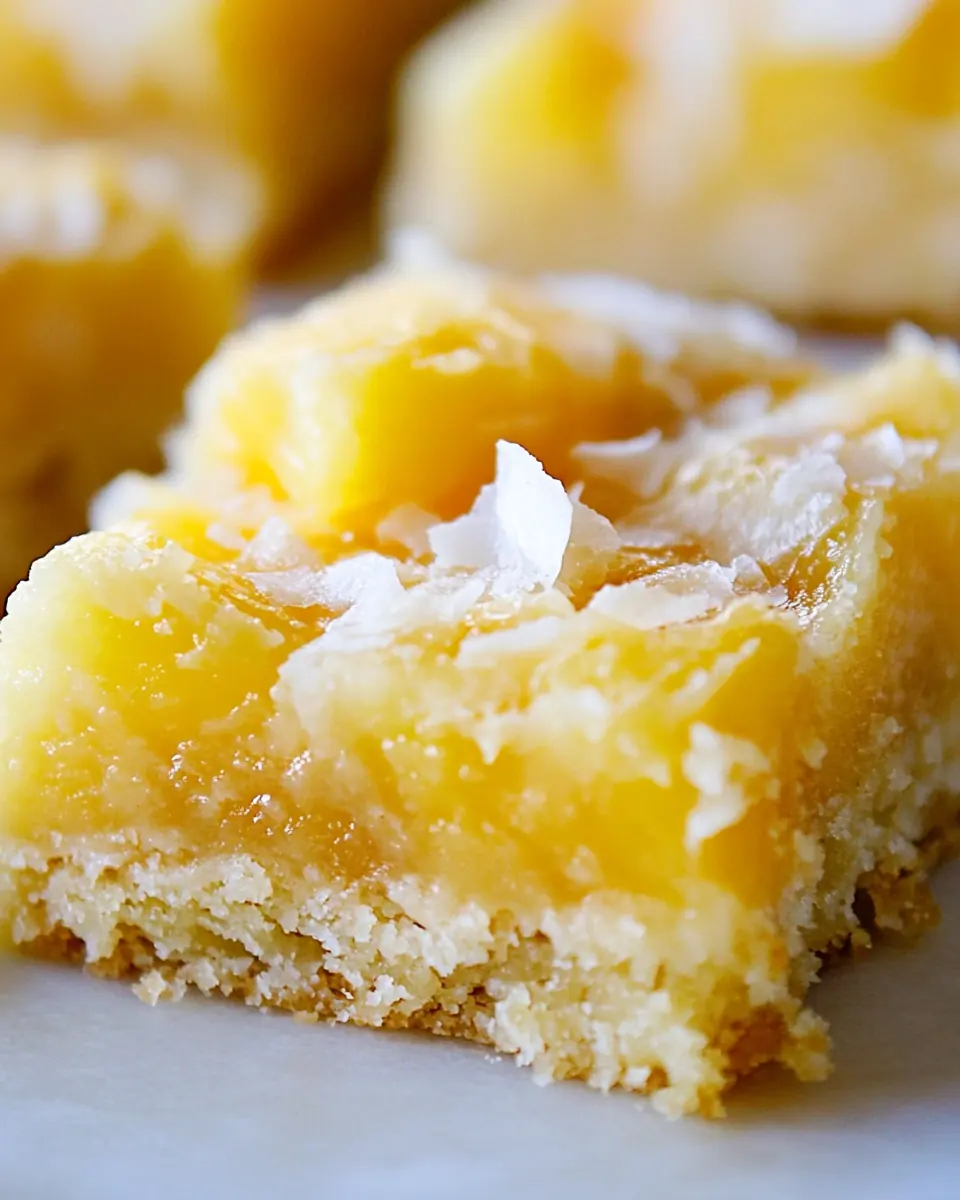
These ingredients are intentionally simple and complementary. The crust made from graham cracker crumbs provides a buttery, slightly sweet foundation that frames the tropical notes. The trio of crushed pineapple, shredded coconut, and canned coconut milk creates a creamy, lush filling, while a small amount of oil or butter helps bind the crumbs and deepen flavor. Together they balance sweetness, texture, and moisture for bars that cut clean and taste layered.
- 1 1/2 cups fine graham cracker crumbs (For keto, try these Keto Magic Bars): Crushed into fine crumbs and used as the base layer to provide structure and a crisp, sandy texture; binds with fats to form a sturdy crust that contrasts the creamy filling. Adds subtle sweetness and toasty flavor when lightly toasted, enhancing the overall dessert profile.
- 2 tbsp sweetener of choice: Added sparingly to sweeten the bars without adding moisture; balances the tartness of pineapple and can be adjusted to taste. Can be a sugar, sugar substitute, or granulated sweetener to maintain crumb texture in the crust and filling.
- 1 1/4 cup crushed pineapple, drained: Drained thoroughly and folded into the filling to provide bright, juicy pineapple flavor and tender fruit bits; contributes natural sweetness and acidity that balance the richness of coconut. Adds moisture and tropical character while requiring draining to prevent a soggy crust or overly wet filling.
- 2/3 cup full-fat shredded coconut, sweetened or unsweetened: Stirred into the filling to contribute chewy texture, tropical flavor, and additional body; full-fat shredded coconut enhances richness and mouthfeel. Can be sweetened or unsweetened depending on desired sweetness level and complements the pineapple for classic tropical bars.
- 1 1/4 cup full-fat canned coconut milk: Poured into the filling to add creaminess, richness, and a smooth coconut flavor; full-fat canned coconut milk increases fat content for a custard-like texture. Helps bind ingredients together and creates a luscious, silky mouthfeel in the finished bars.
- 3 tbsp oil or butter (omit if desired): Mixed into the crust or filling to help bind ingredients and add richness; oil or butter provides tenderness and a golden finish when baked. Can be omitted for a lighter or dairy-free option, though leaving it out may yield a firmer, less tender texture.
Instructions for Pineapple Bars
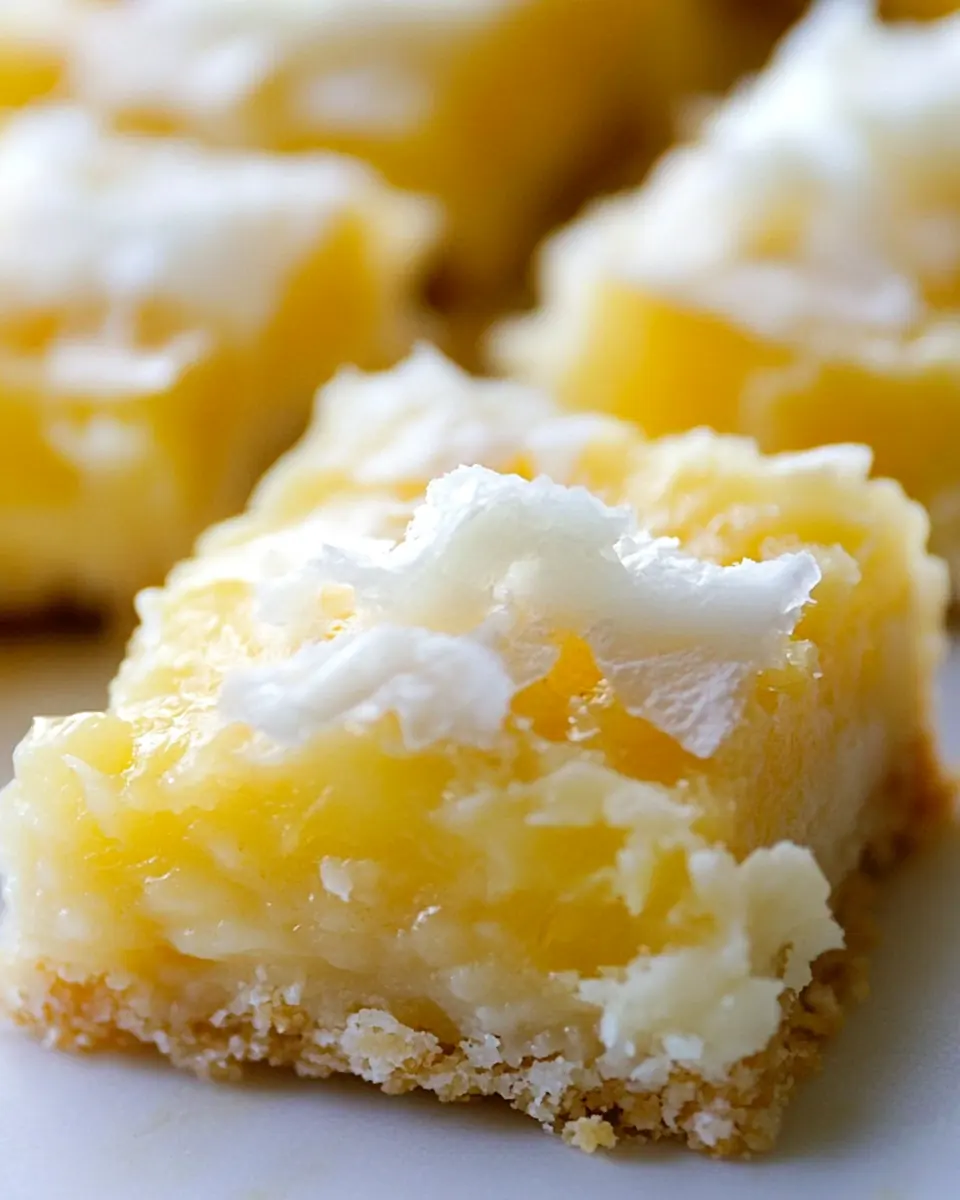
These directions are approachable and meant to guide you step by step while I tell you what to watch for with your senses. Expect clear visual and tactile cues so you know when the crust is pressed enough, when the filling looks set, and how to avoid a soggy finish. Read through once, then follow along in order.
- The oil or butter version will taste much more like traditional magic bar crust, while the oil free version has a softer crust that some find gummy (but not everyone minds), so it's completely your choice. To make the recipe: Line an 8-inch baking pan with parchment paper (or grease very well). Preheat the oven to 350 F. In a bowl, toss the cracker crumbs with sweetener and optional oil. Only if using a dry sweetener and no oil, also add 2 tbsp water. Spread evenly into the pan, and press down. Combine remaining ingredients in a bowl, spread on top of the crust, and place on the oven center rack. Bake 35 minutes. Remove and let cool, then freeze until chilled and firm enough to cut. Store leftovers in the fridge or freezer. View Nutrition Facts: The aroma of warmed oil or melted butter can lift the crust, lending a toasty scent that signals richer flavor. When you choose oil or butter, you are deciding on texture, so be mindful that the buttery path creates a slightly firmer, flakier crumb while omitting it keeps things tender. Press a pinch of the mixed crumbs between your fingers; they should hold shape if the binding is sufficient. If the crumbs fall apart, add a tiny splash of water or another tablespoon of fat. A common mistake here is under pressing the crust, which leads to a loose base when slicing.
- To make the recipe: Line an 8-inch baking pan with parchment paper (or grease very well) : Running your fingers along the parchment should feel smooth, and the paper will make the pan removal effortless after chilling. Greasing the pan thoroughly is an alternative, but parchment gives a cleaner lift, which helps maintain the bars' edges. Ensure the parchment sits flush with the pan so the filling does not seep underneath and create stuck corners. One problem people face is using a pan that is too large, which thins the layers and changes baking time.
- Preheat the oven to 350 F: When the oven reaches 350 F , you'll notice a subtle warmth building in the kitchen and a predictable, even heat for the baking process. Preheating ensures the crust starts to set immediately and the filling begins to firm during the initial minutes of baking. If you put the pan into an oven that is not fully heated, the texture can be uneven, often leaving the middle underbaked while edges brown. Use an oven thermometer if your oven runs hot or cool to avoid surprises.
- In a bowl, toss the cracker crumbs with sweetener and optional oil: As you stir, you'll feel the crumbs change from loose powder to a slightly tacky mixture, and a gentle toasty scent will emerge if you used melted butter. Even distribution is key so each bite has the right balance of sweet and fat. If your crumbs seem dry and you opted for a dry sweetener with no oil, adding a scant 2 tbsp water helps the crumbs cohere. Avoid over mixing, which can pulverize the crumbs and create a paste rather than a crumbly crust.
- Only if using a dry sweetener and no oil, also add 2 tbsp water: Adding water should make the crumbs cling together when pressed, but not turn them soggy. The sound of firm pressure as you compact the mixture will be different from a loose, rustling heap; you want a dense, compact feel. Too much water will cause a wet base, preventing the crust from baking into a supportive layer. If this happens, add a small spoonful of extra crumbs to soak up excess moisture.
- Spread evenly into the pan, and press down: Use the flat bottom of a measuring cup or the back of a spoon to press the crumbs firmly and uniformly into the pan, creating a smooth, even surface. You'll see the mixture compact and the color deepen slightly where the pressure concentrates. A consistent thickness ensures even baking and neat slices later. One common error is uneven pressing that results in thin spots that overbrown and thick spots that stay soft; take a moment to even out the layer.
- Combine remaining ingredients in a bowl, spread on top of the crust, and place on the oven center rack: As you whisk together the crushed pineapple , shredded coconut , and coconut milk , notice the mixture become glossy and slightly thickened. Spreading it evenly over the crust ensures each bar has consistent fruit distribution and texture. The filling should look cohesive but not watery; if it seems overly wet, drain the pineapple more or fold in the coconut to absorb some moisture. Placing the pan on the center rack yields even heat circulation; placing it too close to the top or bottom can alter browning and set.
- Bake 35 minutes: During baking you'll watch the edges turn a gentle golden hue and the filling set with a faint jiggle in the center, a sign it will continue to firm as it cools. The kitchen will fill with tropical scents from the pineapple and the warm aroma of toasted coconut . Avoid opening the oven frequently; this can drop the temperature and extend baking time. A common misstep is underbaking, which leaves the center too loose; if the edges are golden and the center still seems wobbly, give it a few more minutes and recheck.
- Remove and let cool, then freeze until chilled and firm enough to cut: Cooling on a wire rack will stop active cooking and stabilize the texture, but freezing briefly makes slicing cleaner since a firmer block yields neat edges. You will feel the tension lift as the bars firm, and the contrast between a warm crust and chilled filling is satisfying for those who enjoy temperature contrasts. Do not try to slice while still piping hot, as the filling will smear; chilling avoids a messy presentation.
- Store leftovers in the fridge or freezer: Stored in an airtight container, these bars keep their texture and flavor, with refrigeration giving a shorter term option and freezing providing longer storage. When defrosting, bring them to cool fridge temperature rather than room temperature to preserve clean slices and avoid weeping. One frequent issue is storing without proper sealing which can dry the edges; wrap them well or use a sealed container to maintain moisture.
Tips and Variations
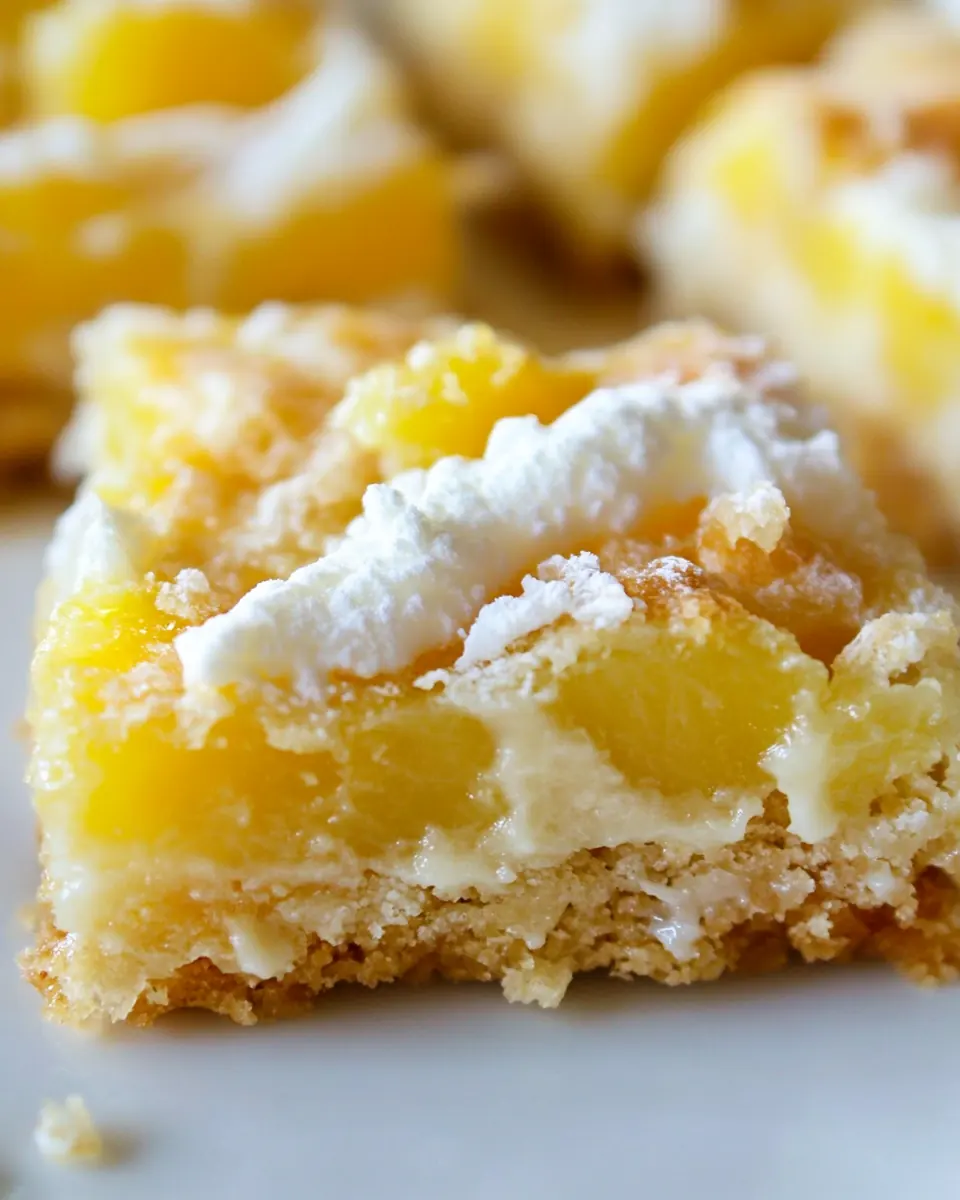
I like offering a few thoughtful adjustments depending on what you have in the pantry and your texture preference. Below are practical tips and small variations that keep the spirit of the recipe but let you make it your own.
- Choose your crust binder, try oil or butter depending on the texture you prefer; oil or butter yields a more classic crumbly base while omitting it leads to a softer, chewier result.
- Drain the pineapple thoroughly, press the fruit with the back of a spoon or use a fine mesh sieve to avoid excess moisture that can prevent the filling from setting properly.
- Sweetener flexibility, you can use a dry sweetener, granulated sugar, or an alternative sweetener but adjust the moisture if using a drier option by adding a splash of water.
- Toasting coconut, briefly toast the shredded coconut in a dry skillet for a deeper flavor before folding it in, watching closely so it does not burn.
- Chill for cleaner slices, freeze until firm then slice with a sharp knife warmed under hot water and wiped dry between cuts for the neatest presentation.
Serve This Pineapple Bars With
These bars are versatile for different occasions and plating styles. Here are ideas to pair them and how to present or store them so they shine at brunches, casual get togethers, or afternoon tea.
- Casual picnic, pack chilled Pineapple Bars in a cooler lined with parchment so they stay firm on warm days, and serve alongside fresh fruit for a light outdoor dessert.
- Potluck or party, arrange on a platter with parchment squares between layers if stacking, and label them so guests know they contain coconut and pineapple.
- Afternoon tea, serve small squares with a cup of tea or a citrus forward coffee, highlighting the bars as a bright, not overly sweet accompaniment.
- Make ahead storage, refrigerate for short term freshness up to a week or freeze up to three months; thaw in the fridge to preserve texture and avoid condensation on the surface.
- Seasonal pairing, these are a summer favorite because the tropical flavors match warm weather gatherings, but they also brighten holiday spreads when you want a lighter dessert option.
FAQ
Conclusion
What makes these Pineapple Bars special is the bright tropical pairing of crushed pineapple and creamy coconut milk resting on a snug graham crumb crust, producing an approachable dessert that feels both nostalgic and fresh. Give them a try if you want a make ahead treat that travels well and delights a crowd, whether for summer gatherings or a simple afternoon indulgence. I hope this recipe becomes one of those trusted go to sweets that you reach for when you want something that tastes like sunshine with minimal fuss.
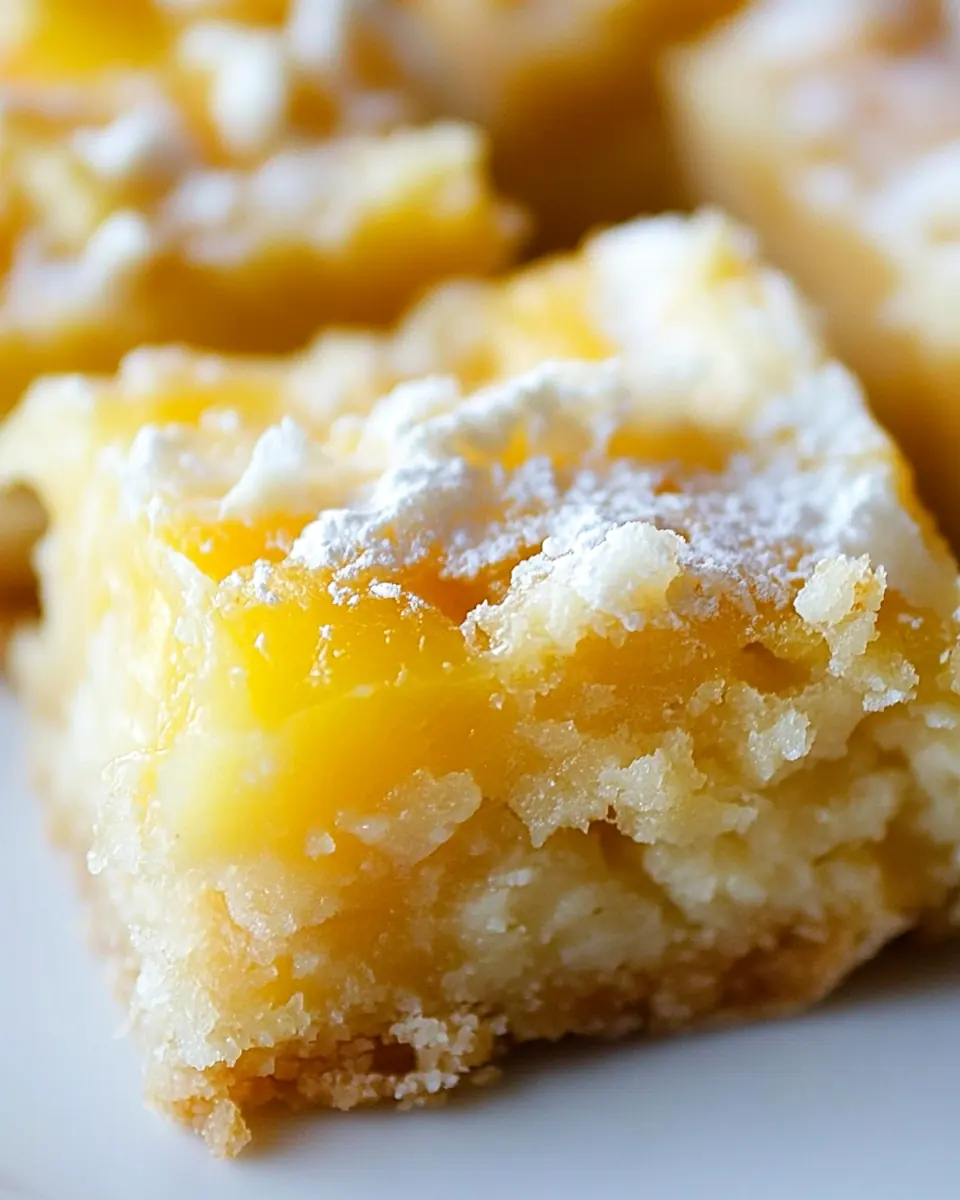
Pineapple Bars
Ingredients
Equipment
Method
- The oil or butter version will taste much more like traditional magic bar crust, while the oil free version has a softer crust that some find gummy (but not everyone minds), so it's completely your choice. To make the recipe: Line an 8-inch baking pan with parchment paper (or grease very well). Preheat the oven to 350 F. In a bowl, toss the cracker crumbs with sweetener and optional oil. Only if using a dry sweetener and no oil, also add 2 tbsp water. Spread evenly into the pan, and press down. Combine remaining ingredients in a bowl, spread on top of the crust, and place on the oven center rack. Bake 35 minutes. Remove and let cool, then freeze until chilled and firm enough to cut. Store leftovers in the fridge or freezer. View Nutrition Facts: The aroma of warmed oil or melted butter can lift the crust, lending a toasty scent that signals richer flavor. When you choose oil or butter, you are deciding on texture, so be mindful that the buttery path creates a slightly firmer, flakier crumb while omitting it keeps things tender. Press a pinch of the mixed crumbs between your fingers; they should hold shape if the binding is sufficient. If the crumbs fall apart, add a tiny splash of water or another tablespoon of fat. A common mistake here is under pressing the crust, which leads to a loose base when slicing.
- To make the recipe: Line an 8-inch baking pan with parchment paper (or grease very well) : Running your fingers along the parchment should feel smooth, and the paper will make the pan removal effortless after chilling. Greasing the pan thoroughly is an alternative, but parchment gives a cleaner lift, which helps maintain the bars' edges. Ensure the parchment sits flush with the pan so the filling does not seep underneath and create stuck corners. One problem people face is using a pan that is too large, which thins the layers and changes baking time.
- Preheat the oven to 350 F: When the oven reaches 350 F , you'll notice a subtle warmth building in the kitchen and a predictable, even heat for the baking process. Preheating ensures the crust starts to set immediately and the filling begins to firm during the initial minutes of baking. If you put the pan into an oven that is not fully heated, the texture can be uneven, often leaving the middle underbaked while edges brown. Use an oven thermometer if your oven runs hot or cool to avoid surprises.
- In a bowl, toss the cracker crumbs with sweetener and optional oil: As you stir, you'll feel the crumbs change from loose powder to a slightly tacky mixture, and a gentle toasty scent will emerge if you used melted butter. Even distribution is key so each bite has the right balance of sweet and fat. If your crumbs seem dry and you opted for a dry sweetener with no oil, adding a scant 2 tbsp water helps the crumbs cohere. Avoid over mixing, which can pulverize the crumbs and create a paste rather than a crumbly crust.
- Only if using a dry sweetener and no oil, also add 2 tbsp water: Adding water should make the crumbs cling together when pressed, but not turn them soggy. The sound of firm pressure as you compact the mixture will be different from a loose, rustling heap; you want a dense, compact feel. Too much water will cause a wet base, preventing the crust from baking into a supportive layer. If this happens, add a small spoonful of extra crumbs to soak up excess moisture.
- Spread evenly into the pan, and press down: Use the flat bottom of a measuring cup or the back of a spoon to press the crumbs firmly and uniformly into the pan, creating a smooth, even surface. You'll see the mixture compact and the color deepen slightly where the pressure concentrates. A consistent thickness ensures even baking and neat slices later. One common error is uneven pressing that results in thin spots that overbrown and thick spots that stay soft; take a moment to even out the layer.
- Combine remaining ingredients in a bowl, spread on top of the crust, and place on the oven center rack: As you whisk together the crushed pineapple , shredded coconut , and coconut milk , notice the mixture become glossy and slightly thickened. Spreading it evenly over the crust ensures each bar has consistent fruit distribution and texture. The filling should look cohesive but not watery; if it seems overly wet, drain the pineapple more or fold in the coconut to absorb some moisture. Placing the pan on the center rack yields even heat circulation; placing it too close to the top or bottom can alter browning and set.
- Bake 35 minutes: During baking you'll watch the edges turn a gentle golden hue and the filling set with a faint jiggle in the center, a sign it will continue to firm as it cools. The kitchen will fill with tropical scents from the pineapple and the warm aroma of toasted coconut . Avoid opening the oven frequently; this can drop the temperature and extend baking time. A common misstep is underbaking, which leaves the center too loose; if the edges are golden and the center still seems wobbly, give it a few more minutes and recheck.
- Remove and let cool, then freeze until chilled and firm enough to cut: Cooling on a wire rack will stop active cooking and stabilize the texture, but freezing briefly makes slicing cleaner since a firmer block yields neat edges. You will feel the tension lift as the bars firm, and the contrast between a warm crust and chilled filling is satisfying for those who enjoy temperature contrasts. Do not try to slice while still piping hot, as the filling will smear; chilling avoids a messy presentation.
- Store leftovers in the fridge or freezer: Stored in an airtight container, these bars keep their texture and flavor, with refrigeration giving a shorter term option and freezing providing longer storage. When defrosting, bring them to cool fridge temperature rather than room temperature to preserve clean slices and avoid weeping. One frequent issue is storing without proper sealing which can dry the edges; wrap them well or use a sealed container to maintain moisture.
Notes
- Choose your crust binder, try oil or butter depending on the texture you prefer; oil or butter yields a more classic crumbly base while omitting it leads to a softer, chewier result.
- Drain the pineapple thoroughly, press the fruit with the back of a spoon or use a fine mesh sieve to avoid excess moisture that can prevent the filling from setting properly.
- Sweetener flexibility, you can use a dry sweetener, granulated sugar, or an alternative sweetener but adjust the moisture if using a drier option by adding a splash of water.
- Toasting coconut, briefly toast the shredded coconut in a dry skillet for a deeper flavor before folding it in, watching closely so it does not burn.
- Chill for cleaner slices, freeze until firm then slice with a sharp knife warmed under hot water and wiped dry between cuts for the neatest presentation.