Strawberry Crème Brûlée Cake
Strawberry Crème Brûlée Cake has been one of those recipes that crept into my repertoire the way a summer memory sneaks up on you, familiar and sweeter than expected.
I first made this cake on a rainy Saturday after rescuing a punnet of strawberries that looked too pretty to throw away. I wanted something that tasted like a celebration without feeling fussy, so I combined a tender cake with a creamy custard center and that signature caramelized top. Friends asked for seconds, and the next week I baked it again for a neighborhood potluck. Each time, I noticed how the bright strawberries lifted the custard and how the crackly sugar topping added a playful contrast.
What I love about this version is how approachable it feels. You do not need pastry school skills to get a glossy custard or a crunchy brûlée top, just steady hands and a torch or very hot broiler. I usually make the cake one day and finish the brûlée just before guests arrive, so the custard stays silky and the top stays crisp. Over the years I have tweaked small things, like the amount of granulated sugar folded into the batter and the resting time for the custard, and each tweak made the balance more joyful.
Recipe Snapshot
55 mins
30 mins
25 mins
Medium
350 kcal
American
Gluten-Free, Low FODMAP
Desserts
Food processor, Small saucepan, 6-cup cake pan, Wire rack, Handheld kitchen torch
Why You’ll Love This Strawberry Crème Brûlée Cake
1. Layered Textures That Tell a Story
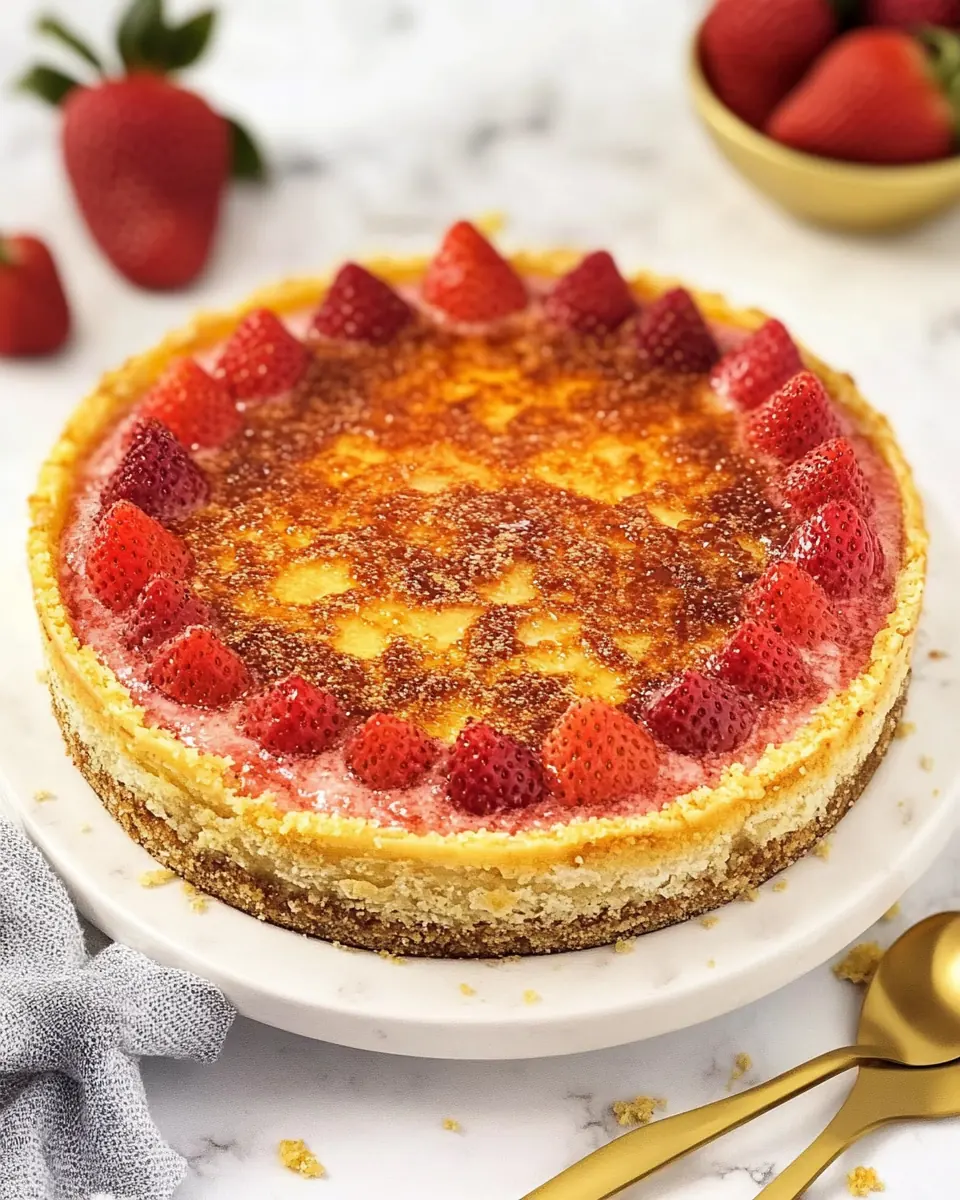
I adore how the Strawberry Crème Brûlée Cake brings together a tender, lightly crumbed cake, a luxuriously smooth custard, and a glassy, caramelized sugar top. The contrast keeps every bite interesting, and I find guests comment on the textures before they even name the flavors. The cake base soaks up a whisper of strawberry flavor without becoming soggy, and the custard holds its shape while offering a creamy counterpoint. It is the push and pull of crisp, creamy, and soft that makes this dessert memorable.
2. Fresh Fruit Brightness
Using fresh strawberries instead of jam or extract adds immediate brightness and a seasonal note. I love how the natural acidity from the berries balances the custard‘s richness, making each slice feel lighter. When strawberries are at their peak, this cake sings. Even when they are less intense, a gentle reduction concentrates the flavor so it still lifts the whole dessert.
3. Accessible Techniques with Impressive Results
You do not need advanced pastry techniques to nail this recipe. I walk people through reducing a fruit purée, coaxing a custard to set, and caramelizing sugar safely. Those three techniques look much harder than they are, and once you do them, you gain confidence. Guests assume it took far longer than it did, and I secretly love that satisfyingly proud moment when they discover how straightforward it really is.
4. Great for Special Occasions or Casual Gatherings
This cake feels celebratory enough for birthdays and intimate dinners, but it’s relaxed enough for backyard brunches. I often bring it to gatherings because it travels well once the custard is fully set and the brûlée topping is done at the last minute. The aesthetic payoff is high, and people reliably react to that shiny caramelized top and the jewel red of the strawberries.
5. Flexible and Forgiving Recipe
I appreciate recipes that allow small substitutions and still succeed. You can adjust sugar to taste, and the custard can be prepared in advance to save time on the day of serving. I often make the custard the day before and assemble when guests arrive. The method is forgiving, and that makes it perfect for cooks who want an impressive dessert without anxiety.
Everything You Need for Strawberry Crème Brûlée Cake
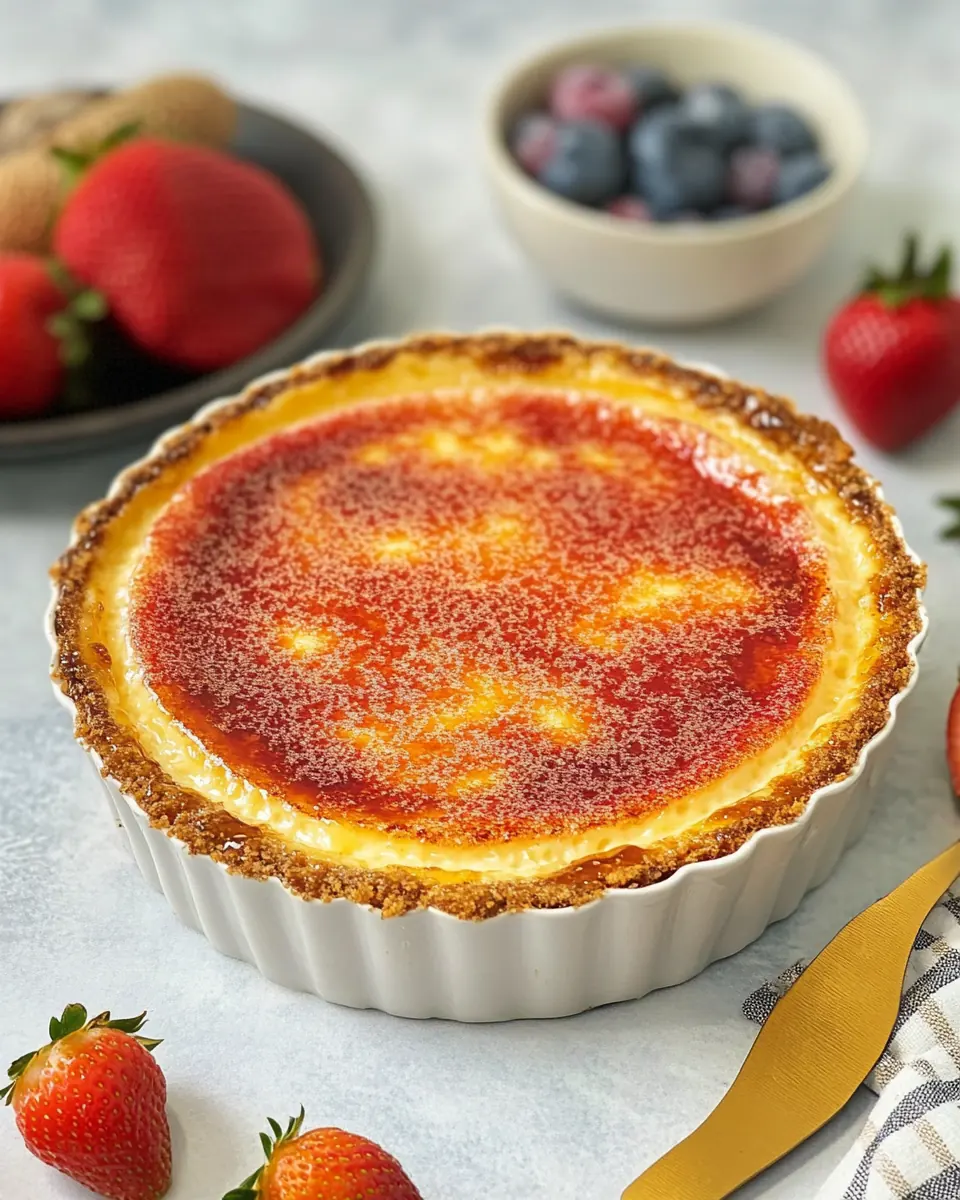
These ingredients work together to create a balanced, layered dessert. The cake base offers structure and gentle crumb, the strawberries provide bright acidity and natural sweetness, and the custard fills the center with silkiness. Each component plays a role, and the simple pantry staples make this approachable while delivering a nuanced final bite.
- 1/2 pound (228 grams) fresh strawberries, hulled: Provide bright, fresh sweetness and natural color when hulled and sliced; macerate with a bit of sugar to release juices for folding into batter or using as a topping. Add at the end to preserve texture and vibrant flavor, contributing a fruity contrast to the crème brûlée elements. Pair with lemon juice to balance acidity and enhance aromatic notes.
- 1 cup (125 grams) all-purpose flour: Form the structural basis of the cake by supplying starch and gluten that create crumb and body when combined with wet ingredients. Sift or whisk to ensure even distribution with leaveners, preventing dense spots and promoting a fine, tender crumb. Combine with sugar and fats to create the proper texture and mouthfeel for the cake layers.
- 1 teaspoon (5 grams) baking powder: Provide lift by producing carbon dioxide when activated, helping the cake rise and remain light and airy during baking. Measure precisely to avoid chemical aftertastes and ensure even texture throughout the crumb. Work evenly into the dry mixture to distribute rise uniformly.
- 1/2 teaspoon (1.5 grams) kosher salt: Enhance overall flavor balance by subtly cutting sweetness and strengthening gluten structure; support the effectiveness of leavening agents for consistent texture. Use measured amounts to avoid over-salting, which can mask delicate vanilla and strawberry notes. Dissolve thoroughly into dry ingredients to prevent pockets of concentrated salt.
- 1/4 teaspoon (1.25 grams) baking soda: Assist with leavening alongside baking powder by reacting with acidic components to create additional lift for a lighter cake crumb. Use sparingly and combine with liquids quickly to take advantage of its rising effects before batter rests too long. Ensure it is fresh to avoid flat or dense results.
- cup (133 grams) plus 3 tablespoons (36 grams) granulated sugar, divided: Provide bulk sweetness and aid in browning and moisture retention, divided to sweeten both batter and any macerated strawberries or topping for balanced flavor. Use the larger portion in the batter and reserved tablespoons to macerate fruit or sprinkle for caramelized surfaces, creating textural contrast. Dissolve fully into wet ingredients to ensure smooth incorporation.
- 1/2 cup (112 grams) vegetable oil: Contribute fat for tenderness, moisture, and a tender crumb without adding dairy; emulsify with other liquids to yield a moist cake. Maintain neutral flavor to allow strawberry and custard elements to remain prominent. Measure carefully for consistent texture and bake results.
- 2 large egg whites (60 grams), room temperature: Incorporate air and structure without yolk fats, helping to lighten the batter when whipped or folded in; provide stability for an airy crumb. Use room–temperature whites to achieve better volume and more even incorporation into the batter. Beat to soft peaks if the recipe calls for folding to maintain loft.
- 1/4 cup (60 grams) whole milk, room temperature: Add liquid to hydrate dry ingredients and dissolve sugars, contributing to batter consistency and tender crumb formation with a mild dairy richness. Warm to room temperature to blend smoothly and prevent curdling or batter temperature shocks. Combine with oil and vanilla for a homogeneous mixture.
- 1 teaspoon (5 grams) fresh lemon juice: Brighten the flavor profile with fresh acidity that balances sweetness and enhances strawberry brightness; aid in activating baking soda if present. Add sparingly to avoid overt tartness and preserve delicate custard notes. Use freshly squeezed juice for best aromatic quality.
- 1 teaspoon (4 grams) vanilla extract: Introduce warm, aromatic sweetness and depth to both cake batter and custard, rounding out flavors for a classic dessert profile. Add at the vanilla bean strength specified to avoid overpowering delicate strawberry and custard components. Mix into liquids to distribute flavor evenly.
- 1 drop red gel food coloring () (optional): Provide concentrated color for a more vivid cake appearance while minimizing added liquid, used sparingly as an optional enhancement. Choose gel form to avoid altering batter consistency and add drop by drop until desired hue is reached. Remember that small amounts deliver strong pigmentation.
- Vanilla Bean Custard (recipe follows): Supply a creamy, rich layer with vanilla-infused custard flavor that mimics crème brûlée when baked or set; serves as the luxurious filling or topping for the cake. Prepare following an accompanying recipe to ensure consistency and proper caramelized finish if desired. Chill or bake according to instructions to achieve classic smooth texture.
Preparation Steps for Strawberry Crème Brûlée Cake
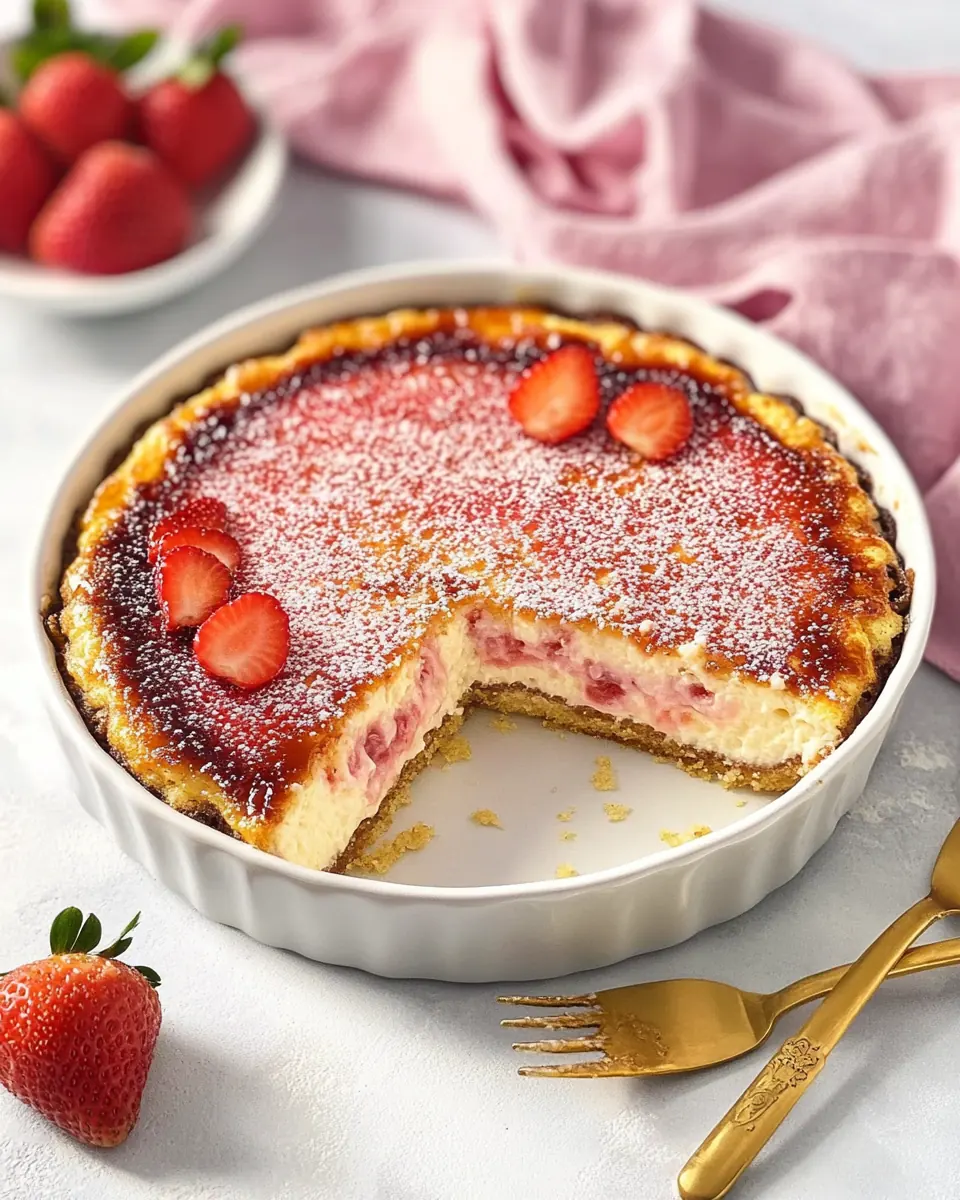
I like to take a relaxed but deliberate approach to the process, separating fruit reduction, batter assembly, baking, and custard finishing into clear stages. The rhythm helps me focus on sensory cues and avoids rushed mistakes. Below, each step from the original directions is expanded so you know what to listen for, what to smell, and what might go wrong.
- In the work bowl of a food processor, pulse strawberries until nearly smooth but a few small pieces remain. Transfer to a small saucepan; bring strawberry purée to a boil over medium-high heat. Reduce heat to medium-low, and cook, stirring frequently, until thickened and reduced to ? cup, 10 to 15 minutes. Remove from heat, and let cool completely.: When you pulse the strawberries , notice the fresh, green berry aroma that expands as the seeds break and juices release. Moving the purée to a saucepan, you will hear a soft, steady simmer and see the mixture go from a loose red liquid to a glossy, thicker texture. As it reduces, steam will carry a concentrated strawberry scent and the bubbling will slow; watch for a syrupy consistency that coats the back of a spoon. Reducing concentrates sugars, which is why this step is key for flavor intensity in the cake without making the batter too wet. A common mistake is to walk away and let the purée scorch, which produces a bitter note; stir frequently and keep the heat moderate to avoid burning. Let it cool completely so it does not loosen the batter when folded in.
- Preheat oven to 350°F (180°C). Spray a 6-cup Nordic Ware Charlotte Cake Pan with baking spray with flour.: As the oven warms to the correct temperature, you will feel the kitchen heat up and may notice the slightly toasted scent that ovens give off. Preparing the pan ensures the cake releases cleanly; the flour in the spray creates a thin barrier that helps avoid sticking while still allowing even browning. Position the rack in the center of the oven to promote even rise. A frequent slip is not prepping the pan properly, causing the cake to cling and tear on unmolding; take a moment to coat the pan well, tapping out excess spray if needed.
- In a medium bowl, whisk together flour, baking powder, salt, and baking soda.: Whisking these dry ingredients distributes the leavening evenly and aerates the flour slightly, promoting a more tender cake crumb. You will see the powder lighten in color and become uniform, with no visible lumps of baking powder or baking soda. This attention to blending prevents uneven pockets of rise, which could make the cake dome or collapse. Avoid overwhisking to the point of creating flour dust in the air; a few strokes to combine are sufficient.
- In a large bowl, whisk together ? cup (133 grams) sugar, oil, and egg whites. Whisk in milk, lemon juice, and vanilla. Add flour mixture, and whisk until almost combined. Gently fold in strawberry purée and food coloring (if using) just until combined. Spread batter into prepared pan. Firmly tap pan on kitchen towel-lined counter to settle batter.: As you whisk the sugar with the oil and egg whites, you will notice the mixture become glossy and slightly thickened. The aroma will be faintly sweet with a hint of citrus from the lemon juice . Adding warmish room temperature liquids helps them incorporate smoothly; the batter should be homogenous but not overmixed. Folding in the reduced strawberry purée introduces fruit threads and color variations, and the batter should streak slightly pink before it blends. Spreading into the pan, you will see a silky surface; tapping helps trapped air escape and settles the batter into all the pan nooks. Overworking at this stage can develop gluten and toughen the cake, so stop folding as soon as visible streaks disappear.
- Bake until cake springs back when lightly touched in center and a wooden pick inserted in center comes out clean, 20 to 25 minutes. Let cool in pan on a wire rack for 10 minutes. Invert cake onto a wire rack, and let cool completely.: While baking, the kitchen fills with a warm, slightly sweet smell that hints of cooked strawberries . The edges should pull back slightly from the pan and the top will turn a pale golden hue. The center will be set but springy; pressing gently should create a quick recovery rather than a deep dent. Inserting a wooden pick should return clean or with a few moist crumbs, not raw batter. Allowing the cake to rest in the pan prevents a sudden structural shock, and flipping onto a rack promotes even cooling and prevents sogginess. A common trap is removing the cake too early, which can cause the center to collapse; be patient and watch the spring test.
- Spread Vanilla Bean Custard into center of cooled cake. Refrigerate until custard is set, about 1 hour.: When you spoon the custard into the cavity, its surface should be glossy and velvety, with a scent of warm vanilla. The custard should mound slightly but settle evenly, creating a smooth midsection that contrasts with the cake crumb. Chilling firms the custard and allows flavors to meld; the coldness also helps the subsequent brûlée sugar to caramelize cleanly without melting into the custard. A common mistake is adding the custard while the cake is still warm, which will cause the custard to thin and not set properly, so ensure the cake is completely cooled first.
- Just before serving, sprinkle remaining 3 tablespoons (36 grams) sugar onto custard, leaving a 1/4-inch border around edges of custard. Using a handheld kitchen torch, carefully brown sugar. Serve immediately.: The final step sings with contrast; the sprinkled sugar should be evenly distributed and sit on the custard surface, ready to transform. When you torch the sugar, it will melt, bubble, and quickly darken to amber, emitting a light caramel scent. Aim for an even sweep of heat and watch closely because caramelized sugar can go from perfect to burnt in seconds. If you do not have a torch, a very hot broiler works but requires vigilance and immediate removal to avoid overheating. Serve immediately for the best textural contrast between crackling sugar and cool custard, as the sugar will slowly absorb moisture and lose crispness over time.
Recipe Notes about Strawberry Crème Brûlée Cake
I like to capture practical pointers here so you can bake confidently. These notes cover timing, texture, and small technique adjustments that make a big difference in outcome. Read them before you start, and you will save time and avoid common pitfalls.
- Custard chilling: Let the custard chill until fully set, about 1 hour, this ensures the center holds its shape when slicing and helps the brûlée topping to sit atop the custard instead of melting into it.
- Even sugar layer: When sprinkling the final 3 tablespoons of granulated sugar, aim for a thin, uniform coating and leave the 1/4-inch border as instructed, this encourages an even, crackly caramel surface and prevents sugar from flowing over the edge of the custard.
- Torching technique: Move the torch in steady, sweeping motions and keep it a few inches from the sugar, this avoids local scorching and develops a glassy, golden top with subtle toasty notes.
- Cooling the cake: Allow the cake to cool completely before filling with custard, touching the center can transfer heat and prevent the custard from setting properly, leading to a runny middle.
- Strawberry reduction care: Reduce the strawberry purée over moderate heat and stir frequently to concentrate flavor without burning, reducing to the specified measure concentrates sweetness and aroma for a robust fruit presence.
Serve This Strawberry Crème Brûlée Cake With
This cake is versatile for many occasions from weekend brunches to intimate dinners. Its rich custard center and bright strawberries pair well with light accompaniments that complement rather than overwhelm the dessert. Serve the cake shortly after torching the sugar to preserve textural contrast.
- Light coffee or tea: Offer simple brewed coffee or a gentle tea, which balance the sugar and refresh the palate between bites, making each forkful feel renewed.
- Fresh berries on the side: A small bowl of sliced strawberries or mixed berries provides an extra burst of freshness and beautiful color for guests who want more fruit with their slice.
- Special occasions: This cake works beautifully for birthdays or intimate celebrations where presentation matters, because the brûlée finish looks elegant without elaborate plating.
- Storage tips: Refrigerate leftovers covered for up to 48 hours; note the brûlée top will soften over time, so consider torching again before serving to refresh the crisp shell.
- Seasonal pairings: In spring and early summer when strawberries are at their peak, serve the cake with simple, seasonal sides and minimal garnish to let the fruit shine.
- Serving style: Slice with a warm knife for cleaner edges and serve chilled, the contrast of cold custard and brittle caramel is part of the charm.
FAQ
Conclusion
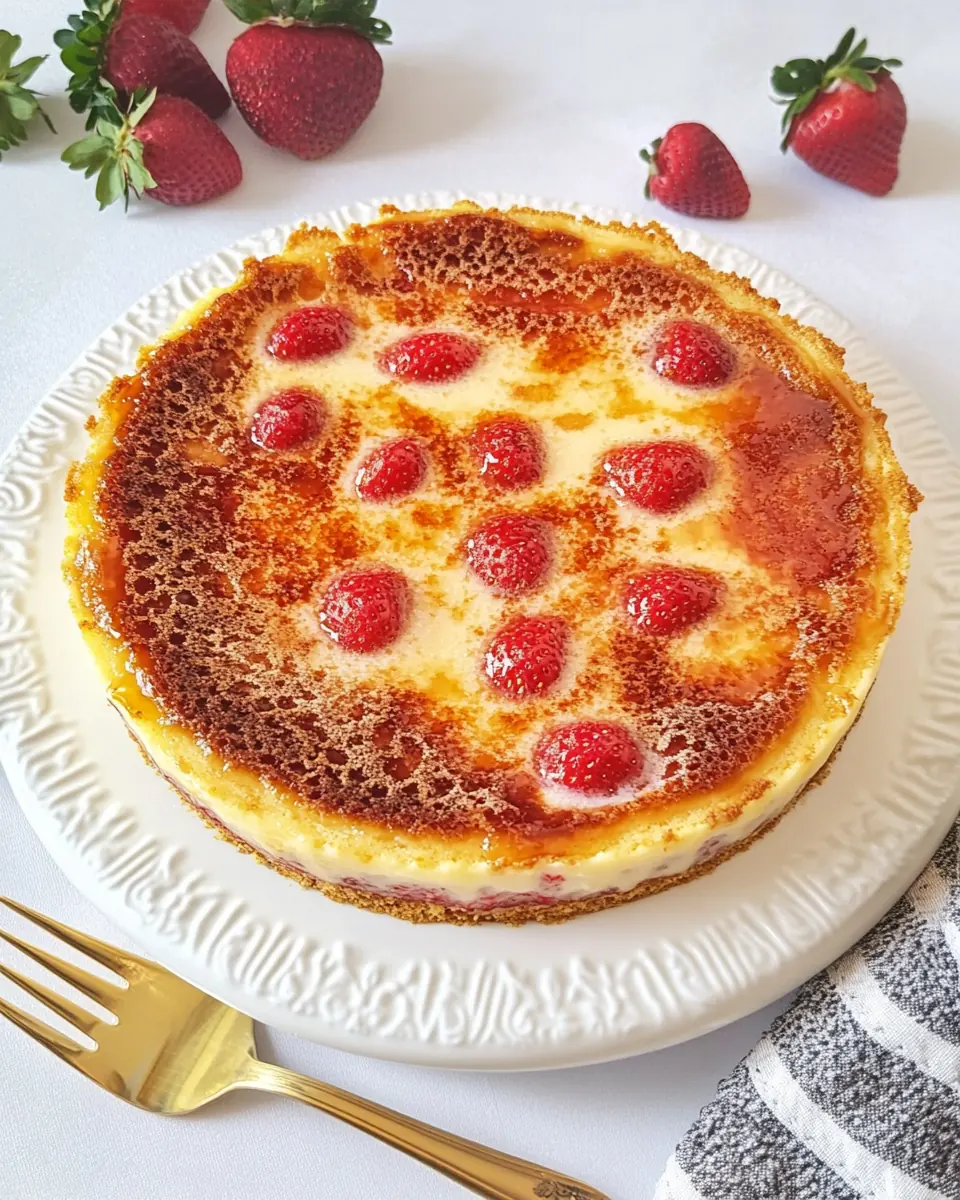
Strawberry Crème Brûlée Cake stands out because it pairs bright fruit reduction with a silky custard and a satisfyingly crackly caramel top. This combination of textures and flavors makes for a dessert that feels both special and approachable. I encourage you to give it a try, taking your time with the strawberry reduction and custard so each element comes together beautifully. Serve it chilled with the brûlée finished just before presenting for the best contrast, and enjoy the delighted reactions from anyone you share a slice with.
Strawberry Crème Brûlée Cake
Ingredients
Equipment
Method
- In the work bowl of a food processor, pulse strawberries until nearly smooth but a few small pieces remain. Transfer to a small saucepan; bring strawberry purée to a boil over medium-high heat. Reduce heat to medium-low, and cook, stirring frequently, until thickened and reduced to ? cup, 10 to 15 minutes. Remove from heat, and let cool completely.: When you pulse the strawberries , notice the fresh, green berry aroma that expands as the seeds break and juices release. Moving the purée to a saucepan, you will hear a soft, steady simmer and see the mixture go from a loose red liquid to a glossy, thicker texture. As it reduces, steam will carry a concentrated strawberry scent and the bubbling will slow; watch for a syrupy consistency that coats the back of a spoon. Reducing concentrates sugars, which is why this step is key for flavor intensity in the cake without making the batter too wet. A common mistake is to walk away and let the purée scorch, which produces a bitter note; stir frequently and keep the heat moderate to avoid burning. Let it cool completely so it does not loosen the batter when folded in.
- Preheat oven to 350°F (180°C). Spray a 6-cup Nordic Ware Charlotte Cake Pan with baking spray with flour.: As the oven warms to the correct temperature, you will feel the kitchen heat up and may notice the slightly toasted scent that ovens give off. Preparing the pan ensures the cake releases cleanly; the flour in the spray creates a thin barrier that helps avoid sticking while still allowing even browning. Position the rack in the center of the oven to promote even rise. A frequent slip is not prepping the pan properly, causing the cake to cling and tear on unmolding; take a moment to coat the pan well, tapping out excess spray if needed.
- In a medium bowl, whisk together flour, baking powder, salt, and baking soda.: Whisking these dry ingredients distributes the leavening evenly and aerates the flour slightly, promoting a more tender cake crumb. You will see the powder lighten in color and become uniform, with no visible lumps of baking powder or baking soda. This attention to blending prevents uneven pockets of rise, which could make the cake dome or collapse. Avoid overwhisking to the point of creating flour dust in the air; a few strokes to combine are sufficient.
- In a large bowl, whisk together ? cup (133 grams) sugar, oil, and egg whites. Whisk in milk, lemon juice, and vanilla. Add flour mixture, and whisk until almost combined. Gently fold in strawberry purée and food coloring (if using) just until combined. Spread batter into prepared pan. Firmly tap pan on kitchen towel-lined counter to settle batter.: As you whisk the sugar with the oil and egg whites, you will notice the mixture become glossy and slightly thickened. The aroma will be faintly sweet with a hint of citrus from the lemon juice . Adding warmish room temperature liquids helps them incorporate smoothly; the batter should be homogenous but not overmixed. Folding in the reduced strawberry purée introduces fruit threads and color variations, and the batter should streak slightly pink before it blends. Spreading into the pan, you will see a silky surface; tapping helps trapped air escape and settles the batter into all the pan nooks. Overworking at this stage can develop gluten and toughen the cake, so stop folding as soon as visible streaks disappear.
- Bake until cake springs back when lightly touched in center and a wooden pick inserted in center comes out clean, 20 to 25 minutes. Let cool in pan on a wire rack for 10 minutes. Invert cake onto a wire rack, and let cool completely.: While baking, the kitchen fills with a warm, slightly sweet smell that hints of cooked strawberries . The edges should pull back slightly from the pan and the top will turn a pale golden hue. The center will be set but springy; pressing gently should create a quick recovery rather than a deep dent. Inserting a wooden pick should return clean or with a few moist crumbs, not raw batter. Allowing the cake to rest in the pan prevents a sudden structural shock, and flipping onto a rack promotes even cooling and prevents sogginess. A common trap is removing the cake too early, which can cause the center to collapse; be patient and watch the spring test.
- Spread Vanilla Bean Custard into center of cooled cake. Refrigerate until custard is set, about 1 hour.: When you spoon the custard into the cavity, its surface should be glossy and velvety, with a scent of warm vanilla. The custard should mound slightly but settle evenly, creating a smooth midsection that contrasts with the cake crumb. Chilling firms the custard and allows flavors to meld; the coldness also helps the subsequent brûlée sugar to caramelize cleanly without melting into the custard. A common mistake is adding the custard while the cake is still warm, which will cause the custard to thin and not set properly, so ensure the cake is completely cooled first.
- Just before serving, sprinkle remaining 3 tablespoons (36 grams) sugar onto custard, leaving a 1/4-inch border around edges of custard. Using a handheld kitchen torch, carefully brown sugar. Serve immediately.: The final step sings with contrast; the sprinkled sugar should be evenly distributed and sit on the custard surface, ready to transform. When you torch the sugar, it will melt, bubble, and quickly darken to amber, emitting a light caramel scent. Aim for an even sweep of heat and watch closely because caramelized sugar can go from perfect to burnt in seconds. If you do not have a torch, a very hot broiler works but requires vigilance and immediate removal to avoid overheating. Serve immediately for the best textural contrast between crackling sugar and cool custard, as the sugar will slowly absorb moisture and lose crispness over time.
Notes
- Custard chilling: Let the custard chill until fully set, about 1 hour, this ensures the center holds its shape when slicing and helps the brûlée topping to sit atop the custard instead of melting into it.
- Even sugar layer: When sprinkling the final 3 tablespoons of granulated sugar, aim for a thin, uniform coating and leave the 1/4-inch border as instructed, this encourages an even, crackly caramel surface and prevents sugar from flowing over the edge of the custard.
- Torching technique: Move the torch in steady, sweeping motions and keep it a few inches from the sugar, this avoids local scorching and develops a glassy, golden top with subtle toasty notes.
- Cooling the cake: Allow the cake to cool completely before filling with custard, touching the center can transfer heat and prevent the custard from setting properly, leading to a runny middle.
- Strawberry reduction care: Reduce the strawberry purée over moderate heat and stir frequently to concentrate flavor without burning, reducing to the specified measure concentrates sweetness and aroma for a robust fruit presence.