Vegan Cheesecake
Vegan Cheesecake started as an experiment on a rainy afternoon when I wanted something creamy and comforting without dairy, and it turned into my go to dessert for celebrations and quiet nights alike.
I remember the first time I made this Vegan Cheesecake for friends who did not follow a plant based diet, and how surprised they were by the rich texture and mellow tang. I was nervous about the texture, but the combination of chilled filling and a properly made crust locked everything into place. Over multiple attempts I learned to watch the oven like a hawk, to cool the cake gradually, and to trust the chilling time. The result became something I bring to potlucks, birthdays, and Sunday dinners whenever I want to impress without fuss.
Every time I slice into the set filling, the mouthfeel is velvety, and the subtle lemon brightness cuts through the sweetness in a way that keeps you coming back for another small piece. I often tinker with toppings, but the base formula in this Vegan Cheesecake is what I always return to. It stores well, travels well, and can be made ahead so you are never scrambling at the last minute. If you love desserts that feel indulgent yet light, this is one I think you will make again and again.
Recipe Snapshot
50 mins
20 mins
30 mins
Medium
250 kcal
American
Vegan, Gluten-Free
Desserts
9 inch springform pan, Blender or food processor, Baking pan for water bath
Why We Love This Vegan Cheesecake
Rich, yet light texture
I love how this Vegan Cheesecake achieves a creamy mouthfeel without dairy. Using room temperature vegan cream cheese and a blender to emulsify the filling gives it a smooth body that mimics traditional cheesecake, while keeping the dessert surprisingly light on the palate.
Simple pantry ingredients
One reason I come back to this recipe is the short ingredient list. With plant based yogurt, cornstarch, and a bit of sugar or pure maple syrup, you can produce a reliably good cake. These staples are easy to keep on hand so I can whip up the dessert without a special trip to the store.
Make ahead friendly
Practicality matters to me, and this cheesecake responds beautifully to advance prep. It firms up as it chills, so making it a day ahead removes last minute stress. I often prepare it the evening before a gathering, and the texture and flavor deepen overnight.
Flexible sweetness and crust options
I appreciate that you can swap 2/3 cups sugar or pure maple syrup, or xylitol for sugar free depending on dietary needs, and the recipe accepts either a store bought pie crust or a homemade vegan version. That flexibility means you can adapt the cake to different tastes without altering the core technique.
Low risk of cracking when handled right
Because I bake the cheesecake in a water bath and allow a slow cool down with the oven door closed, the surface rarely cracks. That small extra step makes a big visual difference. I find that gentle, patient handling at the end ensures a smooth top and reliable set every time.
Key Ingredients for Vegan Cheesecake
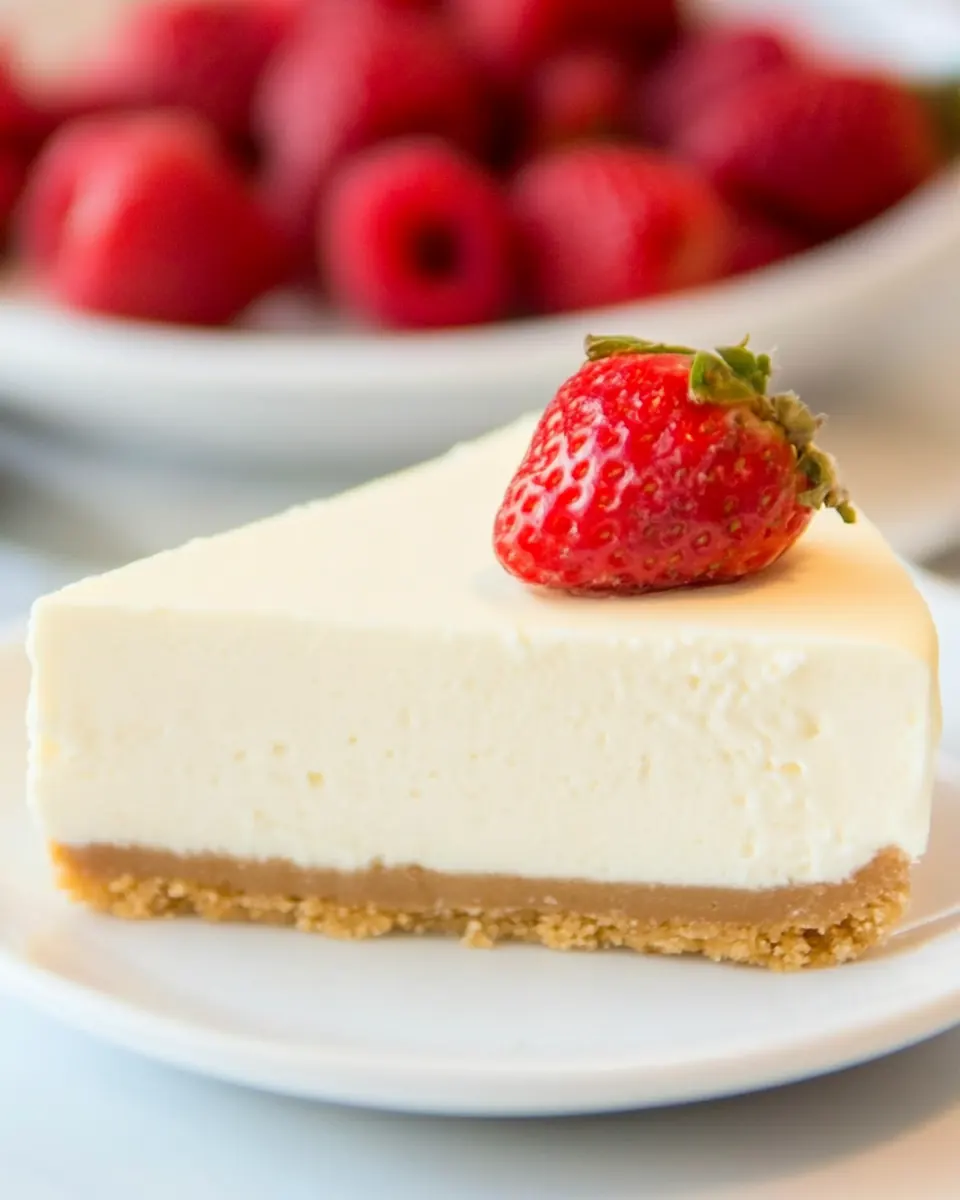
These ingredients are deliberately straightforward so each player has a clear job. The base provides structure, the filling creates the creamy texture, and the acid from the lemon juice brightens the overall flavor. Keeping the ingredients pure lets the subtle nutty and tangy notes shine, while the thickening agent ensures the cake slices cleanly after chilling.
- 24 oz vegan cream cheese: Provide a rich, creamy base that gives the cheesecake its classic texture and tang; ensures structure and a dense mouthfeel when blended with the other filling components. Use full-fat vegan cream cheese for best stability, and allow it to come to room temperature to prevent lumps during mixing.
- 2 cups plant based yogurt: Add a smooth, slightly tangy creaminess that lightens the filling and improves mouthfeel; contributes subtle acidity to balance sweetness. Choose unsweetened plant–based yogurt to control sweetness and stir well to avoid separation before combining with cream cheese.
- 2 1/2 tsp pure vanilla extract: Impart a warm, aromatic flavor that enhances the overall profile and complements the dairy-free tang; a small amount goes far. Use pure vanilla extract for clean flavor and add it during mixing to evenly distribute its aroma throughout the cheesecake.
- 4 tsp cornstarch: Thicken the filling and help stabilize it during baking or setting so slices hold together cleanly; prevents a runny texture. Dissolve corn starch in a little cold liquid before adding to the batter to avoid lumps and ensure even thickening.
- 2/3 cups sugar or pure maple syrup, or xylitol for sugar free: Sweeten the cheesecake and balance tang with customizable options; sugar gives traditional sweetness, maple syrup adds depth, and xylitol offers a sugar–free alternative. Adjust quantity to taste and account for differences in sweetness intensity and moisture contribution from syrup.
- 1 tbsp lemon juice: Provide bright acidic lift that brightens flavors and balances richness; helps cut through creaminess for a more balanced dessert. Use freshly squeezed lemon juice for best flavor and add it gradually to avoid overpowering the filling.
- 1 pie crust store bought or my homemade vegan pie crust recipe above: Form the crunchy or flaky foundation that holds the filling and adds textural contrast; suitable store–bought crusts save time while homemade offers control over ingredients. Press the crust firmly into the pan and prebake if required so it stays crisp beneath the filling.
Cooking Instructions for Vegan Cheesecake
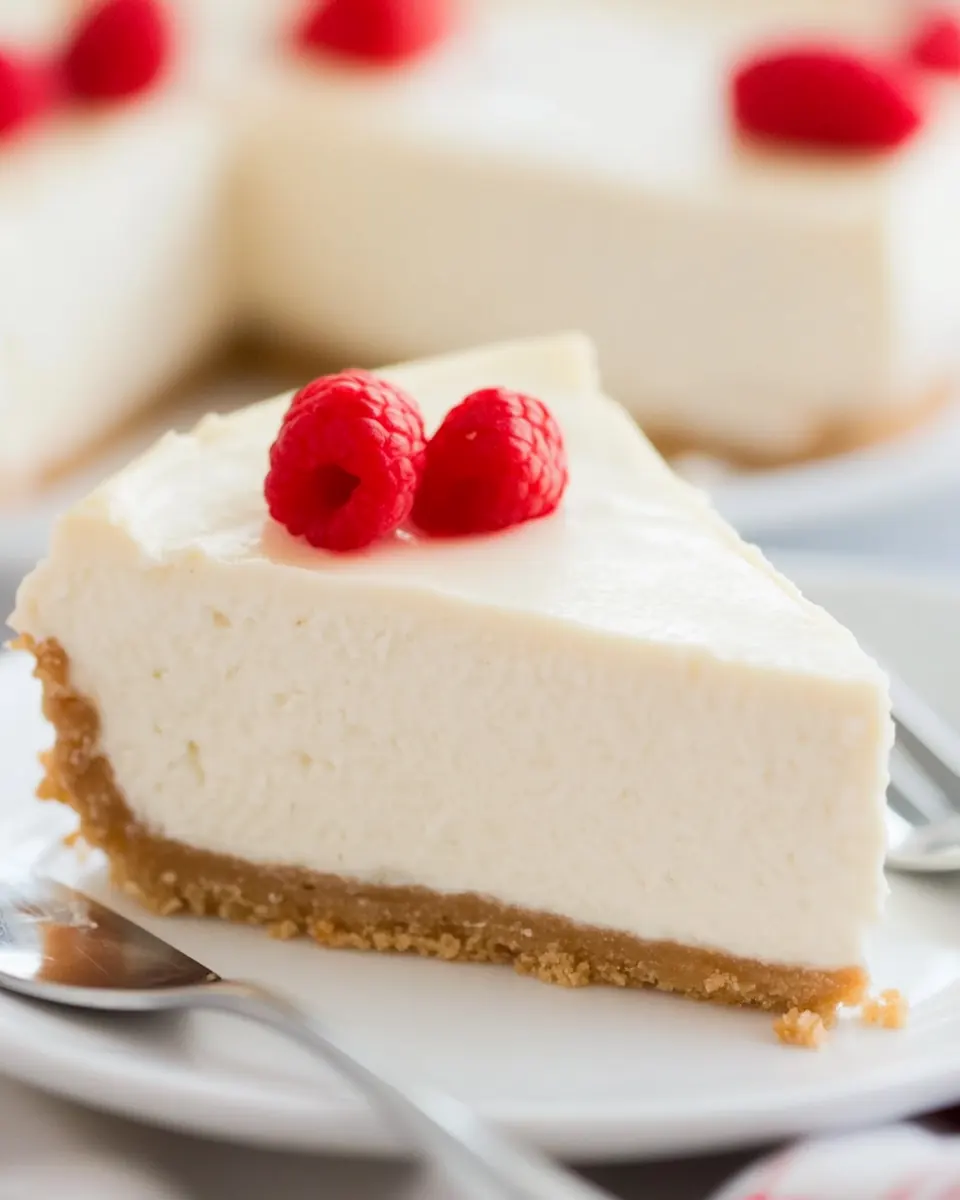
These steps walk you from prepping the oven to chilling the finished cake. I like to set up an assembly station with the crust ready and all filling ingredients measured so the blending goes smoothly. Follow the sensory cues and cooling guidelines for the best result.
- To make vegan cheesecake, first preheat the oven to 350 F. Fill any baking pan about halfway with water and place it on the oven’s lower rack. Prepare your crust in a 9 inch springform pan, and set aside. Bring cream cheese to room temperature. Beat all cheesecake ingredients in a blender or food processor just until smooth. (For best results, do not overbeat, which can introduce air bubbles that might burst in the oven and cause cracking.) Smooth the filling on top of your prepared crust. Place on the middle rack, above the rack with the water pan. Bake 30 minutes. When the time is up, keep the oven door completely closed but turn off the heat. Leave the pan in the closed oven for an additional 5 minutes. Then remove the still underdone cake and let cool at least 20 minutes on the counter before refrigerating until chilled. It is important to let the vegan cheesecake cool gradually so it does not crack. The cake firms up considerably as it chills and will be ready to slice after a few hours. Or you can make it the day before and let it firm up overnight. Store leftovers covered in the refrigerator for 4 days or in the freezer for up to 2 months.: The filling will smell subtly sweet and buttery as it comes together in the blender, with a faint lemon brightness mingling with the vanilla, and you should notice a silky sheen when it is fully emulsified. Proper texture matters because it determines how the cake sets and slices, and under mixing or over mixing can lead to a loose set or air pockets. A frequent oversight is blending too long; that can introduce air which forms bubbles that expand in the oven and may cause cracking. If you see small bubbles on the surface before baking, gently tap the pan on the counter to release them.
- first preheat the oven to 350 F: You will feel the warm oven heat and possibly smell a faint dry heat as it reaches temperature, which ensures the cake bakes evenly from the start. Consistent oven temperature is important to prevent uneven rise and cracking. A common mistake is starting with a cold oven, which can lead to prolonged bake times and a denser texture. Use an oven thermometer if your oven runs hot or cold to achieve the correct 350 F environment.
- Fill any baking pan about halfway with water and place it on the oven’s lower rack: The steam and gentle heat from the water bath create a moist oven environment that prevents the top from drying and cracking and yields a tender surface. The visual cue is a steady little steam presence when the oven door is briefly opened after baking. Forgetting the water bath increases the chance of a cracked top and a firmer, less delicate crumb; ensure the pan has enough water but not so much that it might slosh into the springform pan.
- Prepare your crust in a 9 inch springform pan, and set aside: The crust should feel slightly firm when pressed into the pan, with an even thickness across the base and up the sides, which creates a supportive shell for the filling. This structural role affects the mouthfeel contrast between the crumbly base and the smooth filling. A common error is an uneven crust thickness that causes the cheesecake to bake inconsistently; press the crust evenly with the back of a spoon or a measuring cup for a level surface.
- Bring cream cheese to room temperature: When the vegan cream cheese is at room temperature, it blends into the batter easily without cold lumps, and the aroma becomes milder and more workable. This step matters because cold cream cheese resists emulsification and can create grainy textures. Rushing this step by microwaving can over soften the cheese and introduce moisture, so allow it to sit until just soft to the touch.
- Beat all cheesecake ingredients in a blender or food processor just until smooth: You will notice the filling become glossy and homogeneous, and the sound will shift from a chunky thunk to a steady whir as everything combines. Achieving a smooth batter is important for consistent texture, while overbeating traps air that can expand and create fissures. To avoid this, pulse and scrape the sides, and stop as soon as you see a uniform, velvety consistency.
- For best results do not overbeat which can introduce air bubbles that might burst in the oven and cause cracking: The mixture should be calm and dense rather than frothy, and the surface should show a mirror like sheen when it is ready. The reason this matters is that air pockets expand in heat and often make cracks or uneven surfaces. Avoid the temptation to blend longer than necessary; if you see foam forming, pause and let it settle before proceeding.
- Smooth the filling on top of your prepared crust: As you spread the filling, the surface should look satiny and even, and the filling will settle to a uniform height without gaps. This matters because an even top bakes uniformly and looks attractive after slicing. A common slip is to leave ridges from the spatula, which can bake into irregularities; use gentle long strokes to level the surface.
- Place on the middle rack above the rack with the water pan: Positioning affects how heat circulates and how evenly the cake bakes, and the middle rack gives the best balance for even browning and set. Visual cues include a slow, gentle jiggle in the center when lightly nudged, indicating it is near set. Placing it too low or too high can produce uneven texture; confirm the pan is centered in the oven for the most consistent result.
- Bake 30 minutes: During baking you may notice a faint sweet aroma and a barely trembling center which indicates the custard is setting while retaining silkiness. The timing is chosen to set the edges firmly while keeping the center slightly underdone to finish setting as it cools. Overbaking creates a dry, crumbly texture and increases cracking; check for a slight wobble rather than complete firmness at the end of the baking time.
- When the time is up keep the oven door completely closed but turn off the heat: The residual heat will complete the cook gently, which helps prevent sudden temperature shifts that cause cracks, and the environment inside will stay humid and warm. This gradual transition promotes a smooth top and a custardy interior. Opening the door too early creates a draft and sudden cooling that often leads to the surface splitting; resist the urge to peek.
- Leave the pan in the closed oven for an additional 5 minutes: Those extra minutes allow the center to finish setting without direct heat, and you may hear a soft settling sound or see the very center firm slightly. The gentle finishing step yields a creamier interior and reduces textural shocks. Skipping this pause risks a less even set and more brittle surface.
- Then remove the still underdone cake and let cool at least 20 minutes on the counter before refrigerating until chilled: As it cools you will notice the cake slowly lose its tremble and begin to firm, signaling the structure forming as the gelatinized cornstarch sets. Slow cooling reduces cracking and creates a dense, sliceable finished texture. A frequent misstep is moving the cake while it is too warm which can cause settlement marks; let it rest undisturbed during this phase.
- It is important to let the vegan cheesecake cool gradually so it does not crack: The surface will remain smooth if you allow a gentle temperature drop, and the internal crumb firms up without stress. This matters for both appearance and texture. Rapid cooling in a cold space or refrigerator can cause stress cracks; always start with room temperature cooling before chilling.
- The cake firms up considerably as it chills and will be ready to slice after a few hours: After refrigeration the cake will take on a denser, creamy structure and slicing will yield clean edges and consistent layers of crust and filling. Proper chilling improves flavor melding and sliceability. Cutting it too early can yield a slumping center and messy slices; patience rewards you with neat, beautiful servings.
- Or you can make it the day before and let it firm up overnight: Overnight chilling deepens the flavors and produces the most reliable texture for serving the next day, and the cake will be easier to transport and present. This planning step makes entertaining low stress. A common error is not covering the cake which can lead to fridge odors transferring; wrap or cover it tightly before chilling overnight.
- Store leftovers covered in the refrigerator for 4 days or in the freezer for up to 2 months: Proper storage preserves texture and flavor, and refrigerated slices remain moist while frozen portions can be thawed for future treats. When freezing, wrap tightly to prevent freezer burn that dulls flavor. A common mistake is leaving it uncovered which causes drying and flavor loss; always store in an airtight container.
Customization Ideas
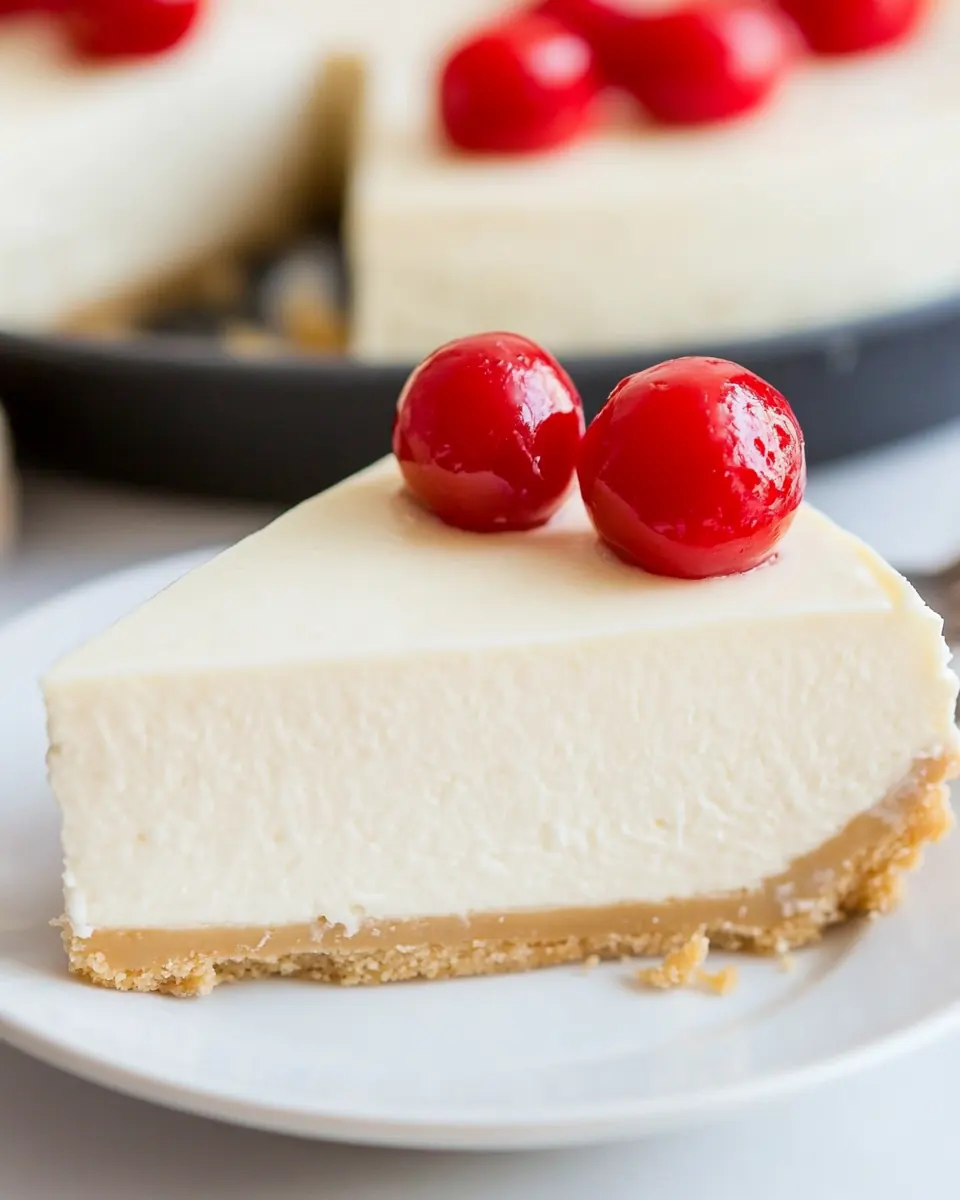
There are many ways to personalize this Vegan Cheesecake while keeping the core technique. Below are practical, flavor forward ideas you can try depending on your tastes and the occasion.
- Swap sweeteners gently: If you prefer a less refined option, use pure maple syrup in place of sugar, but reduce other liquids slightly to account for the extra moisture.
- Try a different crust for texture: A nut and date crust adds chewiness and a toasty note, while a simple graham style crust keeps things classic and crisp.
- Adjust tang modestly: Increase the lemon juice by a small amount for brighter acidity, or reduce it for a mellower profile.
- Make it sugar free carefully: Use xylitol in place of sugar and monitor setting time, since sugar alternatives can affect firmness.
- Fold in flavor swirls lightly: Add a thin swirl of fruit puree on top before baking for visual appeal, but avoid heavy additions that increase moisture and extend set time.
Side Dish Ideas for Vegan Cheesecake
This Vegan Cheesecake works for many occasions from casual gatherings to special celebrations. Consider how you present it and what to pair it with to enhance the experience.
- Seasonal fruit compote pairs beautifully, especially berries in summer or poached stone fruit in late summer to early fall, adding a fresh counterpoint to the creamy cake.
- Light coffee service is perfect for an afternoon dessert spread, offering contrast to the cake’s sweetness and rounding out the palate.
- Tea selection for a quieter gathering: a mild green tea or herbal blend can complement the dessert without overpowering it.
- Make ahead plating tips: slice and arrange on chilled plates so pieces hold shape when served, and add a small dollop of coconut whipped cream if desired.
- Storage and leftovers advice: keep covered in the refrigerator for up to 4 days for best texture, or freeze portions wrapped tightly for up to 2 months.
- Occasion suggestions for serving: suitable for birthdays, potlucks, Ramadan if you need a plant based dessert after fasting, and as a make ahead showstopper for holiday parties.
- Presentation ideas include fresh micro herbs or thin lemon zest curls for a refined, minimal look that highlights the smooth top.
FAQ
Conclusion
What makes this recipe special is its ability to deliver a velvety, tangy cheesecake experience entirely without dairy. The thoughtful combination of room temperature vegan cream cheese, plant based yogurt, and a gentle water bath bake produces a reliably smooth set and an elegant finish. I encourage you to give it a try, especially if you appreciate desserts that can be made ahead and travel well to gatherings. With minimal fuss and pantry friendly ingredients, this Vegan Cheesecake routinely surprises guests and becomes an easy go to for celebrations and simple indulgence alike. Enjoy the process and the delightful reward.
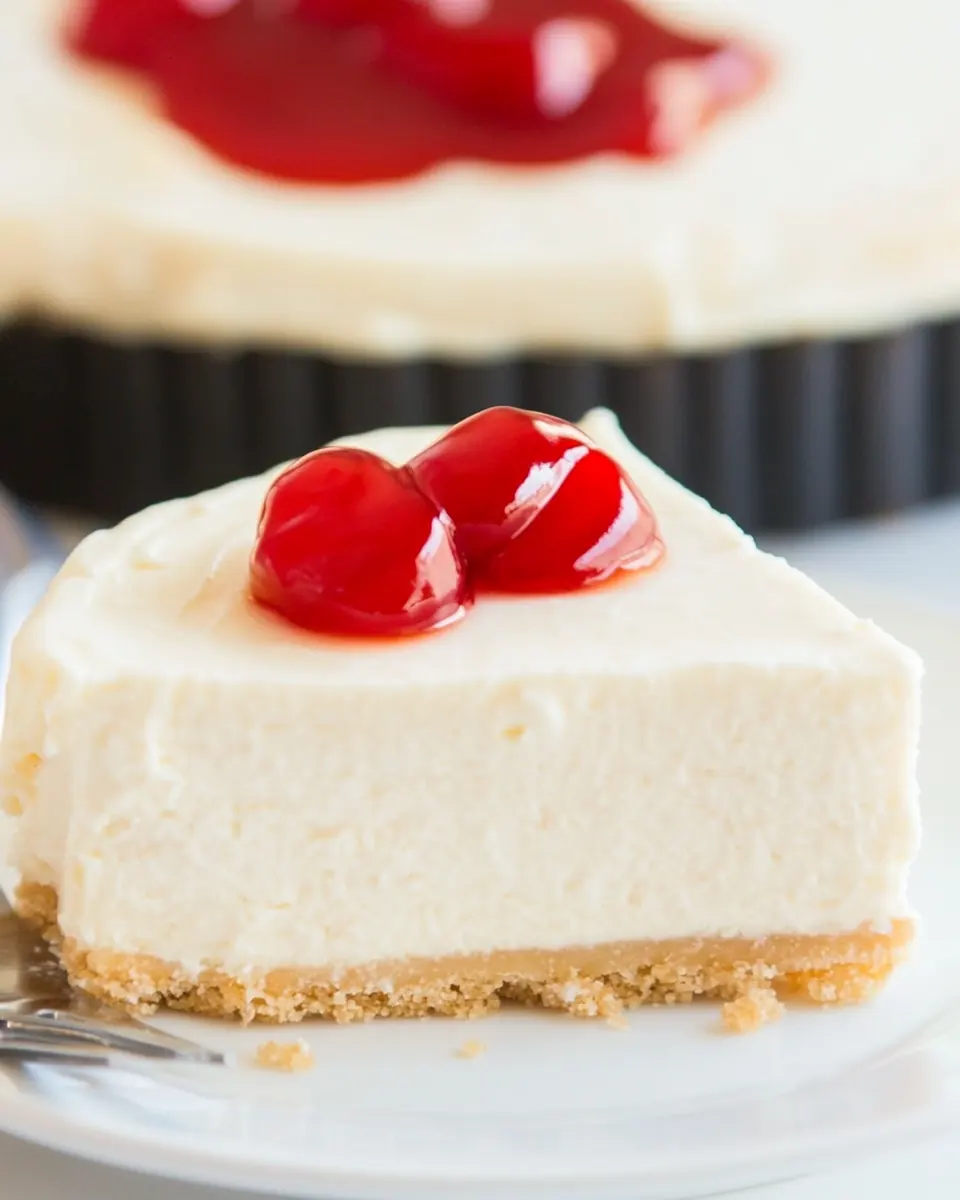
Vegan Cheesecake
Ingredients
Equipment
Method
- To make vegan cheesecake, first preheat the oven to 350 F. Fill any baking pan about halfway with water and place it on the oven’s lower rack. Prepare your crust in a 9 inch springform pan, and set aside. Bring cream cheese to room temperature. Beat all cheesecake ingredients in a blender or food processor just until smooth. (For best results, do not overbeat, which can introduce air bubbles that might burst in the oven and cause cracking.) Smooth the filling on top of your prepared crust. Place on the middle rack, above the rack with the water pan. Bake 30 minutes. When the time is up, keep the oven door completely closed but turn off the heat. Leave the pan in the closed oven for an additional 5 minutes. Then remove the still underdone cake and let cool at least 20 minutes on the counter before refrigerating until chilled. It is important to let the vegan cheesecake cool gradually so it does not crack. The cake firms up considerably as it chills and will be ready to slice after a few hours. Or you can make it the day before and let it firm up overnight. Store leftovers covered in the refrigerator for 4 days or in the freezer for up to 2 months.: The filling will smell subtly sweet and buttery as it comes together in the blender, with a faint lemon brightness mingling with the vanilla, and you should notice a silky sheen when it is fully emulsified. Proper texture matters because it determines how the cake sets and slices, and under mixing or over mixing can lead to a loose set or air pockets. A frequent oversight is blending too long; that can introduce air which forms bubbles that expand in the oven and may cause cracking. If you see small bubbles on the surface before baking, gently tap the pan on the counter to release them.
- first preheat the oven to 350 F: You will feel the warm oven heat and possibly smell a faint dry heat as it reaches temperature, which ensures the cake bakes evenly from the start. Consistent oven temperature is important to prevent uneven rise and cracking. A common mistake is starting with a cold oven, which can lead to prolonged bake times and a denser texture. Use an oven thermometer if your oven runs hot or cold to achieve the correct 350 F environment.
- Fill any baking pan about halfway with water and place it on the oven’s lower rack: The steam and gentle heat from the water bath create a moist oven environment that prevents the top from drying and cracking and yields a tender surface. The visual cue is a steady little steam presence when the oven door is briefly opened after baking. Forgetting the water bath increases the chance of a cracked top and a firmer, less delicate crumb; ensure the pan has enough water but not so much that it might slosh into the springform pan.
- Prepare your crust in a 9 inch springform pan, and set aside: The crust should feel slightly firm when pressed into the pan, with an even thickness across the base and up the sides, which creates a supportive shell for the filling. This structural role affects the mouthfeel contrast between the crumbly base and the smooth filling. A common error is an uneven crust thickness that causes the cheesecake to bake inconsistently; press the crust evenly with the back of a spoon or a measuring cup for a level surface.
- Bring cream cheese to room temperature: When the vegan cream cheese is at room temperature, it blends into the batter easily without cold lumps, and the aroma becomes milder and more workable. This step matters because cold cream cheese resists emulsification and can create grainy textures. Rushing this step by microwaving can over soften the cheese and introduce moisture, so allow it to sit until just soft to the touch.
- Beat all cheesecake ingredients in a blender or food processor just until smooth: You will notice the filling become glossy and homogeneous, and the sound will shift from a chunky thunk to a steady whir as everything combines. Achieving a smooth batter is important for consistent texture, while overbeating traps air that can expand and create fissures. To avoid this, pulse and scrape the sides, and stop as soon as you see a uniform, velvety consistency.
- For best results do not overbeat which can introduce air bubbles that might burst in the oven and cause cracking: The mixture should be calm and dense rather than frothy, and the surface should show a mirror like sheen when it is ready. The reason this matters is that air pockets expand in heat and often make cracks or uneven surfaces. Avoid the temptation to blend longer than necessary; if you see foam forming, pause and let it settle before proceeding.
- Smooth the filling on top of your prepared crust: As you spread the filling, the surface should look satiny and even, and the filling will settle to a uniform height without gaps. This matters because an even top bakes uniformly and looks attractive after slicing. A common slip is to leave ridges from the spatula, which can bake into irregularities; use gentle long strokes to level the surface.
- Place on the middle rack above the rack with the water pan: Positioning affects how heat circulates and how evenly the cake bakes, and the middle rack gives the best balance for even browning and set. Visual cues include a slow, gentle jiggle in the center when lightly nudged, indicating it is near set. Placing it too low or too high can produce uneven texture; confirm the pan is centered in the oven for the most consistent result.
- Bake 30 minutes: During baking you may notice a faint sweet aroma and a barely trembling center which indicates the custard is setting while retaining silkiness. The timing is chosen to set the edges firmly while keeping the center slightly underdone to finish setting as it cools. Overbaking creates a dry, crumbly texture and increases cracking; check for a slight wobble rather than complete firmness at the end of the baking time.
- When the time is up keep the oven door completely closed but turn off the heat: The residual heat will complete the cook gently, which helps prevent sudden temperature shifts that cause cracks, and the environment inside will stay humid and warm. This gradual transition promotes a smooth top and a custardy interior. Opening the door too early creates a draft and sudden cooling that often leads to the surface splitting; resist the urge to peek.
- Leave the pan in the closed oven for an additional 5 minutes: Those extra minutes allow the center to finish setting without direct heat, and you may hear a soft settling sound or see the very center firm slightly. The gentle finishing step yields a creamier interior and reduces textural shocks. Skipping this pause risks a less even set and more brittle surface.
- Then remove the still underdone cake and let cool at least 20 minutes on the counter before refrigerating until chilled: As it cools you will notice the cake slowly lose its tremble and begin to firm, signaling the structure forming as the gelatinized cornstarch sets. Slow cooling reduces cracking and creates a dense, sliceable finished texture. A frequent misstep is moving the cake while it is too warm which can cause settlement marks; let it rest undisturbed during this phase.
- It is important to let the vegan cheesecake cool gradually so it does not crack: The surface will remain smooth if you allow a gentle temperature drop, and the internal crumb firms up without stress. This matters for both appearance and texture. Rapid cooling in a cold space or refrigerator can cause stress cracks; always start with room temperature cooling before chilling.
- The cake firms up considerably as it chills and will be ready to slice after a few hours: After refrigeration the cake will take on a denser, creamy structure and slicing will yield clean edges and consistent layers of crust and filling. Proper chilling improves flavor melding and sliceability. Cutting it too early can yield a slumping center and messy slices; patience rewards you with neat, beautiful servings.
- Or you can make it the day before and let it firm up overnight: Overnight chilling deepens the flavors and produces the most reliable texture for serving the next day, and the cake will be easier to transport and present. This planning step makes entertaining low stress. A common error is not covering the cake which can lead to fridge odors transferring; wrap or cover it tightly before chilling overnight.
- Store leftovers covered in the refrigerator for 4 days or in the freezer for up to 2 months: Proper storage preserves texture and flavor, and refrigerated slices remain moist while frozen portions can be thawed for future treats. When freezing, wrap tightly to prevent freezer burn that dulls flavor. A common mistake is leaving it uncovered which causes drying and flavor loss; always store in an airtight container.
Notes
- Swap sweeteners gently: If you prefer a less refined option, use pure maple syrup in place of sugar, but reduce other liquids slightly to account for the extra moisture.
- Try a different crust for texture: A nut and date crust adds chewiness and a toasty note, while a simple graham style crust keeps things classic and crisp.
- Adjust tang modestly: Increase the lemon juice by a small amount for brighter acidity, or reduce it for a mellower profile.
- Make it sugar free carefully: Use xylitol in place of sugar and monitor setting time, since sugar alternatives can affect firmness.
- Fold in flavor swirls lightly: Add a thin swirl of fruit puree on top before baking for visual appeal, but avoid heavy additions that increase moisture and extend set time.