Wendys Chili Recipe
Wendys Chili Recipe is one of those bowls that feels like home on a cold afternoon, and I still recall the first time I tried to recreate it in my tiny kitchen. The spice blend, the meaty base, and the hearty beans came together in a way that made the house smell like a neighborhood diner, and I kept peeking into the pot as if it were a slow moving magic trick.
I remember stirring a bubbling pot while the light faded outside, thinking about how a simple mix of pantry cans can become something comforting and confident. There was no pretense, just a sensible list of ingredients that prove good food does not need to be complicated. I like how this version gives you room to make small adjustments, yet still stays true to the familiar flavors I associate with a cozy winter night.
Recipe Snapshot
1 hr 15 mins
5 mins
70 mins
Medium
300 kcal
American
Gluten-Free, Low FODMAP
Dinner
Large pot, Wooden spoon
What’s Great About This Wendys Chili Recipe
Comforting and Familiar
I love this bowl because it tastes like a warm memory, and the combination of ground beef, tomatoes, and beans delivers that classic chili profile everyone recognizes. The texture is balanced between tender meat and creamy beans, and the tomato base ties it all together, creating a thick, spoonable stew that warms you from the inside out.
Simple, Accessible Ingredients
One of the things I appreciate most is how approachable the pantry list is. You can source everything at a regular grocery store, and the short ingredient list makes this a perfect easy weeknight dinner. I often grab the canned tomatoes and beans without a second thought, knowing they will turn into something satisfying.
Flexible and Forgiving
The recipe allows for small swaps and personal touches, and I enjoy tweaking the vinegar at the end to brighten the whole pot. If you like a bit more heat or a deeper savory note, you can experiment without risking the whole batch. That kind of flexibility makes it a recipe I reach for when I want dependable results.
Feeds a Crowd
This recipe scales nicely, which is why I find it ideal for gatherings or weeknight leftovers. It reheats beautifully, and flavors seem to meld further after a day in the fridge, so I always plan for seconds. The quantity makes it great for sharing, and it’s an economical way to feed a group without fuss.
Balanced Flavors and Texture
The interplay between savory ground beef, tangy tomato elements, the mild chili seasoning, and a splash of vinegar at the end gives the chili a rounded finish. I appreciate that each spoonful offers a contrast of hearty chunks and saucy warmth, creating a satisfying mouthfeel that keeps people coming back.
Wendys Chili Recipe Shopping List
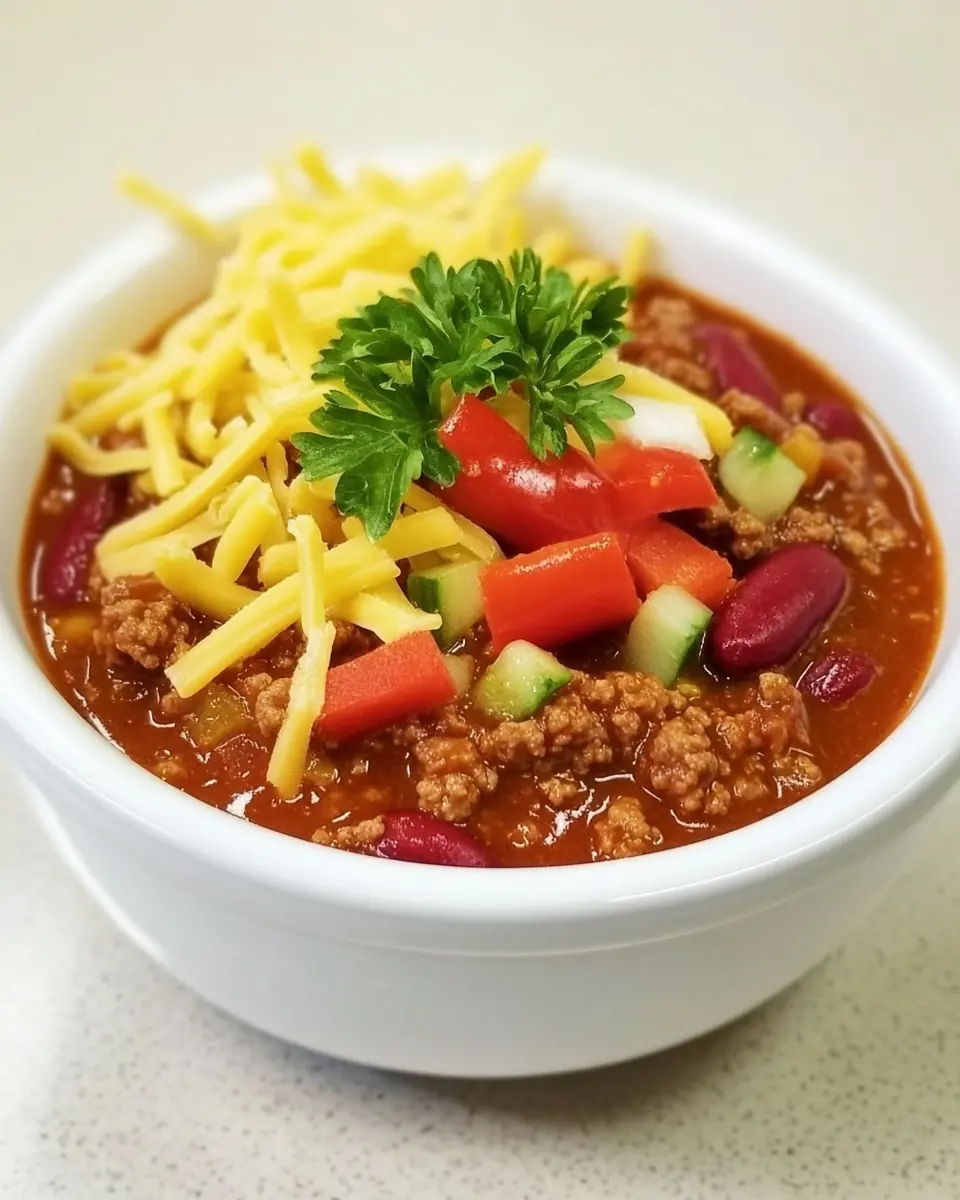
The philosophy behind these ingredients is straightforward, they work together to produce a bowl that is robust, well rounded, and hearty. The key players are the ground beef for savory depth, the canned tomatoes and tomato sauce for body and acidity, and the beans for creaminess and bulk. Small additions like chili seasoning and white vinegar are the finishing touches that harmonize the flavors.
- 2 tablespoons olive oil: Heat in a skillet or pot to create a cooking medium that helps brown meat and soften vegetables; provides a mild fruity flavor and healthy fats to carry spices. Use at the start of the recipe to prevent sticking and encourage caramelization for deeper flavor. Adjust quantity if using a nonstick pan or higher heat to avoid smoking.
- 2 pounds ground beef: Brown thoroughly to develop rich savory flavor and texture; provides the dish’s primary protein and mouthfeel. Cook until no pink remains and break into small pieces for even distribution throughout the chili. Drain excess fat if desired to control richness.
- 2 stalks celery, chopped (optional): Chop and simmer to add gentle crunch and aromatic depth; offers a subtle savory, slightly bitter note that complements other vegetables. Add early enough to soften and meld with the sauce while still retaining some texture. Use only if desired since marked optional.
- 1 green bell pepper, chopped: Chop and sauté to contribute a sweet, slightly bitter vegetal flavor and moisture; enhances overall aroma and adds textural contrast. Add with other aromatic vegetables to build the flavor base before adding liquids and spices. Adjust chop size to preference for bite-size pieces.
- 3 (14-ounce) cans stewed tomatoes, chop them up a little more: Roughly chop and stir into the pot to supply body, acidity, and a tomato-forward flavor with chunks for texture; contributes bulk and a bright, slightly sweet profile. Add early so the tomatoes break down and integrate with spices, enriching the sauce. Use drained or with juices according to desired thickness.
- 1 (10-ounce) can diced tomatoes with green chilies, such as RO*TEL: Drain or add with juices to introduce a mild heat and tang from green chilies while providing tomatoey texture and flavor; enhances complexity and a subtle kick that distinguishes the chili. Stir in with other tomato products and seasonings to distribute spiciness evenly. Use brand-specified can for consistent flavor.
- 1 (14-ounce) can tomato sauce: Pour in to supply concentrated tomato flavor and thicken the chili’s base; creates a smooth, saucy consistency that binds ingredients together. Add after browning aromatics to integrate into the simmering liquid and adjust thickness as needed. Can be diluted with water if a thinner sauce is preferred.
- 1 cup water: Add to adjust consistency and control sauce thickness while allowing spices and seasonings to disperse; helps deglaze the pan and create the desired simmering volume. Use measured water to prevent the chili from becoming too thin and to balance concentrated tomato products. Add gradually during cooking to reach preferred texture.
- 2 (1.25-ounce) packages chili seasoning, such as McCormick® Mild Chili Seasoning Mix: Sprinkle in to season the chili with a balanced blend of chili powder, cumin, garlic, and other spices; provides consistent flavor and heat without measuring individual spices. Mix thoroughly so seasoning dissolves into the liquid and permeates the meat and vegetables. Use mild mix for a gentler heat profile.
- 1 (14-ounce) can kidney beans, undrained: Stir in undrained to add creamy texture, protein, and a slightly sweet, earthy flavor while increasing chili’s bulk; liquid helps thicken and flavor the sauce. Add near the end of cooking to heat through without breaking the beans apart. Rinse only if a less starchy liquid is preferred, though recipe calls for undrained.
- 1 (14-ounce) can pinto beans, undrained: Add undrained to contribute a soft, mealy texture and additional protein, complementing kidney beans for variety in bean shape and flavor. Include with other beans to boost heartiness and absorb surrounding seasonings. Heat gently to prevent splitting while ensuring beans warm through.
- salt and black pepper to taste: Season at the end and during cooking to enhance overall flavor balance and control seasoning levels; salt enhances savory notes while black pepper adds mild heat and pungency. Taste multiple times as the chili reduces because flavors concentrate during simmering. Use sparingly at first and adjust to preference.
- 1 tablespoon white vinegar, or more to taste: Stir in to brighten flavors and provide a subtle acidic lift that balances richness and sweetness; vinegar rounds out the overall taste and enhances other seasonings. Add toward the end of cooking and adjust amount to personal preference for tanginess. Increase gradually to avoid overpowering the chili.
Recipe Steps for Wendys Chili Recipe

These steps guide you through the build and simmering process so the flavors develop fully. Follow the progression from browning to simmering, and let patience do the work. I like to stay nearby and taste as the pot evolves, because that is when you can make small corrections that pay off in the final bowl.
- Heat olive oil in a large pot over medium-high heat. Cook meat until no longer pink.: The moment the oil shimmers and becomes slightly rippled, you know it is ready, and that aroma of warm oil is the first sign of depth to come. You should hear a gentle sizzle as the oil meets the pan, which primes the surface for browning. This matters because a properly heated pan prevents the meat from sticking and promotes caramelization, creating rich savory notes called fond. If the oil starts to smoke, reduce the heat immediately, as burned oil gives an unpleasant bitterness that will carry through the whole pot.
- Stir celery and green bell pepper into ground beef for 4-5 minutes.: As the ground beef hits the hot oil, you will hear a pronounced sizzle and see the meat change color from red to tan to deep brown. Breaking it into small pieces encourages even browning and exposes more surface area for flavor development. The Maillard reaction that occurs while browning is essential for the complex, meaty taste of the chili. A common mistake is stirring too frequently, which prevents proper browning and yields bland results, so let sections sear briefly before turning them.
- Pour in chopped stewed tomatoes, diced tomatoes with green chiles, tomato sauce, and water. Break apart large chunks of stewed tomatoes. Stir in chili seasoning.: As you add the celery and green bell pepper , the pot will fill with a fresh vegetal scent that offsets the meatiness. Sautéing them for four to five minutes softens their texture and releases aromatic flavors without losing structure. This step builds layers, because softened vegetables meld into the sauce and round out the profile. If you undercook them, they can remain tough and stand out unpleasantly, so ensure they are tender but not mushy.
- Mix kidney beans and pinto beans into chili, season with salt and black pepper, and bring to a boil.: When you add the canned tomatoes , the pot will loosen and you may hear a gentle simmer begin as the liquids meet the hot ingredients. Breaking apart large chunks ensures even tomato distribution so each spoonful has a balance of sauce and pieces. This technique helps the sauce thicken uniformly during simmering because smaller pieces integrate faster. A common misstep is not breaking up large chunks, which can lead to pockets of tomato that taste uneven compared to the rest of the chili.
- Reduce heat to low and simmer for 1 hour. Mix vinegar into chili.: Use a wooden spoon to press and separate big pieces until they match the texture of the other tomato elements, and notice how the pot becomes more cohesive visually. This consistency matters since uniform tomato pieces allow spices and meat to cling better, producing a harmonious sauce. If the chunks remain too large, the texture can feel lumpy and inconsistent, so spend a moment ensuring evenness.
- Stir in chili seasoning: As you sprinkle the chili seasoning into the bubbling base, take in the warm aroma of ground spices that immediately lifts the mixture. Stir thoroughly so the seasoning dissolves and coats the meat and tomatoes, which helps flavors infuse during the simmer. Proper distribution ensures no single bite is overwhelmingly salty or bland. Avoid dumping the whole packet without stirring, as uneven pockets of seasoning can produce clashing bursts of flavor.
- Mix kidney beans and pinto beans into chili: When the kidney beans and pinto beans join the pot, the texture deepens and the chili gains more body, and the sight of beans folding into the sauce is satisfying. Stir gently to integrate them while preserving some whole bean texture, because their creamy interiors thicken the stew as they warm. Overmixing and mashing the beans can produce an overly smooth consistency that lacks bite, so stir with care.
- Season with salt and black pepper: Tasting and adjusting with salt and black pepper at this stage is crucial, because the chili will concentrate as it simmers, intensifying flavors. Add small increments, stir, and taste so you do not overshoot. Proper seasoning amplifies the natural flavors of the meat, beans, and tomatoes, making the entire dish sing. A typical error is salting too early without tasting, which can be hard to correct later as the pot reduces.
- Bring to a boil: When the surface comes alive with rolling bubbles and steam rises in a steady column, you have reached a boil, which signals that flavors are marrying and heat has penetrated the pot. This step is important to redistribute heat evenly before you lower it to a gentle simmer for deeper development. Leaving it at a vigorous boil will reduce liquid too quickly and can toughen proteins, so watch closely and be ready to lower the flame.
- Reduce heat to low and simmer for 1 hour: As the chili settles into a low simmer, you will hear occasional gentle bubbling and notice the sauce gradually thickening, while aromas deepen into a richer, more integrated scent. Simmering slowly allows tough connective tissues in the meat to relax and spices to meld, producing a smoother, more complex flavor. Avoid rushing this with higher heat, because rapid boiling can cause uneven cooking and evaporation that leaves the chili dry and unbalanced.
- Mix vinegar into chili: A tablespoon of white vinegar at the end brightens the entire pot, cutting through richness and reawakening the tomato notes, and the tang is immediately perceptible as it stirs in. This acid finishes the dish by balancing savory and sweet elements so the flavors feel lively. Add incrementally and taste, because too much acid can dominate and make the dish sharp rather than balanced.
Make It Your Own
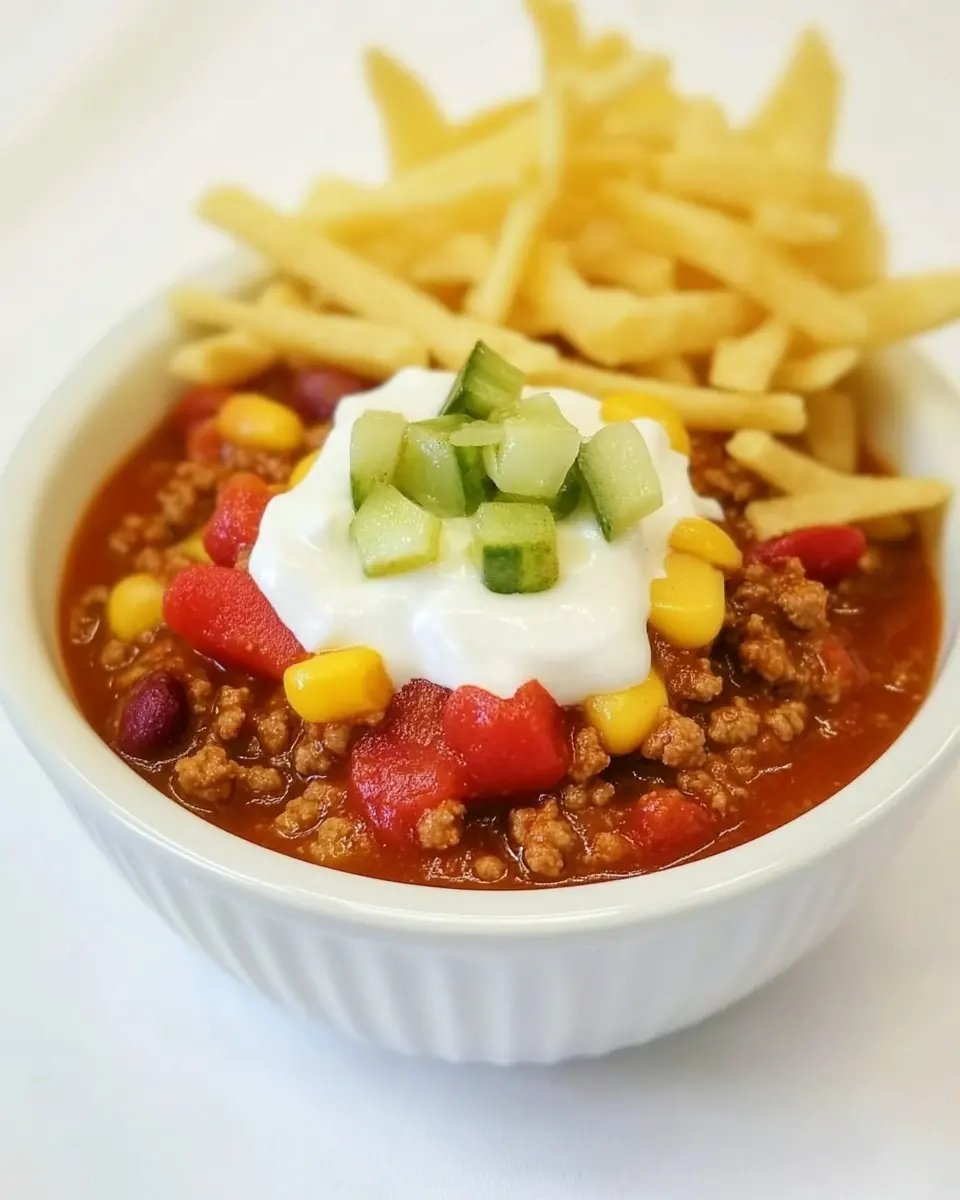
I like to think of these tips as gentle nudges that let you make the chili your own while keeping the heart of the recipe intact. Small shifts can have a big impact on texture and flavor, and these ideas are practical and easy to try.
- Brown in batches to ensure deep caramelization on the ground beef, which builds savory complexity and avoids steaming that produces a gray texture.
- Preserve bean liquid by keeping canned beans undrained, because their starches naturally thicken and enrich the chili without extra effort.
- Chop tomatoes smaller when adding stewed tomatoes, as smaller pieces integrate into the sauce and prevent uneven pockets of chunky tomato.
- Adjust vinegar at the end in small increments, tasting after each addition so the acidity brightens without overpowering the pot.
- Simmer low and slow for the full hour to let flavors meld and the sauce thicken, patience here yields a deeper, more balanced bowl.
Great Combinations for Wendys Chili Recipe
This chili is versatile for many occasions, and how you serve it can shape the entire meal. Think about texture contrasts, temperature, and balancing richness with bright elements. The list below explores pairings, serving styles, and storage tips to make the most of the recipe.
- Classic bowl service: Serve the chili hot in deep bowls with a ladleful of thick sauce in the center, garnished simply if desired, which keeps the focus on the hearty flavors and warming texture.
- Family style: Place the pot on the table with a stack of bowls, letting guests help themselves. This works well for casual dinners and gatherings, and it encourages conversation and sharing.
- Side dish options: Pair with crusty bread or cornbread for dipping, as the porous texture soaks up the sauce and complements the chili‘s savory depth.
- Occasion suggestions: Ideal for winter nights or game day feeds, this chili is hearty enough for communal meals and simple enough for weeknight dinners where you want comfort without fuss.
- Storage tips: Cool to room temperature, then refrigerate in an airtight container for up to four days, and reheat gently over low heat to preserve texture and flavor.
- Make ahead: The flavors often improve after a day, so cooking a day early can be an advantage for entertaining and meal prep.
FAQ
Conclusion
Wendys Chili Recipe stands out because it combines familiar pantry staples into a robust, crowd friendly bowl that warms both body and spirit. The balanced interplay of savory ground beef, layered tomato elements, and beans creates a satisfying texture and flavor that gets better with time. Give it a try on a chilly evening, and you will likely find it becoming a reliable favorite for family dinners and casual gatherings. Share it, tweak it, and enjoy the way simple ingredients can produce a memorable meal.
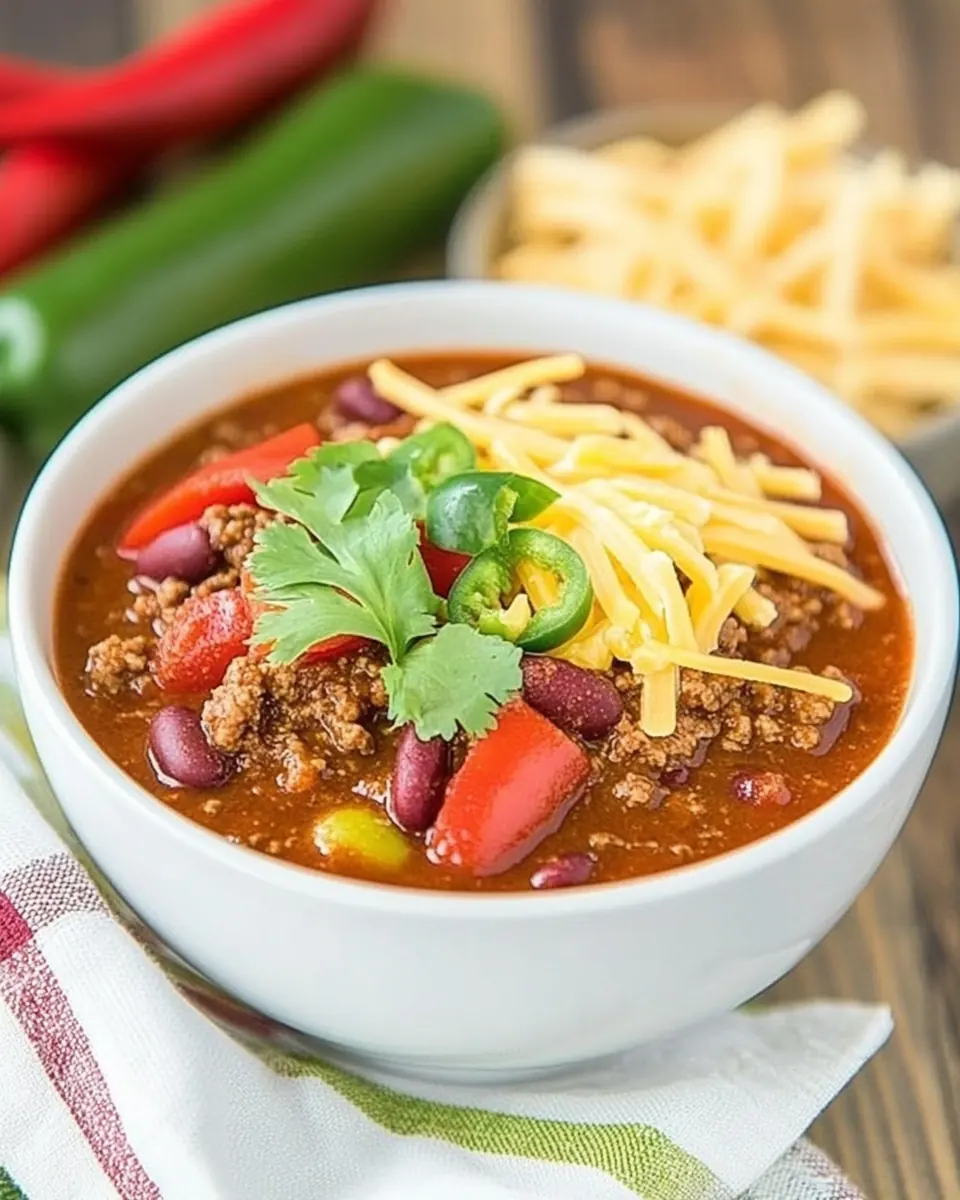
Wendys Chili Recipe
Ingredients
Equipment
Method
- Heat olive oil in a large pot over medium-high heat. Cook meat until no longer pink.: The moment the oil shimmers and becomes slightly rippled, you know it is ready, and that aroma of warm oil is the first sign of depth to come. You should hear a gentle sizzle as the oil meets the pan, which primes the surface for browning. This matters because a properly heated pan prevents the meat from sticking and promotes caramelization, creating rich savory notes called fond. If the oil starts to smoke, reduce the heat immediately, as burned oil gives an unpleasant bitterness that will carry through the whole pot.
- Stir celery and green bell pepper into ground beef for 4-5 minutes.: As the ground beef hits the hot oil, you will hear a pronounced sizzle and see the meat change color from red to tan to deep brown. Breaking it into small pieces encourages even browning and exposes more surface area for flavor development. The Maillard reaction that occurs while browning is essential for the complex, meaty taste of the chili. A common mistake is stirring too frequently, which prevents proper browning and yields bland results, so let sections sear briefly before turning them.
- Pour in chopped stewed tomatoes, diced tomatoes with green chiles, tomato sauce, and water. Break apart large chunks of stewed tomatoes. Stir in chili seasoning.: As you add the celery and green bell pepper , the pot will fill with a fresh vegetal scent that offsets the meatiness. Sautéing them for four to five minutes softens their texture and releases aromatic flavors without losing structure. This step builds layers, because softened vegetables meld into the sauce and round out the profile. If you undercook them, they can remain tough and stand out unpleasantly, so ensure they are tender but not mushy.
- Mix kidney beans and pinto beans into chili, season with salt and black pepper, and bring to a boil.: When you add the canned tomatoes , the pot will loosen and you may hear a gentle simmer begin as the liquids meet the hot ingredients. Breaking apart large chunks ensures even tomato distribution so each spoonful has a balance of sauce and pieces. This technique helps the sauce thicken uniformly during simmering because smaller pieces integrate faster. A common misstep is not breaking up large chunks, which can lead to pockets of tomato that taste uneven compared to the rest of the chili.
- Reduce heat to low and simmer for 1 hour. Mix vinegar into chili.: Use a wooden spoon to press and separate big pieces until they match the texture of the other tomato elements, and notice how the pot becomes more cohesive visually. This consistency matters since uniform tomato pieces allow spices and meat to cling better, producing a harmonious sauce. If the chunks remain too large, the texture can feel lumpy and inconsistent, so spend a moment ensuring evenness.
- Stir in chili seasoning: As you sprinkle the chili seasoning into the bubbling base, take in the warm aroma of ground spices that immediately lifts the mixture. Stir thoroughly so the seasoning dissolves and coats the meat and tomatoes, which helps flavors infuse during the simmer. Proper distribution ensures no single bite is overwhelmingly salty or bland. Avoid dumping the whole packet without stirring, as uneven pockets of seasoning can produce clashing bursts of flavor.
- Mix kidney beans and pinto beans into chili: When the kidney beans and pinto beans join the pot, the texture deepens and the chili gains more body, and the sight of beans folding into the sauce is satisfying. Stir gently to integrate them while preserving some whole bean texture, because their creamy interiors thicken the stew as they warm. Overmixing and mashing the beans can produce an overly smooth consistency that lacks bite, so stir with care.
- Season with salt and black pepper: Tasting and adjusting with salt and black pepper at this stage is crucial, because the chili will concentrate as it simmers, intensifying flavors. Add small increments, stir, and taste so you do not overshoot. Proper seasoning amplifies the natural flavors of the meat, beans, and tomatoes, making the entire dish sing. A typical error is salting too early without tasting, which can be hard to correct later as the pot reduces.
- Bring to a boil: When the surface comes alive with rolling bubbles and steam rises in a steady column, you have reached a boil, which signals that flavors are marrying and heat has penetrated the pot. This step is important to redistribute heat evenly before you lower it to a gentle simmer for deeper development. Leaving it at a vigorous boil will reduce liquid too quickly and can toughen proteins, so watch closely and be ready to lower the flame.
- Reduce heat to low and simmer for 1 hour: As the chili settles into a low simmer, you will hear occasional gentle bubbling and notice the sauce gradually thickening, while aromas deepen into a richer, more integrated scent. Simmering slowly allows tough connective tissues in the meat to relax and spices to meld, producing a smoother, more complex flavor. Avoid rushing this with higher heat, because rapid boiling can cause uneven cooking and evaporation that leaves the chili dry and unbalanced.
- Mix vinegar into chili: A tablespoon of white vinegar at the end brightens the entire pot, cutting through richness and reawakening the tomato notes, and the tang is immediately perceptible as it stirs in. This acid finishes the dish by balancing savory and sweet elements so the flavors feel lively. Add incrementally and taste, because too much acid can dominate and make the dish sharp rather than balanced.
Notes
- Brown in batches to ensure deep caramelization on the ground beef, which builds savory complexity and avoids steaming that produces a gray texture.
- Preserve bean liquid by keeping canned beans undrained, because their starches naturally thicken and enrich the chili without extra effort.
- Chop tomatoes smaller when adding stewed tomatoes, as smaller pieces integrate into the sauce and prevent uneven pockets of chunky tomato.
- Adjust vinegar at the end in small increments, tasting after each addition so the acidity brightens without overpowering the pot.
- Simmer low and slow for the full hour to let flavors meld and the sauce thicken, patience here yields a deeper, more balanced bowl.