Sweet and Salty Butternut Squash Fries
Sweet and Salty Butternut Squash Fries are one of those recipes I reach for when I want something cozy, crunchy, and a little unexpected on the table. The first time I roasted this squash into fries I was stunned by how the natural sweetness caramelized along the edges while a touch of salt pulled everything together. I remember juggling a hot, heavy whole squash on the counter, relieved when a quick oven soften made peeling and slicing effortless, and feeling proud that a humble vegetable could feel indulgent.
Over the years I have tweaked timing and seasoning so that the fries come out with the right balance of tender interior and crisp exterior. I like that they travel well from oven to plate, and that they pair with so many dips, or stand alone as a snack. When friends come over, they always ask for the recipe, surprised that something this simple can taste so layered. I often roast an extra squash, because leftovers reheat beautifully in a hot oven or air fryer, and they make a brilliant addition to grain bowls the next day. There is a warmth to this dish that matches cool evenings, and a playful crunch that keeps people coming back for one more piece.
Recipe Snapshot
1 hr 25 mins
15 mins
70 mins
Medium
150 kcal
American
Keto, Gluten-Free
Side Dishes
Oven, Cookie sheet, Sharp knife, Spoon
The Appeal of This Sweet and Salty Butternut Squash Fries
Natural sweet and caramelized edges
I love how roasting concentrates the sugars in butternut squash, producing those amber edges that smell faintly of caramel. That contrast between soft, almost creamy interiors and the crisp, browned tips makes each fry feel like a tiny, delightful bite. I notice texture first when I taste food, and these fries deliver a pleasing mouthfeel, plus an aroma that fills the kitchen and signals comfort.
Simple seasoning, big impact
With just salt and a hint of garlic salt, the natural flavor of the squash shines. I find that a light hand with seasoning allows the sweetness to come forward, while the savory notes keep the overall flavor from leaning too sweet. This is one reason I rarely complicate the list of spices, so the squash remains the star.
Low fuss, high reward
I appreciate recipes that respect my time, and this one does that in two ways. First, I soften the whole squash first so that peeling and cutting are safe and quick. Second, the actual roast time produces a reliably crisp exterior without constant babysitting. For busy weeknights or casual gatherings, that combination of ease and dependable results is why I keep returning to this dish.
Versatile and crowd pleasing
These fries work as a snack, a side, or a vegetarian centerpiece. I often serve them with dipping sauces, or tuck them into bowls with grains and leafy greens. Because they are approachable and familiar, people of all ages enjoy them, and that flexibility is a huge reason I make them repeatedly.
Comfort food with a healthy tilt
There is something comforting about a fry, yet using butternut squash gives you vitamins, fiber, and a homey sweetness without heavy oil. I like that you can indulge the craving for a fried texture while keeping the dish rooted in whole food. That balance between comfort and intention keeps me cooking it often.
Shopping List for Sweet and Salty Butternut Squash Fries
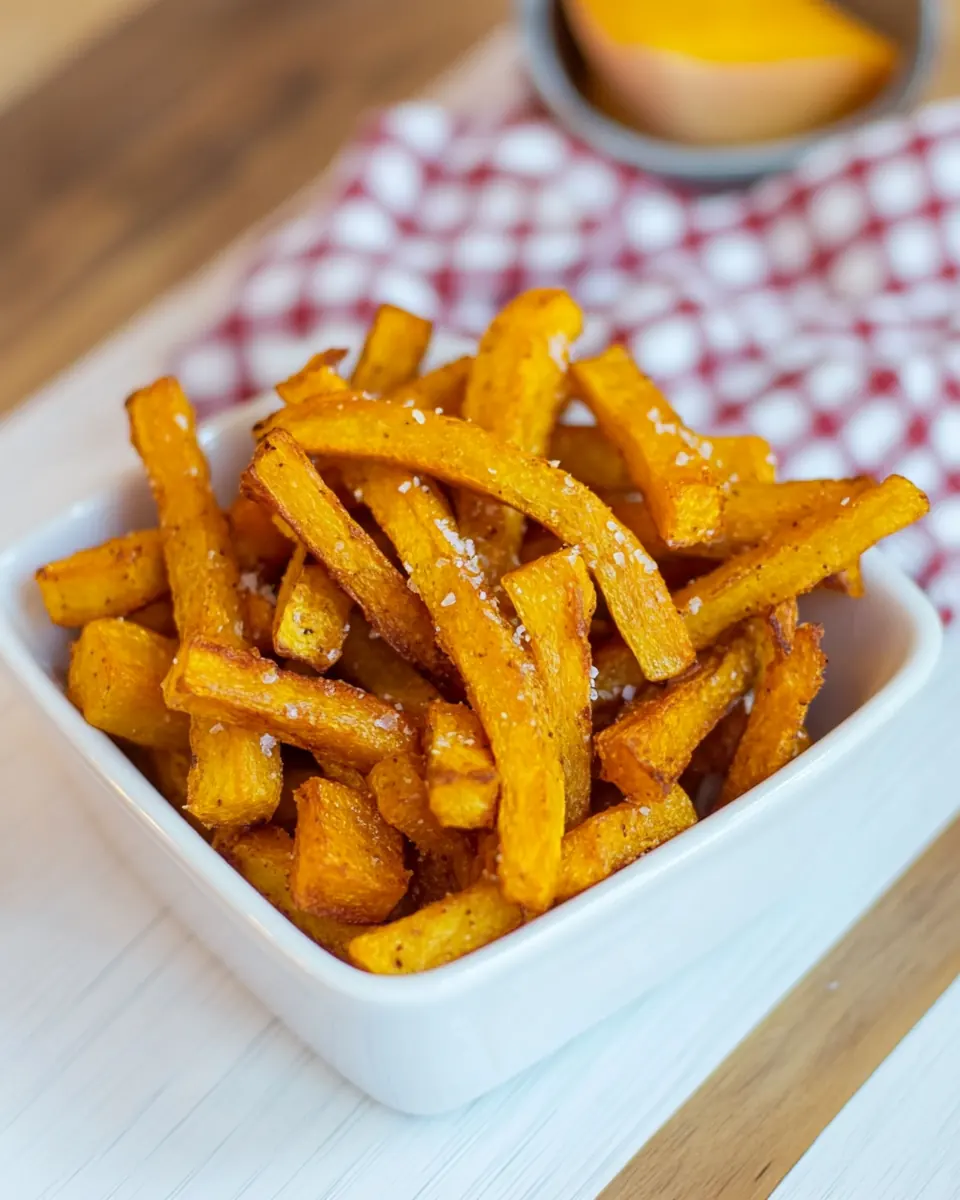
These ingredients are refreshingly few, each chosen to showcase the squash. The philosophy here is restraint, letting the key player shine while small additions, like olive oil and salt, support texture and flavor. Together they create a balance of sweet, savory, and crisp that makes the fries feel special without a long ingredient list.
- 3 pound butternut squash: Peel and cube to provide the sweet, dense base for the fries; roasting concentrates its natural sugars and yields tender interiors with caramelized edges. Cut into even sticks to ensure uniform cooking and optimal crispness.
- 1/2 teaspoons salt: Season lightly to enhance overall flavor balance and bring out the natural sweetness of the squash; distributing salt evenly helps draw moisture from the surface for better browning. Adjust to taste to avoid overpowering the delicate squash notes.
- 1 tablespoon olive oil: Coat evenly to promote even roasting and help exterior browning; oil transfers heat and encourages a crisp texture while preventing sticking. Use just enough to lightly glaze each fry for optimal mouthfeel.
- 1/4 teaspoon garlic salt: Sprinkle sparingly to add a subtle savory garlic note that complements the squash; it helps build a more complex flavor profile without overwhelming the sweet and salty contrast. Combine with salt for balanced seasoning before baking.
Making Sweet and Salty Butternut Squash Fries
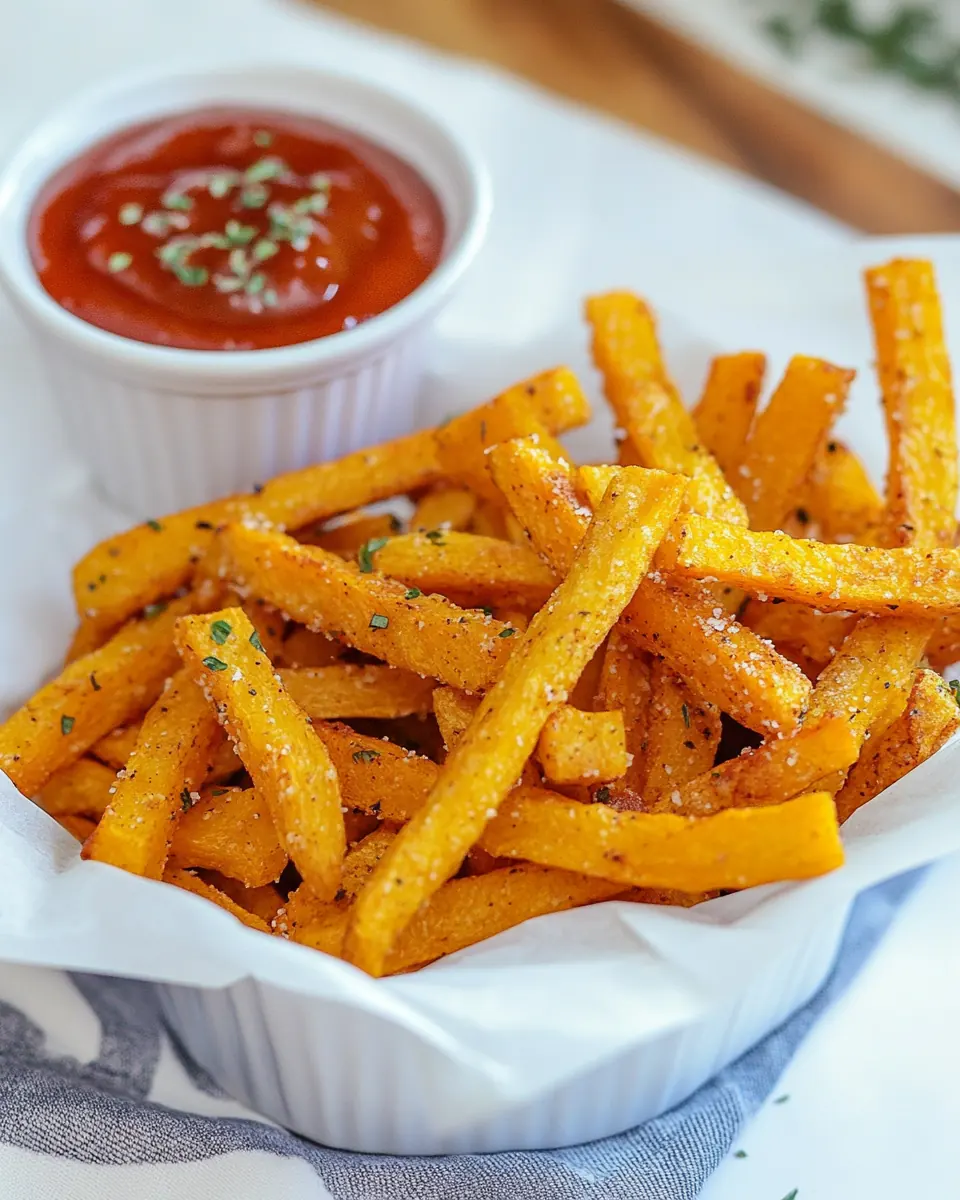
These steps are written so you can move confidently from softening a whole squash to achieving crisp fries. I walk through sensory cues so you know what to look for, and I share common pitfalls that can throw off texture or flavor. The goal is to make each step feel manageable and reassuring.
- First, place butternut squash in its whole form in the oven at about 350 degrees for 30-45 minutes. This will just soften it up enough to cut it up, while not cooking it.: The oven heat will slowly warm the exterior, giving the interior a softened, yielding texture that makes peeling safe and easy, and you will notice the squash skin becoming slightly tender to the touch. You should smell a gentle roasted aroma as the sugars begin to wake up, not a strong caramel scent yet. This warming step prevents fighting the firm raw squash and reduces the risk of uneven slices, which can lead to burnt edges or undercooked centers when you later roast at higher heat. A common mistake is skipping this step and trying to peel and cut a very hard squash, which increases the chance of slips and uneven pieces; take the extra time here and you will save effort later.
- Once soft, cut in half. Scoop out the seeds, and cut away the skin.: When the squash yields under gentle pressure, remove it using oven mitts and let it rest briefly so you can handle it safely; you will feel the skin release steam and the flesh will be warm and tender when you slice through. Use a sharp knife and steady motion, and scoop out the seeds with a spoon; the seeds may be sticky and slightly warm, and removing them clears a cavity so you can lay the halves flat for peeling. The reason for halving after softening is safety and precision, because softened flesh is easier to control and results in cleaner cuts. A typical slip up here is trying to force a cut through a still too firm squash, which can rock the knife and cause uneven halves; wait until it feels pleasantly soft.
- Slice flesh into french fry size sticks.: Running a spoon inside will reveal a tender, slightly stringy seed cavity, and the skin should lift away cleanly after the flesh has been softened by the initial roast. You will notice the interior color deepening to a warm orange, and the texture will be almost buttery when pressed. Removing the skin now is smoother than attempting to peel raw squash; it reduces ragged edges and helps yield uniform sticks. Avoid gouging too deeply into the flesh when peeling, as that reduces yield and can create uneven pieces that cook inconsistently.
- Arrange in a single layer on a cookie sheet, and drizzle with olive oil. Sprinkle with salt, garlic salt and any other seasonings you choose.: Aim for consistent thickness so that each stick cooks at the same rate, and listen for the soft whisper of the knife as it slides through the warmed flesh. The sticks should be firm enough to hold their shape but tender when pressed, about the diameter of a typical french fry; this proportion allows the exterior to crisp while the inside stays tender. Even sizing is crucial, because a mix of very thin and very thick sticks will lead to some burning while others remain underdone. A common error is cutting too thin, which leads to overly browned, dry edges, so keep them substantial enough to retain a pleasant interior.
- Increase temperature to 425 and cook for about 25 minutes, or until the fries get browned, yet not burned. (time will vary depending on the size of your sticks): Lay the sticks so they have space around them, and the thin shimmer of olive oil helps them brown evenly; when you tilt the sheet you should see the oil glisten and coat the surfaces. The oil promotes Maillard reactions, giving the edges a nutty, roasted aroma, and helps any seasonings adhere. If the sticks are crowded, they will steam instead of crisping, so give them breathing room on the pan. Watch out for uneven layering, which traps moisture and prevents browning, causing limp fries instead of crisp ones.
- Sprinkle with salt, garlic salt and any other seasonings you choose: Lightly dust the sticks so every piece carries a hint of seasoning; the salt will draw moisture to the surface and aid in crisping, while garlic salt introduces a savory background note that balances sweetness. You will see the crystals sit on the oil sheen, and the aroma will take on a mild garlicky warmth even before roasting. Seasoning right before roasting ensures it sticks and flavors the crust; a common misstep is over seasoning early, which can lead to uneven flavor or excess surface moisture, so measure with a light hand.
- Increase temperature to 425 and cook for about 25 minutes, or until the fries get browned, yet not burned: As the oven intensifies, you will hear a faint sizzle as the oil and natural sugars react, and the kitchen will fill with a roasted, slightly sweet scent. Look for golden brown edges and occasional darker caramel spots for the best texture contrast; turn or shuffle the pan halfway through if some pieces are browning faster than others. The high heat is what creates that crisp exterior while preserving a soft interior, so resist lowering the temperature as that can prolong moisture and produce soggy fries. The trickiest mistake here is overcooking, which dries the interior and leaves brittle edges, so check visually toward the end of the time window and pull them when the color looks deep golden without blackened chips.
Pro Tips and Tweaks
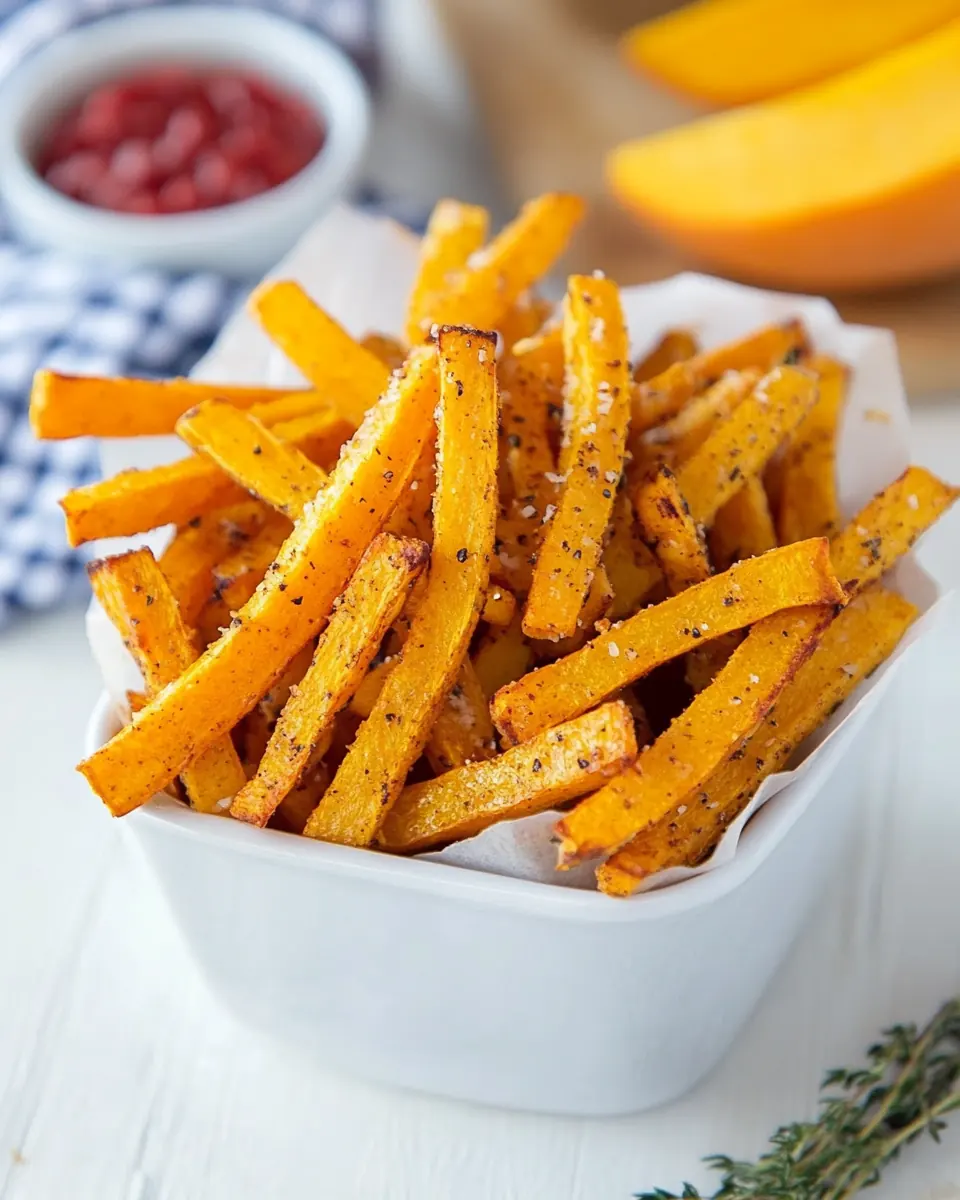
I like to keep tips compact and practical so they are easy to apply while cooking. Below are tweaks that help you get consistent results every time, whether you are feeding a family or prepping for a small gathering.
- Pre roasting technique Ensure the whole butternut squash is soft enough to pierce with a knife before cutting, this reduces the risk of slips and produces smoother, more even sticks.
- Oil distribution Toss the sticks gently in olive oil in a bowl first to coat evenly, then spread them out on the sheet to prevent clumping and ensure uniform browning.
- Seasoning balance Use the salt sparingly and add garlic salt for an aromatic boost, tasting one piece midway through the roast to adjust in future batches.
- Pan selection Use a light colored cookie sheet to avoid overly rapid browning, and line it with parchment for easier cleanup without affecting crisping.
- Even heat Rotate the sheet halfway through cooking if your oven has hot spots, this helps all fries reach the same golden brown without burning.
How to Enjoy Sweet and Salty Butternut Squash Fries
These fries are flexible and fit many serving situations, from casual snacks to side dishes at a family meal. Below I describe pairing ideas, storage tips, and occasions where they shine.
- Serve warm as a side Plate the fries alongside a main course for a cozy dinner, letting the warm, slightly caramelized pieces complement heartier dishes.
- Snack or appetizer Offer them on a platter with small bowls of dip, they are welcoming at parties and easy for guests to grab and enjoy.
- Seasonal pairing They work wonderfully in the fall when squash is abundant, pairing well with roasted root vegetables or simple grain bowls.
- Storage tip Cool completely before storing in an airtight container in the fridge, and reheat in a hot oven to regain crispness rather than the microwave which makes them limp.
- Occasions They are great for casual weeknight dinners, weekend brunch sides, or as part of a holiday spread where a vegetable side with sweet notes is welcome.
- Make ahead Roast the squash, cool, and slice the next day to save active time; finish the high temperature roast just before serving for optimal texture.
FAQ
Conclusion
These Sweet and Salty Butternut Squash Fries shine because they transform a humble vegetable into a crunchy, caramelized treat with minimal ingredients and effort. I encourage you to give them a try, especially on a night when you want comfort without fuss. They come together with straightforward steps and deliver warm, satisfying bites that are great for sharing or enjoying solo, and I find they often become a requested repeat on my menu.
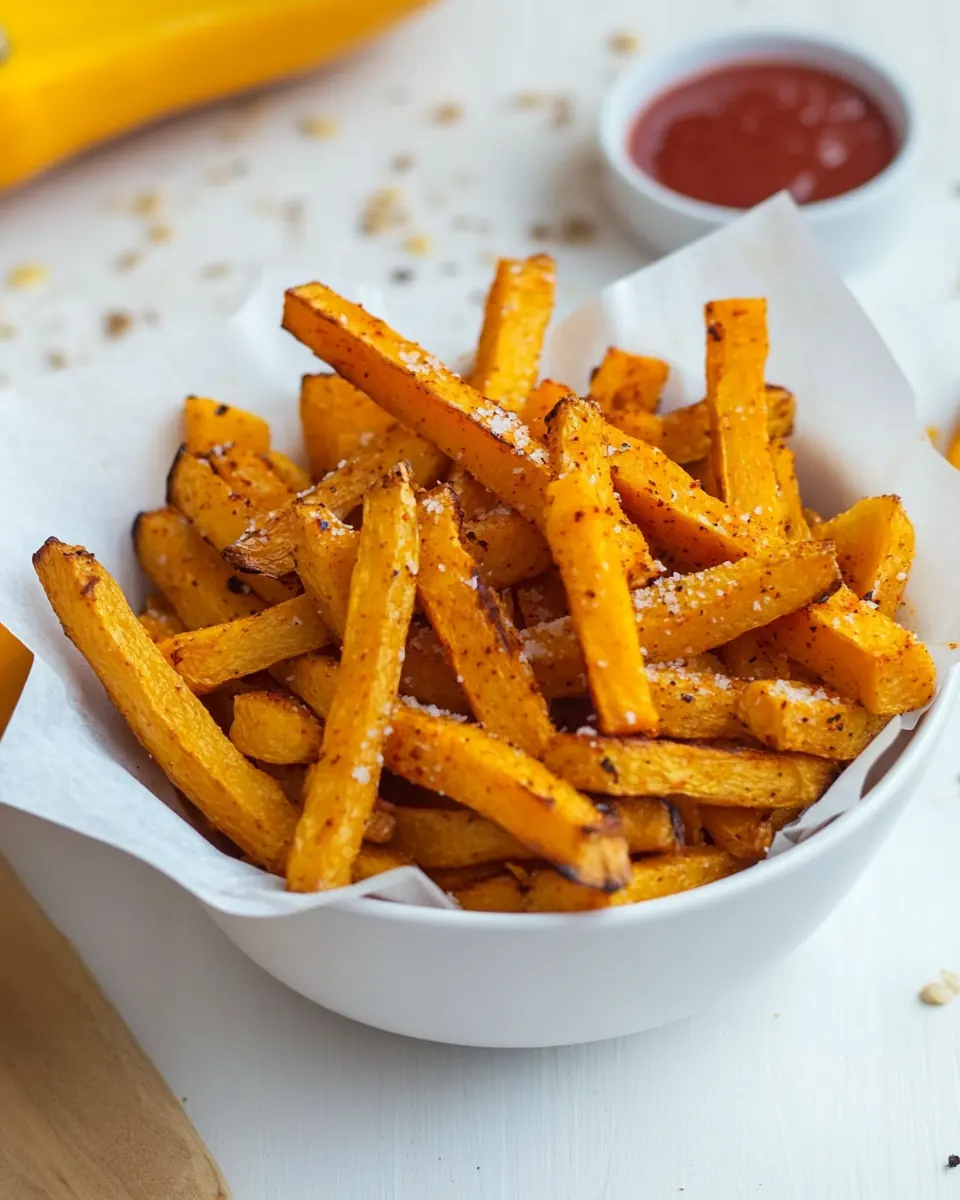
Sweet and Salty Butternut Squash Fries
Ingredients
Equipment
Method
- First, place butternut squash in its whole form in the oven at about 350 degrees for 30-45 minutes. This will just soften it up enough to cut it up, while not cooking it.: The oven heat will slowly warm the exterior, giving the interior a softened, yielding texture that makes peeling safe and easy, and you will notice the squash skin becoming slightly tender to the touch. You should smell a gentle roasted aroma as the sugars begin to wake up, not a strong caramel scent yet. This warming step prevents fighting the firm raw squash and reduces the risk of uneven slices, which can lead to burnt edges or undercooked centers when you later roast at higher heat. A common mistake is skipping this step and trying to peel and cut a very hard squash, which increases the chance of slips and uneven pieces; take the extra time here and you will save effort later.
- Once soft, cut in half. Scoop out the seeds, and cut away the skin.: When the squash yields under gentle pressure, remove it using oven mitts and let it rest briefly so you can handle it safely; you will feel the skin release steam and the flesh will be warm and tender when you slice through. Use a sharp knife and steady motion, and scoop out the seeds with a spoon; the seeds may be sticky and slightly warm, and removing them clears a cavity so you can lay the halves flat for peeling. The reason for halving after softening is safety and precision, because softened flesh is easier to control and results in cleaner cuts. A typical slip up here is trying to force a cut through a still too firm squash, which can rock the knife and cause uneven halves; wait until it feels pleasantly soft.
- Slice flesh into french fry size sticks.: Running a spoon inside will reveal a tender, slightly stringy seed cavity, and the skin should lift away cleanly after the flesh has been softened by the initial roast. You will notice the interior color deepening to a warm orange, and the texture will be almost buttery when pressed. Removing the skin now is smoother than attempting to peel raw squash; it reduces ragged edges and helps yield uniform sticks. Avoid gouging too deeply into the flesh when peeling, as that reduces yield and can create uneven pieces that cook inconsistently.
- Arrange in a single layer on a cookie sheet, and drizzle with olive oil. Sprinkle with salt, garlic salt and any other seasonings you choose.: Aim for consistent thickness so that each stick cooks at the same rate, and listen for the soft whisper of the knife as it slides through the warmed flesh. The sticks should be firm enough to hold their shape but tender when pressed, about the diameter of a typical french fry; this proportion allows the exterior to crisp while the inside stays tender. Even sizing is crucial, because a mix of very thin and very thick sticks will lead to some burning while others remain underdone. A common error is cutting too thin, which leads to overly browned, dry edges, so keep them substantial enough to retain a pleasant interior.
- Increase temperature to 425 and cook for about 25 minutes, or until the fries get browned, yet not burned. (time will vary depending on the size of your sticks): Lay the sticks so they have space around them, and the thin shimmer of olive oil helps them brown evenly; when you tilt the sheet you should see the oil glisten and coat the surfaces. The oil promotes Maillard reactions, giving the edges a nutty, roasted aroma, and helps any seasonings adhere. If the sticks are crowded, they will steam instead of crisping, so give them breathing room on the pan. Watch out for uneven layering, which traps moisture and prevents browning, causing limp fries instead of crisp ones.
- Sprinkle with salt, garlic salt and any other seasonings you choose: Lightly dust the sticks so every piece carries a hint of seasoning; the salt will draw moisture to the surface and aid in crisping, while garlic salt introduces a savory background note that balances sweetness. You will see the crystals sit on the oil sheen, and the aroma will take on a mild garlicky warmth even before roasting. Seasoning right before roasting ensures it sticks and flavors the crust; a common misstep is over seasoning early, which can lead to uneven flavor or excess surface moisture, so measure with a light hand.
- Increase temperature to 425 and cook for about 25 minutes, or until the fries get browned, yet not burned: As the oven intensifies, you will hear a faint sizzle as the oil and natural sugars react, and the kitchen will fill with a roasted, slightly sweet scent. Look for golden brown edges and occasional darker caramel spots for the best texture contrast; turn or shuffle the pan halfway through if some pieces are browning faster than others. The high heat is what creates that crisp exterior while preserving a soft interior, so resist lowering the temperature as that can prolong moisture and produce soggy fries. The trickiest mistake here is overcooking, which dries the interior and leaves brittle edges, so check visually toward the end of the time window and pull them when the color looks deep golden without blackened chips.
Notes
- Pre roasting technique Ensure the whole butternut squash is soft enough to pierce with a knife before cutting, this reduces the risk of slips and produces smoother, more even sticks.
- Oil distribution Toss the sticks gently in olive oil in a bowl first to coat evenly, then spread them out on the sheet to prevent clumping and ensure uniform browning.
- Seasoning balance Use the salt sparingly and add garlic salt for an aromatic boost, tasting one piece midway through the roast to adjust in future batches.
- Pan selection Use a light colored cookie sheet to avoid overly rapid browning, and line it with parchment for easier cleanup without affecting crisping.
- Even heat Rotate the sheet halfway through cooking if your oven has hot spots, this helps all fries reach the same golden brown without burning.