One Hour Caramel Pecan Sticky Buns
One Hour Caramel Pecan Sticky Buns have been my go to when I need something that feels indulgent but actually comes together fast. The first time I made these, I was racing the clock before a small Sunday brunch and wanted a warm, gooey treat that smelled like autumn, cozy kitchens, and weekend ease. I remember pulling the pan from the oven, the caramel bubbling at the edges, and thinking that this is the kind of recipe that turns a rushed morning into a memory. It became an instant favorite for weekend visitors, because people gather around sticky, nutty buns as if drawn by a promise of comfort.
What I love about One Hour Caramel Pecan Sticky Buns is how approachable they are. There is a rhythm to the process, a simple alchemy between warmed milk, softened butter, and a little yeast that makes the dough come alive. I often make the caramel glaze first, because its scent sets the mood in the kitchen, a toasty, almost buttery perfume that tells everyone dessert is imminent. Over the years I have learned small timing tricks that keep them reliably tender and not overworked, and I enjoy sharing those tips when friends watch me roll and slice the log into perfect spirals.
Recipe Snapshot
60 mins
35 mins
25 mins
Medium
350 kcal
American
Gluten-Free, Low FODMAP
Breakfast
Stand mixer, Dough hook, Small saucepan, Medium saucepan, 9 x 13 x 2 inch baking pan, Rolling surface
Why You Need This One Hour Caramel Pecan Sticky Buns
Warm, Fast Comfort
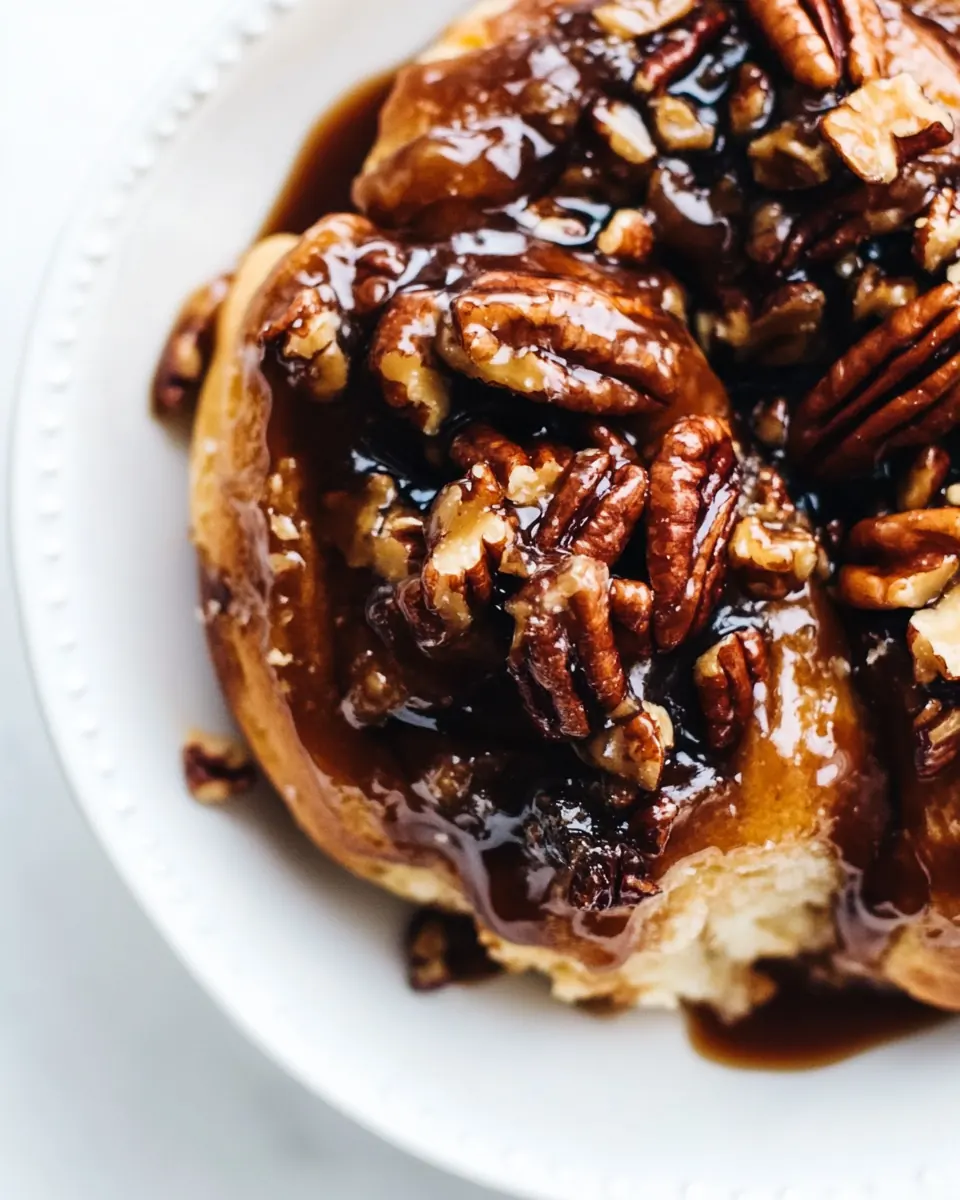
I love how One Hour Caramel Pecan Sticky Buns deliver bakery caliber results in about an hour. The texture is a soft pull apart crumb with a glossy, nut studded top, and that quick rise means I can plan them for a spontaneous brunch. Because they bake in a single pan, cleanup is minimal, and the smell fills the house while you wait, which always gets everyone to the table faster.
Balanced Sweetness and Crunch
The combination of brown sugar, light corn syrup, and heavy whipping cream creates a caramel glaze that is luxuriously sticky without being cloying. When paired with chopped pecans, each bite gives you a contrast between smooth caramel and crunchy nuts, which makes these buns feel layered and thoughtful, not just sugary. I appreciate that contrast every time I slice into one.
Ingredient Simplicity
You do not need fancy pantry items to make this recipe sing. Staples like all purpose flour, granulated sugar, butter, and a single egg are all it takes. That simplicity means I can improvise if I am missing a minor item, while still getting the core flavors and textures right. I also like that the recipe leaves you room to practice dough handling without intimidating steps.
Visual Appeal and Hospitality
These buns look like you spent hours even when you did not. The glossy, nut topped surface and the internal swirl are eye catching, which makes them a great offering when guests arrive. I often set the pan on a trivet at the center of the table and let people pull a bun apart while still warm, which always sparks conversation and compliments.
Reliable Weekender Favorite
Once you make One Hour Caramel Pecan Sticky Buns a couple times, you build confidence with dough and timing. They are forgiving enough for newer bakers but satisfying for those who want a controlled finish. I reach for them when I want a dessert that doubles as a celebratory breakfast, because they travel well from oven to table.
Recipe Ingredients for One Hour Caramel Pecan Sticky Buns
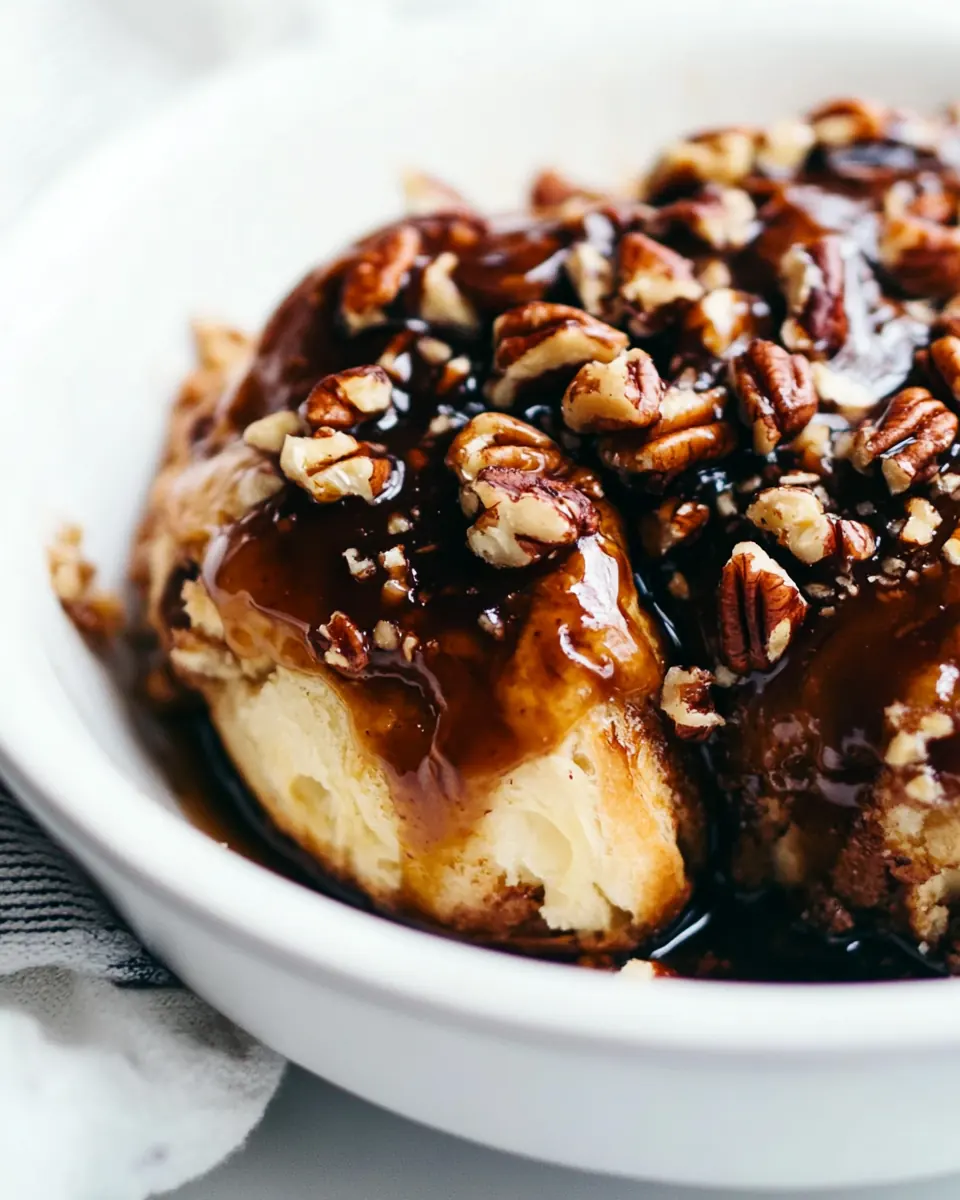
These ingredients form a compact, well matched team. The dough ingredients create a tender, yeasted base, while the caramel components build a sticky, buttery coating that holds chopped nuts in place. The key players are the dairy and sugars, which give both richness and structure. When combined properly they yield buns that are soft yet defined, sweet but balanced by the roasted pecans.
- 3/4 cup milk: Warm gently and provide a creamy liquid base that hydrates the dough and activates the yeast; contributes tenderness and helps dissolve sugar for even mixing.
- 1/3 cup softened unsalted butter: Soften until spreadable to enrich the dough with butterfat, improving flavor and creating a richer, more tender crumb in the buns.
- 3 1/4 cups all-purpose flour: Sift or spoon into the bowl to build the structure of the dough; supplies gluten-forming proteins and bulk for rise and texture.
- 2 teaspoons instant yeast: Sprinkle into the flour mixture to leaven the dough quickly; produces carbon dioxide that creates light, airy rolls in about an hour.
- 1/4 cup granulated sugar: Dissolve into the dough to sweeten mildly and feed the yeast; balances flavors and contributes to browning during baking.
- 1/2 teaspoon salt: Measure and mix into the dough to control yeast activity and strengthen gluten; balances sweetness and enhances overall flavor.
- 1 large egg: Beat in to add richness, moisture, and binding; contributes to color, flavor depth, and a tender crumb in the finished buns.
- 1/4 cup water: Add as needed to adjust dough consistency and help dissolve yeast if using warm water; assists in creating a pliable, workable dough.
- 1/2 cup salted butter: Melt or soften and use in topping and filling to add richness and a smooth, buttery mouthfeel; helps create a glossy caramel layer.
- 3/4 cup packed brown sugar: Pack firmly and use in the caramel sauce or filling to provide deep molasses flavor and a sticky, chewy texture when melted.
- 1/4 cup light corn syrup: Stir into the caramel mixture to prevent crystallization and add shine; helps produce a smooth, pliable caramel that sets properly.
- 3 tablespoons heavy whipping cream: Whisk in to enrich the caramel with creaminess and a silkier texture; balances sweetness and softens the final sauce.
- 1 1/2 cups chopped pecans Fisher brand if you can find them: Chop uniformly to add crunchy contrast and nutty flavor in the filling and topping; enhances texture and provides toasty depth to each bite.
- 3/4 cup packed brown sugar: Pack firmly and layer in the filling for additional caramel sweetness and chewiness; pairs with cinnamon to create classic sticky bun flavor.
- 2 tablespoons ground cinnamon: Mix thoroughly into the filling to deliver warm, aromatic spice; enhances sweetness and complements the nutty and caramel notes.
- 5 tablespoons melted salted butter: Drizzle melted over the filling to bind ingredients and promote browning; lends buttery richness and helps the rolls achieve a tender, glossy finish.
Step by Step Guide for One Hour Caramel Pecan Sticky Buns
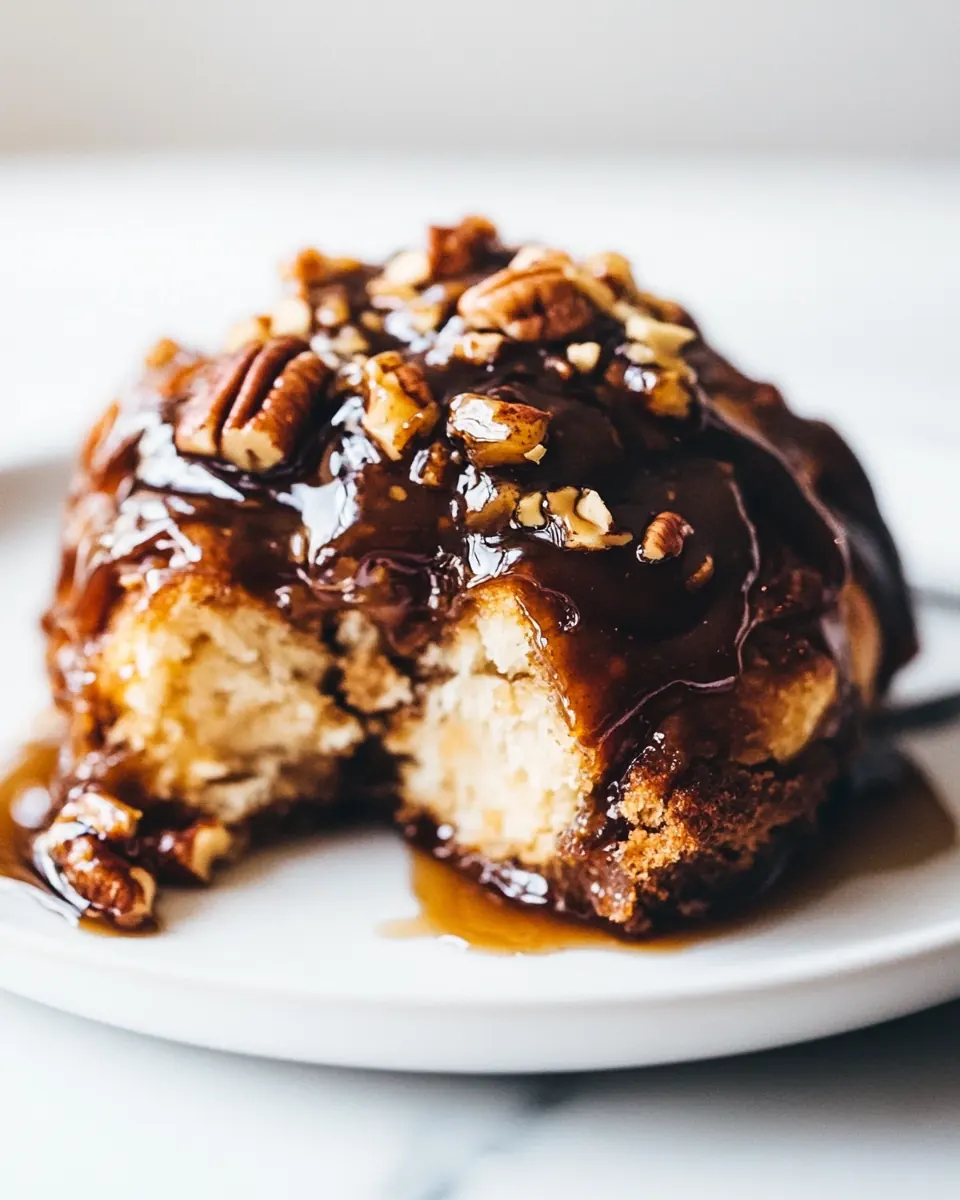
I like to talk you through the process like we are side by side at the counter. You will combine, rest, layer, roll, and bake, and each stage gives you sensory cues to know you are on track. Keep tools close and be gentle with the dough when rolling so the spirals stay neat.
- Preheat the oven to 375 degrees Fahrenheit. Spray a 9 x 13 x 2-inch baking pan with nonstick cooking spray and set aside.: As the oven warms you will notice the room air change slightly, and the anticipatory heat helps you time the dough rise. Preheating ensures the pan is ready for the caramel glaze and that the buns begin baking immediately, which supports good oven spring. A common mistake is not preheating which lengthens bake time and can alter texture; also make sure the pan is fully dry after spraying, because moisture can interfere with the caramel adhering properly.
- Add 3/4 cup milk and 1/3 cup softened unsalted butter to a small saucepan and heat over medium-low heat. Stir until the butter has melted, then remove it from the heat. Set it aside to cool until it is lukewarm.: You'll see the butter dissolve into the warm milk , creating a glossy, fragrant liquid; lukewarm means it should feel just warm to the touch and not hot, which helps activate the yeast without killing it. This warmed dairy mixture yields a softer dough and better crumb. A typical error is overheating, which can denature the yeast and stop rising, so test the milk on your wrist before mixing.
- Add 2 1/4 of the 3 1/4 cups all-purpose flour, 2 teaspoons instant yeast, 1/4 cup granulated sugar, and 1/2 teaspoon salt to the bowl of a stand mixer and whisk to combine. Fit the mixer with the dough hook attachment and add 1 large egg and 1/4 cup water. Mix just until it is starting to come together.: At this stage, the dry mix should smell slightly sweet with a faint yeasty note when you fold it, and the initial mixing pulls the ingredients into a shaggy mass rather than a smooth ball. Starting with most of the flour lets you judge hydration when you add liquids. Avoid over mixing now, because that can develop gluten too quickly and make the final rolls tight instead of tender.
- Slowly add the milk mixture and remaining 1 cup of flour to the mixer until the dough starts to form and become smooth. Let the dough rest for 10 minutes.: As the warm dairy is incorporated, you will notice the dough transform from sticky to supple; it will become glossy and elastic as the gluten relaxes. The 10 minute rest, sometimes called an autolyse, allows the flour to hydrate fully which improves extensibility for rolling. Skipping the rest often leads to dough that snaps back when you try to roll it out.
- Add 1/2 cup salted butter to a medium saucepan and melt it over medium heat.: The melted salted butter will foam gently then calm as it melts, releasing a toasty aroma that signals you are ready to build the caramel. Melting first concentrates the flavors and makes it easy to whisk with the sugars. Do not let the butter brown unless you want a nuttier caramel, because burning will introduce bitter notes.
- Stir in 3/4 cup packed brown sugar, 1/4 cup light corn syrup, and 3 tablespoons heavy whipping cream. Stir in 1 1/2 cups chopped pecans. Spread the caramel glaze evenly in the bottom of the prepared baking pan.: The mixture will bubble and thicken as you stir, and it should be glossy with a ribbon like fall from the spoon when ready. Adding chopped pecans distributes crunch throughout the pan so each bun gets nuts on top. Pour carefully into the pan and tilt to coat evenly, because uneven glazing leads to buns with inconsistent caramel coverage; also avoid overcooking the glaze or it will become too firm once cooled.
- On a lightly floured surface, roll the dough into a large 9 × 15-inch square, about 1/4-1/2-inch thick.: You will feel the dough become silky as you roll, and it should spread easily under light pressure. Aim for an even thickness so the spirals bake uniformly. If the dough resists, let it rest a couple more minutes to relax the gluten; forcing it thin can tear the dough and let the filling seep out.
- Add 3/4 cup packed brown sugar, 2 tablespoons ground cinnamon, and 5 tablespoons melted salted butter to a small bowl and mix to combine. Spread the filling evenly on the dough, keeping it about 1/2 inch away from the edges.: The filling should look moist and granular when spread, releasing a warm cinnamon perfume. Leaving a border prevents the filling from spilling when you roll. Press it gently to adhere, not hard, because pressing too firmly squeezes out moisture and makes the spiral dry in spots.
- Roll up the dough on the 15-inch side into a tight log and pinch the seam closed. Slice the log into 12 even pieces and place them in the baking pan on top of the caramel glaze. Cover with a damp cloth and set the rolls aside to rise for 15 minutes.: Rolling tightly yields neat spirals with distinct layers, and pinching seals the seam to keep the rolls intact. Slicing evenly ensures consistent bake times, and placing them snugly in the pan lets them rise into each other for soft sides. Avoid pressing the slices into the glaze, which can cause the caramel to seep up and burn during baking.
- After the rolls have rested, bake them for 25 minutes or until just golden brown on the tops and the internal temperature of the rolls reaches 160 degrees Fahrenheit. Let the rolls sit for 5 minutes before inverting them onto a serving plate or a large baking sheet.: During baking you will hear a faint bubbling from the caramel and smell toasted pecans as the glaze cooks; golden tops indicate a set crust and an internal temp of about 160 degrees Fahrenheit ensures the dough is cooked through but still soft. Letting them rest briefly stabilizes the caramel so it does not run off when inverted. A common mistake is removing them immediately from the pan, which can cause the hot caramel to drain and make a mess or burn you, so use oven mitts and a steady motion when flipping.
Pro Tips and Tweaks
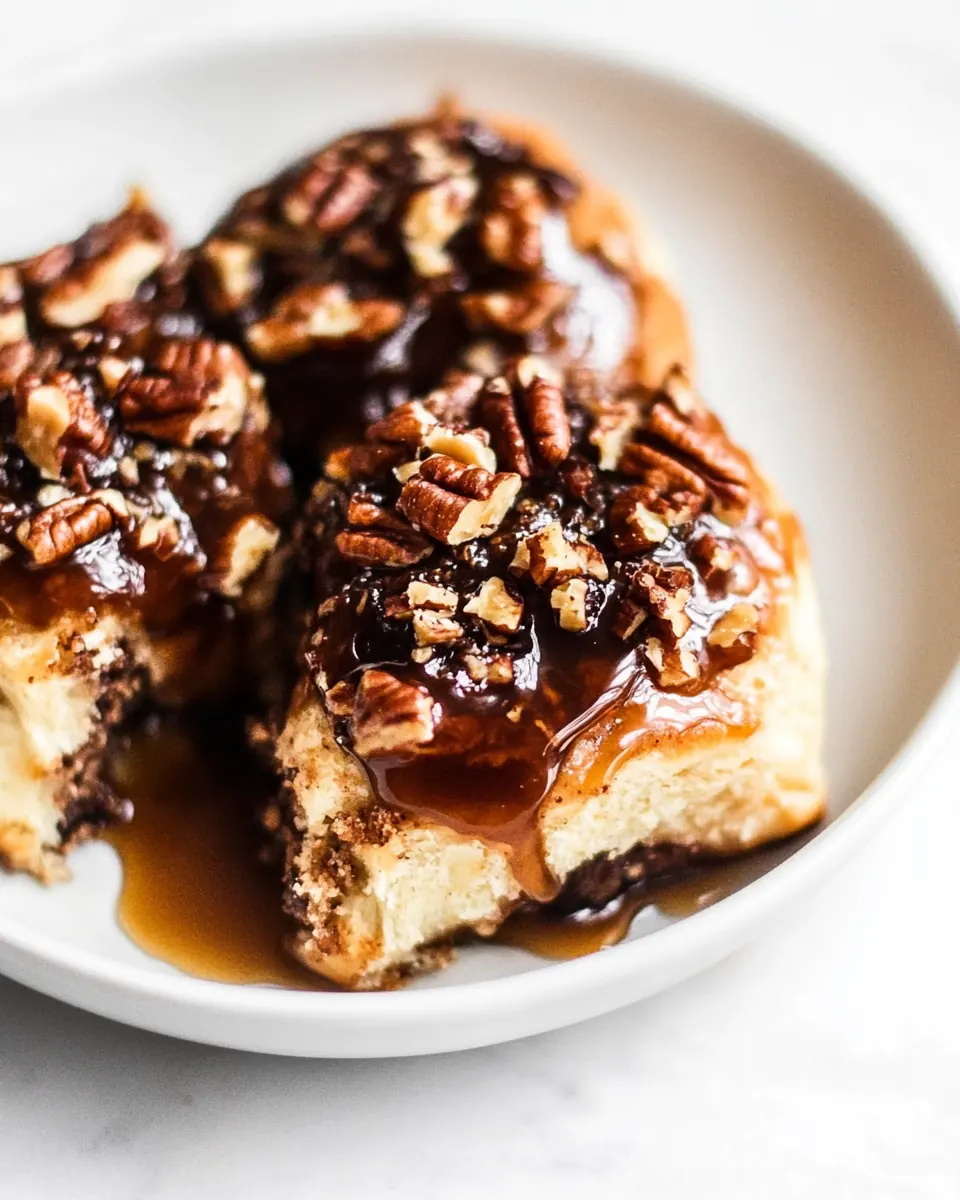
I like to keep a couple of reliable tricks in mind when I bake these buns because they save time and improve the finish. Below I expand on small adjustments that make the most difference to texture and presentation.
- Warm Milk Temperature Make sure the milk is lukewarm to the wrist before combining with the dough. This protects the yeast and encourages a predictable rise. Test by dipping a fingertip, it should feel comfortably warm not hot. If you overheat the milk you risk killing the yeast, which will prevent any rise.
- Flour Measurement Spoon and level all purpose flour rather than scooping from the bag. This small habit prevents adding too much flour which causes dry, dense rolls. If your dough seems stiff, let it rest and add a teaspoon of water at a time until it relaxes.
- Even Filling Spread Spread the filling to within the recommended border so it does not leak when rolling. Use the back of a spoon or an offset spatula for smooth coverage, and press very lightly to adhere the filling without compressing the dough layers.
- Caramel Consistency Stir the caramel until it is glossy and fluid enough to pour, but not so thin that it runs. If it cools and stiffens, warm gently before pouring. Avoid boiling aggressively, which can make the caramel too firm once cooled.
- Pecan Texture Chop pecans coarsely for clear contrast in texture. Smaller pieces blend into the caramel and lose crunch. Toasting the pecans briefly in a dry skillet amplifies their flavor but do this carefully so they do not burn.
- Slice Cleanly Use a sharp serrated or dental floss to slice the log into even pieces without squashing the spirals. A dull knife can compress the roll and make uneven buns that bake inconsistently.
- Rest Before Inverting Let the baked pan cool for about five minutes so the caramel sets slightly, this reduces runaway caramel and makes inverting safer and cleaner. Flipping too hot will spill caramel and can be hazardous.
How to Enjoy One Hour Caramel Pecan Sticky Buns
These buns are versatile and celebratory, perfect for weekend gatherings or small holiday breakfasts. Serve them warm for the best texture and aroma, and pair with a simple beverage to balance sweetness. Below are detailed ways to present and store them so they keep tasting great.
- Serve Warm Plate each bun while slightly warm so the glaze is gooey and the interior is tender. Warm buns invite finger pulling and create a cozy communal snack.
- Brunch Centerpiece Use the pan as a table centerpiece for a casual brunch. Let guests pull apart buns, making it interactive and homey, ideal for weekend mornings and holiday breakfasts.
- Occasion Pairings These buns fit well for celebratory breakfasts, fall gatherings, and cozy brunches. Their caramel and pecan flavors evoke seasonal comfort, and they pair well with coffee or tea.
- Storage Short Term Keep leftover buns at room temperature in an airtight container for up to two days to preserve softness. Reheat briefly in a low oven or microwave to refresh the gooey texture.
- Freezing Option Freeze baked buns separately wrapped in foil and placed in a freezer safe bag for up to one month. Thaw overnight in the refrigerator and warm gently before serving to restore texture.
- Serving Style For a casual gathering, invert the entire pan onto a platter. For plated service, place one bun on a dessert plate and optionally drizzle any remaining caramel over it just before serving.
- Edge Pieces Edge buns will be slightly firmer and have more caramel contact, which some guests prefer for textural contrast. Offer a mix of edge and center pieces for variety.
FAQ
Conclusion
These buns shine because they combine swift technique with deeply satisfying flavors, yielding gooey, nut topped rolls in about an hour. Try making them when you want something that feels special without a full day of baking, because the aroma alone will make your kitchen feel welcoming. Once you taste the contrast between warm caramel and toasted pecans, you will find them hard to resist; share them with friends or keep them all to yourself, either way they make a cozy, memorable treat.
One Hour Caramel Pecan Sticky Buns
Ingredients
Equipment
Method
- Preheat the oven to 375 degrees Fahrenheit. Spray a 9 x 13 x 2-inch baking pan with nonstick cooking spray and set aside.: As the oven warms you will notice the room air change slightly, and the anticipatory heat helps you time the dough rise. Preheating ensures the pan is ready for the caramel glaze and that the buns begin baking immediately, which supports good oven spring. A common mistake is not preheating which lengthens bake time and can alter texture; also make sure the pan is fully dry after spraying, because moisture can interfere with the caramel adhering properly.
- Add 3/4 cup milk and 1/3 cup softened unsalted butter to a small saucepan and heat over medium-low heat. Stir until the butter has melted, then remove it from the heat. Set it aside to cool until it is lukewarm.: You'll see the butter dissolve into the warm milk , creating a glossy, fragrant liquid; lukewarm means it should feel just warm to the touch and not hot, which helps activate the yeast without killing it. This warmed dairy mixture yields a softer dough and better crumb. A typical error is overheating, which can denature the yeast and stop rising, so test the milk on your wrist before mixing.
- Add 2 1/4 of the 3 1/4 cups all-purpose flour, 2 teaspoons instant yeast, 1/4 cup granulated sugar, and 1/2 teaspoon salt to the bowl of a stand mixer and whisk to combine. Fit the mixer with the dough hook attachment and add 1 large egg and 1/4 cup water. Mix just until it is starting to come together.: At this stage, the dry mix should smell slightly sweet with a faint yeasty note when you fold it, and the initial mixing pulls the ingredients into a shaggy mass rather than a smooth ball. Starting with most of the flour lets you judge hydration when you add liquids. Avoid over mixing now, because that can develop gluten too quickly and make the final rolls tight instead of tender.
- Slowly add the milk mixture and remaining 1 cup of flour to the mixer until the dough starts to form and become smooth. Let the dough rest for 10 minutes.: As the warm dairy is incorporated, you will notice the dough transform from sticky to supple; it will become glossy and elastic as the gluten relaxes. The 10 minute rest, sometimes called an autolyse, allows the flour to hydrate fully which improves extensibility for rolling. Skipping the rest often leads to dough that snaps back when you try to roll it out.
- Add 1/2 cup salted butter to a medium saucepan and melt it over medium heat.: The melted salted butter will foam gently then calm as it melts, releasing a toasty aroma that signals you are ready to build the caramel. Melting first concentrates the flavors and makes it easy to whisk with the sugars. Do not let the butter brown unless you want a nuttier caramel, because burning will introduce bitter notes.
- Stir in 3/4 cup packed brown sugar, 1/4 cup light corn syrup, and 3 tablespoons heavy whipping cream. Stir in 1 1/2 cups chopped pecans. Spread the caramel glaze evenly in the bottom of the prepared baking pan.: The mixture will bubble and thicken as you stir, and it should be glossy with a ribbon like fall from the spoon when ready. Adding chopped pecans distributes crunch throughout the pan so each bun gets nuts on top. Pour carefully into the pan and tilt to coat evenly, because uneven glazing leads to buns with inconsistent caramel coverage; also avoid overcooking the glaze or it will become too firm once cooled.
- On a lightly floured surface, roll the dough into a large 9 × 15-inch square, about 1/4-1/2-inch thick.: You will feel the dough become silky as you roll, and it should spread easily under light pressure. Aim for an even thickness so the spirals bake uniformly. If the dough resists, let it rest a couple more minutes to relax the gluten; forcing it thin can tear the dough and let the filling seep out.
- Add 3/4 cup packed brown sugar, 2 tablespoons ground cinnamon, and 5 tablespoons melted salted butter to a small bowl and mix to combine. Spread the filling evenly on the dough, keeping it about 1/2 inch away from the edges.: The filling should look moist and granular when spread, releasing a warm cinnamon perfume. Leaving a border prevents the filling from spilling when you roll. Press it gently to adhere, not hard, because pressing too firmly squeezes out moisture and makes the spiral dry in spots.
- Roll up the dough on the 15-inch side into a tight log and pinch the seam closed. Slice the log into 12 even pieces and place them in the baking pan on top of the caramel glaze. Cover with a damp cloth and set the rolls aside to rise for 15 minutes.: Rolling tightly yields neat spirals with distinct layers, and pinching seals the seam to keep the rolls intact. Slicing evenly ensures consistent bake times, and placing them snugly in the pan lets them rise into each other for soft sides. Avoid pressing the slices into the glaze, which can cause the caramel to seep up and burn during baking.
- After the rolls have rested, bake them for 25 minutes or until just golden brown on the tops and the internal temperature of the rolls reaches 160 degrees Fahrenheit. Let the rolls sit for 5 minutes before inverting them onto a serving plate or a large baking sheet.: During baking you will hear a faint bubbling from the caramel and smell toasted pecans as the glaze cooks; golden tops indicate a set crust and an internal temp of about 160 degrees Fahrenheit ensures the dough is cooked through but still soft. Letting them rest briefly stabilizes the caramel so it does not run off when inverted. A common mistake is removing them immediately from the pan, which can cause the hot caramel to drain and make a mess or burn you, so use oven mitts and a steady motion when flipping.
Notes
- Warm Milk Temperature Make sure the milk is lukewarm to the wrist before combining with the dough. This protects the yeast and encourages a predictable rise. Test by dipping a fingertip, it should feel comfortably warm not hot. If you overheat the milk you risk killing the yeast, which will prevent any rise.
- Flour Measurement Spoon and level all purpose flour rather than scooping from the bag. This small habit prevents adding too much flour which causes dry, dense rolls. If your dough seems stiff, let it rest and add a teaspoon of water at a time until it relaxes.
- Even Filling Spread Spread the filling to within the recommended border so it does not leak when rolling. Use the back of a spoon or an offset spatula for smooth coverage, and press very lightly to adhere the filling without compressing the dough layers.
- Caramel Consistency Stir the caramel until it is glossy and fluid enough to pour, but not so thin that it runs. If it cools and stiffens, warm gently before pouring. Avoid boiling aggressively, which can make the caramel too firm once cooled.
- Pecan Texture Chop pecans coarsely for clear contrast in texture. Smaller pieces blend into the caramel and lose crunch. Toasting the pecans briefly in a dry skillet amplifies their flavor but do this carefully so they do not burn.
- Slice Cleanly Use a sharp serrated or dental floss to slice the log into even pieces without squashing the spirals. A dull knife can compress the roll and make uneven buns that bake inconsistently.
- Rest Before Inverting Let the baked pan cool for about five minutes so the caramel sets slightly, this reduces runaway caramel and makes inverting safer and cleaner. Flipping too hot will spill caramel and can be hazardous.