Cranberry Orange Scones
Cranberry Orange Scones have been my cozy morning ritual ever since a chilly autumn market handed me a paper bag of tart dried berries and an orange that smelled like sunlight. The first bite of a warm scone, still faintly steamy, with flecks of bright orange zest and pockets of chewy cranberry, made me rethink how simple baking can feel like a celebration. I remember juggling a toddler on my hip as the aroma curled through the kitchen, and that memory is why these scones always feel like a tiny victory.
Each batch brings a different kind of comfort. Sometimes I make a double batch on weekends to freeze a few for hurried weekday breakfasts. Other times I bake them for friends who drop by, watching them break off a wedge and close their eyes at the first tender, crumbly mouthful. Over the years I tuned the balance so the sweetness does not overpower the citrus, and the texture stays flaky without being dry. The bright, refreshing glaze at the end is my favorite flourish, it makes the scones sing without stealing the spotlight from the buttery crumb.
Recipe Snapshot
31 mins
15 mins
16 mins
Easy
200 kcal
American
Gluten-Free, Low FODMAP
Breakfast
Baking sheet, Parchment paper, Large bowl, Pastry cutter, Medium bowl, Whisk, Spatula, Knife
Why This Cranberry Orange Scones Is So Good
Bright, balanced flavor
I love how Cranberry Orange Scones marry tart dried cranberries with zesty orange. The contrast keeps each bite lively, so you never reach for more jam because the scones already feel complete. I personally appreciate that the orange zest and juice lift the richness of the butter and cream, making these suitable for both morning coffee and an afternoon treat.
Simple pantry ingredients
These scones rely on basics like all purpose flour, sugar, and baking powder, which means you can whip them up without a special grocery run. I often find myself pulling together a batch from what is already on the shelf, which is why this recipe is my go to when I want something impressive without fuss.
Buttery, tender texture
The technique of cutting cold butter into the dry flour until pea sized crumbs is crucial. I like this method because it yields pockets of melted butter during baking, creating a tender, layered crumb that flakes apart rather than crumbling into powder. That tactile quality is why I recommend keeping the butter cold until the oven.
Versatile and sharable
I often bring these scones to gatherings because they travel well and please a crowd. They are easy to scale and still taste fresh the next day when reheated briefly. Their bright flavor also pairs with many spreads and drinks, so they adapt to whatever your table needs.
Quick enough for weekdays
From mixing to glaze, the whole process moves efficiently, so you can squeeze baking into a morning routine. I love that you can get warm scones on the table without a huge time commitment, making them perfect for both special mornings and spontaneous treat moments.
What Goes Into Cranberry Orange Scones
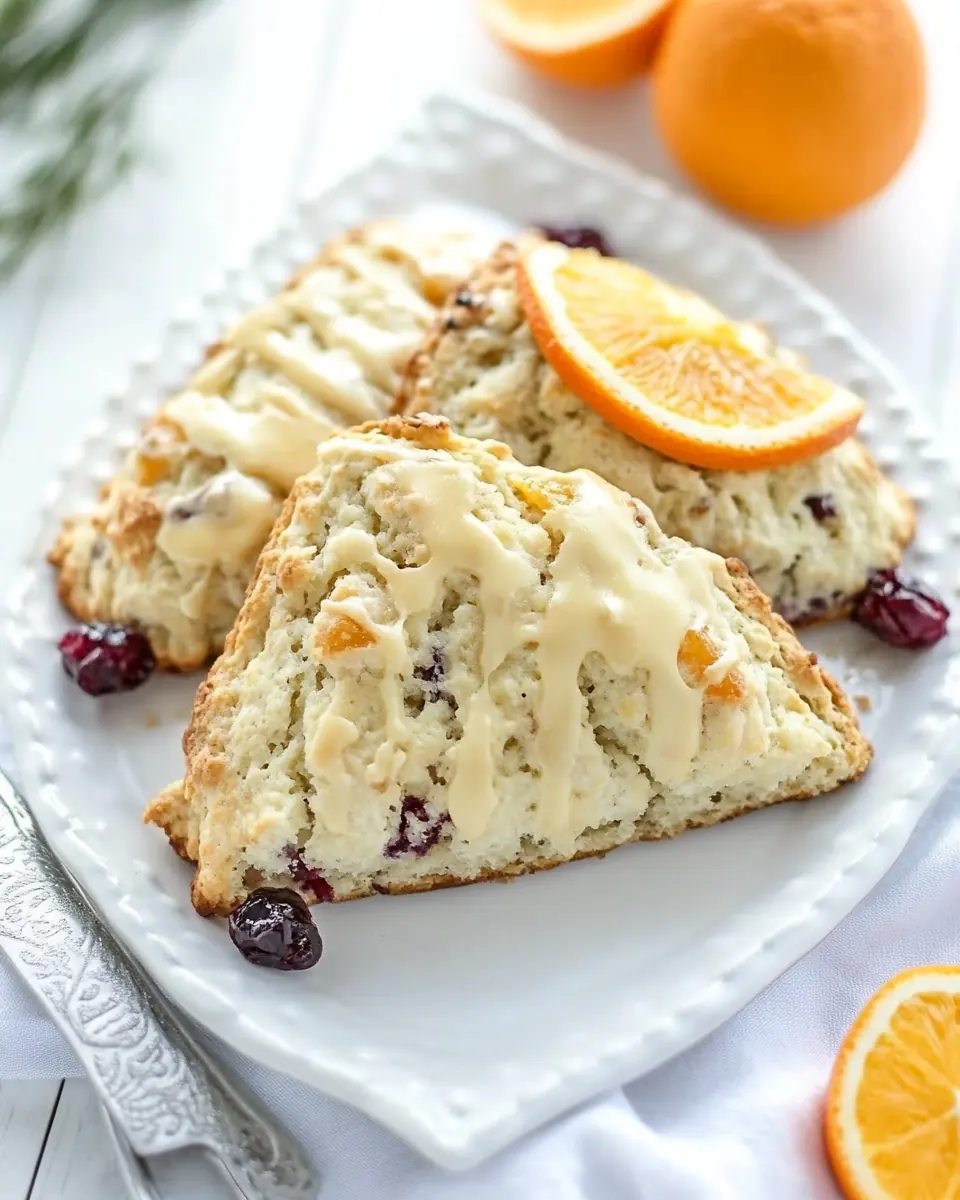
These ingredients are chosen to create a scone that is bright, tender, and balanced. The key players are the all purpose flour for structure, the cold butter for flakiness, and the dried cranberries plus orange zest for flavor lift. Each element has a clear role so the texture stays tender while the taste remains fresh and lively.
- 2 cups all-purpose flour: Measure to provide structure and bulk to the scone dough, creating the crumb and absorbing liquids; sift or whisk before combining to ensure even distribution and prevent lumps. Use all-purpose flour for a tender but sturdy texture that holds shape during baking and browning. Adjust handling minimally to avoid overworking the dough, which can toughen the final scones.
- 3 tbsp sugar: Add sweetness and slight caramelization to balance tart cranberries, incorporating into dry ingredients so it dissolves evenly and flavors the dough. Sugar also helps with browning and adds a delicate crispness to the scone exterior. If desired, adjust amount slightly for sweeter or more restrained pastries.
- 1 tbsp baking powder: Provide leavening power to help scones rise, creating a light, tender interior; mix into the flour thoroughly to avoid uneven pockets of rising agent. Baking powder reacts with moisture and heat, so work quickly once combined to retain lift. Use the measured amount to achieve optimal rise without metallic aftertaste.
- 1/2 tsp salt: Enhance and balance overall flavor by adding a subtle savory contrast; disperse evenly with the dry ingredients to avoid concentrated salty spots. Salt also strengthens the gluten structure slightly and enhances sweetness perception. Keep measurement precise for balanced taste.
- 1/2 tbsp grated orange zest, from 1/2 orange, plus more for glaze: Impart bright citrus aroma and concentrated orange flavor to the dough, finely grated so oils release and distribute throughout for freshness. Zest contributes fragrance without adding acidity, and reserving extra for the glaze intensifies the citrus finish. Use only the outer orange layer, avoiding bitter white pith.
- 1/2 cup 1 stick cold butter, cut into chunks: Introduce cold, solid fat to create flaky layers and tender crumb; cut into chunks and chill to maintain pieces that steam during baking for flakiness. Butter also contributes rich flavor and browning; incorporate until mixture resembles coarse crumbs for optimal texture. Cold handling ensures distinct buttery pockets in each scone.
- 1 large egg, lightly beaten: Bind the ingredients together and add richness and structure, beaten lightly to combine without overmixing. Egg contributes moisture and aids browning while improving the scone's crumb stability. Add to the dough just enough to moisten and bring components into a cohesive mass.
- 1/2 cup heavy whipping cream + 1 tbsp to brush the top: Provide moisture, richness, and tenderness to the dough while contributing to a soft interior and golden exterior; stir into the wet ingredients and adjust slightly if dough seems too dry. Use a portion to brush the top before baking to promote shine and color. Heavy cream increases tenderness compared with milk.
- 3/4 cup dried cranberries: Contribute concentrated tart-sweet bursts and chewy texture scattered throughout the scones; fold in gently to distribute without crushing. Dried cranberries balance the orange flavor and add visual contrast in each bite. If desired, rehydrate briefly for softer texture before folding.
- 1 tbsp coarse/raw sugar to sprinkle the top (optional): Offer optional crunchy sparkle and visual appeal on the scone tops when sprinkled before baking, providing a pleasant contrast to tender interior. Coarse or raw sugar resists melting completely, creating bright crystals that catch light and add sweetness. Use sparingly if a subtle finish is preferred.
- 2/3 cup powdered sugar: Create a smooth, sweet glaze base that brightens and lightly sweetens the scones when mixed with orange juice; sift powdered sugar for lump-free texture. Drizzle over cooled scones to set a glossy finish and add gentle sweetness that complements the citrus and cranberries. Adjust thickness with small amounts of juice for desired coverage.
- 1 tbsp freshly squeezed orange juice: Provide fresh acidity and bright citrus flavor to the glaze, balancing powdered sugar sweetness and enhancing aroma. Squeeze and strain if necessary to remove pulp, then whisk into powdered sugar until smooth for a glossy finish. Use measured amount to avoid an overly runny glaze.
Cranberry Orange Scones Instructions
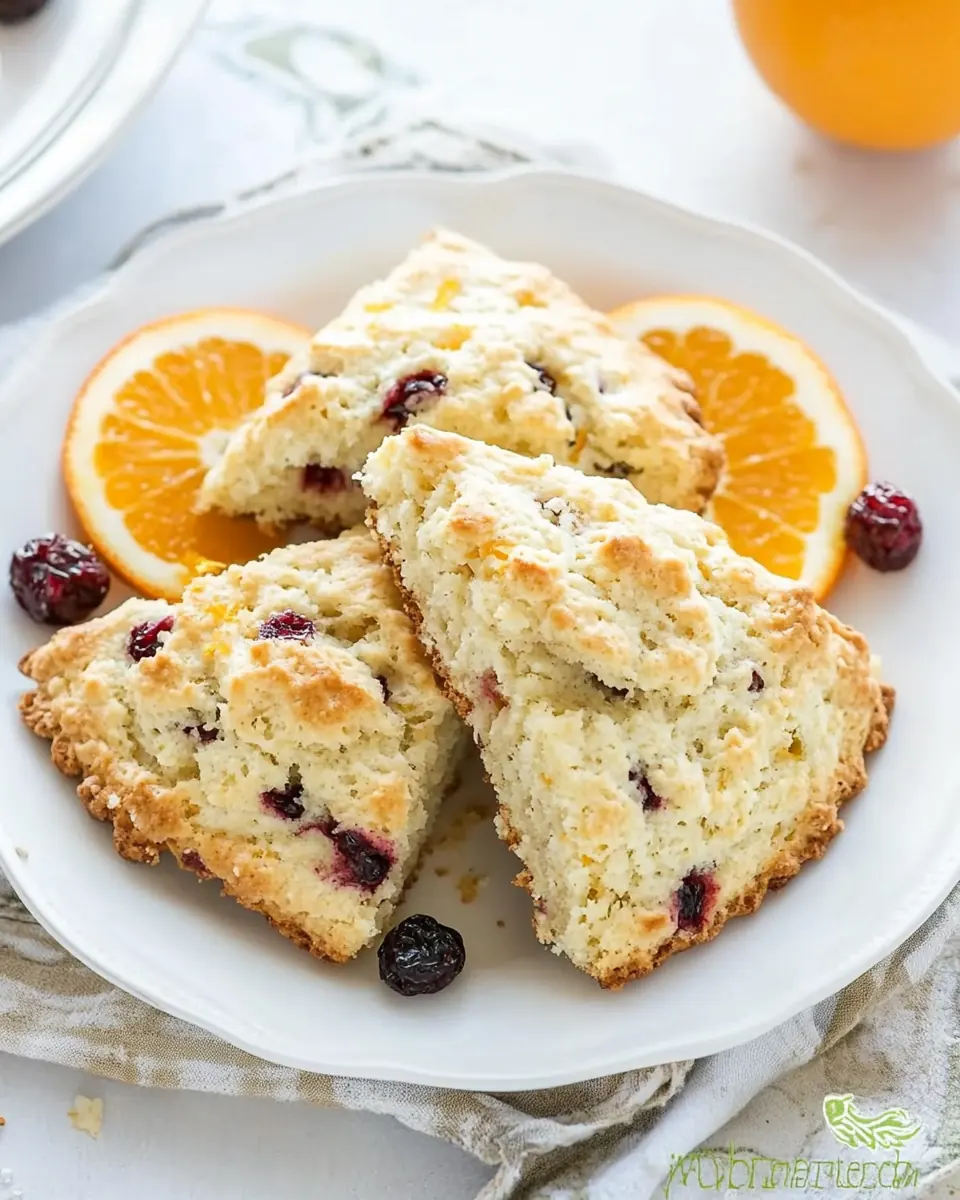
These instructions will walk you through shaping tender, flaky scones with bright citrus notes. I guide you from mixing dry ingredients to the final glaze so you can match the visual and sensory cues I describe. Keep your butter cold, work quickly, and trust the cues like aroma and color.
- Preheat oven to 400˚F. Line a large baking sheet with parchment paper. In a large bowl, sift together 2 cups flour, 3 tbsp sugar, 1 tbsp baking powder, 1/2 tsp salt and 1/2 tbsp grated orange zest.: Warm air fills the kitchen as the oven comes to temperature, and the preheated environment helps create an initial burst of steam that lifts the scones. You should smell a faint warm, clean note as the oven reaches 400 degrees Fahrenheit, and the parchment prevents sticking while promoting even browning. If you skip preheating, the scones will spread rather than rise, yielding a denser texture, so always wait until the oven is fully hot.
- Add butter pieces and using a pastry cutter (or 2 knives), cut butter into mixture until you have coarse pea-sized crumbs.: As you mix these dry ingredients, the aroma of fresh orange zest will become immediately noticeable, brightening the neutral scent of the flour . Sifting aerates the flour and breaks up lumps, which helps achieve a tender crumb. A powdery, pale mixture with flecks of orange is the right visual cue. Overmixing here is a common mistake, it can develop gluten and make the scones tough, so combine just until uniform.
- Toss in 3/4 cup dried cranberries and stir gently to combine. Make a well in the center and set aside.: As you cut the cold butter into the dry mix, you want to see pea sized bits coated in flour , not fully blended. The little lumps of butter are essential because when the scones bake, they melt and create steam pockets, producing flakiness and layers. You should feel the coarse, sandy texture under your tools. If the butter gets warm and smears, pop the bowl in the freezer for a few minutes to firm up and avoid greasy dough.
- In a medium bowl, whisk together 1 egg and 1/2 cup heavy cream. Pour egg mixture into the flour mixture and use a spatula to stir just until moistened.: The sight of ruby dried cranberries scattered through the mixture signals flavor pockets that will burst during baking. Tossing them in the dry mix helps them coat with flour , which prevents them from sinking to the bottom. After stirring, form a shallow well to accept the wet ingredients; this organization keeps you from overworking the dough. Avoid smashing the cranberries while stirring, as that can bleed color and make the dough sticky.
- Turn dough out onto a generously floured surface and pull it together into a round disk, about 3/4" thick. Cut disk into 12 equal wedges and pull apart slightly. Brush tops of scones with 1 tbsp heavy cream and sprinkle with raw sugar if desired. Bake 15-17 min until golden (mine took 16 min).: Whisking the egg with the heavy whipping cream produces a glossy, slightly frothy liquid that will hydrate the dough and add richness. The mixture should look smooth and pale, with tiny air bubbles from light whisking. This emulsion helps bind the ingredients without requiring excessive mixing. A common misstep is over mixing the wet and dry, which leads to a dense texture, so keep the liquids ready and add them just until incorporated.
- Remove scones from the hot baking sheet and let cool 15 min then whisk together 2/3 cup powdered sugar, 1 tbsp freshly squeezed orange juice and a pinch of orange zest. Add more or less powdered sugar or orange juice to reach desired thickness then drizzle over scones.: As you pour, the scent will shift toward a gentle, sweet dough aroma with citrus notes rising from the zest. Use a gentle folding motion with the spatula, turning the mixture until the dry streaks disappear but the dough still looks slightly shaggy and sticky. You are aiming for cohesion not smoothness. Overworking here is the most common mistake, it activates gluten and yields heavy scones; stop as soon as the mixture holds together.
- Turn dough out onto a generously floured surface and pull it together into a round disk, about 3/4" thick.: The tactile stage is satisfying, you will feel the dough come together as you gently pat and fold it, creating layers from the cold butter . The disk should be uniform in thickness so the scones bake evenly, and you should see bits of butter and cranberries throughout. If the dough sticks, dust with a little more flour , but avoid adding too much because extra flour dries the scones. A dough that tears easily was likely overmixed or too dry.
- Cut disk into 12 equal wedges and pull apart slightly.: The visual of evenly sized wedges ensures consistent baking times and texture across the batch. Each wedge will reveal the layered interior where the melted butter created pockets. Pulling them apart slightly encourages crisp edges. A common issue is uneven wedges, which leads to some pieces finishing far earlier than others; use a sharp knife and steady hand for uniformity.
- Brush tops of scones with 1 tbsp heavy cream and sprinkle with raw sugar if desired.: Brushing with cream gives the tops a glossy, inviting finish and helps the sugar adhere and caramelize lightly. You should see a faint shine and then sparkle when the coarse sugar is added. Skip this step and the scones will still taste good, but they will lack that golden, bakery like sheen.
- Bake 15 to 17 min until golden (mine took 16 min).: As they bake, the kitchen fills with a warm, citrusy butter aroma and the edges turn a beautiful golden brown. You want a gentle, even color, and the tops will feel firm to the touch when done. If you underbake, the centers will be doughy and heavy; if you bake too long, they dry out. Check at the earlier time and adjust as needed based on color and a light spring back in the center.
- Remove scones from the hot baking sheet and let cool 15 min then whisk together 2/3 cup powdered sugar, 1 tbsp freshly squeezed orange juice and a pinch of orange zest.: Cooling off the hot baking sheet prevents overcooking from residual heat and lets the crumb set so the glaze sits nicely on top. The glaze should be glossy and pourable, with a bright citrus scent. Whisk until smooth, and adjust thickness by adding more powdered sugar or a drop more orange juice. A too thin glaze will run off, while a too thick glaze will clump, so aim for a ribbon like pour.
- Add more or less powdered sugar or orange juice to reach desired thickness then drizzle over scones.: The final drizzle adds a sweet, tangy finish that complements the tart cranberries . Look for a glaze that sets to a delicate sheen without becoming sticky, and use a spoon to create attractive lines. If you drizzle while the scones are too hot, the glaze may melt into the crumb, so allow that 15 minute cooling window to get a clean, pretty finish.
Tips and Tricks about Cranberry Orange Scones

These tips will help you nail texture, flavor, and timing, whether you are a novice baker or a seasoned home cook. I share practical notes that I learned by trial and error, including temperature control and finishing touches that elevate the final result.
- Keep ingredients cold: Cold butter and chilled cream preserve flaky layers, so chill the bowl if your kitchen is warm.
- Use fresh baking powder: Fresh baking powder gives reliable rise, check the date and replace if past its prime to avoid flat scones.
- Measure flour correctly: Spoon and level the flour into the cup to avoid a heavy dough that will make dry scones.
- Don’t overmix: Stir the dough only until moistened to keep the crumb tender rather than chewy or dense.
- Adjust glaze consistency: Add orange juice a drop at a time to the powdered sugar until you reach a pourable but not runny glaze.
What to Pair With Cranberry Orange Scones
These scones are versatile and pair beautifully with breakfast and brunch spreads. Below I outline pairing ideas, occasions, and storage methods to help you serve them with confidence. Use the bolded phrases to find practical serving styles quickly.
- Morning coffee: Serve warm with a cup of strong coffee for a classic start to the day; the scone’s bright orange notes cut through the roast.
- Tea time: Pair with a light black or herbal tea in the afternoon for a cozy break; the cranberries add a tart counterpoint to delicate brews.
- Brunch spread: Arrange on a platter with plain butter and mild preserves for guests to customize; these scones hold up well on a buffet.
- Holiday gatherings: They make a seasonal addition for Thanksgiving or fall brunches, offering a bright contrast to richer dishes.
- Storage tips: Store cooled scones in an airtight container at room temperature for two days, or freeze for up to one month; reheat briefly to refresh.
- Serving temperature: Serve slightly warm for the best texture and fragrance, reheating for 8 to 10 seconds in a microwave or 5 minutes in a low oven.
FAQ
Conclusion
Cranberry Orange Scones stand out for their bright citrus lift paired with buttery, flaky texture that feels both nostalgic and fresh. Give them a try to experience the satisfying contrast of tart dried cranberries and aromatic orange zest in every tender wedge. These scones are approachable to make, rewarding to share, and perfect for marking a simple morning or a special gathering with a homemade touch.

Cranberry Orange Scones
Ingredients
Equipment
Method
- Preheat oven to 400˚F. Line a large baking sheet with parchment paper. In a large bowl, sift together 2 cups flour, 3 tbsp sugar, 1 tbsp baking powder, 1/2 tsp salt and 1/2 tbsp grated orange zest.: Warm air fills the kitchen as the oven comes to temperature, and the preheated environment helps create an initial burst of steam that lifts the scones. You should smell a faint warm, clean note as the oven reaches 400 degrees Fahrenheit, and the parchment prevents sticking while promoting even browning. If you skip preheating, the scones will spread rather than rise, yielding a denser texture, so always wait until the oven is fully hot.
- Add butter pieces and using a pastry cutter (or 2 knives), cut butter into mixture until you have coarse pea-sized crumbs.: As you mix these dry ingredients, the aroma of fresh orange zest will become immediately noticeable, brightening the neutral scent of the flour . Sifting aerates the flour and breaks up lumps, which helps achieve a tender crumb. A powdery, pale mixture with flecks of orange is the right visual cue. Overmixing here is a common mistake, it can develop gluten and make the scones tough, so combine just until uniform.
- Toss in 3/4 cup dried cranberries and stir gently to combine. Make a well in the center and set aside.: As you cut the cold butter into the dry mix, you want to see pea sized bits coated in flour , not fully blended. The little lumps of butter are essential because when the scones bake, they melt and create steam pockets, producing flakiness and layers. You should feel the coarse, sandy texture under your tools. If the butter gets warm and smears, pop the bowl in the freezer for a few minutes to firm up and avoid greasy dough.
- In a medium bowl, whisk together 1 egg and 1/2 cup heavy cream. Pour egg mixture into the flour mixture and use a spatula to stir just until moistened.: The sight of ruby dried cranberries scattered through the mixture signals flavor pockets that will burst during baking. Tossing them in the dry mix helps them coat with flour , which prevents them from sinking to the bottom. After stirring, form a shallow well to accept the wet ingredients; this organization keeps you from overworking the dough. Avoid smashing the cranberries while stirring, as that can bleed color and make the dough sticky.
- Turn dough out onto a generously floured surface and pull it together into a round disk, about 3/4" thick. Cut disk into 12 equal wedges and pull apart slightly. Brush tops of scones with 1 tbsp heavy cream and sprinkle with raw sugar if desired. Bake 15-17 min until golden (mine took 16 min).: Whisking the egg with the heavy whipping cream produces a glossy, slightly frothy liquid that will hydrate the dough and add richness. The mixture should look smooth and pale, with tiny air bubbles from light whisking. This emulsion helps bind the ingredients without requiring excessive mixing. A common misstep is over mixing the wet and dry, which leads to a dense texture, so keep the liquids ready and add them just until incorporated.
- Remove scones from the hot baking sheet and let cool 15 min then whisk together 2/3 cup powdered sugar, 1 tbsp freshly squeezed orange juice and a pinch of orange zest. Add more or less powdered sugar or orange juice to reach desired thickness then drizzle over scones.: As you pour, the scent will shift toward a gentle, sweet dough aroma with citrus notes rising from the zest. Use a gentle folding motion with the spatula, turning the mixture until the dry streaks disappear but the dough still looks slightly shaggy and sticky. You are aiming for cohesion not smoothness. Overworking here is the most common mistake, it activates gluten and yields heavy scones; stop as soon as the mixture holds together.
- Turn dough out onto a generously floured surface and pull it together into a round disk, about 3/4" thick.: The tactile stage is satisfying, you will feel the dough come together as you gently pat and fold it, creating layers from the cold butter . The disk should be uniform in thickness so the scones bake evenly, and you should see bits of butter and cranberries throughout. If the dough sticks, dust with a little more flour , but avoid adding too much because extra flour dries the scones. A dough that tears easily was likely overmixed or too dry.
- Cut disk into 12 equal wedges and pull apart slightly.: The visual of evenly sized wedges ensures consistent baking times and texture across the batch. Each wedge will reveal the layered interior where the melted butter created pockets. Pulling them apart slightly encourages crisp edges. A common issue is uneven wedges, which leads to some pieces finishing far earlier than others; use a sharp knife and steady hand for uniformity.
- Brush tops of scones with 1 tbsp heavy cream and sprinkle with raw sugar if desired.: Brushing with cream gives the tops a glossy, inviting finish and helps the sugar adhere and caramelize lightly. You should see a faint shine and then sparkle when the coarse sugar is added. Skip this step and the scones will still taste good, but they will lack that golden, bakery like sheen.
- Bake 15 to 17 min until golden (mine took 16 min).: As they bake, the kitchen fills with a warm, citrusy butter aroma and the edges turn a beautiful golden brown. You want a gentle, even color, and the tops will feel firm to the touch when done. If you underbake, the centers will be doughy and heavy; if you bake too long, they dry out. Check at the earlier time and adjust as needed based on color and a light spring back in the center.
- Remove scones from the hot baking sheet and let cool 15 min then whisk together 2/3 cup powdered sugar, 1 tbsp freshly squeezed orange juice and a pinch of orange zest.: Cooling off the hot baking sheet prevents overcooking from residual heat and lets the crumb set so the glaze sits nicely on top. The glaze should be glossy and pourable, with a bright citrus scent. Whisk until smooth, and adjust thickness by adding more powdered sugar or a drop more orange juice. A too thin glaze will run off, while a too thick glaze will clump, so aim for a ribbon like pour.
- Add more or less powdered sugar or orange juice to reach desired thickness then drizzle over scones.: The final drizzle adds a sweet, tangy finish that complements the tart cranberries . Look for a glaze that sets to a delicate sheen without becoming sticky, and use a spoon to create attractive lines. If you drizzle while the scones are too hot, the glaze may melt into the crumb, so allow that 15 minute cooling window to get a clean, pretty finish.
Notes
- Keep ingredients cold: Cold butter and chilled cream preserve flaky layers, so chill the bowl if your kitchen is warm.
- Use fresh baking powder: Fresh baking powder gives reliable rise, check the date and replace if past its prime to avoid flat scones.
- Measure flour correctly: Spoon and level the flour into the cup to avoid a heavy dough that will make dry scones.
- Don’t overmix: Stir the dough only until moistened to keep the crumb tender rather than chewy or dense.
- Adjust glaze consistency: Add orange juice a drop at a time to the powdered sugar until you reach a pourable but not runny glaze.