Rogan Josh
Rogan Josh is the dish that taught me patience in the kitchen, a fragrant stew that soaks up spice and time the same way a well loved pan soaks up flavor. The first time I made Rogan Josh I was chasing comfort on a cold evening, and the slow bubbling aroma of spices and lamb convinced everyone in the house to gather around the stove. I remember stirring the pot and thinking that good food is often the result of small, steady choices made with attention.
Over the years I have adjusted this version to be both accessible and richly spiced, keeping the soul of the classic while making it practical for weeknight life. In my kitchen I favor a gentle approach, letting the heat coax tenderness from the lamb while the spices bloom. The result is a sauce that clings to each morsel, inviting the fork in again and again.
When I serve Rogan Josh at home I love how it brings people together, the kind of dish that encourages conversation because everyone wants another bite. It pairs beautifully with simple sides that let the curry sing, and it stores remarkably well which makes it a favorite for make ahead meals. I like to tell friends that if you can find the patience to let the stew finish in the oven, you will be rewarded with deeply developed flavor and a texture that melts.
Recipe Snapshot
3 hr 15 mins
15 mins
180 mins
Hard
450 kcal
Indian
Gluten-Free, Low FODMAP
Dinner
Dutch oven, Oven
Why Try This Rogan Josh
Deep, layered flavor without fuss
I love how Rogan Josh builds complexity from straightforward components. The combination of toasted spices and slow cooking means every bite feels mature and complete. I find this especially satisfying when I want an impressive meal without an intimidating technique.
Comforting texture
The slow oven time transforms tough connective tissue into silky tenderness. When I bite into a piece of lamb from this pot I can tell that time did the heavy lifting, resulting in a luxurious mouthfeel that makes the dish feel like a warm hug.
Flexible and forgiving
One of the reasons I return to this recipe is its adaptability. You can use lamb or cubed beef, and the method forgives slight timing variations. That makes it a great choice when life is busy but you still want a thoughtful dinner.
Bold aroma
From the moment the spices hit the hot fat, the kitchen fills with an inviting scent. I love the way the aroma signals comfort, nostalgia, and a meal worth slowing down for. It makes guests feel welcome the second they walk in the door.
Great for leftovers
I appreciate recipes that improve overnight, and Rogan Josh is one of them. Refrigerated or frozen, the flavors continue to meld, so the next day the dish can taste even better. That means less cooking and more enjoying, which I always celebrate.
Ingredient List for Rogan Josh
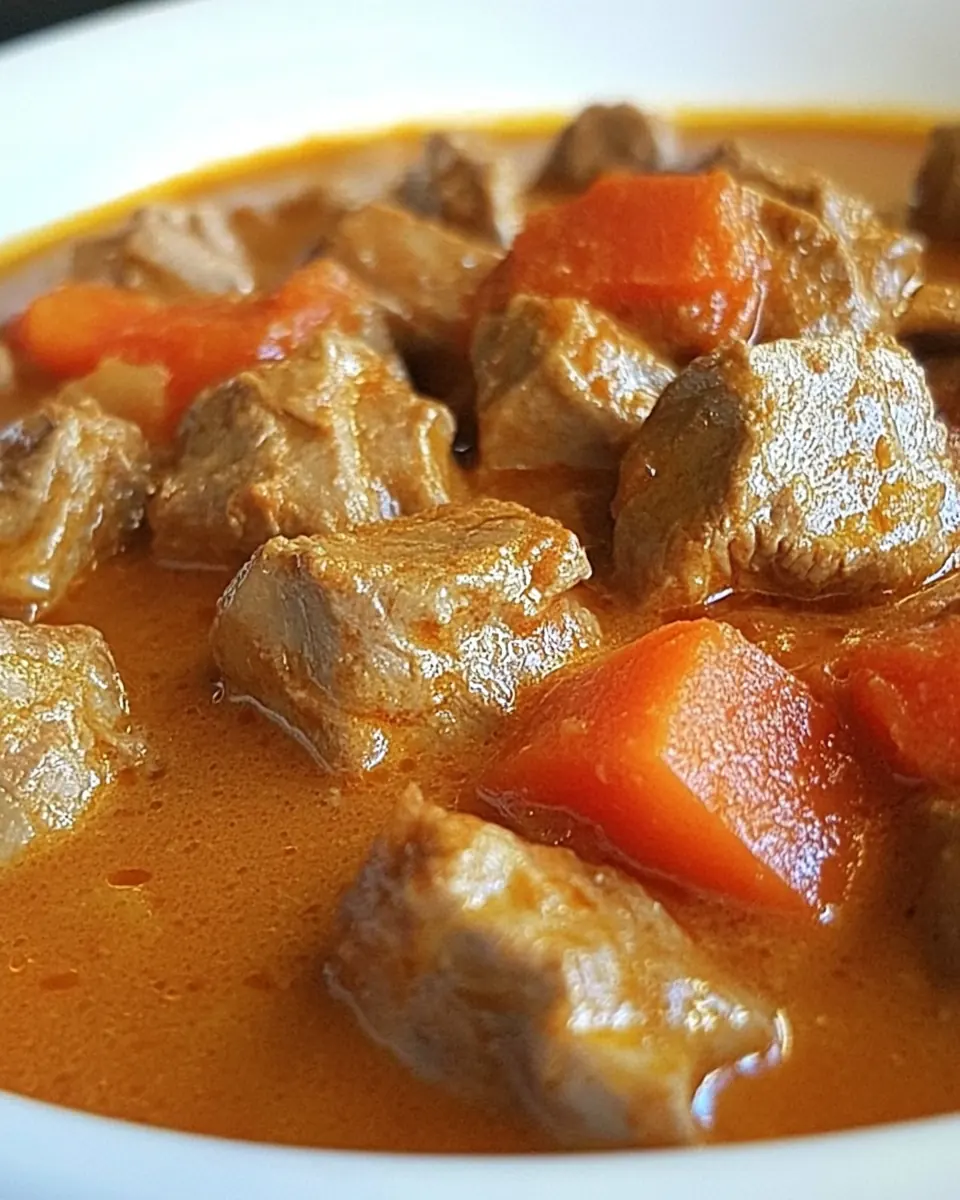
These ingredients are chosen to create a balanced, soulful curry, where fat, spice, and moderate acidity work together. The ghee or coconut oil carries the spices and gives a glossy finish, the lamb brings richness and body, and the aromatics and dairy coconut element round everything out. I think of the ingredients as a small ensemble where each player has room to shine.
- 2 tablespoons ghee or coconut oil: Heat gently to render rich flavor and provide a high-smoke-point fat that helps brown meat and bloom spices; adds traditional aromatic depth when sautéing the base of the curry.
- 2 1/2 pounds boneless lamb shoulder cut into 1 1/2-inch cubes (can also use cubed beef chuck roast): Cut evenly to ensure uniform cooking and tender result; supplies rich gelatin and fat for a silky sauce as connective tissue breaks down during long simmering.
- 2 onions coarsely chopped: Sauté until softened and lightly caramelized to build savory sweetness and a flavorful base; helps create body and complexity in the finished gravy.
- 2 large carrots coarsely chopped: Cook until slightly softened to add natural sweetness, texture, and subtle earthiness; contributes additional liquid and a balancing vegetal note to the stew.
- 3 tablespoons Rogan Josh seasoning: Toast briefly to release volatile aromatics and infuse the oil with warm, layered spice character; provides the signature flavor profile essential to Rogan Josh.
- 1/2 cup full-fat coconut yogurt or full-fat coconut milk: Stir in toward the end of cooking to mellow heat and add creamy body; contributes tangy richness or smooth texture depending on yogurt or milk choice.
- 1 1/2 teaspoons Diamond Crystal kosher salt: Season throughout cooking to enhance all flavors and help proteins retain moisture; balances spices and elevates savory depth in the finished dish.
- 1/4 teaspoon Freshly ground black pepper: Crack freshly over the dish to add bright pungent heat and subtle bitterness; sharpens flavors and balances the richness of the curry.
Instructions for Rogan Josh
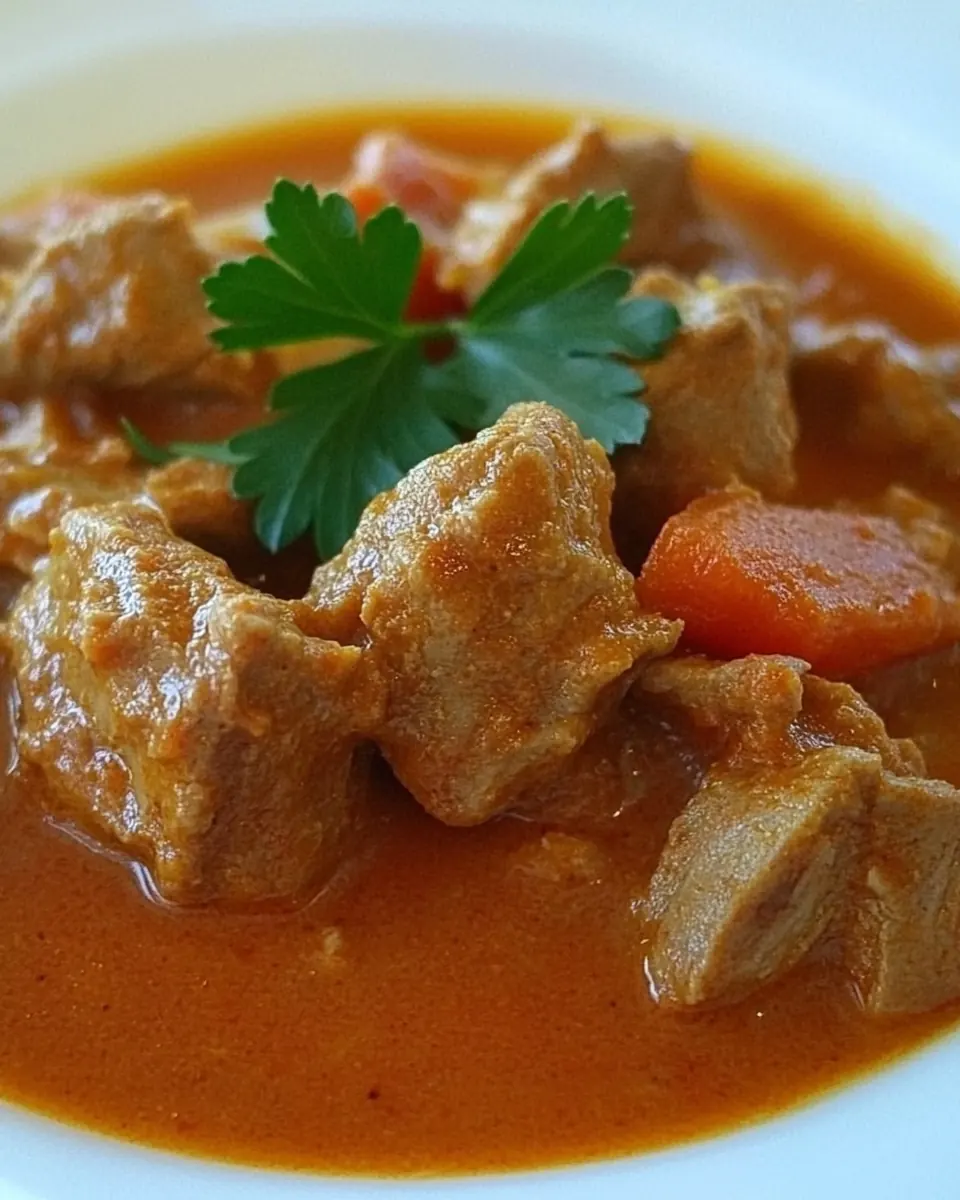
These steps guide you through a relaxed, confident braise that rewards patience. I like to move methodically, paying attention to the aroma and texture at each stage, because that tells you when to proceed. Below, each step is expanded with sensory cues, the reason behind the technique, and a common troubleshooting tip.
- Preheat the oven to 300°F with the rack in the middle.: When you step into the kitchen you should feel warmth building and a quiet sense of readiness, because a low oven keeps the braise gentle and even. The middle rack ensures steady air circulation, which prevents the top from drying while the interior becomes tender. I like to set a timer and let the oven reach temperature fully before the pot goes in, because sudden temperature shifts can cause uneven cooking. A common error is placing the pot too close to the top element, which can lead to overbrowning on the lid while the meat inside remains firm.
- Melt the ghee in a large Dutch oven over medium low heat. Add the lamb, onions, carrots, Rogan Josh seasoning, salt, and pepper to the pot.: As the ghee melts you should see a shimmer on the surface, a signal that it is hot enough to release spice oils. Adding the ingredients now lets the spices meet warm fat and start to bloom, releasing fragrant notes that fill the kitchen. When the meat touches the pot it should sizzle gently, not roar, which indicates the pan is at the right temperature to begin browning without burning. If the pot is too hot the outer surface can char quickly, creating a bitter edge, so keep the heat controlled.
- Stir the mixture constantly for 5-8 minutes, or until the spices are fragrant.: During this time you want to notice a change in the scent, from raw to toasty and aromatic. The sound will be soft sizzling and the ingredients should begin to cling together and darken slightly, which deepens flavor. Constant stirring ensures even coating and prevents the spices from sticking and turning bitter. A frequent slip is walking away during this step, which risks scorching the spices and losing their bright aromatics.
- Next, mix in 1/2 cup of water and the coconut yogurt. Increase the heat to high to bring the contents to a simmer.: When you add the water and the coconut element you will see the mixture loosen and sigh as steam rises, creating a gentle simmer. The coconut yogurt brings silk and a mild tang that rounds the spice, while the water helps deglaze the pan and lift up browned bits, building a more cohesive sauce. Stir until the yogurt is integrated and the steam carries spice notes through the air. If you add too much liquid at once you can dilute the flavors, so stick to the measured amount for balance.
- Place the lid on the pot and place the stew in the oven for around two hours or until the lamb is fork tender.: At this moment you want to see regular, gentle bubbling and feel a steady steam escaping from the pot, this shows the stew is moving toward the oven with enough energy to start breaking down connective tissue. The higher heat jumpstarts the braise and ensures the oven time completes the tenderizing process. Be careful not to let a rolling boil form, which can toughen the meat and create a grainy sauce; a controlled simmer is key.
- Remove the stew from the oven and adjust the seasoning with salt and pepper to taste. Serve over Simple Cauliflower Rice or along with roasted vegetables.: As the pot settles into the oven you will hear the house quiet, and later when you lift the lid you should see a glossy sauce and meat that yields easily to a fork. Slow oven cooking allows collagen to dissolve into gelatin, yielding silkiness in the mouth and unctuous texture on the plate. If the pieces are not uniformly tender after two hours, give it additional time in 15 to 20 minute increments, checking moisture so it does not dry out. A common pitfall is opening the oven frequently, which prolongs cooking time and cools the pot unnecessarily.
- Leftovers can be kept in a sealed container for up to four days in the fridge or up to four months in the freezer.: Once you take the pot out you should taste the sauce for balance, noting whether it needs a touch more salt to enhance savory notes or a pinch more pepper to brighten the finish. The aroma will be layered and inviting, with the long cooking mellowing sharp edges. Stir gently to distribute juices, and if the sauce is too thin, simmer briefly on the stove to concentrate; if too thick, add a splash of water. Over-salting is easy to do, so add slowly and taste as you go.
- Serve over Simple Cauliflower Rice or along with roasted vegetables: The final presentation should showcase the stew as the star, with the side acting as a gentle counterpoint in texture and flavor. I like the contrast of tender lamb against a light, absorbent bed that soaks up sauce. Plate a portion of the chosen side, ladle the stew over it, and garnish simply if desired. A typical mistake is pairing it with a competing heavy side, which can overwhelm the nuanced spice profile.
- Leftovers can be kept in a sealed container for up to four days in the fridge or up to four months in the freezer: When you store the stew you will notice the flavors deepen further overnight as they marry. Cool it quickly to preserve freshness, and reheat gently to avoid breaking the sauce; low stove heat or a gentle oven is best. Freezing in portioned containers makes future meals effortless. Avoid repeated reheating cycles, which can degrade texture and flavor over time.
Substitutions and Tips
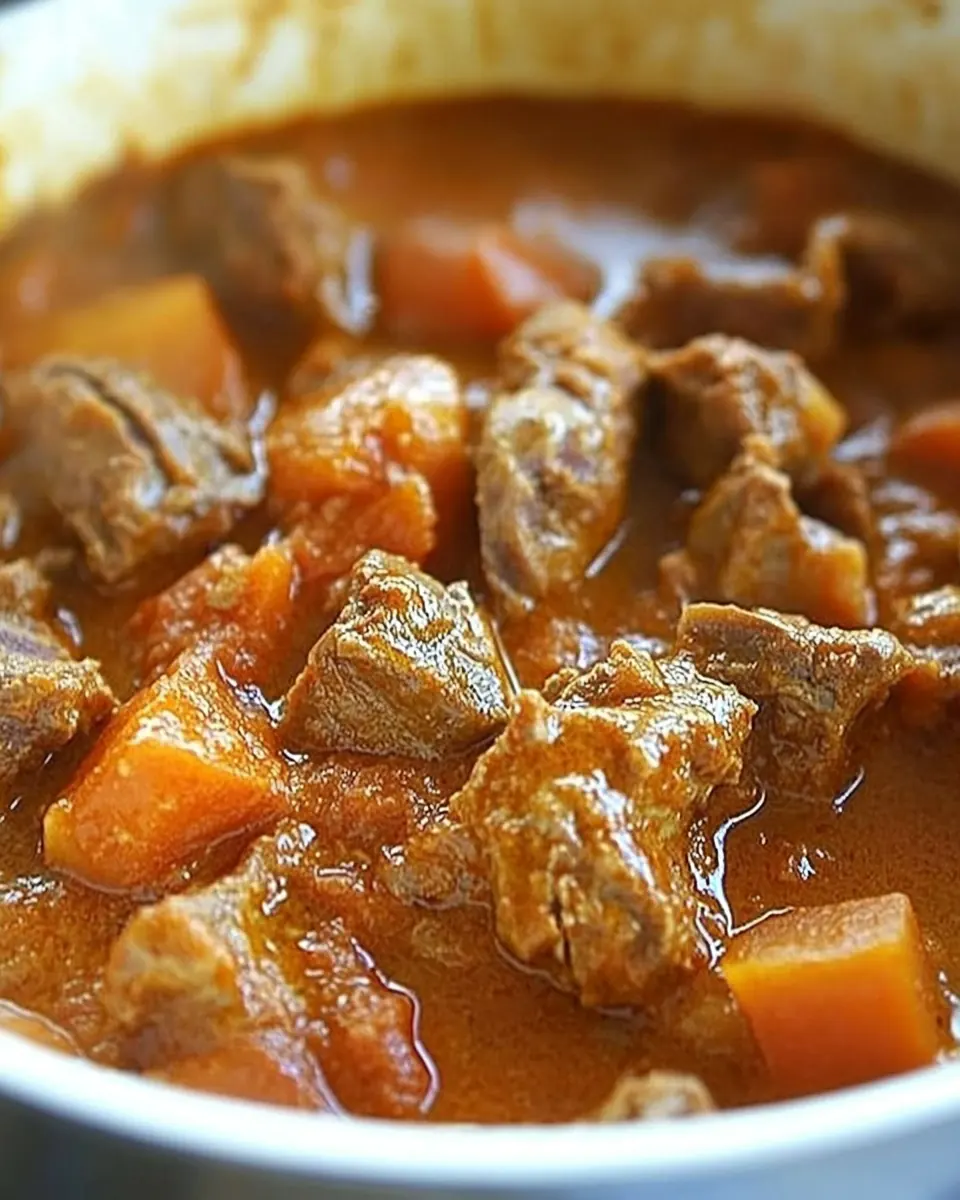
I like to think of substitutions as ways to keep the spirit of the dish intact while accommodating what you have on hand. Below are practical tips and flexible choices that preserve texture and depth.
- Swap meats thoughtfully — If you do not have lamb, use cubed beef chuck roast which responds similarly to slow braising and results in comparable tenderness.
- Choose your fat — Ghee gives a nutty depth while coconut oil lends a mild sweetness, pick the one that matches your pantry and flavor preference.
- Coconut dairy options — Full fat coconut yogurt or full fat coconut milk will both contribute silk and body; use whichever yields the texture you prefer.
- Adjusting spice intensity — If your Rogan Josh seasoning is particularly potent, start with a reduced amount and taste before adding more, to avoid overpowering the stew.
- Thickening the sauce — If the sauce ends up too thin after braising, reduce it on the stovetop over medium heat until it reaches the desired consistency, stirring occasionally to prevent sticking.
- Storing and reheating — Cool quickly, refrigerate in shallow containers for up to four days, or freeze for up to four months, reheating slowly to preserve texture and flavor.
Serving Options for Rogan Josh
This section outlines thoughtful ways to present and enjoy the stew, from weeknight dinners to special gatherings. Consider texture contrasts and complementary flavors when planning accompaniments.
- Serve over cauliflower rice — This light base soaks up sauce while keeping the meal focused on the rich stew, making for a low carbohydrate option that still feels substantial.
- Pair with roasted vegetables — Oven roasted roots such as carrots and parsnips add a caramelized counterpoint and make the plate visually appealing and balanced.
- Family style on a platter — Transfer the stew to a shallow dish and place it at the center of the table so guests can help themselves, fostering a communal, relaxed meal vibe.
- Make ahead for gatherings — Prepare the dish a day in advance and reheat gently; flavors will be more integrated and serving will be less hectic on the event day.
- Storage tips — Refrigerate leftovers within two hours in airtight containers for up to four days, or freeze in portions for up to four months to enjoy later.
- Seasonal pairings — During cooler months, serve with warming sides and a simple salad to brighten the plate; for special meals, offer a mild, cooling accompaniment to balance the spice.
FAQ
Conclusion
This Rogan Josh stands out because it combines slow braising with fragrant seasoning to produce deeply developed flavor and melt in the mouth tenderness. Give it a try when you want a comforting, impressive meal that rewards a little planning and patience. You will likely enjoy the way the flavors improve with time, and the leftovers make for effortless lunches or dinners later in the week.
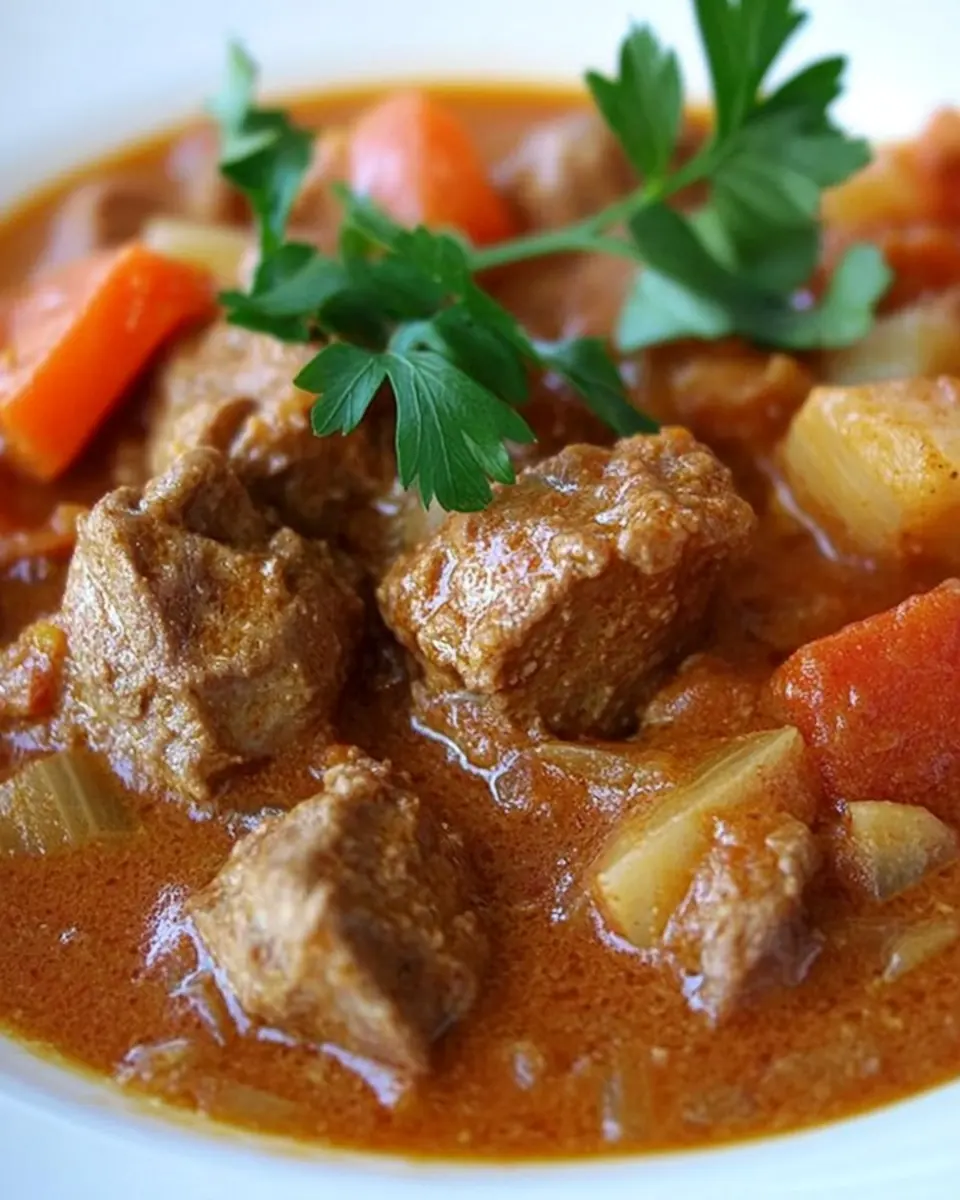
Rogan Josh
Ingredients
Equipment
Method
- Preheat the oven to 300°F with the rack in the middle.: When you step into the kitchen you should feel warmth building and a quiet sense of readiness, because a low oven keeps the braise gentle and even. The middle rack ensures steady air circulation, which prevents the top from drying while the interior becomes tender. I like to set a timer and let the oven reach temperature fully before the pot goes in, because sudden temperature shifts can cause uneven cooking. A common error is placing the pot too close to the top element, which can lead to overbrowning on the lid while the meat inside remains firm.
- Melt the ghee in a large Dutch oven over medium low heat. Add the lamb, onions, carrots, Rogan Josh seasoning, salt, and pepper to the pot.: As the ghee melts you should see a shimmer on the surface, a signal that it is hot enough to release spice oils. Adding the ingredients now lets the spices meet warm fat and start to bloom, releasing fragrant notes that fill the kitchen. When the meat touches the pot it should sizzle gently, not roar, which indicates the pan is at the right temperature to begin browning without burning. If the pot is too hot the outer surface can char quickly, creating a bitter edge, so keep the heat controlled.
- Stir the mixture constantly for 5-8 minutes, or until the spices are fragrant.: During this time you want to notice a change in the scent, from raw to toasty and aromatic. The sound will be soft sizzling and the ingredients should begin to cling together and darken slightly, which deepens flavor. Constant stirring ensures even coating and prevents the spices from sticking and turning bitter. A frequent slip is walking away during this step, which risks scorching the spices and losing their bright aromatics.
- Next, mix in 1/2 cup of water and the coconut yogurt. Increase the heat to high to bring the contents to a simmer.: When you add the water and the coconut element you will see the mixture loosen and sigh as steam rises, creating a gentle simmer. The coconut yogurt brings silk and a mild tang that rounds the spice, while the water helps deglaze the pan and lift up browned bits, building a more cohesive sauce. Stir until the yogurt is integrated and the steam carries spice notes through the air. If you add too much liquid at once you can dilute the flavors, so stick to the measured amount for balance.
- Place the lid on the pot and place the stew in the oven for around two hours or until the lamb is fork tender.: At this moment you want to see regular, gentle bubbling and feel a steady steam escaping from the pot, this shows the stew is moving toward the oven with enough energy to start breaking down connective tissue. The higher heat jumpstarts the braise and ensures the oven time completes the tenderizing process. Be careful not to let a rolling boil form, which can toughen the meat and create a grainy sauce; a controlled simmer is key.
- Remove the stew from the oven and adjust the seasoning with salt and pepper to taste. Serve over Simple Cauliflower Rice or along with roasted vegetables.: As the pot settles into the oven you will hear the house quiet, and later when you lift the lid you should see a glossy sauce and meat that yields easily to a fork. Slow oven cooking allows collagen to dissolve into gelatin, yielding silkiness in the mouth and unctuous texture on the plate. If the pieces are not uniformly tender after two hours, give it additional time in 15 to 20 minute increments, checking moisture so it does not dry out. A common pitfall is opening the oven frequently, which prolongs cooking time and cools the pot unnecessarily.
- Leftovers can be kept in a sealed container for up to four days in the fridge or up to four months in the freezer.: Once you take the pot out you should taste the sauce for balance, noting whether it needs a touch more salt to enhance savory notes or a pinch more pepper to brighten the finish. The aroma will be layered and inviting, with the long cooking mellowing sharp edges. Stir gently to distribute juices, and if the sauce is too thin, simmer briefly on the stove to concentrate; if too thick, add a splash of water. Over-salting is easy to do, so add slowly and taste as you go.
- Serve over Simple Cauliflower Rice or along with roasted vegetables: The final presentation should showcase the stew as the star, with the side acting as a gentle counterpoint in texture and flavor. I like the contrast of tender lamb against a light, absorbent bed that soaks up sauce. Plate a portion of the chosen side, ladle the stew over it, and garnish simply if desired. A typical mistake is pairing it with a competing heavy side, which can overwhelm the nuanced spice profile.
- Leftovers can be kept in a sealed container for up to four days in the fridge or up to four months in the freezer: When you store the stew you will notice the flavors deepen further overnight as they marry. Cool it quickly to preserve freshness, and reheat gently to avoid breaking the sauce; low stove heat or a gentle oven is best. Freezing in portioned containers makes future meals effortless. Avoid repeated reheating cycles, which can degrade texture and flavor over time.
Notes
- Swap meats thoughtfully — If you do not have lamb, use cubed beef chuck roast which responds similarly to slow braising and results in comparable tenderness.
- Choose your fat — Ghee gives a nutty depth while coconut oil lends a mild sweetness, pick the one that matches your pantry and flavor preference.
- Coconut dairy options — Full fat coconut yogurt or full fat coconut milk will both contribute silk and body; use whichever yields the texture you prefer.
- Adjusting spice intensity — If your Rogan Josh seasoning is particularly potent, start with a reduced amount and taste before adding more, to avoid overpowering the stew.
- Thickening the sauce — If the sauce ends up too thin after braising, reduce it on the stovetop over medium heat until it reaches the desired consistency, stirring occasionally to prevent sticking.
- Storing and reheating — Cool quickly, refrigerate in shallow containers for up to four days, or freeze for up to four months, reheating slowly to preserve texture and flavor.