Lemon Butter Pound Cake
Lemon Butter Pound Cake has been my go to when I need a comforting, buttery slice that feels like a warm kitchen hug. The first time I baked this cake I was hosting a small tea with close friends, and the house filled with the bright scent of lemon and the cozy aroma of browning butter. I remember carrying the still warm cake to the table and watching everyone slow down, savoring a bite, then another, like tiny moments of hush in an otherwise busy afternoon.
Over the years I have tweaked technique and timing based on those early experiments, and what stands out is how reliably the texture, crumb, and citrus brightness come together. I often think about the small rituals that matter, like zesting a lemon with patience, or letting eggs and buttermilk come to room temperature so they fold into a silkier batter. These tiny choices add up to a pound cake that is dense yet tender, rich but balanced by citrus.
When friends ask for a simple showstopper, I reach for this recipe. It travels well, it slices beautifully, and it behaves kindly whether you add a glaze right away or the next day. Sometimes I bake it the night before, wrap it, and let flavors settle. Other times I spoon warm lemon butter syrup into the cake while it is still slightly warm so it soaks into the crumb, creating pockets of glossy flavor that really sing. Sharing this cake has become one of my favorite ways to mark small celebrations, or quiet weekend mornings when there is time for a second cup of coffee.
Recipe Snapshot
1 hr 40 mins
30 mins
70 mins
Medium
400 kcal
American
Gluten-Free, Low FODMAP
Desserts
10-inch Bundt pan, Stand mixer with paddle attachment, Medium saucepan, Wire rack
Why Try This Lemon Butter Pound Cake
Textural Perfection
I love how the Lemon Butter Pound Cake delivers a dense yet tender crumb, because the high butter to flour ratio gives it that classic pound cake feel. When done right, the interior breaks with a fine, even crumb that almost melts on the tongue. I pay attention to creaming the butter and sugar long enough so air gets incorporated, which yields lift and a velvety texture. A common mistake is undermixing here, which leaves pockets of uneven structure, so I take those extra minutes seriously.
Layered Lemon Flavor
The combination of fresh lemon zest, lemon juice in the batter, and a lemony syrup plus glaze creates depth rather than a one note lemon taste. I use both zest and juice to capture volatile oils and tartness. Zest offers aromatic lift while juice gives that immediate tang. People often ask why both are needed, and I tell them the. They work together to keep the cake bright without overpowering the buttery base.
Buttery Richness
There is something almost indulgent about how the butter shapes the cake, from mouthfeel to flavor. This recipe uses a generous amount of softened butter to ensure richness and a golden crumb. I also brush the pan with softened butter and sugar which creates a lightly crisp exterior, adding contrast. Skipping this step can cause sticking and a less appealing crust, so I never skip it when hosting.
Practical Make Ahead
I often prepare the cake a day ahead and add the glaze the next day, because flavors marry beautifully overnight. Storing it wrapped at room temperature preserves moisture, and freezing works well if you need extra lead time. This flexibility makes the Lemon Butter Pound Cake perfect for gatherings where you want one less thing to worry about the day of.
Universal Appeal
I find this cake works for many occasions, from afternoon tea to a modest dessert after dinner. It is approachable to bakers of varying skill, and the sensory cues are easy to watch for, which I always explain to friends: golden edges, a slightly domed top, and syrup that sinks into the crumb are all the signs of success. That reliability is why I come back to it again and again.
What to Gather for Lemon Butter Pound Cake
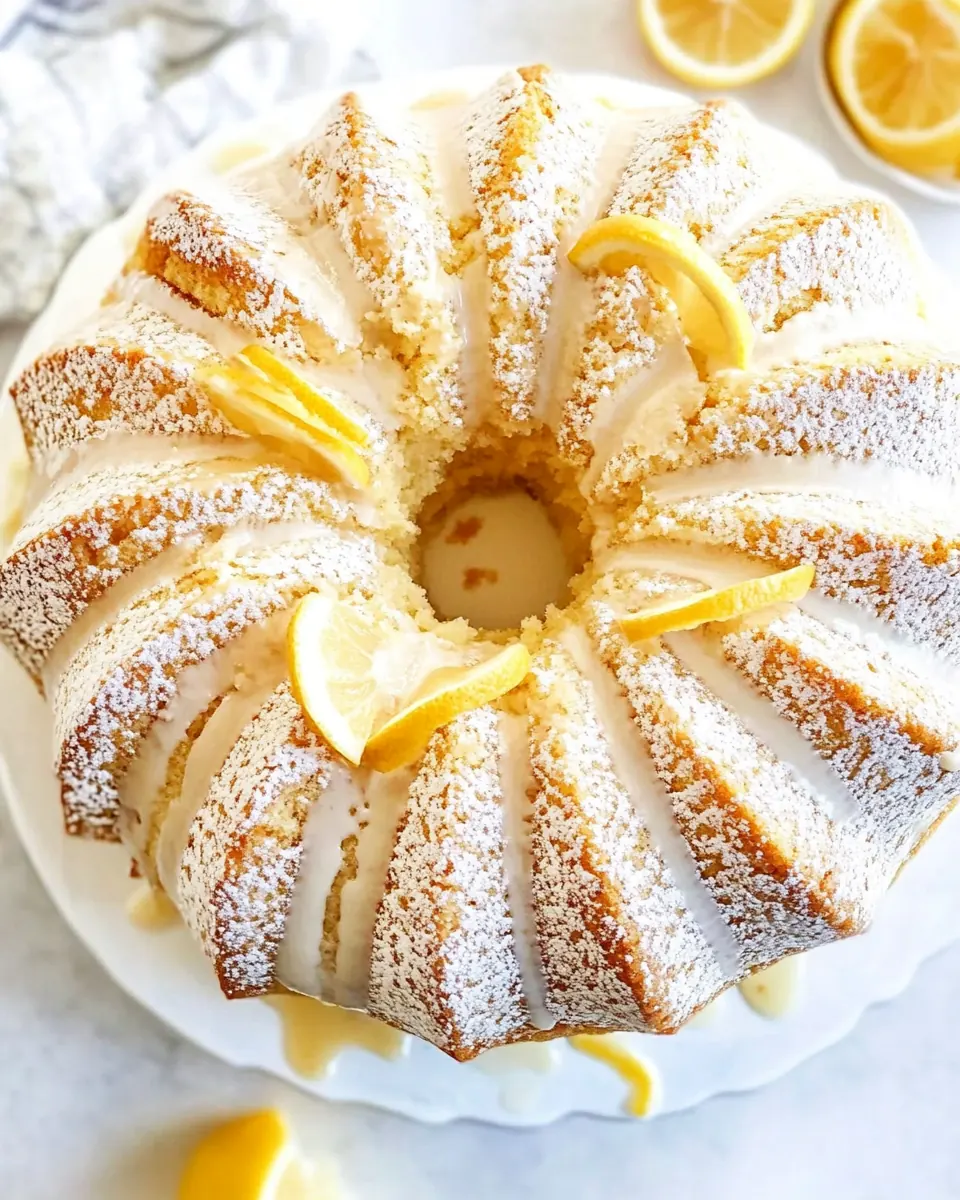
These ingredients are intentionally straightforward, focused on butter enriched structure and bright citrus notes. The cast of key players includes a generous amount of butter for richness, flour for the supporting frame, and multiple forms of lemon for layered aroma and tang. Each item performs a clear role, helping the batter emulsify, the cake rise, and the glaze finish with a silky, tangy sheen.
- 24 tablespoons (3 sticks) unsalted butter, softened: Soften to room temperature for easy creaming and to create a tender, rich crumb in the pound cake; contributes butterfat that enhances flavor and moistness throughout the loaf.
- 2 1/4 cups granulated sugar: Provide bulk and sweetness to the batter while aiding in caramelization and browning of the crust; helps with structure when creamed with butter.
- 5 large eggs at room temperature: Bring moisture, structure, and leavening aid through trapped air when beaten; eggs also enrich the cake with fat and emulsify ingredients for a uniform batter.
- 3 cups all-purpose flour: Offer the primary structure and body for the cake by supplying gluten and starch; sift or measure correctly to maintain the denser yet tender texture of a pound cake.
- 1 teaspoon salt: Balance and enhance flavor while supporting gluten development control; a precise amount helps maintain proper dough chemistry.
- 1 teaspoon baking powder: Act as a chemical leavening agent to help the cake rise slightly and create a fine crumb; used with baking soda and acidic ingredients for lift.
- 1/2 teaspoon baking soda: React with acidic components to produce carbon dioxide for additional leavening and to tenderize the crumb; adjusts pH for better browning and flavor balance.
- 1 cup buttermilk or sour milk at room temperature see notes: Provide acidity and moisture that react with leavening agents to tenderize the cake; room temperature buttermilk ensures even mixing and proper emulsification.
- 2 tablespoons fresh lemon juice: Add bright acidity and fresh citrus flavor to the batter while balancing sweetness; juice also contributes moisture and aroma.
- 2 tablespoons grated lemon zest, packed: Introduce concentrated lemon aroma and intense citrus oils that elevate the cake's flavor profile; packed zest maximizes flavor extraction.
- 1 tablespoon vanilla extract: Impart warm, familiar background flavor and enhance sweetness perception; vanilla helps round out citrus notes and complements butter and sugar.
- 3/4 cup granulated sugar: Serve as additional sweetness for the lemon glaze or sauce, boosting surface gloss and preserving texture; its separated listing indicates use in a topping or separate component.
- 3 tablespoons unsalted butter: Melt and combine into glazes or sauces to add richness, shine, and a silky mouthfeel; small amounts of butter enrich finishing liquids.
- 2 tablespoons lemon juice: Contribute bright acidity and lemon flavor to glazes or finishing sauces while thinning and balancing sweetness; multiple additions indicate layered lemon intensity.
- 1 tablespoon water: Thin out glazes, adjust consistency, and add a mild neutral flavor while helping ingredients disperse evenly; water helps achieve pourable texture.
- pinch of salt: Provide a small amount of savory contrast to balance sweetness and enhance overall flavor complexity; a pinch helps sharpen and round out the glaze.
- 1 teaspoon vanilla extract: Add aromatic depth and a sweet-vanilla undertone that complements citrus and butter; used sparingly in glazes or fillings for subtle flavor lift.
- 4 oz . cream cheese softened to room temperature: Soften to room temperature for easy incorporation into frostings or fillings; contributes tangy richness and creamy body to balance the lemon.
- 2 cups powdered sugar, sifted: Give structure and sweetness to frostings or fillings while stabilizing texture when sifted; powdered sugar dissolves smoothly for a silky finish.
- 3 4 tablespoons lemon juice: Adjust sweetness and acidity in glazes or frostings to taste while providing a fresh lemon tang; measured amounts control consistency and flavor intensity.
How to Cook Lemon Butter Pound Cake
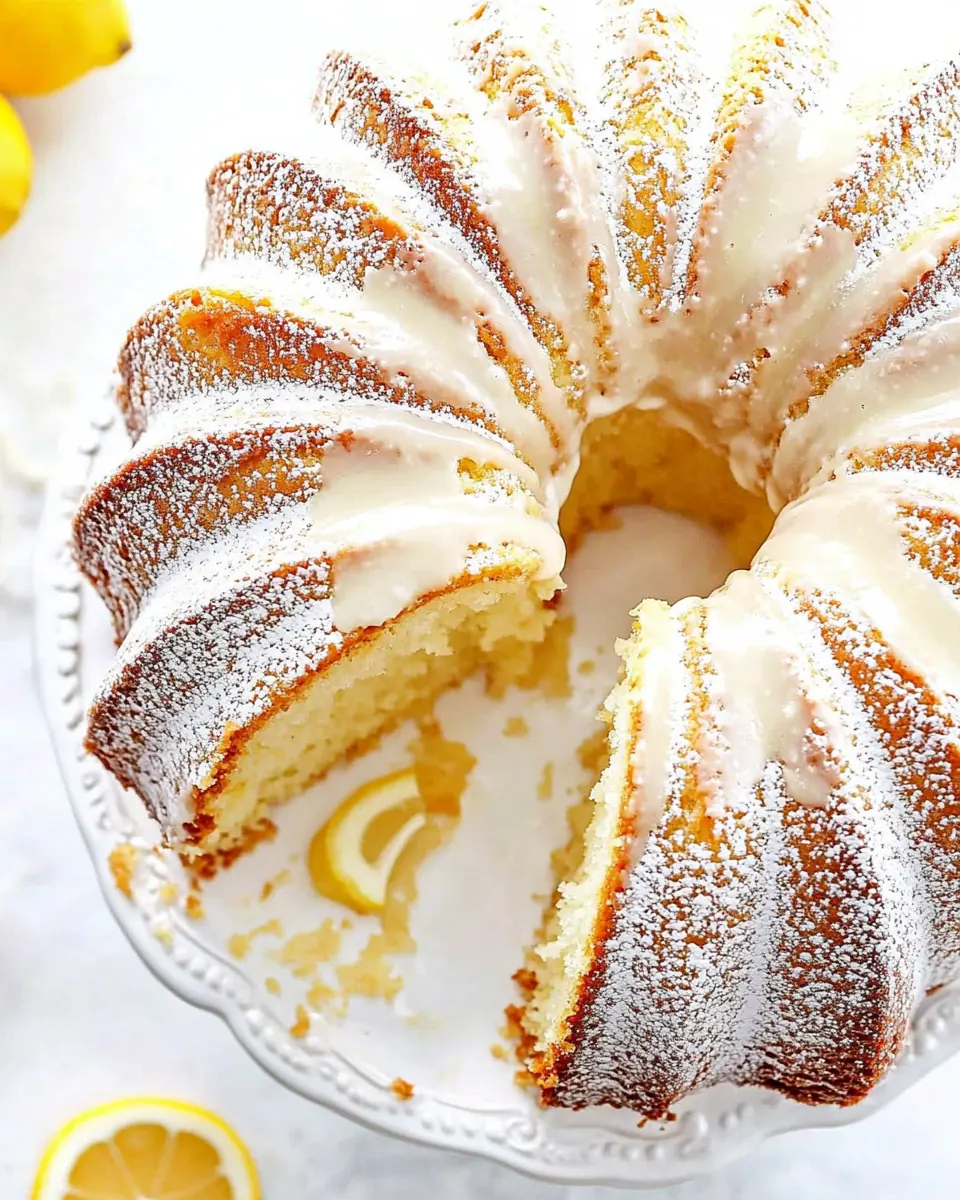
This recipe is methodical but forgiving if you follow the sensory cues. I like to organize bowls and ingredients before starting, because the rhythm of mixing, alternating dry and wet, and then bathing the cake in syrup is soothing. Keep an eye on color and texture more than the clock.
- Preheat oven to 325 degrees F. Generously and thoroughly grease and flour a 10-inch (12-cup) Bundt pan (I also sugar the pan.) Please see Notes.: The oven aroma of warming air and a hint of buttered pan is the first signal that baking is about to transform the batter. When greasing the pan with softened butter , you should feel a silky smear across every nook, then sprinkle sugar to create a fine granular coat that will give a delicate crust. This helps release the cake and creates a slight sparkle on the surface. A common mistake is skimping on the grease or flour, which makes sticking likely; test by running a finger over the pan after greasing to ensure even coverage.
- In a medium bowl, whisk together flour, baking powder, baking soda and salt. Set aside.: As you whisk, notice the flour clouds and the gentle shifting of pale powder, which indicates even distribution of leaveners. This step prevents pockets of rising agent that could produce tunnels or uneven rise. Sifting is optional but gives an extra airy texture. Avoid packing the flour into the cup when measuring, because too much will produce a dry, heavy cake.
- Whisk buttermilk with 2 tablespoons lemon juice, 2 tablespoons lemon zest and 1 tablespoon vanilla in a liquid measuring cup; set aside.: This liquid smells bright and fragrant from the zest, a fresh citrus perfume that contrasts the creamy tang of buttermilk . The acid in the lemon juice will react with the baking soda to create lift, so preparing this mixture ahead keeps everything flowing. If your buttermilk is cold, it may cause the batter to seize slightly, so use room temperature as the recipe suggests.
- Add butter and sugar to a stand mixer fitted with the paddle attachment and beat on medium-high speed for at least 3-4 minutes (no less!), until light and fluffy, scraping down sides occasionally. Reduce speed to medium and add eggs, one at a time, beating just until the yellow disappears after each egg.: When creaming butter and sugar , look for a pale, voluminous mixture that whips slightly and smells sweet and buttery. The sound of the mixer should shift to a softer hum as air is incorporated. Adding eggs one at a time ensures the emulsion remains stable; if added too quickly, the mixture can break and look curdled. If that happens, scrape the bowl and mix slowly until uniform before continuing.
- Reduce speed to low and gradually add flour mixture to butter mixture in thirds, alternately with buttermilk mixture in between each third. Beat just until combined, giving the batter a final stir by hand to get any flour at the bottom.: The batter will become glossy and ribbon like when mixed properly, smelling faintly of lemon and vanilla. Alternating avoids overworking the gluten in the flour , which keeps the cake tender. Stop mixing as soon as dry streaks disappear, then fold gently by hand; overmixing creates a tough crumb. A typical pitfall is rushing this step and overbeating, which leads to a denser texture.
- Transfer batter to the prepared Bundt pan and tap the pan on the counter a few times to get rid of any air bubbles. Bake at 325 degrees F until a wooden pick inserted near the center of cake comes out with a few crumbs, 55-70 minutes.: As the cake bakes the kitchen will fill with a warm, citrusy butter scent and the edges will pull slightly away from the pan, signaling readiness. The top should be a gentle golden color, not overly dark. Using a wooden pick and seeing a few moist crumbs is better than a wet batter smear, which indicates more time is needed. A common error is opening the oven too often, which can cause the cake to sink in the center.
- Place cake on a wire rack and let rest 5 minutes then poke holes all over the cake, going about 3/4 of the way down using the thin end of a chopstick. You may also use the back of a utensil or a skewer, but you’ll want wiggle it around so the holes become larger.: The cake will emit a warm, buttery steam as it rests, and poking allows the syrup to sink in. Make holes that are evenly spaced so the syrup distributes uniformly and you get moist pockets throughout. Avoid poking too deeply into the pan or removing the cake while piping syrup, which can tear the structure. If the holes are too shallow, the syrup will sit on the surface rather than infusing the crumb.
- Immediately after poking holes in the cake, make the Lemon Butter Syrup. Add sugar, butter, lemon juice, water and salt to a medium saucepan. Heat on low until the butter is melted, stirring occasionally. Cook until the sugar is mostly dissolved, without letting the mixture boil, then stir in the vanilla.: The syrup smells intensely of lemon and warm butter as the sugar dissolves, and you should see a glossy liquid with tiny ribbons of melted butter . Keep the heat low to prevent boiling, which can create a grainy texture or harden the syrup. If the syrup begins to bubble vigorously, remove it from heat and stir; simmering is unnecessary here.
- Slowly pour or spoon the Syrup all over the bottom of the cake (which is currently the top), moving slowly so it has time to seep into the holes. Tilt the cake as needed so the syrup doesn't run over the edges of the cake or it will act like glue in the pan. Brush any extra glaze into the holes.: You will hear a soft soaking sound as the syrup is absorbed, and the cake will darken where the liquid sinks in. Work methodically so the syrup penetrates rather than pools. If you pour too quickly the liquid may run off and pool at the bottom, making the cake stick in spots, so patience matters. Use a spoon to guide the syrup into stubborn spots.
- Let the cake cool for 15 minutes (no longer or the glaze can stick and harden like glue) then run a knife around the edges of the cake, shake a few times until loose then invert the cake onto a plate or cake stand. Take note that if you have extra glaze on the bottom of the cake, you should invert the cake onto a parchment paper lined plate otherwise it can stick to the plate when serving.: Fifteen minutes lets the syrup settle into the crumb without fully adhering to the pan, creating a glossy, tender surface. Run the knife gently to avoid tearing the crust, and when inverting you should hear a soft release as the cake comes free. If the cake resists, wait a few more minutes rather than forcing it, because tearing is hard to repair even with glaze.
- Let the cake cool to room temperature before adding the Glaze in the next step. You can also tightly wrap the cooled cake in plastic wrap and store at room temperature then add the Glaze the next day.: Cooling to room temperature allows the crumb to set and prevents the glaze from sliding right off. As it cools the aroma mellows into a balanced butter and lemon note. If you plan to glaze the next day, the cake will be easier to slice thinly and the glaze will sit cleanly on the surface. Glazing too soon can cause the topping to become runny and not set properly.
- In a large mixing bowl, beat cream cheese, powdered sugar and 3 tablespoons lemon juice until smooth. Taste and add additional lemon juice if you would like a tangier glaze. Drizzle the Glaze all over the cake, letting it drip down the sides. Enjoy!: The final glaze should be smooth and glossy, smelling fresh and tangy from the lemon and creamy from the cream cheese . Spoon it down the center and use a spatula to coax drips down the sides for an elegant finish. If the glaze seems too thin, chill it briefly to thicken; if it is too stiff add a splash of lemon juice. Avoid overheating the cream cheese or it may become too loose.
Tips and Variations
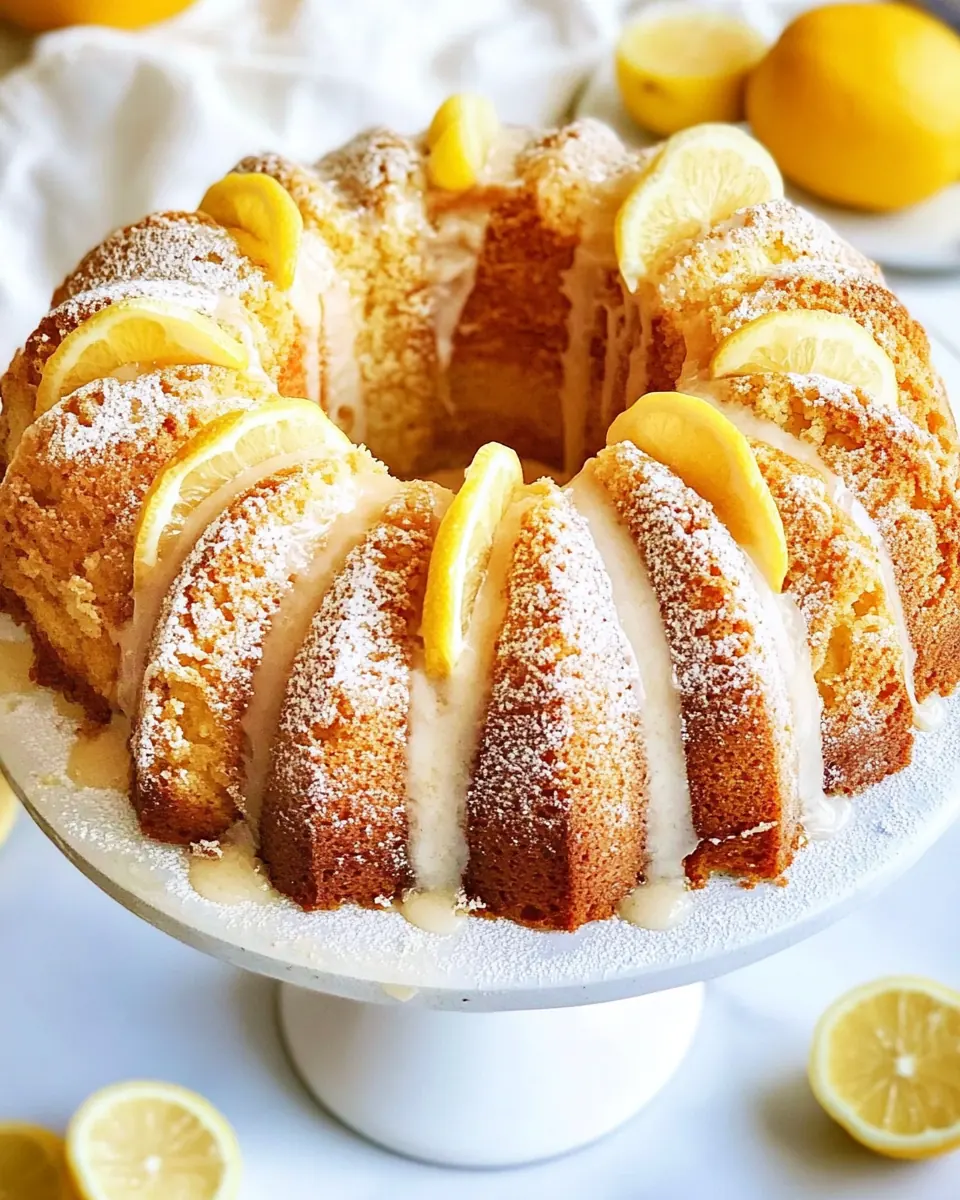
I like to think of these tips as toolbox items you can pick from depending on how you want to present the cake. Below are method tweaks and variations that respect the recipe while letting you personalize texture, flavor intensity, and finish.
- Room Temperature Ingredients: Always bring eggs and buttermilk to room temperature before mixing to ensure a smooth batter and proper emulsion.
- Proper Creaming: Cream butter and sugar until pale and fluffy, about 3 to 4 minutes, for a lighter texture and better rise.
- Measure Flour Correctly: Spoon and level your flour to avoid packing too much, which can make the cake heavy and dry.
- Don’t Skip Zest: Use fresh lemon zest for aromatic intensity, as bottled zest lacks the essential oils that make the flavor pop.
- Make Ahead: You can bake the cake a day ahead and add the glaze the next day; tightly wrap for best moisture retention.
Pairing Suggestions for Lemon Butter Pound Cake
This cake pairs beautifully with simple accompaniments, and it works across many occasions. Think informal afternoons, celebratory brunches, or as a gentle finish to a dinner. Below, you will find pairing ideas, serving contexts, storage guidance, and seasonal suggestions that make the most of the cake’s bright butter and lemon character.
- Serve with tea or coffee: A warm cup of tea or a robust coffee complements the buttery crumb and bright lemon notes, making it ideal for brunch or an afternoon treat.
- Light whipped cream: A dollop of lightly sweetened whipped cream softens the tang from the glaze and adds a pillowy contrast to each slice.
- Fresh berries: Serve alongside fresh berries for added texture, tartness, and visual pop, perfect for spring and summer gatherings.
- Occasion friendly: The cake is well suited for informal celebrations, baby showers, or a modest dessert after dinner; it travels well for picnics and potlucks.
- Storage tips: Wrap tightly in plastic wrap at room temperature for up to two days, or freeze double wrapped for up to three months; thaw overnight in the refrigerator before glazing.
- Seasonal pairing: In spring and summer highlight fresh fruit and light creams; in cooler months, pair with a spiced tea or a warm compote for cozy contrast.
FAQ
Conclusion
This Lemon Butter Pound Cake stands out for its buttery richness balanced by bright lemon, syrup soaked into the crumb, and a silky cream cheese glaze that ties everything together. I encourage you to give it a try, taking your time with the creaming and the syrup so each slice hits that perfect sweet and tangy note. Serve it for a relaxed brunch or a small celebration, and enjoy the little ritual of sharing a cake made with simple, well chosen ingredients.
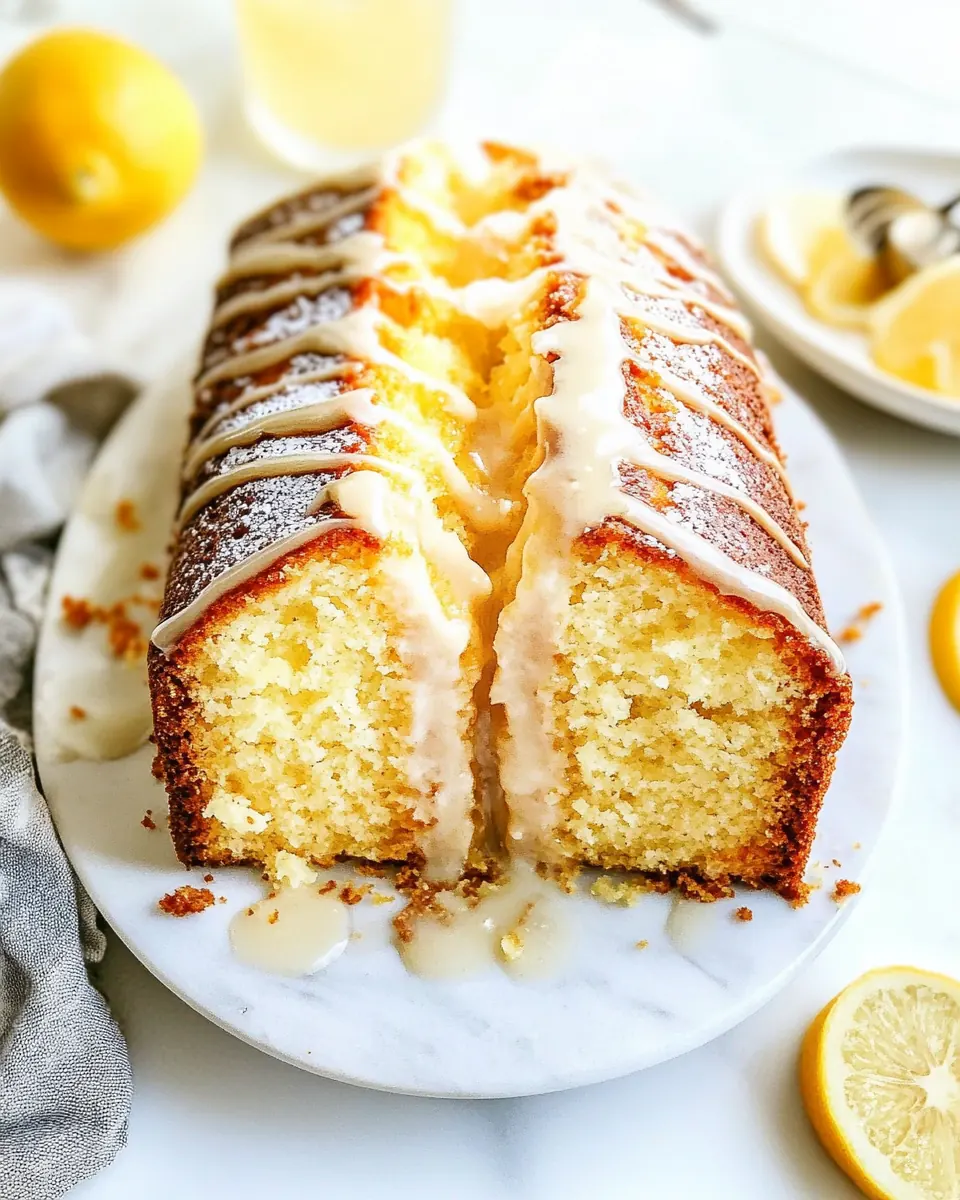
Lemon Butter Pound Cake
Ingredients
Equipment
Method
- Preheat oven to 325 degrees F. Generously and thoroughly grease and flour a 10-inch (12-cup) Bundt pan (I also sugar the pan.) Please see Notes.: The oven aroma of warming air and a hint of buttered pan is the first signal that baking is about to transform the batter. When greasing the pan with softened butter , you should feel a silky smear across every nook, then sprinkle sugar to create a fine granular coat that will give a delicate crust. This helps release the cake and creates a slight sparkle on the surface. A common mistake is skimping on the grease or flour, which makes sticking likely; test by running a finger over the pan after greasing to ensure even coverage.
- In a medium bowl, whisk together flour, baking powder, baking soda and salt. Set aside.: As you whisk, notice the flour clouds and the gentle shifting of pale powder, which indicates even distribution of leaveners. This step prevents pockets of rising agent that could produce tunnels or uneven rise. Sifting is optional but gives an extra airy texture. Avoid packing the flour into the cup when measuring, because too much will produce a dry, heavy cake.
- Whisk buttermilk with 2 tablespoons lemon juice, 2 tablespoons lemon zest and 1 tablespoon vanilla in a liquid measuring cup; set aside.: This liquid smells bright and fragrant from the zest, a fresh citrus perfume that contrasts the creamy tang of buttermilk . The acid in the lemon juice will react with the baking soda to create lift, so preparing this mixture ahead keeps everything flowing. If your buttermilk is cold, it may cause the batter to seize slightly, so use room temperature as the recipe suggests.
- Add butter and sugar to a stand mixer fitted with the paddle attachment and beat on medium-high speed for at least 3-4 minutes (no less!), until light and fluffy, scraping down sides occasionally. Reduce speed to medium and add eggs, one at a time, beating just until the yellow disappears after each egg.: When creaming butter and sugar , look for a pale, voluminous mixture that whips slightly and smells sweet and buttery. The sound of the mixer should shift to a softer hum as air is incorporated. Adding eggs one at a time ensures the emulsion remains stable; if added too quickly, the mixture can break and look curdled. If that happens, scrape the bowl and mix slowly until uniform before continuing.
- Reduce speed to low and gradually add flour mixture to butter mixture in thirds, alternately with buttermilk mixture in between each third. Beat just until combined, giving the batter a final stir by hand to get any flour at the bottom.: The batter will become glossy and ribbon like when mixed properly, smelling faintly of lemon and vanilla. Alternating avoids overworking the gluten in the flour , which keeps the cake tender. Stop mixing as soon as dry streaks disappear, then fold gently by hand; overmixing creates a tough crumb. A typical pitfall is rushing this step and overbeating, which leads to a denser texture.
- Transfer batter to the prepared Bundt pan and tap the pan on the counter a few times to get rid of any air bubbles. Bake at 325 degrees F until a wooden pick inserted near the center of cake comes out with a few crumbs, 55-70 minutes.: As the cake bakes the kitchen will fill with a warm, citrusy butter scent and the edges will pull slightly away from the pan, signaling readiness. The top should be a gentle golden color, not overly dark. Using a wooden pick and seeing a few moist crumbs is better than a wet batter smear, which indicates more time is needed. A common error is opening the oven too often, which can cause the cake to sink in the center.
- Place cake on a wire rack and let rest 5 minutes then poke holes all over the cake, going about 3/4 of the way down using the thin end of a chopstick. You may also use the back of a utensil or a skewer, but you’ll want wiggle it around so the holes become larger.: The cake will emit a warm, buttery steam as it rests, and poking allows the syrup to sink in. Make holes that are evenly spaced so the syrup distributes uniformly and you get moist pockets throughout. Avoid poking too deeply into the pan or removing the cake while piping syrup, which can tear the structure. If the holes are too shallow, the syrup will sit on the surface rather than infusing the crumb.
- Immediately after poking holes in the cake, make the Lemon Butter Syrup. Add sugar, butter, lemon juice, water and salt to a medium saucepan. Heat on low until the butter is melted, stirring occasionally. Cook until the sugar is mostly dissolved, without letting the mixture boil, then stir in the vanilla.: The syrup smells intensely of lemon and warm butter as the sugar dissolves, and you should see a glossy liquid with tiny ribbons of melted butter . Keep the heat low to prevent boiling, which can create a grainy texture or harden the syrup. If the syrup begins to bubble vigorously, remove it from heat and stir; simmering is unnecessary here.
- Slowly pour or spoon the Syrup all over the bottom of the cake (which is currently the top), moving slowly so it has time to seep into the holes. Tilt the cake as needed so the syrup doesn't run over the edges of the cake or it will act like glue in the pan. Brush any extra glaze into the holes.: You will hear a soft soaking sound as the syrup is absorbed, and the cake will darken where the liquid sinks in. Work methodically so the syrup penetrates rather than pools. If you pour too quickly the liquid may run off and pool at the bottom, making the cake stick in spots, so patience matters. Use a spoon to guide the syrup into stubborn spots.
- Let the cake cool for 15 minutes (no longer or the glaze can stick and harden like glue) then run a knife around the edges of the cake, shake a few times until loose then invert the cake onto a plate or cake stand. Take note that if you have extra glaze on the bottom of the cake, you should invert the cake onto a parchment paper lined plate otherwise it can stick to the plate when serving.: Fifteen minutes lets the syrup settle into the crumb without fully adhering to the pan, creating a glossy, tender surface. Run the knife gently to avoid tearing the crust, and when inverting you should hear a soft release as the cake comes free. If the cake resists, wait a few more minutes rather than forcing it, because tearing is hard to repair even with glaze.
- Let the cake cool to room temperature before adding the Glaze in the next step. You can also tightly wrap the cooled cake in plastic wrap and store at room temperature then add the Glaze the next day.: Cooling to room temperature allows the crumb to set and prevents the glaze from sliding right off. As it cools the aroma mellows into a balanced butter and lemon note. If you plan to glaze the next day, the cake will be easier to slice thinly and the glaze will sit cleanly on the surface. Glazing too soon can cause the topping to become runny and not set properly.
- In a large mixing bowl, beat cream cheese, powdered sugar and 3 tablespoons lemon juice until smooth. Taste and add additional lemon juice if you would like a tangier glaze. Drizzle the Glaze all over the cake, letting it drip down the sides. Enjoy!: The final glaze should be smooth and glossy, smelling fresh and tangy from the lemon and creamy from the cream cheese . Spoon it down the center and use a spatula to coax drips down the sides for an elegant finish. If the glaze seems too thin, chill it briefly to thicken; if it is too stiff add a splash of lemon juice. Avoid overheating the cream cheese or it may become too loose.
Notes
- Room Temperature Ingredients: Always bring eggs and buttermilk to room temperature before mixing to ensure a smooth batter and proper emulsion.
- Proper Creaming: Cream butter and sugar until pale and fluffy, about 3 to 4 minutes, for a lighter texture and better rise.
- Measure Flour Correctly: Spoon and level your flour to avoid packing too much, which can make the cake heavy and dry.
- Don’t Skip Zest: Use fresh lemon zest for aromatic intensity, as bottled zest lacks the essential oils that make the flavor pop.
- Make Ahead: You can bake the cake a day ahead and add the glaze the next day; tightly wrap for best moisture retention.