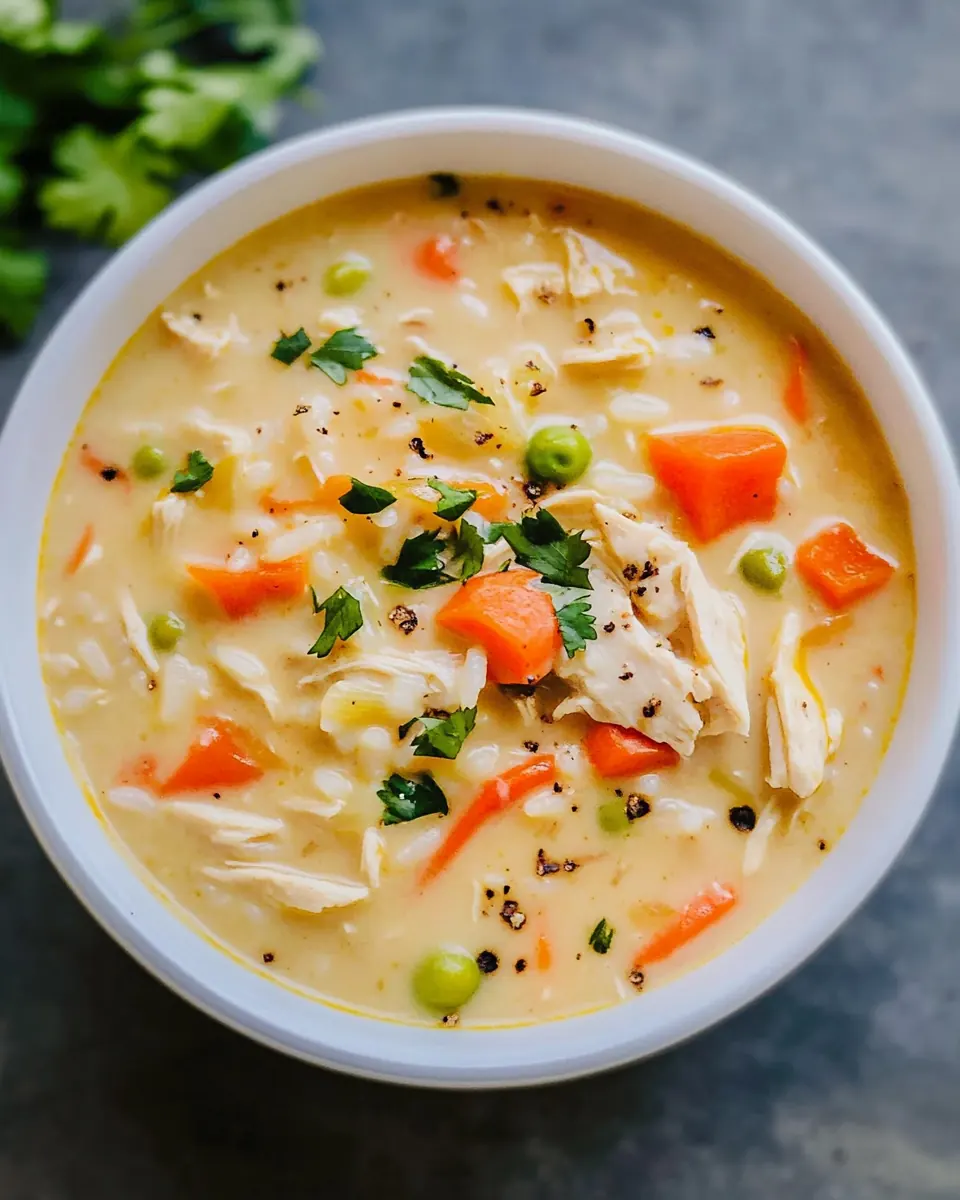
Chicken Curry Rice Soup
Chicken Curry Rice Soup is the kind of bowl I reach for when the air turns crisp and I want something warm that still feels bright and comforting.
One rainy evening some years ago I pulled together a handful of pantry staples, tossed in leftover chicken, and the result felt like a hug after a long day. I remember the kitchen filling with the aroma of curry powder and simmering chicken stock, the sound of rice quietly swelling as it absorbed the broth. That first spoonful had creamy body but a bit of zip from a quick squeeze of lemon, and from then on I began making this soup whenever I needed something both soothing and satisfying.
Over time I refined the balance so the soup is not too thin, not too thick, with tender bits of chicken and sweet-soft carrots and celery. The finish of butter and milk gives the bowl a silky mouthfeel, while the curry and bouillon provide depth. I love that this recipe adapts to what you already have, yet keeps its identity as a rich, warming meal that doubles as great leftovers for a chilly weeknight.
Recipe Snapshot
1 hr 5 mins
35 mins
30 mins
Medium
600 kcal
American
Gluten-Free, Low FODMAP
Soups
Large pot, Medium pot
Why Try This Chicken Curry Rice Soup
Comfort with Complexity
I love how Chicken Curry Rice Soup delivers comfort without being one note. The creamy broth and tender chicken make it soothing, while the curry powder adds an intriguing layer of warmth. It’s the kind of bowl that feels indulgent yet uncomplicated, and I come back to it when I want a meal that both calms and excites my palate.
Weeknight Friendly, Yet Impressive
This recipe reads fancier than it is. I’ve served it to friends and found it earns compliments without requiring hours in the kitchen. The method splits tasks so you can multitask while flavors develop, which makes it perfect for busy evenings when you still want something homemade.
Flexible and Pantry Smart
I appreciate that the core elements are pantry staples: rice, chicken stock, butter, and milk. If you have leftover chicken, the soup comes together faster, and the technique tolerates small swaps in texture or intensity. This flexibility makes it practical whether you’re cooking for one or the whole family.
Layered Flavor Without Fuss
The secret is sequence. Sautéing the onion, celery, and carrots first builds sweetness, then a quick toast of the curry powder and bouillon blooms aromatics. Adding a creamy roux-based finish gives the soup body that lasts a few hours, and you’ll notice the difference between a hurried stir and a properly thickened base.
Comfort That Scales
I frequently double this on blustery days. The soup scales well, and while the texture changes over time because of the rice, warming strategies make it work for leftovers. I love that it can serve as a solo meal or as the centerpiece for a cozy gathering.
Key Ingredients for Chicken Curry Rice Soup
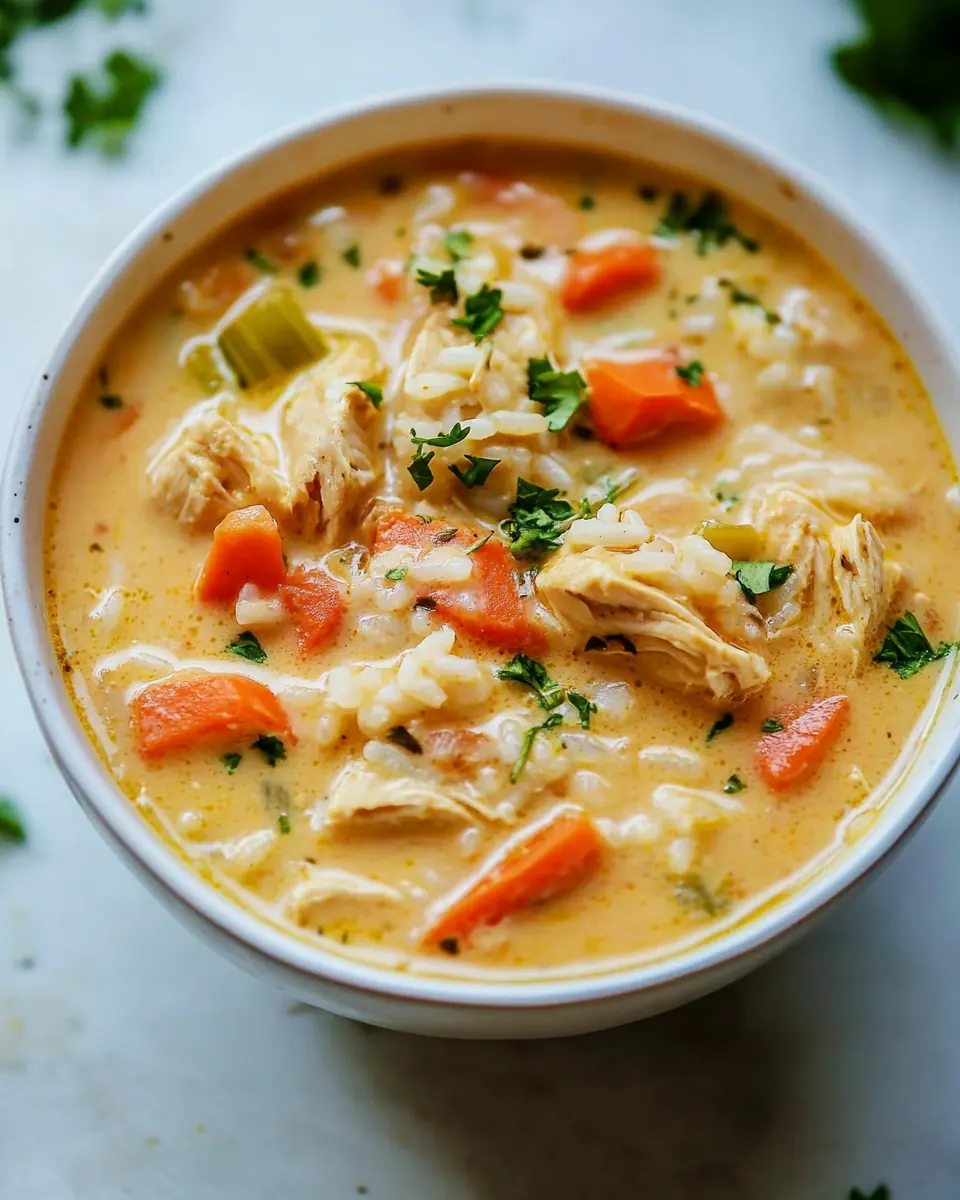
The ingredient list for Chicken Curry Rice Soup reads like a thoughtful ensemble. Each player has a role: the aromatics create a sweet base, the curry powder and bouillon build savory depth, the rice brings substance, and the dairy finishes the bowl with silky texture. Together these items produce a soup that is layered, comforting, and somehow light enough for an evening when you want nourishment without heaviness.
- 2 1/2 cups cooked chicken see note 1: Shredded or diced cooked chicken provides the main protein and hearty texture, adding savory depth to the soup while absorbing curry flavors; ensure chicken is warm or room temperature for even reheating and gentle folding into the broth.
- 2 tablespoons olive oil: Lightly used for sautéing aromatics and vegetables to build the soup's flavor base; heat to shimmer before adding onions so oil disperses spices and aids in releasing their aromas.
- 2 cups finely diced yellow onion: Finely diced yellow onion contributes sweet, caramelized notes and foundational savory flavor when softened; cook until translucent to meld into the broth and balance the curry's warmth.
- 1 1/2 cups thinly sliced celery: Thinly sliced celery offers a crisp aromatic backbone and mild bitterness that brightens the broth; sweat until tender so it integrates without overpowering the overall texture.
- 2 cups thinly sliced carrots: Thinly sliced carrots bring natural sweetness, color, and tender bite that complement the curry profile; simmer thoroughly so they soften and release sugars into the stock.
- 3/4 teaspoons salt: Used to season and enhance overall savory balance, bringing out other flavors while controlling saltiness; add gradually and adjust to taste after simmering.
- 1/2 teaspoon pepper: Used to add a mild heat and depth, rounding out flavors and balancing sweetness; grind fresh or use measured amounts to prevent overpowering the dish.
- 1 tablespoon finely minced garlic: Finely minced garlic provides pungent aromatic warmth and savory umami that deepens the soup's flavor; add early when sautéing to bloom its oils without burning.
- 1 tablespoon yellow curry powder: Yellow curry powder imparts warm, earthy, and slightly sweet spice notes that define the dish's curry character; toast briefly in oil to release volatile aromas before adding liquids.
- 2 teaspoons chicken bouillon powder: Used to concentrate chicken flavor and boost savory richness in the broth; dissolve into hot stock to ensure even distribution and consistent seasoning.
- 1 (4-cup) carton chicken stock or broth: Serves as the primary flavorful liquid base, providing body and chicken essence to the soup; use low-sodium if needed and taste as you simmer to adjust seasoning.
- 1 cup uncooked basmati rice: Uncooked basmati rice acts as the starchy component that thickens and makes the soup hearty; rinse and add so it cooks through and absorbs flavors without becoming gluey.
- 4 tablespoons unsalted butter: Unsalted butter enriches the soup with creamy fat and smooth mouthfeel, used for creating a roux with the flour; melt gently to avoid browning unless a nuttier flavor is desired.
- 1/3 cup flour: Used to make a roux that thickens the broth and adds a subtle nutty flavor when cooked with butter; whisk in gradually to avoid lumps and achieve a smooth consistency.
- 3 cups whole milk: Whole milk contributes creamy body and mild sweetness, mellowing spices and providing a silky texture when combined with the roux; heat gently to prevent curdling.
- 1/2 cup heavy cream: Heavy cream adds luxurious richness and a velvety finish, rounding out sharp spices and lending a smooth, indulgent mouthfeel; stir in near the end to maintain creaminess.
- 3 tablespoons finely chopped cilantro (optional): Finely chopped cilantro optional adds fresh, citrusy herb brightness that lifts the soup and complements curry flavors; sprinkle just before serving to preserve color and fragrance.
- 2 tablespoons lemon juice (optional): Lemon juice optional provides bright acidity that cuts through richness and enhances other flavors; add sparingly to taste at the end to maintain balance.
- Serving suggestions see note 2: Suggests accompaniments or garnishes that enhance texture and flavor, such as crusty bread, naan, or extra herbs; tailor sides to preference to round out the meal experience.
How to Prepare Chicken Curry Rice Soup
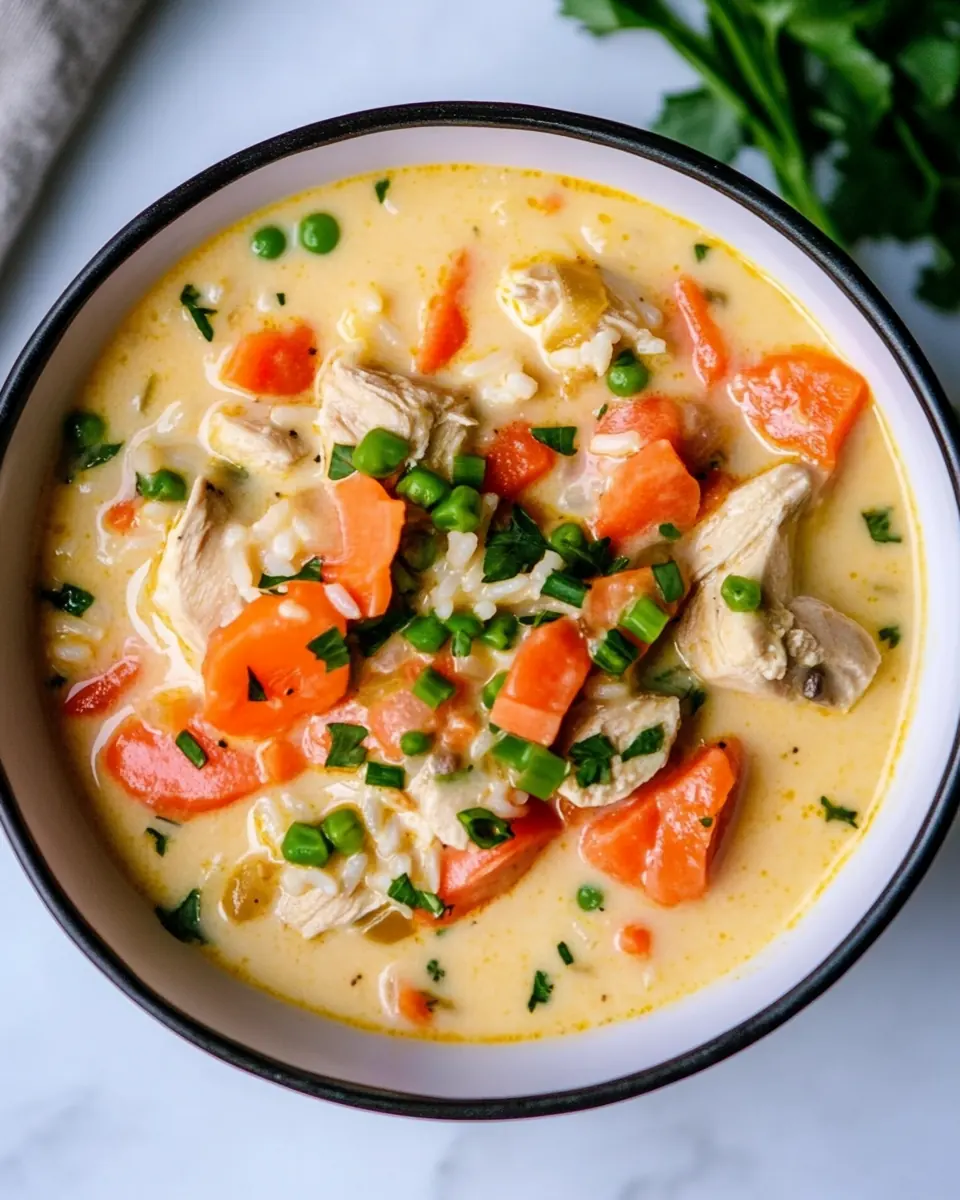
Get ready to enjoy a methodical but satisfying process. The recipe separates simmering the rice in spiced stock and building a creamy roux so each element has the right texture. Move through the steps calmly, and you will be rewarded with a bowl that has both body and balance.
- Measure out the cooked chicken, shredded or chopped, and set it aside in the fridge. Alternatively, see note 1 for instructions to cook chicken specifically for this soup.: The kitchen fills with anticipation when I pull the prepared chicken from the fridge; the meat should be cool and easy to shred or chop so it folds into the soup without falling apart. Smell is subtle, just clean poultry aroma, which reassures me the base protein is ready. This resting preserves juices, which keeps the texture pleasant in the final bowl. A common mistake here is using hot chicken straight from cooking, which can raise the soup temperature unexpectedly and change cooking times, so keep it chilled until needed.
- In a large, heavy-bottomed soup pot, heat the oil over medium heat. Once oil is shimmering, add the onion, celery, and carrot. Season with salt and pepper. Sauté, stirring frequently, until the vegetables are very tender, about 8 minutes.: As the olive oil warms, it reaches a soft shimmer and you can hear a gentle sizzle when the diced onion hits the pot. The vegetables release sweet, savory aromas as they soften and the color deepens from pale to translucent then lightly golden. This step builds the flavor foundation, breaking down fibers so they integrate into the broth. The pitfall here is cooking too hot, which causes scorching; keep the flame at medium and stir frequently so everything softens evenly without browning too quickly.
- Add minced garlic, chicken bouillon, and curry powder to the pot. Stir for 1 minute or until the mixture is very fragrant. Pour in chicken stock or broth and bring the soup to a boil. Once boiling, add uncooked rice and stir. Return the soup to a boil, cover the pot, reduce heat to low, and simmer for 10–15 minutes or until the rice is tender.: The instant you stir in the garlic and curry powder , the air shifts to spicy, warm notes, and the bouillon deepens the savory profile. Listen for a quick intensification of aroma in about 30 seconds, indicating the spices have bloomed. This short toast extracts essential oils from the curry and harmonizes the savory base. Avoid leaving spices in the hot oil too long, which can turn them bitter; a minute is usually perfect.
- While the rice is cooking, melt the butter in a separate medium pot over medium heat. Stir in flour and season to taste with a dash of salt and pepper. Cook, whisking constantly, for 1 minute. Slowly pour in the milk while whisking vigorously, until the mixture is smooth. Simmer until the mixture is nicely thickened; stir in the heavy cream to warm it up. Keep this mixture warm, stirring occasionally, until the rice in the other pot is tender.: When the chicken stock hits the pot, the sizzling quiets and a steam cloud rises, carrying the melded aromatics. Bringing the liquid to a boil ensures the basmati rice begins cooking at an even temperature and absorbs the seasoned broth. Visual cues include a rolling boil before adding the rice and a steady gentle bubble once it is simmering. A common error is adding rice before the liquid is fully hot, which can cause uneven cooking and gummy grains.
- Once rice is tender, stir in the prepared chicken. Pour in the cream base and stir everything together. Remove the soup from the heat. If desired, stir in parsley and add lemon juice to taste. Season once more if needed.: As the pot simmers, the rice plumps, releasing a faint toasty scent; you should notice grains expand and the broth thicken slightly. Keeping the pot covered traps steam so the rice cooks through without the liquid evaporating too quickly. Check tenderness after about 10 to 15 minutes; the rice should be soft but not falling apart. Over stirring during this stage can release extra starch and make the soup gluey, so resist frequent agitation.
- Ladle the soup into bowls and serve with warm naan. Enjoy!: The butter should shimmer and pour into a glossy pool before you sprinkle in the flour . Whisking constantly creates a smooth paste that smells faintly nutty once it cooks for a minute; this removes any raw flour taste. A well made roux is critical for the final silky texture, transforming thin milk into a luscious cream. If the roux browns too dark, it can alter the soup’s flavor, so keep the color light and the heat moderate.
- Slowly pour in the milk while whisking, then simmer until thickened: As warm milk is streamed into the roux, the mixture should become glossy and homogenous with no lumps; the rhythm of pouring and whisking creates that silkiness. The scent shifts to a comforting dairy aroma while the texture goes from paste to velvety liquid. Simmer until the mixture coats the back of a spoon, which signals the right thickness. If you add cold milk too quickly, it can form lumps, so temper by pouring slowly while whisking.
- Stir in the heavy cream to warm it up: Adding the heavy cream enriches the base, giving it a fuller mouthfeel and a slightly sweet dairy scent. Warm it gently so it integrates without breaking, and keep stirring occasionally to maintain smoothness. The cream helps the soup cling to each spoonful, enhancing the final mouthfeel. A common oversight is boiling the dairy aggressively, which risks separation, so keep it at a gentle simmer.
- Once rice is tender, stir in the prepared chicken: When I fold cold shredded chicken into the hot pot, the meat warms through and releases a savory note that blends with the curry body. The texture contrast of tender rice and soft chicken feels balanced and satisfying. Stir gently to avoid shredding the chicken into tiny bits; a coarse texture makes the bowl more interesting. Avoid adding the chicken too early or it will become dry from prolonged heat.
- Pour in the cream base and stir everything together, then remove from heat: Pouring the milk and cream mixture into the main pot creates a thick, unified broth that coats the back of a spoon and offers a pleasing sheen. The combined aromas—dairy, curry, cooked vegetables—become rounded and inviting. Taking the pot off heat stops any overcooking and preserves the delicate dairy texture. A mistake to avoid is overheating after adding the cream base, which can break the emulsion and change the mouthfeel.
- Stir in cilantro and add lemon juice to taste, then season if needed: Adding finely chopped cilantro introduces a bright herbal lift, and a small splash of lemon juice balances the richness. The citrus scent will cut through the dairy, refreshing the palate. Taste carefully and adjust salt and pepper sparingly, because the bouillon already contributes sodium. Over acidifying with lemon can mask the curry profile, so add incrementally.
- Ladle the soup into bowls and serve with warm naan: As you spoon the steaming soup, steam will carry all the layered aromas to the table. Serving with warmed naan gives a tactile contrast, allowing scooping and sipping. The final presentation matters because a simple garnish like cilantro makes the bowl look fresher and more inviting. A final pitfall is serving without a warm accompaniment; cold bread can feel dissonant with a hot, silky soup.
Substitutions and Tips
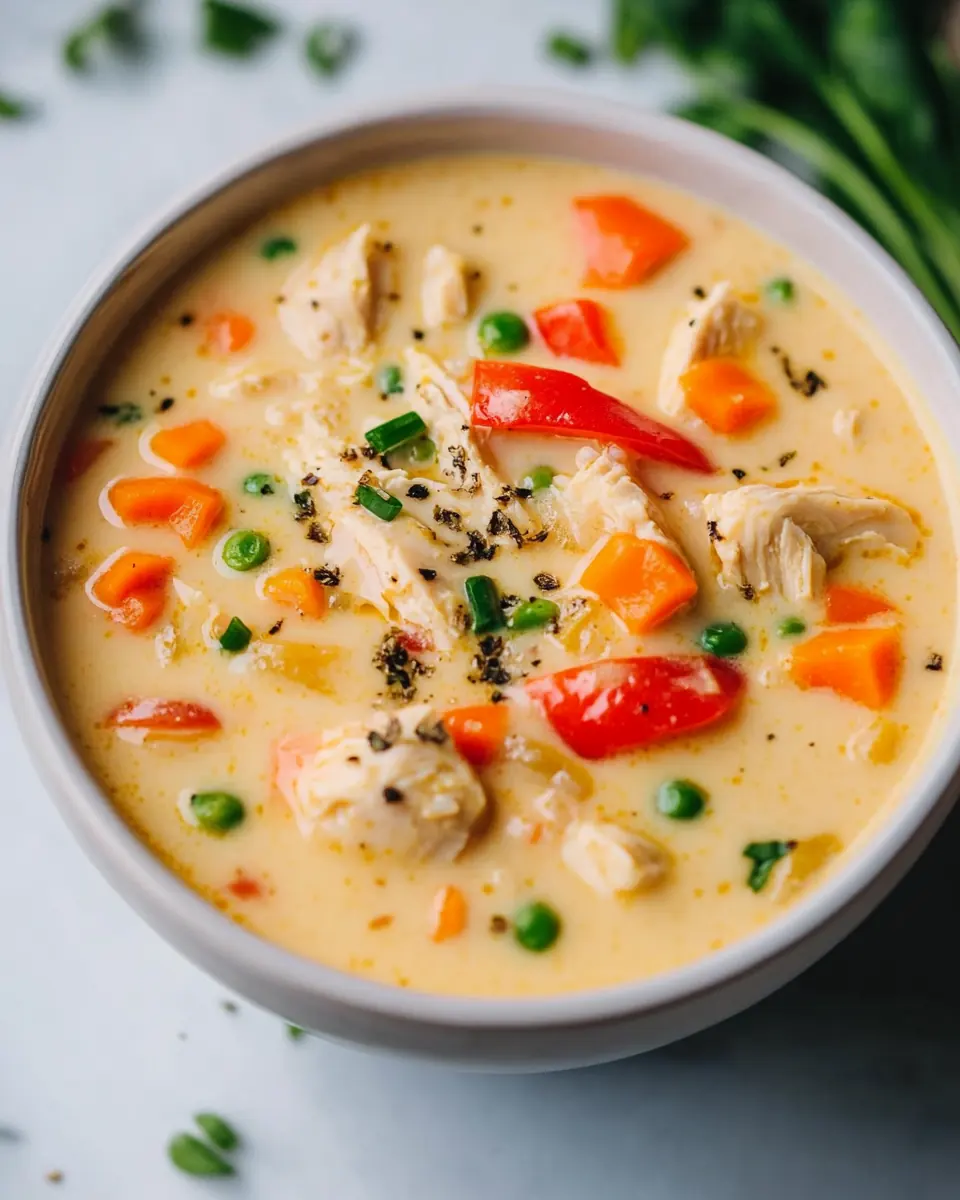
This section shares practical ideas and refinements I use when making Chicken Curry Rice Soup. Small changes can improve texture, speed, or storage, and each tip below highlights a quick win or a common adjustment I lean on when I cook.
- Use cooked chicken to save time — If you have leftover roasted or poached chicken, fold it in at the end to warm through. This reduces total hands on time and lets you focus on the broth and creamy finish.
- Warm liquids before adding to the roux — Heating the milk slightly prevents sudden temperature change and helps you whisk a perfectly smooth cream base without lumps.
- Thinly slice vegetables — Cutting the onion, carrots, and celery thin ensures even cooking and a blended texture that complements the rice and chicken.
- Control rice texture — For leftovers, cook the rice separately and add when serving to avoid a stew like consistency after refrigeration.
- Finish with acid and herb — A squeeze of lemon juice and a sprinkle of chopped cilantro at the end brightens the bowl and balances the creamy richness without changing the curry profile.
- Keep the heat gentle after adding dairy — Once the cream base is incorporated, use low heat or remove from heat to prevent dairy separation and keep the soup silky.
Best Served With
Chicken Curry Rice Soup pairs beautifully with simple, warm sides and suits a variety of occasions. The list below explores serving ideas, seasonality, and how to present the soup so it feels like a full meal or a cozy starter.
- Warm naan or flatbread — Soft, warm pieces of naan are perfect for sopping up the creamy broth, and a slightly crisp edge provides texture contrast.
- Light green salad — A crisp salad with a lemon vinaigrette offers a refreshing counterpoint to the soup’s richness, making it ideal for lunch or a light dinner.
- Rice on the side — Serve extra cooked basmati rice for guests who prefer more substantial grains separate from the soup to control texture.
- Occasions — This soup works well for cozy weeknights, casual dinner gatherings, and comforting suppers during colder months; it’s especially suited to winter evenings when you want warmth and depth.
- Storage tips — Store the soup in the refrigerator for up to two days, keeping rice separate if possible. When reheating, add a splash of stock or milk to revive the consistency and stir gently over low heat.
- Seasonal pairing — In winter, serve with robust accompaniments like root vegetable sides; in milder months, lighten the meal with a citrusy salad to keep it fresh.
FAQ
Conclusion
This Chicken Curry Rice Soup stands out for its comforting creaminess balanced by warm curry notes and tender chicken, creating a bowl that feels both indulgent and approachable. Give it a try on a chilly night or when you want a satisfying, simple dinner that fills the kitchen with inviting aromas. I hope this recipe becomes one of your go to comforts, offering easy adaptability while delivering a reliably delicious, warming meal.
Chicken Curry Rice Soup
Ingredients
Equipment
Method
- Measure out the cooked chicken, shredded or chopped, and set it aside in the fridge. Alternatively, see note 1 for instructions to cook chicken specifically for this soup.: The kitchen fills with anticipation when I pull the prepared chicken from the fridge; the meat should be cool and easy to shred or chop so it folds into the soup without falling apart. Smell is subtle, just clean poultry aroma, which reassures me the base protein is ready. This resting preserves juices, which keeps the texture pleasant in the final bowl. A common mistake here is using hot chicken straight from cooking, which can raise the soup temperature unexpectedly and change cooking times, so keep it chilled until needed.
- In a large, heavy-bottomed soup pot, heat the oil over medium heat. Once oil is shimmering, add the onion, celery, and carrot. Season with salt and pepper. Sauté, stirring frequently, until the vegetables are very tender, about 8 minutes.: As the olive oil warms, it reaches a soft shimmer and you can hear a gentle sizzle when the diced onion hits the pot. The vegetables release sweet, savory aromas as they soften and the color deepens from pale to translucent then lightly golden. This step builds the flavor foundation, breaking down fibers so they integrate into the broth. The pitfall here is cooking too hot, which causes scorching; keep the flame at medium and stir frequently so everything softens evenly without browning too quickly.
- Add minced garlic, chicken bouillon, and curry powder to the pot. Stir for 1 minute or until the mixture is very fragrant. Pour in chicken stock or broth and bring the soup to a boil. Once boiling, add uncooked rice and stir. Return the soup to a boil, cover the pot, reduce heat to low, and simmer for 10–15 minutes or until the rice is tender.: The instant you stir in the garlic and curry powder , the air shifts to spicy, warm notes, and the bouillon deepens the savory profile. Listen for a quick intensification of aroma in about 30 seconds, indicating the spices have bloomed. This short toast extracts essential oils from the curry and harmonizes the savory base. Avoid leaving spices in the hot oil too long, which can turn them bitter; a minute is usually perfect.
- While the rice is cooking, melt the butter in a separate medium pot over medium heat. Stir in flour and season to taste with a dash of salt and pepper. Cook, whisking constantly, for 1 minute. Slowly pour in the milk while whisking vigorously, until the mixture is smooth. Simmer until the mixture is nicely thickened; stir in the heavy cream to warm it up. Keep this mixture warm, stirring occasionally, until the rice in the other pot is tender.: When the chicken stock hits the pot, the sizzling quiets and a steam cloud rises, carrying the melded aromatics. Bringing the liquid to a boil ensures the basmati rice begins cooking at an even temperature and absorbs the seasoned broth. Visual cues include a rolling boil before adding the rice and a steady gentle bubble once it is simmering. A common error is adding rice before the liquid is fully hot, which can cause uneven cooking and gummy grains.
- Once rice is tender, stir in the prepared chicken. Pour in the cream base and stir everything together. Remove the soup from the heat. If desired, stir in parsley and add lemon juice to taste. Season once more if needed.: As the pot simmers, the rice plumps, releasing a faint toasty scent; you should notice grains expand and the broth thicken slightly. Keeping the pot covered traps steam so the rice cooks through without the liquid evaporating too quickly. Check tenderness after about 10 to 15 minutes; the rice should be soft but not falling apart. Over stirring during this stage can release extra starch and make the soup gluey, so resist frequent agitation.
- Ladle the soup into bowls and serve with warm naan. Enjoy!: The butter should shimmer and pour into a glossy pool before you sprinkle in the flour . Whisking constantly creates a smooth paste that smells faintly nutty once it cooks for a minute; this removes any raw flour taste. A well made roux is critical for the final silky texture, transforming thin milk into a luscious cream. If the roux browns too dark, it can alter the soup’s flavor, so keep the color light and the heat moderate.
- Slowly pour in the milk while whisking, then simmer until thickened: As warm milk is streamed into the roux, the mixture should become glossy and homogenous with no lumps; the rhythm of pouring and whisking creates that silkiness. The scent shifts to a comforting dairy aroma while the texture goes from paste to velvety liquid. Simmer until the mixture coats the back of a spoon, which signals the right thickness. If you add cold milk too quickly, it can form lumps, so temper by pouring slowly while whisking.
- Stir in the heavy cream to warm it up: Adding the heavy cream enriches the base, giving it a fuller mouthfeel and a slightly sweet dairy scent. Warm it gently so it integrates without breaking, and keep stirring occasionally to maintain smoothness. The cream helps the soup cling to each spoonful, enhancing the final mouthfeel. A common oversight is boiling the dairy aggressively, which risks separation, so keep it at a gentle simmer.
- Once rice is tender, stir in the prepared chicken: When I fold cold shredded chicken into the hot pot, the meat warms through and releases a savory note that blends with the curry body. The texture contrast of tender rice and soft chicken feels balanced and satisfying. Stir gently to avoid shredding the chicken into tiny bits; a coarse texture makes the bowl more interesting. Avoid adding the chicken too early or it will become dry from prolonged heat.
- Pour in the cream base and stir everything together, then remove from heat: Pouring the milk and cream mixture into the main pot creates a thick, unified broth that coats the back of a spoon and offers a pleasing sheen. The combined aromas—dairy, curry, cooked vegetables—become rounded and inviting. Taking the pot off heat stops any overcooking and preserves the delicate dairy texture. A mistake to avoid is overheating after adding the cream base, which can break the emulsion and change the mouthfeel.
- Stir in cilantro and add lemon juice to taste, then season if needed: Adding finely chopped cilantro introduces a bright herbal lift, and a small splash of lemon juice balances the richness. The citrus scent will cut through the dairy, refreshing the palate. Taste carefully and adjust salt and pepper sparingly, because the bouillon already contributes sodium. Over acidifying with lemon can mask the curry profile, so add incrementally.
- Ladle the soup into bowls and serve with warm naan: As you spoon the steaming soup, steam will carry all the layered aromas to the table. Serving with warmed naan gives a tactile contrast, allowing scooping and sipping. The final presentation matters because a simple garnish like cilantro makes the bowl look fresher and more inviting. A final pitfall is serving without a warm accompaniment; cold bread can feel dissonant with a hot, silky soup.
Notes
- Use cooked chicken to save time — If you have leftover roasted or poached chicken, fold it in at the end to warm through. This reduces total hands on time and lets you focus on the broth and creamy finish.
- Warm liquids before adding to the roux — Heating the milk slightly prevents sudden temperature change and helps you whisk a perfectly smooth cream base without lumps.
- Thinly slice vegetables — Cutting the onion, carrots, and celery thin ensures even cooking and a blended texture that complements the rice and chicken.
- Control rice texture — For leftovers, cook the rice separately and add when serving to avoid a stew like consistency after refrigeration.
- Finish with acid and herb — A squeeze of lemon juice and a sprinkle of chopped cilantro at the end brightens the bowl and balances the creamy richness without changing the curry profile.
- Keep the heat gentle after adding dairy — Once the cream base is incorporated, use low heat or remove from heat to prevent dairy separation and keep the soup silky.