Southern Gravy Recipe
Southern Gravy Recipe has always been the kind of comfort food that pulls the whole table closer, and I can still hear my grandmother stirring a heavy pan while telling stories from her childhood. I grew up with mornings when biscuits disappeared under a creamy, peppery pool of gravy, and evenings when a simple plate of mashed potatoes came alive because of a ladleful of sauce. That first sentence carries the scent and memory I chase whenever I make this sauce.
My approach to Southern Gravy Recipe is unapologetically practical. Over the years I learned small tricks that make the texture silky and the flavor balanced without masking the savory notes from the drippings. I like teaching friends how to coax flavor from what feels like humble pantry items, and this gravy always gives them a pleasant surprise. Once, at a potluck, folks asked for the recipe twice before they left, which made me grin like a proud fool.
When I make Southern Gravy Recipe, I spend a minute thinking about rhythm and patience. The stirring, the browning of the flour, the way the sauce tightens into ribbons as it thickens, these are quiet rituals that turn simple ingredients into something memorable. I want you to feel confident, not intimidated, so I share the steps in a clear, friendly voice that walks beside you. This gravy is forgiving, and that’s part of its charm. Treat it like a small project you can finish with pride, and it will reward you with warmth and nostalgia on every plate.
Recipe Snapshot
20 mins
10 mins
10 mins
Medium
150 kcal
American
Gluten-Free, Low FODMAP
Side Dishes
Saucepan, Wooden spoon, Mixing bowl, Fine mesh sieve
The Magic of This Southern Gravy Recipe
Comfort in a Ladle
I love how Southern Gravy Recipe delivers comfort in the most literal sense, coating biscuits and mashed potatoes with a warm, creamy hug. The texture is what sells it, and when you get the roux and liquid balance right, you end up with gravy that clings, not puddles. I often serve this for family gatherings because everyone instantly relaxes when the gravy hits the table.
Simple Pantry Magic
This gravy shines because it uses humble staples like flour and milk, plus the richness from reserved drippings. I appreciate recipes that reward attention rather than rare ingredients, and this one proves you can make something luxurious from what you already have. It is an approachable way to boost meals without a long shopping list.
Flexible and Forgiving
I often tweak the milk to water ratio depending on how rich the drippings are, and that flexibility makes the Southern Gravy Recipe a reliable partner for many dishes. If you need it thinner for casseroles, adjust the liquid, or if you want it thicker for biscuits, let it reduce a bit longer. I’ve saved many a rushed dinner by stretching leftovers into a quick, satisfying sauce.
Technique Elevates Flavor
The browning of the flour in hot drippings is a small step with a big payoff, creating a toasty backbone that deepens the gravy beyond mere creaminess. I always tell friends that patient stirring and watching the roux change color is where the difference between so so and sensational lives. It is a simple technique that yields complex results.
Universally Loved
Finally, the Southern Gravy Recipe is universal in appeal, from kid friendly plates to comforting adult dinners. It brings people together because it enhances familiar foods in a way that feels both nostalgic and celebratory. I keep a batch in the fridge for quick breakfasts or late night bowls, because it comfort-wraps almost anything it touches.
Ingredients to Make Southern Gravy Recipe
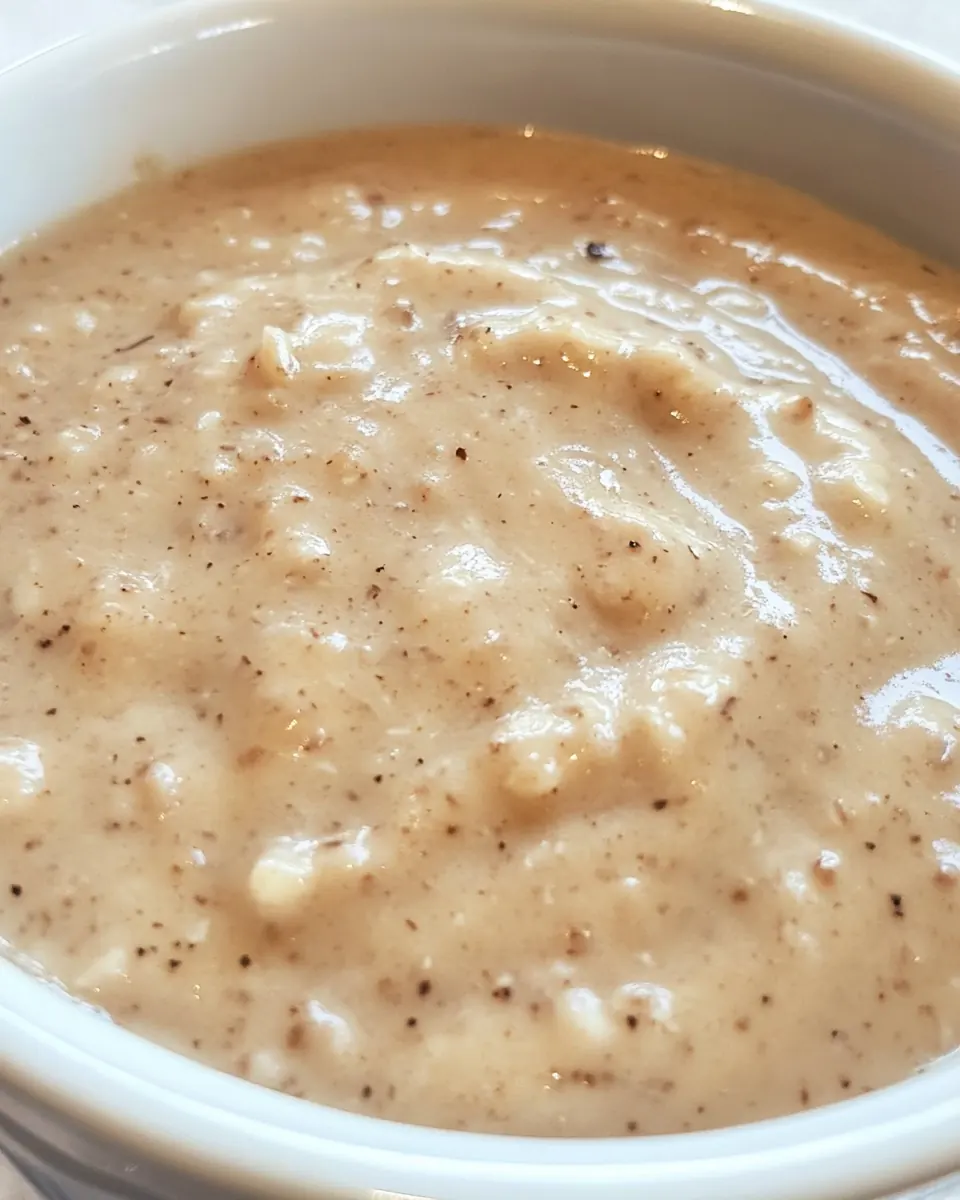
These ingredients form the heart of a classic gravy. The interplay between the nutty, browned flour and the creamy balance of milk plus water creates a sauce that clings to biscuits and potatoes. The reserved meat drippings bring savory depth, while kosher salt and ground black pepper provide straightforward seasoning that highlights the natural richness.
- Milk: Adds creaminess and body to the gravy while helping thin the roux to a smooth consistency; contributes a mild dairy sweetness and helps achieve a velvety texture when simmered gently.
- Water: Dilutes and adjusts the gravy’s thickness and helps deglaze the pan while allowing flavors to meld; provides a neutral base that controls consistency without overpowering seasonings.
- 1 cup flour: Thickens the sauce by forming a roux or slurry with fat and liquids, giving the gravy structure and body; browns slightly when cooked for a toasty flavor and helps the gravy cling to meat or biscuits.
- 1 teaspoon kosher salt: Balances and enhances savory flavors while seasoning the gravy to taste; helps bring out other spices and provides a clean saltiness when dissolved evenly.
- 1 teaspoon ground black pepper: Adds mild heat and aromatic depth, contributing a warming peppery bite that complements savory drippings; helps build complexity without overwhelming other flavors.
- 2 cups reserved meat drippings: Provides concentrated savory flavor and fat necessary for forming the roux and base of the gravy; carries the primary meaty taste and richness that defines Southern gravy.
Making This Southern Gravy Recipe
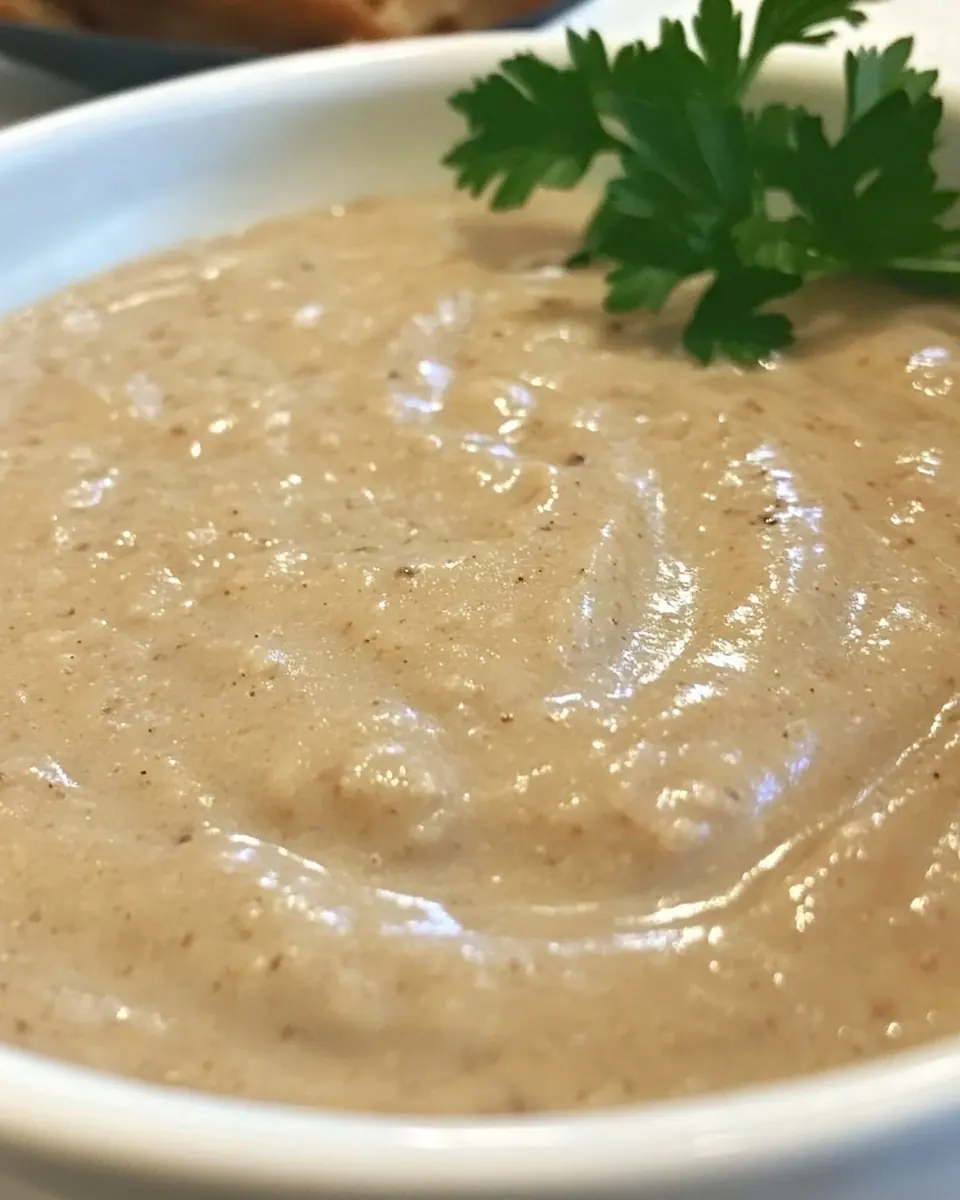
Getting the texture and flavor right takes attention but nothing too technical. Below I expand each direction into a step by step narrative so you can rely on sensory cues and simple troubleshooting. Move at a steady pace and listen for the little changes that tell you you are on track.
- Pour 2/3 part milk and 1/3 water equal to the amount of gravy you plan to serve into a bowl.: You will first notice the cool, slightly sweet aroma of the milk as you measure it, and combining it with water creates a controlled richness that prevents the sauce from being too heavy. Doing this in a bowl helps you add liquid smoothly later, which makes it easier to control thickness. A common mistake is eyeballing amounts and then scrambling to thin or thicken the gravy at the end, so measure with purpose. Keep your bowl nearby and at room temperature so cold milk does not shock the hot roux when added, which could cause clumping.
- Set aside.: After mixing the liquid, set it aside so it is ready to go when the roux is at the right color. You will notice a calm pause here, and that waiting keeps the process rhythmic. If you skip this pause and search for the milk midstep, you may rush, which increases the chance of lumps or scorching. Use this moment to ensure your stirring utensil and pan are within reach.
- Mix together flour, salt and pepper. Set aside.: When you combine 1 cup flour , 1 teaspoon kosher salt , and 1 teaspoon ground black pepper , the dry seasoning melds into a uniform mix that will incorporate smoothly into the drippings. The aroma is dry and peppery, and blending them first prevents pockets of seasoning from forming later. A frequent error is adding salt in the pan directly without preblending, which can result in unevenly seasoned gravy; pre-mixing avoids that.
- Heat meat drippings, pour in dry ingredients and cook until browned.: With the dry mix ready, set it aside near the pan. This small organization step saves time when the drippings are hot and the moment to add the flour arrives. It helps you maintain a steady rhythm during cooking. Forgetting to set it near the stove can lead to hurried measuring over hot fat, increasing the chance of spills.
- Stir constantly.: As the 2 cups reserved meat drippings heat in the pan, you will hear a gentle sizzle and smell a concentrated, savory aroma. When you add the dry mix, toss it in and stir so the flour browns in the hot fat; you should see it shift from raw pale to a warm, golden tan. This browning builds nutty flavors and prevents a raw flour taste in the finished gravy. A common mistake is rushing this step; if the flour does not brown enough, the flavor will be flat, but if you let it scorch, it will become bitter.
- Reduce heat to low and pour in milk and water.: Constant stirring ensures the roux cooks evenly and does not cling to the pan base. You will feel the mixture thicken slightly and hear a steadier, softer sizzle as moisture cooks out. Use a wooden spoon or heatproof spatula to scrape the pan frequently so nothing sticks. Neglecting to stir can result in hot spots that burn the roux, which forces you to start over to salvage the flavor.
- Stir well until mixture has thickened.: Lowering to a gentle heat before adding the liquid prevents violent bubbling and reduces the risk of lumps. When you pour the prepared milk and water slowly, the pan will sigh as the temperature evens out. Adding liquid too quickly or over high heat causes sputtering and clumping, so take your time and steady your pour. If you see sudden, stubborn lumps, remove from heat and whisk vigorously while adding a splash more warm liquid.
- Remove from heat.: As the mixture comes together, you will notice it change from glossy to velvety, and it will leave a ribbon on the spoon when lifted. The sound quiets, and the surface moves in slow, gentle waves. This is when the gravy develops body and clings to food. If the texture is too thin, continue simmering on low, stirring to avoid scorching; if too thick, whisk in a little warm water or milk until you reach the desired consistency. A typical mistake is upping the heat to speed things, which risks separation or burning.
- Remove from heat: Once the gravy has reached the right thickness and the flavors taste balanced, removing from heat preserves the delicate texture and prevents further concentration that can over salt or thicken too much. You will see the surface settle into a glossy, even finish and smell a harmonious blend of creamy and toasty notes. Leaving it on the heat will make it reduce beyond the intended point, so transfer promptly to a warm serving dish or keep covered off direct heat.
Variations to Try
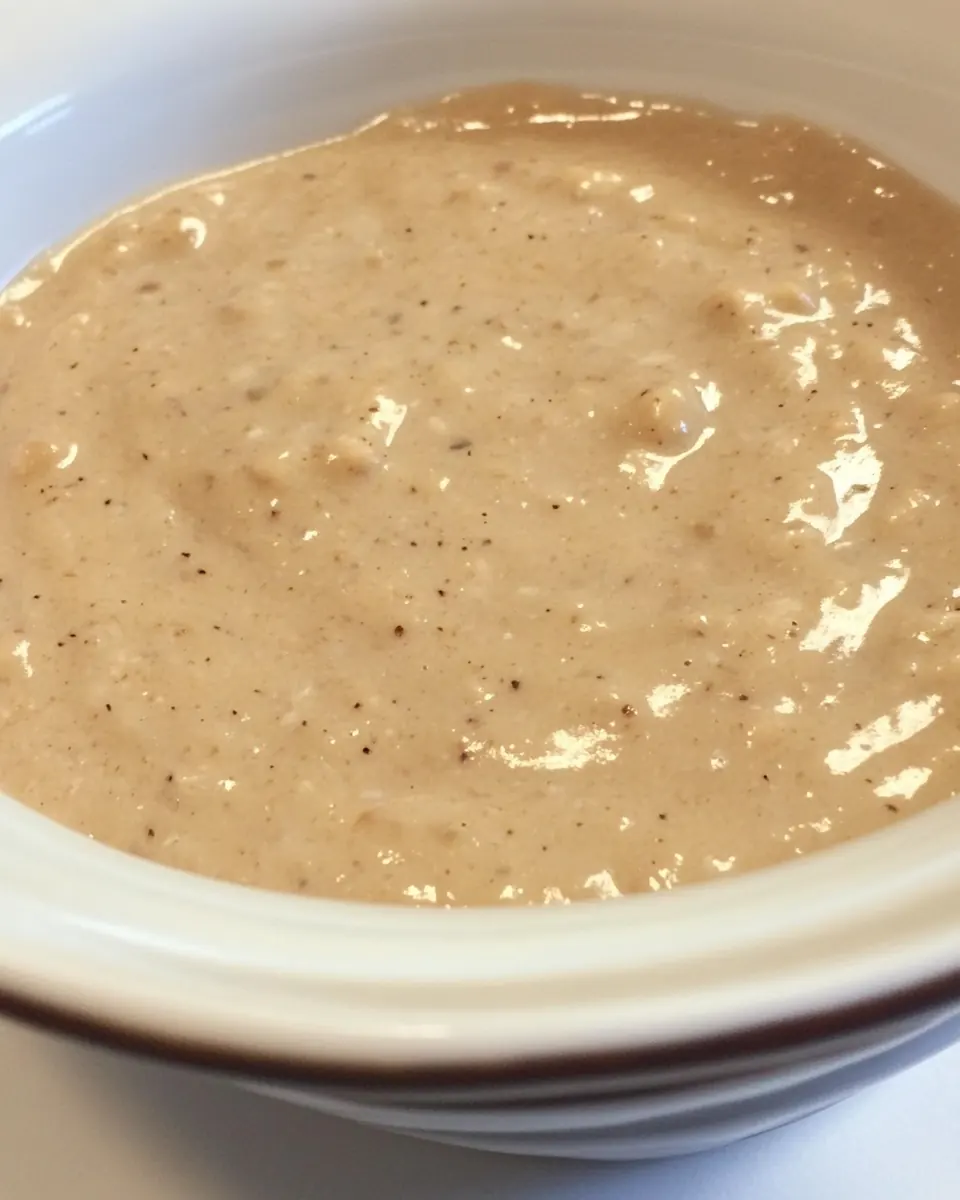
These variations let you riff on the classic while honoring the comforting structure of the original. Small swaps can shift the richness, texture, or seasoning profile, so experiment with care and always taste as you go.
- Richer Milk Swap Swap in whole milk for a creamier, silkier texture that clings more luxuriously to biscuits, making the gravy feel indulgent without other changes.
- Thinner Gravy Increase the water portion slightly for a lighter sauce perfect for spooning over rice or casseroles when you want coverage but less density.
- Toasty Roux Brown the flour a touch longer in the drippings for deeper nutty notes, watching carefully to avoid burning which would add bitterness.
- Salt Balance If drippings are salty, add a little more milk or water and taste often, because dilution is safer than over correcting with acid or sweeteners that change the character.
- Batch and Reheat Make a double batch and store in the fridge, reheating gently while whisking and adding a splash of warm milk to revive silky texture.
Perfect Pairings for Southern Gravy Recipe
This gravy is incredibly versatile and works with many dishes and occasions. Think breakfast, cozy dinners, or holiday spreads where a creamy sauce ties everything together. Below are serving ideas, storage tips, and seasonal pairings to help you plan menus around this staple.
- Biscuits: Serve warm, flaky biscuits with a generous ladle of gravy for classic breakfasts or brunch, a go to pairing that highlights the gravy’s texture and seasoning.
- Mashed Potatoes: Spoon the gravy over creamy mashed potatoes for a comforting dinner side, ideal for family meals or colder nights when hearty plates are welcome.
- Chicken Fried Steak or Fried Cutlets: Offer the gravy alongside pan fried steaks or cutlets to add creaminess and connect crisp textures with a smooth sauce, great for celebratory dinners.
- Rice Bowls: For a simple weeknight meal, serve the gravy over steamed rice with roasted vegetables, providing a quick way to turn leftovers into a cohesive plate.
- Storage Tips: Store gravy in an airtight container in the refrigerator for up to four days, and reheat gently over low heat while whisking and adding a splash of warm milk if needed to restore creaminess.
- Seasonal Pairings: In winter, pair the gravy with roasted root vegetables and hearty mains for comforting holiday style plates, while in milder months use it sparingly on lighter sides to add richness without overwhelming seasonal produce.
FAQ
Conclusion
What makes this recipe special is its ability to turn simple pantry staples and reserved drippings into a luscious, comforting sauce that elevates many meals. It is forgiving, flexible, and rooted in technique that anyone can learn with a little attention. Give it a try on a weekend morning or as the finishing touch to a cozy dinner, and you will discover how quickly a simple gravy can become a household favorite. Share the results with friends or family, because this is the sort of recipe that brings warm comments and repeat requests.
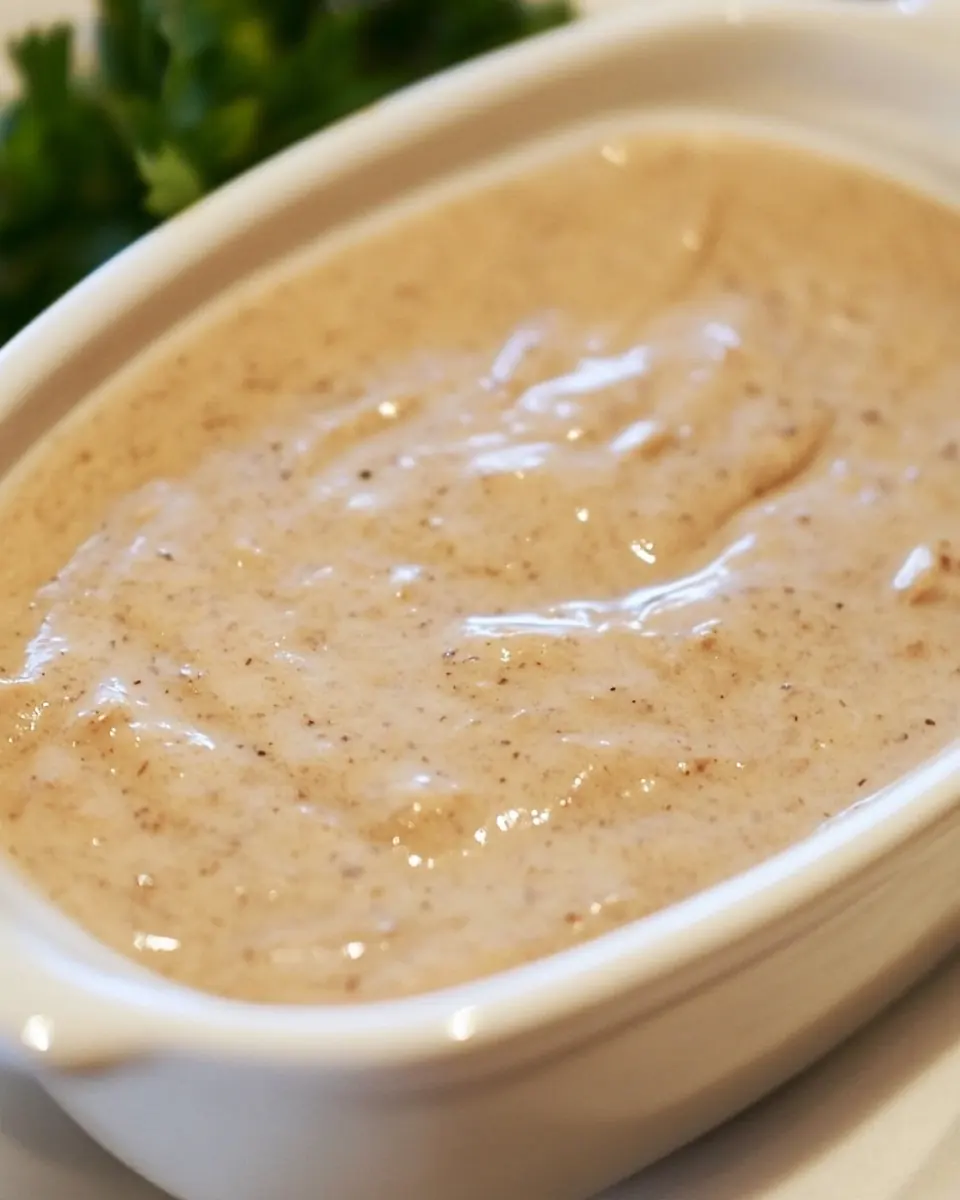
Southern Gravy Recipe
Ingredients
Equipment
Method
- Pour 2/3 part milk and 1/3 water equal to the amount of gravy you plan to serve into a bowl.: You will first notice the cool, slightly sweet aroma of the milk as you measure it, and combining it with water creates a controlled richness that prevents the sauce from being too heavy. Doing this in a bowl helps you add liquid smoothly later, which makes it easier to control thickness. A common mistake is eyeballing amounts and then scrambling to thin or thicken the gravy at the end, so measure with purpose. Keep your bowl nearby and at room temperature so cold milk does not shock the hot roux when added, which could cause clumping.
- Set aside.: After mixing the liquid, set it aside so it is ready to go when the roux is at the right color. You will notice a calm pause here, and that waiting keeps the process rhythmic. If you skip this pause and search for the milk midstep, you may rush, which increases the chance of lumps or scorching. Use this moment to ensure your stirring utensil and pan are within reach.
- Mix together flour, salt and pepper. Set aside.: When you combine 1 cup flour , 1 teaspoon kosher salt , and 1 teaspoon ground black pepper , the dry seasoning melds into a uniform mix that will incorporate smoothly into the drippings. The aroma is dry and peppery, and blending them first prevents pockets of seasoning from forming later. A frequent error is adding salt in the pan directly without preblending, which can result in unevenly seasoned gravy; pre-mixing avoids that.
- Heat meat drippings, pour in dry ingredients and cook until browned.: With the dry mix ready, set it aside near the pan. This small organization step saves time when the drippings are hot and the moment to add the flour arrives. It helps you maintain a steady rhythm during cooking. Forgetting to set it near the stove can lead to hurried measuring over hot fat, increasing the chance of spills.
- Stir constantly.: As the 2 cups reserved meat drippings heat in the pan, you will hear a gentle sizzle and smell a concentrated, savory aroma. When you add the dry mix, toss it in and stir so the flour browns in the hot fat; you should see it shift from raw pale to a warm, golden tan. This browning builds nutty flavors and prevents a raw flour taste in the finished gravy. A common mistake is rushing this step; if the flour does not brown enough, the flavor will be flat, but if you let it scorch, it will become bitter.
- Reduce heat to low and pour in milk and water.: Constant stirring ensures the roux cooks evenly and does not cling to the pan base. You will feel the mixture thicken slightly and hear a steadier, softer sizzle as moisture cooks out. Use a wooden spoon or heatproof spatula to scrape the pan frequently so nothing sticks. Neglecting to stir can result in hot spots that burn the roux, which forces you to start over to salvage the flavor.
- Stir well until mixture has thickened.: Lowering to a gentle heat before adding the liquid prevents violent bubbling and reduces the risk of lumps. When you pour the prepared milk and water slowly, the pan will sigh as the temperature evens out. Adding liquid too quickly or over high heat causes sputtering and clumping, so take your time and steady your pour. If you see sudden, stubborn lumps, remove from heat and whisk vigorously while adding a splash more warm liquid.
- Remove from heat.: As the mixture comes together, you will notice it change from glossy to velvety, and it will leave a ribbon on the spoon when lifted. The sound quiets, and the surface moves in slow, gentle waves. This is when the gravy develops body and clings to food. If the texture is too thin, continue simmering on low, stirring to avoid scorching; if too thick, whisk in a little warm water or milk until you reach the desired consistency. A typical mistake is upping the heat to speed things, which risks separation or burning.
- Remove from heat: Once the gravy has reached the right thickness and the flavors taste balanced, removing from heat preserves the delicate texture and prevents further concentration that can over salt or thicken too much. You will see the surface settle into a glossy, even finish and smell a harmonious blend of creamy and toasty notes. Leaving it on the heat will make it reduce beyond the intended point, so transfer promptly to a warm serving dish or keep covered off direct heat.
Notes
- Richer Milk Swap Swap in whole milk for a creamier, silkier texture that clings more luxuriously to biscuits, making the gravy feel indulgent without other changes.
- Thinner Gravy Increase the water portion slightly for a lighter sauce perfect for spooning over rice or casseroles when you want coverage but less density.
- Toasty Roux Brown the flour a touch longer in the drippings for deeper nutty notes, watching carefully to avoid burning which would add bitterness.
- Salt Balance If drippings are salty, add a little more milk or water and taste often, because dilution is safer than over correcting with acid or sweeteners that change the character.
- Batch and Reheat Make a double batch and store in the fridge, reheating gently while whisking and adding a splash of warm milk to revive silky texture.