Lavender Cream Puffs
Lavender Cream Puffs have a way of turning an ordinary afternoon into something a bit more memorable, and I still remember the first time I tasted one at a tiny bakery that smelled of sugar and sun warmed flowers. That first bite, a light, crisp shell giving way to a cloud of sweet whipped cream with a whisper of floral lavender, stayed with me. I started making them at home to recreate that little moment for friends and family, and they quickly became my go to when I wanted an elegant, fuss free dessert that still felt special.
My kitchen routine for these Lavender Cream Puffs evolved over many tries, with each batch teaching me small lessons about timing and texture. I learned to watch the dough closely as it pulls into a glossy ball, and to trust the oven so the shells puff properly. Filling them with whipped cream scented with a touch of vanilla and folding in lavender steeped milk makes every bite layered and balanced. Friends often ask how these are so light yet so satisfying, and I tell them it is all in treating the choux pastry with patience and respecting the cream. Over the years I’ve adapted small habits like splitting and hollowing the shells carefully so the final presentation stays delicate.
When I bring a plate of Lavender Cream Puffs to a gathering, conversations always slow down for a beat as people take that first bite. That moment, I think, is the real reward. It is why I keep a jar of dried lavender and a sack of powdered sugar on hand more often than seems reasonable. If you enjoy baking that flirts with a little floral romance, these are the treat you will return to again and again, whether for a cozy tea, a sunny brunch, or a small celebration with friends.
Recipe Snapshot
55 mins
15 mins
40 mins
Hard
200 kcal
American
Gluten-Free, Low FODMAP
Desserts
Saucepan, Mixing bowl, Baking sheets, Parchment paper, Wire rack, Mixer, Small saucepan, Strainer, Sharp knife
Why This Lavender Cream Puffs Shines
Light and Airy Texture That Feels Fancy
I love how Lavender Cream Puffs deliver an almost ethereal texture that still feels indulgent. The choux pastry puffs up into a crisp, hollow shell, creating the perfect vessel for fluffy fillings. When you bite into one, you get that satisfying crack of the shell, followed by the soft, cool cream. It is a contrast that keeps people coming back for another.
Elegant Floral Flavor Without Overpowering
The gentle lavender note is subtle, not aggressive, which is exactly why I use dried buds steeped briefly in warm milk. That method extracts aromatic oils without turning the cream soapy. I find this approach makes the floral essence feel refined, and it pairs beautifully with the sweet whipped cream and powdered sugar.
Impressive Presentation With Minimal Fuss
These Lavender Cream Puffs look like something from a patisserie, but they require little specialized gear. A simple piping technique or a spoon is enough to fill them neatly. When I serve them on a platter dusted with powdered sugar and a few lavender buds, guests assume I spent hours in the kitchen, which is always fun.
Flexible for Different Occasions
I often make a batch for a spring brunch, but they also shine as a dessert for intimate dinners or garden parties. You can scale the recipe easily, and the components can be prepared a bit ahead of time so you are not rushing at the last minute. That flexibility makes them one of my go to sweets when I want something special but manageable.
Great Training for Bakers
Working with choux teaches you valuable skills, like watching for the right dough consistency and how to incorporate eggs properly. I appreciate how making Lavender Cream Puffs builds confidence. With practice you learn to read visual cues instead of relying solely on times, which improves every future pastry you attempt.
Ingredients Required for Lavender Cream Puffs
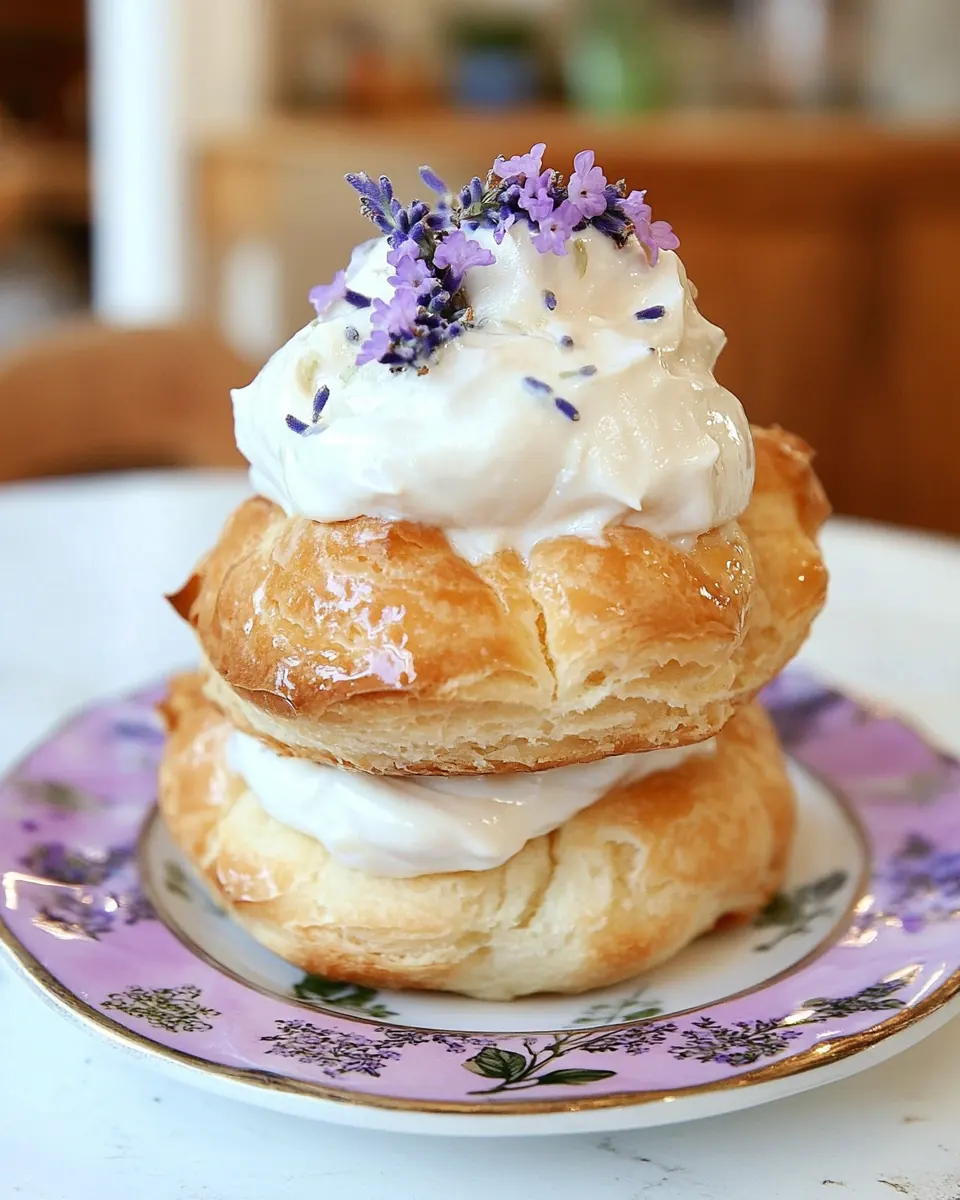
These ingredients form a simple, harmonious team. The choux shell relies on a handful of pantry staples to create structure, while the whipped cream and lavender components bring lift and perfume. Each item plays a key role: the all purpose flour builds the shell, the eggs add moisture and leavening, and the heavy whipping cream becomes the silky filling that balances the floral glaze. Together they produce a dessert that feels both delicate and satisfying.
- 1 cup water: Boil water to create the steam necessary for choux pastry; it hydrates and helps gelatinize starches so the dough puffs in the oven. Use the specified amount to ensure the correct dough consistency and oven rise.
- 1/2 cup butter unsalted: Melt unsalted butter to add rich fat that tenderizes and contributes to the pastry’s crisp, golden exterior. Control salt separately so the butter only provides moisture and flavor balance without over-salting.
- 1/2 teaspoon kosher salt: Season with kosher salt to enhance overall flavor and balance sweetness in both pastry and cream filling. Sprinkle into the dough and cream in measured amounts to avoid overpowering the delicate lavender notes.
- 1 1/4 cups all purpose flour: Whisk in all purpose flour to form the structure of the choux; it provides gluten and starch that set during baking to create hollow shells. Add it at once off the heat and cook briefly to develop the proper dough texture for piping.
- 4 large eggs: Incorporate large eggs to emulsify, provide moisture, and create steam that puffs the choux into light, hollow shells. Add eggs gradually until the dough reaches the correct pipeable consistency for even baking.
- 2 cups heavy whipping cream: Whip heavy whipping cream to create a rich, stable filling that adds luxurious mouthfeel and contrasts the crisp pastry. Chill and whip to soft peaks before folding in flavorings to maintain volume and creaminess.
- 1/4 cup granulated sugar: Sweeten with granulated sugar to balance floral lavender and enrich the cream’s taste; it also impacts whipping stability and texture. Dissolve it into warm milk or cream when infusing flavors to ensure even sweetness.
- 1 teaspoon vanilla extract: Add vanilla extract to deepen flavor profiles and complement the lavender without competing; it provides warm, rounded aromatics in the filling. Stir in at the end of infusion or before whipping for best aroma retention.
- 1/2 cup milk: Warm milk to infuse with dried lavender and to form a custard base if making pastry cream; it carries flavor and adds silkiness to fillings. Heat gently to avoid scalding while extracting floral notes from the lavender buds.
- 1 tablespoon dried lavender buds: Steep dried lavender buds to impart a floral, aromatic note to the cream or pastry cream; use sparingly to avoid bitterness. Strain or finely crush after infusion to prevent gritty texture and to control intensity.
- 1 cup powdered sugar: Dust with powdered sugar to add a sweet, decorative finish that contrasts textures and enhances presentation. Sift over cooled cream puffs just before serving to maintain a delicate appearance.
Recipe Directions for Lavender Cream Puffs
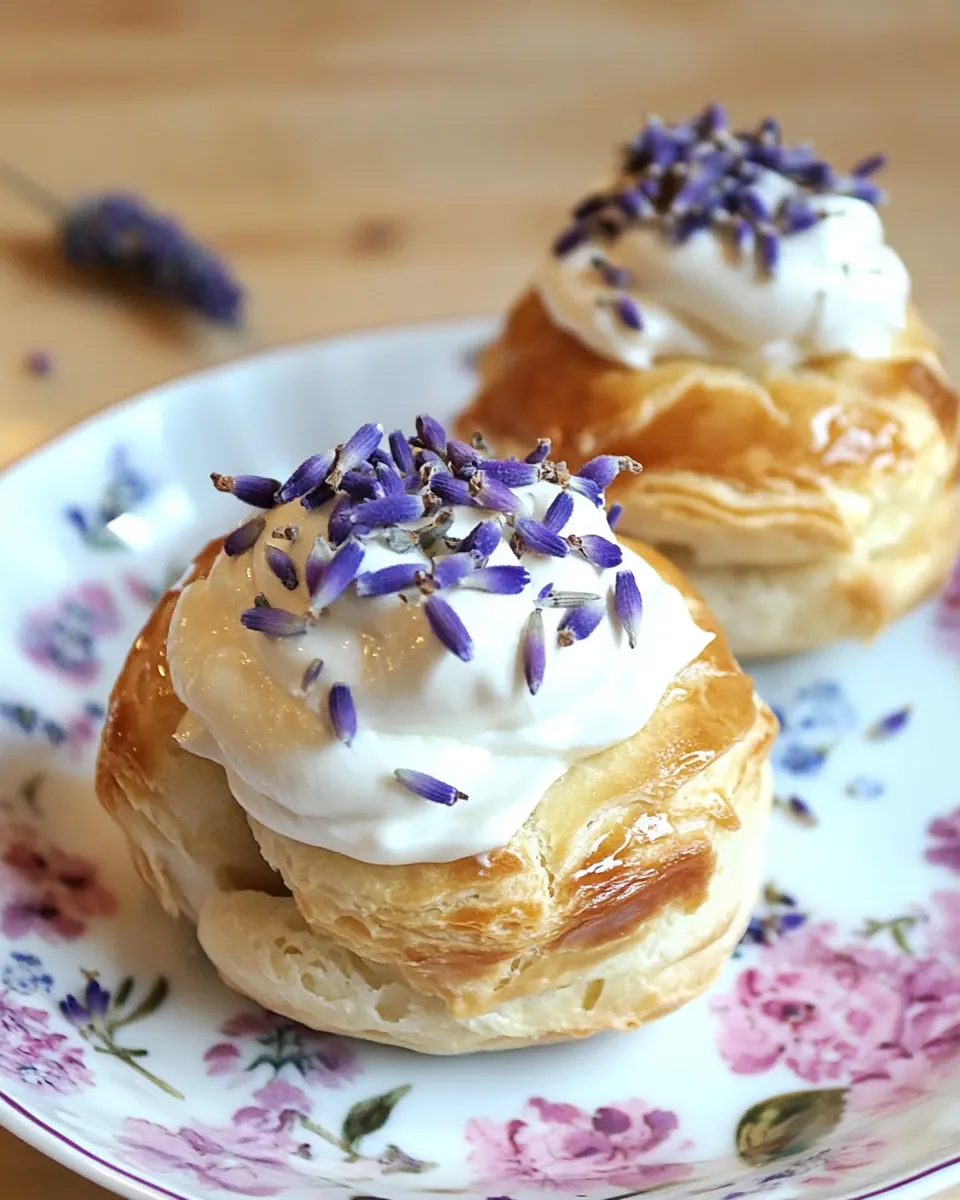
These directions walk you through shaping the choux shells, preparing the whipped filling, and making a quick floral glaze. I find it helps to read through each section first so the timing aligns and you can move smoothly from shell to filling to assembly.
- Preheat the oven to 425 degrees. Line two baking sheets with parchment paper and set aside.: The moment the oven finishes preheating, you will notice a warm, dry air that helps the shells set quickly; that initial high heat creates a burst of steam inside the dough, which is essential for achieving tall, hollow puffs. A properly preheated oven also prevents the dough from spreading and encourages an even rise. One common mistake is not letting the oven fully reach temperature, which can lead to flat or dense shells. Ensure racks are centered so heat circulates evenly, and have your sheets ready to avoid delays.
- Pastry: When you start the pastry stage you will smell the sweet butter melding with water and salt, and the dough will transition from watery to a glossy mass as you stir in all purpose flour . This sensory change is a key cue that gluten has developed just enough to hold structure yet remain tender. If the dough seems limp instead of forming a ball, it likely needs a touch more heat to evaporate excess moisture. Avoid adding extra flour except a teaspoon at a time; too much will give dense shells.
- In a medium saucepan, add the water, butter and salt. Stir and bring to a boil.: You will hear the gentle simmer then a quick rise to boil, and the butter should be fully melted, producing a glossy surface. This boiling step ensures the water to fat ratio is correct so the dough will puff. A common error is simmering too gently, which prevents proper mixing when flour is added, so bring it to a rolling boil before the next step.
- Remove the pan from the heat and add the flour. Stir vigorously.: As soon as the flour touches the hot liquid, you'll feel the mixture thicken rapidly; stirring vigorously helps hydrate the flour evenly and prevents lumps. The dough will form into a rough mass that smooths as you continue to work it; this is the point where you transform wet ingredients into a cohesive batter. Avoid under stirring, which leaves pockets of dry flour, or over stirring, which can overdevelop gluten and toughen the shells.
- Return the pan to the burner and cook while constantly stirring until a ball of dough forms. The dough should be smooth with a bit of shine.: On the heat, the dough will lose surface moisture and take on a glossy sheen, releasing from the pan into a ball. This step cooks out excess moisture, and that helps the pastry hold its shape while baking. If the dough remains wet and paste like, the shells may collapse in the oven. Stir continuously to avoid scorching on the pan bottom.
- Remove the pan from the heat and let the dough cool for about 10 minutes.: Cooling lets the dough temperature drop so the eggs do not scramble when added, and you will notice the surface steam subside. Waiting is tempting to skip, but rushing can ruin the texture. If you add eggs too soon the mixture will separate or curdle, so be patient and allow the indicated cool down.
- Add the dough to a mixing bowl and beat in the eggs one at a time. The dough should be smooth, thick and sticky.: Each time you add an egg , the dough will loosen slightly and then come back together with a shiny finish; this helps create a pipeable consistency that puffs properly. The rhythm of adding eggs ensures even incorporation and prevents a runny batter. A frequent mistake is adding all eggs at once, which can make the dough too loose and hinder rise. Beat thoroughly until the texture is cohesive and glossy.
- Drop about 1/4 cup mound of dough onto the prepared baking sheets, 6 per sheet.: As you drop each mound, you will see a small peak that smooths a bit before baking; spacing them well allows air to circulate and prevents merging. This portion size yields nicely shaped puffs that bake evenly. If mounds are uneven, some may brown faster than others, so try to keep them consistent. Use a spoon or piping bag for uniformity, and space them to allow expansion.
- Bake for 15 minutes, and then reduce the temperature to 350 degrees and bake for an additional 20-25 minutes or until the puffs are golden brown.: The initial high heat creates steam to lift the shells, and reducing the temperature finishes the cooking without burning. You will notice a deepening golden color and hear a faint crackle as moisture escapes. Opening the oven too early can collapse the shells, so resist the urge to peek frequently. If they are pale after the total time, give a few more minutes, watching closely to avoid overbrowning.
- Remove from oven and let cool on a wire rack. With a sharp knife split the puffs in half. Remove soft center dough and let cool completely.: Cooling on a rack prevents steam from softening the bottoms, and splitting the puffs while warm makes it easier to hollow out the soft interior. You will feel the difference between crisp shell and tender interior as you remove the soft dough. A common mistake is stacking hot puffs, which traps steam and softens them. Let them cool fully before filling to preserve texture.
- Whipped Cream: The whipped cream stage is about temperature and rhythm. Cold heavy whipping cream whips to volume quickly, producing a silky stability that holds inside the shells. You will hear the mixer change pitch as peaks develop, and the texture goes from glossy to billowy. Overwhipping can cause graininess, so stop when you reach a stable, spoonable peak.
- Add cream and vanilla to a mixing bowl and whip on high speed adding the sugar slowly. Whip until thickened.: As granulated sugar dissolves into the cold cream, the mixture sweetens and gains structure; vanilla brightens the flavor. The sound of the mixer will shift, and the cream should form soft to medium peaks that hold shape but still feel light. Adding sugar too quickly can deflate the cream, and overbeating will break the emulsion, so watch for texture rather than strictly time.
- Lavender Glaze: Making the glaze is a small ritual that yields big impact. Warming the milk and steeping the lavender buds releases aromatic oils that perfume the glaze. The resulting mixture should be fragrant but not bitter; careful timing preserves that balance. Straining removes buds so the glaze is smooth, and whisking in powdered sugar thickens it to a glossy pourable finish.
- In a small saucepan add milk and heat until small bubbles begin to form. Remove from heat and add lavender buds and let steep for 10 minutes.: Gentle bubbles indicate the milk is hot enough to extract fragrance without scalding. After removing from heat, the steep releases floral notes into the liquid; keep the steep to the recommended time to avoid bitterness. Oversteeping is the usual trap here, so set a timer and strain promptly into a bowl.
- Strain the milk in a small bowl. Add the powdered sugar a tablespoon at a time whisking until smooth and desired consistency.: Straining ensures a silky glaze free of bits, and adding powdered sugar gradually helps you control thickness. The final glaze should coat the back of a spoon and pour in a ribbon. If it becomes too thin add more powdered sugar sparingly, and if too thick, a few drops of warm milk will loosen it.
- Assemble: Assembly is where flavor and texture meet. Filling the hollowed shells with chilled whipped cream gives temperature contrast, and the floral glaze ties each bite together. Work gently to preserve the crisp exterior and present the puffs neatly. A rushed assembly can flatten the shells, so take a calm, steady approach.
- Fill the bottom half of the cream puff with whipped cream. Cover with tops and drizzle glaze on top. If desired, sprinkle with additional lavender buds and powdered sugar.: When you add the chilled whipped cream , you will notice a cool softness against the warm shell if not fully cooled, which is why complete cooling matters. Drizzling the glaze creates a glossy finish and the extra lavender buds add visual charm and a hint of extra aroma. Avoid overfilling which can make them soggy, and serve soon for the best textural contrast.
Tips for Success
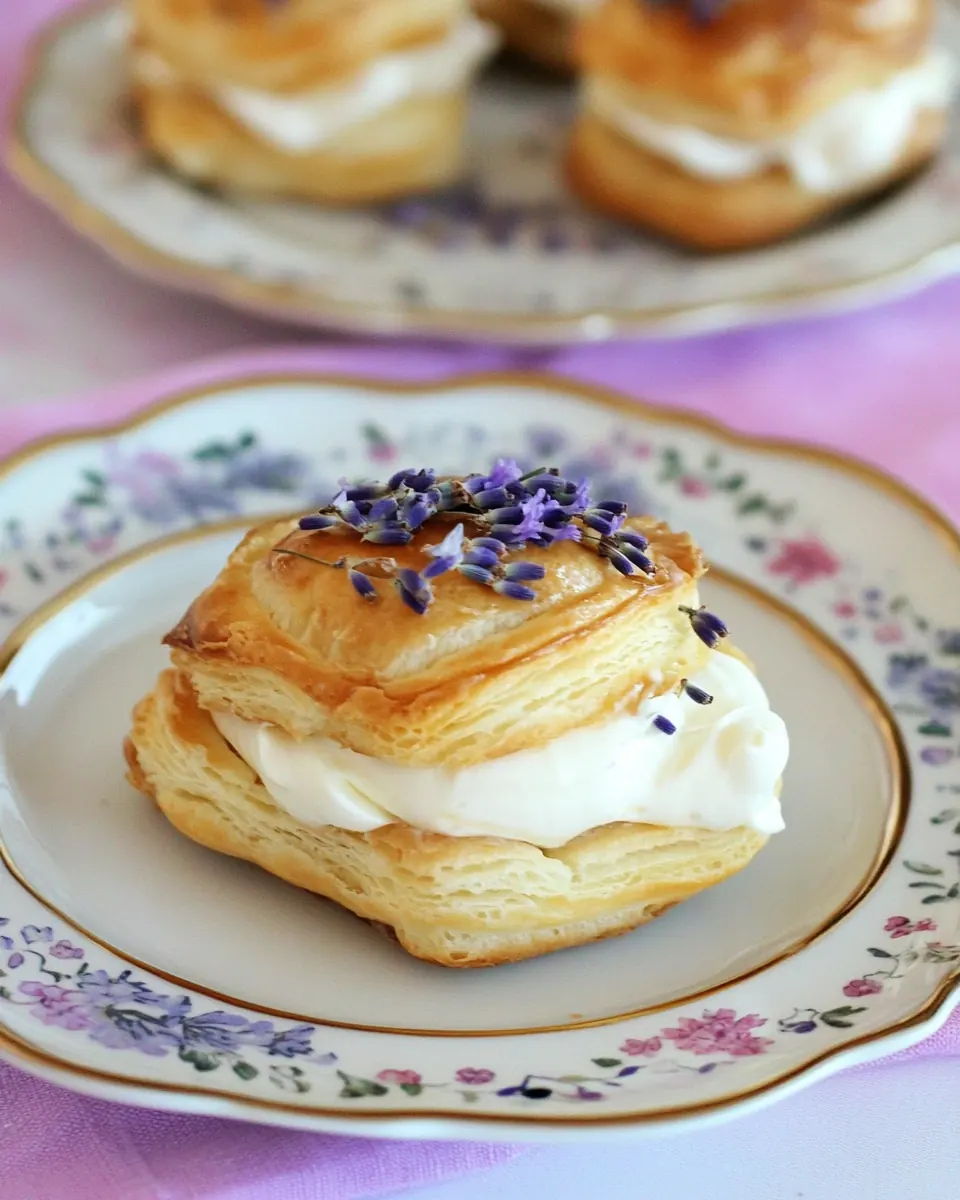
These tips come from many batches and small adjustments that saved me time and made the results more reliable. I include practical notes so you can avoid the pitfalls I learned the hard way.
- Chill the cream: Keep the heavy whipping cream and the mixing bowl cold by popping them in the fridge for 15 minutes before whipping, which helps the cream reach stable peaks faster and prevents overwhipping.
- Measure precisely: Use a kitchen scale or level measuring cups for the all purpose flour and granulated sugar to ensure consistent dough and filling textures; too much flour yields dense puffs, too little makes them collapse.
- Watch the dough sheen: Stir the choux until the dough forms a smooth, slightly shiny ball and pulls away from the pan; that visual cue tells you enough moisture has evaporated for proper rise.
- Add eggs slowly: Incorporate the eggs one at a time and beat fully between additions to maintain the right viscosity; if the dough seems too loose, refrigerate briefly before piping.
- Use a timer for steeping: Steep the lavender buds in warm milk for exactly the recommended time to capture fragrant notes without bitterness, then strain immediately.
- Cool completely before filling: Let shells rest on a wire rack until fully cool to keep them crisp when you add the chilled whipped cream.
Serving Options for Lavender Cream Puffs
These serving suggestions aim to make your presentation effortless and crowd pleasing. Whether you serve them at a casual brunch or an intimate evening, pick a style that suits the occasion and keep the components chilled until service.
- Brunch centerpiece: Arrange the Lavender Cream Puffs on a tiered stand for a spring or Mother’s Day brunch, garnishing the plate with a light dusting of powdered sugar and a few extra dried lavender buds on the side for aroma.
- Afternoon tea: Serve alongside delicate sandwiches and scones, placing a small spoon with extra glaze so guests can add a little more floral sweetness if they wish.
- Garden party dessert: Keep puffs chilled and assemble shortly before serving; the cool creamy interior contrasts beautifully with warm weather, and the presentation pairs well with fresh fruit on the side.
- Small dinner party finale: Plate two puffs per guest with a small drizzle of extra glaze and a single lavender bud for a refined, minimal finish that reads elegant yet effortless.
- Storage note: Store unfilled shells in an airtight container at room temperature for up to 24 hours to preserve crispness; keep whipped cream chilled and assemble within a few hours for best texture.
- Seasonal pairing: These feel especially suited to spring gatherings, where the floral notes echo the season; pair with lightly brewed tea or a simple fruit compote on the side.
FAQ
Conclusion
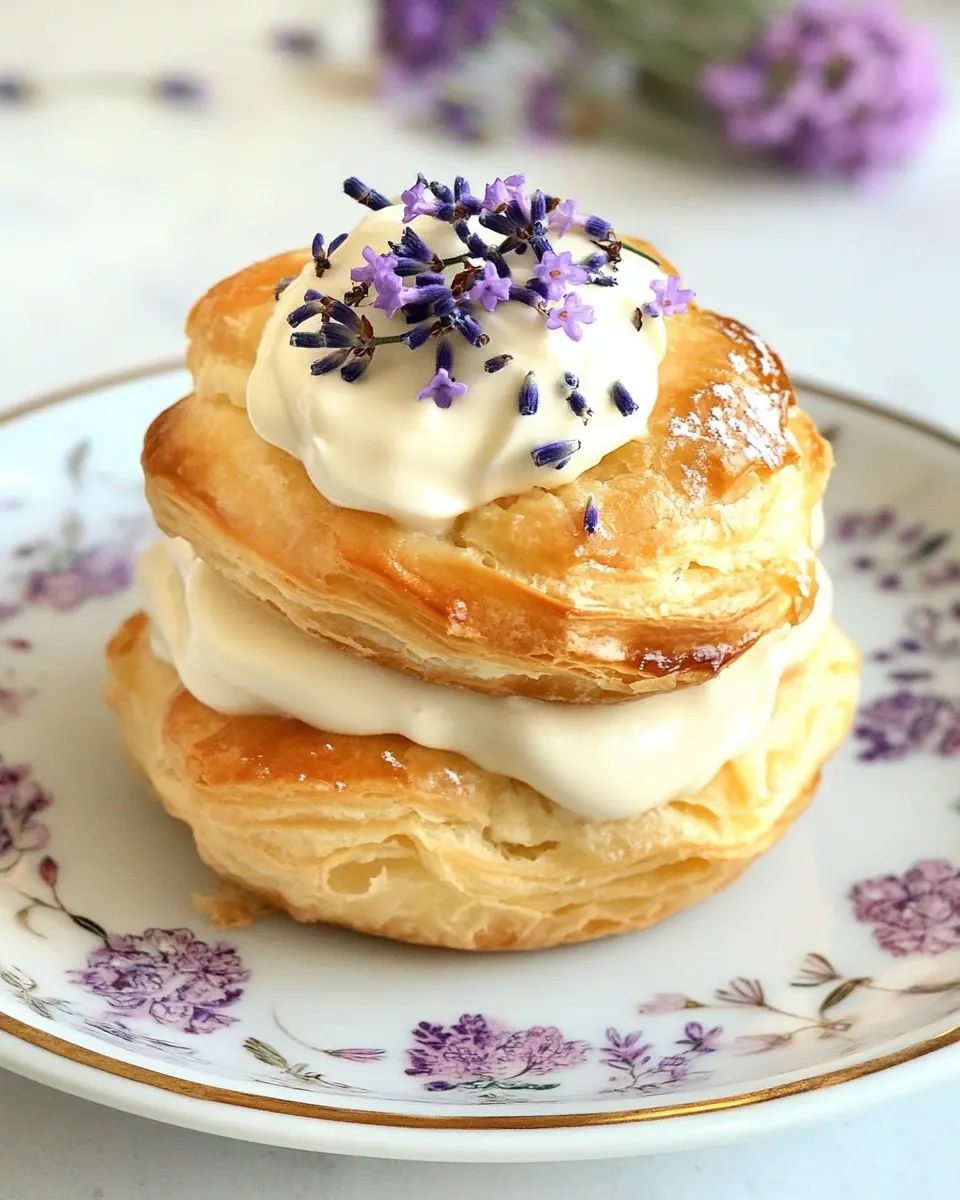
What makes these Lavender Cream Puffs special is the contrast between the crisp, golden choux and the light, floral whipped filling, finished with a glossy lavender glaze. I encourage you to give them a try, even if choux feels intimidating at first, because the steps are forgiving once you know the visual and tactile cues. Share them at a small gathering or enjoy one with tea; they are a simple way to elevate an ordinary moment into something memorable and sweet.
Lavender Cream Puffs
Ingredients
Equipment
Method
- Preheat the oven to 425 degrees. Line two baking sheets with parchment paper and set aside.: The moment the oven finishes preheating, you will notice a warm, dry air that helps the shells set quickly; that initial high heat creates a burst of steam inside the dough, which is essential for achieving tall, hollow puffs. A properly preheated oven also prevents the dough from spreading and encourages an even rise. One common mistake is not letting the oven fully reach temperature, which can lead to flat or dense shells. Ensure racks are centered so heat circulates evenly, and have your sheets ready to avoid delays.
- Pastry: When you start the pastry stage you will smell the sweet butter melding with water and salt, and the dough will transition from watery to a glossy mass as you stir in all purpose flour . This sensory change is a key cue that gluten has developed just enough to hold structure yet remain tender. If the dough seems limp instead of forming a ball, it likely needs a touch more heat to evaporate excess moisture. Avoid adding extra flour except a teaspoon at a time; too much will give dense shells.
- In a medium saucepan, add the water, butter and salt. Stir and bring to a boil.: You will hear the gentle simmer then a quick rise to boil, and the butter should be fully melted, producing a glossy surface. This boiling step ensures the water to fat ratio is correct so the dough will puff. A common error is simmering too gently, which prevents proper mixing when flour is added, so bring it to a rolling boil before the next step.
- Remove the pan from the heat and add the flour. Stir vigorously.: As soon as the flour touches the hot liquid, you'll feel the mixture thicken rapidly; stirring vigorously helps hydrate the flour evenly and prevents lumps. The dough will form into a rough mass that smooths as you continue to work it; this is the point where you transform wet ingredients into a cohesive batter. Avoid under stirring, which leaves pockets of dry flour, or over stirring, which can overdevelop gluten and toughen the shells.
- Return the pan to the burner and cook while constantly stirring until a ball of dough forms. The dough should be smooth with a bit of shine.: On the heat, the dough will lose surface moisture and take on a glossy sheen, releasing from the pan into a ball. This step cooks out excess moisture, and that helps the pastry hold its shape while baking. If the dough remains wet and paste like, the shells may collapse in the oven. Stir continuously to avoid scorching on the pan bottom.
- Remove the pan from the heat and let the dough cool for about 10 minutes.: Cooling lets the dough temperature drop so the eggs do not scramble when added, and you will notice the surface steam subside. Waiting is tempting to skip, but rushing can ruin the texture. If you add eggs too soon the mixture will separate or curdle, so be patient and allow the indicated cool down.
- Add the dough to a mixing bowl and beat in the eggs one at a time. The dough should be smooth, thick and sticky.: Each time you add an egg , the dough will loosen slightly and then come back together with a shiny finish; this helps create a pipeable consistency that puffs properly. The rhythm of adding eggs ensures even incorporation and prevents a runny batter. A frequent mistake is adding all eggs at once, which can make the dough too loose and hinder rise. Beat thoroughly until the texture is cohesive and glossy.
- Drop about 1/4 cup mound of dough onto the prepared baking sheets, 6 per sheet.: As you drop each mound, you will see a small peak that smooths a bit before baking; spacing them well allows air to circulate and prevents merging. This portion size yields nicely shaped puffs that bake evenly. If mounds are uneven, some may brown faster than others, so try to keep them consistent. Use a spoon or piping bag for uniformity, and space them to allow expansion.
- Bake for 15 minutes, and then reduce the temperature to 350 degrees and bake for an additional 20-25 minutes or until the puffs are golden brown.: The initial high heat creates steam to lift the shells, and reducing the temperature finishes the cooking without burning. You will notice a deepening golden color and hear a faint crackle as moisture escapes. Opening the oven too early can collapse the shells, so resist the urge to peek frequently. If they are pale after the total time, give a few more minutes, watching closely to avoid overbrowning.
- Remove from oven and let cool on a wire rack. With a sharp knife split the puffs in half. Remove soft center dough and let cool completely.: Cooling on a rack prevents steam from softening the bottoms, and splitting the puffs while warm makes it easier to hollow out the soft interior. You will feel the difference between crisp shell and tender interior as you remove the soft dough. A common mistake is stacking hot puffs, which traps steam and softens them. Let them cool fully before filling to preserve texture.
- Whipped Cream: The whipped cream stage is about temperature and rhythm. Cold heavy whipping cream whips to volume quickly, producing a silky stability that holds inside the shells. You will hear the mixer change pitch as peaks develop, and the texture goes from glossy to billowy. Overwhipping can cause graininess, so stop when you reach a stable, spoonable peak.
- Add cream and vanilla to a mixing bowl and whip on high speed adding the sugar slowly. Whip until thickened.: As granulated sugar dissolves into the cold cream, the mixture sweetens and gains structure; vanilla brightens the flavor. The sound of the mixer will shift, and the cream should form soft to medium peaks that hold shape but still feel light. Adding sugar too quickly can deflate the cream, and overbeating will break the emulsion, so watch for texture rather than strictly time.
- Lavender Glaze: Making the glaze is a small ritual that yields big impact. Warming the milk and steeping the lavender buds releases aromatic oils that perfume the glaze. The resulting mixture should be fragrant but not bitter; careful timing preserves that balance. Straining removes buds so the glaze is smooth, and whisking in powdered sugar thickens it to a glossy pourable finish.
- In a small saucepan add milk and heat until small bubbles begin to form. Remove from heat and add lavender buds and let steep for 10 minutes.: Gentle bubbles indicate the milk is hot enough to extract fragrance without scalding. After removing from heat, the steep releases floral notes into the liquid; keep the steep to the recommended time to avoid bitterness. Oversteeping is the usual trap here, so set a timer and strain promptly into a bowl.
- Strain the milk in a small bowl. Add the powdered sugar a tablespoon at a time whisking until smooth and desired consistency.: Straining ensures a silky glaze free of bits, and adding powdered sugar gradually helps you control thickness. The final glaze should coat the back of a spoon and pour in a ribbon. If it becomes too thin add more powdered sugar sparingly, and if too thick, a few drops of warm milk will loosen it.
- Assemble: Assembly is where flavor and texture meet. Filling the hollowed shells with chilled whipped cream gives temperature contrast, and the floral glaze ties each bite together. Work gently to preserve the crisp exterior and present the puffs neatly. A rushed assembly can flatten the shells, so take a calm, steady approach.
- Fill the bottom half of the cream puff with whipped cream. Cover with tops and drizzle glaze on top. If desired, sprinkle with additional lavender buds and powdered sugar.: When you add the chilled whipped cream , you will notice a cool softness against the warm shell if not fully cooled, which is why complete cooling matters. Drizzling the glaze creates a glossy finish and the extra lavender buds add visual charm and a hint of extra aroma. Avoid overfilling which can make them soggy, and serve soon for the best textural contrast.
Notes
- Chill the cream: Keep the heavy whipping cream and the mixing bowl cold by popping them in the fridge for 15 minutes before whipping, which helps the cream reach stable peaks faster and prevents overwhipping.
- Measure precisely: Use a kitchen scale or level measuring cups for the all purpose flour and granulated sugar to ensure consistent dough and filling textures; too much flour yields dense puffs, too little makes them collapse.
- Watch the dough sheen: Stir the choux until the dough forms a smooth, slightly shiny ball and pulls away from the pan; that visual cue tells you enough moisture has evaporated for proper rise.
- Add eggs slowly: Incorporate the eggs one at a time and beat fully between additions to maintain the right viscosity; if the dough seems too loose, refrigerate briefly before piping.
- Use a timer for steeping: Steep the lavender buds in warm milk for exactly the recommended time to capture fragrant notes without bitterness, then strain immediately.
- Cool completely before filling: Let shells rest on a wire rack until fully cool to keep them crisp when you add the chilled whipped cream.