Vanillesoße
Vanillesoße has been one of those comforting kitchen traditions in my family for as long as I can remember, and I still reach for it whenever I want something soothing and simple. The first time I learned to make this, an aunt guided me by the stove while sharing stories about holidays and rainy afternoons, and the aroma of warm milk and scraped vanilla bean felt like a soft blanket. Over the years I tweaked the technique to prevent curdling and to deepen the flavor without adding fuss, and that gentle, custardy sweetness now marks so many of my calmest meals.
When I make Vanillesoße now I think about texture above all, the way a silky sauce should cling to a slice of cake or pool beneath a bowl of fruit. There is a small, satisfying ritual to whisking the egg yolks and sugar until smooth, tempering them with warm milk, and coaxing the mixture to thicken while keeping it velvet soft. I love sharing it because it feels handmade and honest, and it’s one of those recipes that rewards patience rather than speed.
Many readers tell me they’re intimidated by custards, so I focus on small, clear techniques that build confidence. For Vanillesoße you do not need fancy equipment, only attention and a good whisk. Once you master this, you’ll find yourself spooning it over fruit, cakes, or even a bowl of warm porridge. It’s versatile, comforting, and reliably impressive when served warm or cold.
Recipe Snapshot
15 mins
5 mins
10 mins
Easy
150 kcal
German
Gluten-Free, Low FODMAP
Desserts
Medium saucepan, Whisk, Fine mesh sieve, Mixing bowl
What Makes This Vanillesoße Special
Classic, approachable flavor
I find the charm of Vanillesoße lies in its straightforward, honest flavor profile. Using quality vanilla and the right balance of milk and cream brings out a creamy, aromatic sauce that complements rather than overpowers. I gravitate to this recipe when I want something familiar yet refined.
Texture that feels luxurious
The mouthfeel is everything for me. The combination of egg yolks, a touch of cornstarch, and gentle cooking yields a silky, clingy sauce that makes simple desserts feel special. I like that each spoonful coats the palate without being heavy.
Fast to make, elegant to serve
I appreciate that Vanillesoße comes together quickly, yet looks and tastes elevated. In about a quarter hour you can transform pantry staples into a sauce worthy of company, which is why it’s a go to for last minute guests.
Versatile serving options
Whether you serve it warm over baked goods or chilled alongside fruit, this sauce adapts. I often alternate between serving it right away and letting it rest in the fridge, and both ways have their own pleasures.
Easy to master
Finally, I love that this recipe builds confidence. Once you understand tempering and gentle heat control, you’ll feel equipped to tackle other custards. I’ve taught friends to make it in under thirty minutes, and watching their relief when it turns out is one of the joys of cooking.
What Goes Into Vanillesoße
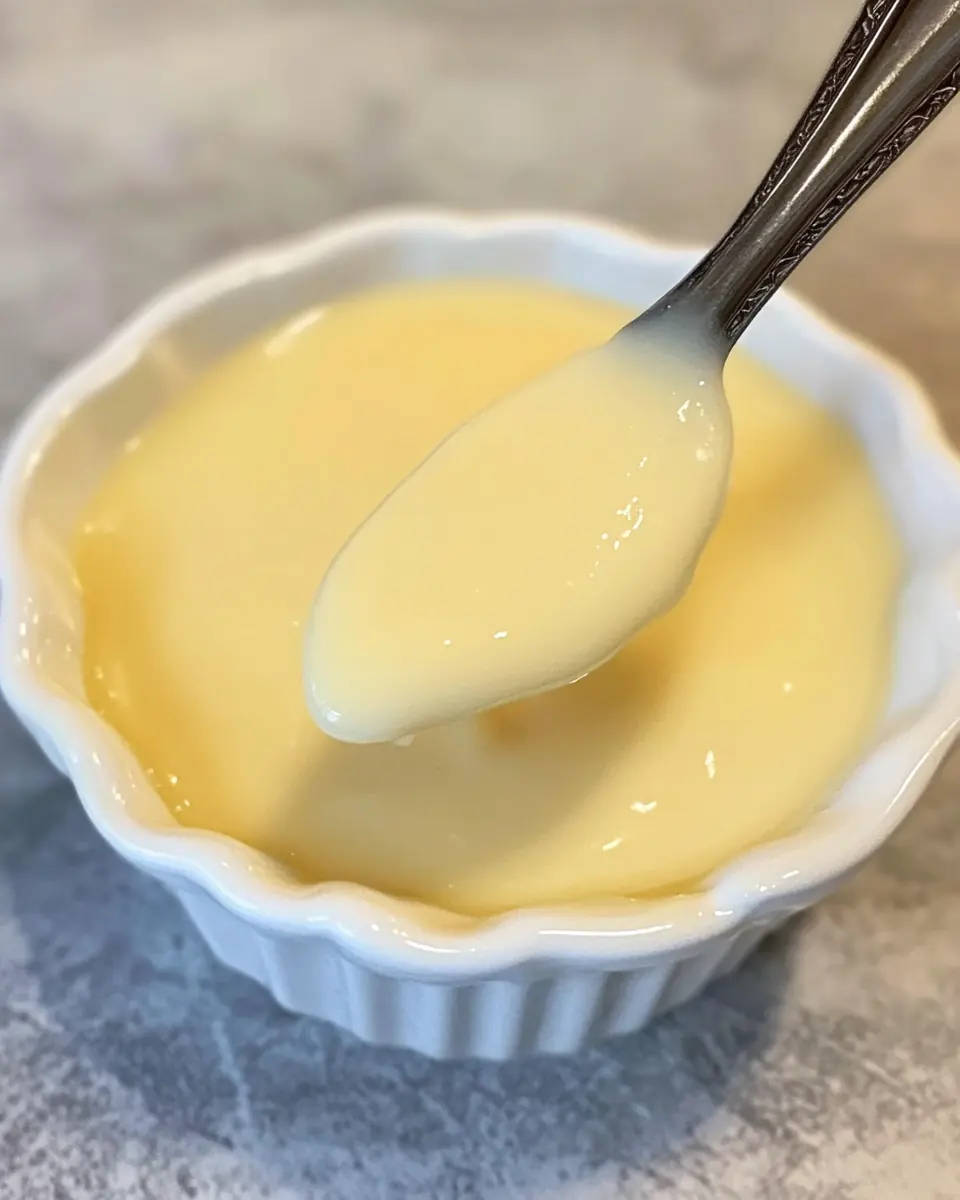
These ingredients are intentionally simple, chosen to create a creamy, balanced vanilla sauce. The milk and heavy cream provide body and silkiness, while the egg yolks and cornstarch work together to thicken the sauce without making it heavy. Vanilla is the star, and a tiny pinch of salt and some sugar round out the flavors. Each item plays a clear role, so you can taste each layer while still enjoying a cohesive final result.
- 1 3/4 cup whole milk: Provide a creamy liquid base that blends with other dairy components; warms gently to infuse flavor and create a smooth texture when combined with egg yolks and starch. Heat carefully to avoid scalding, which preserves a delicate mouthfeel essential for classic vanilla sauce.
- 1/2 cup heavy cream: Add extra richness and velvety mouthfeel while increasing overall fat content, which helps produce a luxurious, silky sauce. Whisk into milk gradually and heat with care so fat integrates evenly without separating during cooking.
- 1 vanilla bean, scraped OR 1 tablespoon quality pure vanilla extract: Impart aromatic vanilla flavor and fragrant top notes; seeds add visible specks while extract offers a convenient, consistent taste. Split and scrape seeds for the most intense, pure profile or stir in extract for reliable vanilla flavor throughout the sauce.
- 1/4 cup granulated sugar: Provide sweetness and help balance the dairy and egg flavors while contributing to the final sauce's taste profile; dissolves during heating to create a uniform sweetness. Adjust slightly for personal preference, but maintain enough sugar to aid in browning and flavor development.
- 2 large egg yolks: Give structure, richness, and a silky, custard-like body by thickening as proteins coagulate; must be tempered to avoid curdling. Whisk yolks with sugar and starch, then slowly incorporate warm milk to create a stable, creamy custard base.
- 3 teaspoons cornstarch: Act as a thickening aid that stabilizes the custard and provides a smooth, glossy finish when cooked; dissolves into the yolk-sugar mixture for even consistency. Combine with yolks and sugar before adding hot dairy to prevent lumps and ensure proper set.
- 1/8 teaspoons salt: Enhance and balance flavors by subtly rounding out sweetness and brightening overall taste; a small pinch helps emphasize vanilla and dairy notes. Dissolve into the custard mixture so the salt is evenly distributed without altering texture.
The Method for Vanillesoße
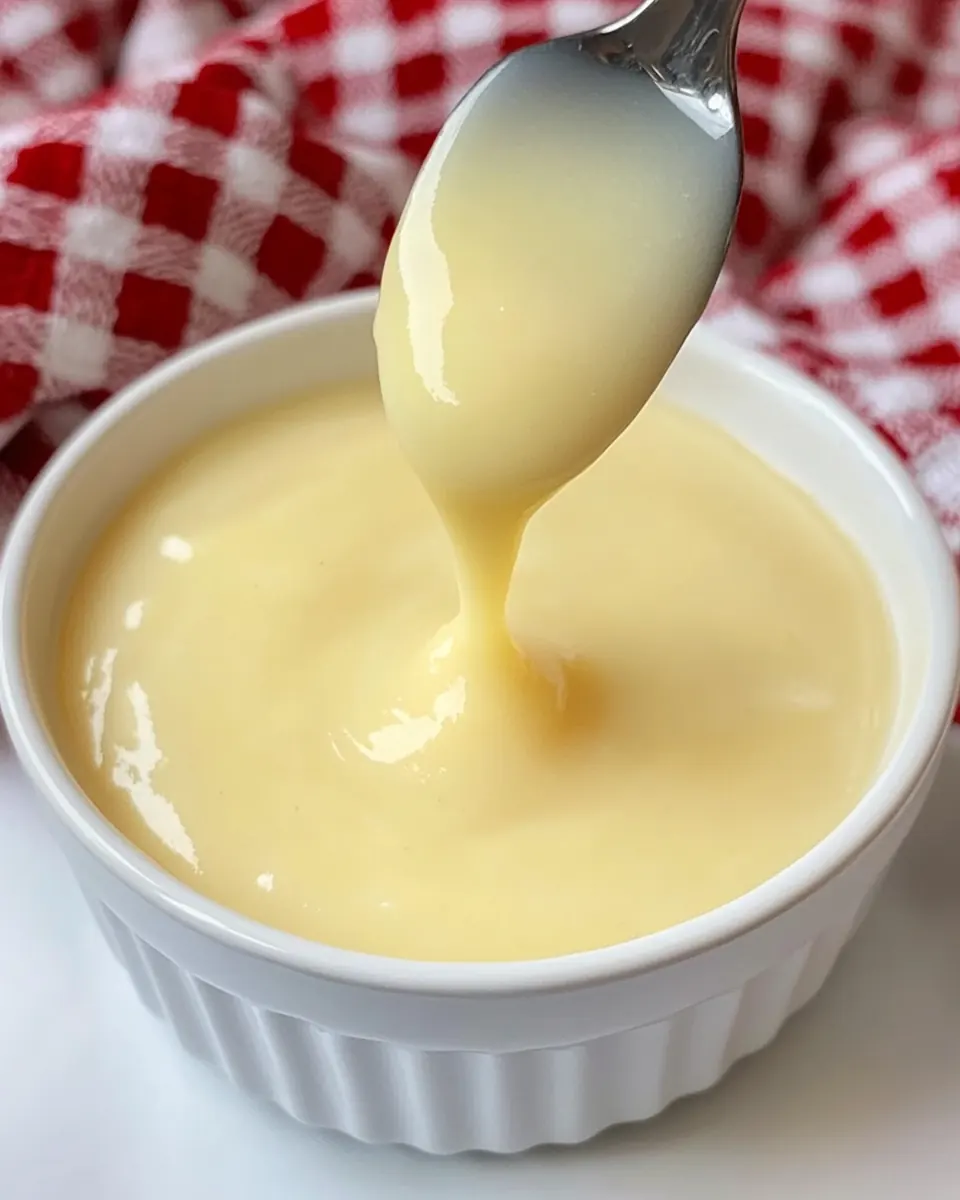
We keep the method straightforward and steady, focusing on gentle heat and consistent whisking to achieve a silky sauce. I like to work with a medium saucepan and a reliable whisk, moving deliberately so nothing scalds or curdles. Follow each step with attention to the sensory cues, like the aroma of warm vanilla and the way the sauce thickens, and you will be rewarded with a gorgeous result.
- In a bowl, whisk together the egg yolks, sugar, cornstarch and salt. In a medium saucepan bring the milk, heavy cream, and vanilla to a boil, stirring constantly to prevent it from scorching. Whisk 1/2 cup of the hot milk mixture into the egg mixture. Pour this egg mixture into the saucepan, constantly whisking it into the hot milk to prevent clumping. Heat the mixture over medium heat until thickened. Do not let it boil. Strain the vanilla sauce through a fine mesh sieve. Serve immediately or let it cool and store covered in the fridge. Will keep for up to 3 days. Can be served cold or reheated to serve warm. Makes about 2 1/2 cups of Vanillesoße.: The moment you start whisking, the texture changes from grainy to satiny, and you should feel resistance as the egg yolks emulsify with the sugar . This step creates a uniform base so the sauce thickens without streaks of raw yolk. You should notice the mixture lighten in color and become smoother under the whisk. If the sugar feels gritty, keep whisking until it feels creamy to the touch. A common mistake is not breaking up lumps of cornstarch , which can create specks in the finished sauce, so take your time to dissolve everything completely.
- In a medium saucepan bring the milk, heavy cream, and vanilla to a boil, stirring constantly to prevent it from scorching: As the liquid warms, steam will rise and the sweet dairy aroma will grow more pronounced, especially if you used a scraped vanilla bean . Stirring prevents a skin from forming and avoids scorching on the bottom, which would impart a burned flavor. Watch for tiny bubbles at the edges signaling it is nearly at a boil, then reduce heat. Overboiling will cause separation or a dull flavor, so remove from heat the moment it reaches a gentle boil at the edges.
- Whisk 1/2 cup of the hot milk mixture into the egg mixture: When you add a small amount of the hot liquid, you will feel the temperature of the egg mixture increase and the texture become silkier. This tempering step raises the eggs gently so they do not scramble when returned to the pan. Stir quickly and continuously so heat distributes evenly, and stop once the egg mixture feels warm to the touch. A frequent error is adding too much hot liquid at once, which leads to curdled yolks, so always go slowly here.
- Pour this egg mixture into the saucepan, constantly whisking it into the hot milk to prevent clumping: Once combined, you will notice the pan’s sound shift to a softer simmer, and the mixture will begin to thicken as the proteins set. Continuous whisking keeps everything smooth and prevents ribbons of cooked egg from forming. Keep the heat at medium, and if you sense the mixture grabbing or bubbling aggressively, lower the stove slightly. If lumps appear, remove from heat and whisk vigorously to reincorporate, then return to low heat.
- Heat the mixture over medium heat until thickened: As the sauce cooks, it will transform from runny to spoon coating, leaving a trail that holds briefly on the back of a spoon. The scent becomes fuller and more caramel like, but you must not let it boil because boiling can break the emulsion and ruin the texture. Stir in steady figure eights and watch for the first signs of thickening, typically a slow cling to the whisk. If it thickens too fast, lower the heat and keep whisking; rushing this step risks a grainy mouthfeel.
- Do not let it boil: Maintaining a gentle heat protects the glossy finish and prevents curdling, which would create an undesirable texture. Keep the pan at a soft simmer, and if you see vigorous bubbling, immediately reduce the heat. The sauce should glisten and move slowly under the whisk, not bubble violently. A common oversight is walking away during this sensitive period, so stay attentive until it reaches the proper viscosity.
- Strain the vanilla sauce through a fine mesh sieve: Straining smooths out any inadvertent bits of cooked egg or vanilla bean residue, yielding a pristine texture and a clean mouthfeel. You will see any tiny curdled fragments left behind in the sieve, which confirms the importance of this step. Use a ladle to coax the sauce through and scrape the underside of the sieve with a spatula. If you skip straining, small imperfections may remain, which is an easy avoidable flaw.
- Serve immediately or let it cool and store covered in the fridge: When hot, the sauce feels satiny and aromatic, perfect for pouring over warm desserts. If you cool it, cover with plastic pressed to the surface to prevent skin formation, and chill until needed. The texture will tighten slightly in the refrigerator, but gently reheating stirs it back to silkiness. One pitfall is reheating too fast on high heat, which can cause separation, so warm gently over low heat while stirring.
- Will keep for up to 3 days: Stored properly, the sauce retains its flavor for several days in the fridge, allowing you to plan ahead for gatherings. Over time the vanilla aroma may mellow, but reheating and a brief whisk can revive the scent and texture. If it thickens too much in the cold, stir in a splash of warm milk to loosen it gently; avoid adding hot liquid abruptly or you risk breaking the emulsion.
- Can be served cold or reheated to serve warm: Serving cold showcases a more set, custard like quality, while serving warm emphasizes creaminess and aroma. Whichever you choose, present the sauce in warmed or chilled bowls to maintain the desired temperature longer. Beware of overheating when reheating, and whisk constantly to keep the texture even.
- Makes about 2 1/2 cups of Vanillesoße: This yield is perfect for sharing and provides enough to accompany multiple desserts without leftovers going to waste. If you need more, scale ingredients proportionally and pay careful attention to timing since larger volumes heat differently. A common scaling mistake is not adjusting cooking time, which may lead to uneven thickening.
Ways to Adapt This Recipe
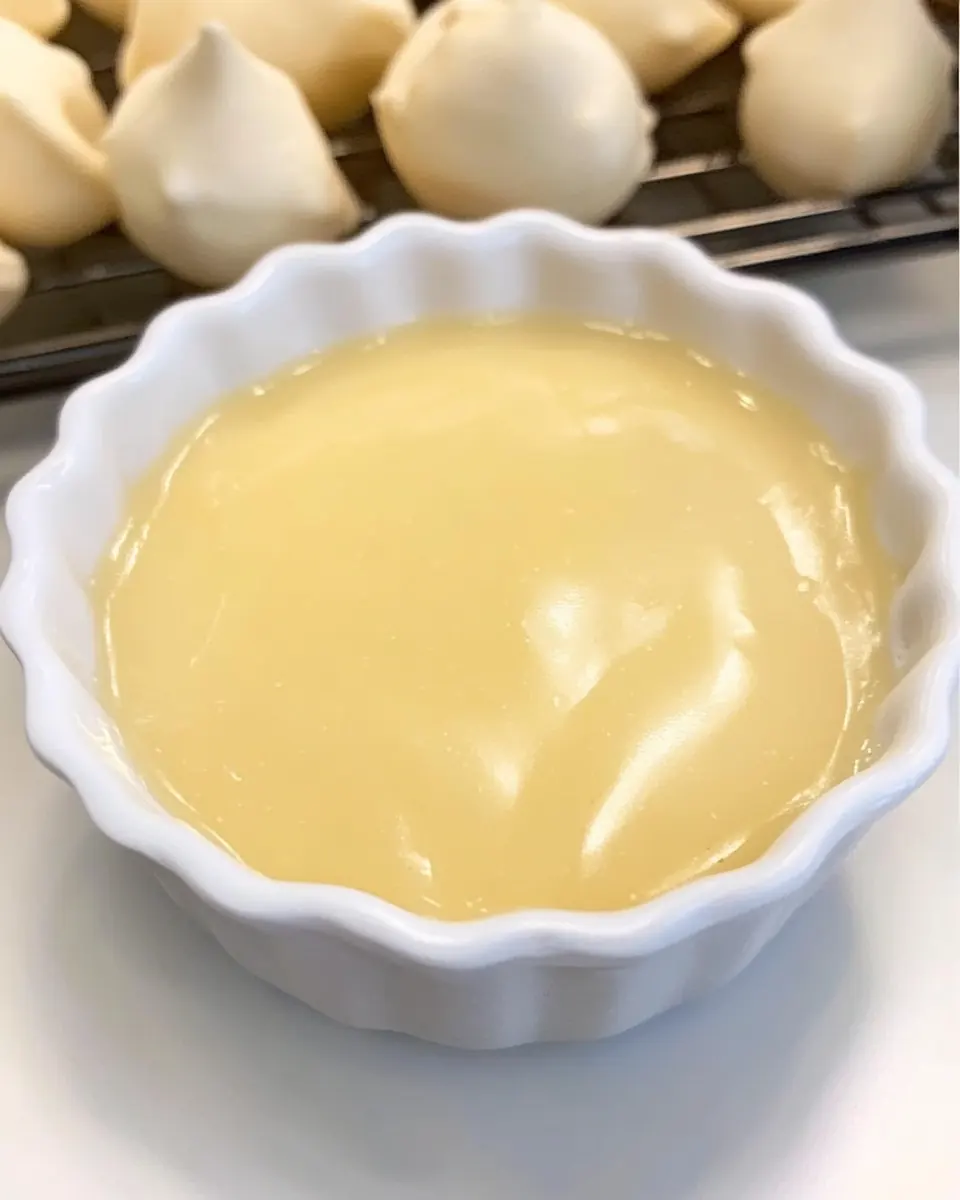
This section explores practical adaptations and simple variations that respect the original structure of Vanillesoße. Each tip starts with a clear action phrase and then explains how to implement it and why it works. These suggestions help you tailor the sauce for texture, convenience, and flavor intensity without altering the core recipe.
- Use a vanilla bean for depth — If you have a vanilla bean, split and scrape the seeds into the warm milk and add the pod while heating for a richer, more aromatic profile. Remove the pod before continuing, and you’ll notice a more complex, bakery like fragrance compared to extract.
- Swap extract for convenience — If you prefer speed, a quality pure vanilla extract works well; add it after removing the pan from heat to preserve its aroma. This keeps the process simple while still delivering a pleasant, clean vanilla note.
- Stabilize with cornstarch — The small amount of cornstarch in the recipe helps the sauce stay smooth even when chilled and reheated, making it a practical choice for make ahead desserts. Ensure it dissolves thoroughly in the yolk mixture to avoid lumps.
- Control sweetness precisely — Measure the sugar accurately and taste as the sauce cools because sweetness becomes more pronounced as it thickens. Adjust gradually if you need a less sweet finish, adding small amounts and stirring well.
- Serve warm or cold — Decide the serving temperature based on the dessert pairing, warming gently to enhance aroma or chilling for a panna cotta like effect. Remember to cover when chilling to prevent skin, and rewarm slowly when needed.
- Reheat with gentle liquid — If the chilled sauce firms too much, whisk in a splash of warm milk to loosen it, heating gradually to avoid separation. This restores silkiness without altering flavor significantly.
What Complements This Vanillesoße
Vanillesoße pairs beautifully with a wide range of desserts and seasonal fruits, making it an excellent companion for celebrations and everyday treats. Below I outline serving ideas, occasions suited for this sauce, storage notes, and seasonal pairings you can try. Each suggestion highlights practical serving tips and flavor matches.
- Serve over warm cakes — Pour slightly warm Vanillesoße over slices of sponge cake or apple cake to add moisture and a creamy vanilla note, perfect for afternoon tea or a casual dessert presentation.
- Accompany fresh fruit — Drizzle chilled sauce over berries, poached pears, or stone fruit for a light dessert that emphasizes bright fruit flavors, ideal for summer gatherings and brunch.
- Use with baked puddings — Spoon the sauce over bread pudding or baked rice pudding to enhance creaminess and balance sweet spices, suitable for cozy dinners or holiday tables.
- Pair with cookies and pastries — Offer it alongside shortbread, butter cookies, or turnovers as a dipping sauce to add a luscious contrast in texture, great for coffee breaks or casual entertaining.
- Presentation for special occasions — For celebrations, serve the sauce in a warmed pitcher so guests can pour it themselves, creating an interactive and elegant finish to the meal.
- Storage and make ahead — Keep refrigerated up to three days in a covered container pressed to the surface to prevent skin. Rewarm gently over low heat before serving warm to maintain the best texture.
- Seasonal pairing notes — In autumn, pair with baked apples or pears; in summer, serve with ripe stone fruits or berries; year round it complements cakes and puddings, making it versatile for many menus.
FAQ
Conclusion
Vanillesoße is special because it transforms simple pantry staples into a smooth, fragrant sauce that elevates desserts with minimal effort. Try it warm over cake or chilled with fruit to experience its versatile charm. Making this sauce teaches gentle heat control and tempering, skills that boost confidence in the kitchen, and it rewards attention with a silky texture and honest vanilla flavor that guests always appreciate.
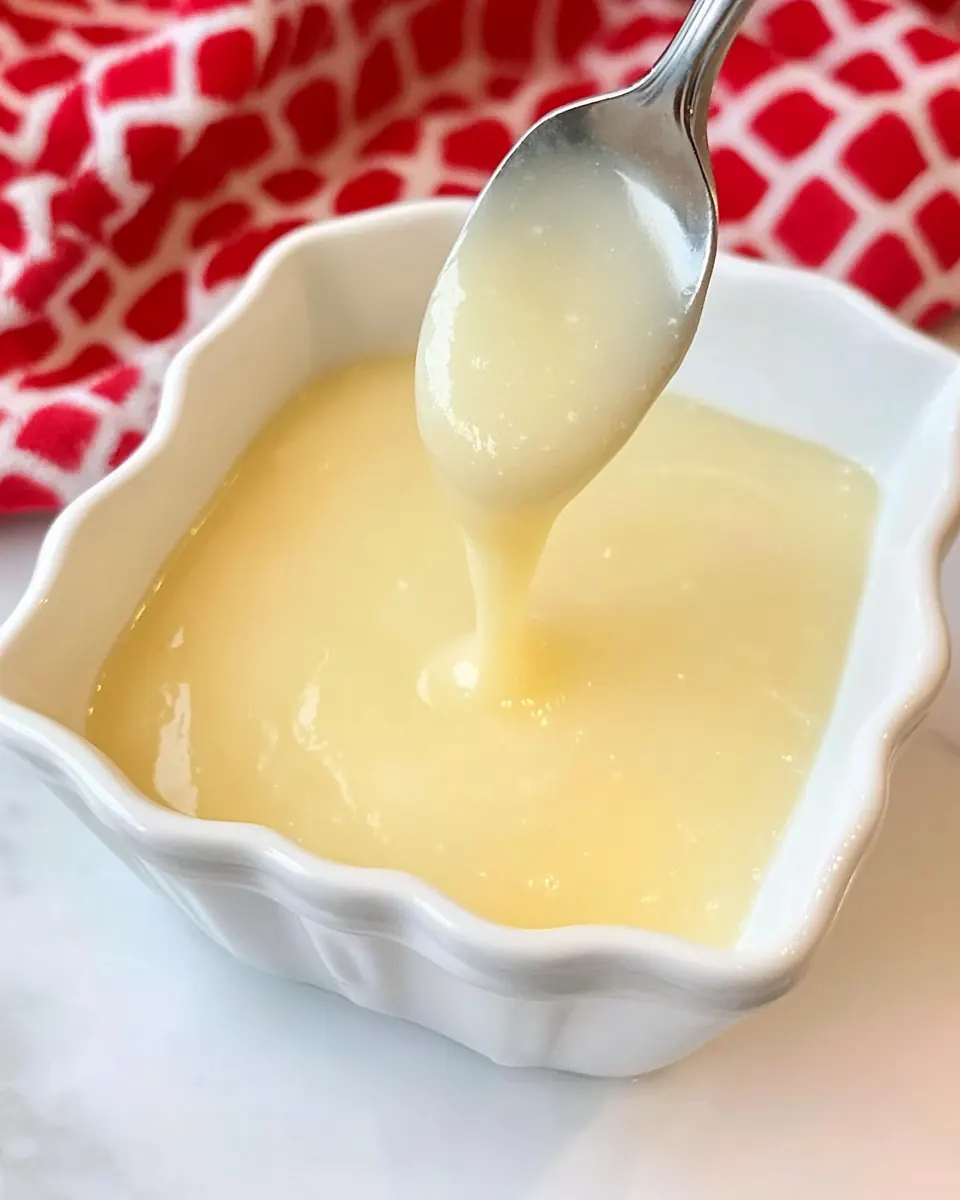
Vanillesoße
Ingredients
Equipment
Method
- In a bowl, whisk together the egg yolks, sugar, cornstarch and salt. In a medium saucepan bring the milk, heavy cream, and vanilla to a boil, stirring constantly to prevent it from scorching. Whisk 1/2 cup of the hot milk mixture into the egg mixture. Pour this egg mixture into the saucepan, constantly whisking it into the hot milk to prevent clumping. Heat the mixture over medium heat until thickened. Do not let it boil. Strain the vanilla sauce through a fine mesh sieve. Serve immediately or let it cool and store covered in the fridge. Will keep for up to 3 days. Can be served cold or reheated to serve warm. Makes about 2 1/2 cups of Vanillesoße.: The moment you start whisking, the texture changes from grainy to satiny, and you should feel resistance as the egg yolks emulsify with the sugar . This step creates a uniform base so the sauce thickens without streaks of raw yolk. You should notice the mixture lighten in color and become smoother under the whisk. If the sugar feels gritty, keep whisking until it feels creamy to the touch. A common mistake is not breaking up lumps of cornstarch , which can create specks in the finished sauce, so take your time to dissolve everything completely.
- In a medium saucepan bring the milk, heavy cream, and vanilla to a boil, stirring constantly to prevent it from scorching: As the liquid warms, steam will rise and the sweet dairy aroma will grow more pronounced, especially if you used a scraped vanilla bean . Stirring prevents a skin from forming and avoids scorching on the bottom, which would impart a burned flavor. Watch for tiny bubbles at the edges signaling it is nearly at a boil, then reduce heat. Overboiling will cause separation or a dull flavor, so remove from heat the moment it reaches a gentle boil at the edges.
- Whisk 1/2 cup of the hot milk mixture into the egg mixture: When you add a small amount of the hot liquid, you will feel the temperature of the egg mixture increase and the texture become silkier. This tempering step raises the eggs gently so they do not scramble when returned to the pan. Stir quickly and continuously so heat distributes evenly, and stop once the egg mixture feels warm to the touch. A frequent error is adding too much hot liquid at once, which leads to curdled yolks, so always go slowly here.
- Pour this egg mixture into the saucepan, constantly whisking it into the hot milk to prevent clumping: Once combined, you will notice the pan’s sound shift to a softer simmer, and the mixture will begin to thicken as the proteins set. Continuous whisking keeps everything smooth and prevents ribbons of cooked egg from forming. Keep the heat at medium, and if you sense the mixture grabbing or bubbling aggressively, lower the stove slightly. If lumps appear, remove from heat and whisk vigorously to reincorporate, then return to low heat.
- Heat the mixture over medium heat until thickened: As the sauce cooks, it will transform from runny to spoon coating, leaving a trail that holds briefly on the back of a spoon. The scent becomes fuller and more caramel like, but you must not let it boil because boiling can break the emulsion and ruin the texture. Stir in steady figure eights and watch for the first signs of thickening, typically a slow cling to the whisk. If it thickens too fast, lower the heat and keep whisking; rushing this step risks a grainy mouthfeel.
- Do not let it boil: Maintaining a gentle heat protects the glossy finish and prevents curdling, which would create an undesirable texture. Keep the pan at a soft simmer, and if you see vigorous bubbling, immediately reduce the heat. The sauce should glisten and move slowly under the whisk, not bubble violently. A common oversight is walking away during this sensitive period, so stay attentive until it reaches the proper viscosity.
- Strain the vanilla sauce through a fine mesh sieve: Straining smooths out any inadvertent bits of cooked egg or vanilla bean residue, yielding a pristine texture and a clean mouthfeel. You will see any tiny curdled fragments left behind in the sieve, which confirms the importance of this step. Use a ladle to coax the sauce through and scrape the underside of the sieve with a spatula. If you skip straining, small imperfections may remain, which is an easy avoidable flaw.
- Serve immediately or let it cool and store covered in the fridge: When hot, the sauce feels satiny and aromatic, perfect for pouring over warm desserts. If you cool it, cover with plastic pressed to the surface to prevent skin formation, and chill until needed. The texture will tighten slightly in the refrigerator, but gently reheating stirs it back to silkiness. One pitfall is reheating too fast on high heat, which can cause separation, so warm gently over low heat while stirring.
- Will keep for up to 3 days: Stored properly, the sauce retains its flavor for several days in the fridge, allowing you to plan ahead for gatherings. Over time the vanilla aroma may mellow, but reheating and a brief whisk can revive the scent and texture. If it thickens too much in the cold, stir in a splash of warm milk to loosen it gently; avoid adding hot liquid abruptly or you risk breaking the emulsion.
- Can be served cold or reheated to serve warm: Serving cold showcases a more set, custard like quality, while serving warm emphasizes creaminess and aroma. Whichever you choose, present the sauce in warmed or chilled bowls to maintain the desired temperature longer. Beware of overheating when reheating, and whisk constantly to keep the texture even.
- Makes about 2 1/2 cups of Vanillesoße: This yield is perfect for sharing and provides enough to accompany multiple desserts without leftovers going to waste. If you need more, scale ingredients proportionally and pay careful attention to timing since larger volumes heat differently. A common scaling mistake is not adjusting cooking time, which may lead to uneven thickening.
Notes
- Use a vanilla bean for depth — If you have a vanilla bean, split and scrape the seeds into the warm milk and add the pod while heating for a richer, more aromatic profile. Remove the pod before continuing, and you'll notice a more complex, bakery like fragrance compared to extract.
- Swap extract for convenience — If you prefer speed, a quality pure vanilla extract works well; add it after removing the pan from heat to preserve its aroma. This keeps the process simple while still delivering a pleasant, clean vanilla note.
- Stabilize with cornstarch — The small amount of cornstarch in the recipe helps the sauce stay smooth even when chilled and reheated, making it a practical choice for make ahead desserts. Ensure it dissolves thoroughly in the yolk mixture to avoid lumps.
- Control sweetness precisely — Measure the sugar accurately and taste as the sauce cools because sweetness becomes more pronounced as it thickens. Adjust gradually if you need a less sweet finish, adding small amounts and stirring well.
- Serve warm or cold — Decide the serving temperature based on the dessert pairing, warming gently to enhance aroma or chilling for a panna cotta like effect. Remember to cover when chilling to prevent skin, and rewarm slowly when needed.
- Reheat with gentle liquid — If the chilled sauce firms too much, whisk in a splash of warm milk to loosen it, heating gradually to avoid separation. This restores silkiness without altering flavor significantly.