No Bake Double Peanut Butter Bars
No Bake Double Peanut Butter Bars are the kind of sweet that sneaks into your life and then refuses to leave, in the best possible way. I first made these on a frantic afternoon when friends were dropping by unannounced, and the quick combination of crunchy graham cracker crumbs and two layers of peanut butter felt like a little triumph that required almost no fuss. The bars disappeared faster than I could slice them, and the memory of that glossy white chocolate chips topping still makes me smile.
There is something deeply comforting about a no bake treat that tastes like it took hours, but was actually ready in moments. I love the contrast between the slightly gritty, buttery base and the rich, creamy peanut butter on top. Every time I pull this pan from the fridge, I find myself tapping the foil and listening to the faint tack of set chocolate before I even open it. Friends always ask if I used a secret ingredient, and I tell them the secret is having the right rhythm when combining the base, pressing it in, and smoothing the topping.
Recipe Snapshot
11 mins
10 mins
1 mins
Easy
250 kcal
American
Gluten-Free, Low FODMAP
Desserts
9×13 inch pan, Foil, Mixing bowl, Measuring cup, Microwave safe bowl, Spatula
What Makes This No Bake Double Peanut Butter Bars Special
Reliable and Fast
I adore how No Bake Double Peanut Butter Bars come together in almost no time, which makes them my go to when time is short but I still want to impress. The method cuts out baking, so your oven stays off and cleanup is minimal. I often pull this out when I need a last minute dessert for a casual gathering, because it delivers big flavor without a big time commitment.
Textural Delight
The textural play is a major reason I keep returning to this recipe. The crumb base, made with graham cracker crumbs and butter, gives a gentle crunch that pairs perfectly with smooth peanut butter layers and the creamy sheen of melted white chocolate chips. Each bite feels balanced, never cloying, and that contrast is what makes people reach for seconds.
Ingredient Simplicity
What I love most is the simplicity of the ingredient list. There is no long shopping trip required, most items are pantry staples, and the quantities are forgiving. I appreciate recipes that let me improvise without fear, and this one is very forgiving if you need to eyeball a measurement or substitute a jar of peanut butter you already own.
Perfect for Sharing
These bars are inherently shareable. I like making a pan for potlucks, neighborhood bake sales, or a cozy tea with friends. They transport well when chilled, and they slice into neat bars that are easy to plate. Because they do not require reheating, they are ideal for outdoor gatherings in warm weather when ovens are less welcome.
Kid Friendly and Crowd Approved
Children tend to be the biggest fans of these bars, probably because of the sweet, creamy topping and the familiar peanut butter flavor. I enjoy how they bring out smiles at school events or family afternoons, and they are a reliable pick when you want something almost universally liked.
Key Ingredients for No Bake Double Peanut Butter Bars
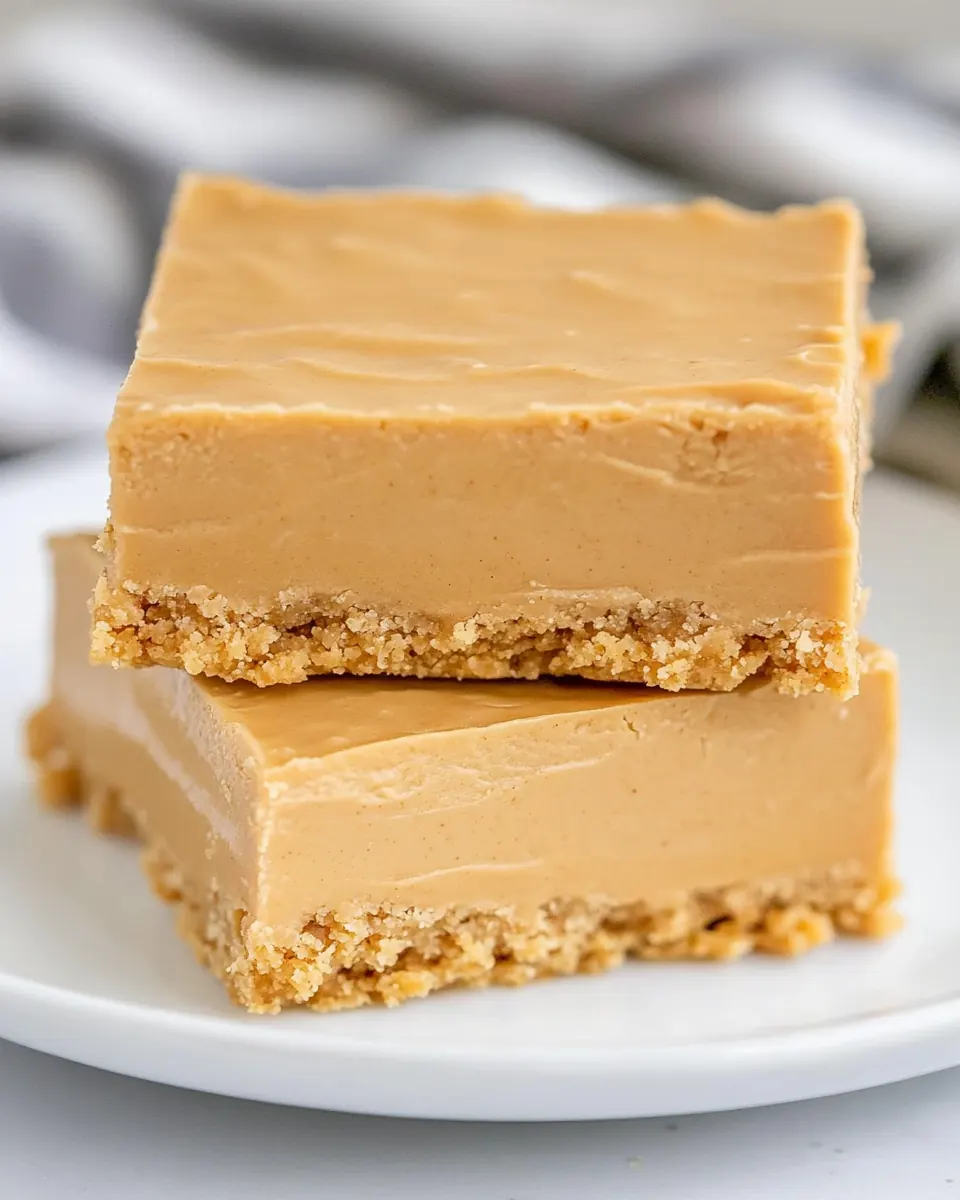
These ingredients work together with a clear purpose: the base provides structure and crunch, the peanut butter brings creamy richness, and the melted white chocolate chips give a glossy, sweet finish. Each player enhances texture and flavor, creating bars that are sturdy enough to slice yet tender on the palate.
- 8 tablespoons (113 g) unsalted butter, melted: Melted and rich, provides fat and moisture to bind the crust while adding a silky mouthfeel; helps set the base when chilled and contributes a subtle buttery flavor that balances the sweetness.
- 1 3/4 cups (168 g) graham cracker crumbs: Crumbly and absorbent, forms the structural base by combining with butter to create a pressable crust; offers a toasty, slightly sweet graham flavor that complements the peanut butter layers and provides texture contrast.
- 1 1/4 cups (142 g) powdered sugar: Fine and sweet, adds bulk and sweetness to the crust mixture while helping to absorb any excess fat for a firmer hold; dissolves smoothly to create a cohesive, slightly sandy texture that enhances bite.
- 3/4 cup (197 g) creamy peanut butter: Creamy and nutty, supplies richness and peanut flavor to the filling while acting as a binder for the crust and topping; contributes smoothness and satiety, and helps achieve the classic peanut butter bar consistency.
- 1 cup (170 g) white chocolate chips: Sweet and smooth, melts into a glossy topping that adds creamy sweetness and a white chocolate contrast; provides a soft, melt-in-the-mouth layer that complements the peanut butter without overpowering it.
- 2 tablespoons (32 g) creamy peanut butter: Smooth and binding, used for drizzling or swirling on top to intensify peanut flavor and improve spreadability of the topping; creates a decorative finish and enhances the overall peanut profile.
Preparation Steps for No Bake Double Peanut Butter Bars
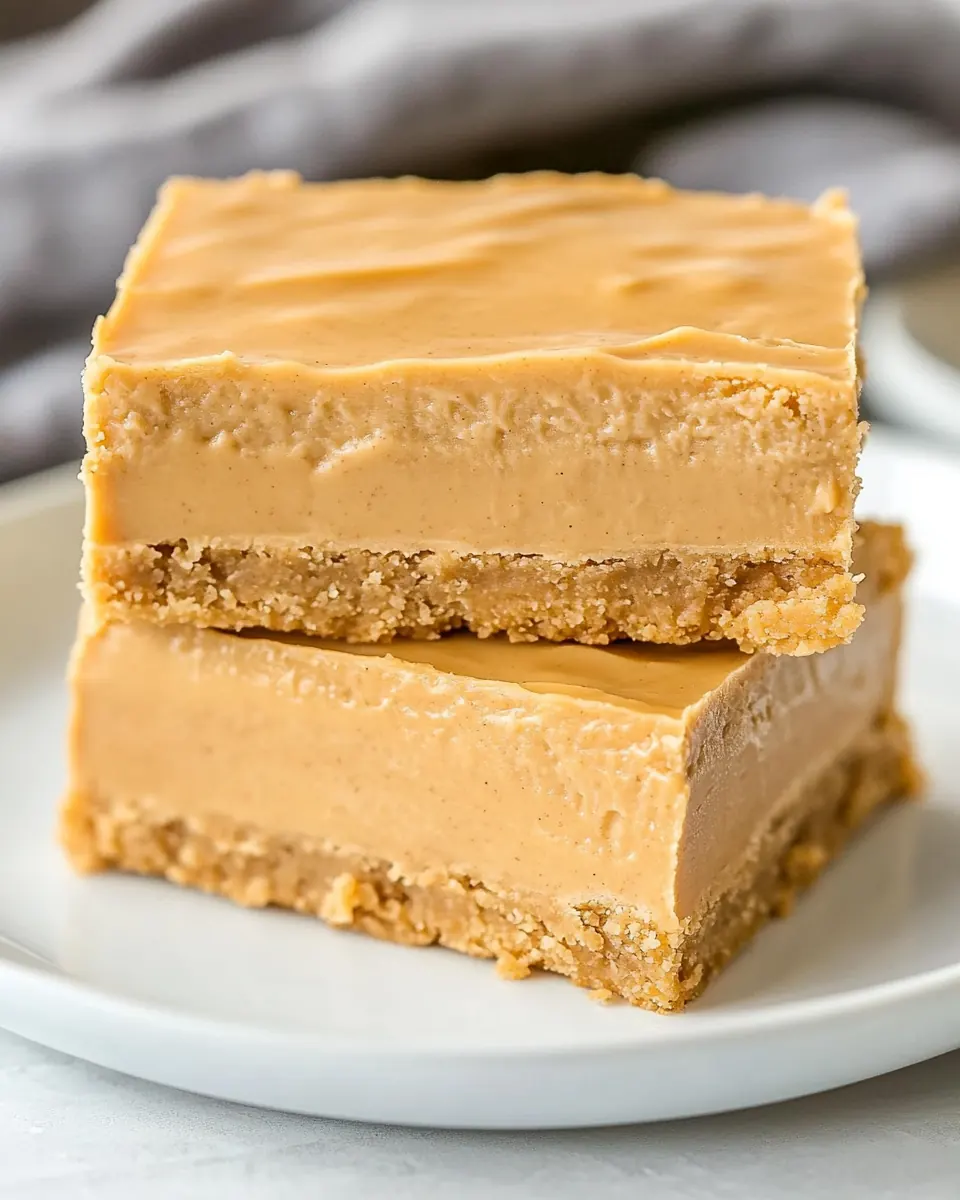
These directions transform pantry staples into a classic no bake treat with minimal fuss. Read each step fully so you catch the sensory cues and avoid common mistakes, then move confidently through the process.
- Line a 9×13” pan with foil and spray with cooking spray.: You will feel the smooth drag of the foil as you press it into the pan, and the light sheen of cooking spray prevents sticking while making it easy to lift the finished slab out. This step matters because it preserves the clean edges of your bars and prevents them from tearing when sliced. A common mistake is skipping the spray or lining, which can lead to bases sticking and crumbling when you try to remove the bars. Make sure the foil is snug in the corners, and leave an overhang for easy removal.
- Place melted butter, graham cracker crumbs, powdered sugar, and 3/4 cup peanut butter in a large bowl. Mix by hand until combined. Press firmly into prepared pan.: As you combine these ingredients you should notice the warmth of the butter and the toasty aroma of the graham cracker crumbs , and the dusting of powdered sugar will start to disappear as it binds with the fats. The reason you mix by hand is to get an even texture without overworking the mixture; your hands let you feel when the crumbs are uniformly moistened. A typical error is adding too much pressure which can cause the base to become oily. Aim for a cohesive, slightly tacky mixture that holds when pressed together.
- Place white chocolate chips and remaining 2 tablespoons peanut butter in a microwave-safe bowl. Heat on 50% power in 30 second increments, stirring between each, until melted and smooth. Pour over bars and spread with a spatula to evenly coat.: As you work the mixture, listen for the quiet shift of crumbs compacting and notice when the texture changes from loose to cohesive. Achieving the right consistency ensures the base will pack tightly and slice cleanly later. Avoid leaving dry pockets of powdered sugar , which create chalky bites; if you encounter this, press and rub the mix a little more until uniform. If it seems overly wet, add a few extra crumbs to balance it.
- Chill for at least 1 hour to set, slice into bars. It’s best to slice them at room temperature so your chocolate doesn’t shatter.: Pressing the base firmly creates a dense, stable foundation that will hold its shape when sliced. Use the bottom of a measuring cup or a flat glass to apply even pressure, listening for the slight compacting sound as air pockets are expelled. Firm pressure matters because a loosely packed base will crumble and not hold bars together. A common slip is pressing unevenly, which causes thin spots that break; take your time to get a uniform thickness across the pan.
- Place white chocolate chips and remaining 2 tablespoons peanut butter in a microwave safe bowl: When you measure these, the visual contrast between the pale white chocolate chips and glossy peanut butter is appealing. Combining them before melting helps the peanut butter distribute evenly, smoothing the texture and enhancing peanut flavor in the topping. Skipping the small amount of peanut butter in the topping can lead to a very sweet, one dimensional finish rather than a layered, nuanced top.
- Heat on 50% power in 30 second increments, stirring between each, until melted and smooth: You will see the chips start to soften and the mixture become glossy as the white chocolate chips melt, while gentle stirring ensures an even, lump free texture. Heating at reduced power is essential to prevent scorching; if the mix goes grainy, it has overheated. A typical error is melting at full power which yields a burnt flavor and gritty texture. Stir thoroughly, scraping the bowl so no unmelted pockets remain.
- Pour over bars and spread with a spatula to evenly coat: As you pour the warm mixture, it should flow like a thick ribbon and settle into an even layer across the compacted base. Smooth with a spatula in long, confident strokes to avoid dragging crumbs into the topping. The visual cue you want is a glossy, level surface without air bubbles. If the topping becomes too stiff to spread, warm it briefly in the microwave at low power and stir, but avoid overheating which dulls the shine.
- Chill for at least 1 hour to set, slice into bars: During chilling you will notice the topping going from glossy and soft to firm with a slight snap, and the base will feel cool and solid. Chilling is crucial because it allows the layers to bind and makes slicing tidy. A common mistake is under chilling, which leads to squashed bars and smudged topping. For best results, refrigerate until the topping is set to the touch and the base resists pressure.
- It’s best to slice them at room temperature so your chocolate doesn’t shatter: Letting the chilled pan sit at room temperature for a short time softens the top just enough to prevent brittle cracking while maintaining structure. You want a balance where the topping yields cleanly under a sharp knife without cracking into shards. Cutting too cold will cause the chocolate to shatter into pieces, while cutting too warm will smear the topping. Allow the pan to rest until the edges slightly lose that icy firmness but are still cool.
Tips and Variations
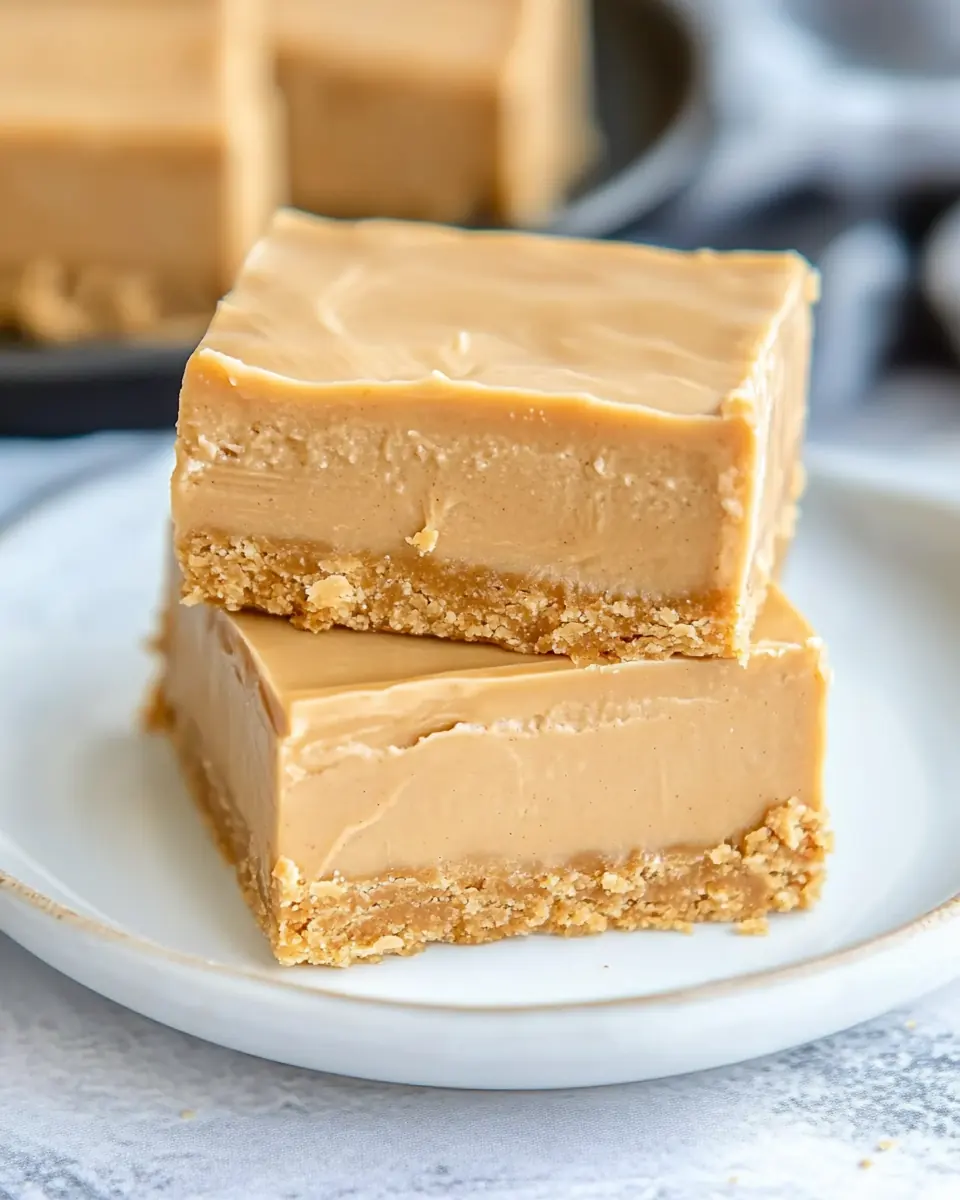
These tips will help you master the texture, make clean cuts, and store the bars so they taste fresh. I include variations that keep the core recipe intact while offering small changes for flavor and presentation.
- Room temperature peanut butter — Use creamy peanut butter at room temperature so it mixes smoothly into the base and topping without clumps, which yields a silkier texture.
- Melt gently — Heat the white chocolate chips at 50% power and stir every 30 seconds to avoid burning and grainy texture, ensuring a glossy finish.
- Even pressing — Use the bottom of a measuring cup to press the base firmly and evenly so the bars hold together and slice neatly.
- Storage choice — Store in an airtight container at room temperature or refrigerate if your kitchen is warm, which preserves texture and flavor based on ambient temperature.
- Clean slicing — Warm a sharp knife under hot water, dry it, and slice the bars for smoother cuts; repeat between slices to keep edges tidy.
Accompaniments for No Bake Double Peanut Butter Bars
These bars pair beautifully with simple beverages and light accompaniments that balance their sweetness. I often serve them with coffee or a mild tea, and they are ideal for casual gatherings where people graze and chat.
- Serve with coffee — A cup of black coffee or a mild roast balances the sweetness and enhances the peanut notes, making each bite taste more complex.
- Tea pairing — A gentle green tea or chamomile complements the creamy topping without overwhelming the nutty base, perfect for afternoon tea service.
- Party platter — Arrange the bars on a platter with small fruit like grapes for a mix of sweet and fresh textures during gatherings or potlucks.
- Occasions — These bars are great for casual get togethers, school events, and dessert tables at brunches where no baking is preferred, offering a quick, crowd pleasing sweet.
- Storage tips — Keep in an airtight container at room temperature for short term serving or refrigerate if your home is warm, to maintain structure and prevent melting.
- Seasonal pairing — They work well year round as a portable treat for picnics in summer or cozy indoor gatherings in cooler months.
FAQ
Conclusion
No Bake Double Peanut Butter Bars stand out because they combine a crunchy, buttery base with creamy peanut butter and a glossy white chocolate topping for a treat that feels indulgent yet effortless. I hope this encourages you to give them a try, especially on days when you want an impressive dessert without complicated steps. They are forgiving, quick to assemble, and crowd pleasing, so grab your graham cracker crumbs and peanut butter and enjoy sharing a pan with friends or family.
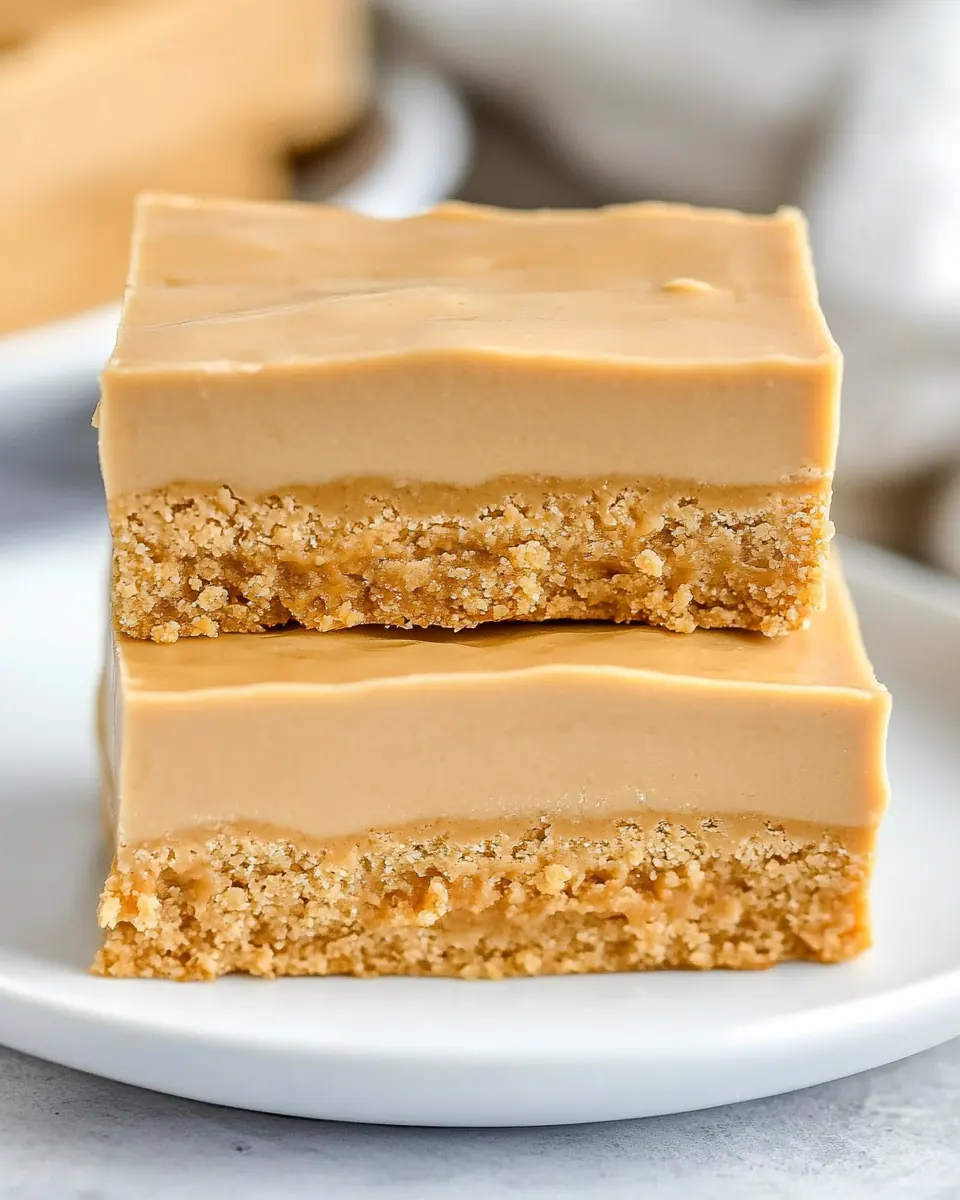
No Bake Double Peanut Butter Bars
Ingredients
Equipment
Method
- Line a 9×13” pan with foil and spray with cooking spray.: You will feel the smooth drag of the foil as you press it into the pan, and the light sheen of cooking spray prevents sticking while making it easy to lift the finished slab out. This step matters because it preserves the clean edges of your bars and prevents them from tearing when sliced. A common mistake is skipping the spray or lining, which can lead to bases sticking and crumbling when you try to remove the bars. Make sure the foil is snug in the corners, and leave an overhang for easy removal.
- Place melted butter, graham cracker crumbs, powdered sugar, and 3/4 cup peanut butter in a large bowl. Mix by hand until combined. Press firmly into prepared pan.: As you combine these ingredients you should notice the warmth of the butter and the toasty aroma of the graham cracker crumbs , and the dusting of powdered sugar will start to disappear as it binds with the fats. The reason you mix by hand is to get an even texture without overworking the mixture; your hands let you feel when the crumbs are uniformly moistened. A typical error is adding too much pressure which can cause the base to become oily. Aim for a cohesive, slightly tacky mixture that holds when pressed together.
- Place white chocolate chips and remaining 2 tablespoons peanut butter in a microwave-safe bowl. Heat on 50% power in 30 second increments, stirring between each, until melted and smooth. Pour over bars and spread with a spatula to evenly coat.: As you work the mixture, listen for the quiet shift of crumbs compacting and notice when the texture changes from loose to cohesive. Achieving the right consistency ensures the base will pack tightly and slice cleanly later. Avoid leaving dry pockets of powdered sugar , which create chalky bites; if you encounter this, press and rub the mix a little more until uniform. If it seems overly wet, add a few extra crumbs to balance it.
- Chill for at least 1 hour to set, slice into bars. It’s best to slice them at room temperature so your chocolate doesn’t shatter.: Pressing the base firmly creates a dense, stable foundation that will hold its shape when sliced. Use the bottom of a measuring cup or a flat glass to apply even pressure, listening for the slight compacting sound as air pockets are expelled. Firm pressure matters because a loosely packed base will crumble and not hold bars together. A common slip is pressing unevenly, which causes thin spots that break; take your time to get a uniform thickness across the pan.
- Place white chocolate chips and remaining 2 tablespoons peanut butter in a microwave safe bowl: When you measure these, the visual contrast between the pale white chocolate chips and glossy peanut butter is appealing. Combining them before melting helps the peanut butter distribute evenly, smoothing the texture and enhancing peanut flavor in the topping. Skipping the small amount of peanut butter in the topping can lead to a very sweet, one dimensional finish rather than a layered, nuanced top.
- Heat on 50% power in 30 second increments, stirring between each, until melted and smooth: You will see the chips start to soften and the mixture become glossy as the white chocolate chips melt, while gentle stirring ensures an even, lump free texture. Heating at reduced power is essential to prevent scorching; if the mix goes grainy, it has overheated. A typical error is melting at full power which yields a burnt flavor and gritty texture. Stir thoroughly, scraping the bowl so no unmelted pockets remain.
- Pour over bars and spread with a spatula to evenly coat: As you pour the warm mixture, it should flow like a thick ribbon and settle into an even layer across the compacted base. Smooth with a spatula in long, confident strokes to avoid dragging crumbs into the topping. The visual cue you want is a glossy, level surface without air bubbles. If the topping becomes too stiff to spread, warm it briefly in the microwave at low power and stir, but avoid overheating which dulls the shine.
- Chill for at least 1 hour to set, slice into bars: During chilling you will notice the topping going from glossy and soft to firm with a slight snap, and the base will feel cool and solid. Chilling is crucial because it allows the layers to bind and makes slicing tidy. A common mistake is under chilling, which leads to squashed bars and smudged topping. For best results, refrigerate until the topping is set to the touch and the base resists pressure.
- It’s best to slice them at room temperature so your chocolate doesn’t shatter: Letting the chilled pan sit at room temperature for a short time softens the top just enough to prevent brittle cracking while maintaining structure. You want a balance where the topping yields cleanly under a sharp knife without cracking into shards. Cutting too cold will cause the chocolate to shatter into pieces, while cutting too warm will smear the topping. Allow the pan to rest until the edges slightly lose that icy firmness but are still cool.
Notes
- Room temperature peanut butter — Use creamy peanut butter at room temperature so it mixes smoothly into the base and topping without clumps, which yields a silkier texture.
- Melt gently — Heat the white chocolate chips at 50% power and stir every 30 seconds to avoid burning and grainy texture, ensuring a glossy finish.
- Even pressing — Use the bottom of a measuring cup to press the base firmly and evenly so the bars hold together and slice neatly.
- Storage choice — Store in an airtight container at room temperature or refrigerate if your kitchen is warm, which preserves texture and flavor based on ambient temperature.
- Clean slicing — Warm a sharp knife under hot water, dry it, and slice the bars for smoother cuts; repeat between slices to keep edges tidy.