How to Make a Chocolate Bunny
How to Make a Chocolate Bunny is one of those small projects that brings out my inner child, and I still remember the first time I made one for a spring gathering.
I was juggling a tray of mismatched candy molds and a bowl of glossy chocolate chips while telling a friend about my grandmother’s tiny holiday surprises, and that afternoon turned into an impromptu lesson in patience and attention. I loved how the smell of warm chocolate chips filled the kitchen, turning a simple activity into something cozy and celebratory. Over the years I refined a few habits, like using a bowl with a pour spout and a touch of shortening to get that silky finish, and now it feels like a little ritual every time I make them.
When I teach someone to make a molded treat, I always start by calming any fear around melting and tempering. Once you see that melted chocolate chips can be coaxed into a glossy, set shape with just a couple of techniques, the whole process becomes approachable and even a little meditative. I enjoy the small victories, like the satisfying click when a set bunny releases cleanly from the mold, and I find sharing that moment is one of the best parts of hosting around Easter or springtime celebrations.
Recipe Snapshot
7 mins
5 mins
2 mins
Easy
200 kcal
American
Vegan, Gluten-Free
Desserts
Microwave safe bowl with pour spout, Candy molds
The Charm of This How to Make a Chocolate Bunny
Glossy results every time
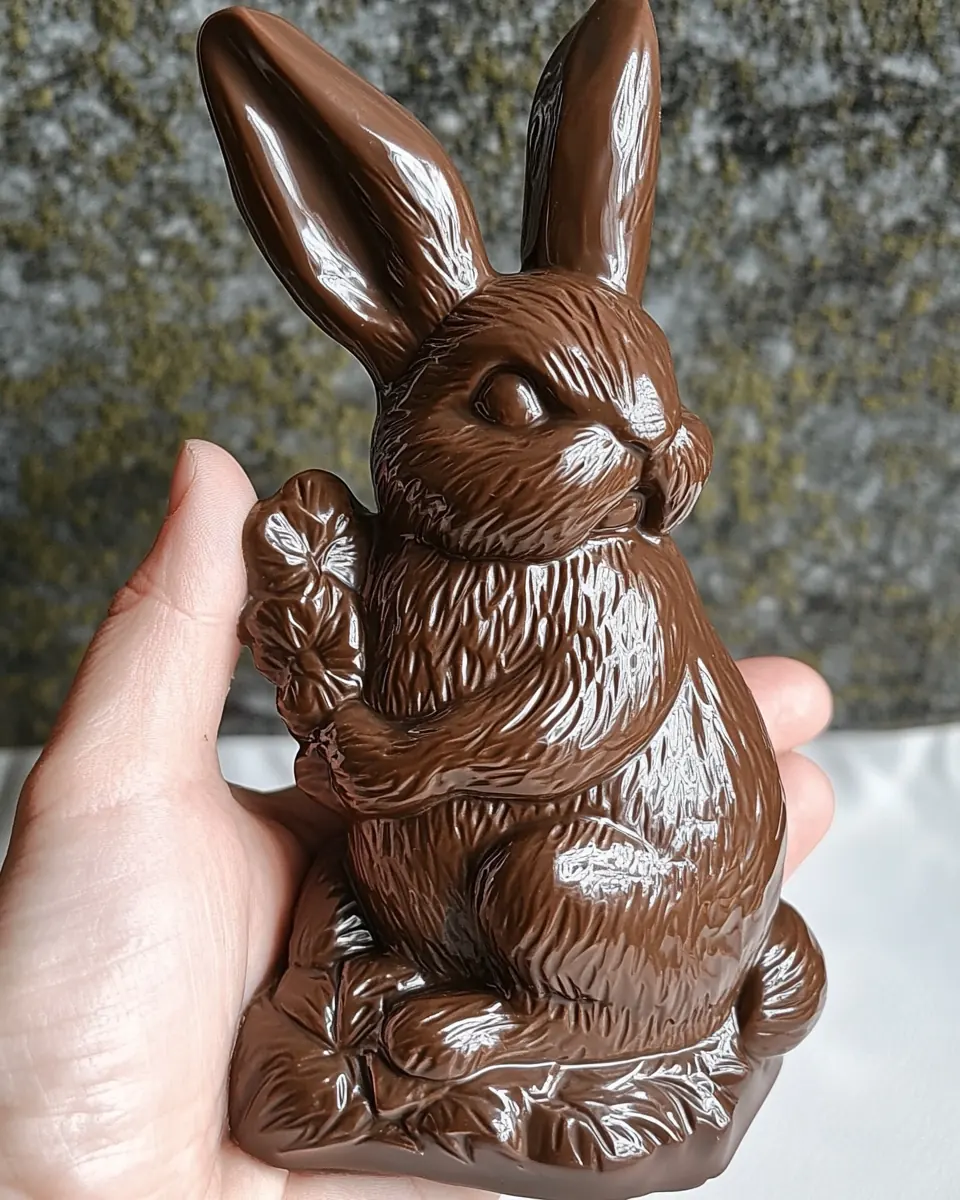
I love how a tiny tweak like adding a bit of shortening to melted chocolate chips yields a mirror like sheen, and that glossy finish makes the final How to Make a Chocolate Bunny look professionally made. When I do this, guests always comment first on appearance, which builds excitement before the first bite.
Very quick and accessible
One of the best parts is how fast it is to go from pantry to finished candy. You do not need fancy equipment, just a microwave safe bowl and molds, so I often make these with kids or friends who have never tempered chocolate chips before. It feels empowering to create a seasonal treat in under an hour.
Perfect for customization
I enjoy that the base recipe is a blank canvas. Once you master melting the chocolate chips and getting a smooth pour, you can personalize each bunny by changing molds or mixing in tiny add ins, though I keep the core method simple because it allows the chocolate to shine.
Reliable texture and release
Freezing the molds briefly is a small trick I always use to make unmolding effortless. It protects delicate details on the molds and helps the set chocolate snap cleanly, so the finished How to Make a Chocolate Bunny keeps crisp edges and nice definition.
Great seasonal gift option
I like packaging a few bunnies in clear bags with a ribbon for springtime hosting or small Easter gifts. They feel personal and handmade, and I find people really appreciate the care that went into each one.
Key Ingredients for How to Make a Chocolate Bunny
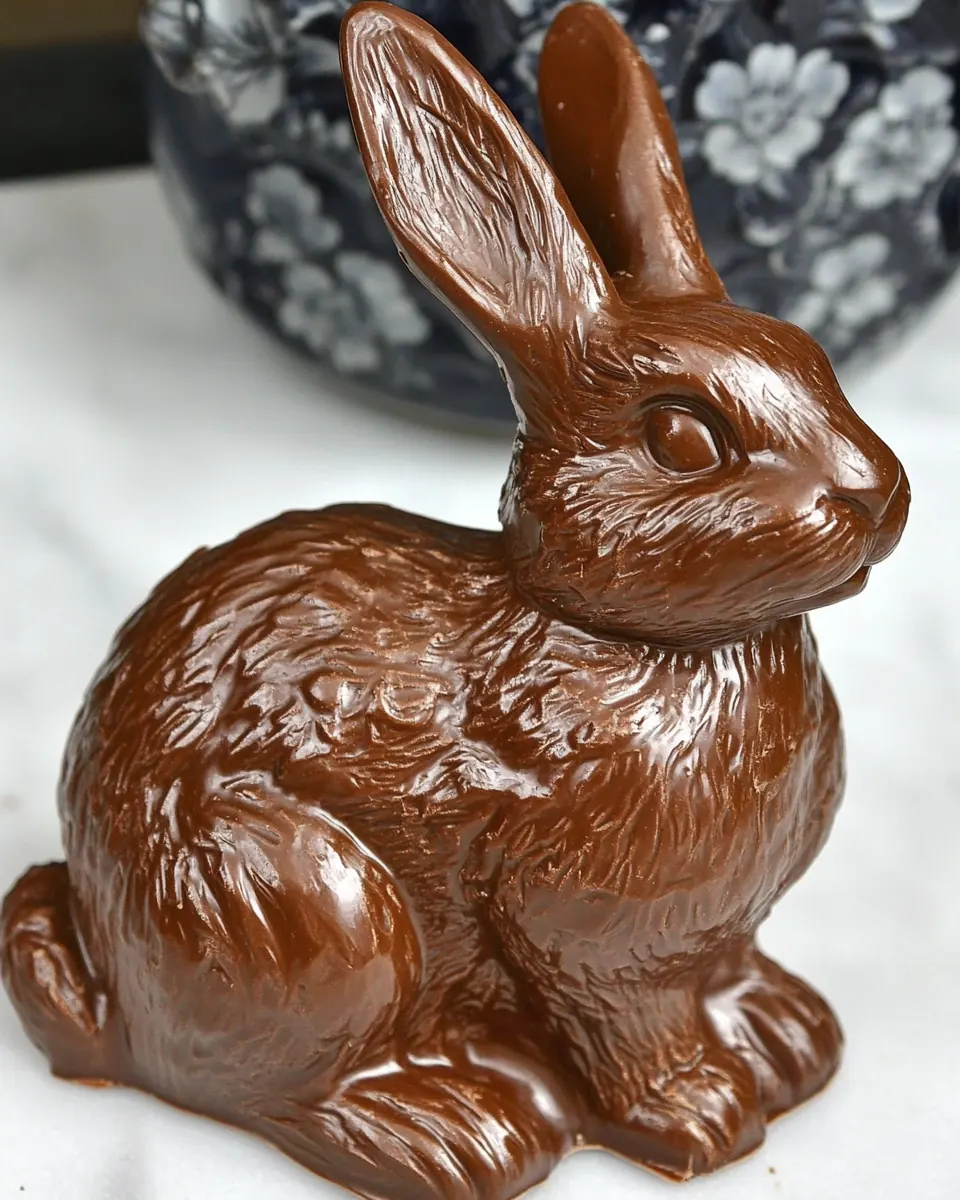
These two ingredients form the entire backbone of the recipe. The philosophy here is simplicity, relying on quality and technique rather than a long list. The chocolate chips provide the flavor and structure, while a small amount of shortening smooths the texture and improves the shine and mold release.
- 1 cup (170 g) chocolate chips: Melt smoothly to form the chocolate base and provide the primary flavor and structure for the bunny; use gentle heat to avoid seizing and stir frequently for even melting. Provide glossy finish and mouthfeel when tempered correctly, contributing to snap and shine in the final molded shape. Combine with shortening if needed to adjust viscosity for easy pouring into molds and to ensure clean release.
- 2 teaspoons (8 g) shortening: Stabilize and thin melted chocolate to improve flow and make pouring into detailed molds easier; add sparingly and mix until fully incorporated for uniform texture. Soften the final set by reducing brittleness and enhancing gloss, which helps achieve a smoother surface on the chocolate bunny.
How to Prepare How to Make a Chocolate Bunny
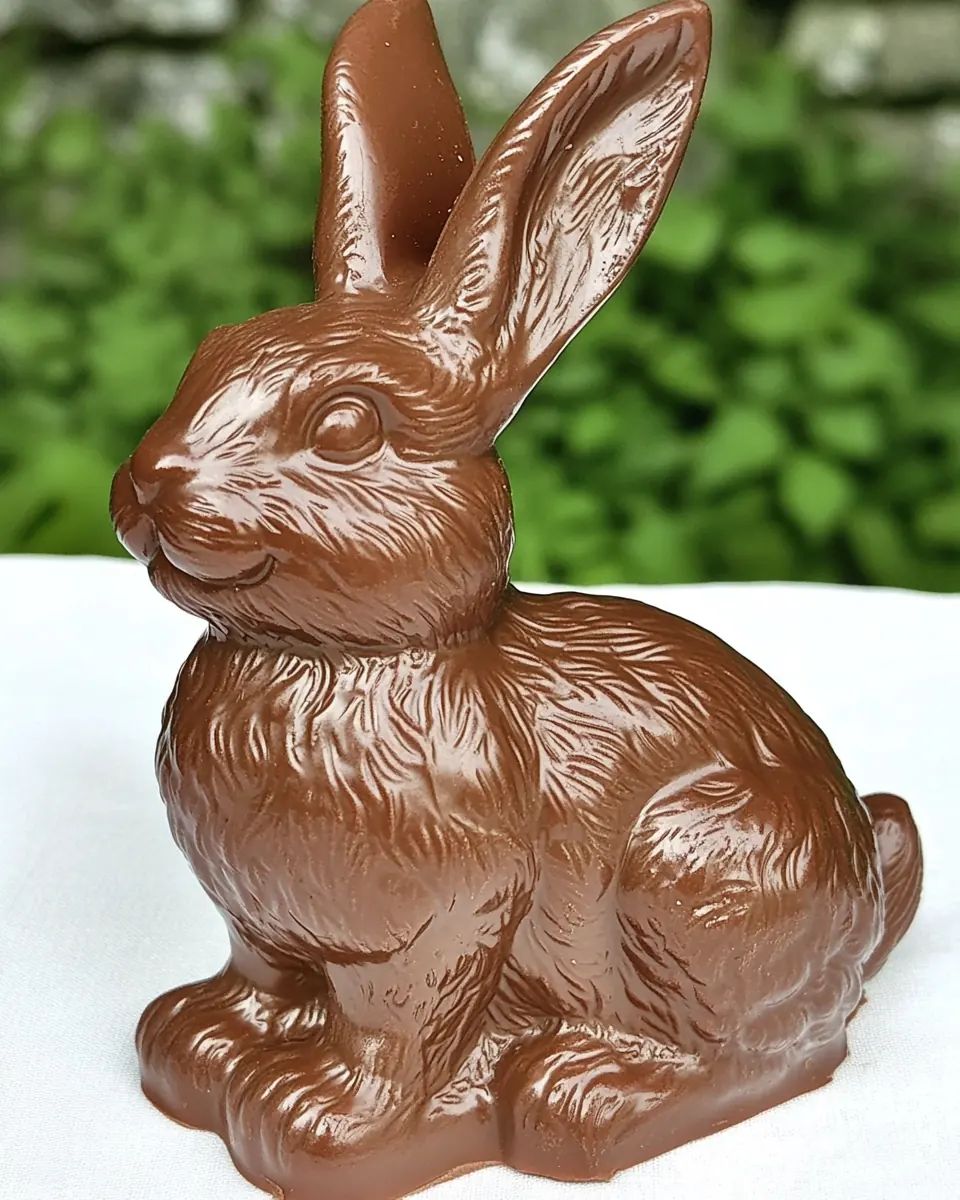
These steps are straightforward, but attention to sensory cues and subtle technique makes a big difference. Move deliberately, keep an eye on texture, and trust the visual and olfactory hints the chocolate chips give you as they melt and cool.
- Place all ingredients into a microwave safe bowl with a pour spout for easy dispensing. Melt in microwave for 1 1/2 – 2 minutes at 70% power. Remove from microwave and stir until smooth.: As you add the measured chocolate chips and shortening to the bowl, notice the cool, slightly waxy surface of the chips and the faint cocoa aroma. The pour spout matters because melted chocolate flows quickly and you want control when filling molds; it reduces drips and makes for neater work. A common mistake at this point is using a bowl without enough room for stirring, which can cause hot spots when microwaving. Make sure the bowl is large enough to allow vigorous stirring without spills. Standing close, you can feel the subtle change in scent once stirring begins, from cocoa to that warm, toasty smell that tells you melting is underway.
- Pour chocolate into candy molds, repeating until molds are filled. Allow to sit in a level area until the chocolate has dried and hardened. Place into freezer for about 30 minutes to easily release from mold.: As the bowl goes into the microwave, set the power to a reduced level to avoid rapid overheating, which can scorch the chocolate chips . The sound is quiet, but when you pull the bowl out after the first minute and a half, the chips will look glossy around the edges and still retain some shape in the center. This is intentional, because residual heat finishes the job. A typical error is melting at full power, producing a bitter smell and grainy texture. Use short bursts if needed and be prepared to stop earlier if the chocolate looks soft and shiny at the edges.
- Remove from microwave and stir until smooth: The moment you take the bowl out you will see steam and a richer cocoa perfume. Stirring is where the remaining unmelted pieces emulsify into a satin finish. Use gentle, patient strokes, scraping the sides and bottom to incorporate any warm solids. The sound of the spoon moving and the sight of glossy ribbons forming are good indicators of completeness. If you skip vigorous stirring, you risk tiny unmelted bits that create a grainy mouthfeel. Stop when the chocolate is homogeneous and fluid, with no streaks or lumps.
- Pour chocolate into candy molds, repeating until molds are filled: When you tilt the bowl, the melted mixture should flow like warm syrup; that fluidity helps capture fine details in the molds. Pour slowly and tap the mold gently on the counter to dislodge air bubbles, which appear as small domes on the surface. If you see trapped air, a quick toothpick coaxing or a light tap will resolve it. A typical misstep is overfilling, which wastes chocolate and makes unmolding messy. Aim for even layers and clean edges by using the pour spout and wiping drips with a damp cloth between fills.
- Allow to sit in a level area until the chocolate has dried and hardened: As the molds rest, the surface will dull slightly and cool to the touch; that shift indicates the chocolate is crystallizing and setting. Choose a level, cool spot away from sunlight or drafts, because uneven temperature can cause streaky bloom. You want a slow, steady set for the best texture. Avoid nudging the molds prematurely, since movement can mar the surface or leave air pockets. Patience here pays off in crisp edges and a clean finish.
- Place into freezer for about 30 minutes to easily release from mold: The freezer delivers a brisk chill that contracts the chocolate away from the mold walls, producing that satisfying pop when you invert it. After thirty minutes the bunnies should release cleanly with little pressure, preserving delicate features. Pulling them too early is the main mistake, which results in broken or sticky pieces. When you press against the mold and hear a faint crack as they separate, you will know they are ready. Let them warm slightly at room temperature if they sweat after thawing, to avoid condensation on the surface.
Pro Tips and Tweaks
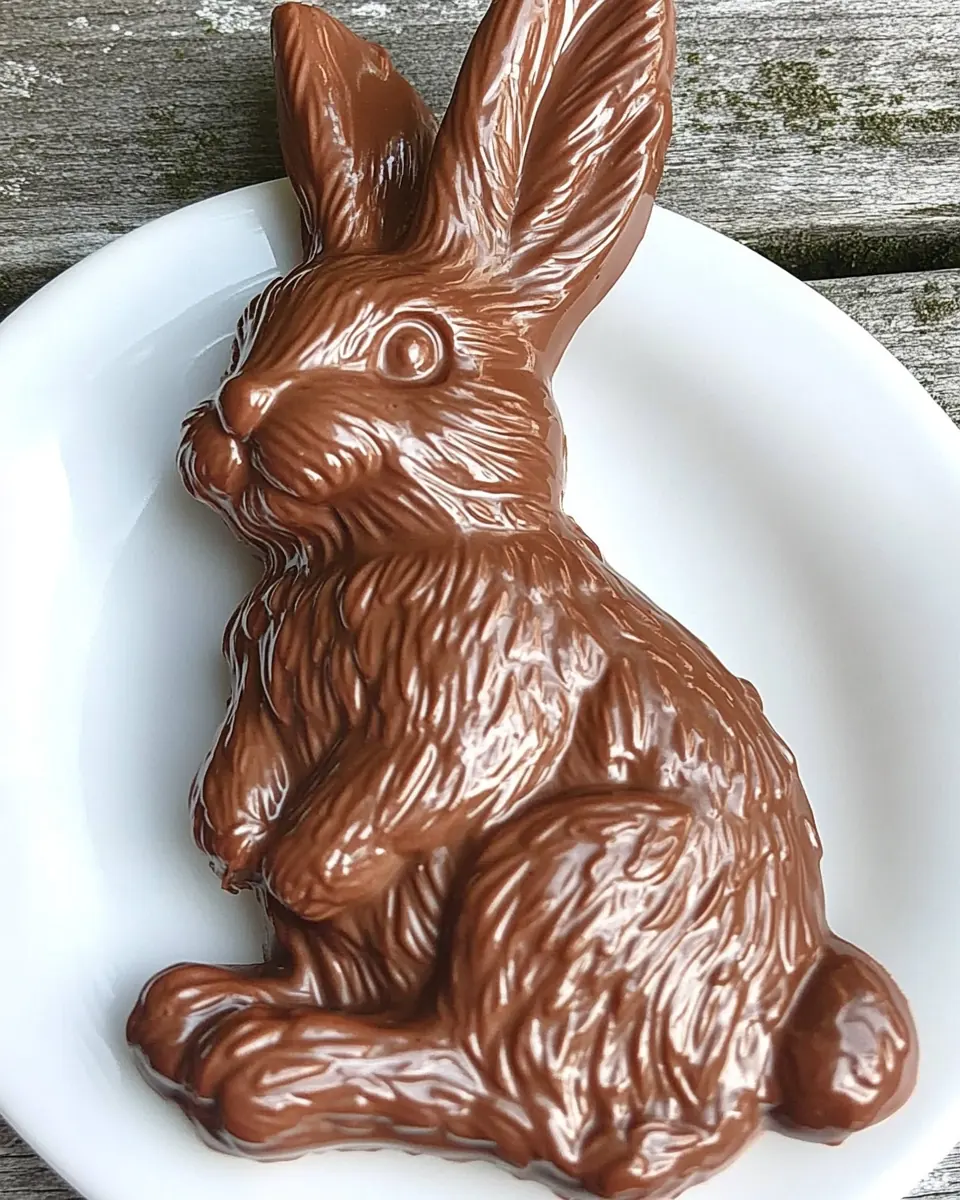
These pro tips come from many small experiments and a few happy accidents. They help you achieve consistent shine, clean release, and reliable texture for every How to Make a Chocolate Bunny.
- Measure precisely Use an accurate scale or measuring cup for the chocolate chips and shortening to maintain the correct flow and set characteristics.
- Low power melting Heat the mixture at 70 percent power, using short intervals to prevent burning and to preserve a sweet, rich aroma.
- Stir patiently Stirring until the mixture is uniformly glossy avoids graininess and creates a silken mouthfeel that makes the bunnies taste more refined.
- Mold maintenance Clean, dry molds yield the best results; any residue or moisture can cause imperfections in the finished shape.
- Temperature control Keep the kitchen cool and avoid drafts while the chocolate sets to minimize surface bloom and preserve sheen.
Serving This How to Make a Chocolate Bunny
These bunnies are versatile for springtime gatherings and make charming gifts. Serve them simply, or as part of a themed dessert spread for holidays like Easter.
- Gift packaging Wrap two to three bunnies in a clear bag with a ribbon for a pretty, handcrafted present for neighbors or party hosts.
- Party favors Arrange several on a small tray with pastel decorations for a seasonal table accent during brunch or a spring tea.
- Table setting Use a single bunny at each place to double as a favor and a decorative element, which guests can take home after the meal.
- Storage Keep finished bunnies in a cool, dry place in an airtight container for up to two weeks, avoiding the refrigerator which can cause condensation.
- Occasions These are ideal for spring celebrations, family gatherings, or as a small edible gift during Easter festivities.
- Serving tip Present them at room temperature so the texture is crisp and the flavor is more pronounced, rather than chilled and muted.
FAQ
Conclusion
What makes this recipe special is its simplicity and the satisfying, professional looking results you get from just two pantry ingredients. It is accessible enough for beginners yet rewarding in presentation, so whether you are making a small batch for a party or a few gifts, the process delivers pride worthy treats. Give it a try this spring or for Easter, and enjoy the ritual of melting, pouring, and revealing perfectly shaped bunnies to share with friends and family.
How to Make a Chocolate Bunny
Ingredients
Equipment
Method
- Place all ingredients into a microwave safe bowl with a pour spout for easy dispensing. Melt in microwave for 1 1/2 – 2 minutes at 70% power. Remove from microwave and stir until smooth.: As you add the measured chocolate chips and shortening to the bowl, notice the cool, slightly waxy surface of the chips and the faint cocoa aroma. The pour spout matters because melted chocolate flows quickly and you want control when filling molds; it reduces drips and makes for neater work. A common mistake at this point is using a bowl without enough room for stirring, which can cause hot spots when microwaving. Make sure the bowl is large enough to allow vigorous stirring without spills. Standing close, you can feel the subtle change in scent once stirring begins, from cocoa to that warm, toasty smell that tells you melting is underway.
- Pour chocolate into candy molds, repeating until molds are filled. Allow to sit in a level area until the chocolate has dried and hardened. Place into freezer for about 30 minutes to easily release from mold.: As the bowl goes into the microwave, set the power to a reduced level to avoid rapid overheating, which can scorch the chocolate chips . The sound is quiet, but when you pull the bowl out after the first minute and a half, the chips will look glossy around the edges and still retain some shape in the center. This is intentional, because residual heat finishes the job. A typical error is melting at full power, producing a bitter smell and grainy texture. Use short bursts if needed and be prepared to stop earlier if the chocolate looks soft and shiny at the edges.
- Remove from microwave and stir until smooth: The moment you take the bowl out you will see steam and a richer cocoa perfume. Stirring is where the remaining unmelted pieces emulsify into a satin finish. Use gentle, patient strokes, scraping the sides and bottom to incorporate any warm solids. The sound of the spoon moving and the sight of glossy ribbons forming are good indicators of completeness. If you skip vigorous stirring, you risk tiny unmelted bits that create a grainy mouthfeel. Stop when the chocolate is homogeneous and fluid, with no streaks or lumps.
- Pour chocolate into candy molds, repeating until molds are filled: When you tilt the bowl, the melted mixture should flow like warm syrup; that fluidity helps capture fine details in the molds. Pour slowly and tap the mold gently on the counter to dislodge air bubbles, which appear as small domes on the surface. If you see trapped air, a quick toothpick coaxing or a light tap will resolve it. A typical misstep is overfilling, which wastes chocolate and makes unmolding messy. Aim for even layers and clean edges by using the pour spout and wiping drips with a damp cloth between fills.
- Allow to sit in a level area until the chocolate has dried and hardened: As the molds rest, the surface will dull slightly and cool to the touch; that shift indicates the chocolate is crystallizing and setting. Choose a level, cool spot away from sunlight or drafts, because uneven temperature can cause streaky bloom. You want a slow, steady set for the best texture. Avoid nudging the molds prematurely, since movement can mar the surface or leave air pockets. Patience here pays off in crisp edges and a clean finish.
- Place into freezer for about 30 minutes to easily release from mold: The freezer delivers a brisk chill that contracts the chocolate away from the mold walls, producing that satisfying pop when you invert it. After thirty minutes the bunnies should release cleanly with little pressure, preserving delicate features. Pulling them too early is the main mistake, which results in broken or sticky pieces. When you press against the mold and hear a faint crack as they separate, you will know they are ready. Let them warm slightly at room temperature if they sweat after thawing, to avoid condensation on the surface.
Notes
- Measure precisely Use an accurate scale or measuring cup for the chocolate chips and shortening to maintain the correct flow and set characteristics.
- Low power melting Heat the mixture at 70 percent power, using short intervals to prevent burning and to preserve a sweet, rich aroma.
- Stir patiently Stirring until the mixture is uniformly glossy avoids graininess and creates a silken mouthfeel that makes the bunnies taste more refined.
- Mold maintenance Clean, dry molds yield the best results; any residue or moisture can cause imperfections in the finished shape.
- Temperature control Keep the kitchen cool and avoid drafts while the chocolate sets to minimize surface bloom and preserve sheen.