New Potatoes in a Garlic Cream Sauce
New Potatoes in a Garlic Cream Sauce is one of those simple, comforting dishes that makes weeknights feel a little more special. I remember the first time I cooked it for friends at a casual dinner, arriving late from the market with a bag of small, sun warmed tubers. I wanted something that felt homey but not fussy, and the gentle cream and bright dill did exactly that, turning humble new potatoes into something that felt celebratory.
There is something about the texture of boiled new potatoes still warm from the pot, their skins slightly tender, that pairs so well with a garlicky, silky cream sauce. I like to talk while I cook, stirring the sauce and letting the aroma of garlic and sautéed onion float through the kitchen. Guests inevitably hover, asking when they can taste it. It becomes more than a side, it becomes a little moment of joy.
I also love the adaptability of New Potatoes in a Garlic Cream Sauce. You can keep it straightforward and elegant for a Sunday supper, or warm and casual for a weekday meal. Every time I make it, the dish tells a different story depending on the potatoes and the herbs I find at the market. That evolving character is why this simple recipe keeps finding its way onto my table.
Recipe Snapshot
32 mins
15 mins
17 mins
Easy
250 kcal
American
Gluten-Free, Low FODMAP
Side Dishes
Pot, Skillet, Colander, Knife
The Magic of This New Potatoes in a Garlic Cream Sauce
Comforting, yet elegant
This recipe delivers on both cozy and refined notes. When I spoon the velvety cream over tender new potatoes, I get that satisfying mouth feel that comforts without weighing you down. The texture contrast between the soft potato interior and the slightly chewy skin makes every bite interesting. I often serve it when I want something approachable that still feels a touch elevated.
Fast and forgiving
One big reason I reach for New Potatoes in a Garlic Cream Sauce is how forgiving it is. Boiling new potatoes until fork tender takes only a short time, and the sauce comes together in minutes. If you overcook the potatoes slightly, they still hold up beautifully when tossed in the sauce. That flexibility makes it perfect when plans run late or when you are juggling other dishes.
Bold garlic and fresh herbs
I adore how a single pressed clove of garlic can perfume the entire pan while remaining mellow and creamy once it simmers with the cream. Fresh dill lifts the richness with an herby brightness that prevents the dish from feeling heavy. I often tell friends that the dill is the finishing note that transforms the sauce from nice to unforgettable.
Minimal ingredients, maximum impact
There is an honesty to this recipe that I appreciate. With just a few pantry staples like olive oil or butter, a small amount of onion, and a splash of cream, you get a dish that tastes like you spent much longer on it. The restrained ingredient list also makes the flavors clear and satisfying, which is what I strive for when cooking for guests or family.
Versatile for many occasions
I love serving this recipe at casual lunches, relaxed dinners, or holiday spreads where you need a reliable side. It pairs well with roasted proteins or a simple green salad, and it holds up well if you need to make it ahead and gently reheat. That kind of versatility is why this dish has become a staple in my rotation.
What’s In This New Potatoes in a Garlic Cream Sauce
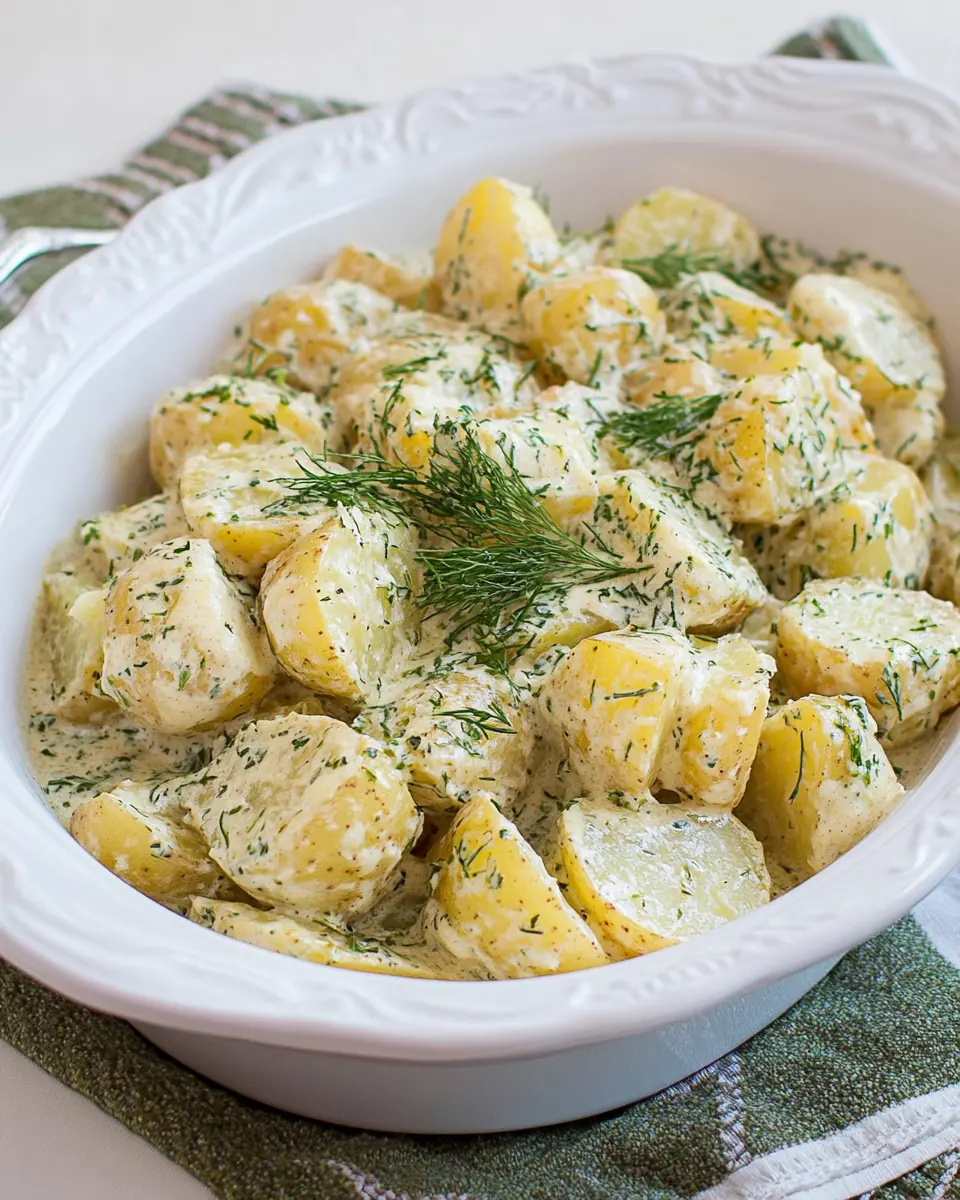
The philosophy behind these ingredients is simplicity with purpose. Each item plays a clear role: the new potatoes provide texture and mild sweetness, the cream creates a rich coating, while the garlic and onion build the aromatic backbone. A splash of olive oil or butter aids browning and flavor, and fresh dill brightens the whole plate. Together they balance richness, herbaceous lift, and satisfying starch.
- 2 lbs new potatoes: Boil until tender and provide the starchy base for the dish; new potatoes add a creamy, earthy texture when cooked and hold their shape well, making them ideal for soaking up the garlic cream sauce. Slice or halve uniformly to ensure even cooking and absorb flavors from the sauce effectively.
- 1/2 tbsp sea salt for boiling potatoes + 1/2 tsp more for seasoning the sauce: Season the boiling water and the sauce to enhance overall flavor; sea salt used during boiling seasons the potatoes throughout, while the additional half teaspoon balances the cream sauce. Dissolve fully in hot water for even distribution and adjust to taste at the end.
- 1 tbsp olive oil or butter: Sauté or melt to create a flavorful fat for cooking the aromatics; olive oil gives a fruity, lighter profile while butter contributes richness and a silky mouthfeel. Use the chosen fat to sweat the onion and bloom the garlic, which forms the flavor foundation of the sauce.
- 1/2 medium onion, finely diced: Sweat until softened and sweet to build a savory base; finely diced onion releases natural sugars and creates depth in the cream sauce without overpowering the garlic. Cook gently until translucent to avoid browning, which keeps the sauce smooth and balanced.
- 1 garlic clove, pressed: Press and briefly sauté to release pungent, aromatic flavor; a single pressed garlic clove provides bright, savory notes that infuse the cream without becoming harsh. Add near the end of sautéing the onion to prevent burning and to maximize flavor extraction.
- 3/4 cup heavy whipping cream: Simmer to form a rich, velvety sauce; heavy whipping cream creates the luxurious body that coats the potatoes and carries the garlic and dill flavors. Reduce gently over low heat to thicken slightly, stirring to prevent scorching and achieve a smooth consistency.
- 1/4 cup fresh dill, chopped: Chop and finish to add fresh, herbaceous brightness; fresh dill imparts a delicate anise-like flavor that lifts the richness of the cream and complements the potatoes. Stir in at the end off heat to preserve color and fragrance for a fresh, fragrant finish.
How to Prepare New Potatoes in a Garlic Cream Sauce
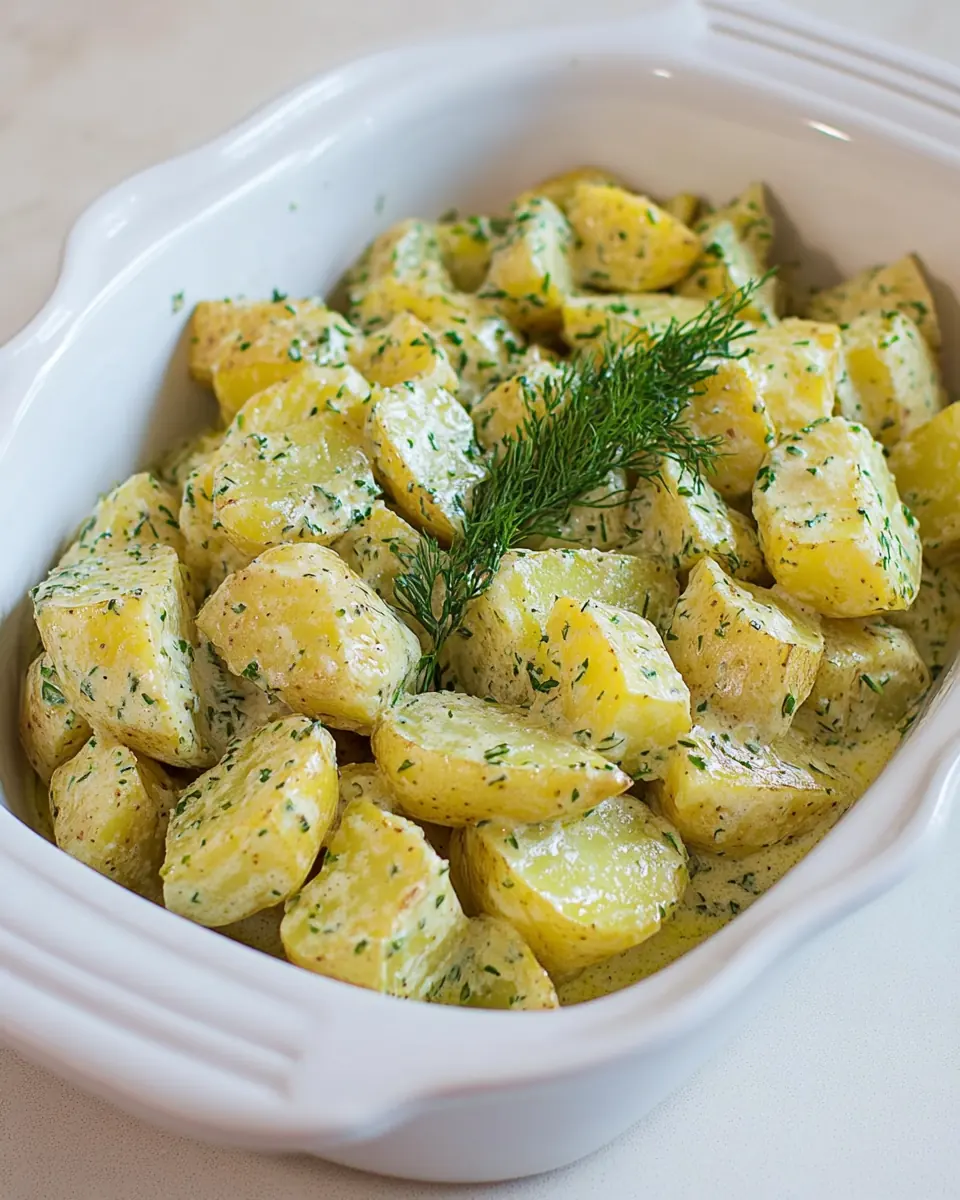
This method is straightforward and approachable, and I like to keep the rhythm relaxed. Start by cooking the new potatoes until tender, then build the sauce in a separate pan so each component gets focused attention. The step by step below expands on sensory cues and common pitfalls so you can feel confident at the stove.
- How to cook new potatoes:: Listen for the gentle shimmer of simmering water and watch the surface ripple as you heat the pot. Putting new potatoes into cold water and bringing it up together ensures even cooking. A reliable sign they are done is when a fork slides in with little resistance and the surface looks plump, not collapsed. Avoid rapid boils that batter the skins and cause split, falling apart pieces.
- Scrub each potato clean with a scouring pad (or the abrasive side of a dish sponge). New potatoes have a very thin skin. You don't have to scrub all of it off, just get at least half of it off.: You will feel the roughness of the skin yield as you scrub, and smelling the fresh earthiness is normal. Removing excess dirt keeps the skins pleasant to eat while preserving that thin, tender texture. If you scrub too vigorously you may remove too much skin, losing texture and appearance.
- Leave bite-sized potatoes whole and cut larger ones in halves or quarters so they are about 1" thick pieces. Place potatoes in a pot and cover with cold water. Bring to a boil, add 1/2 Tbsp salt and boil for 15-20 minutes or until easily pierced with a fork. Drain potatoes.: The visual cue here is evenly sized pieces bobbing gently in the pot, and the aroma of starchy water as it heats. Cutting to uniform roughly 1 inch pieces ensures consistent tenderness. Overcooking leads to mushy interiors, while undercooking gives a chalky center; test early to avoid either.
- In a separate pan, add 1 Tbsp olive oil. Add finely diced onion and sauté over medium heat until golden and soft. Add 1 pressed garlic clove and sauté another minute, stirring constantly. Add 3/4 cup heavy whipping cream and 1/2 tsp salt, or add salt to taste, bring to a boil and let simmer an additional 2 minutes. Stir in 1/4 cup chopped fresh dill then remove from heat and pour sauce over potatoes. Toss potatoes in sauce until evenly coated. Cover with lid to keep warm until ready to serve.: Warmth should kiss the pan and the oil should shimmer lightly, signaling it is ready. This oil cushions the onion as it softens and promotes gentle browning for sweet, caramelized notes. Heating too hot at this point will burn the aromatics, creating bitter off notes.
- Add finely diced onion and sauté over medium heat until golden and soft: You will hear a soft sizzle and see the edges of the onion turning translucent, then pale gold. This transformation builds natural sweetness and depth in the sauce. Stir occasionally to ensure even coloring, and avoid high heat which can cause uneven charring.
- Add 1 pressed garlic clove and sauté another minute, stirring constantly: The scent should shift, becoming warm and pungent but not sharp, a fragrant lift to the pan. Keep stirring so the small garlic pieces do not stick and brown, which makes them bitter. If you see dark flecks form, remove the pan from heat to cool slightly before continuing.
- Add 3/4 cup heavy whipping cream and 1/2 tsp salt, or add salt to taste, bring to a boil and let simmer an additional 2 minutes: The cream will hiss slightly as it hits the pan and then smooth into a glossy sauce; small, gentle bubbles along the edge indicate a proper simmer. Simmering concentrates and rounds the flavors, but letting it boil hard can cause separation. Reduce heat if you see the sauce breaking or sputtering.
- Stir in 1/4 cup chopped fresh dill then remove from heat and pour sauce over potatoes: The bright green flecks of dill will release a fresh, herbaceous perfume as you stir them in. Adding herbs off heat preserves their volatile aromatics and keeps their color vibrant. If you cook them too long the dill will fade to a duller tone and lose aroma.
- Toss potatoes in sauce until evenly coated: You should see each new potato glistening, the sauce clinging to nooks and skin. Toss gently so pieces keep their shape and the sauce distributes evenly. Over handling can break the potatoes and make the dish look mashed rather than composed.
- Cover with lid to keep warm until ready to serve: A soft steam will rise when you lift the lid, keeping the dish tender and melding flavors. Holding it briefly like this helps the sauce settle onto the potatoes. Avoid leaving it covered for too long, which can make the skins soggy and dilute the fresh herb aroma.
Ways to Customize
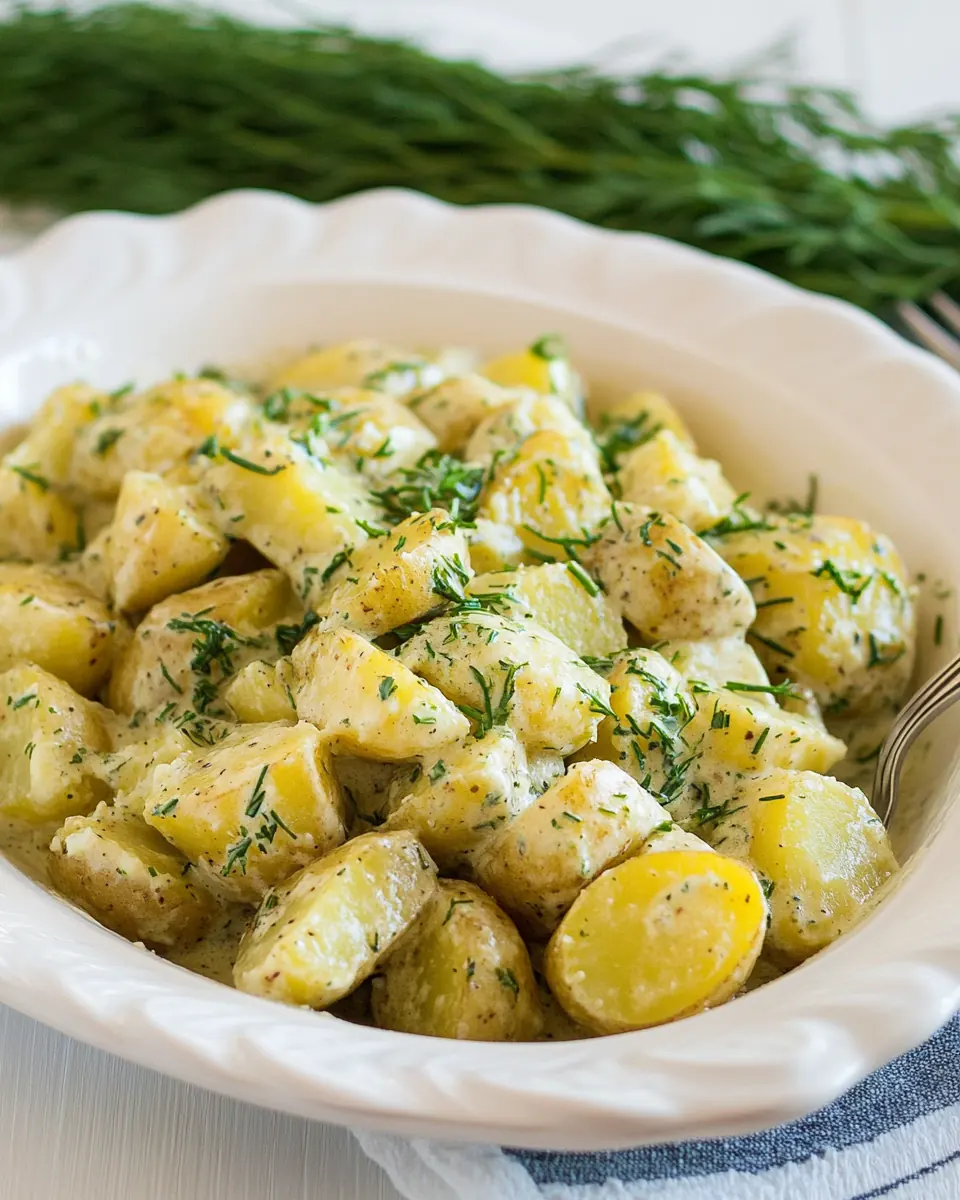
If you enjoy playing with small variations, this recipe is very accommodating. The list below highlights practical twists and small adjustments that let you nudge the flavor profile or texture while staying true to the core idea. Each tip starts with a short bold phrase so you can scan for ideas quickly.
- Choose your fat Swap between olive oil and butter to control richness. Olive oil gives a lighter, slightly fruity base while butter adds a silky, toasted flavor. If you prefer a middle ground, use half oil and half butter. Keep the pan at medium heat to avoid burning the dairy.
- Adjust creaminess Reduce or increase the amount of cream to change how glossy the sauce is. Less cream produces a thicker coating, while more creates a looser dressing for the potatoes. Simmer gently to concentrate without splitting the sauce.
- Control garlic intensity Pressing the garlic releases more pungency than slicing; if you want a gentler note, mince or lightly smash instead. Add the garlic later in the sauté to keep it bright. Avoid dark browning which can introduce bitterness.
- Herb swaps If you cannot find fresh dill, try substituting with a mild herb like chives for a green note, though the character will shift. Add the herb off heat to preserve aroma. Be careful with strong herbs which can overpower the delicate potato flavor.
- Finish with acid A tiny squeeze of lemon juice or a splash of vinegar at the end can brighten the sauce, balancing the cream. Add sparingly and taste as you go, because a little goes a long way.
- Make ahead You can cook the potatoes and sauce separately, then combine and gently reheat. When reheating, sauté in a pan to refresh the exterior texture rather than microwaving, which can soften skins too much.
What to Serve Alongside New Potatoes in a Garlic Cream Sauce
This dish works beautifully across meals and seasons. The introduction below guides your pairing choices, and the list that follows offers detailed serving ideas, suitable occasions, and storage suggestions to help you plan a full menu around these creamy, herb bright potatoes.
- Roasted or grilled proteins Pair with simply seasoned roasted chicken or grilled fish for a balanced plate. The creamy sauce complements lean proteins by providing moisture and richness. This combination is ideal for casual dinners when you want something satisfying but unfussy.
- Green salads Serve with a crisp green salad dressed with a light vinaigrette to cut through the richness of the sauce. The contrast in textures and acidity refreshes the palate and makes the meal feel lighter. This is a good choice for spring and summer lunches.
- Vegetable sides Consider steamed asparagus or sautéed green beans as bright, textural companions. Vegetables with a slight bite provide a pleasant contrast to the soft new potatoes. These pairings are excellent for holiday spreads or weekend gatherings.
- Occasions This recipe fits well for family dinners, potlucks, and festive meals where you need a reliable side. Its simple ingredient list makes it easy to scale up for a crowd. For relaxed get togethers, make it ahead and reheat gently just before serving.
- Storage tips Store leftovers in an airtight container in the refrigerator for up to three days. Reheat in a skillet with a touch of oil to regain a bit of texture on the potatoes and refresh the sauce. Avoid long storage which dulls the fresh herb aroma.
- Seasonal pairings In spring, lean toward lighter proteins and fresh greens to complement the bright dill. In cooler months, pair with roasted root vegetables and heartier mains for a cozier meal. Small adjustments can pivot the dish across seasons easily.
FAQ
Conclusion
This recipe stands out because it turns simple new potatoes into a silky, herb kissed side with minimal fuss. The balance of sautéed onion and pressed garlic, the richness of the cream, and the brightness of fresh dill make it comforting yet refined. Give it a try the next time you want a dependable, crowd pleasing side that feels special without a long list of ingredients. It is a recipe I return to again and again when I want something both homey and memorable.
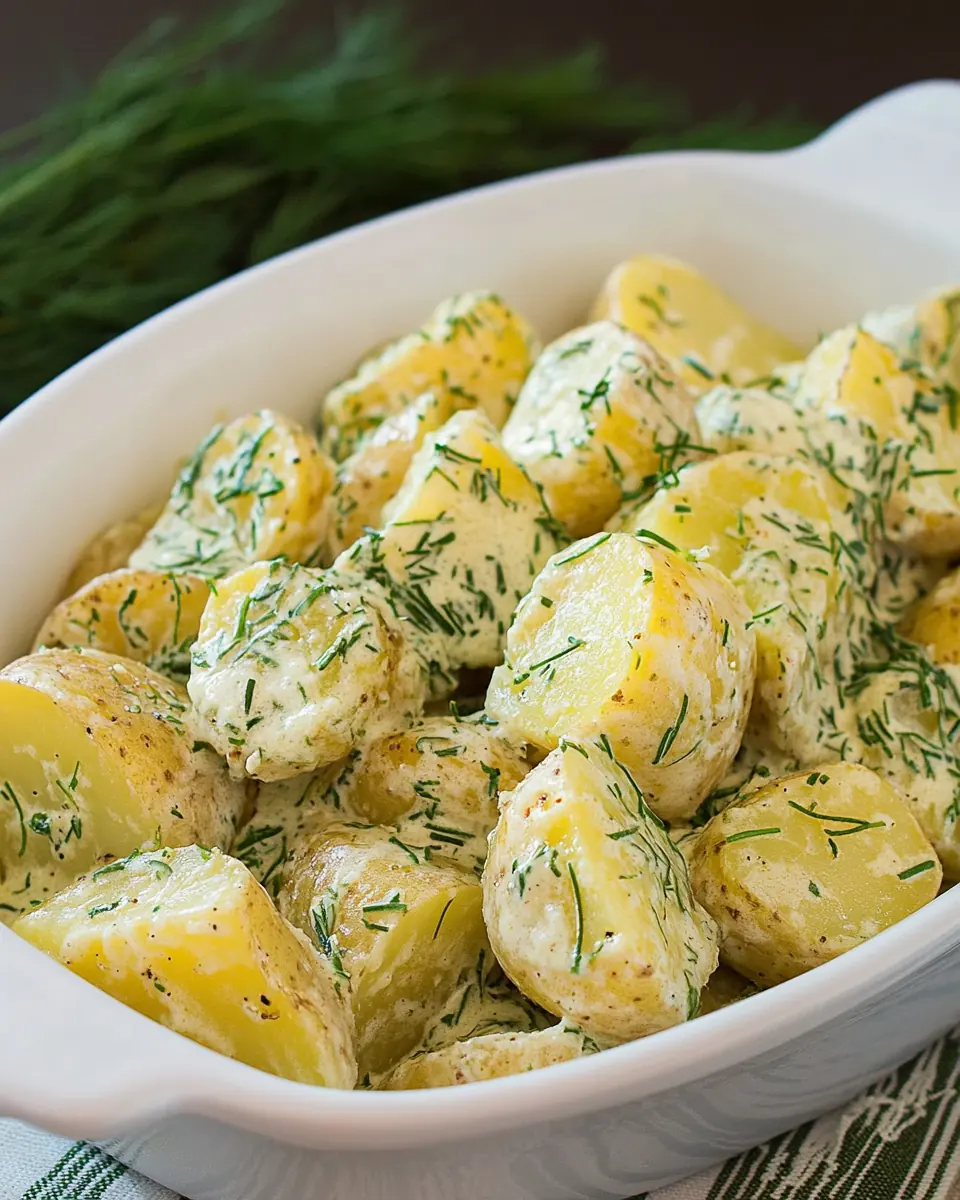
New Potatoes in a Garlic Cream Sauce
Ingredients
Equipment
Method
- How to cook new potatoes:: Listen for the gentle shimmer of simmering water and watch the surface ripple as you heat the pot. Putting new potatoes into cold water and bringing it up together ensures even cooking. A reliable sign they are done is when a fork slides in with little resistance and the surface looks plump, not collapsed. Avoid rapid boils that batter the skins and cause split, falling apart pieces.
- Scrub each potato clean with a scouring pad (or the abrasive side of a dish sponge). New potatoes have a very thin skin. You don't have to scrub all of it off, just get at least half of it off.: You will feel the roughness of the skin yield as you scrub, and smelling the fresh earthiness is normal. Removing excess dirt keeps the skins pleasant to eat while preserving that thin, tender texture. If you scrub too vigorously you may remove too much skin, losing texture and appearance.
- Leave bite-sized potatoes whole and cut larger ones in halves or quarters so they are about 1" thick pieces. Place potatoes in a pot and cover with cold water. Bring to a boil, add 1/2 Tbsp salt and boil for 15-20 minutes or until easily pierced with a fork. Drain potatoes.: The visual cue here is evenly sized pieces bobbing gently in the pot, and the aroma of starchy water as it heats. Cutting to uniform roughly 1 inch pieces ensures consistent tenderness. Overcooking leads to mushy interiors, while undercooking gives a chalky center; test early to avoid either.
- In a separate pan, add 1 Tbsp olive oil. Add finely diced onion and sauté over medium heat until golden and soft. Add 1 pressed garlic clove and sauté another minute, stirring constantly. Add 3/4 cup heavy whipping cream and 1/2 tsp salt, or add salt to taste, bring to a boil and let simmer an additional 2 minutes. Stir in 1/4 cup chopped fresh dill then remove from heat and pour sauce over potatoes. Toss potatoes in sauce until evenly coated. Cover with lid to keep warm until ready to serve.: Warmth should kiss the pan and the oil should shimmer lightly, signaling it is ready. This oil cushions the onion as it softens and promotes gentle browning for sweet, caramelized notes. Heating too hot at this point will burn the aromatics, creating bitter off notes.
- Add finely diced onion and sauté over medium heat until golden and soft: You will hear a soft sizzle and see the edges of the onion turning translucent, then pale gold. This transformation builds natural sweetness and depth in the sauce. Stir occasionally to ensure even coloring, and avoid high heat which can cause uneven charring.
- Add 1 pressed garlic clove and sauté another minute, stirring constantly: The scent should shift, becoming warm and pungent but not sharp, a fragrant lift to the pan. Keep stirring so the small garlic pieces do not stick and brown, which makes them bitter. If you see dark flecks form, remove the pan from heat to cool slightly before continuing.
- Add 3/4 cup heavy whipping cream and 1/2 tsp salt, or add salt to taste, bring to a boil and let simmer an additional 2 minutes: The cream will hiss slightly as it hits the pan and then smooth into a glossy sauce; small, gentle bubbles along the edge indicate a proper simmer. Simmering concentrates and rounds the flavors, but letting it boil hard can cause separation. Reduce heat if you see the sauce breaking or sputtering.
- Stir in 1/4 cup chopped fresh dill then remove from heat and pour sauce over potatoes: The bright green flecks of dill will release a fresh, herbaceous perfume as you stir them in. Adding herbs off heat preserves their volatile aromatics and keeps their color vibrant. If you cook them too long the dill will fade to a duller tone and lose aroma.
- Toss potatoes in sauce until evenly coated: You should see each new potato glistening, the sauce clinging to nooks and skin. Toss gently so pieces keep their shape and the sauce distributes evenly. Over handling can break the potatoes and make the dish look mashed rather than composed.
- Cover with lid to keep warm until ready to serve: A soft steam will rise when you lift the lid, keeping the dish tender and melding flavors. Holding it briefly like this helps the sauce settle onto the potatoes. Avoid leaving it covered for too long, which can make the skins soggy and dilute the fresh herb aroma.
Notes
- Choose your fat Swap between olive oil and butter to control richness. Olive oil gives a lighter, slightly fruity base while butter adds a silky, toasted flavor. If you prefer a middle ground, use half oil and half butter. Keep the pan at medium heat to avoid burning the dairy.
- Adjust creaminess Reduce or increase the amount of cream to change how glossy the sauce is. Less cream produces a thicker coating, while more creates a looser dressing for the potatoes. Simmer gently to concentrate without splitting the sauce.
- Control garlic intensity Pressing the garlic releases more pungency than slicing; if you want a gentler note, mince or lightly smash instead. Add the garlic later in the sauté to keep it bright. Avoid dark browning which can introduce bitterness.
- Herb swaps If you cannot find fresh dill, try substituting with a mild herb like chives for a green note, though the character will shift. Add the herb off heat to preserve aroma. Be careful with strong herbs which can overpower the delicate potato flavor.
- Finish with acid A tiny squeeze of lemon juice or a splash of vinegar at the end can brighten the sauce, balancing the cream. Add sparingly and taste as you go, because a little goes a long way.
- Make ahead You can cook the potatoes and sauce separately, then combine and gently reheat. When reheating, sauté in a pan to refresh the exterior texture rather than microwaving, which can soften skins too much.