Skillet Cauliflower Mac and Cheese
Skillet Cauliflower Mac and Cheese feels like the cozy weeknight supper I reach for when I want comfort without the heavy guilt that sometimes follows a creamy bowl.
One chilly evening last fall I remember coming home after a long day and craving something warm, cheesy, and a little clever. I had a head of cauliflower and a box of pasta tucked in the pantry, plus a couple of different cheese blocks begging to be shredded. I decided to marry them in a skillet so I could keep things simple and hands on. As the cauliflower hit the pan it began to hiss and caramelize, smelling faintly nutty while the pasta bubbled away. That night I learned how roasting the cauliflower right in the skillet and finishing everything under the oven heat made an irresistibly cozy crust.
Weeks later I make this when friends swing by, because it plates up like something special without requiring a lot of fuss. The moments stirring the silky sauce, folding in the shredded cheese, and sprinkling toasted panko over the top are oddly meditative. You get crunchy pockets, creamy rivers of cheese, and pieces of tender caramelized cauliflower that keep every bite interesting. I love that it’s adaptable; swap the pasta shape, shred your own cheese, or double the panko for extra crunch. And the skillet method keeps cleanup sane, which I always appreciate after a long day in the kitchen.
Recipe Snapshot
35 mins
25 mins
10 mins
Easy
400 kcal
American
Gluten-Free, Low FODMAP
Dinner
Large pot, Large high sided non stick skillet, Whisk, Small bowl, Oven
Why This Skillet Cauliflower Mac and Cheese Works
Comfort without heaviness
I fell for Skillet Cauliflower Mac and Cheese because it delivers that classic creamy, cheesy hug we all crave, yet the cauliflower lightens the overall feel. The roasted florets add body and a tender bite that makes the dish feel more balanced than a purely dairy heavy bake.
Textural contrast that sings
Toasted panko adds a crunchy top that plays beautifully against the silky, cheesy sauce. I love how every forkful alternates between crisp, bubbling, and smooth, keeping things exciting with each mouthful.
One skillet simplicity
Working mostly in a single large, high sided skillet keeps things streamlined. I appreciate how the method reduces dishes and lets the cauliflower pick up those toasty pan flavors before it even meets the pasta and cheese.
Make ahead and feed a crowd
This recipe scales well, and because it bakes briefly at the end, it reheats beautifully. I often make it for casual dinners, because it holds up in the oven and still tastes freshly made after a short reheat.
Technique-forward comfort
There are a few small techniques, like toasting the panko and resting the sauce until it thickens, that elevate the outcome. I love recipes that reward small attentions with big flavor improvements, and this one does exactly that.
Ingredients to Make Skillet Cauliflower Mac and Cheese
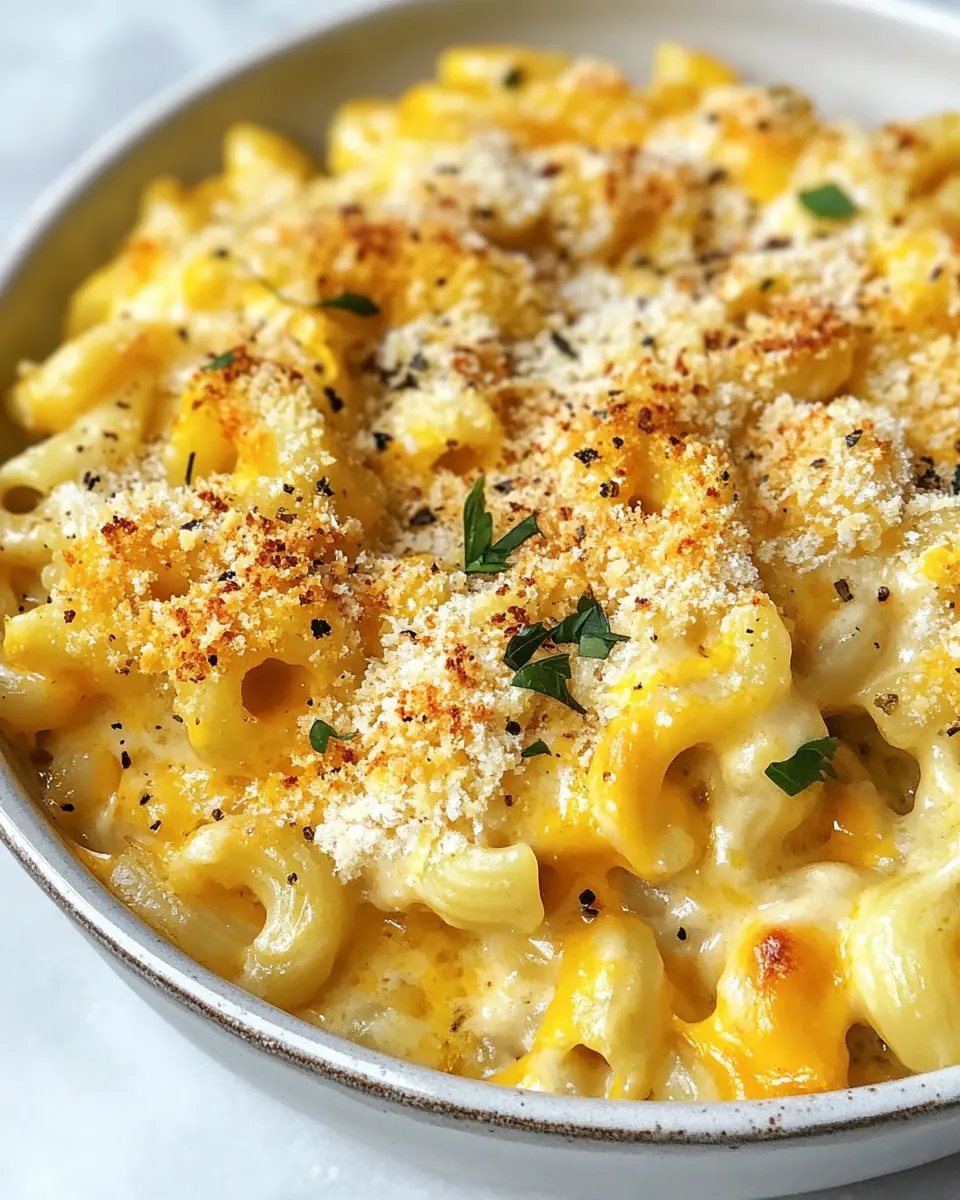
These ingredients are intentionally straightforward, built to create a harmonious balance of creamy, toasty, and savory flavors. The star players are the cauliflower and the two kinds of cheese, while the pasta provides the comforting vehicle. The butter and flour form a classic roux that, combined with whole milk, creates a luscious sauce that clings to every nook of the shells. Toasted panko gives the finishing crunch that makes each bite sing.
- 1 pound pasta, I used large shells, but you could use elbows, rotini or capatappi: Cook thoroughly and provide the starchy base that absorbs sauce and carries flavors; choose large shells, elbows, rotini, or capatappi to trap cheese in pockets and maintain bite when mixed with cauliflower.
- 9 tablespoons butter: Melt evenly and add rich creaminess to the sauce while also assisting in browning for a glossy finish; use the full amount to balance the milk and cheeses for a silky texture.
- 1/4 cup panko breadcrumbs: Crisp lightly and contribute a crunchy topping that contrasts the creamy interior; toss with melted butter and seasoning to create golden, textured crumbs when broiled or baked briefly.
- 1/2 teaspoon garlic salt: Season subtly and add a mild, savory garlic-salty note that enhances overall flavor without overpowering; adjust to taste to complement both the cheese and cauliflower.
- 2 cloves garlic, pressed or minced: Infuse aromatically and provide fresh pungent garlic flavor that brightens the cheese sauce; press or mince finely so it distributes evenly and mellows when cooked.
- 1 1/2 pound cauliflower, cut into 1/2-inch florets and roughly chopped into smaller pieces: Steam or roast until tender and add a mild, slightly sweet vegetable component that bulkens the dish while keeping it lighter than all-cheese versions; cut into small florets so it softens quickly and blends with pasta.
- 1/4 cup all-purpose flour: Thicken reliably and help create a smooth béchamel base by cooking with butter before adding milk; whisk in evenly to avoid lumps and yield a creamy sauce.
- 1/2 teaspoon kosher salt: Balance flavors and enhance the natural taste of cheese and cauliflower while helping control overall seasoning; use kosher salt to bring out depth without bitterness.
- 1/4 teaspoon white pepper: Season delicately and contribute a subtle peppery heat that complements the cheeses without dominating; white pepper keeps the sauce visually uniform while adding warmth.
- 3 cups whole milk: Heat gently and supply the liquid foundation for the béchamel, lending creaminess and helping dissolve the flour for a smooth, velvety sauce; use whole milk for richness and mouthfeel.
- 3 cups Cache Valley Dairy Colby and Monterey Jack cheese, shredded: Melt smoothly and add a blend of mild, creamy, and slightly tangy flavors that create a gooey, elastic cheese pull; shred finely to incorporate quickly into the sauce for consistent melting.
- 2 cups Cache Valley Dairy Medium Cheddar Cheese, shredded: Melt richly and supply a sharp, classic cheddar flavor that deepens the overall cheesiness while contributing structure and color; shred so it combines evenly for a cohesive, cheesy sauce.
Step by Step Instructions for Skillet Cauliflower Mac and Cheese
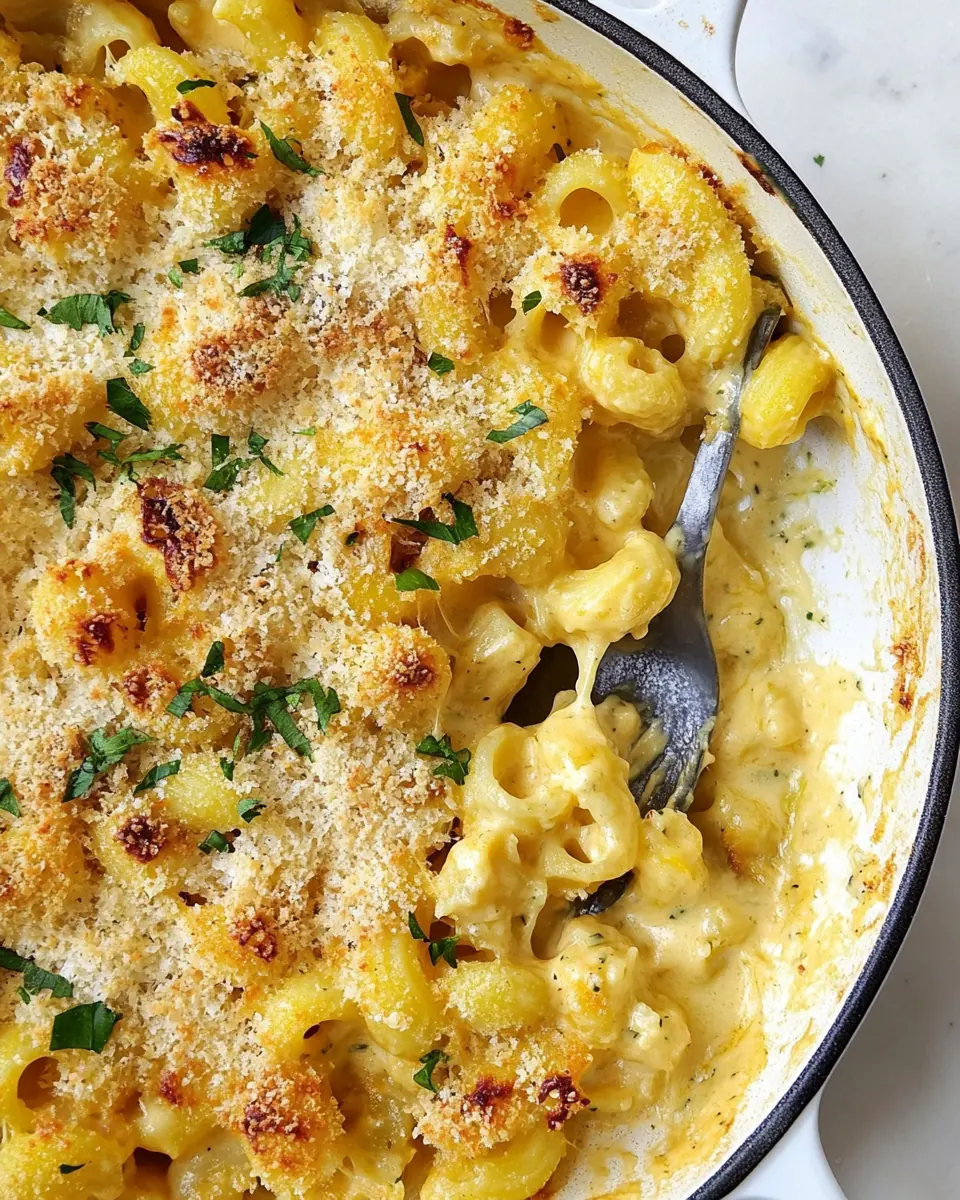
I like to move through these steps with a relaxed, attentive pace, because that’s where the magic happens. The method is approachable, but small timing and texture cues matter a lot. Keep a wooden spoon and a thermometer handy, and taste as you go so you can catch small errors early.
- Preheat the oven to 400° F. Bring a large pot of water to a boil, season generously with kosher salt and cook the pasta just until al dente. Drain and place back in the pot or into a large bowl.: When the water first hits a rolling boil you will smell the mineral tang from the salted pot, and the rhythm of a gentle boil signals it's ready for the pasta . The steam rising will fog your glasses if you wear them, and when you add the pasta you should hear vigorous bubbling that settles into a steady simmer. Cooking to al dente means the pasta will be slightly firm to the bite, which is crucial so it does not become mushy once mixed with the hot sauce and baked. Overcooking here is a common mistake, so set a timer for a minute or two less than the package suggests and taste a piece for the correct chew. After draining, rinsing is unnecessary, as you want the sauce to cling to the warmed surface, but toss the drained pasta with a small pat of butter if it looks sticky to prevent clumping.
- While pasta is cooking, in a large, high-sided non-stick skillet over medium high heat, melt 1 tablespoon of butter and add the panko breadcrumbs. Season with the garlic salt and stir the breadcrumbs often until golden, toasted and fragrant. Transfer immediately to a small bowl and set aside.: As the butter liquifies it will foam slightly and carry the aroma of toasted fat. Add the panko and you should hear a gentle sizzle as the crumbs begin to brown; the scent will shift to a warm, toasty note in less than a minute. Stir constantly so the crumbs brown evenly and avoid burning, because burnt crumbs turn bitter quickly. Once golden, transfer them right away to stop carryover cooking. A frequent error is to leave the crumbs in the pan, which will continue to darken; move them to a cool bowl to preserve their perfect color and crunch.
- To roast the cauliflower, in the same skillet, melt 3 tablespoons of butter. Add the garlic and cook for 30 seconds or until fragrant. Add the cauliflower to the pan, reduce the heat to medium and cook for 5 minutes, stirring occasionally, and add 1/4 cup water. Cook for another 5-7 minutes or until the cauliflower is softened and caramelized. Season with kosher salt and freshly ground black pepper, then add to the pasta.: When the butter melts for this step, it will smell rich and inviting; the pressed garlic will bloom immediately releasing a sharp, savory perfume. As the cauliflower hits the pan, it should hiss softly, and the first few minutes will be about coaxing a light char and browning on the florets. Adding the splash of water helps create steam that softens the centers while the edges continue to caramelize. Keep the heat at medium so you get those brown edges without burning the garlic . You will know it's done when the florets have a tender bite and golden spots appear, with a nutty aroma rising. A common pitfall is stirring too often, which prevents browning; let the pieces sit for short intervals so they can color properly before turning.
- To prepare the cheese sauce, wipe the skillet clean and melt the remaining butter in the same skillet over medium heat. Add the flour and whisk to combine, cooking for about 3-4 minutes, until the flour mixture becomes light brown in color. Add the milk while whisking and cook for about 5-8 minutes or until the sauce thickens and coats the back of a spoon, whisking often.: As you start the roux, the raw flour smell will vanish and be replaced by a toasty, nutty scent as the mixture takes on a light brown hue. Whisk constantly to create a lump free base, and when you add the cold or room temperature milk , pour slowly while whisking to emulsify. The sauce will move from thin and glossy to slowly thickening; look for a velvety texture that coats a spoon, leaving a visible line when you run your finger across it. If the sauce is too thin, simmer a touch longer, but if it gets too thick, temper in a splash more milk . A frequent error is rushing and adding cold milk too quickly which can cause lumps, so pour gradually and keep whisking.
- Once the sauce has thickened, turn off the heat and stir in the cheeses until melted. Pour over the pasta and cauliflower and stir to combine, getting the cheese in all of the nooks and crannys of the pasta. Transfer the mac and cheese mixture back to the skillet and sprinkle with the toasted panko crumbs. Bake in the oven for about 5-10 minutes, tenting the top with aluminum foil if the panko crumbs start to become too browned, and serve.: The residual heat will melt the shredded cheese into a glossy, rich sauce; you will notice a smooth sheen and the scent of warm cheese filling the kitchen. Stir gently so the sauce thoroughly coats the pasta and envelopes the roasted cauliflower ; aim to tuck the sauce into shell cavities so each bite is saucy. If the sauce cools and becomes slightly thick before spreading, return the skillet to very low heat for a moment while stirring to loosen it up. A common mistake is overheating which can cause the cheese to separate, so turn the heat off before adding the shredded cheese and rely on residual warmth to finish melting.
- Bake in the oven for about 5-10 minutes, tenting the top with aluminum foil if the panko crumbs start to become too browned, and serve.: Sliding the skillet into a preheated oven will coax the sauce to bubble at the edges and the panko to toast further, creating an appealing contrast of textures. Watch the top closely; you want the crumbs golden and the edges of the sauce to show small bubbling points. The aroma of browned cheese and crisped crumbs will be unmistakable, warm, and inviting. If the top edges brown faster than the center, tent loosely with foil to prevent overbrowning while the center finishes. A misstep here is leaving it too long which dries the sauce; aim for a short bake just to meld flavors and finish the texture, then let it rest a few minutes before serving so the sauce sets slightly.
Customization Ideas
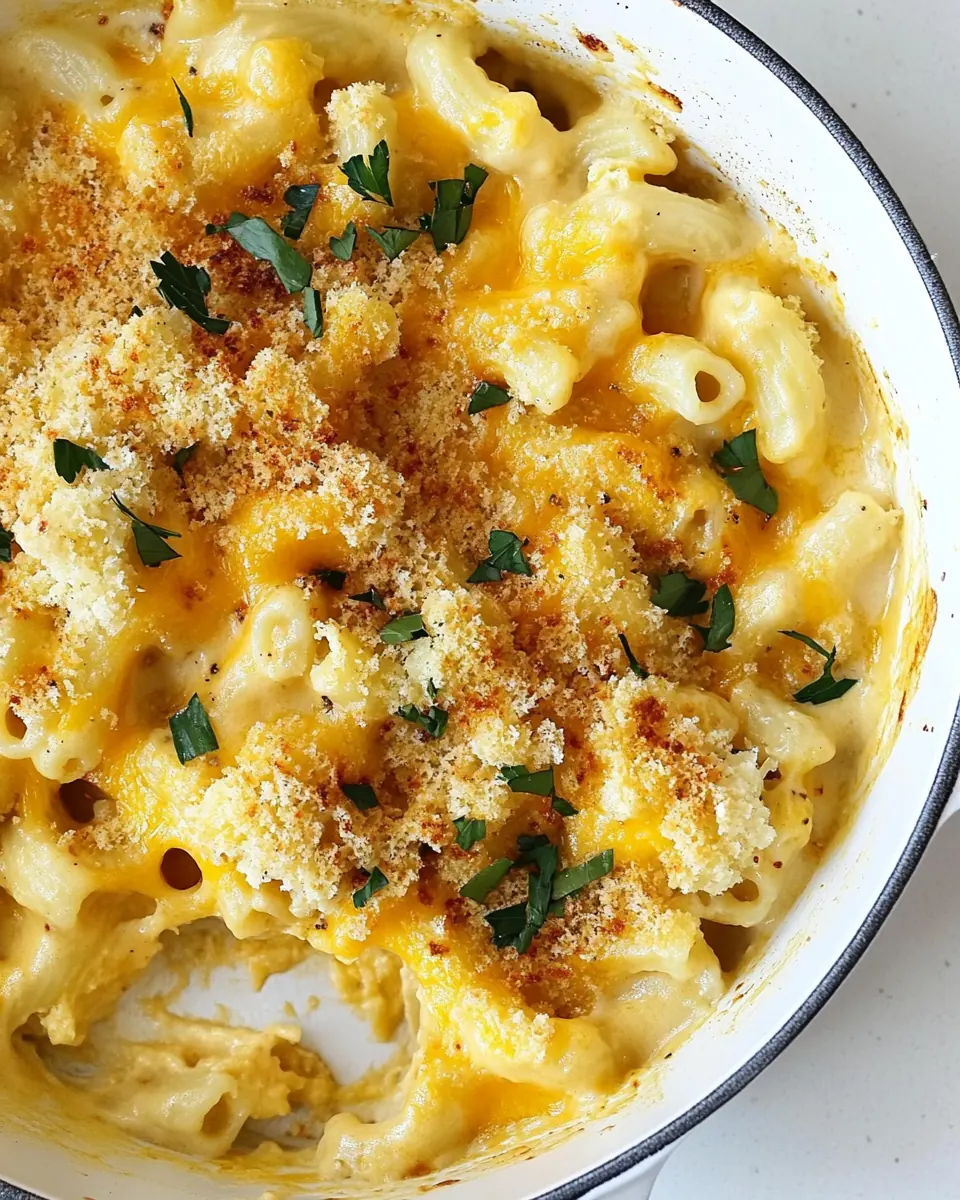
This recipe adapts nicely to small tweaks that boost texture and flavor. Below I expand the note about shredding cheese into practical tips and additions so you can personalize the dish while keeping the core technique intact.
- Shred your own cheese: Buy blocks of cheese and shred them fresh to avoid the cornstarch coating found in pre shredded varieties which can prevent a silky melt, ensuring a smoother sauce and better mouthfeel.
- Swap pasta shapes carefully: If you choose a different pasta shape, pick one with pockets or ridges like rotini or cavatappi to trap sauce; adjust boiling time to maintain al dente texture so the bake does not produce mushy results.
- Boost crunch: Double the amount of toasted panko or add a handful of finely chopped nuts mixed with the crumbs for an extra contrasting texture; toast slowly so they do not burn and turn bitter.
- Adjust seasoning at the end: Taste the assembled mac before baking and add a pinch more kosher salt or white pepper if needed, because cheeses can vary in saltiness and it is easier to correct at this stage.
- Make it ahead: Assemble the dish and keep covered in the refrigerator for up to a day, then bake straight from cold, adding a few extra minutes of oven time until it bubbles and the top crisps.
Serving Options for Skillet Cauliflower Mac and Cheese
This dish is versatile and works well for cozy family dinners, casual gatherings, or as a hearty side. Below I outline serving ideas, pairings, and storage suggestions to help you present it beautifully and keep leftovers tasting great.
- Family dinner centerpiece: Serve the skillet straight from the oven placed on a trivet in the center of the table, letting everyone scoop their portion. The communal presentation keeps the meal relaxed and homey.
- Casual gatherings: Offer bowls of pickled vegetables or a crisp green salad on the side to cut through the richness. The acidity from a simple dressed salad brightens each bite.
- Lunch idea: Plate smaller portions with a wedge of lemon and a side of steamed greens for a lighter midday option that still feels indulgent.
- Ramadan or special occasions: Prepare it as a comforting side for Iftar, pairing with protein rich mains and fresh vegetables to create a balanced spread that is satisfying after fasting.
- Storing leftovers: Cool completely and refrigerate in an airtight container for up to three days. Reheat in the oven at low heat, covered, to maintain creaminess, or warm single servings in the microwave and then finish under the broiler briefly if you want the top crisped.
- Seasonal pairing: In fall, pair with roasted root vegetables and an apple fennel salad; the sweet earthiness complements the savory cheese sauce and roasted cauliflower.
FAQ
Conclusion
Skillet Cauliflower Mac and Cheese stands out because it balances creamy melted cheese with roasted vegetable texture and a crunchy breadcrumb finish. The skillet method keeps things approachable while coaxing extra flavor from the cauliflower and giving you a fast, cozy meal the family will love. Try it on a weeknight when you want something comforting yet a little lighter than the traditional bake, and enjoy how simple techniques deliver satisfying results.
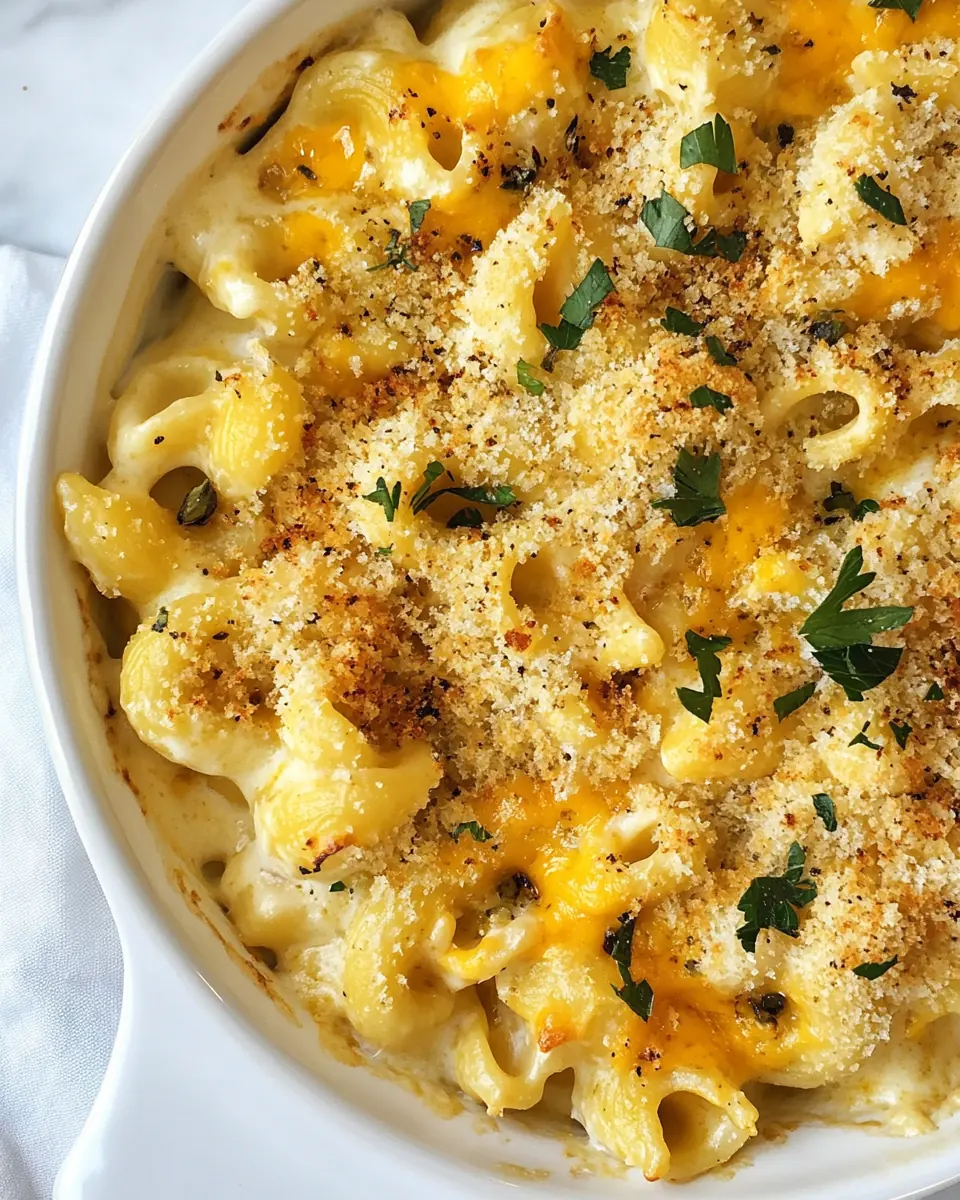
Skillet Cauliflower Mac and Cheese
Ingredients
Equipment
Method
- Preheat the oven to 400° F. Bring a large pot of water to a boil, season generously with kosher salt and cook the pasta just until al dente. Drain and place back in the pot or into a large bowl.: When the water first hits a rolling boil you will smell the mineral tang from the salted pot, and the rhythm of a gentle boil signals it's ready for the pasta . The steam rising will fog your glasses if you wear them, and when you add the pasta you should hear vigorous bubbling that settles into a steady simmer. Cooking to al dente means the pasta will be slightly firm to the bite, which is crucial so it does not become mushy once mixed with the hot sauce and baked. Overcooking here is a common mistake, so set a timer for a minute or two less than the package suggests and taste a piece for the correct chew. After draining, rinsing is unnecessary, as you want the sauce to cling to the warmed surface, but toss the drained pasta with a small pat of butter if it looks sticky to prevent clumping.
- While pasta is cooking, in a large, high-sided non-stick skillet over medium high heat, melt 1 tablespoon of butter and add the panko breadcrumbs. Season with the garlic salt and stir the breadcrumbs often until golden, toasted and fragrant. Transfer immediately to a small bowl and set aside.: As the butter liquifies it will foam slightly and carry the aroma of toasted fat. Add the panko and you should hear a gentle sizzle as the crumbs begin to brown; the scent will shift to a warm, toasty note in less than a minute. Stir constantly so the crumbs brown evenly and avoid burning, because burnt crumbs turn bitter quickly. Once golden, transfer them right away to stop carryover cooking. A frequent error is to leave the crumbs in the pan, which will continue to darken; move them to a cool bowl to preserve their perfect color and crunch.
- To roast the cauliflower, in the same skillet, melt 3 tablespoons of butter. Add the garlic and cook for 30 seconds or until fragrant. Add the cauliflower to the pan, reduce the heat to medium and cook for 5 minutes, stirring occasionally, and add 1/4 cup water. Cook for another 5-7 minutes or until the cauliflower is softened and caramelized. Season with kosher salt and freshly ground black pepper, then add to the pasta.: When the butter melts for this step, it will smell rich and inviting; the pressed garlic will bloom immediately releasing a sharp, savory perfume. As the cauliflower hits the pan, it should hiss softly, and the first few minutes will be about coaxing a light char and browning on the florets. Adding the splash of water helps create steam that softens the centers while the edges continue to caramelize. Keep the heat at medium so you get those brown edges without burning the garlic . You will know it's done when the florets have a tender bite and golden spots appear, with a nutty aroma rising. A common pitfall is stirring too often, which prevents browning; let the pieces sit for short intervals so they can color properly before turning.
- To prepare the cheese sauce, wipe the skillet clean and melt the remaining butter in the same skillet over medium heat. Add the flour and whisk to combine, cooking for about 3-4 minutes, until the flour mixture becomes light brown in color. Add the milk while whisking and cook for about 5-8 minutes or until the sauce thickens and coats the back of a spoon, whisking often.: As you start the roux, the raw flour smell will vanish and be replaced by a toasty, nutty scent as the mixture takes on a light brown hue. Whisk constantly to create a lump free base, and when you add the cold or room temperature milk , pour slowly while whisking to emulsify. The sauce will move from thin and glossy to slowly thickening; look for a velvety texture that coats a spoon, leaving a visible line when you run your finger across it. If the sauce is too thin, simmer a touch longer, but if it gets too thick, temper in a splash more milk . A frequent error is rushing and adding cold milk too quickly which can cause lumps, so pour gradually and keep whisking.
- Once the sauce has thickened, turn off the heat and stir in the cheeses until melted. Pour over the pasta and cauliflower and stir to combine, getting the cheese in all of the nooks and crannys of the pasta. Transfer the mac and cheese mixture back to the skillet and sprinkle with the toasted panko crumbs. Bake in the oven for about 5-10 minutes, tenting the top with aluminum foil if the panko crumbs start to become too browned, and serve.: The residual heat will melt the shredded cheese into a glossy, rich sauce; you will notice a smooth sheen and the scent of warm cheese filling the kitchen. Stir gently so the sauce thoroughly coats the pasta and envelopes the roasted cauliflower ; aim to tuck the sauce into shell cavities so each bite is saucy. If the sauce cools and becomes slightly thick before spreading, return the skillet to very low heat for a moment while stirring to loosen it up. A common mistake is overheating which can cause the cheese to separate, so turn the heat off before adding the shredded cheese and rely on residual warmth to finish melting.
- Bake in the oven for about 5-10 minutes, tenting the top with aluminum foil if the panko crumbs start to become too browned, and serve.: Sliding the skillet into a preheated oven will coax the sauce to bubble at the edges and the panko to toast further, creating an appealing contrast of textures. Watch the top closely; you want the crumbs golden and the edges of the sauce to show small bubbling points. The aroma of browned cheese and crisped crumbs will be unmistakable, warm, and inviting. If the top edges brown faster than the center, tent loosely with foil to prevent overbrowning while the center finishes. A misstep here is leaving it too long which dries the sauce; aim for a short bake just to meld flavors and finish the texture, then let it rest a few minutes before serving so the sauce sets slightly.
Notes
- Shred your own cheese: Buy blocks of cheese and shred them fresh to avoid the cornstarch coating found in pre shredded varieties which can prevent a silky melt, ensuring a smoother sauce and better mouthfeel.
- Swap pasta shapes carefully: If you choose a different pasta shape, pick one with pockets or ridges like rotini or cavatappi to trap sauce; adjust boiling time to maintain al dente texture so the bake does not produce mushy results.
- Boost crunch: Double the amount of toasted panko or add a handful of finely chopped nuts mixed with the crumbs for an extra contrasting texture; toast slowly so they do not burn and turn bitter.
- Adjust seasoning at the end: Taste the assembled mac before baking and add a pinch more kosher salt or white pepper if needed, because cheeses can vary in saltiness and it is easier to correct at this stage.
- Make it ahead: Assemble the dish and keep covered in the refrigerator for up to a day, then bake straight from cold, adding a few extra minutes of oven time until it bubbles and the top crisps.