Frittata
Frittata has been my go to for mornings when I want something that feels composed but actually takes very little fuss.
One rainy Saturday I found a pile of neglected vegetables in the fridge and decided to turn them into a single pan that would feed friends and keep well for lunches. The way the aromas changed as the vegetables roasted, then mingled with the warm egg custard, reminded me why I reach for a skillet or baking pan on busy days. It felt like comfort without ceremony, a satisfying balance of texture and flavor that still looks impressive when I slide a slice onto a plate.
Over time I’ve learned a few small rituals that make the difference between an okay frittata and a great one. Letting roasted vegetables cool a bit before they meet the eggs, using a blend of cheeses for melt and tang, and giving the finished bake a short rest before slicing all add up to better texture and cleaner slices. I also appreciate that Frittata adapts to what you have on hand, so it becomes almost a signature of whatever season you’re cooking in.
Recipe Snapshot
1 hr 25 mins
20 mins
65 mins
Medium
300 kcal
American
Gluten-Free, Keto
Breakfast
8 x 8-inch baking pan, Parchment paper, Large sheet pan (15″ x 21″)
Why This Frittata Stands Out
Roasted vegetables bring depth
I love roasting the sweet potatoes, red bell pepper, and broccoli because it concentrates their flavors and adds subtle char notes that a raw sauté cannot replicate. The caramelized edges deliver a contrast to the creamy egg custard, and I often find that this change in texture is what elevates the dish for guests.
Custardy, not rubbery
The egg and heavy cream ratio is tuned to give a tender, almost custard like interior. I prefer this because it yields slices that hold together but remain soft and silky. This balance keeps the frittata from becoming dry, and it makes for excellent leftovers.
Cheese for melt and flavor
Using a mix of Cheddar cheese, Swiss cheese, and Parmesan cheese gives me a spectrum of melting behavior and taste. Sharp Cheddar delivers boldness, Swiss adds creaminess, and Parmesan provides nutty salty notes on top. Together they form a comfortable, layered cheese experience.
Make ahead and portion easily
I appreciate that Frittata keeps well in the fridge for a few days and slices into neat pieces for packed lunches. That practicality means you can roast and assemble ahead, then finish in the oven when you need to serve. It saves time and reduces stress on busy mornings.
Flexible but reliable technique
The method is straightforward, so it’s approachable for cooks at every level. Roast the vegetables with a light seasoning, whisk the eggs and cream until smooth, fold in most of the vegetables and cheeses, then bake until set. This predictability makes it a reliable recipe to revisit whenever you want a crowd pleasing, easy meal.
Ingredients Required for Frittata
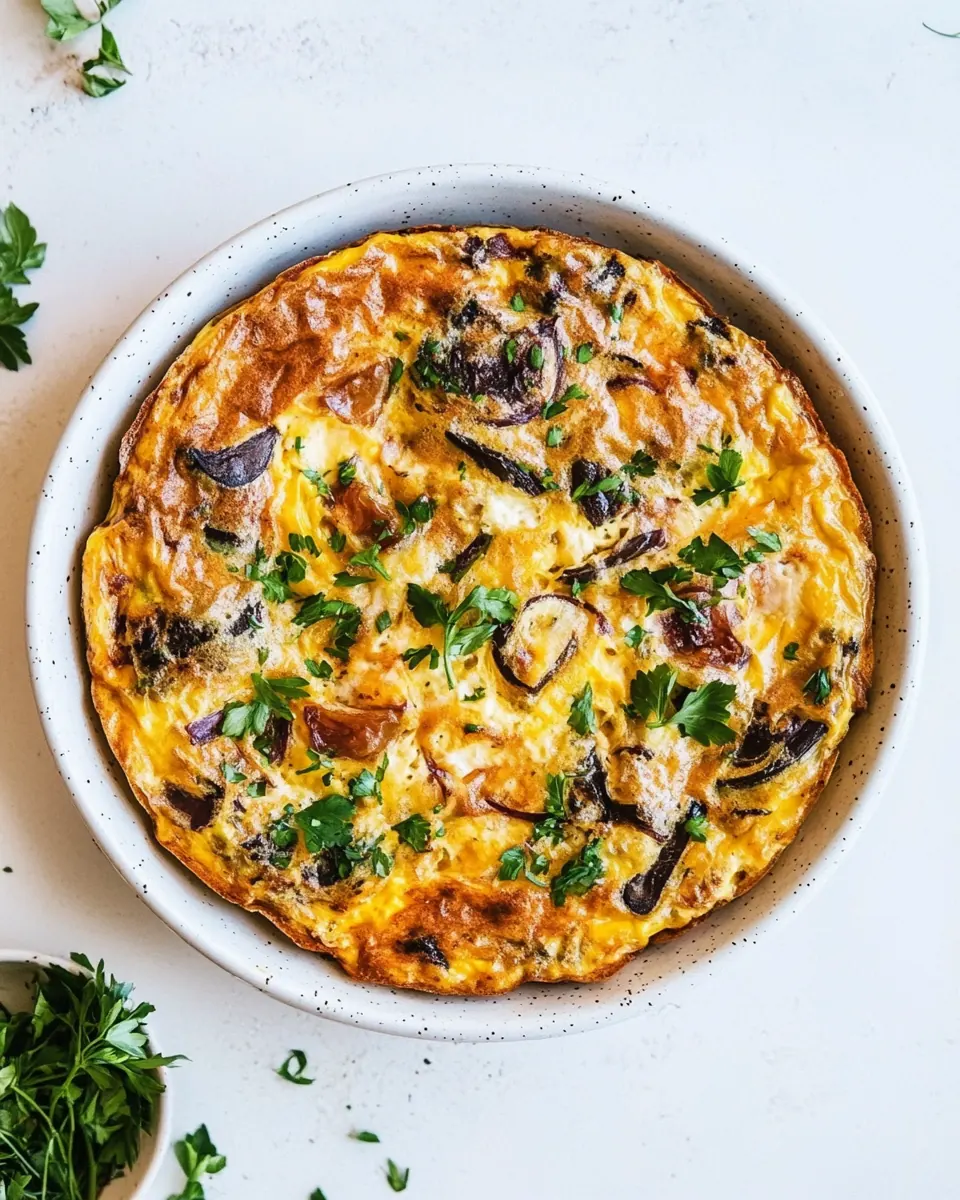
These ingredients are chosen to create a harmony of texture and flavor. The roasted sweet potatoes add natural sweetness and body, while the red bell pepper and broccoli provide brightness and slight crunch. The combination of Cheddar cheese, Swiss cheese, and Parmesan cheese ensures a layered, silky melt when combined with the egg and heavy cream. Small seasonings like garlic powder and onion powder round out the savory profile.
- Cooking spray: Coat the cooking surface lightly to prevent sticking and ensure even browning when baking or finishing the frittata; a quick spray creates a nonstick layer without added calories. Use sparingly to avoid pooling and to help delicate eggs release cleanly from the pan once set.
- 3 cups chopped sweet potatoes about 2 potatoes: Provide hearty body and natural sweetness by supplying bulk and texture; chopped sweet potatoes turn tender in the oven and lend a pleasant contrast to eggs. Roast or sauté beforehand to concentrate flavors and ensure they are fully cooked through in the finished frittata.
- 1 large red bell pepper thinly sliced to strips: Add bright color and a mild, sweet pepper flavor while contributing crisp texture when lightly sautéed; thinly sliced strips distribute evenly throughout the frittata. Remove seeds and membranes for a fresher, less bitter note, and cook until just softened to maintain structure.
- 2 cups chopped broccoli about 2 florets: Bring earthy flavor, vibrant color, and a tender bite when chopped florets are pre-steamed or sautéed; broccoli adds nutritional density and pairs well with cheeses and eggs. Cook briefly before combining to avoid excess moisture and to ensure even doneness in the frittata.
- 2 tablespoons olive oil: Provide a rich, fruity base for sautéing vegetables and creating flavor depth; olive oil helps transfer heat and prevents sticking while adding subtle Mediterranean notes. Use moderate heat to avoid burning and maintain the oil's aroma during vegetable prep.
- 1/2 teaspoon garlic powder: Impart concentrated savory garlic flavor without the texture of fresh cloves; garlic powder blends smoothly into the egg mixture and seasonings. Add during cooking or to the egg base for consistent, mild garlic presence throughout the frittata.
- 1/2 teaspoon onion powder: Introduce a mellow aromatic onion flavor in powdered form that dissolves evenly into the mixture; onion powder enhances overall savory balance without requiring fresh sautéing. Use lightly to avoid overpowering delicate cheeses and eggs.
- 1 1/2 teaspoons Italian seasoning: Contribute a fragrant blend of herbs that complements vegetables and cheeses; Italian seasoning brings oregano, basil, and thyme notes for a classic savory profile. Sprinkle into the egg mixture to distribute herbal flavor evenly across the frittata.
- Salt and pepper: Season to taste with salt and pepper to enhance all other flavors and control overall seasoning balance; salt draws out sweetness from vegetables while pepper adds gentle heat and complexity. Adjust carefully, especially if using salty cheeses, to avoid over-salting the finished dish.
- 4 large eggs: Form the rich, protein-rich base that sets into a custardy texture when baked; large eggs bind ingredients and provide structure to the frittata. Beat until homogeneous to ensure even cooking and a uniform, silky interior.
- 1 1/3 cups heavy cream: Contribute creaminess and help create a silky, custard-like texture when combined with eggs; heavy cream adds richness and helps the frittata set tenderly. Whisk thoroughly with eggs to produce a smooth custard that yields a moist finished product.
- 1 cup sharp Cheddar cheese see note 1: Deliver sharp, tangy, and melty cheese flavor that adds depth and a robust cheesy bite; sharp Cheddar contributes color and a pronounced savory note. Grate fresh for best melting properties and scatter evenly to promote gooey pockets throughout.
- 1 cup Swiss cheese or more Cheddar: Add mild, nutty, and melty character that complements sharper cheeses while providing a smooth, creamy mouthfeel; Swiss cheese blends well with both eggs and vegetables. Use as an alternative or alongside Cheddar to balance sharpness with mellow, buttery flavor.
- 1/3 cup freshly grated Parmesan cheese or feta cheese: Provide salty, umami-rich finishing flavor and a slightly granular texture when freshly grated; Parmesan or feta offers a bright savory accent. Sprinkle over the top or fold in sparingly to add tang and enhance overall complexity.
Cooking Method for Frittata
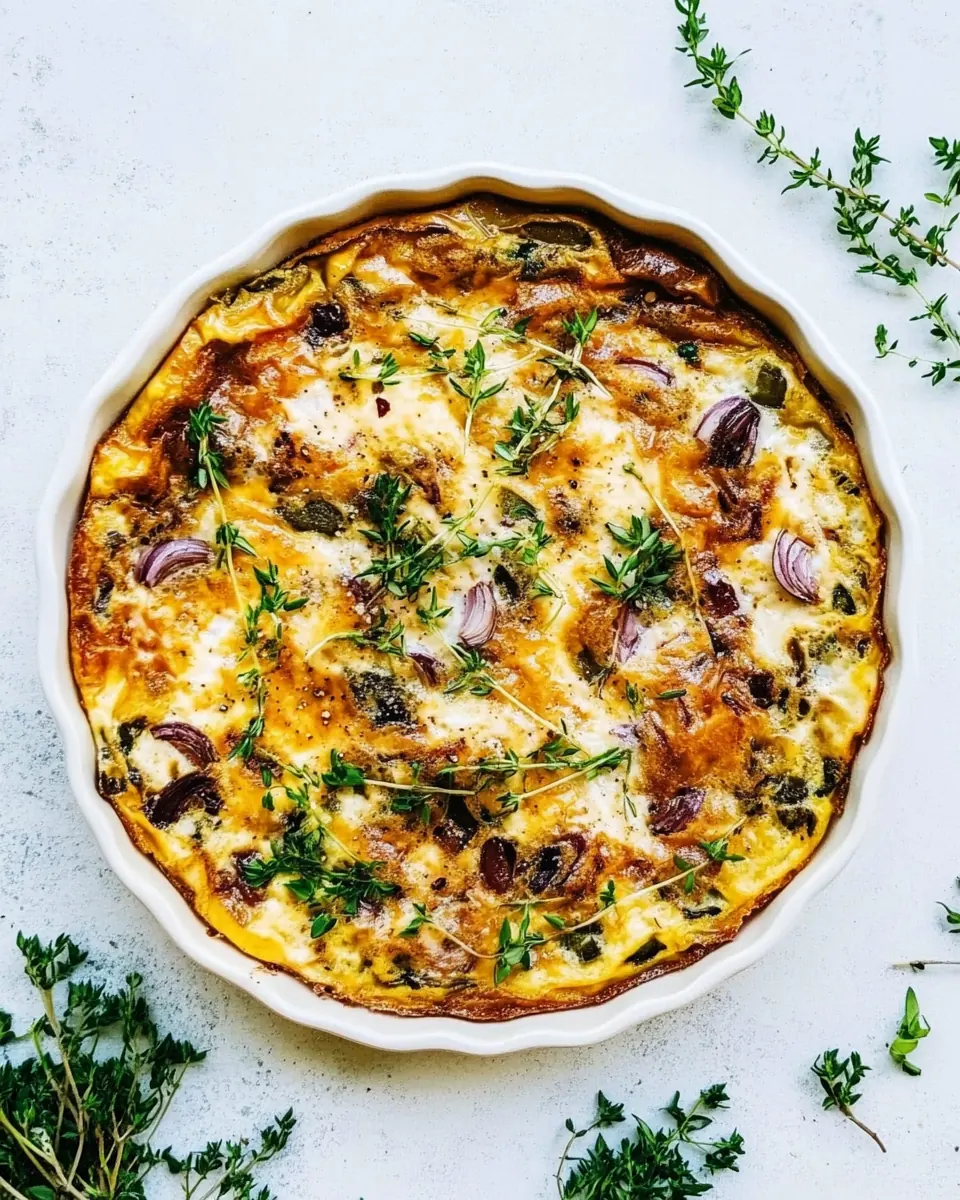
Working through these steps feels like a gentle rhythm of roasting, mixing, and baking. The aim is to coax layered flavors and a custardy texture while keeping the process relaxed and manageable.
- Preheat oven to 425°F. Peel and cut sweet potatoes to 3/4-inch thick pieces. Thinly slice red pepper into strips. Chop broccoli into bite-size pieces (~3/4 inch). Lightly spray an 8×8-inch baking pan with cooking spray and line with parchment paper, leaving some as an overhang for easy removal.: Warmth fills the kitchen and you should smell a faint ozone like warmth when the oven reaches temperature, indicating it is ready. Ensuring the oven is fully preheated matters because it helps the vegetables begin to roast immediately, creating caramelized edges instead of steaming. A common mistake is putting vegetables into an oven that is still heating which leads to uneven browning and limp texture. If your oven racks are cold, the sheet pan may not roast evenly, so preheat with the rack in the position you will use.
- Add veggies onto an extra-large (15×21-inch) sheet pan. (The veggies need to have plenty of room so they’ll roast, not steam.) Add the oil, garlic powder, onion powder, Italian seasoning, plus salt and pepper to taste. (I add 3/4 tsp salt and 1/2 tsp pepper). Toss vegetables well to coat and spread out as much as possible in an even layer. Roast for 20–25 minutes (undisturbed) or until tender and nicely charred. Remove and let slightly cool. Once you remove veggies, reduce oven temp to 350°F.: As you chop, notice the firm, dense texture of the sweet potatoes , which will soften and sweeten as they roast. Uniform 3/4 inch pieces ensure even cooking and predictable tenderness. Cutting inconsistently can lead to some pieces being raw while others are overdone, so take a moment to match sizes. A tip is to slice a test piece and roast separately to confirm timing if your potatoes are unusually thick.
- In a large bowl, whisk together eggs, heavy cream, plus 3/4 teaspoon each of salt and pepper. Briskly whisk until smooth.: The thin strips will blister and get tender quickly in the high heat, releasing sweet aromatic notes that mingle with roasted starches. Slicing evenly matters because thinner strips can char too fast while thicker strips may remain undercooked. Avoid overcrowding the pan which causes steaming rather than the dry heat roast you want.
- Add 2/3 of slightly cooled vegetables into the prepared 8×8 pan. Add Cheddar cheese, then pour the egg mixture over of everything. Add Swiss cheese then remaining vegetables on top in an even layer. Tap the pan on a counter to even everything out. Sprinkle Parmesan evenly over the top.: Snapping florets into similar sized pieces gives you a satisfying bite that crisps at the edges while staying tender inside. During roasting the broccoli releases a green, slightly sulfurous scent which mellows to a pleasant roasted aroma. If florets are left too large they may remain tough, so aim for uniformity with the other vegetables.
- Bake 37–42 minutes or until the center is set and jiggles only slightly. Remove from oven and let cool for 5–10 minutes before using the paper overhang to lift it out of pan and onto a cutting board to cut and serve.: The parchment overhang will become your lifeline when lifting the finished Frittata from the pan, and the spray helps the paper sit flat. This step prevents sticking and keeps the edges intact when you remove the bake. Skipping the overhang makes removal fiddly and risks breaking the frittata when slicing.
- Add veggies onto an extra-large (15×21-inch) sheet pan: When you spread the sweet potatoes , red bell pepper , and broccoli across a roomy sheet pan they develop direct contact with hot metal which encourages browning. Hear the faint sizzle as they hit the hot pan, that sound translates to flavor. If vegetables are crowded they steam and lose those toasty notes, so give them space to breathe.
- Add the oil, garlic powder, onion powder, Italian seasoning, plus salt and pepper to taste: The aroma of the oil carrying the dried spices will bloom quickly, coating each vegetable with flavor. Tossing ensures even seasoning and that each piece receives some fat for browning. Too little oil causes uneven char, while too much makes the vegetables greasy. Season in layers to control the final saltiness.
- Toss vegetables well to coat and spread out as much as possible in an even layer: You should see a glossy sheen on the vegetables and hear a subtle separation as they spread on the pan, ensuring direct contact for even roasting. An even single layer is crucial, because piled vegetables will steam and soften rather than develop the desired color and texture. If pieces stick together, use a spatula to separate them before roasting.
- Roast for 20 to 25 minutes or until tender and nicely charred: During roasting the kitchen will fill with a toasty sweet smell as the sweet potatoes caramelize and the peppers blister, that is the moment to watch for when edges turn golden to deep brown. The visual cue of charred tips indicates the right time to remove them, and a fork should slide into a potato piece easily. Avoid opening the oven repeatedly which reduces heat and lengthens the roast time.
- Remove and let slightly cool: Cooling a bit before combining with the eggs prevents the custard from cooking prematurely and becoming grainy, and you will notice the temperature drop as steam dissipates. Letting them cool also concentrates the roast flavors so they stand up in the final bake. If you skip this the residual heat can scramble the eggs on contact and change the texture.
- Once you remove veggies, reduce oven temp to 350°F: Lowering the oven temperature creates a gentler environment for the eggs to set evenly without overbrowning the top. The shift from high to moderate heat ensures the center cooks through while the surface develops a light crust. Forgetting to lower the temp can lead to a frittata that is browned on top but undercooked in the middle.
- In a large bowl, whisk together eggs, heavy cream, plus 3/4 teaspoon each of salt and pepper: As you whisk, the mixture should become smooth and slightly frothy, reflecting air incorporated into the custard which yields a tender finish. The smell will be fresh and rich with dairy, signaling the creation of your base. Under whisking can leave streaks of yolk and white, while over beating may introduce too much air, creating bubbles that collapse during baking.
- Briskly whisk until smooth: The texture should be homogenous and glossy, with no visible separation between yolk and white, setting the stage for an even bake. This smoothness helps the egg mixture envelop the vegetables and cheeses for consistent mouthfeel. If lumps exist, strain the mixture to avoid dense pockets in the bake.
- Add 2/3 of slightly cooled vegetables into the prepared 8×8 pan: Spreading the bulk of the roasted vegetables in the pan first creates a flavorful base layer and ensures each bite includes vegetable pieces. You will see a mosaic of colors and smell the roasted aromas rise as the warm vegetables meet the cool egg mixture. Overcrowding the pan with vegetables can prevent the eggs from surrounding each piece properly, so keep a balance.
- Add Cheddar cheese then pour the egg mixture over of everything: The sharp Cheddar cheese will begin to soften and meld when the warm vegetables meet it, and pouring the custard will fold those flavors together. Listen for a soft settling sound as the liquid fills gaps, and watch it level out across the pan. Pouring too quickly can shift the vegetables unevenly, so pour steadily to maintain distribution.
- Add Swiss cheese then remaining vegetables on top in an even layer: Placing the milder Swiss cheese and the reserved vegetables on top creates attractive color contrast and pockets of melty cheese near the surface. This layering helps produce a pleasing slice with distributed textural interest. Packing the top too densely may inhibit even baking and prevent the center from setting fully.
- Tap the pan on a counter to even everything out: The small percussion helps trapped air escape and allows the custard to settle around the vegetables and cheeses, yielding a more uniform interior. You should see the surface level and any bubbles rise and pop at the edges. If you skip this, pockets of air can create holes and uneven texture in the finished slices.
- Sprinkle Parmesan evenly over the top: The finely grated Parmesan cheese forms a savory crust that browns slightly and adds a finishing saltiness to the surface. When baked, it becomes aromatic and toasty, contributing a pleasant contrast. Using pre grated canned Parmesan can result in a powdery finish that does not meld, so fresh grated is preferable.
- Bake 37 to 42 minutes or until the center is set and jiggles only slightly: You will see the edges pull away slightly from the parchment and the center will have a gentle wobble, not liquid, when done. The aroma will be rich and toasty with hints of roasted vegetables and browned cheese. Overbaking will dry the custard, while underbaking leaves the center runny, so use the jiggle test to judge doneness accurately.
- Remove from oven and let cool for 5 to 10 minutes before using the paper overhang to lift it out of pan and onto a cutting board to cut and serve: During the rest the custard finishes setting and the slices hold their shape better, and you will notice steam subside and the texture firm slightly. Using the parchment overhang preserves the edges and makes slicing clean and simple. Cutting too soon risks breaking the pieces apart while they are still fragile.
Expert Tips about Frittata
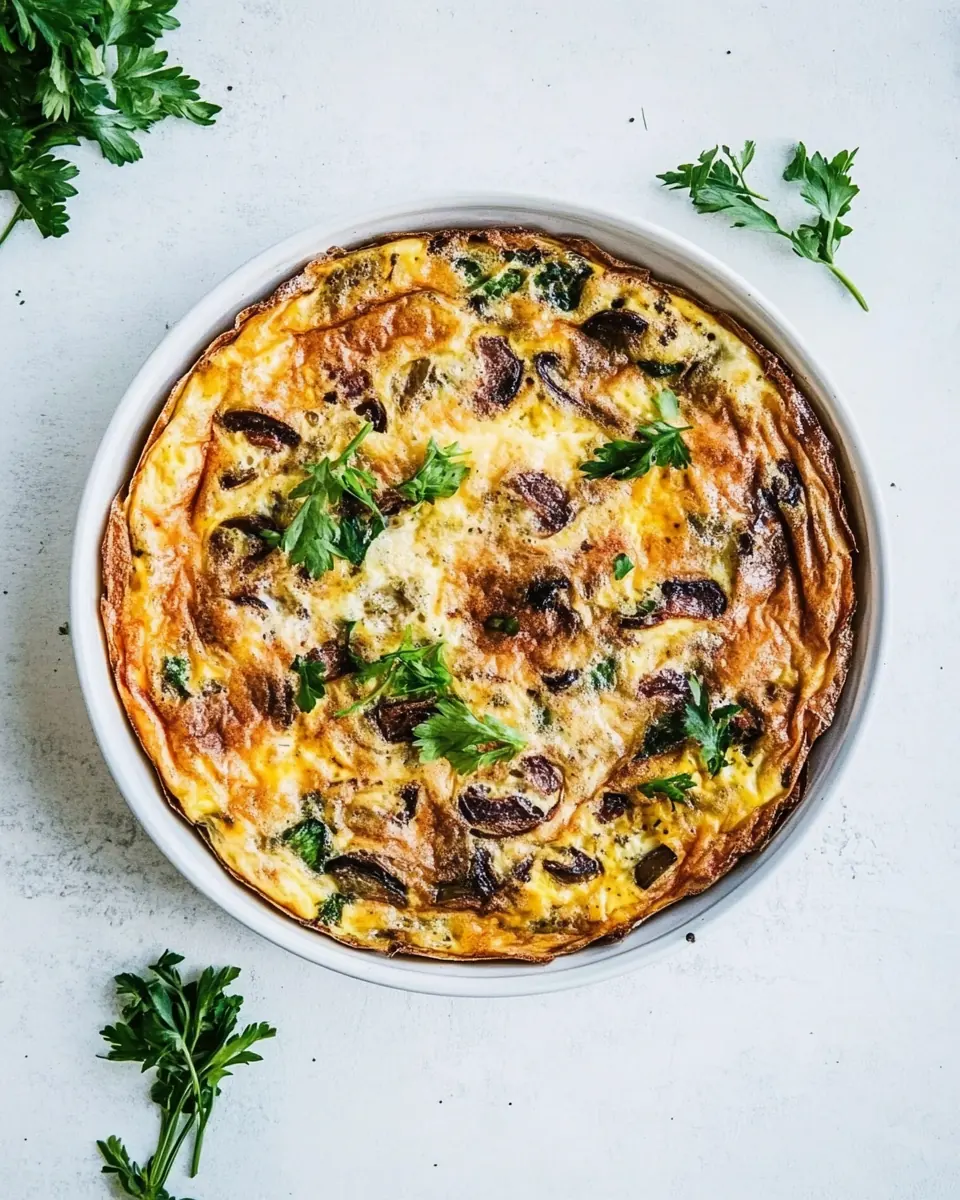
I like to think of tips as small habits that deliver consistent results. The following suggestions focus on timing, texture, and easy prep strategies to make your Frittata shine every time.
- Use room temperature eggs to ensure a smoother custard; cold eggs can tighten during mixing and lead to an uneven bake.
- Don’t overcrowd the roasting pan so vegetables brown properly, which builds the roasted flavor that defines this frittata.
- Grate cheese from blocks because freshly grated cheeses melt more evenly and improve the texture compared with pre shredded varieties.
- Let the bake rest for 5 to 10 minutes after removing from the oven so the center finishes setting and slices cleanly without crumbling.
- Adjust salt in stages by seasoning during roasting and tasting the egg mixture before baking to avoid over salting, especially with salty cheeses like Parmesan.
- Store slices properly by placing them on a rack to cool briefly before wrapping to prevent sogginess; refrigerate for three to five days or freeze for longer storage.
Serving Options for Frittata
I treat serving as the final flourish, and the right accompaniments can make the meal feel intentional. Here are ideas for different occasions and practical storage tips to keep leftovers enjoyable.
- For brunch: Serve warm slices alongside a simple green salad dressed with lemon and olive oil to balance the richness of the Frittata.
- For lunch: Pack slices with a crisp vegetable slaw for contrast, and include a small container of dressing to keep textures fresh.
- For dinner: Present the frittata with roasted root vegetables or a grain salad for a heartier plate that satisfies without fuss.
- During Ramadan or special gatherings: Offer slices as part of a spread with olives and fresh herbs so guests can graze; the make ahead nature makes it easy to prepare in advance.
- Storage tips: Cool on a wire rack, then remove parchment to avoid sogginess before refrigerating; store in an airtight container for three to five days or freeze slices for up to three months.
- Seasonal pairings: In cooler months, pair with warm roasted roots, and in warmer months serve with bright seasonal salads to complement the custardy texture.
FAQ
Conclusion
This Frittata shines because it balances roasted vegetable depth with a creamy egg custard and layered cheeses for melt and flavor. Give it a try when you want a dish that is both effortless and impressive, whether for a relaxed brunch or a make ahead dinner. It adapts to what you have, stores well, and slices into neat portions for easy serving, making it one of my reliable kitchen go to recipes that simplifies meal planning while still delivering great taste.
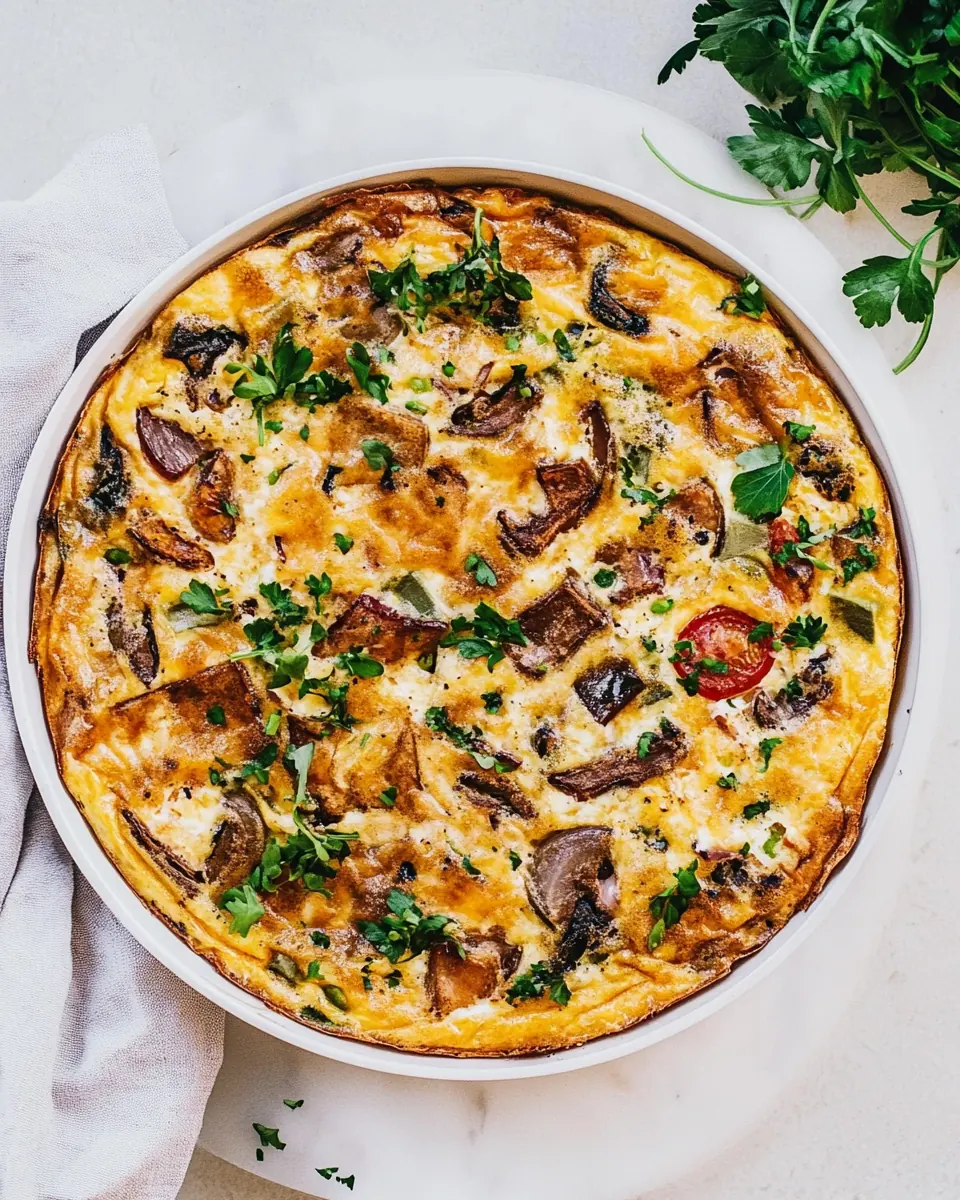
Frittata
Ingredients
Equipment
Method
- Preheat oven to 425°F. Peel and cut sweet potatoes to 3/4-inch thick pieces. Thinly slice red pepper into strips. Chop broccoli into bite-size pieces (~3/4 inch). Lightly spray an 8×8-inch baking pan with cooking spray and line with parchment paper, leaving some as an overhang for easy removal.: Warmth fills the kitchen and you should smell a faint ozone like warmth when the oven reaches temperature, indicating it is ready. Ensuring the oven is fully preheated matters because it helps the vegetables begin to roast immediately, creating caramelized edges instead of steaming. A common mistake is putting vegetables into an oven that is still heating which leads to uneven browning and limp texture. If your oven racks are cold, the sheet pan may not roast evenly, so preheat with the rack in the position you will use.
- Add veggies onto an extra-large (15×21-inch) sheet pan. (The veggies need to have plenty of room so they’ll roast, not steam.) Add the oil, garlic powder, onion powder, Italian seasoning, plus salt and pepper to taste. (I add 3/4 tsp salt and 1/2 tsp pepper). Toss vegetables well to coat and spread out as much as possible in an even layer. Roast for 20–25 minutes (undisturbed) or until tender and nicely charred. Remove and let slightly cool. Once you remove veggies, reduce oven temp to 350°F.: As you chop, notice the firm, dense texture of the sweet potatoes , which will soften and sweeten as they roast. Uniform 3/4 inch pieces ensure even cooking and predictable tenderness. Cutting inconsistently can lead to some pieces being raw while others are overdone, so take a moment to match sizes. A tip is to slice a test piece and roast separately to confirm timing if your potatoes are unusually thick.
- In a large bowl, whisk together eggs, heavy cream, plus 3/4 teaspoon each of salt and pepper. Briskly whisk until smooth.: The thin strips will blister and get tender quickly in the high heat, releasing sweet aromatic notes that mingle with roasted starches. Slicing evenly matters because thinner strips can char too fast while thicker strips may remain undercooked. Avoid overcrowding the pan which causes steaming rather than the dry heat roast you want.
- Add 2/3 of slightly cooled vegetables into the prepared 8×8 pan. Add Cheddar cheese, then pour the egg mixture over of everything. Add Swiss cheese then remaining vegetables on top in an even layer. Tap the pan on a counter to even everything out. Sprinkle Parmesan evenly over the top.: Snapping florets into similar sized pieces gives you a satisfying bite that crisps at the edges while staying tender inside. During roasting the broccoli releases a green, slightly sulfurous scent which mellows to a pleasant roasted aroma. If florets are left too large they may remain tough, so aim for uniformity with the other vegetables.
- Bake 37–42 minutes or until the center is set and jiggles only slightly. Remove from oven and let cool for 5–10 minutes before using the paper overhang to lift it out of pan and onto a cutting board to cut and serve.: The parchment overhang will become your lifeline when lifting the finished Frittata from the pan, and the spray helps the paper sit flat. This step prevents sticking and keeps the edges intact when you remove the bake. Skipping the overhang makes removal fiddly and risks breaking the frittata when slicing.
- Add veggies onto an extra-large (15×21-inch) sheet pan: When you spread the sweet potatoes , red bell pepper , and broccoli across a roomy sheet pan they develop direct contact with hot metal which encourages browning. Hear the faint sizzle as they hit the hot pan, that sound translates to flavor. If vegetables are crowded they steam and lose those toasty notes, so give them space to breathe.
- Add the oil, garlic powder, onion powder, Italian seasoning, plus salt and pepper to taste: The aroma of the oil carrying the dried spices will bloom quickly, coating each vegetable with flavor. Tossing ensures even seasoning and that each piece receives some fat for browning. Too little oil causes uneven char, while too much makes the vegetables greasy. Season in layers to control the final saltiness.
- Toss vegetables well to coat and spread out as much as possible in an even layer: You should see a glossy sheen on the vegetables and hear a subtle separation as they spread on the pan, ensuring direct contact for even roasting. An even single layer is crucial, because piled vegetables will steam and soften rather than develop the desired color and texture. If pieces stick together, use a spatula to separate them before roasting.
- Roast for 20 to 25 minutes or until tender and nicely charred: During roasting the kitchen will fill with a toasty sweet smell as the sweet potatoes caramelize and the peppers blister, that is the moment to watch for when edges turn golden to deep brown. The visual cue of charred tips indicates the right time to remove them, and a fork should slide into a potato piece easily. Avoid opening the oven repeatedly which reduces heat and lengthens the roast time.
- Remove and let slightly cool: Cooling a bit before combining with the eggs prevents the custard from cooking prematurely and becoming grainy, and you will notice the temperature drop as steam dissipates. Letting them cool also concentrates the roast flavors so they stand up in the final bake. If you skip this the residual heat can scramble the eggs on contact and change the texture.
- Once you remove veggies, reduce oven temp to 350°F: Lowering the oven temperature creates a gentler environment for the eggs to set evenly without overbrowning the top. The shift from high to moderate heat ensures the center cooks through while the surface develops a light crust. Forgetting to lower the temp can lead to a frittata that is browned on top but undercooked in the middle.
- In a large bowl, whisk together eggs, heavy cream, plus 3/4 teaspoon each of salt and pepper: As you whisk, the mixture should become smooth and slightly frothy, reflecting air incorporated into the custard which yields a tender finish. The smell will be fresh and rich with dairy, signaling the creation of your base. Under whisking can leave streaks of yolk and white, while over beating may introduce too much air, creating bubbles that collapse during baking.
- Briskly whisk until smooth: The texture should be homogenous and glossy, with no visible separation between yolk and white, setting the stage for an even bake. This smoothness helps the egg mixture envelop the vegetables and cheeses for consistent mouthfeel. If lumps exist, strain the mixture to avoid dense pockets in the bake.
- Add 2/3 of slightly cooled vegetables into the prepared 8×8 pan: Spreading the bulk of the roasted vegetables in the pan first creates a flavorful base layer and ensures each bite includes vegetable pieces. You will see a mosaic of colors and smell the roasted aromas rise as the warm vegetables meet the cool egg mixture. Overcrowding the pan with vegetables can prevent the eggs from surrounding each piece properly, so keep a balance.
- Add Cheddar cheese then pour the egg mixture over of everything: The sharp Cheddar cheese will begin to soften and meld when the warm vegetables meet it, and pouring the custard will fold those flavors together. Listen for a soft settling sound as the liquid fills gaps, and watch it level out across the pan. Pouring too quickly can shift the vegetables unevenly, so pour steadily to maintain distribution.
- Add Swiss cheese then remaining vegetables on top in an even layer: Placing the milder Swiss cheese and the reserved vegetables on top creates attractive color contrast and pockets of melty cheese near the surface. This layering helps produce a pleasing slice with distributed textural interest. Packing the top too densely may inhibit even baking and prevent the center from setting fully.
- Tap the pan on a counter to even everything out: The small percussion helps trapped air escape and allows the custard to settle around the vegetables and cheeses, yielding a more uniform interior. You should see the surface level and any bubbles rise and pop at the edges. If you skip this, pockets of air can create holes and uneven texture in the finished slices.
- Sprinkle Parmesan evenly over the top: The finely grated Parmesan cheese forms a savory crust that browns slightly and adds a finishing saltiness to the surface. When baked, it becomes aromatic and toasty, contributing a pleasant contrast. Using pre grated canned Parmesan can result in a powdery finish that does not meld, so fresh grated is preferable.
- Bake 37 to 42 minutes or until the center is set and jiggles only slightly: You will see the edges pull away slightly from the parchment and the center will have a gentle wobble, not liquid, when done. The aroma will be rich and toasty with hints of roasted vegetables and browned cheese. Overbaking will dry the custard, while underbaking leaves the center runny, so use the jiggle test to judge doneness accurately.
- Remove from oven and let cool for 5 to 10 minutes before using the paper overhang to lift it out of pan and onto a cutting board to cut and serve: During the rest the custard finishes setting and the slices hold their shape better, and you will notice steam subside and the texture firm slightly. Using the parchment overhang preserves the edges and makes slicing clean and simple. Cutting too soon risks breaking the pieces apart while they are still fragile.
Notes
- Use room temperature eggs to ensure a smoother custard; cold eggs can tighten during mixing and lead to an uneven bake.
- Don’t overcrowd the roasting pan so vegetables brown properly, which builds the roasted flavor that defines this frittata.
- Grate cheese from blocks because freshly grated cheeses melt more evenly and improve the texture compared with pre shredded varieties.
- Let the bake rest for 5 to 10 minutes after removing from the oven so the center finishes setting and slices cleanly without crumbling.
- Adjust salt in stages by seasoning during roasting and tasting the egg mixture before baking to avoid over salting, especially with salty cheeses like Parmesan.
- Store slices properly by placing them on a rack to cool briefly before wrapping to prevent sogginess; refrigerate for three to five days or freeze for longer storage.