Parker House Rolls
Parker House Rolls have been my warmest kitchen companion on chilly mornings, the kind of recipe that makes a house feel lived in and welcoming. I still remember the first time I folded that soft dough and brushed each round with melted butter, the steam lifting as they baked and filling the air with a yeasty, comforting scent that pulled everyone toward the oven. That moment taught me how small techniques, like a gentle fold or a final buttery brush, turn simple pantry staples into something unforgettable.
Over the years I have tweaked timing and touch to make these rolls reliably tender, and they rarely leave the table uneaten. I like to think of these as an heirloom recipe, easy enough for a weekday treat, yet polished enough for a holiday spread. The dough is forgiving, and there is something quietly satisfying about cutting rounds, indenting the center, then folding them into their signature shape. Each step invites a breath, a pause, and a subtle reward.
Recipe Snapshot
40 mins
20 mins
20 mins
Easy
150 kcal
American
Gluten-Free, Low FODMAP
Dinner
Stand mixer, Dough hook, Biscuit cutter, 9 x 13 inch pan, Measuring cups
Why This Parker House Rolls Works
Classic Comfort
I love Parker House Rolls because they are simple and nostalgic. The combination of warm milk, proofed yeast, and a buttery finish produces a plush crumb that reminds me of bakery morning runs, only better because you made them at home.
Technique That Makes a Difference
What stands out is the folding and buttering technique, it creates a delicate layered interior and a browned exterior. I have learned that brushing the rounds with melted butter before folding adds both flavor and a slight steam effect during the second rise, which keeps the rolls soft.
Reliable for Gatherings
These rolls scale well, and I often bring them to holiday tables because they pair with everything. I appreciate how easy they are to portion with a biscuit cutter, so you get neat, uniform results every time, which matters when I want a pretty platter.
Forgiving Dough
The dough composition is forgiving, which is great for bakers of all levels. A mix of all-purpose flour, a single egg, and a modest amount of butter yields structure without toughness, so minor timing variations do not wreck the final texture.
Versatile Finish
Finishing with melted butter after baking adds shine and flavor, and the rolls stay tender for a day when stored properly. I always recommend serving warm, the buttery aroma and soft crumb are when they shine brightest.
Shopping List for Parker House Rolls
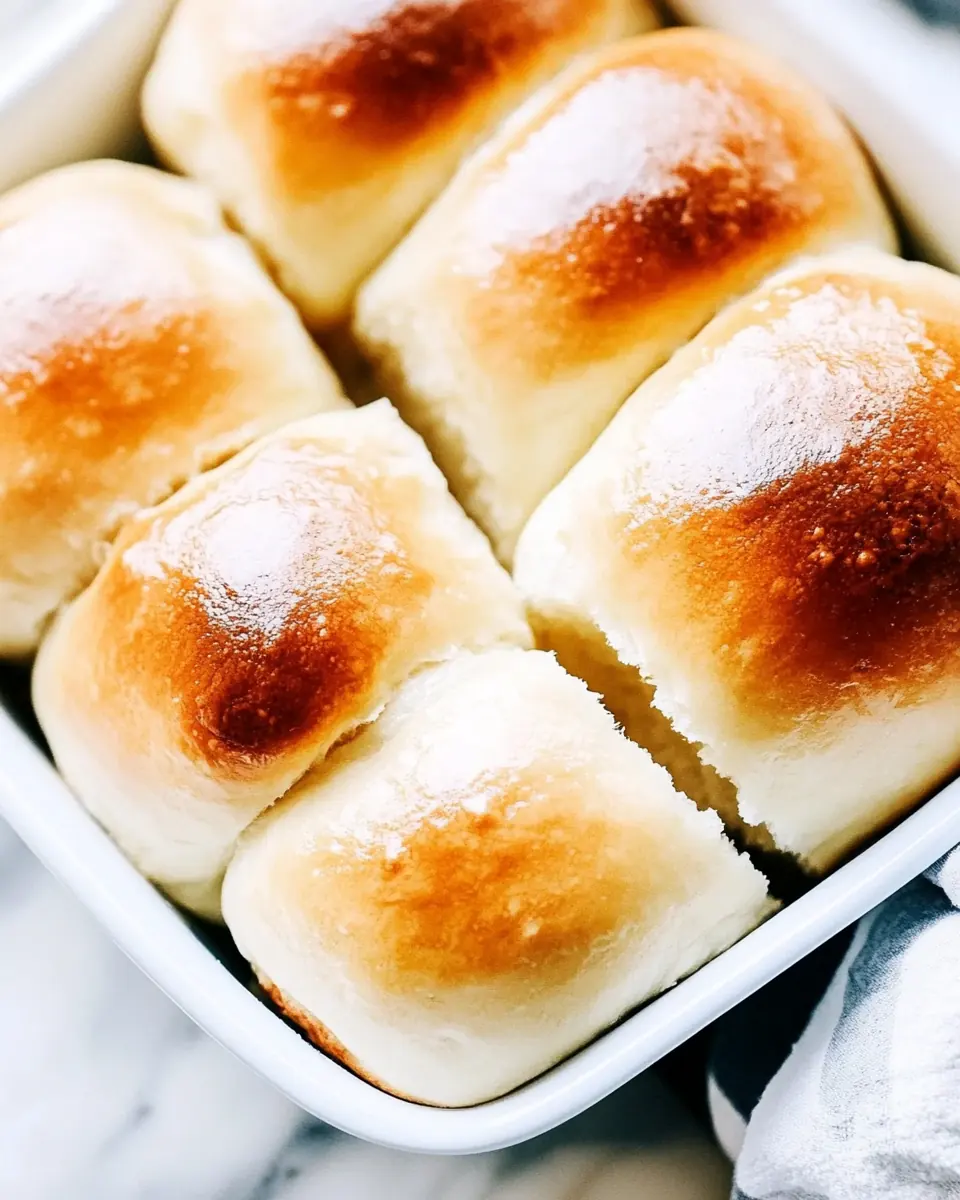
These ingredients form the backbone of tender, buttery dinner rolls. The list focuses on a few high quality staples that play clear roles. The dairy and yeast bring moisture and lift, the all-purpose flour gives structure, and the butter rounds out the flavor and creates those soft layers we love. Keep them simple, and the results will speak for themselves.
- 1 cup milk: Warm gently to create a tender dough, contributing moisture and richness that helps dissolve sugar and activate yeast; milk also enriches crumb structure and promotes browning for a soft, golden roll.
- 1/4 cup warm water: Provide a mild heat source to help proof the yeast and hydrate flour; warm water also aids dissolution of sugar and creates steam during baking for lightness.
- 2 tablespoons sugar: Sweeten the dough to feed yeast and aid fermentation, which develops flavor and lift; sugar also contributes to browning and a slightly tender crumb when incorporated.
- 1 (0.25-ounce) package active dry yeast: Activate yeast cells to leaven the dough by producing carbon dioxide during proofing, ensuring airy, risen rolls; yeast fermentation also adds subtle, desirable bread-like flavor.
- 4 tablespoons softened butter: Soften to be easily incorporated for richness, contributing to tender crumb, improved mouthfeel, and enhanced flavor; butter also helps create a delicate texture and promotes browning.
- 1 egg: Bind and enrich the dough, providing structure, moisture, and a richer flavor; eggs also contribute to color, tenderness, and stability in the finished rolls.
- 2 1/2 3 cups all-purpose flour: Provide bulk and structure through gluten development when mixed and kneaded; adjust within the range to achieve desired dough consistency and a light, elastic crumb.
- 1 teaspoon salt: Season and strengthen the dough by regulating yeast activity and enhancing flavor; salt also tightens gluten structure and balances sweetness for well-rounded rolls.
- 3 tablespoons melted butter: Brush or brush into the dough to add surface flavor, promote a shiny, golden crust, and enrich the finished rolls; melted butter also imparts aroma and a soft bite to the exterior.
Preparation Steps for Parker House Rolls
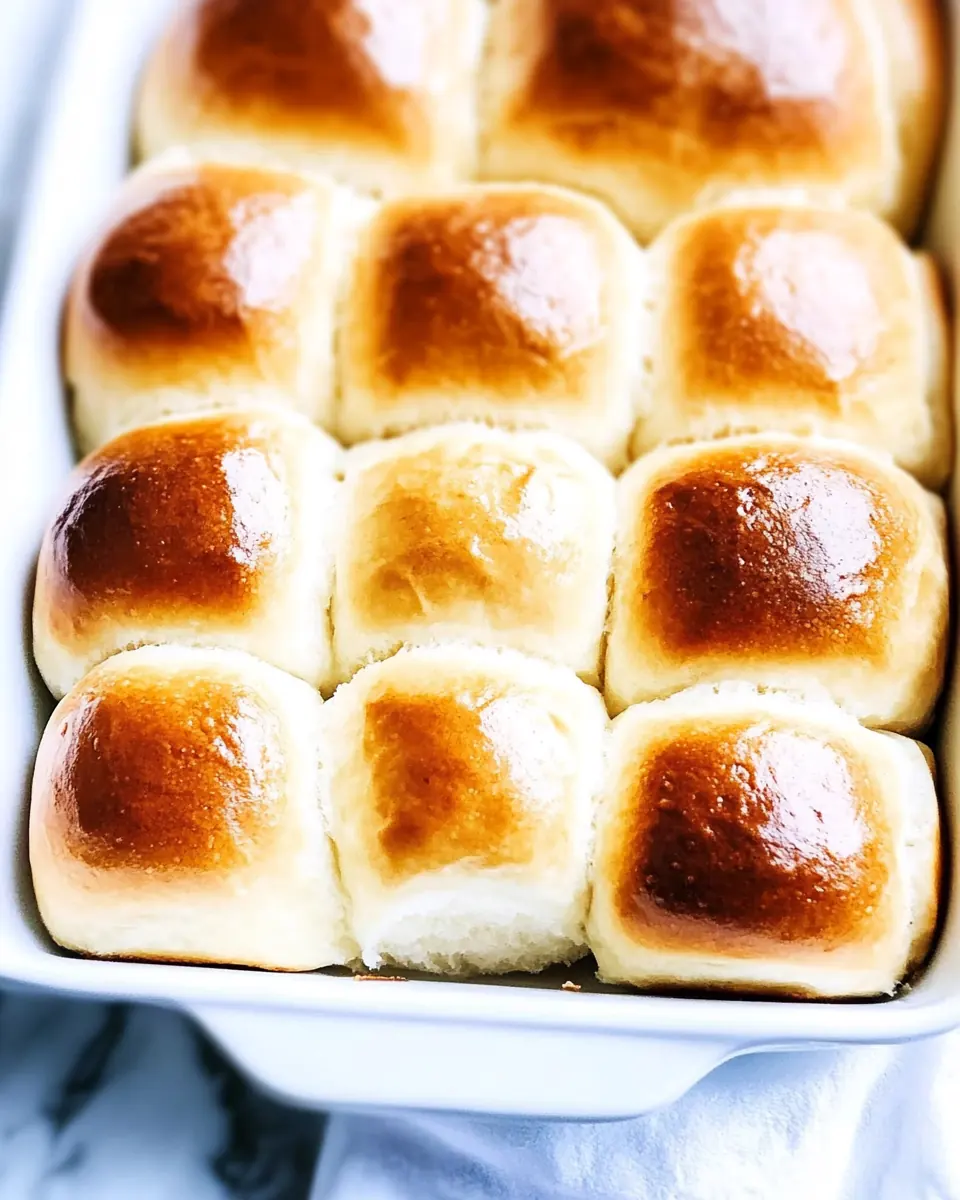
These steps will guide you through proofing, mixing, shaping, and baking with a comfortable pace. I want you to pay attention to sensory cues like the smell of yeast, the look of the dough as it pulls away from the bowl, and the golden color of the finished rolls. Keep your work surface lightly floured and your hands relaxed while shaping.
- Heat the 1 cup milk in the microwave until it is warm but not hot. Add the warm milk to the stand of a mixer with the 1/4 cup warm water, 2 tablespoons sugar, and 1 (0.25-ounce) package active dry yeast. Stir and let the yeast proof for 5 minutes.: You will notice a faint steam and a soft milky scent when the milk reaches the right temperature, it should feel warm to the inside of your wrist. This warmth wakes the yeast without shocking it; if the liquid is too hot you risk killing the yeast. A common mistake is overheating, which results in poor rise, so always test the temperature by touch.
- Add in the 4 tablespoons softened butter and 1 egg and combine using the dough hook. Add in the 2 1/2 cups of the 2 1/2-3 cups all-purpose flour and 1 teaspoon salt and mix together on low until the dough starts to form. Increase the speed and add flour if needed until the dough pulls clean away from the bowl.: As the sugar and yeast meet the warm liquids you may hear a faint fizz and shortly see tiny bubbles form; this is yeast coming alive. Stirring briefly distributes everything evenly. Avoid adding cold ingredients at this stage, as they can slow activation; if you do not see any bubbling after five to ten minutes, the yeast might be inactive.
- On a floured surface add the dough and knead until the dough is smooth. Place in a large oiled bowl. Cover and let rise for 1 hour or until it has doubled in size.: During proofing you should see the surface become frothy and smell slightly sweet and yeasty. This proves the yeast is active and ready to leaven the dough, giving you confidence in its potency. A typical pitfall is impatience, prematurely mixing before proofing completes, which can produce dense rolls.
- Punch the dough down and roll it out to 1/2 inch thick on a floured surface. Cut circles with a biscuit cutter. Indent the middle of each dough round and brush with 3 tablespoons melted butter. Fold in half and place in a 9 x 13 inch greased pan. Cover and let rise for 1 hour until doubled.: When you add softened butter and the egg , the mixer will incorporate fat and protein into the liquid, creating a richer dough. The sound will change to a more consistent, gentle hum as the dough begins to form, and you may notice a smoother, silkier texture. If the butter is too cold it will not blend properly, leaving lumps.
- Preheat the oven to 350 degrees Fahrenheit and bake for 15-20 minutes or until golden brown. Remove and brush with additional butter and top with flaky salt if desired.: You will see the mixture thicken and begin to cling to the hook, with a shaggy surface that indicates gluten development has started. The salt strengthens the gluten network, improving chew and structure. A common error is adding all the flour at once; instead, gradually incorporate to avoid a dry, tough dough.
- Increase the speed and add flour if needed until the dough pulls clean away from the bowl: As you speed up the mixer the dough should become elastic and smooth, pulling away in a cohesive mass. You can press it with a finger to check spring back, which signals proper gluten formation. Over-kneading by leaving it too long can make rolls tight, so aim for an elastic but soft dough.
- On a floured surface add the dough and knead until the dough is smooth: The tactile feedback here is crucial, you will feel a transition from sticky to supple, and the surface will become satiny. Kneading by hand engages you with the dough and allows precise control over texture. A frequent mistake is adding too much flour while kneading, which dries the dough; instead, use a light dusting.
- Place in a large oiled bowl: After smoothing the dough, gently transfer it into a bowl lightly coated with oil; the sheen prevents sticking and supports an even rise. Cover the bowl to maintain humidity, and you may notice a faint yeasty aroma as fermentation progresses. Forgetting to oil the bowl can result in tearing when you try to remove the dough after rising.
- Cover and let rise for 1 hour or until it has doubled in size: During this rise you will observe the dough expand and feel airy to the touch, with a tender surface. Doubling is a good visual cue indicating adequate fermentation and flavor development. Rising times can vary with room temperature, so rather than rigid timing, look for volume change; rushing this step leads to underdeveloped texture.
- Punch the dough down and roll it out to 1/2 inch thick on a floured surface: When you press the dough gently it will deflate and release a warm, breadlike scent, showing the gases have formed. Rolling to an even 1/2 inch thickness ensures consistent roll size and texture. Overworking the dough here can cause toughness, so be gentle and deliberate.
- Cut circles with a biscuit cutter: Cutting neat rounds helps them bake uniformly and gives each roll the classic shape. You should feel a slight resistance as the cutter slices through the dough, leaving clean edges. Using a dull cutter can tear the dough, resulting in uneven rise, so keep your cutter sharp or use a clean round template.
- Indent the middle of each dough round and brush with 3 tablespoons melted butter: That indentation creates the signature pocket and gives the melted butter a place to settle, enhancing both appearance and flavor. Brushing should be even and gentle so the rounds stay intact. Brushing too vigorously risks deflating the rounds, which will hurt the final rise.
- Fold in half and place in a 9 x 13 inch greased pan: Folding creates the layered structure Parker House Rolls are known for, and arranging them snugly in a greased pan encourages shared crust edges that stay soft. The visual cue is a tidy row of folded crescents ready for their final rise. Overcrowding the pan will prevent proper expansion, so leave a little room between pieces if needed.
- Cover and let rise for 1 hour until doubled: During this second rise you will again see the rolls puff and the dough become pillowy, a sign they are ready to bake. This step deepens flavor and airy texture. Skipping or shortening this rise often yields dense rolls with less tender crumb.
- Preheat the oven to 350 degrees Fahrenheit and bake for 15-20 minutes or until golden brown: The oven will fill with a rich, toasty aroma as the outer surfaces brown and the interior finishes cooking; look for an even golden top. Baking at the correct temperature creates that contrast between a soft interior and a slightly crisp exterior. Opening the oven too early can collapse the rolls, so resist peeking until near the minimum time.
- Remove and brush with additional butter and top with flaky salt if desired: Once out of the oven, brushing with more melted butter adds shine, keeps the crust tender, and intensifies flavor, while a sprinkle of flaky salt provides a bright contrast. The immediate aroma is rich and buttery, and the rolls will steam slightly as they cool. A mistake is waiting too long to brush, which reduces absorption and gloss, so apply while hot.
Tips and Variations
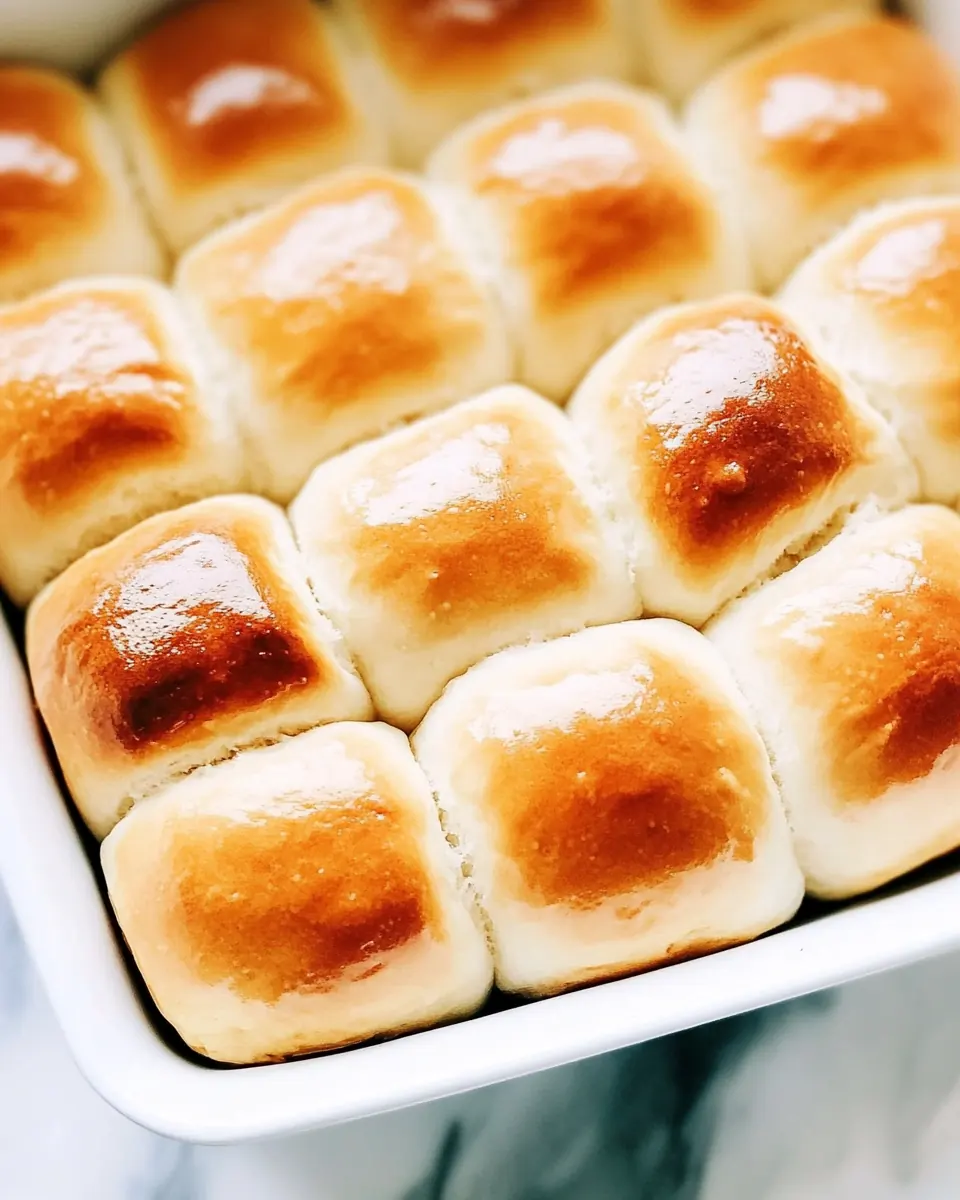
These notes will help you elevate technique and adapt the rolls without changing the core recipe. Read through each tip and pick one or two to try the next time you bake, they are written to be actionable and realistic for home baking.
- Use room temperature ingredients to ensure even mixing and predictable rise, particularly the egg and softened butter.
- Gentle kneading is key, aim for a smooth, elastic dough rather than an overworked one to keep the crumb tender.
- Proof yeast properly, if you do not see foam after five to ten minutes discard and use fresh yeast to avoid dense rolls.
- Keep shaping consistent, cut uniform circles and indent the center similarly to ensure even baking across the pan.
- Store properly, keep cooled rolls in an airtight container at room temperature for up to two days, reheat briefly to refresh texture.
How to Enjoy Parker House Rolls
These rolls are perfect for family dinners and holiday spreads, and they pair with many savory mains. Serve them warm, brushed with butter, and watch how quickly they disappear. They work well for weeknight sides or special occasions where you want a simple but impressive bread. Here are practical serving suggestions and storage ideas to make the most of them.
- Holiday dinner accompaniment, arrange warm rolls on a platter for Thanksgiving or any festive meal, they complement roasted vegetables and gravies.
- Everyday side, pair with soups or stews for a comforting weeknight dinner, the soft texture soaks up broths nicely.
- Breakfast treat, serve slightly warm with a dab of additional melted butter for a cozy morning pastry alternative.
- Storage, cool completely before sealing in an airtight container; they keep well at room temperature for two days, or freeze for up to one month.
- Reheating, refresh in a 300 degree Fahrenheit oven for five to eight minutes covered with foil to restore softness and warmth.
FAQ
Conclusion
Parker House Rolls shine because of their tender, buttery crumb and the simple, precise techniques that produce consistent results. Give them a try for a holiday table or an everyday side, and you will appreciate how a few pantry staples transform into warm, irresistible rolls. Baking them connects you to a comforting ritual, and the reward is immediate as the house fills with that rich, yeasty aroma. Share them warm, enjoy their soft layers, and remember that small adjustments in proofing and buttering make a big difference in texture and flavor.
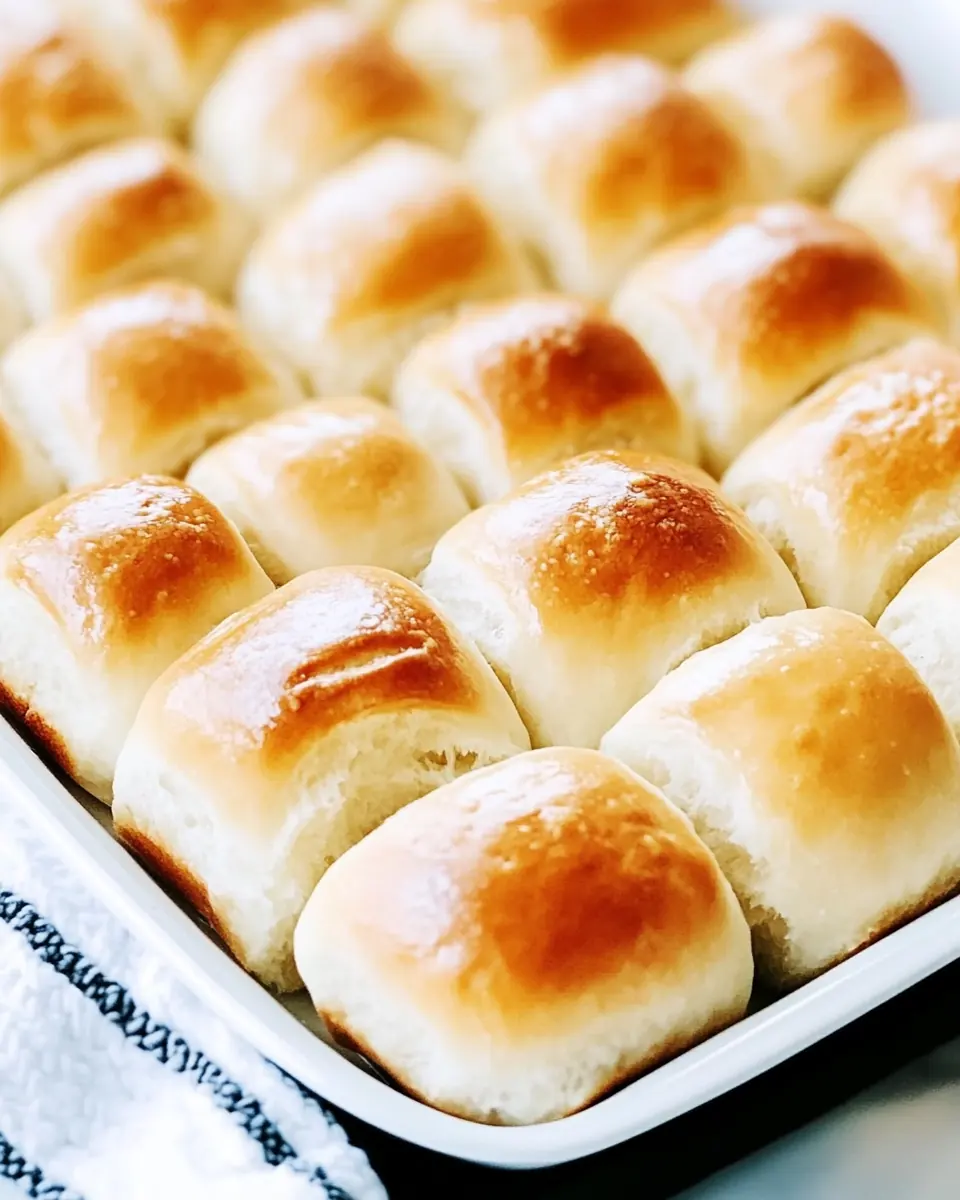
Parker House Rolls
Ingredients
Equipment
Method
- Heat the 1 cup milk in the microwave until it is warm but not hot. Add the warm milk to the stand of a mixer with the 1/4 cup warm water, 2 tablespoons sugar, and 1 (0.25-ounce) package active dry yeast. Stir and let the yeast proof for 5 minutes.: You will notice a faint steam and a soft milky scent when the milk reaches the right temperature, it should feel warm to the inside of your wrist. This warmth wakes the yeast without shocking it; if the liquid is too hot you risk killing the yeast. A common mistake is overheating, which results in poor rise, so always test the temperature by touch.
- Add in the 4 tablespoons softened butter and 1 egg and combine using the dough hook. Add in the 2 1/2 cups of the 2 1/2-3 cups all-purpose flour and 1 teaspoon salt and mix together on low until the dough starts to form. Increase the speed and add flour if needed until the dough pulls clean away from the bowl.: As the sugar and yeast meet the warm liquids you may hear a faint fizz and shortly see tiny bubbles form; this is yeast coming alive. Stirring briefly distributes everything evenly. Avoid adding cold ingredients at this stage, as they can slow activation; if you do not see any bubbling after five to ten minutes, the yeast might be inactive.
- On a floured surface add the dough and knead until the dough is smooth. Place in a large oiled bowl. Cover and let rise for 1 hour or until it has doubled in size.: During proofing you should see the surface become frothy and smell slightly sweet and yeasty. This proves the yeast is active and ready to leaven the dough, giving you confidence in its potency. A typical pitfall is impatience, prematurely mixing before proofing completes, which can produce dense rolls.
- Punch the dough down and roll it out to 1/2 inch thick on a floured surface. Cut circles with a biscuit cutter. Indent the middle of each dough round and brush with 3 tablespoons melted butter. Fold in half and place in a 9 x 13 inch greased pan. Cover and let rise for 1 hour until doubled.: When you add softened butter and the egg , the mixer will incorporate fat and protein into the liquid, creating a richer dough. The sound will change to a more consistent, gentle hum as the dough begins to form, and you may notice a smoother, silkier texture. If the butter is too cold it will not blend properly, leaving lumps.
- Preheat the oven to 350 degrees Fahrenheit and bake for 15-20 minutes or until golden brown. Remove and brush with additional butter and top with flaky salt if desired.: You will see the mixture thicken and begin to cling to the hook, with a shaggy surface that indicates gluten development has started. The salt strengthens the gluten network, improving chew and structure. A common error is adding all the flour at once; instead, gradually incorporate to avoid a dry, tough dough.
- Increase the speed and add flour if needed until the dough pulls clean away from the bowl: As you speed up the mixer the dough should become elastic and smooth, pulling away in a cohesive mass. You can press it with a finger to check spring back, which signals proper gluten formation. Over-kneading by leaving it too long can make rolls tight, so aim for an elastic but soft dough.
- On a floured surface add the dough and knead until the dough is smooth: The tactile feedback here is crucial, you will feel a transition from sticky to supple, and the surface will become satiny. Kneading by hand engages you with the dough and allows precise control over texture. A frequent mistake is adding too much flour while kneading, which dries the dough; instead, use a light dusting.
- Place in a large oiled bowl: After smoothing the dough, gently transfer it into a bowl lightly coated with oil; the sheen prevents sticking and supports an even rise. Cover the bowl to maintain humidity, and you may notice a faint yeasty aroma as fermentation progresses. Forgetting to oil the bowl can result in tearing when you try to remove the dough after rising.
- Cover and let rise for 1 hour or until it has doubled in size: During this rise you will observe the dough expand and feel airy to the touch, with a tender surface. Doubling is a good visual cue indicating adequate fermentation and flavor development. Rising times can vary with room temperature, so rather than rigid timing, look for volume change; rushing this step leads to underdeveloped texture.
- Punch the dough down and roll it out to 1/2 inch thick on a floured surface: When you press the dough gently it will deflate and release a warm, breadlike scent, showing the gases have formed. Rolling to an even 1/2 inch thickness ensures consistent roll size and texture. Overworking the dough here can cause toughness, so be gentle and deliberate.
- Cut circles with a biscuit cutter: Cutting neat rounds helps them bake uniformly and gives each roll the classic shape. You should feel a slight resistance as the cutter slices through the dough, leaving clean edges. Using a dull cutter can tear the dough, resulting in uneven rise, so keep your cutter sharp or use a clean round template.
- Indent the middle of each dough round and brush with 3 tablespoons melted butter: That indentation creates the signature pocket and gives the melted butter a place to settle, enhancing both appearance and flavor. Brushing should be even and gentle so the rounds stay intact. Brushing too vigorously risks deflating the rounds, which will hurt the final rise.
- Fold in half and place in a 9 x 13 inch greased pan: Folding creates the layered structure Parker House Rolls are known for, and arranging them snugly in a greased pan encourages shared crust edges that stay soft. The visual cue is a tidy row of folded crescents ready for their final rise. Overcrowding the pan will prevent proper expansion, so leave a little room between pieces if needed.
- Cover and let rise for 1 hour until doubled: During this second rise you will again see the rolls puff and the dough become pillowy, a sign they are ready to bake. This step deepens flavor and airy texture. Skipping or shortening this rise often yields dense rolls with less tender crumb.
- Preheat the oven to 350 degrees Fahrenheit and bake for 15-20 minutes or until golden brown: The oven will fill with a rich, toasty aroma as the outer surfaces brown and the interior finishes cooking; look for an even golden top. Baking at the correct temperature creates that contrast between a soft interior and a slightly crisp exterior. Opening the oven too early can collapse the rolls, so resist peeking until near the minimum time.
- Remove and brush with additional butter and top with flaky salt if desired: Once out of the oven, brushing with more melted butter adds shine, keeps the crust tender, and intensifies flavor, while a sprinkle of flaky salt provides a bright contrast. The immediate aroma is rich and buttery, and the rolls will steam slightly as they cool. A mistake is waiting too long to brush, which reduces absorption and gloss, so apply while hot.
Notes
- Use room temperature ingredients to ensure even mixing and predictable rise, particularly the egg and softened butter.
- Gentle kneading is key, aim for a smooth, elastic dough rather than an overworked one to keep the crumb tender.
- Proof yeast properly, if you do not see foam after five to ten minutes discard and use fresh yeast to avoid dense rolls.
- Keep shaping consistent, cut uniform circles and indent the center similarly to ensure even baking across the pan.
- Store properly, keep cooled rolls in an airtight container at room temperature for up to two days, reheat briefly to refresh texture.