Lemon Garlic Butter Herb Chicken with Asparagus
Lemon Garlic Butter Herb Chicken with Asparagus is one of those dinners I fall back on when I want comfort without fuss. The first time I made it I had a tired weeknight to salvage and a handful of ingredients in the fridge, and the bright squeeze of lemon turned the whole skillet into sunshine. I remember the moment the garlic hit the sizzling butter and filled my tiny kitchen with an irresistible aroma, and I knew dinner was going to be special.
That night I used whichever cut of chicken I had on hand, and the herbs made everything feel elevated and thoughtful, like I had spent hours crafting the meal when it really took minutes. The asparagus tossed in at the end kept the plate fresh and crisp, giving the dish texture and color. I loved how simple technique and good timing delivered something restaurant worthy right at my stove.
Over the years I have tweaked the amounts and learned small timing tricks that save the day. Now when friends drop by unexpectedly, I know I can rely on this skillet to please a crowd, yet still feel intimate enough for a cozy dinner for two. It is quick, bright, and forgiving, and it has become my go to when I want a balanced plate without a lot of cleanup. Try it when you need a fast weeknight winner that still feels like a treat.
Recipe Snapshot
25 mins
5 mins
20 mins
Easy
400 kcal
American
Gluten-Free, Keto
Dinner
Medium skillet, Tongs, Meat thermometer
The Beauty of This Lemon Garlic Butter Herb Chicken with Asparagus
Fast and Flavorful
I love how Lemon Garlic Butter Herb Chicken with Asparagus delivers bold flavor in a short time. In roughly a half hour you get savory chicken infused with citrus and garlic, thanks to a few simple but potent ingredients. The buttery base carries flavors and helps the herbs bloom, so you get depth without fuss.
Minimal Ingredients, Maximum Impact
We keep the ingredient list small, and that is the charm. Fresh herbs like oregano, rosemary, and thyme add complexity, while the lemon brightens and balances the richness of the butter. Because each component plays a clear role, the dish tastes greater than the sum of its parts.
Versatile and Weeknight Friendly
I often rely on this recipe for quick dinners, because the technique is forgiving. Whether you use thighs or breasts, the method adapts. The asparagus cooks fast and keeps a lovely crunch, making the plate feel light and satisfying. It is an easy way to add a vegetable that cooks in the same pan.
Comfort with Elegance
There is a comforting quality to the butter and garlic base, yet the lemon and herbs make it feel elegant enough for guests. I appreciate how the dish can be dressed up with a nicer salad or kept simple for a low key night. You get restaurant notes without the ceremony.
Reliable Technique
Finally, the process teaches timing and heat control, lessons that translate to other skillet recipes. I like that mastering this one skillet routine helps build confidence on the stove. Once you get the sizzle and the herb bloom right, the results are consistently good.
Lemon Garlic Butter Herb Chicken with Asparagus Shopping List
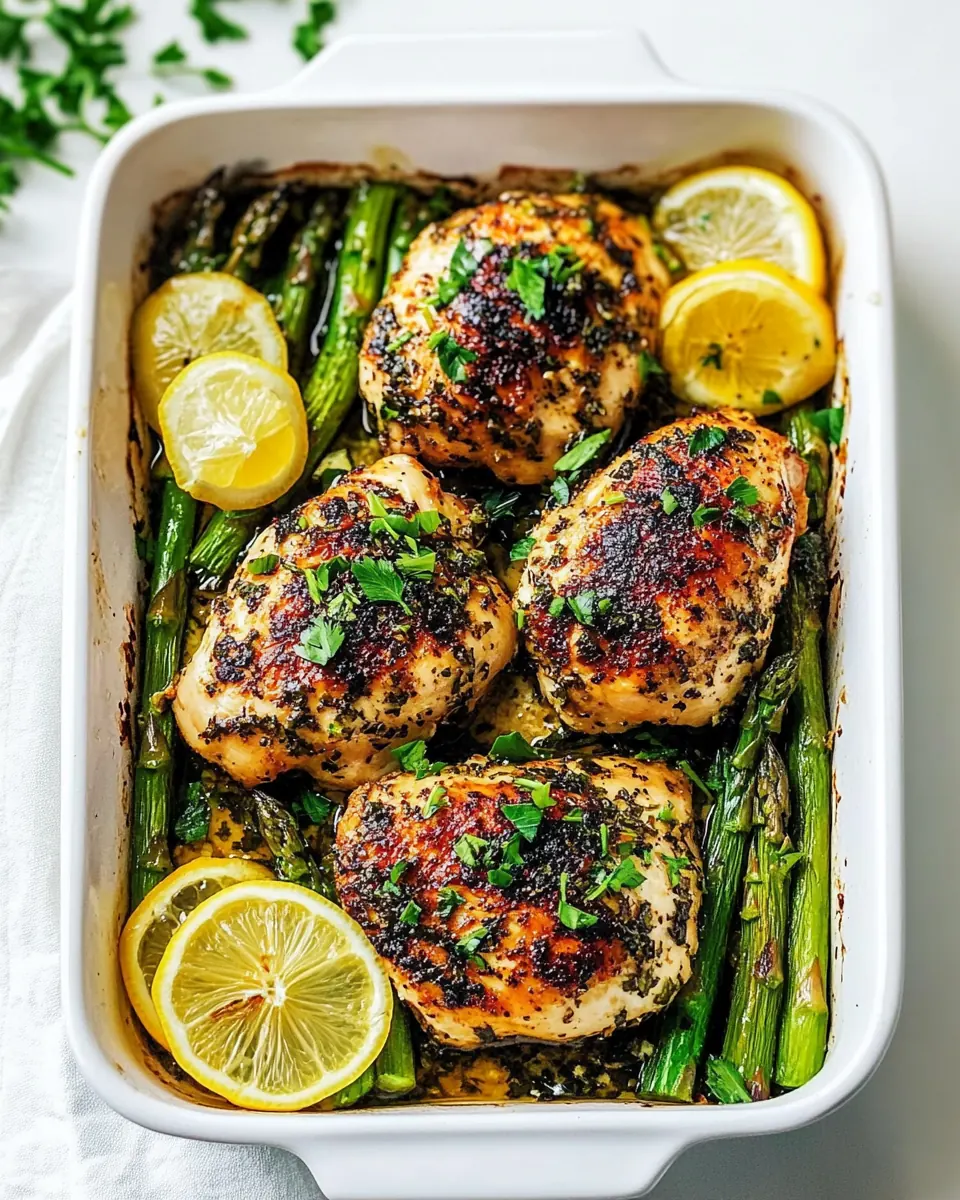
These ingredients are intentionally focused. Fresh herbs, bright lemon, and aromatic garlic partner with rich butter and simple chicken to create a balanced flavor profile. The asparagus provides texture and a fresh contrast, while salt and pepper lift everything. Together they form a minimal but complete ensemble that cooks quickly and tastes layered.
- 3 tablespoons butter: Melted to enrich the pan and create a silky sauce, contributes a rich mouthfeel and helps brown the chicken; combine with herbs and garlic for a cohesive flavor base and finish the dish with glossy sheen.
- juice of one lemon: Squeezed to add bright acidity and balance the butter and herbs, provides a fresh citrus lift that brightens the overall dish; use in marinade and finishing sauce to cut through richness.
- 4 minced garlic cloves: Minced finely to release pungent aromatic oils, delivers savory depth and a warming garlic flavor throughout the sauce; cook briefly to soften sharpness and meld with butter and lemon.
- 1/4 cup fresh oregano chopped: Chopped finely to contribute a bold, slightly peppery herbaceous note, adds complexity and fresh green flavor when stirred into the butter sauce or used in a marinade; pairs well with lemon and garlic for Mediterranean profile.
- 1 teaspoon fresh rosemary chopped: Chopped finely to provide a piney, resinous aroma and savory nuance, works in small amounts to add depth without overpowering; incorporate into the sauce or under the chicken skin for concentrated fragrance.
- 1 teaspoon fresh thyme chopped: Chopped finely to give a subtle floral and earthy scent that rounds out the herb mix, enhances savory flavors and pairs seamlessly with lemon and butter; sprinkle over chicken and asparagus near the end of cooking.
- 1 pound boneless skinless chicken thighs or breasts: Prepared to serve as the primary protein, offers tender, juicy texture that soaks up the lemon–garlic-herb sauce; pat dry before searing for better browning and even cooking, then finish in the pan with sauce.
- salt and pepper to taste: Seasoned to taste so the flavors are balanced, enhances natural chicken sweetness and brings out herb aromatics; apply before and after cooking to ensure even seasoning throughout.
- 1/2 bunch asparagus cut in half: Trimmed and cut in half to cook quickly alongside chicken, provides a crisp-tender vegetable element that absorbs some of the sauce and contributes bright green color; roast or sauté until just tender for best texture.
Step by Step Instructions for Lemon Garlic Butter Herb Chicken with Asparagus
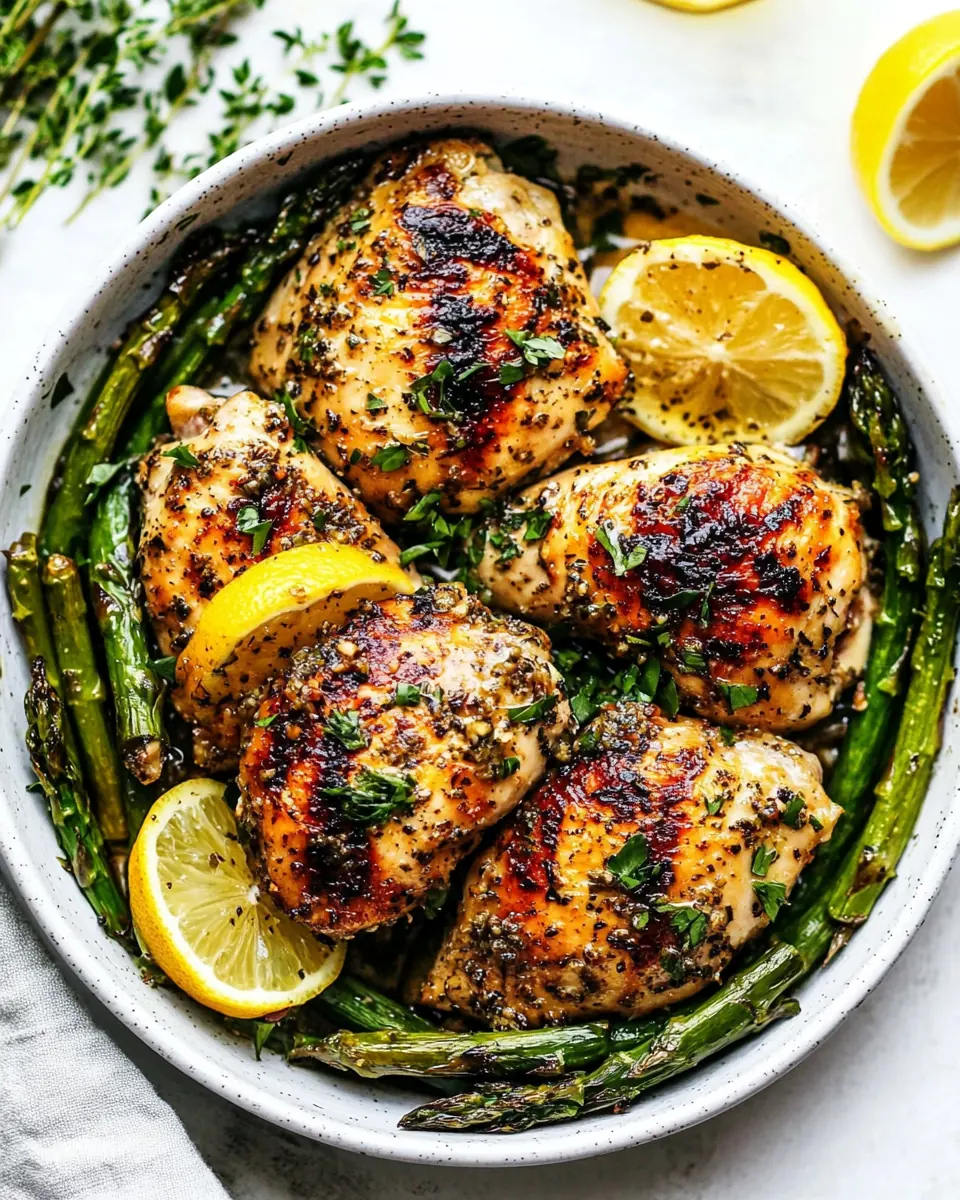
This recipe moves quickly, so I like to have everything prepped and within reach. As you work, pay attention to aromas and visual cues, because they tell you when to move to the next step. Keep a thermometer handy if you want precise doneness for the chicken.
- In a medium-sized skillet over medium-high heat add 3 tablespoons butter until melted. Add juice of one lemon, 4 minced garlic cloves, 1/4 cup fresh oregano, 1 teaspoon fresh rosemary, and 1 teaspoon fresh thyme.: You should notice the butter shimmer and start to foam, releasing a warm, nutty aroma. The sound is a light sizzle when the pan is hot enough, and that sizzle is important because it helps sear the surface of the chicken later. If the butter turns dark brown quickly, lower the heat to prevent burning, which creates a bitter flavor. A common mistake is starting with too high heat and letting the butter smoke, so begin medium-high and adjust as needed. The reason this matters is that the rendered butter forms the base of your sauce, carrying herb and garlic flavors and giving the finished dish silkiness.
- Add 1 pound boneless skinless chicken thighs and cook for 3-4 minutes on each side or until chicken is no longer pink and is 165 degrees Fahrenheit. Remove chicken and set aside on a plate.: As these aromatics hit the warm butter you will get an immediate burst of fragrance, bright lemon top notes, and the cozy, savory scent of garlic . The herbs will begin to bloom, their oils infusing the liquid; you should see tiny bubbles as the mixture simmers gently. Stir to combine so the flavors meld but do not let the garlic brown excessively, because burnt garlic tastes acrid. A frequent error is adding herbs too early and exposing them to prolonged high heat, which flattens their flavor, so add them when the butter is warm but not smoking. This step matters because it creates a concentrated pan sauce that will coat the chicken and vegetables with layered flavor.
- Add 1/2 bunch asparagus to the pan and salt and pepper to taste. Cook for 5-6 minutes or until tender.: When you place the chicken into the pan you will hear a satisfying sizzle, and the surface should develop a golden crust after a few minutes. That crust adds texture and caramelized flavor. Use tongs to flip only once if possible, so the sear develops undisturbed. The interior should lose its pink color and a thermometer should read 165 degrees Fahrenheit at the thickest part. If the pan gets crowded, the chicken will steam instead of sear, so cook in batches if needed. One common pitfall is moving the chicken too often, which prevents browning. Removing the chicken to rest keeps juices locked in and gives you time to finish the vegetables in the same flavorful pan.
- Add chicken back to the pan for a minute or so and serve.: When the asparagus hits the hot pan it should sizzle and start to soften, releasing a green, vegetal aroma. Toss or stir so each stalk makes contact with the butter herb sauce, then let them cook undisturbed for a couple of minutes to develop slight browning. You are aiming for tender crisp, where the spears still have a bit of snap and bright color. If you overcook, asparagus becomes floppy and loses vibrancy, so watch the clock. A frequent mistake is adding cold, wet asparagus which cools the pan and steams instead of saut e9ing, so pat the spears dry beforehand. This step matters because the asparagus soaks up the pan flavors, creating continuity across the dish.
- Cook for 5 to 6 minutes or until tender: During these minutes listen for a steady, gentle sizzle and look for the asparagus to turn a deeper green and become slightly glossy from the sauce. Test by piercing the thickest part with a fork; it should meet some resistance but not be hard. If the pan seems too dry, you can loosen the sauce with a splash of water, but be careful not to dilute the flavor. A common error is overcooking in pursuit of softness, which results in mushy asparagus, so check early and often. The reason this matters is texture; the bright, slightly crunchy asparagus balances the richer chicken and butter.
- Add chicken back to the pan for a minute or so and serve: Returning the resting chicken to the pan allows it to warm through and marry with the herb butter sauce, creating a unified plate. You should hear a brief sizzle and see the sauce cling and gloss the meat. Serve while hot so the sauce is still silky; cooling will thicken it. Avoid leaving the chicken in the pan too long, which can dry it out. This finishing step brings everything together, concentrating flavors and ensuring each bite has a balance of herb, citrus, and savory butter.
Substitutions and Tips
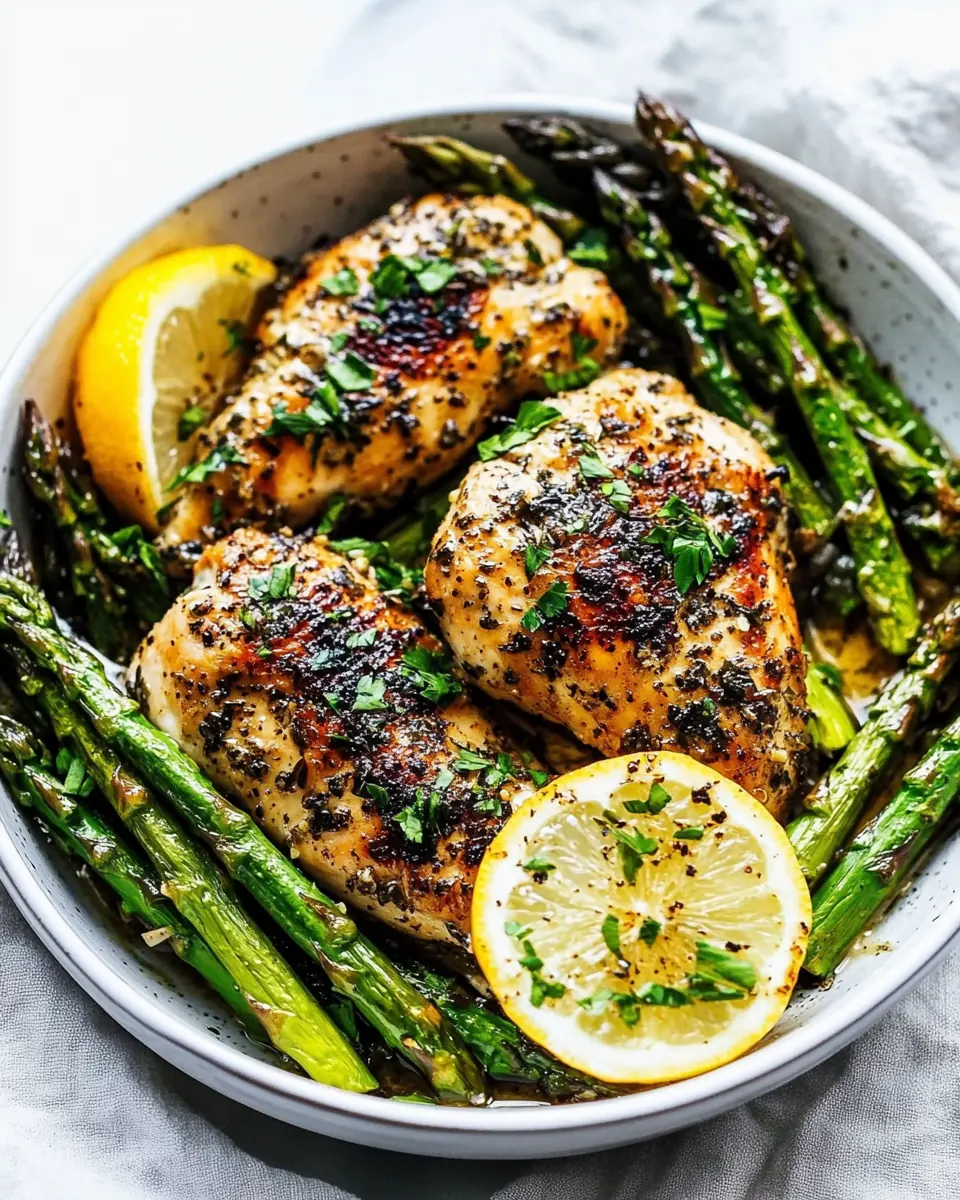
This section gives practical swaps and technique reminders to help you succeed with Lemon Garlic Butter Herb Chicken with Asparagus. Each tip highlights one idea to adjust flavor, texture, or timing while keeping the dish reliable.
- Herb flexibility: If you are short on one fresh herb, increase the others slightly to maintain an herbal presence, but avoid overloading with a single flavor which can unbalance the pan sauce.
- Chicken cut choice: Choose thighs for more forgiving, juicy results or breasts for a leaner plate, adjusting cook times slightly to avoid drying the meat.
- Butter care: Use real butter for the best flavor, and start with medium-high heat so it foams then simmers, watching closely to prevent burning which causes bitterness.
- Garlic handling: Mince garlic finely to release aroma quickly, and add it when the butter is warm but not smoking to avoid a bitter note from burnt garlic.
- Asparagus timing: Add the asparagus after the chicken rests so it cooks in the flavored pan, aiming for tender crisp rather than soft and mushy.
- Salt judiciously: Season at multiple stages and taste before serving, because the pan reduction concentrates saltiness and you can always add more at the end.
Great Combinations for Lemon Garlic Butter Herb Chicken with Asparagus
This section outlines serving ideas and occasions where Lemon Garlic Butter Herb Chicken with Asparagus shines. The list includes side pairings, storage notes, and seasonal suggestions to help you plan the full meal.
- Simple grain accompaniment: Serve alongside plain steamed rice or a light pilaf to soak up the herb butter sauce, providing a neutral base that highlights the main flavors.
- Leafy green salad: Pair with a crisp green salad dressed simply with olive oil and lemon to echo the citrus notes and add refreshing crunch, perfect for a light dinner.
- Occasions: This dish works well for weeknight dinners, casual date nights, or when you need a fast, elegant meal for guests, offering both comfort and refinement.
- Seasonal pairing: Because it uses fresh herbs and asparagus, it is especially lovely in springtime when the vegetable is at its peak and herbs are vibrant.
- Storage tips: Refrigerate leftovers in an airtight container for up to three days, and reheat gently in a skillet to maintain texture rather than using a microwave which can dry the chicken.
- Serving style: For a family style presentation, place the chicken and asparagus on a warm platter and spoon the pan sauce overtop so everyone gets a saucy, flavorful bite.
FAQ
Conclusion
This recipe stands out because it combines quick technique with bright, layered flavors that feel both comforting and refined. You get juicy chicken, aromatic herb butter, and crisp asparagus with minimal fuss, making it perfect for busy nights when you still want something special. I encourage you to try it exactly as written the first time, then tweak herbs or cooking times to match your preferences. It is a dependable, satisfying dish that will likely become one of your go to weeknight favorites.
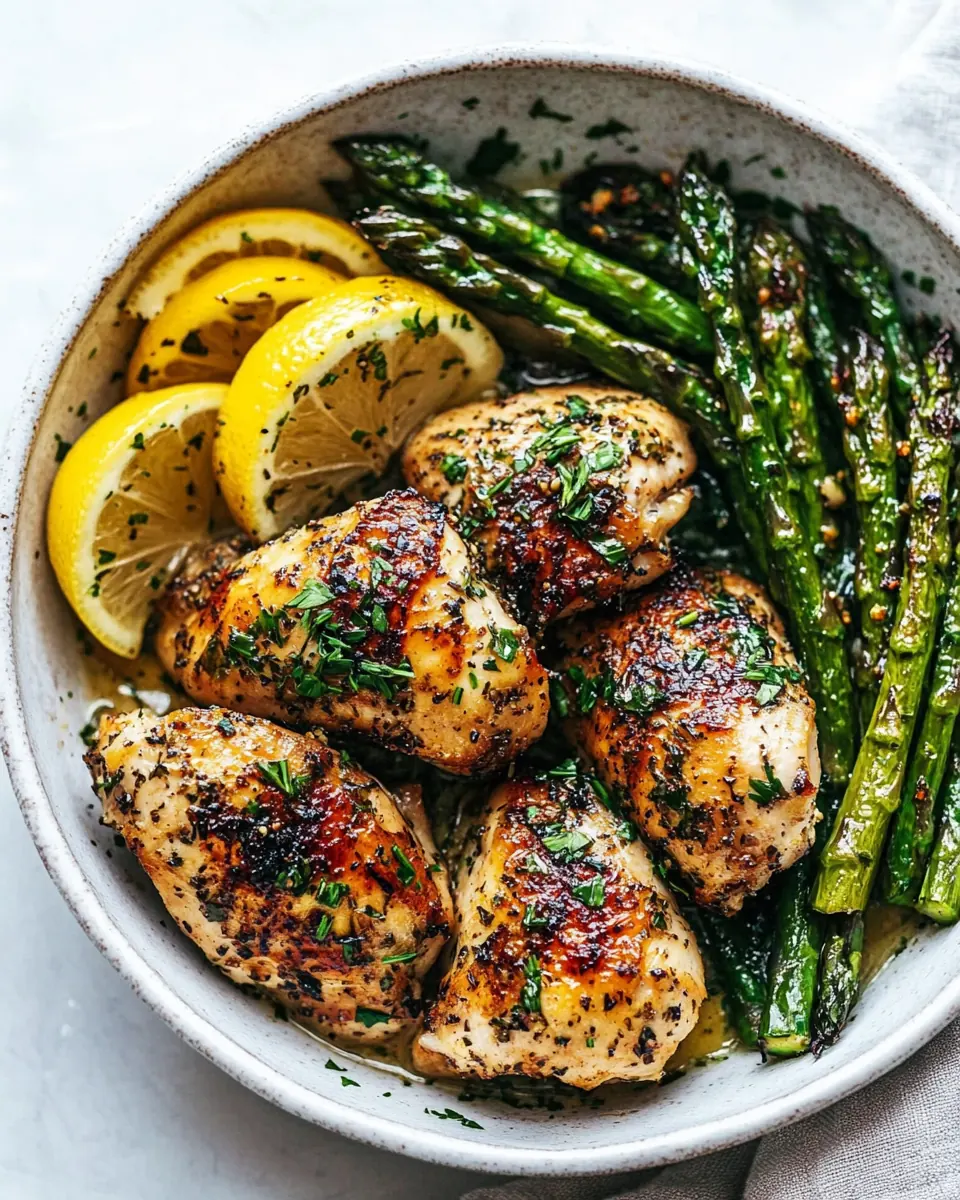
Lemon Garlic Butter Herb Chicken with Asparagus
Ingredients
Equipment
Method
- In a medium-sized skillet over medium-high heat add 3 tablespoons butter until melted. Add juice of one lemon, 4 minced garlic cloves, 1/4 cup fresh oregano, 1 teaspoon fresh rosemary, and 1 teaspoon fresh thyme.: You should notice the butter shimmer and start to foam, releasing a warm, nutty aroma. The sound is a light sizzle when the pan is hot enough, and that sizzle is important because it helps sear the surface of the chicken later. If the butter turns dark brown quickly, lower the heat to prevent burning, which creates a bitter flavor. A common mistake is starting with too high heat and letting the butter smoke, so begin medium-high and adjust as needed. The reason this matters is that the rendered butter forms the base of your sauce, carrying herb and garlic flavors and giving the finished dish silkiness.
- Add 1 pound boneless skinless chicken thighs and cook for 3-4 minutes on each side or until chicken is no longer pink and is 165 degrees Fahrenheit. Remove chicken and set aside on a plate.: As these aromatics hit the warm butter you will get an immediate burst of fragrance, bright lemon top notes, and the cozy, savory scent of garlic . The herbs will begin to bloom, their oils infusing the liquid; you should see tiny bubbles as the mixture simmers gently. Stir to combine so the flavors meld but do not let the garlic brown excessively, because burnt garlic tastes acrid. A frequent error is adding herbs too early and exposing them to prolonged high heat, which flattens their flavor, so add them when the butter is warm but not smoking. This step matters because it creates a concentrated pan sauce that will coat the chicken and vegetables with layered flavor.
- Add 1/2 bunch asparagus to the pan and salt and pepper to taste. Cook for 5-6 minutes or until tender.: When you place the chicken into the pan you will hear a satisfying sizzle, and the surface should develop a golden crust after a few minutes. That crust adds texture and caramelized flavor. Use tongs to flip only once if possible, so the sear develops undisturbed. The interior should lose its pink color and a thermometer should read 165 degrees Fahrenheit at the thickest part. If the pan gets crowded, the chicken will steam instead of sear, so cook in batches if needed. One common pitfall is moving the chicken too often, which prevents browning. Removing the chicken to rest keeps juices locked in and gives you time to finish the vegetables in the same flavorful pan.
- Add chicken back to the pan for a minute or so and serve.: When the asparagus hits the hot pan it should sizzle and start to soften, releasing a green, vegetal aroma. Toss or stir so each stalk makes contact with the butter herb sauce, then let them cook undisturbed for a couple of minutes to develop slight browning. You are aiming for tender crisp, where the spears still have a bit of snap and bright color. If you overcook, asparagus becomes floppy and loses vibrancy, so watch the clock. A frequent mistake is adding cold, wet asparagus which cools the pan and steams instead of saut e9ing, so pat the spears dry beforehand. This step matters because the asparagus soaks up the pan flavors, creating continuity across the dish.
- Cook for 5 to 6 minutes or until tender: During these minutes listen for a steady, gentle sizzle and look for the asparagus to turn a deeper green and become slightly glossy from the sauce. Test by piercing the thickest part with a fork; it should meet some resistance but not be hard. If the pan seems too dry, you can loosen the sauce with a splash of water, but be careful not to dilute the flavor. A common error is overcooking in pursuit of softness, which results in mushy asparagus, so check early and often. The reason this matters is texture; the bright, slightly crunchy asparagus balances the richer chicken and butter.
- Add chicken back to the pan for a minute or so and serve: Returning the resting chicken to the pan allows it to warm through and marry with the herb butter sauce, creating a unified plate. You should hear a brief sizzle and see the sauce cling and gloss the meat. Serve while hot so the sauce is still silky; cooling will thicken it. Avoid leaving the chicken in the pan too long, which can dry it out. This finishing step brings everything together, concentrating flavors and ensuring each bite has a balance of herb, citrus, and savory butter.
Notes
- Herb flexibility: If you are short on one fresh herb, increase the others slightly to maintain an herbal presence, but avoid overloading with a single flavor which can unbalance the pan sauce.
- Chicken cut choice: Choose thighs for more forgiving, juicy results or breasts for a leaner plate, adjusting cook times slightly to avoid drying the meat.
- Butter care: Use real butter for the best flavor, and start with medium-high heat so it foams then simmers, watching closely to prevent burning which causes bitterness.
- Garlic handling: Mince garlic finely to release aroma quickly, and add it when the butter is warm but not smoking to avoid a bitter note from burnt garlic.
- Asparagus timing: Add the asparagus after the chicken rests so it cooks in the flavored pan, aiming for tender crisp rather than soft and mushy.
- Salt judiciously: Season at multiple stages and taste before serving, because the pan reduction concentrates saltiness and you can always add more at the end.