Lentil Soup
Lentil Soup has been my go to on chilly evenings when I need something both comforting and honest, a bowl that warms from the inside out. The first time I made this version I remember the kitchen filling with a warm, earthy aroma as the spices bloomed in the oil, and I felt instantly at home. I still reach for it on nights when I want a simple, nourishing meal that does not demand a lot of fuss, and I enjoy how each spoonful tells a small story of texture and balance.
Over the years I have adapted this recipe in tiny ways, but the heart remains the same: hearty lentils, bright tomato, and a squeeze of lemon to cut the richness. Friends often ask why mine tastes so layered, and I tell them it is the patient sautéing of the vegetables and the gentle simmering that coax sweetness from the onion and carrot. I sometimes make a big pot and let it sit overnight, because the flavors deepen in a way that feels almost indulgent the next day.
Recipe Snapshot
50 mins
10 mins
40 mins
Medium
250 kcal
American
Vegan, Gluten-Free
Soups
Large pot, Immersion blender, Wooden spoon
Why You’ll Love This Lentil Soup
Hearty, not heavy
I love that Lentil Soup fills you up without weighing you down. The lentils provide a satisfyingly dense texture and a protein rich base, while the vegetables keep the bowl bright. I often serve it when I want something that feels substantial, yet wholesome.
Layered flavor from pantry staples
One thing I always mention is how pantry friendly this recipe is. With simple items like olive oil, dried spices, canned tomatoes, and vegetable broth, the soup builds deep flavor without exotic ingredients. I find this comforting when I need a dependable, delicious meal on short notice.
Flexible and forgiving
I appreciate recipes that adapt to what I have. This version of Lentil Soup is forgiving about lentil type and greens. If I have green lentils I use them, if I have spinach or kale I toss them in near the end. The technique tolerates small timing changes, which is perfect for busy nights.
Textural contrast and brightness
What sets this recipe apart for me is the partial pureeing step. It gives the soup body and silkiness, while still leaving some whole lentils for bite, and a squeeze of lemon juice at the end brightens the whole bowl. That contrast makes every spoonful interesting.
Easy to scale and store
I often double the batch because Lentil Soup keeps beautifully. It reheats well, and the flavors often improve after a day. For gatherings I can quickly multiply quantities and still deliver a comforting dish that everyone enjoys.
Ingredient List for Lentil Soup
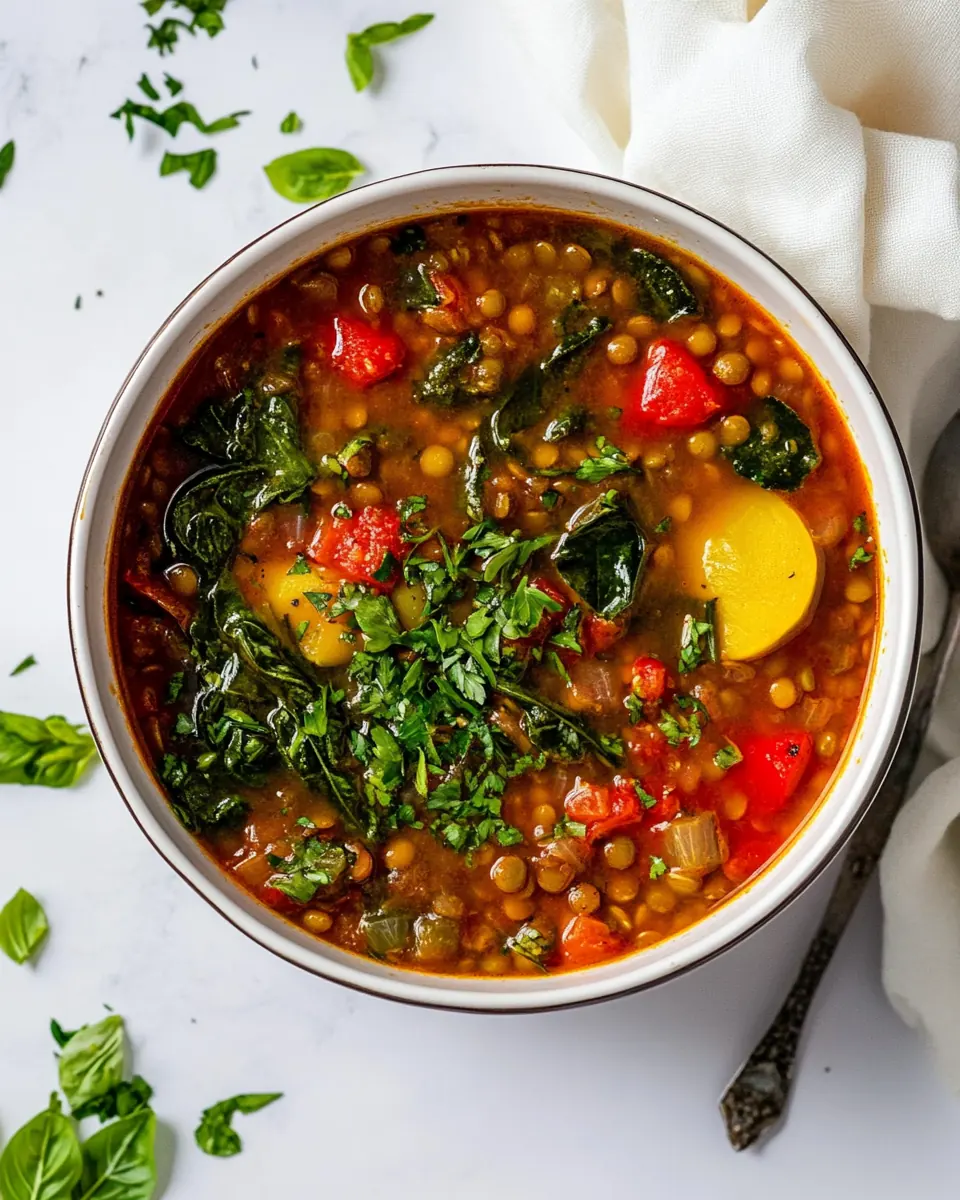
These ingredients work together to create a balanced, nourishing bowl. The lentils are the central protein and body, the aromatic vegetables form a sweet savory base, and the spices introduce warmth and depth. The key players are the olive oil for flavor, the canned fire roasted diced tomatoes for acidity and smoke, and the vegetable broth which dissolves everything into a cohesive soup.
- 3 tablespoons olive oil: Heat olive oil in a large pot to sauté aromatics and vegetables, providing a rich, smooth fat that carries flavors and prevents sticking during cooking. Use it to bloom spices and give the soup a satisfying mouthfeel and sheen.
- 1 yellow onion, chopped: Sweat yellow onion until translucent to build a sweet, savory base that deepens the soup’s overall flavor profile. Chop finely to release sugars and allow even cooking with other vegetables.
- 2 carrots, peeled and chopped: Add peeled and chopped carrots to contribute natural sweetness, body, and subtle texture as they soften and help thicken the broth. Cut uniformly so they cook evenly alongside lentils and other vegetables.
- 2 celery ribs, chopped: Include chopped celery to lend aromatic, slightly bitter notes and a crisp vegetal backbone that balances sweeter ingredients. Chop into pieces that release flavor while maintaining some structure in the finished soup.
- 1 red bell pepper, cored, seeded, and chopped: Fold in cored, seeded, and chopped red bell pepper to introduce bright, fruity sweetness and a vibrant color contrast. Remove seeds and core to avoid bitterness and chop for even distribution throughout the soup.
- 4 garlic cloves, pressed or minced: Press or mince garlic cloves to release pungent, savory oils that enhance depth and umami; add early with the aromatics to mellow and integrate into the base. Use a press or mince finely for maximum flavor release.
- 2 dried bay leaves: Toss in dried bay leaves to impart a subtle herbal, slightly floral background note that simmers into the broth. Simmer with the soup and discard before serving to avoid tough whole leaves.
- 3/4 teaspoon ground cumin: Sprinkle ground cumin to introduce warm, earthy, and slightly nutty tones that complement the lentils and tomato. Add after sautéing aromatics to briefly bloom and intensify its aroma.
- 3/4 teaspoon ground coriander: Add ground coriander for lemony, floral, and slightly sweet undertones that brighten the savory elements and pair well with cumin. Toast lightly in the pot to enhance its fragrance before adding liquids.
- 3/4 teaspoons smoked paprika: Stir in smoked paprika to contribute a warm sweetness and gentle smokiness that enriches the soup’s savory depth. Use the smoked variant to add a subtle grill-like note without adding heat.
- 1/2 teaspoon dried thyme: Include dried thyme to provide woody, slightly minty herbal accents that meld with bay and other seasonings during a long simmer. Add early so its flavor infuses into the broth over time.
- 28 ounces fire roasted diced tomatoes: Pour in fire roasted diced tomatoes to supply acidic brightness, roasted depth, and chunky texture that complement lentils and vegetables. Use the juices to build a robust, savory tomato base for the soup.
- 6 cups vegetable broth: Ladle in vegetable broth to create the liquid foundation that carries flavors, hydrates the lentils, and controls the soup’s consistency. Choose a low-sodium broth if preferring to better manage overall salt levels.
- 1 cup brown or green lentils, picked over and rinsed well: Add brown or green lentils, picked over and rinsed well, to provide hearty protein, fiber, and a creamy yet slightly firm texture when cooked. Rinse to remove debris and ensure even cooking during simmering.
- 1 teaspoon salt, more to taste: Season with salt to enhance and balance all flavors, aiding in drawing out vegetable juices and seasoning the lentils as they cook. Adjust and taste later to achieve the desired seasoning level.
- 1/4 teaspoon black pepper, more to taste: Crack in black pepper to add mild heat and a sharp, aromatic finish that complements the other spices and brightens the soup’s overall profile. Grind fresh for best flavor and add to taste.
- Dash of crushed red pepper flakes or pinch of cayenne (optional): Include a dash of crushed red pepper flakes or a pinch of cayenne for optional heat to uplift and add a spicy counterpoint to the savory-sweet elements. Add sparsely and adjust according to heat preference.
- 2 cups roughly chopped fresh spinach (can use kale): Fold in roughly chopped fresh spinach (or kale) to introduce vibrant green color, fresh vegetal flavor, and a boost of nutrients that wilt quickly into the hot soup. Chop coarsely so leafy pieces remain visible and tender.
- 2 tablespoons fresh lemon juice: Finish with fresh lemon juice to brighten and balance richness with acidic lift, sharpening flavors and bringing a fresh finish to the lentils and tomatoes. Add at the end of cooking to preserve its bright citrus character.
Preparation Steps for Lentil Soup
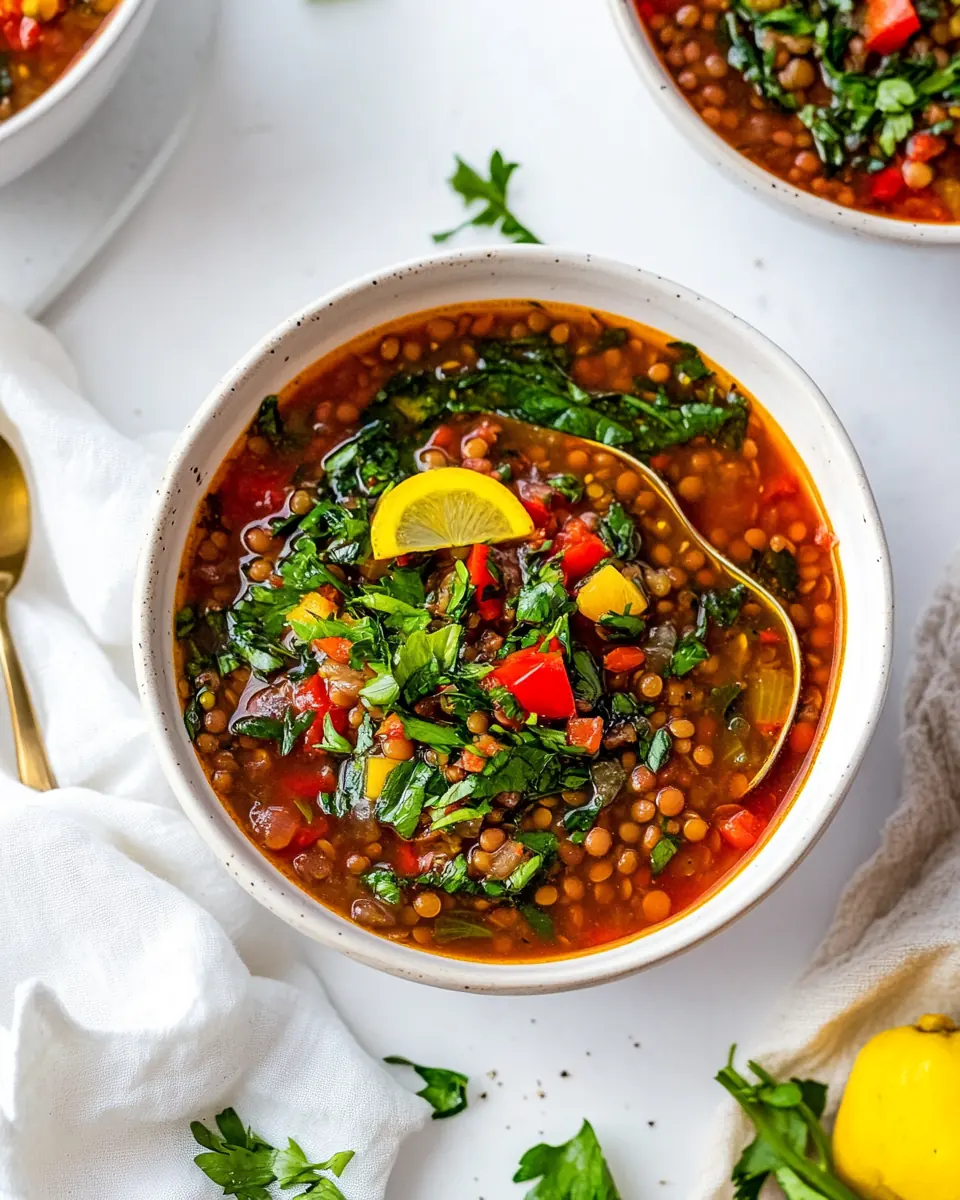
These directions guide you through a steady, sensory driven approach to building flavor. I like to move slowly through the sauté and simmer stages so each component contributes fully to the final bowl. Follow the cues for color, aroma, and texture rather than rushing by the clock.
- In a large pot, heat the olive oil over medium high heat. Add the onion, carrot, celery, and red pepper and cook until tender, about 5-7 minutes. Stir in the garlic and cook for one more minute.: As the oil warms you will notice it shimmer and thin in viscosity, signaling it is ready. The sound is a quiet tickle when vegetables first hit the pan, which then softens to a gentle sizzle as they release moisture. Warming the oil properly ensures the onion and other vegetables cook evenly and absorb the fat for flavor. Avoid using too high a heat because the oil can smoke and turn bitter, and do not crowd the pan or the vegetables will steam rather than sauté.
- Add the dried bay leaves, cumin, coriander, smoked paprika, thyme, tomatoes, and vegetable broth.: You will see the edges of the onion soften and turn translucent while the carrot and red pepper dull slightly and release a sweet aroma. Stir frequently so no piece browns excessively, and listen for the consistent low sizzle that means moisture is evaporating. The why here is simple, gentle cooking develops sweetness and complexity, and rushing this stage risks raw vegetable flavors in the final soup.
- Stir in the rinsed lentils and season with salt and black pepper. If you want the soup to have a little heat, you can add in a little crushed red pepper flakes or a pinch of cayenne pepper. Bring the soup to a boil. Place the lid on the pot and reduce the heat to low. Let the soup simmer for 30-40 minutes, stirring occasionally, or until lentils are soft.: The moment you add the garlic the kitchen will fill with a sharp, inviting scent. Cooking for about a minute softens its raw edge and releases its oils, which intensify the base flavor. Avoid overcooking because garlic will turn bitter when brown, so keep the heat moderate and stir constantly to preserve its bright flavor.
- Use an immersion blender to puree the soup a little. I do about 3 turns around the pan with the blender. You don’t want to puree the entire soup. If you don’t have an immersion blender, use a regular blender. Remove 2 cups of the soup from the pot and let cool for a few minutes before blending. Blend and return the pureed soup back into the pot and stir.: Adding spices to the warm oil and vegetables wakes up their aromatics, creating a fragrant base. When the canned fire roasted diced tomatoes hit the pot you will see steam and a burst of tang, and the combined aromas will deepen. This step layers flavor, and using the broth as your liquid ties spices and vegetables into a cohesive broth. A common mistake is adding cold broth to a scorching pan, which can cool the pot and slow the flavor development, so add liquids steadily.
- Add the spinach and fresh lemon juice. Stir and taste. Add additional salt and pepper, if necessary. Ladle the soup into bowls and serve warm.: Once the lentils enter the pot they begin to absorb the liquid and spices, swelling and softening. The visual cue is a gradual thickening of the liquid and the disappearance of the glossy raw sheen on the lentils . Seasoning early allows the salt to penetrate the legumes, but be cautious because the broth and tomatoes contribute saltiness too, and over salting is a common error that is hard to reverse.
- If you want the soup to have a little heat, you can add in a little crushed red pepper flakes or a pinch of cayenne pepper: A small pinch will send a warm tingle through the soup without dominating the palate. Add conservatively because capsicum's heat intensifies with simmering. If you are unsure, add a smaller amount now and adjust after tasting at the end of cooking, which prevents an overly spicy final dish.
- Bring the soup to a boil: As the liquid reaches a boil bubbles will rise steadily and the surface will shimmer, signaling the transition to active cooking. Boiling helps the lentils begin to hydrate rapidly, but once boiling is achieved the next important move is to reduce heat for a controlled simmer so the legumes cook evenly and the broth concentrates slowly.
- Place the lid on the pot and reduce the heat to low: Lowering to a gentle simmer produces a soft bubbling and a steady aroma that develops over time. Covering the pot traps steam, ensuring the lentils cook through without evaporating too much liquid. A misstep is leaving the lid off the whole time, which can dry the soup and lead to uneven cooking, so keep it partially covered if you need to watch liquid levels.
- Let the soup simmer for 30 to 40 minutes, stirring occasionally, or until lentils are soft: During simmering the broth will gently reduce and flavors meld; you will notice a thickened body and a deepened color. Stirring prevents sticking at the bottom and helps you monitor doneness. Test a few lentils by mashing between your fingers; they should yield but not completely disintegrate. Overcooking can make the texture mushy, so check early if you prefer more bite.
- Use an immersion blender to puree the soup a little: After partial blending the aroma becomes creamier and the texture silkier, with some whole lentils remaining for bite. If you do not have an immersion blender, the alternative is to remove about two cups, cool slightly, and blend in a regular blender before returning. Be careful with hot liquids in a blender, vent the lid slightly to avoid pressure buildup. Puree only part of the soup to preserve contrast.
- Add the spinach and fresh lemon juice: The addition of chopped spinach will wilt quickly into the warm broth, turning the soup a brighter green and adding a fresh vegetal note. The squeeze of lemon juice brightens the flavors, cutting through the earthiness and lifting the overall profile. Taste and then adjust salt and pepper, because acid changes perceived seasoning and you may need a final tweak.
- Ladle the soup into bowls and serve warm: Serve when the soup is steaming but not scalding, and notice the aroma and layered flavors as you eat. Presenting it warm highlights the texture contrast and the brightness from the lemon. A common serving mistake is letting it sit too long after reheating, which can mute the fresh notes, so serve promptly for the best sensory experience.
Customization Ideas
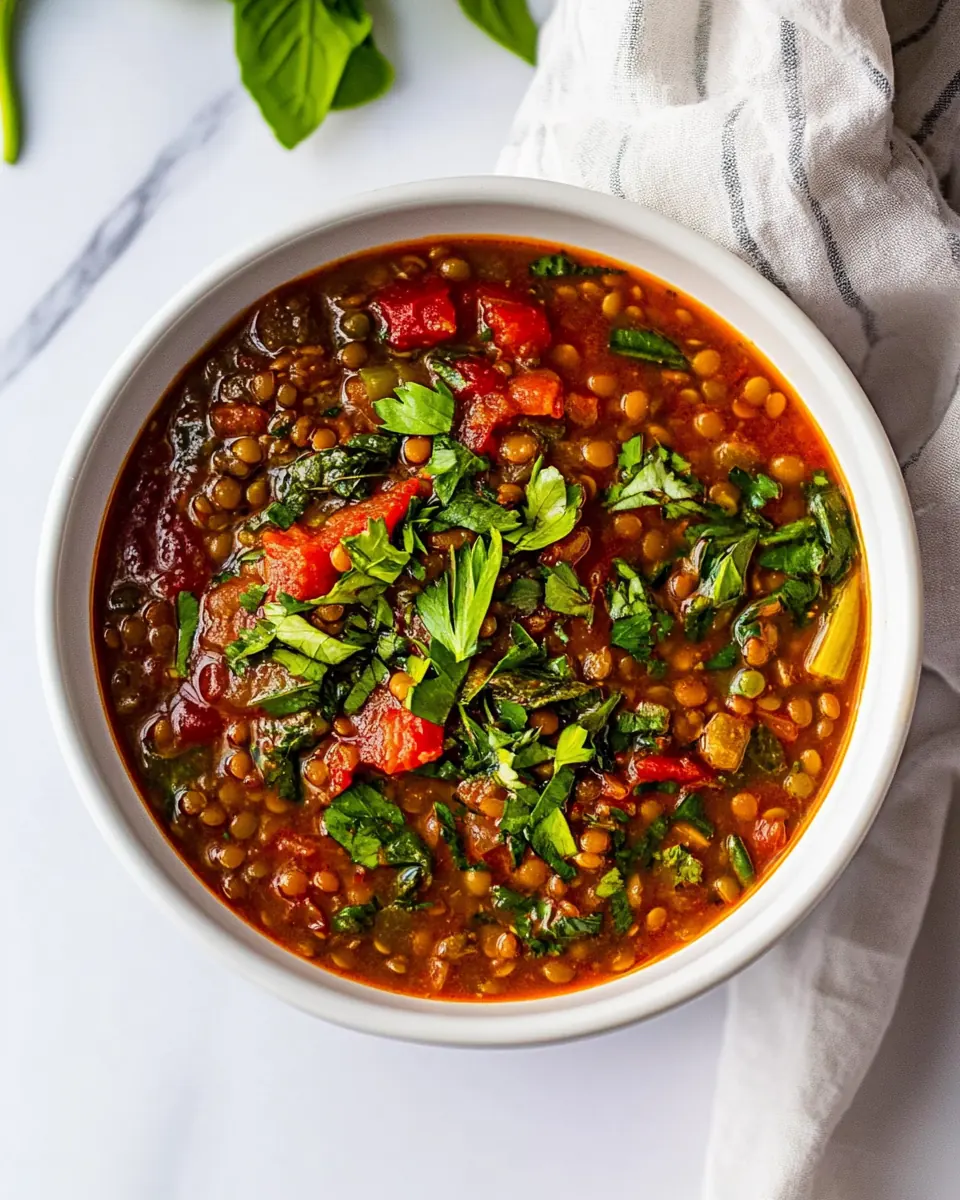
This section offers ways to tailor Lentil Soup to your pantry and preferences. Small swaps can shift the flavor profile while keeping the dish comforting and pantry friendly. Below are ideas to experiment with, each expanded so you can confidently adapt the recipe.
- Swap the lentil type — Use brown or green lentils for a firmer texture that holds shape, or use red lentils for a silkier, faster cooking result. Note that red lentils will break down more, producing a softer, thicker soup, so reduce simmer time accordingly.
- Adjust the heat — Add crushed red pepper flakes or a pinch of cayenne gradually to control spiciness. Start with a very small amount and taste near the end of cooking because heat concentrates as the soup reduces.
- Leafy green options — Swap spinach for kale if you want more texture and heartiness, but massage and chop the kale finely so it softens during the simmer. Kale will hold up better for leftovers.
- Broth substitutes — If you do not have vegetable broth, a low sodium stock or a homemade broth concentrate dissolved in water will work, but adjust final seasoning since sodium levels vary widely.
- Boost the acidity — If the soup feels flat, a little extra lemon juice at the end brightens flavors dramatically. Add a teaspoon at a time and taste to find the right balance.
- Smoky depth — Increase the smoked paprika slightly for more smoke, or use fire roasted tomatoes as listed to layer charred flavor; avoid overdoing it to keep the tomato and spice harmony intact.
- Make it creamier — For a silkier texture, puree a bit more of the soup or add a tablespoon of tahini stirred in at the end for richness without dairy. Tahini also adds a pleasant nutty undertone.
- Thickening tips — If the soup becomes too thin after simmering, remove the lid and simmer uncovered for a few minutes to reduce; this concentrates flavor and improves body naturally.
- Meal prep approach — Cook a large batch and cool quickly before refrigerating. The flavors often deepen overnight, making leftovers an excellent weekday option that only needs reheating.
- Garnish ideas — Finish bowls with a drizzle of good olive oil or an extra squeeze of lemon juice to add freshness and shine right before serving.
How to Serve Lentil Soup
This section outlines serving approaches for different occasions and practical storage ideas. The goal is to help you present Lentil Soup in ways that elevate the experience, whether for a cozy night in or a casual gathering. Below are detailed suggestions structured as a list to make planning simple.
- Simple weeknight bowl — Serve a generous ladle in a warm bowl with a squeeze of lemon juice and an extra crack of black pepper. The brightness of the lemon contrasts the earthy lentils, making it an easy, satisfying dinner.
- Lunch with bread — Pair with crusty bread or warm flatbread for dipping, which adds textural contrast. The bread acts as a scoop and complements the soup’s thickness, turning it into a filling midday meal.
- Comfort dinner — For a heartier presentation, serve alongside a simple grain salad or roasted vegetables. The soup functions as either the main course or as a starter for a multi course meal depending on portion size.
- Seasonal occasions — This soup fits perfectly into winter menus and is also soothing during Ramadan Iftar when a warm, nourishing dish is welcome after fasting. Its gentle flavors are easy on the stomach and restorative.
- Make ahead and storage — Cool completely then refrigerate in an airtight container for up to four days. For longer storage, freeze in portions for up to three months. When reheating, add a splash of broth and a fresh squeeze of lemon juice to refresh flavors.
- Serving for guests — Serve with bowls of chopped fresh herbs or a small dish of extra lemon juice and crushed red pepper so guests can personalize each bowl. It makes a simple meal feel thoughtful and interactive.
- Garnish options — Top with a handful of chopped fresh greens or a drizzle of olive oil to add color and richness right before serving, enhancing visual appeal and aroma.
- Portioning tips — For a starter portion, serve about one cup per person. For a main course, plan on one and a half to two cups especially when serving with bread or a salad.
- Pairing suggestions — Pair with a crisp green salad for contrast, or serve with simple roasted vegetables for a fuller plate. The soup’s bright lemon finish complements green and acidic side dishes well.
- Reheat advice — Reheat gently over medium low heat to avoid over reducing, stirring occasionally. Add a splash of broth if it thickens too much, and recheck seasoning before serving.
FAQ
Conclusion
This Lentil Soup stands out because it balances earthy, savory, and bright flavors while remaining effortless to make. The combination of sautéed aromatics, warm spices, partially pureed lentils, and a squeeze of lemon creates a comforting yet lively bowl that suits weeknights and gatherings alike. Give this recipe a try, and you may find it becoming a staple in your rotation for its nourishing profile and make ahead convenience. I hope it brings warmth to your table and becomes one of those dishes you return to again and again.
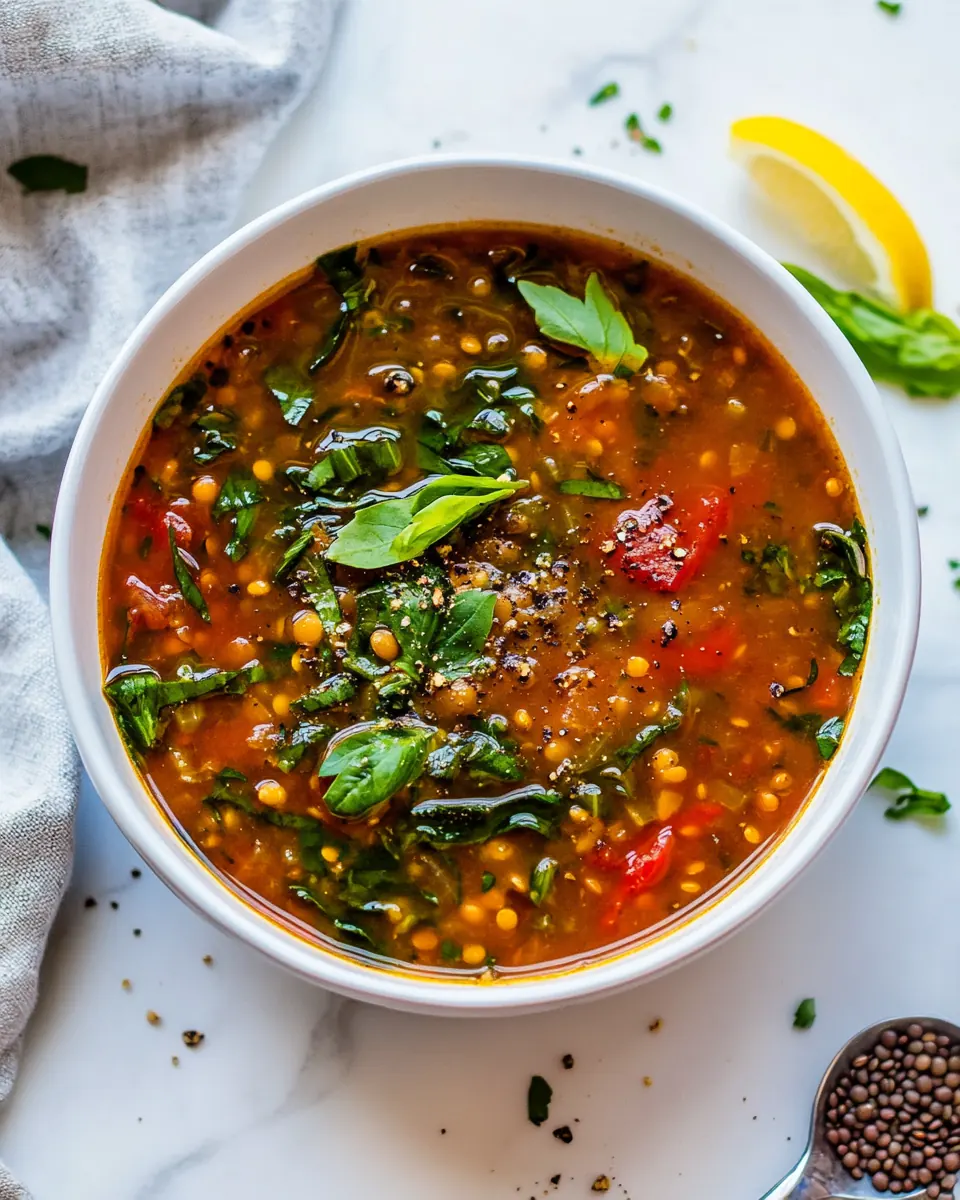
Lentil Soup
Ingredients
Equipment
Method
- In a large pot, heat the olive oil over medium high heat. Add the onion, carrot, celery, and red pepper and cook until tender, about 5-7 minutes. Stir in the garlic and cook for one more minute.: As the oil warms you will notice it shimmer and thin in viscosity, signaling it is ready. The sound is a quiet tickle when vegetables first hit the pan, which then softens to a gentle sizzle as they release moisture. Warming the oil properly ensures the onion and other vegetables cook evenly and absorb the fat for flavor. Avoid using too high a heat because the oil can smoke and turn bitter, and do not crowd the pan or the vegetables will steam rather than sauté.
- Add the dried bay leaves, cumin, coriander, smoked paprika, thyme, tomatoes, and vegetable broth.: You will see the edges of the onion soften and turn translucent while the carrot and red pepper dull slightly and release a sweet aroma. Stir frequently so no piece browns excessively, and listen for the consistent low sizzle that means moisture is evaporating. The why here is simple, gentle cooking develops sweetness and complexity, and rushing this stage risks raw vegetable flavors in the final soup.
- Stir in the rinsed lentils and season with salt and black pepper. If you want the soup to have a little heat, you can add in a little crushed red pepper flakes or a pinch of cayenne pepper. Bring the soup to a boil. Place the lid on the pot and reduce the heat to low. Let the soup simmer for 30-40 minutes, stirring occasionally, or until lentils are soft.: The moment you add the garlic the kitchen will fill with a sharp, inviting scent. Cooking for about a minute softens its raw edge and releases its oils, which intensify the base flavor. Avoid overcooking because garlic will turn bitter when brown, so keep the heat moderate and stir constantly to preserve its bright flavor.
- Use an immersion blender to puree the soup a little. I do about 3 turns around the pan with the blender. You don’t want to puree the entire soup. If you don’t have an immersion blender, use a regular blender. Remove 2 cups of the soup from the pot and let cool for a few minutes before blending. Blend and return the pureed soup back into the pot and stir.: Adding spices to the warm oil and vegetables wakes up their aromatics, creating a fragrant base. When the canned fire roasted diced tomatoes hit the pot you will see steam and a burst of tang, and the combined aromas will deepen. This step layers flavor, and using the broth as your liquid ties spices and vegetables into a cohesive broth. A common mistake is adding cold broth to a scorching pan, which can cool the pot and slow the flavor development, so add liquids steadily.
- Add the spinach and fresh lemon juice. Stir and taste. Add additional salt and pepper, if necessary. Ladle the soup into bowls and serve warm.: Once the lentils enter the pot they begin to absorb the liquid and spices, swelling and softening. The visual cue is a gradual thickening of the liquid and the disappearance of the glossy raw sheen on the lentils . Seasoning early allows the salt to penetrate the legumes, but be cautious because the broth and tomatoes contribute saltiness too, and over salting is a common error that is hard to reverse.
- If you want the soup to have a little heat, you can add in a little crushed red pepper flakes or a pinch of cayenne pepper: A small pinch will send a warm tingle through the soup without dominating the palate. Add conservatively because capsicum's heat intensifies with simmering. If you are unsure, add a smaller amount now and adjust after tasting at the end of cooking, which prevents an overly spicy final dish.
- Bring the soup to a boil: As the liquid reaches a boil bubbles will rise steadily and the surface will shimmer, signaling the transition to active cooking. Boiling helps the lentils begin to hydrate rapidly, but once boiling is achieved the next important move is to reduce heat for a controlled simmer so the legumes cook evenly and the broth concentrates slowly.
- Place the lid on the pot and reduce the heat to low: Lowering to a gentle simmer produces a soft bubbling and a steady aroma that develops over time. Covering the pot traps steam, ensuring the lentils cook through without evaporating too much liquid. A misstep is leaving the lid off the whole time, which can dry the soup and lead to uneven cooking, so keep it partially covered if you need to watch liquid levels.
- Let the soup simmer for 30 to 40 minutes, stirring occasionally, or until lentils are soft: During simmering the broth will gently reduce and flavors meld; you will notice a thickened body and a deepened color. Stirring prevents sticking at the bottom and helps you monitor doneness. Test a few lentils by mashing between your fingers; they should yield but not completely disintegrate. Overcooking can make the texture mushy, so check early if you prefer more bite.
- Use an immersion blender to puree the soup a little: After partial blending the aroma becomes creamier and the texture silkier, with some whole lentils remaining for bite. If you do not have an immersion blender, the alternative is to remove about two cups, cool slightly, and blend in a regular blender before returning. Be careful with hot liquids in a blender, vent the lid slightly to avoid pressure buildup. Puree only part of the soup to preserve contrast.
- Add the spinach and fresh lemon juice: The addition of chopped spinach will wilt quickly into the warm broth, turning the soup a brighter green and adding a fresh vegetal note. The squeeze of lemon juice brightens the flavors, cutting through the earthiness and lifting the overall profile. Taste and then adjust salt and pepper, because acid changes perceived seasoning and you may need a final tweak.
- Ladle the soup into bowls and serve warm: Serve when the soup is steaming but not scalding, and notice the aroma and layered flavors as you eat. Presenting it warm highlights the texture contrast and the brightness from the lemon. A common serving mistake is letting it sit too long after reheating, which can mute the fresh notes, so serve promptly for the best sensory experience.
Notes
- Swap the lentil type — Use brown or green lentils for a firmer texture that holds shape, or use red lentils for a silkier, faster cooking result. Note that red lentils will break down more, producing a softer, thicker soup, so reduce simmer time accordingly.
- Adjust the heat — Add crushed red pepper flakes or a pinch of cayenne gradually to control spiciness. Start with a very small amount and taste near the end of cooking because heat concentrates as the soup reduces.
- Leafy green options — Swap spinach for kale if you want more texture and heartiness, but massage and chop the kale finely so it softens during the simmer. Kale will hold up better for leftovers.
- Broth substitutes — If you do not have vegetable broth, a low sodium stock or a homemade broth concentrate dissolved in water will work, but adjust final seasoning since sodium levels vary widely.
- Boost the acidity — If the soup feels flat, a little extra lemon juice at the end brightens flavors dramatically. Add a teaspoon at a time and taste to find the right balance.
- Smoky depth — Increase the smoked paprika slightly for more smoke, or use fire roasted tomatoes as listed to layer charred flavor; avoid overdoing it to keep the tomato and spice harmony intact.
- Make it creamier — For a silkier texture, puree a bit more of the soup or add a tablespoon of tahini stirred in at the end for richness without dairy. Tahini also adds a pleasant nutty undertone.
- Thickening tips — If the soup becomes too thin after simmering, remove the lid and simmer uncovered for a few minutes to reduce; this concentrates flavor and improves body naturally.
- Meal prep approach — Cook a large batch and cool quickly before refrigerating. The flavors often deepen overnight, making leftovers an excellent weekday option that only needs reheating.
- Garnish ideas — Finish bowls with a drizzle of good olive oil or an extra squeeze of lemon juice to add freshness and shine right before serving.