Homemade Chicken Stock
Homemade Chicken Stock has been my quiet kitchen hero for years, the base I reach for when I want a bowl that feels like a warm hug after a long day. I remember the first time I made a pot on a blustery evening, the apartment full of that slow savory scent that felt like something my grandmother might have cooked, even though she never did. That memory stuck, and since then I return to this simple ritual whenever I want something nourishing and honest.
There is something comforting about watching a pot gently bubble while you do other small tasks, the kitchen filling with a golden perfume that hints at soups to come. I like how flexible this stock is, from sips in a mug to forming the backbone of weeknight soups and stews. When you make Homemade Chicken Stock, you are investing in flavor rather than relying on store bought shortcuts. It rewards patience with depth and clarity.
Over time I developed little preferences: a light simmer so the liquid stays clear, a mindful skim of the surface, and letting it rest so it cools slightly before straining. Those small acts make a difference in texture and taste. I also love that this recipe is forgiving; it teaches you to trust your senses, to look for amber color and a fragrant nose rather than obsess over exact minutes. That relaxed, sensory approach is why I keep returning to Homemade Chicken Stock whenever I want something pure and reliable in the pantry.
Recipe Snapshot
2 hr 5 mins
5 mins
120 mins
Hard
200 kcal
American
Gluten-Free, Paleo
Soups
1 large Dutch oven or large stock pot
What Makes This Homemade Chicken Stock Special
Deep, true flavor
I adore how Homemade Chicken Stock concentrates the essence of chicken and aromatic vegetables into one potent, savory liquid. That natural depth means you need less added salt or bouillon when you cook with it, and dishes taste cleaner and fresher because the flavor starts at the foundation. I find soups and sauces suddenly feel layered and complete when I swap in this stock.
Versatility in the kitchen
We can sip it straight from a mug, use it to poach grains, or build complex sauces, all with the same batch. Because the stock is concentrated, I often dilute it when a recipe calls for a lighter broth, which stretches a single batch across multiple meals. It becomes a small, powerful pantry tool that elevates everyday cooking.
Cost effective and sustainable
Making Homemade Chicken Stock turns humble parts into gold, and that feels responsible and thrifty. Using elements like the feet means extracting maximum flavor and nutrition, so there is less waste. I love the satisfaction of turning simple scraps into something luxurious and useful.
Nutrient rich and comforting
This stock has a body and mouthfeel that store bought versions rarely match, and sipping a warm mug feels restorative. I appreciate how it supports simple, soothing meals when someone is under the weather or when I need a quiet, nourishing dinner. The aroma alone can lift the mood and calm the household.
Easy to make and forgiving
You do not need fancy skills to get great results, and I often let the pot go a little longer when life gets busy. Small adjustments like skimming the surface and letting the stock rest before straining help a lot, and the process teaches you to rely on sight and smell. That predictability is why I make it regularly.
Shopping List for Homemade Chicken Stock
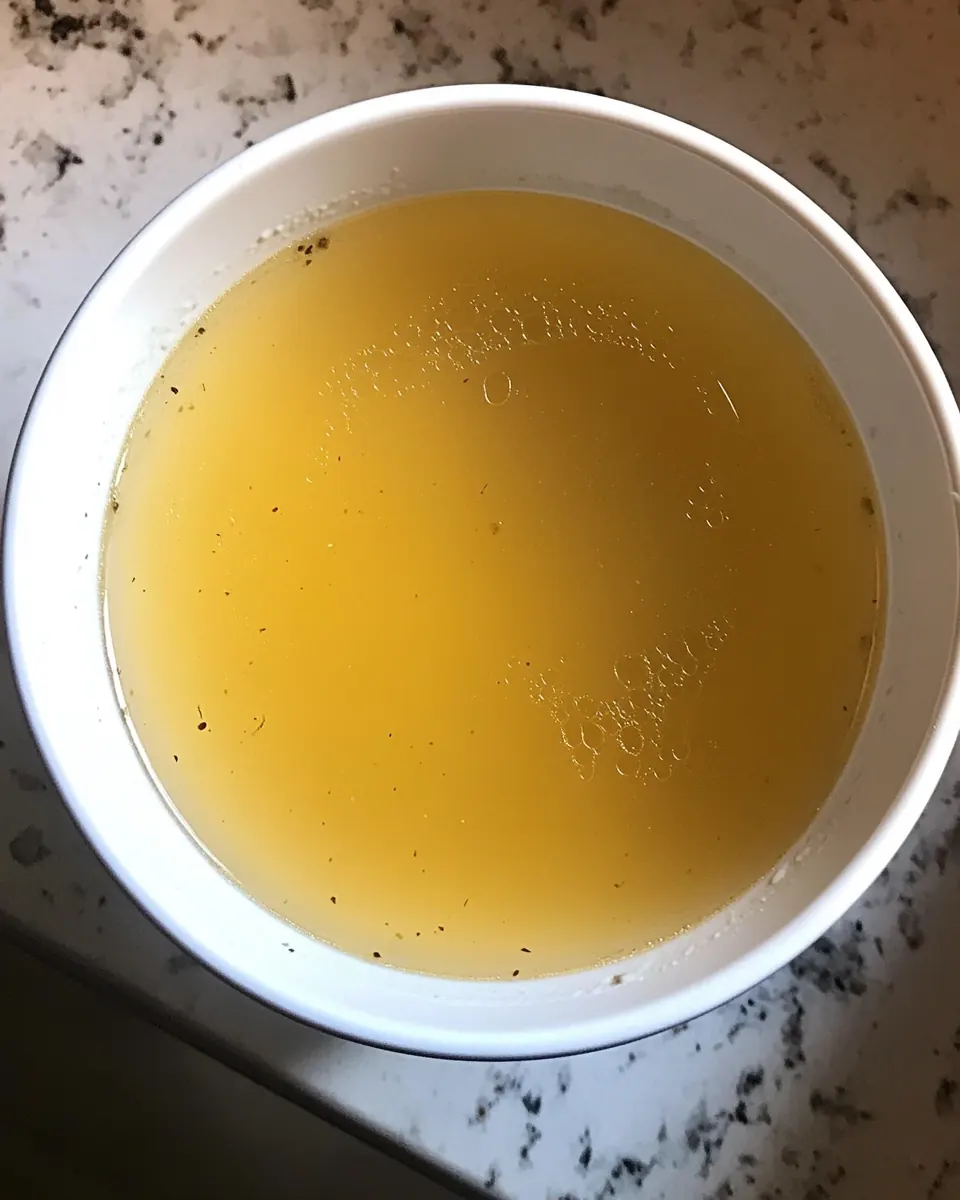
These ingredients are chosen to coax the richest possible taste from very simple components. The philosophy here is clarity and balance: a hearty animal base, sweet aromatics, a few warming spices, and plenty of water to extract all the goodness. The key players are the chicken for collagen and body, and the vegetables and spices for nuance and brightness.
- 2 pounds chicken feet (paws),(see notes below for alternatives): Provide gelatin-rich body and deep chicken flavor to create a glossy, silky stock; simmer slowly to extract collagen from connective tissues and skin for a full mouthfeel. Add bones early and skim occasionally to remove impurities for a clear final broth. Handle carefully and blanch briefly if desired to reduce surface scum and improve clarity.
- 2 carrots, peeled and cut in half: Contribute natural sweetness and aromatic depth; caramelize slightly during initial simmering to enhance the savory flavor profile. Cut in half to expose more surface area for extraction without overpowering the stock. Peel to remove any bitter outer skin and ensure a clean, balanced taste.
- 1 celery rib, trimmed and cut in half: Offer mild vegetal aromatics and subtle savory notes that complement the chicken; trim and halve to release flavor into the simmering liquid. Provide a fresh, slightly earthy backbone that balances sweetness from carrots and richness from bones. Use fresh, firm ribs for the best extraction.
- 1/2 yellow onion, peeled, trimmed and roughly chopped: Supply savory and aromatic base flavor with slight sweetness and sulfurous notes that enrich the broth; chop roughly to expose layers and assist extraction during simmering. Peel and trim to avoid bitter or dusty outer layers. Contribute to the stock’s complexity without dominating other aromatics.
- 6 garlic cloves, smashed: Impart mellow garlic aroma and savory depth when smashed to release juices and essential oils into the stock; adding whole or smashed cloves yields a gentle, rounded garlic presence. Smash rather than finely chop to make removal simple and prevent overly intense bite.
- 1 teaspoon black peppercorns, (about 20): Add bright, pungent spice and subtle astringency that helps cleanse the palate and balance the rich, gelatinous stock. Use whole peppercorns to infuse heat without clouding the broth, and toast lightly if a more pronounced aroma is desired. Contain about twenty to moderate the intensity.
- 1 teaspoon coriander seeds, (about 20): Bring warm, citrusy, and slightly floral spice notes that lift and brighten the broth; include whole seeds to release nuanced flavor gradually during long simmering. Toast briefly to boost aroma if preferred, and leave whole for easy straining at the end. Add in moderation to avoid overpowering delicate chicken flavors.
- 1 teaspoon turmeric powder: Provide warm, earthy color and subtle anti-inflammatory flavor while enhancing the stock’s golden hue; stir in powder evenly so it disperses through the liquid. Use modest amounts to add depth without imparting a strong turmeric taste. Pair with other spices to achieve balanced complexity.
- 1 bay leaf: Contribute herbaceous, slightly bitter and bay-like undertones that add savory depth and aromatic complexity to the stock; add whole to be removed after simmering. Use a single leaf to season gently without overwhelming the other aromatics. Place in early to allow full infusion of flavor.
- 14 cups filtered water: Serve as the solvent that extracts flavors, gelatin, and nutrients from all solids; measure precisely to maintain desired concentration and final stock strength. Use filtered water to ensure a clean taste free from off-flavors and impurities. Adjust quantity depending on pot size and evaporation during simmering.
Cooking Instructions for Homemade Chicken Stock
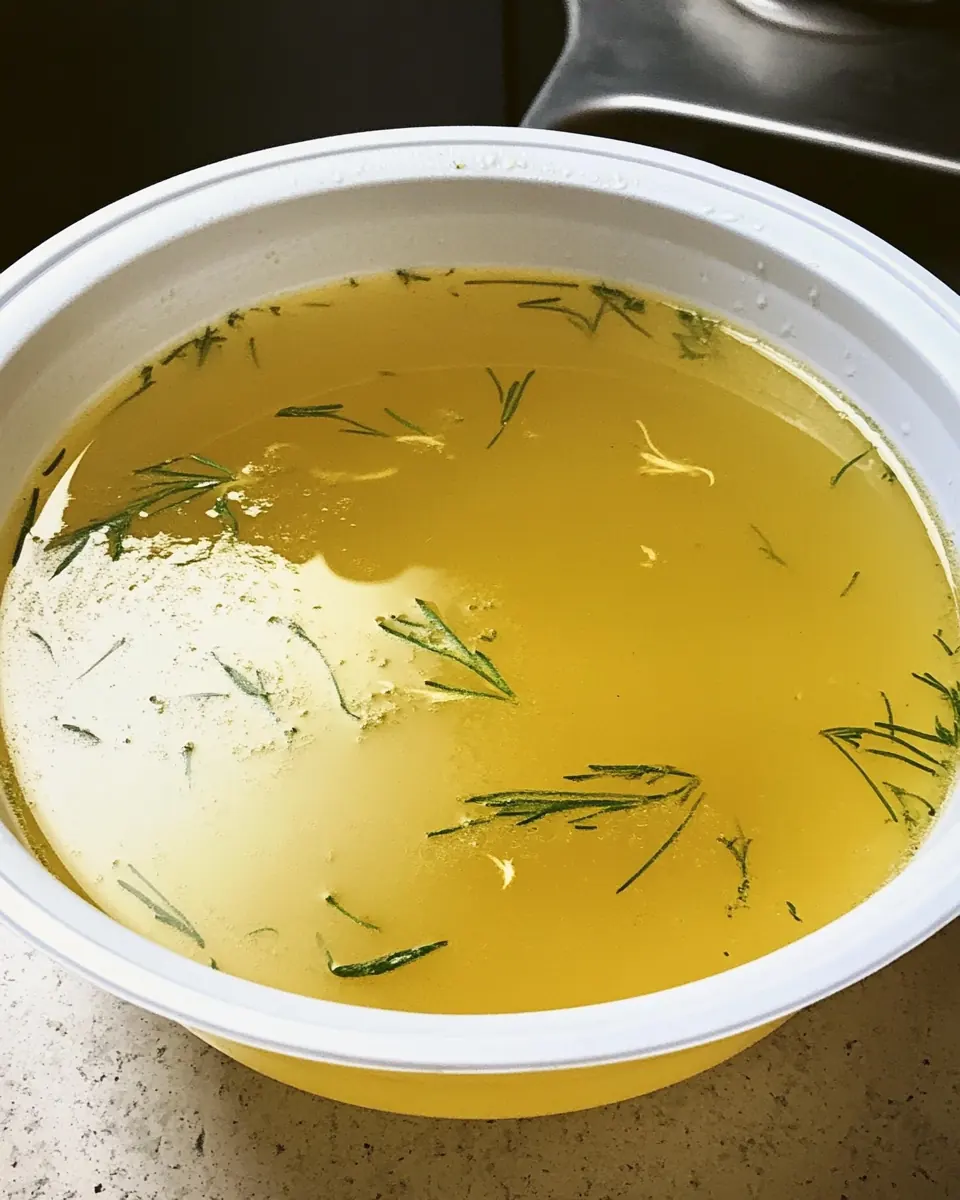
These directions are simple yet precise, and I like to follow them while paying attention to small sensory cues. The goal is a gentle simmer, patient extraction, and clear, fragrant liquid. Below are the step by step actions, rewritten to be richly descriptive and helpful as you cook along.
- To a large stock pot or Dutch oven, add the chicken feet, carrots, celery, yellow onion, garlic cloves, black peppercorns, coriander seeds, turmeric powder and bay leaf. Pour in the water and give it a mix.: The first moment you combine everything, notice the colors settling into the pale water, the crisp scent of raw vegetables, and the faint mineral scent of the water. The reason we add everything cold and together is to allow the flavors and collagen to slowly infuse as the temperature rises, producing a clearer, more flavorful stock. A common mistake here is crowding the pot too tightly, which can reduce movement and extraction, so use a pot that leaves ample room. As it warms up you may see tiny gray foam form along the surface, a normal sign that impurities are rising; we will skim those off later.
- Turn the heat to medium-high heat and bring to a simmer. Once it reaches a simmer, bring the heat down to low heat and partially cover with a lid.: As the pot approaches a simmer, listen for small, regular bubbles and watch the surface begin to tremble rather than roar. That soft bubbling is ideal because vigorous boiling agitates the solids, which clouds the stock and can create bitter flavors. Reducing to low and partially covering traps some steam and heat so the liquid keeps moving gently, extracting flavor without boiling. A typical error is maintaining a boil, which leads to cloudy stock and harsher taste; if you see rapid, rolling bubbles, lower the heat further and pry the lid slightly ajar to regulate evaporation.
- Cook for 1 1/2 to 2 hours. Regularly check in on it and skim the top, getting rid of any of the sudsy stuff on the surface. We're going to discard this. We want a nice clean stock!: During the long simmer you will notice bits of foam and scum rising; use a fine mesh skimmer or spoon to remove these so the final liquid stays clear and bright. The simmer extracts collagen from the chicken feet and flavors from the aromatics while the skimming keeps flavor pure. One common oversight is neglecting to skim at all, which leaves a greasy film and muted clarity. Pay attention to the smell too, it should be savory and slightly sweet; if it smells acrid, the heat may be too high or longer cooking is causing unwanted breakdown.
- At the 1 1/2 hour mark, your stock should smell very fragrant and should be a beautiful amber color. Turn off the heat and let it stand for about 10 minutes. I do this so it's not SO hot to handle.: This rest period lets sediment settle and the liquid cool a touch so it is safer to handle when you strain. The aroma will deepen in this quiet window, and you will notice more body in the mouthfeel. Avoid straining while it is violently boiling or piping hot, because splashes are dangerous and the agitation can re-suspend solids. A frequent mistake is skipping the rest and immediately straining, which can burn your hands and make the process messier.
- Place a strainer on top of a big glass bowl and pour the stock into the strainer. You may need to do this in batches. Press all of the chicken feet and vegetables to release all the stock. We want all of it!: Straining is where the visual reward appears, as the liquid pours through clear and amber. Use the back of a ladle or a sturdy spatula to press on the solids and coax every last drop of gelatinous goodness out. The sensory cue here is the weight and thickness of the liquid; you will feel it when it moves slower off the spoon. Don’t overpress so you force fine particulates through; if the strained stock looks gritty, return it to settle and re-strain through a finer cloth.
- Let the stock cool for another 10 minutes and then transfer it to quart containers or any container you like to use. Transfer to the fridge to cool (uncovered). When it's completely cooled, cover with airtight lids.: Cooling slightly before jarring prevents warping containers and reduces splatter. Leaving containers uncovered in the fridge for initial cooling helps steam escape and prevents condensation collecting under lids. Once cold, sealing locks in the flavors. A common error is capping warm containers, which traps heat and can raise fridge temperature, risking spoilage of other items. For best texture, chill until jelly like if you used feet, that indicates good collagen content.
- Stock will be good in the fridge for up to 2 weeks OR alternatively you can freeze it in freezer-safe containers for up to 6 months.: Stored cold, the stock keeps well and its flavor matures over the first few days in the fridge. Freezing is great for long term storage; I use labeled quart jars and leave a little headspace to allow expansion. When thawing, do so in the fridge overnight or gently in a warm water bath if you need it sooner. Avoid repeated freeze thaw cycles which degrade texture and flavor.
Pro Tips and Tweaks
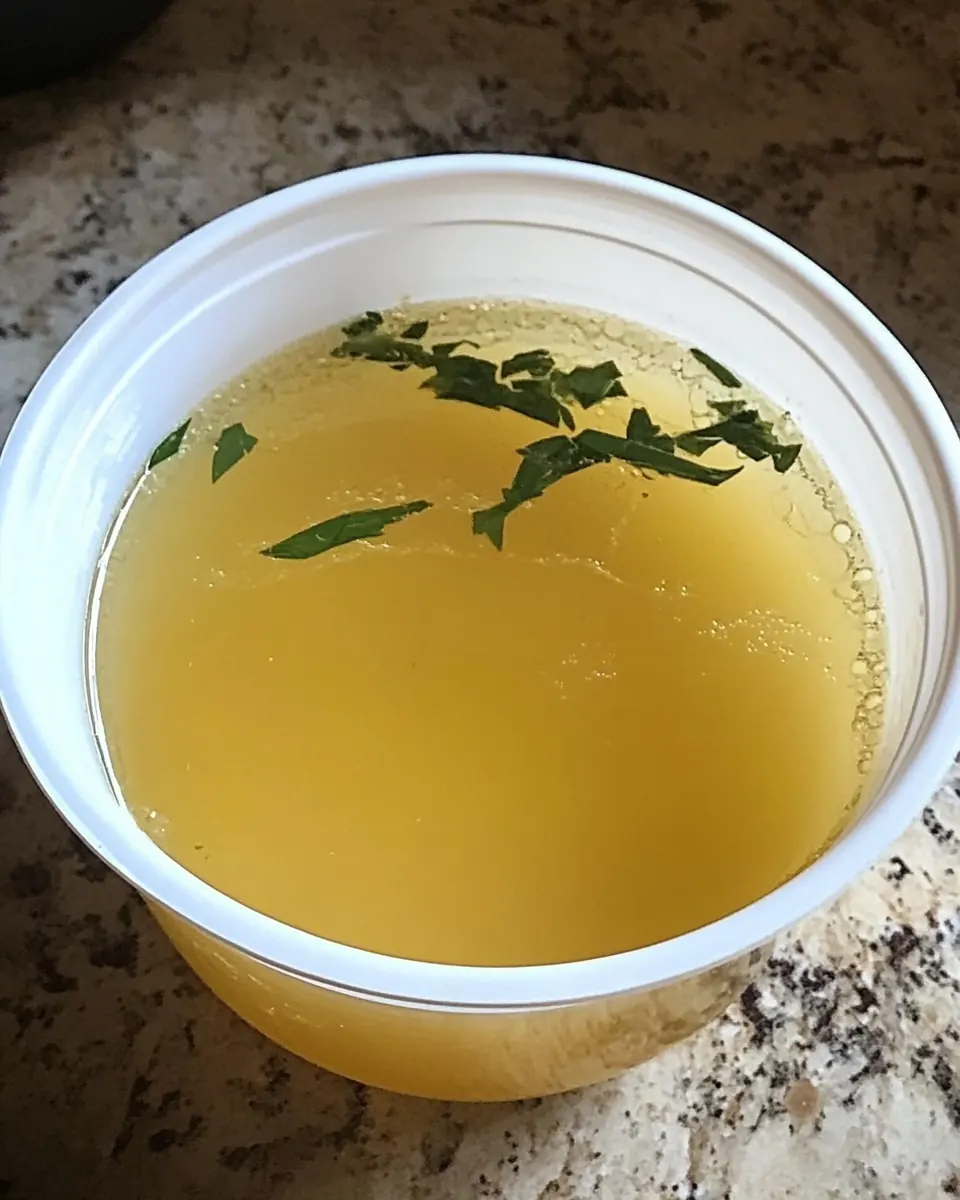
I like to think of these tips as small habits that compound into big flavor. They are the tiny adjustments I make so every batch of Homemade Chicken Stock feels intentional and reliable. Below are practical, experience based tweaks to help you get consistent results.
- Trim and clean the feet well, rinsing under cool water removes any grit or debris, which prevents an unpleasant texture in the finished stock.
- Use filtered water, because water quality influences flavor more than most people expect; filtered water gives a cleaner tasting stock.
- Control the simmer, maintain a gentle, steady simmer to avoid cloudiness and bitter notes from aggressive boiling.
- Skim early and often, removing scum during the first 30 to 60 minutes preserves clarity and a bright aroma.
- Cool uncovered in the fridge first, this allows steam to escape so condensation does not form under the lid and dilute or muddy the flavor.
- Freeze in measuring portions, freezing quart or cup portions makes it effortless to pull exactly what a recipe needs without thawing excess.
Serving This Homemade Chicken Stock
This stock is a flexible foundation for many meals, from simple sipping to complex dishes. Think of it as a concentrated flavor base to be stretched across soups, grains, and sauces. Below are practical serving ideas, storage guidance, and occasions where it shines.
- Sip warm in a mug, gently heat a few ladles, add a pinch of salt, and enjoy as a restorative drink during cold weather or when under the weather.
- Use as a soup base, dilute the stock to taste and build vegetable, noodle, or legume soups for a rich, layered result.
- Poach grains or proteins, replace water with stock when cooking rice, quinoa or poaching mild fish to impart savory depth.
- Finish sauces, reduce stock to concentrate flavor and add to pan sauces for savory dishes that need a deeper backbone.
- Storage tips, refrigerate for up to two weeks or freeze for up to six months; label with date and portion size for easy rotation.
- Occasions, perfect for chilly dinners, light lunches, or as a comforting kitchen staple during winter months and busy cooking days.
FAQ
Conclusion
What makes this recipe special is its ability to turn simple, humble ingredients into a concentrated, nourishing backbone for countless meals. The gentle simmer and patient skimming create a clear, amber broth that carries deep savory notes and a silky mouthfeel from collagen rich components. I encourage you to try this method, make a batch, and notice how it elevates soups, grains, and sauces in everyday cooking. With minimal effort and a little time, you gain a versatile homemade staple that rewards you with flavor and comfort.
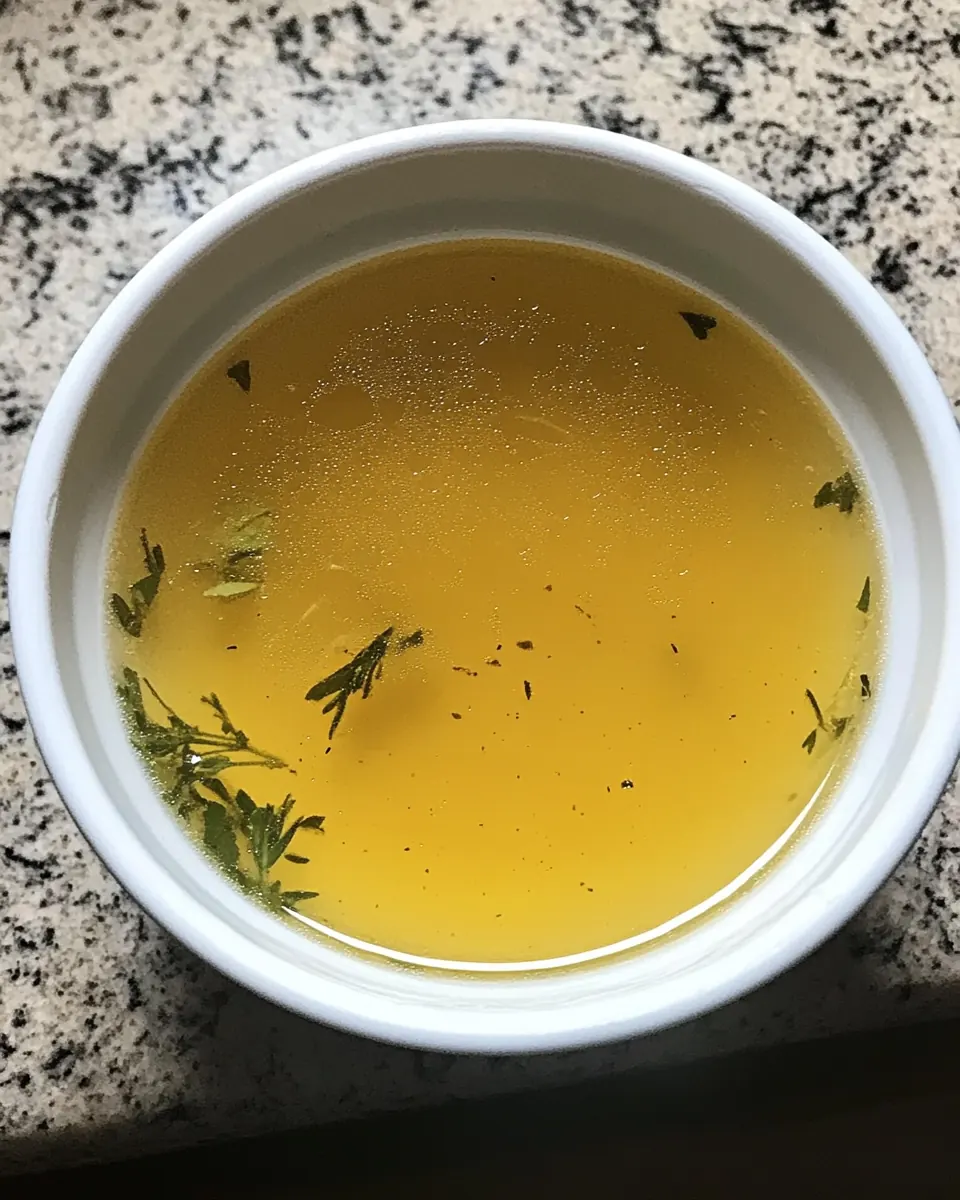
Homemade Chicken Stock
Ingredients
Equipment
Method
- To a large stock pot or Dutch oven, add the chicken feet, carrots, celery, yellow onion, garlic cloves, black peppercorns, coriander seeds, turmeric powder and bay leaf. Pour in the water and give it a mix.: The first moment you combine everything, notice the colors settling into the pale water, the crisp scent of raw vegetables, and the faint mineral scent of the water. The reason we add everything cold and together is to allow the flavors and collagen to slowly infuse as the temperature rises, producing a clearer, more flavorful stock. A common mistake here is crowding the pot too tightly, which can reduce movement and extraction, so use a pot that leaves ample room. As it warms up you may see tiny gray foam form along the surface, a normal sign that impurities are rising; we will skim those off later.
- Turn the heat to medium-high heat and bring to a simmer. Once it reaches a simmer, bring the heat down to low heat and partially cover with a lid.: As the pot approaches a simmer, listen for small, regular bubbles and watch the surface begin to tremble rather than roar. That soft bubbling is ideal because vigorous boiling agitates the solids, which clouds the stock and can create bitter flavors. Reducing to low and partially covering traps some steam and heat so the liquid keeps moving gently, extracting flavor without boiling. A typical error is maintaining a boil, which leads to cloudy stock and harsher taste; if you see rapid, rolling bubbles, lower the heat further and pry the lid slightly ajar to regulate evaporation.
- Cook for 1 1/2 to 2 hours. Regularly check in on it and skim the top, getting rid of any of the sudsy stuff on the surface. We're going to discard this. We want a nice clean stock!: During the long simmer you will notice bits of foam and scum rising; use a fine mesh skimmer or spoon to remove these so the final liquid stays clear and bright. The simmer extracts collagen from the chicken feet and flavors from the aromatics while the skimming keeps flavor pure. One common oversight is neglecting to skim at all, which leaves a greasy film and muted clarity. Pay attention to the smell too, it should be savory and slightly sweet; if it smells acrid, the heat may be too high or longer cooking is causing unwanted breakdown.
- At the 1 1/2 hour mark, your stock should smell very fragrant and should be a beautiful amber color. Turn off the heat and let it stand for about 10 minutes. I do this so it's not SO hot to handle.: This rest period lets sediment settle and the liquid cool a touch so it is safer to handle when you strain. The aroma will deepen in this quiet window, and you will notice more body in the mouthfeel. Avoid straining while it is violently boiling or piping hot, because splashes are dangerous and the agitation can re-suspend solids. A frequent mistake is skipping the rest and immediately straining, which can burn your hands and make the process messier.
- Place a strainer on top of a big glass bowl and pour the stock into the strainer. You may need to do this in batches. Press all of the chicken feet and vegetables to release all the stock. We want all of it!: Straining is where the visual reward appears, as the liquid pours through clear and amber. Use the back of a ladle or a sturdy spatula to press on the solids and coax every last drop of gelatinous goodness out. The sensory cue here is the weight and thickness of the liquid; you will feel it when it moves slower off the spoon. Don’t overpress so you force fine particulates through; if the strained stock looks gritty, return it to settle and re-strain through a finer cloth.
- Let the stock cool for another 10 minutes and then transfer it to quart containers or any container you like to use. Transfer to the fridge to cool (uncovered). When it's completely cooled, cover with airtight lids.: Cooling slightly before jarring prevents warping containers and reduces splatter. Leaving containers uncovered in the fridge for initial cooling helps steam escape and prevents condensation collecting under lids. Once cold, sealing locks in the flavors. A common error is capping warm containers, which traps heat and can raise fridge temperature, risking spoilage of other items. For best texture, chill until jelly like if you used feet, that indicates good collagen content.
- Stock will be good in the fridge for up to 2 weeks OR alternatively you can freeze it in freezer-safe containers for up to 6 months.: Stored cold, the stock keeps well and its flavor matures over the first few days in the fridge. Freezing is great for long term storage; I use labeled quart jars and leave a little headspace to allow expansion. When thawing, do so in the fridge overnight or gently in a warm water bath if you need it sooner. Avoid repeated freeze thaw cycles which degrade texture and flavor.
Notes
- Trim and clean the feet well, rinsing under cool water removes any grit or debris, which prevents an unpleasant texture in the finished stock.
- Use filtered water, because water quality influences flavor more than most people expect; filtered water gives a cleaner tasting stock.
- Control the simmer, maintain a gentle, steady simmer to avoid cloudiness and bitter notes from aggressive boiling.
- Skim early and often, removing scum during the first 30 to 60 minutes preserves clarity and a bright aroma.
- Cool uncovered in the fridge first, this allows steam to escape so condensation does not form under the lid and dilute or muddy the flavor.
- Freeze in measuring portions, freezing quart or cup portions makes it effortless to pull exactly what a recipe needs without thawing excess.