Roasted Root Vegetables
Roasted Root Vegetables are the sort of dish I turn to when I want something honest, cozy, and full of color on the plate. The first time I made this recipe I had a kitchen full of winter light and a pile of mismatched root vegetables left from the farmers market. I loved how the aroma of baking sweet potato and carrots filled the house, and how the bubbling edges caramelized into deep, savory pockets of flavor. That meal felt like a warm handshake from the oven, simple and deeply satisfying.
Over the years I’ve tweaked the balance of seasoning so the natural sweetness of the vegetables sings without being masked. I often make a double batch when friends come over, because these Roasted Root Vegetables travel well from pan to table and pair effortlessly with so many mains. I remember one chilly evening when I served them alongside a slow roasted chicken, and everyone kept reaching for seconds, praising that crisped exterior and tender heart.
Recipe Snapshot
40 mins
5 mins
35 mins
Easy
150 kcal
American
Paleo, Vegan
Side Dishes
Baking sheet, Mixing bowl
The Magic of This Roasted Root Vegetables
1. Comforting and approachable
I adore how Roasted Root Vegetables feel like comfort food with no pretension. They are forgiving to make, yet the payoff is restaurant worthy. I find the simple technique of tossing in olive oil and seasoning gives you caramelized edges and soft centers, creating a textural contrast that makes every bite interesting.
2. Seasonal and colorful
Because this recipe highlights root vegetables like sweet potato, beetroot, and carrots, it captures autumnal colors and flavors. I love serving the dish at seasonal gatherings, the warm hues brightening any table. The natural sugars in these veggies intensify in the oven, delivering deep, complex notes without any fuss.
3. Incredibly versatile
I’ve used these Roasted Root Vegetables as a side for weeknight dinners, as a warm salad base, and even folded into grain bowls. The mild seasoning acts like a blank canvas, so you can add sauces or herbs later without overwhelming the vegetables. That versatility makes it one of my most-reached-for recipes.
4. Minimal effort, maximum reward
This recipe is one of those rare wins where a handful of pantry staples and a hot oven do most of the work. I appreciate recipes that respect my time, and these Roasted Root Vegetables reward patience rather than technique, which is perfect for busy evenings or leisurely weekend cooking.
5. Great for leftovers and meal prep
When I plan ahead, I roast a big pan so I have ready-to-eat vegetables for salads, sandwiches, or quick reheated sides. They keep well and maintain their texture when stored properly, making them a reliable staple in my fridge.
Ingredients Overview for Roasted Root Vegetables
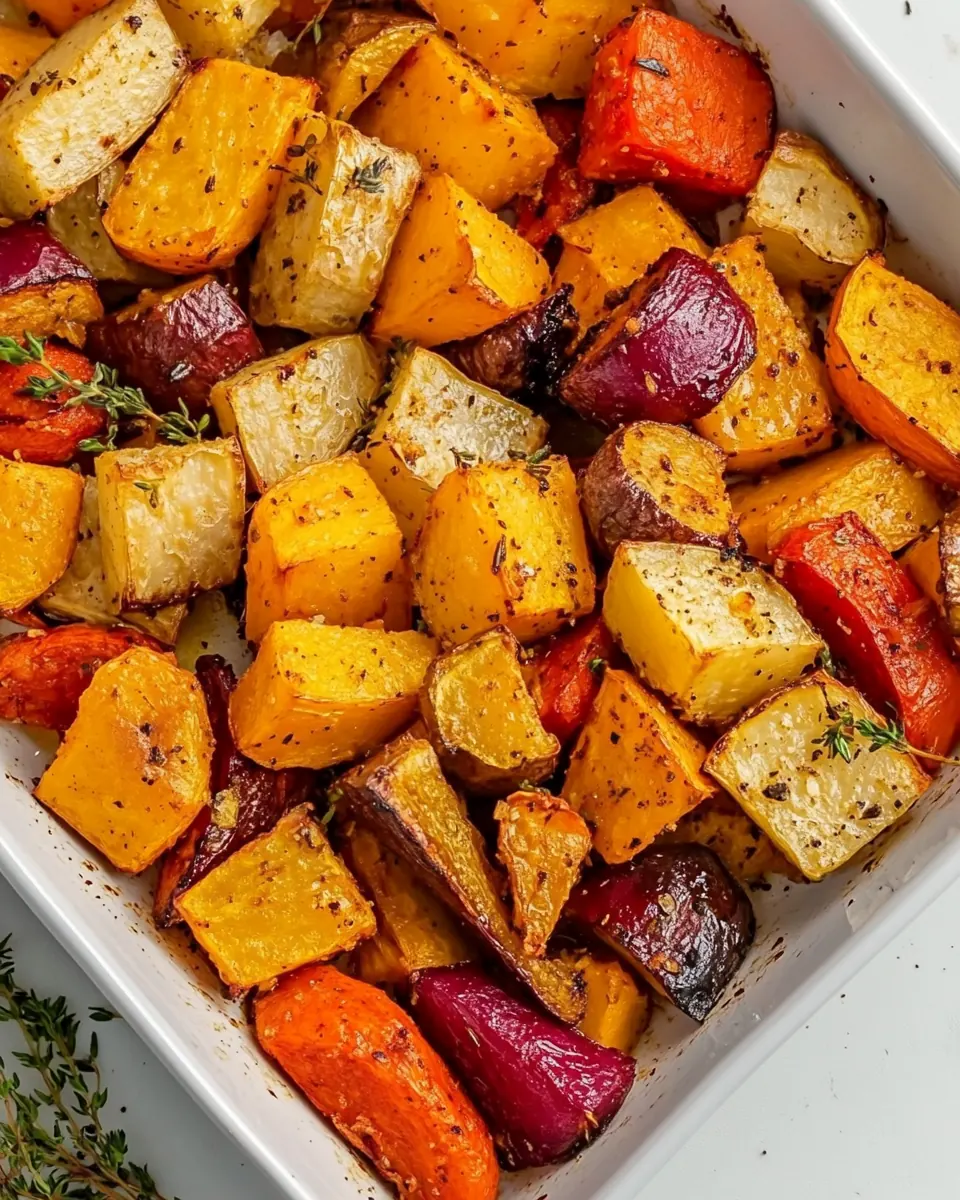
These ingredients are simple, earthy, and chosen so the vegetables’ natural personalities shine through. The key players are the tubers and roots, which bring sweetness and structure, while the olive oil and seasonings encourage caramelization and lift the flavors. Together they create a balanced dish that is both rustic and refined.
- 2 tablespoons olive oil: Coat vegetables evenly to promote browning and prevent sticking during roasting; contributes a subtle fruity flavor and helps carry herbs and spices throughout the dish. Adjust amount if a lighter or richer finish is desired.
- 1 large sweet potato peeled and chopped: Provide natural sweetness and creamy texture when roasted; peeling removes tougher skin and allows for even cooking and better absorption of seasonings. Chop into uniform pieces to ensure consistent roast time.
- 2 large carrots cut into bite-sized pieces: Add sweetness, earthiness, and a tender bite when roasted; cutting into bite–sized pieces speeds cooking and encourages caramelized edges. Provides color contrast and nutritional value to the root medley.
- 2 large potatoes quartered: Offer a starchy, hearty base that becomes fluffy inside and crisp at the edges when quartered; their neutral flavor balances sweeter roots. Quartering ensures similar cook time to the other vegetables.
- 1 beetroot cut into quarters: Contribute deep color, earthy flavor, and an earthy-sweet note that intensifies with roasting; cutting into quarters helps even cooking and concentrates flavor. Beets can stain, so handle and store carefully.
- 1 1/2 teaspoon Italian seasoning: Impart a blend of herbs to add aromatic complexity and Mediterranean flavor; sprinkling before roasting allows the oils to bloom and flavors to meld with the vegetables. Adjust amount to preference for a milder or stronger herb presence.
- 1/2 teaspoon pepper: Provide mild heat and enhance overall flavor by balancing sweetness and earthiness; freshly ground pepper brightens roasted vegetables and adds a subtle bite. Use to taste to avoid overpowering delicate roots.
- 1/2 teaspoon salt: Enhance and balance flavors by elevating natural sweetness and reducing blandness; salting before or during roasting helps draw out moisture and improves caramelization. Adjust quantity for dietary sodium preferences.
How to Make Roasted Root Vegetables
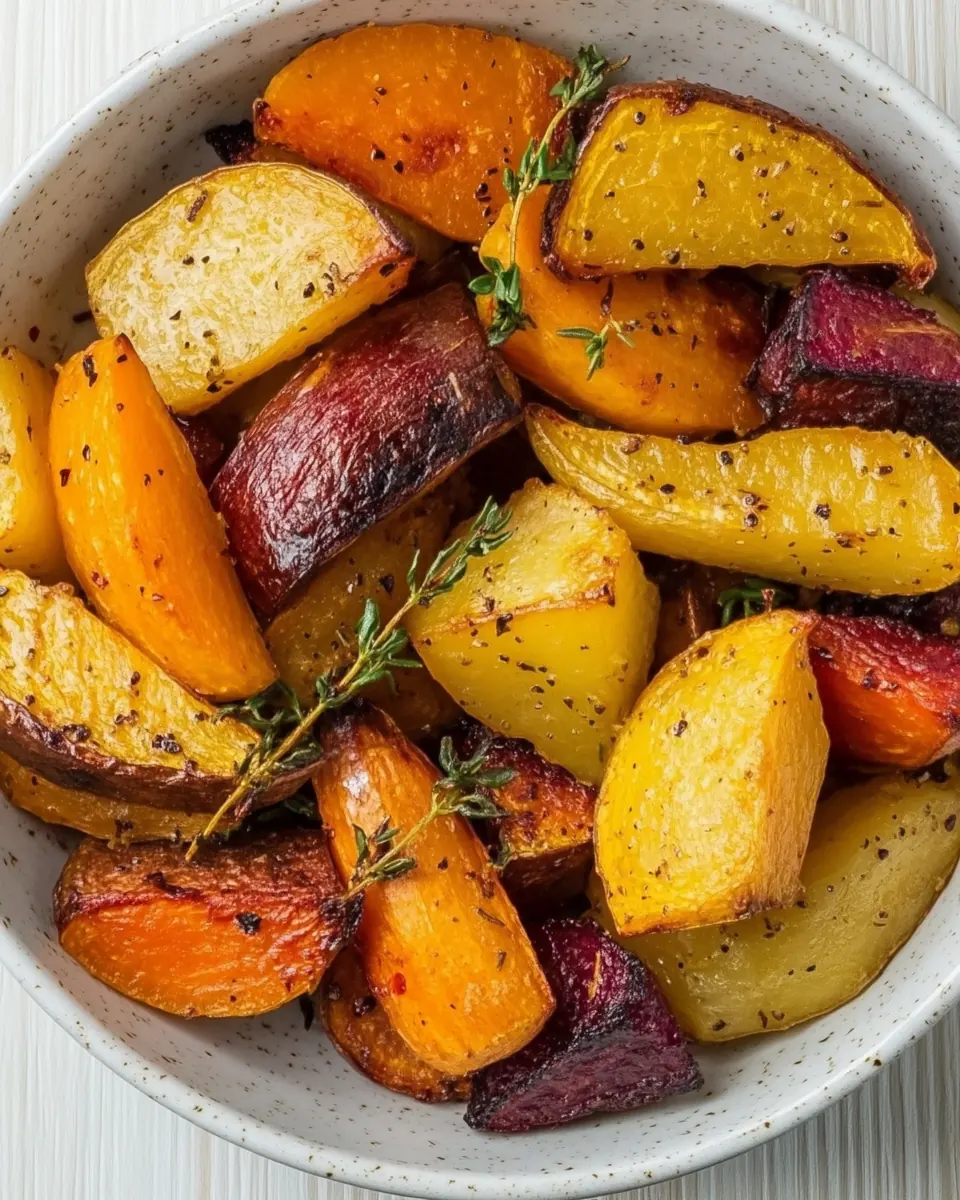
This is a relaxed, hands-on method that mainly relies on timing and an attentive eye. I like to prep everything first so the actual tossing and roasting feel quick and satisfying. Keep a close watch halfway through to flip and check for even browning.
- Preheat the oven to 180 C/350 F and grease a large baking sheet.: The room fills with a faint warmth as the oven comes up to temperature, and that initial heat is crucial for encouraging immediate browning when the vegetables hit the pan. Greasing the sheet prevents sticking and helps the vegetables develop crisp edges that contrast with a tender interior. You'll notice a slight scent shift in the kitchen as the oven nears temperature, a reassuring signal that it is ready. Why this matters, the consistent oven heat ensures even roasting so all pieces cook at the same rate. A common mistake is skipping preheating, which can lead to unevenly roasted vegetables that steam rather than caramelize.
- In a large mixing bowl, add the chopped potatoes, sweet potatoes, beetroot, and carrots.: As you place the cut vegetables into the bowl, enjoy the variety of colors and textures, from the orange of carrots to the deep red of beetroot . The visual contrast helps you gauge evenness of chopping, which directly affects cooking consistency. This step matters because grouping the pieces together makes seasoning and tossing easier, ensuring every piece gets coated. A frequent misstep is mixing unevenly sized chunks, which results in some vegetables overcooking while others stay hard.
- Drizzle with olive oil. Add the salt, pepper, and Italian seasoning. Using your hands, mix very well to ensure it's fully coated.: When you drizzle the olive oil and sprinkle the seasonings, inhale the herbal aroma as the dried herbs wake up. Massaging the oil and spices into the vegetables ensures an even film that promotes uniform caramelization and flavor penetration. You should feel the pieces becoming glossy, a sign they are evenly coated. This tactile step matters a lot, because thorough coating prevents dry spots and helps the edges crisp. One mistake to avoid is under-mixing, which leaves some pieces under-seasoned and others overloaded.
- Transfer the vegetables to the baking sheet and roast for 35 minutes, flipping halfway through.: As the vegetables roast, listen for a gentle crackle and look for edges turning golden and slightly charred; that is where the flavor concentrates. The smell will turn richer and sweeter as natural sugars caramelize, a cue that the pan is transforming. Flipping halfway ensures each side gets direct heat and browns evenly, producing a mosaic of textures. This timing produces tender interiors while preserving crisp exteriors. A common error is crowding the pan, which causes steaming rather than roasting, so spread the vegetables in a single layer with space between pieces.
Ways to Customize
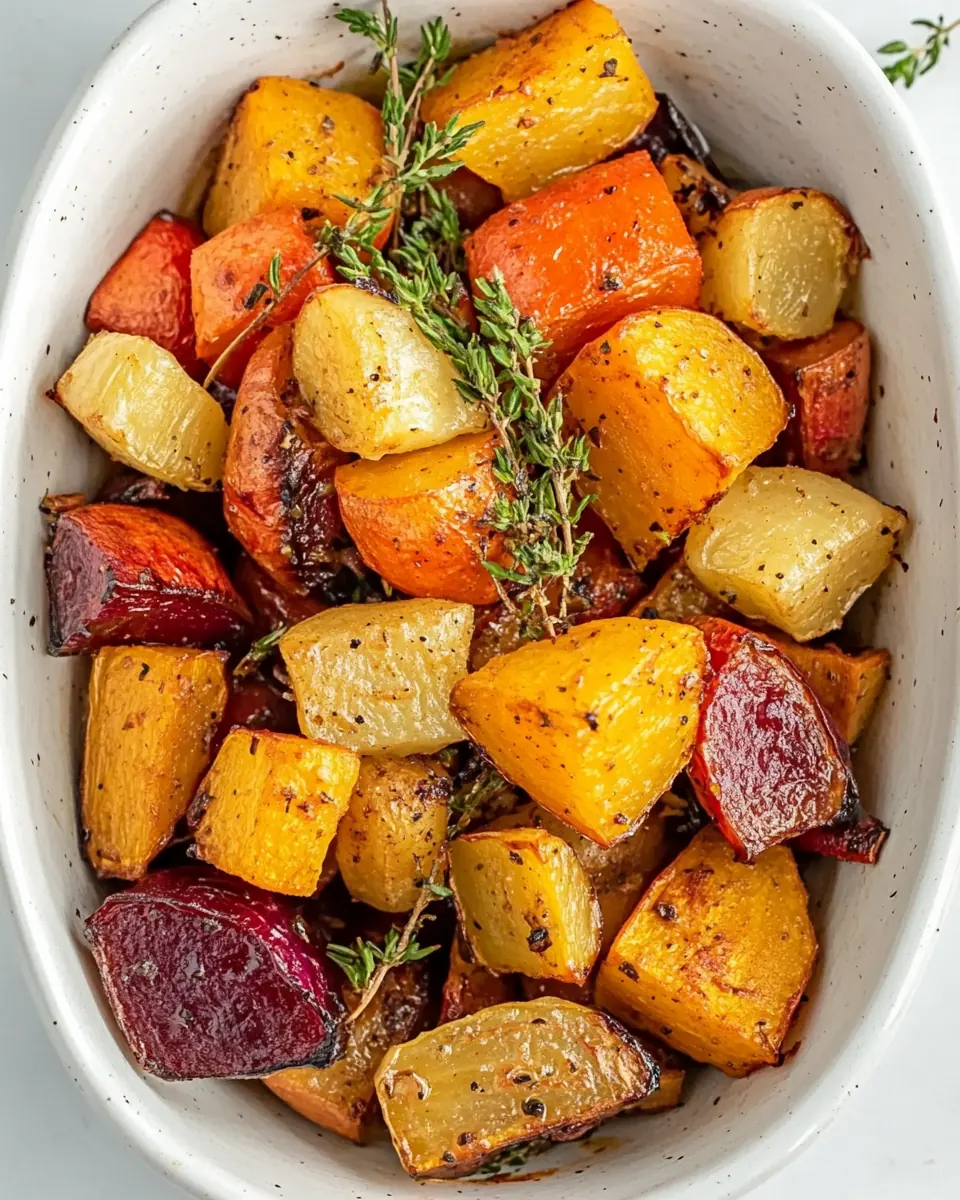
These suggestions will help you tailor the Roasted Root Vegetables to your pantry and mood. Small tweaks can shift the profile from earthy to bright, or from rustic to elegant, while keeping the same simple technique. Below are practical ideas I use often, each starting with a clear, bold hook so you can scan quickly.
- Swap or add herbs If you want a fresher lift, finish with chopped parsley or chives after roasting, they add a bright contrast to the roasted sweetness.
- Use citrus A squeeze of lemon juice or a little zest at the end adds acidity that balances the natural sugars and livens the plate.
- Add a textured crunch Sprinkle toasted nuts or seeds right before serving to introduce a nutty crunch that contrasts the soft interiors.
- Toss with a warm dressing A simple mustard vinaigrette warmed and tossed through the vegetables creates a glossy finish and extra flavor depth.
- Make it a salad Serve the vegetables over warm grains with a dollop of yogurt or labneh to create a hearty composed salad.
What Goes Well With This Roasted Root Vegetables
These pairing ideas help you turn the Roasted Root Vegetables into a full meal or a star side. Think about texture contrasts, complementary flavors, and the occasion you are serving for. The list below covers casual weeknights to more festive gatherings, and includes storage notes to make leftovers work harder.
- Serve with roasted protein Pair with roasted chicken or beef alternatives for a balanced plate where the vegetables soak up savory pan juices.
- Include in bowls Layer over warm grains like quinoa or rice, add a handful of greens and a drizzle of dressing for an easy bowl meal suitable for lunch or dinner.
- Feature on holiday tables These vegetables suit autumn or winter holiday meals, bringing color and warmth to a festive spread without complicated prep.
- Storage and reheating Store leftovers in an airtight container in the refrigerator for up to a week, or freeze cooled portions in freezer-safe bags for up to six months; reheat gently to preserve texture.
- Seasonal pairings In fall, serve alongside roasted squash or braised greens; in cooler months, add a scoop of warm lentils for extra protein and heartiness.
FAQ
Conclusion
Roasted Root Vegetables stand out because they combine minimal technique with maximum flavor, creating a dish that is both homey and elegant. Give this simple pan a try the next time you want a reliable side that looks great and travels well from oven to table. I hope this recipe becomes one of your go to staples for weeknights and special meals alike.
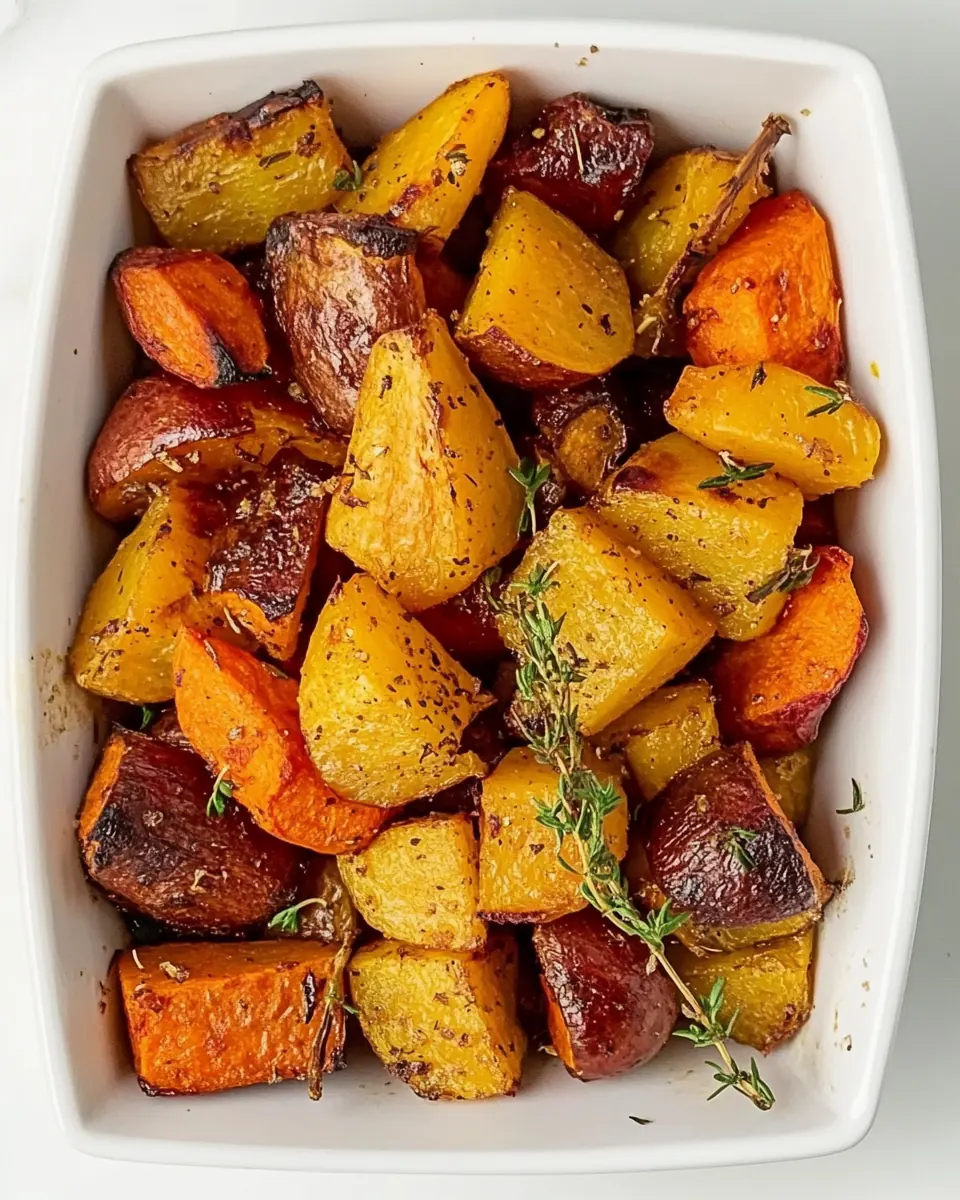
Roasted Root Vegetables
Ingredients
Equipment
Method
- Preheat the oven to 180 C/350 F and grease a large baking sheet.: The room fills with a faint warmth as the oven comes up to temperature, and that initial heat is crucial for encouraging immediate browning when the vegetables hit the pan. Greasing the sheet prevents sticking and helps the vegetables develop crisp edges that contrast with a tender interior. You'll notice a slight scent shift in the kitchen as the oven nears temperature, a reassuring signal that it is ready. Why this matters, the consistent oven heat ensures even roasting so all pieces cook at the same rate. A common mistake is skipping preheating, which can lead to unevenly roasted vegetables that steam rather than caramelize.
- In a large mixing bowl, add the chopped potatoes, sweet potatoes, beetroot, and carrots.: As you place the cut vegetables into the bowl, enjoy the variety of colors and textures, from the orange of carrots to the deep red of beetroot . The visual contrast helps you gauge evenness of chopping, which directly affects cooking consistency. This step matters because grouping the pieces together makes seasoning and tossing easier, ensuring every piece gets coated. A frequent misstep is mixing unevenly sized chunks, which results in some vegetables overcooking while others stay hard.
- Drizzle with olive oil. Add the salt, pepper, and Italian seasoning. Using your hands, mix very well to ensure it's fully coated.: When you drizzle the olive oil and sprinkle the seasonings, inhale the herbal aroma as the dried herbs wake up. Massaging the oil and spices into the vegetables ensures an even film that promotes uniform caramelization and flavor penetration. You should feel the pieces becoming glossy, a sign they are evenly coated. This tactile step matters a lot, because thorough coating prevents dry spots and helps the edges crisp. One mistake to avoid is under-mixing, which leaves some pieces under-seasoned and others overloaded.
- Transfer the vegetables to the baking sheet and roast for 35 minutes, flipping halfway through.: As the vegetables roast, listen for a gentle crackle and look for edges turning golden and slightly charred; that is where the flavor concentrates. The smell will turn richer and sweeter as natural sugars caramelize, a cue that the pan is transforming. Flipping halfway ensures each side gets direct heat and browns evenly, producing a mosaic of textures. This timing produces tender interiors while preserving crisp exteriors. A common error is crowding the pan, which causes steaming rather than roasting, so spread the vegetables in a single layer with space between pieces.
Notes
- Swap or add herbs If you want a fresher lift, finish with chopped parsley or chives after roasting, they add a bright contrast to the roasted sweetness.
- Use citrus A squeeze of lemon juice or a little zest at the end adds acidity that balances the natural sugars and livens the plate.
- Add a textured crunch Sprinkle toasted nuts or seeds right before serving to introduce a nutty crunch that contrasts the soft interiors.
- Toss with a warm dressing A simple mustard vinaigrette warmed and tossed through the vegetables creates a glossy finish and extra flavor depth.
- Make it a salad Serve the vegetables over warm grains with a dollop of yogurt or labneh to create a hearty composed salad.