Rainbow Bell Peppers Pizza
Rainbow Bell Peppers Pizza is one of those recipes that turned a simple weeknight into a small celebration in my kitchen. The first time I made it I was chasing bright colors after a long gray week, and the vibrant rings of bell pepper arranged like a painter’s palette on a bubbling mozzarella cheese canvas felt instantly uplifting. I remember the warm yeast aroma rising as the dough proofed, and how that scent promised something comforting and convivial.
I like to think of this pizza as unfussy but intentional. The dough has a little chew, the sauce sings with tomato brightness, and the quick sear on each bell pepper and onion adds caramelized notes that contrast beautifully with the creamy mozzarella cheese. Making it became my way to mark small wins, like finishing a project or simply treating friends to a colorful dinner.
Recipe Snapshot
1 hr 30 mins
70 mins
20 mins
Medium
300 kcal
Italian
Vegan, Gluten-Free
Dinner
Pizza pan, Mixing bowl, Skillet
What’s Great About This Rainbow Bell Peppers Pizza
Vibrant visual appeal
I love how Rainbow Bell Peppers Pizza looks on the table. The mix of red, orange, yellow, and green bell pepper creates an immediate happy reaction. When I serve it, people comment first on how beautiful it is, and that moment of delight makes the whole cooking process feel worth it.
Simple techniques, big payoff
We get big flavor from basic methods. Toasting the crust briefly before topping gives a sturdy platform, and searing the peppers and onion in a little olive oil develops sweet, savory complexity. I find that small technique choices like this elevate a simple pizza into something memorable.
Flexible and family friendly
This recipe fits many occasions. I often make extra dough because it stretches across lunches, casual dinners, or a small gathering. Kids and adults both appreciate the milky mozzarella cheese and the bright roasted bell pepper sweetness, so it’s an easy crowd pleaser.
Balanced textures and flavors
The interplay of a slightly chewy crust, silky melted mozzarella cheese, tangy pizza sauce, and crisp tender vegetables makes every bite interesting. I particularly enjoy the contrast between the warm, soft center and the edges that crisp up during baking.
Approachable from scratch
I respect a recipe you can make entirely from pantry basics. The dough here asks for minimal kneading and a straightforward rise, so even if you are pressed for time or new to baking, you’ll still end up with a satisfying pie. I find that a little patience during the rise rewards you with flavor and texture that store bought dough rarely offers.
What You’ll Need for Rainbow Bell Peppers Pizza
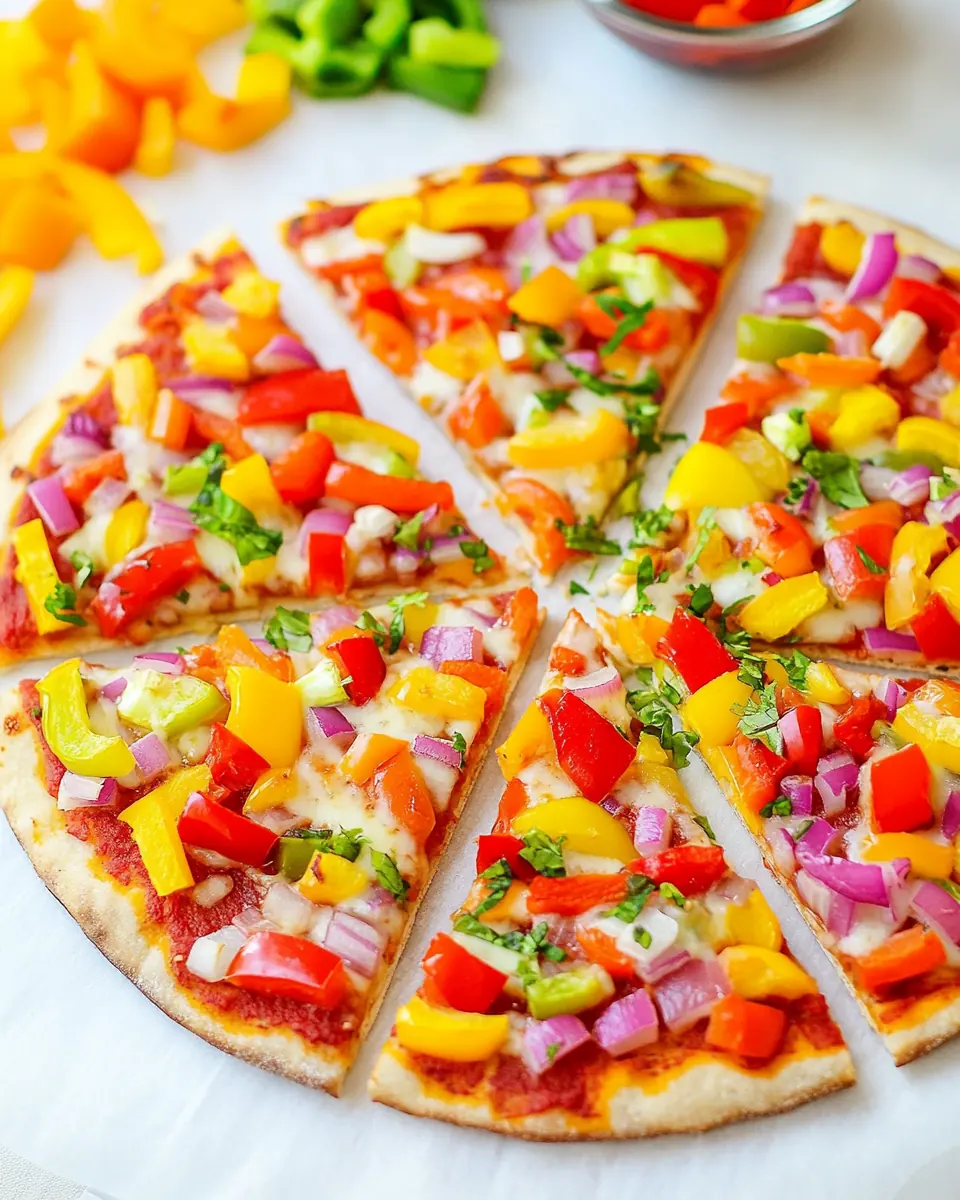
These ingredients are chosen to balance structure, flavor, and color. The dough components give a tender yet chewy base, the sauce and mozzarella cheese provide creaminess and tang, and the assortment of bell pepper colors plus a red onion bring sweetness and crisp roasted notes. Together they create a pizza that is visually striking and layered in flavor.
- 2 1/4 teaspoon yeast, active dry: Activate yeast by dissolving it in warm water with a bit of sugar to produce carbon dioxide for dough rise; ensure water is between 100–110°F for optimal activation. Allow the mixture to sit until foamy, which indicates live yeast and a good foundation for a light, airy crust. Use measured quantity to maintain consistent fermentation and avoid overproofing.
- 1/2 tsp packed brown sugar: Sweeten and feed yeast to promote fermentation while adding a deep molasses-like flavor; pack firmly to measure accurately. Brown sugar helps balance acidity in the dough and contributes to crust color during baking. Use as directed to subtly enhance caramelization and browning.
- 1 1/2 cup water: Hydrate and bind dry ingredients, providing the liquid medium necessary for gluten formation and yeast activity; use warm water to activate yeast effectively. Adjust temperature and quantity carefully to achieve the desired dough consistency and kneadability. Maintain measured amount to ensure proper hydration and texture.
- 1 teaspoon salt: Season dough by strengthening gluten flavor balance and controlling yeast activity; salt also enhances overall taste and crust color. Dissolve into the dough mixture to evenly distribute and prevent overfermentation. Use precise measurement to avoid inhibiting yeast growth.
- 2 tablespoon olive oil: Lubricate dough for tenderness and elasticity while contributing to flavor and crust browning; olive oil also prevents sticking and improves handling. Incorporate into the dough during mixing to create a softer crumb and subtle fruity notes. Choose high-quality oil for best aroma.
- 1 1/2 cup flour, whole wheat: Add whole wheat flour to introduce a nutty flavor, additional fiber, and denser texture; contributes to nutritional value and a rustic crust profile. Combine with all-purpose flour to balance structure and tenderness, as whole wheat absorbs more liquid. Measure accurately to maintain dough hydration and mouthfeel.
- 1 3/4 cup flour, all-purpose: Provide structure and gluten for the dough with all-purpose flour, creating a balanced, workable crust; contributes to chewiness and rise when combined with yeast. Blend with whole wheat flour to achieve lighter texture while preserving flavor. Use proper scooping or weighing to ensure consistent results.
- 8 oz mozzarella cheese: Melt into topping to create creamy, stretchy texture and rich, savory flavor on pizza; mozzarella browns attractively and provides excellent meltability. Shred or thinly slice for even coverage and place evenly to avoid greasy spots. Use measured amount to balance cheese-to-sauce ratio.
- 2 cup pizza sauce: Provide savory base flavor and moisture for the pizza, delivering herbs and tomato richness; pizza sauce also helps prevent the crust from drying. Spread evenly to a thin layer to allow dough to crisp and toppings to meld without sogginess. Use specified volume for consistent flavor distribution.
- 1 medium bell pepper, red: Add sweet, floral flavor and vibrant color with thinly sliced red bell pepper; contributes crisp texture and visual appeal on top of the pizza. Roast or slice raw depending on desired bite and caramelization level. Use medium size for uniform slices and balanced topping coverage.
- 1 bell pepper, orange: Contribute bright, sweet flavor and striking orange color as a complementary topping; slice thinly to retain slight crunch and even roast. Provide visual contrast and a milder pepper taste that pairs well with cheese and sauce. Use whole pepper to ensure adequate quantity for the pizza.
- 1 medium bell pepper, yellow: Deliver sunny sweetness and tender crunch from yellow bell pepper, enhancing color variety and flavor complexity; slice thin for even cooking. Offer a mild pepper flavor that balances stronger ingredients while adding moisture and nutrients. Use medium size for proportionate topping distribution.
- 1 medium bell pepper, green: Provide grassy, slightly bitter contrast and crisp texture with green bell pepper slices; balance sweeter peppers and add color diversity. Cook briefly to soften while retaining some bite, or roast for more caramelization and depth. Use medium pepper for consistent topping amounts.
- 1 medium onion, red: Contribute sharp, sweet-savory flavor and slight crunch with thinly sliced red onion; adds aromatic depth and caramelizes attractively when baked. Slice uniformly to avoid overpowering other toppings and to ensure even cooking. Use medium onion to maintain balance with peppers and cheese.
Making This Rainbow Bell Peppers Pizza
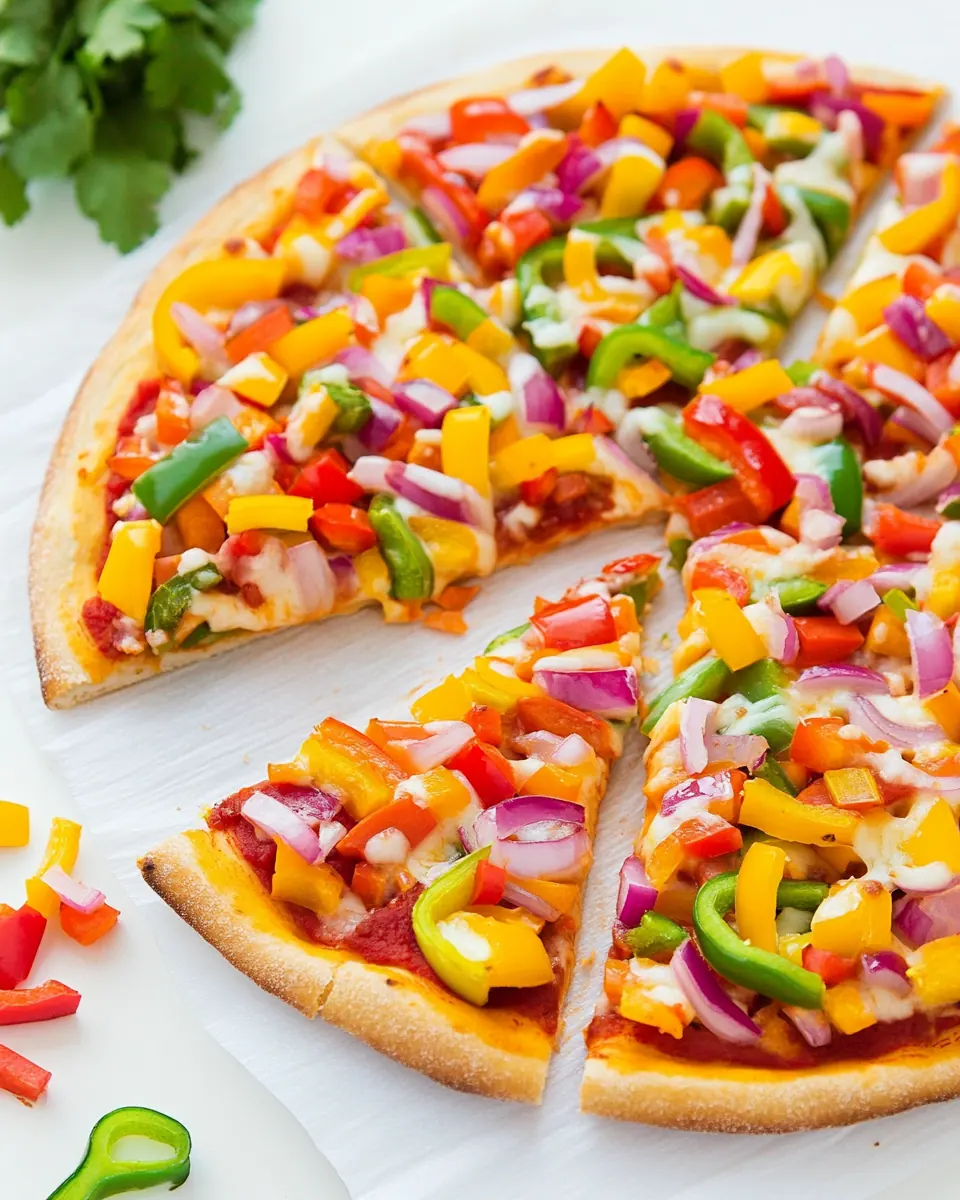
Making this pizza is a satisfying rhythm of small, deliberate actions. You will proof the yeast, bring the dough together, pre-bake a crust for structure, and then assemble with seared vegetables and melting mozzarella cheese. Each phase contributes to texture and flavor in a distinct way.
- Dissolve yeast and brown sugar in water. Let sit for 10 minutes.: The aroma at this stage should be lightly yeasty and slightly sweet, with tiny bubbles forming at the surface that indicate the yeast is active. This foamy surface is reassuring, because active bubbles mean the dough will rise and develop flavor. The warm water should feel comfortably warm to the wrist, not hot, because high heat will kill the yeast . A common mistake here is using water that is too hot, which prevents rise. If bubbling is weak after 10 minutes, the yeast may be old or the water the wrong temperature; start over with fresh yeast and slightly warmer liquid.
- Stir in salt, oil and flour. Knead dough on floured surface just until not sticky. Put in greased bowl and let rise in a warm place till double (1 hour): You will notice the dough transform from shaggy to smooth, becoming elastic as the gluten forms. The texture should be tacky but not clingy to your hands. A well-kneaded dough has a gentle bounce when you press it. The purpose of the rise is to let flavor develop and the dough lighten; waiting until the mass is doubled gives you that airy crumb. Avoid over-kneading, which tightens gluten and yields a tough crust. If the dough seems too wet, add a dusting of flour , but do so sparingly to keep the crumb tender.
- Punch dough down, let sit on pizza pan for a few minutes. Then roll out. Let sit again for 10 minutes: After you deflate the dough, you'll feel slackness return as gases escape, which helps reshape the crumb. Letting it rest on the pan for a few minutes relaxes the gluten so it is easier to roll. Rolling out too quickly can lead to springback, where the dough resists and contracts. The short second rest lets the dough settle and produces a more even crust. A common error is skipping this pause, which often causes the crust to tighten up while baking.
- Roll out on pizza pan. Cook at 425 for about 10 minutes.: Par-baking the crust gives it structure so the sauce and toppings do not make it soggy. You will see the surface dry slightly and edges begin to color, which indicates readiness for topping. The pre-bake creates a firmer base that supports the mozzarella cheese and vegetables. Watch carefully because ovens vary; if the edges brown too quickly, lower the temperature a little or shorten the initial bake time. A common misstep is not pre-baking, which can yield a limp center once the sauce is added.
- Chop peppers and onion. Separately saute each pepper and the onion in 1 tablespoon of olive oil, over high heat for about 3-4 minutes.: The sizzle when the vegetables hit the hot pan is an aromatic sign that sugars are caramelizing. Searing develops sweet, slightly charred notes and concentrates flavor while preserving a little snap. You should toss or stir frequently so each piece browns evenly without burning. The reason to sauté separately is that different colored bell pepper varieties and the red onion have slightly different moisture contents and cook times, so cooking them by themselves ensures uniform texture. Avoid overcrowding the pan, which will steam instead of sear the vegetables, leading to a softer, less flavorful result.
- After crust is cooked, spread pizza sauce, mozzarella cheese, and veggies on top. Return to oven and bake for 10 more minutes, or until cheese is melted.: As you assemble, the aroma of warm pizza sauce and toasting mozzarella cheese becomes prominent, and in the final bake the cheese should bubble and take on faint gold edges. The vegetables will heat through and mingle with the sauce, creating a layered flavor profile. The finishing bake melts the mozzarella cheese into silky ribbons while the crust becomes crisp on the bottom. A common mistake is piling on too many toppings which prevents proper melting and crisping; aim for an even spread so heat circulates well. Use the oven light to check for bubbling and slight browning around the cheese edges to know it is done.
Change It Up
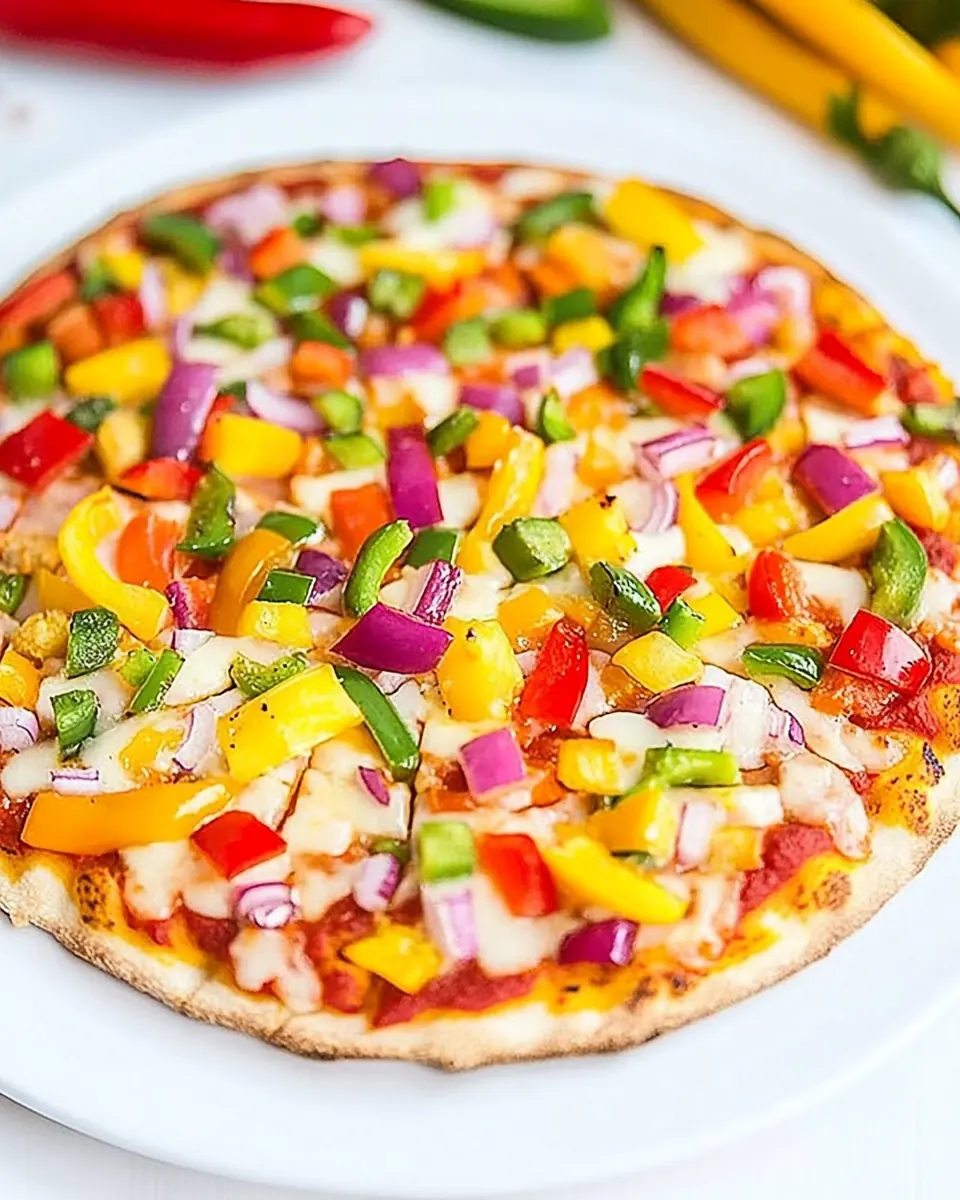
If you like to experiment, here are ideas to change the texture, flavor, or presentation of your Rainbow Bell Peppers Pizza. Small swaps make a big difference, and each suggestion below is practical and easy to implement.
- Swap flours Use more or less whole wheat to adjust chew and nuttiness; increase all purpose flour for a lighter crust or add more whole wheat for earthier flavor.
- Cheese timing Add some mozzarella cheese midway through the final bake for a fresher melt and a silkier texture on top.
- Vegetable sear Sear vegetables until they gain light char spots to boost sweetness, but stop before they become too soft so they keep pleasant bite.
- Oil finish Brush the crust edge with a touch of olive oil after baking to deepen color and add a glossy, savory finish.
- Sauce control Use a thin layer of pizza sauce to prevent sogginess and let the toppings shine, or go slightly heavier if you prefer a saucier slice.
Great Combinations for Rainbow Bell Peppers Pizza
Serving this pizza can be as simple or as plated as you like. The bright topping profile pairs well with fresh, crisp sides and light beverages, and the pizza suits casual weeknight dinners, relaxed lunch gatherings, or festive get togethers where color makes the table pop.
- Simple salad A crisp green or mixed leaf salad with a light vinaigrette complements the rich mozzarella cheese and roasted vegetables by adding acid and crunch.
- Warm sides A bowl of warm soup or a roasted vegetable side can make this pizza a heartier meal for a family dinner or a cool evening.
- Occasion fit This recipe works well for casual lunch, dinner, or a gathering during holidays like Ramadan evenings where families share colorful plates.
- Storage tips Store leftovers in an airtight container in the fridge for up to three days, reheat in a hot oven to crisp the crust again, rather than microwaving which can leave it soggy.
- Seasonal pairing The vibrant peppers feel especially right in summer markets, but this pizza‘s balance of cheese, sauce, and vegetables makes it welcome year round.
FAQ
Conclusion
Rainbow Bell Peppers Pizza stands out for its joyful color, balanced textures, and straightforward techniques that reward patience. The combination of a lightly chewy crust, tangy sauce, melted mozzarella cheese, and quickly seared bell peppers produces bright flavors and pleasing contrasts. I encourage you to give it a try, even on a busy evening, because the steps are manageable and the result feels celebratory. Once you taste the caramelized edges of the peppers alongside warm cheese and a crisp bottom crust, you will see why this pizza becomes a frequent request at my table.
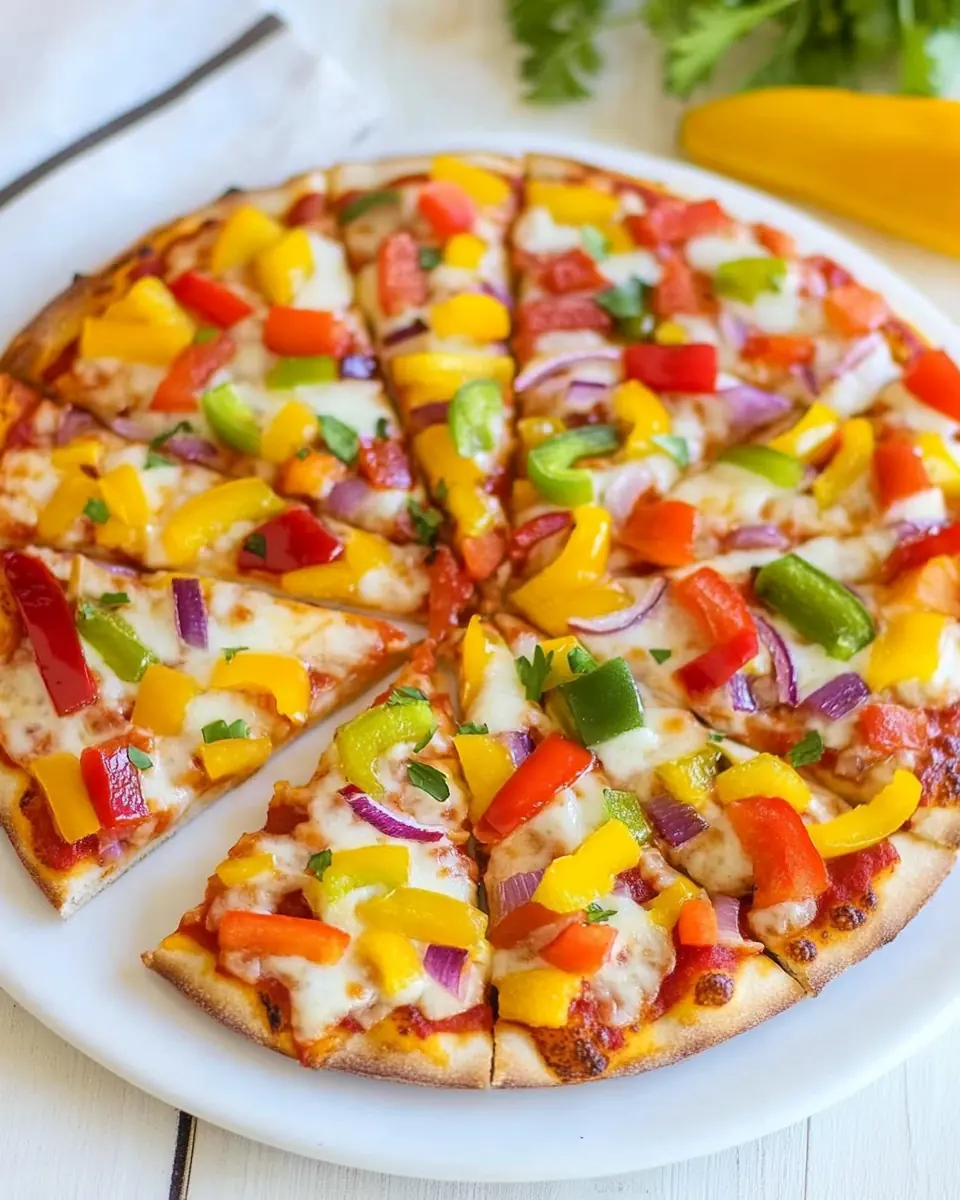
Rainbow Bell Peppers Pizza
Ingredients
Equipment
Method
- Dissolve yeast and brown sugar in water. Let sit for 10 minutes.: The aroma at this stage should be lightly yeasty and slightly sweet, with tiny bubbles forming at the surface that indicate the yeast is active. This foamy surface is reassuring, because active bubbles mean the dough will rise and develop flavor. The warm water should feel comfortably warm to the wrist, not hot, because high heat will kill the yeast . A common mistake here is using water that is too hot, which prevents rise. If bubbling is weak after 10 minutes, the yeast may be old or the water the wrong temperature; start over with fresh yeast and slightly warmer liquid.
- Stir in salt, oil and flour. Knead dough on floured surface just until not sticky. Put in greased bowl and let rise in a warm place till double (1 hour): You will notice the dough transform from shaggy to smooth, becoming elastic as the gluten forms. The texture should be tacky but not clingy to your hands. A well-kneaded dough has a gentle bounce when you press it. The purpose of the rise is to let flavor develop and the dough lighten; waiting until the mass is doubled gives you that airy crumb. Avoid over-kneading, which tightens gluten and yields a tough crust. If the dough seems too wet, add a dusting of flour , but do so sparingly to keep the crumb tender.
- Punch dough down, let sit on pizza pan for a few minutes. Then roll out. Let sit again for 10 minutes: After you deflate the dough, you'll feel slackness return as gases escape, which helps reshape the crumb. Letting it rest on the pan for a few minutes relaxes the gluten so it is easier to roll. Rolling out too quickly can lead to springback, where the dough resists and contracts. The short second rest lets the dough settle and produces a more even crust. A common error is skipping this pause, which often causes the crust to tighten up while baking.
- Roll out on pizza pan. Cook at 425 for about 10 minutes.: Par-baking the crust gives it structure so the sauce and toppings do not make it soggy. You will see the surface dry slightly and edges begin to color, which indicates readiness for topping. The pre-bake creates a firmer base that supports the mozzarella cheese and vegetables. Watch carefully because ovens vary; if the edges brown too quickly, lower the temperature a little or shorten the initial bake time. A common misstep is not pre-baking, which can yield a limp center once the sauce is added.
- Chop peppers and onion. Separately saute each pepper and the onion in 1 tablespoon of olive oil, over high heat for about 3-4 minutes.: The sizzle when the vegetables hit the hot pan is an aromatic sign that sugars are caramelizing. Searing develops sweet, slightly charred notes and concentrates flavor while preserving a little snap. You should toss or stir frequently so each piece browns evenly without burning. The reason to sauté separately is that different colored bell pepper varieties and the red onion have slightly different moisture contents and cook times, so cooking them by themselves ensures uniform texture. Avoid overcrowding the pan, which will steam instead of sear the vegetables, leading to a softer, less flavorful result.
- After crust is cooked, spread pizza sauce, mozzarella cheese, and veggies on top. Return to oven and bake for 10 more minutes, or until cheese is melted.: As you assemble, the aroma of warm pizza sauce and toasting mozzarella cheese becomes prominent, and in the final bake the cheese should bubble and take on faint gold edges. The vegetables will heat through and mingle with the sauce, creating a layered flavor profile. The finishing bake melts the mozzarella cheese into silky ribbons while the crust becomes crisp on the bottom. A common mistake is piling on too many toppings which prevents proper melting and crisping; aim for an even spread so heat circulates well. Use the oven light to check for bubbling and slight browning around the cheese edges to know it is done.
Notes
- Swap flours Use more or less whole wheat to adjust chew and nuttiness; increase all purpose flour for a lighter crust or add more whole wheat for earthier flavor.
- Cheese timing Add some mozzarella cheese midway through the final bake for a fresher melt and a silkier texture on top.
- Vegetable sear Sear vegetables until they gain light char spots to boost sweetness, but stop before they become too soft so they keep pleasant bite.
- Oil finish Brush the crust edge with a touch of olive oil after baking to deepen color and add a glossy, savory finish.
- Sauce control Use a thin layer of pizza sauce to prevent sogginess and let the toppings shine, or go slightly heavier if you prefer a saucier slice.