Meyer Lemon Olive Oil Loaf Cake
Meyer Lemon Olive Oil Loaf Cake is one of those recipes I reach for when I want something bright, tender, and a little rustic on the table. I first baked this after a weekend at a farmer’s market where the Meyer lemons smelled so intoxicating I tucked a few into my bag like treasures. The cake that came out of my oven that week had a glossy crack down the center, a fragrant lemon aroma, and a crumb that was moist without being heavy, and I kept finding reasons to slice off another piece.
Over the years I’ve adjusted the balance of all purpose flour and extra virgin olive oil, and learned how a light hand with the mixer keeps the crumb delicate. I remember one afternoon when I underbaked it slightly, and the center was almost custardy, which some guests adored and others found too soft. That taught me how the little details, like where you test with a skewer and how you apply syrup, change the final texture profoundly.
Making Meyer Lemon Olive Oil Loaf Cake has become my go to for casual gatherings, when I want a dessert that pairs with tea but still feels special. I like to make the lemon syrup a bit hotter than you might think, then pour it slowly so the cake soaks up just the right amount. Each time I bake it, I notice subtle differences depending on the lemons and the olive oil, and that variability is part of its charm.
Recipe Snapshot
1 hr 30 mins
30 mins
60 mins
Medium
320 kcal
American
Gluten-Free, Low FODMAP
Desserts
Loaf pan, Stand mixer or mixing bowl, Parchment paper, Wire rack, Small saucepan, Skewer or cocktail pick
What Sets This Meyer Lemon Olive Oil Loaf Cake Apart
Bright citrus flavor that is not sharp
I love how the Meyer Lemon Olive Oil Loaf Cake captures lemon aroma without tasting overly acidic. Using Meyer lemon juice and Meyer lemon zest gives a softer floral note compared to standard lemons, so the cake sings with citrus while staying balanced. That gentle lemon profile makes the cake approachable for people who shy away from overly tart desserts.
Moist crumb from olive oil
The inclusion of extra virgin olive oil keeps the crumb tender and moist in a way that butter sometimes cannot. Olive oil carries flavor and melts pleasantly on the palate, so each bite feels lush. I appreciate that it also helps the loaf keep well for several days without drying out, making it ideal for baking ahead.
Textural contrast from syrup and glaze
The technique of pouring a warm lemon syrup over the hot cake and finishing with a shiny glaze gives layered textures, from a slightly chewy crack edge to a soft interior and a crisped, crackly glaze top. That contrast keeps every slice interesting, and I find guests often comment on the glossy finish before they taste a forkful.
Simple pantry ingredients with a bright result
This loaf leans on familiar staples like all purpose flour, granulated sugar, and eggs, but a few quality elements, namely the Meyer lemon zest and extra virgin olive oil, lift it into something special. I like that you do not need fancy equipment or rare items, just fresh lemons and a decent olive oil.
Versatile for occasions
I turn to this loaf for brunch, casual afternoon coffee, or a light dessert after dinner. It travels well, keeps in the fridge, and gets even better if wrapped overnight. For me, that flexibility means it earns its spot in rotation, whether I am baking for a crowd or making a treat for two.
What to Buy for Meyer Lemon Olive Oil Loaf Cake
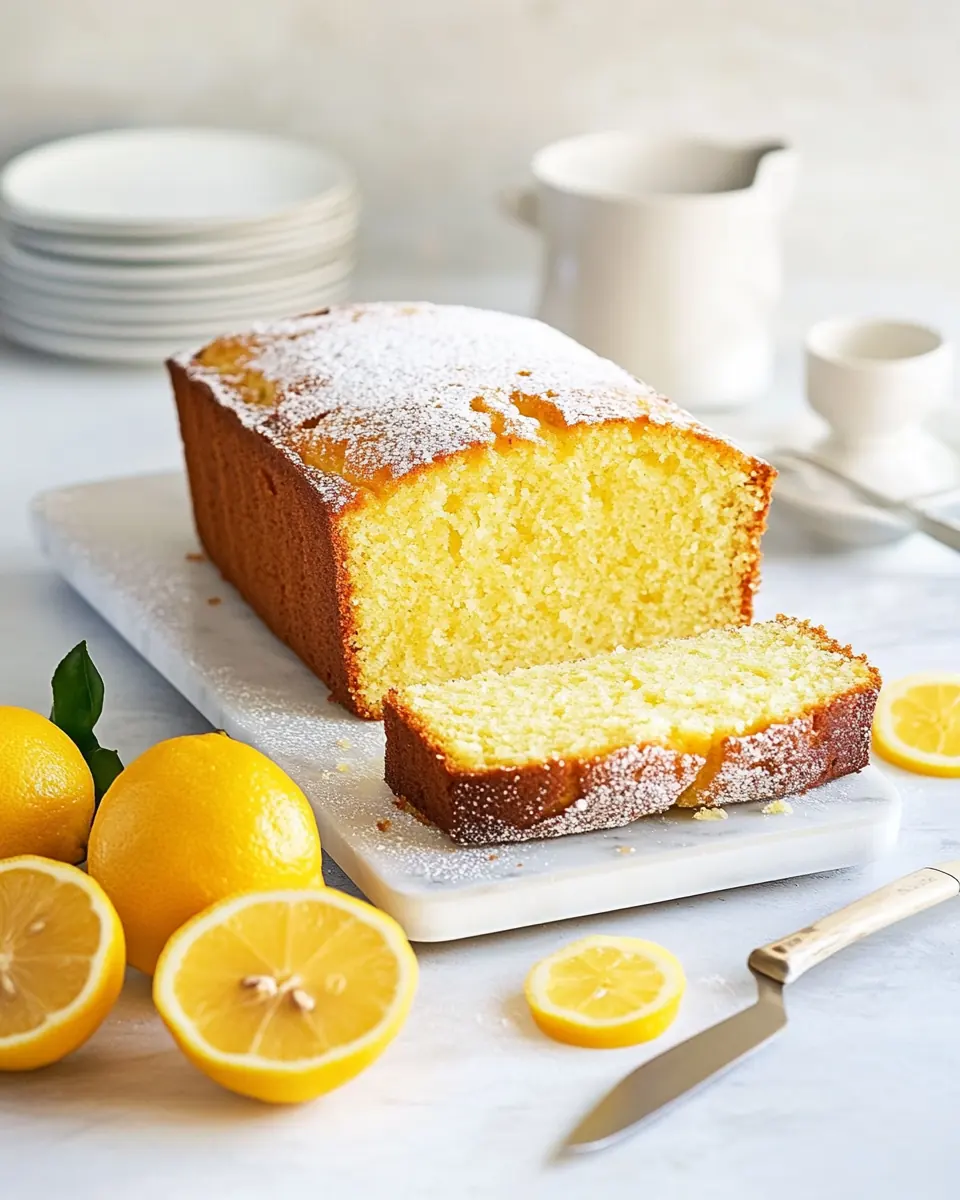
These ingredients work together to create a loaf that is both tender and flavorful. The key players are the Meyer lemon zest and Meyer lemon juice, which provide the citrus personality, extra virgin olive oil for moisture and richness, and eggs and all purpose flour to form the structure. The sugar, cream, and powdered sugar are the sweetening and finishing partners that give syrupy sheen and glossy glaze.
- 1 cup 200 g granulated sugar: Provide sweetness and structure, helping to tenderize the crumb while also caramelizing slightly during baking to deepen flavor.
- 1 tablespoon Meyer lemon zest, from 2-3 lemons: Add bright, floral citrus oils and aroma, infusing the batter with characteristic Meyer lemon perfume and a gentle tang.
- 1 teaspoon baking powder: Act as a leavening agent that releases gas when heated, contributing lift and a light crumb texture in the loaf.
- 1/2 teaspoon fine sea salt: Enhance overall flavor balance and strengthen gluten slightly, helping to control taste and support the cake's structure.
- 3 large eggs: Incorporate air and emulsify fats with proteins, contributing to volume, richness, and a tender, cohesive batter.
- 1/2 cup 112 g extra virgin olive oil: Lend moistness and a fruity, savory olive oil flavor while keeping the cake tender and extending shelf life.
- 1 3/4 cup 210 g all-purpose flour: Provide the primary dry structure and bulk, forming gluten when mixed with liquid to create the cake's framework.
- 1/2 cup 120 g heavy cream: Add richness and fat, contributing to a smooth mouthfeel and tender crumb while boosting moistness.
- 2 tablespoons Meyer lemon juice: Deliver concentrated bright acidity to balance sweetness and amplify the lemon flavor in the batter.
- 1/4 cup Meyer lemon juice, from 2-3 lemons: Serve as additional fresh citrus acid for syrups or glazes, intensifying overall lemon brightness post-bake.
- 1/2 cup 100 g granulated sugar: Offer extra sweetness for a finishing syrup or glaze, helping to create a glossy, balanced topping.
- 2 teaspoons olive oil: Provide a small amount of fat to enrich a glaze or syrup and enhance flavor sheen on the finished loaf.
- pinch fine sea salt: Sharpen and balance the glaze's flavor with a tiny amount of salt that enhances overall taste complexity.
- 7/8 cup 100 g powdered sugar, sifted: Create a smooth, sweet, and slightly dense glaze when sifted, adding a delicate exterior sweetness and texture.
- 4 5 teaspoons Meyer lemon juice, from 1 lemon: Contribute fresh, intense lemon acidity to the glaze, brightening flavor and cutting through the powdered sugar's sweetness.
How to Assemble Meyer Lemon Olive Oil Loaf Cake
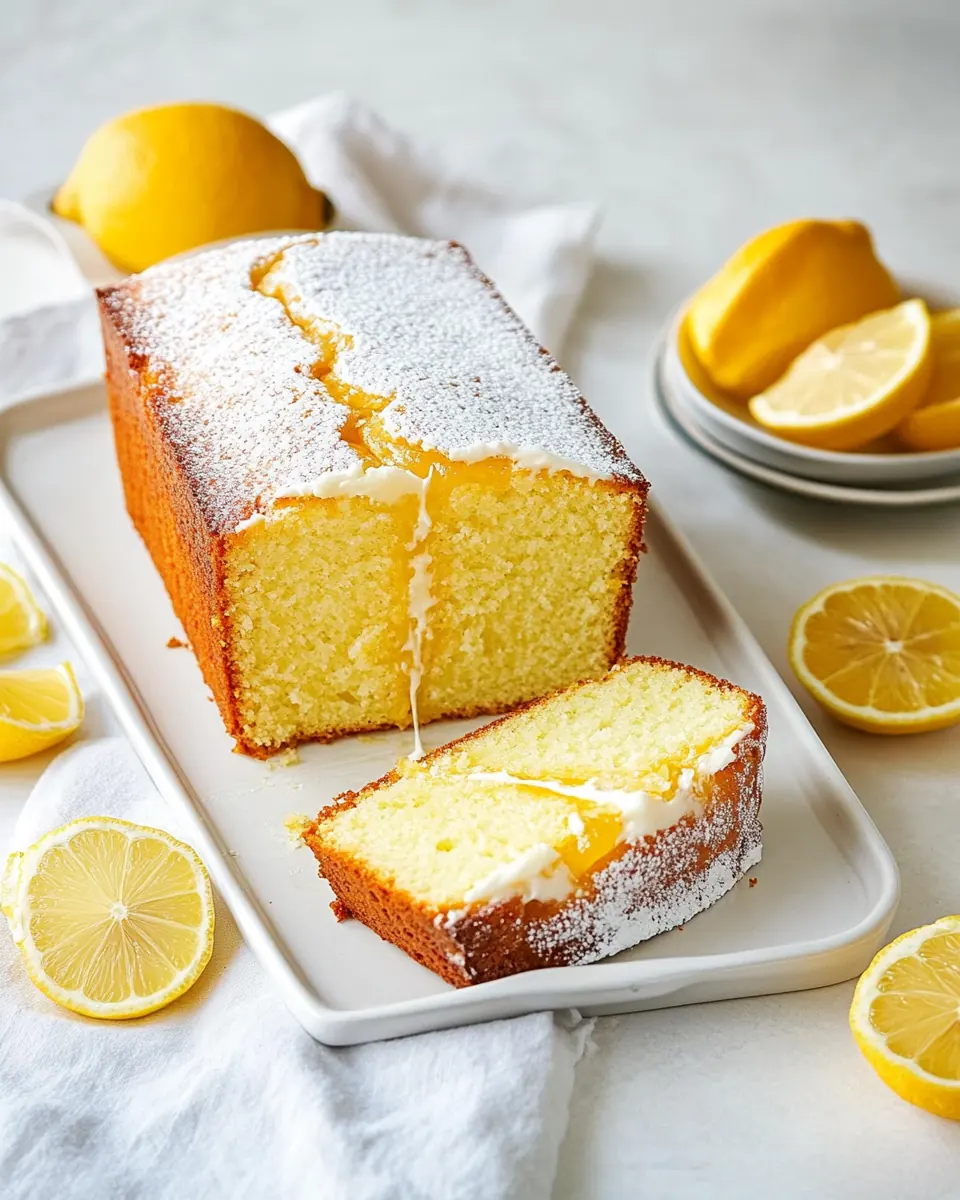
Assembling this loaf is a satisfying ritual. I like to move deliberately, rubbing zest into sugar, emulsifying oil with eggs, and finishing with a careful soak of syrup. The sequencing matters because each stage builds texture and flavor.
- Preheat oven to 350 degrees F. Butter an 8 1/2-by-4 1/2-inch loaf pan, line with a strip of parchment paper, leaving an overhang on the long sides to help lift the cake out later (the short sides will be un-lined).: Right away you will sense a warm anticipation as the oven warms, and you can hear the faint hum of the heating element when it clicks on. Preparing the pan with butter and a parchment sling prevents sticking and makes unmolding effortless, which preserves the loaf's crack and crust. If the pan is not well buttered the cake can cling and tear when lifted, so be generous. A common mistake is trimming the parchment too short, which makes removal awkward later.
- In a mixing bowl or the bowl of a stand mixer, combine sugar and lemon zest. Rub the zest and sugar between your fingers to release the oils and break up the clumps of zest. Add baking powder and salt and mix to combine.: You will smell a burst of citrus as the oils release into the granulated sugar , the aroma bright and floral, which signals flavor extraction. Mixing in the baking powder and salt at this point ensures they are evenly distributed so the cake rises and tastes balanced. If you skip rubbing the zest, the lemon scent will be muted in the final loaf. Avoid overworking to a paste, you want dispersed oil pockets, not a uniform paste.
- Add eggs and beat with the paddle attachment for 3 to 5 minutes or until batter is lightened in color and falls in ribbons from the beater.: As you beat the eggs and sugared zest, notice the color lift and increased volume, the batter becoming pale and airy, which gives a lighter crumb. The ribbon stage is the visual cue that enough air has been incorporated to support rise. Underbeating yields a dense loaf, while overbeating can break down structure, so watch for that ribbon and stop. A common error is rushing this step; patience yields a more delicate texture.
- With the mixer running on low, slowly drizzle in olive oil until fully emulsified.: As the extra virgin olive oil is slowly incorporated, you will see a glossy emulsion form, like silk folding into the batter, and a slight fruity scent from the oil blending with lemon. This gentle drizzle prevents the batter from separating, which would cause greasy pockets. If you pour too fast you risk breaking the emulsion and ending up with a dense, oily cake, so take it slow.
- Mix in half of flour, followed by half of cream. Scrape down the sides of the bowl as needed. Add remaining flour, and once it is nearly incorporated, add the rest of the cream and lemon juice and mix until just combined (do not overmix, the batter may be a little bit lumpy, that's ok).: Touching the batter you will notice it thicken and then loosen with added heavy cream , creating a tender matrix. Scraping ensures no streaks of flour remain, which would create dry pockets. The lumps are fine and prevent gluten overdevelopment, which keeps the loaf soft. Overmixing is the typical pitfall here and results in a tough crumb, so mix minimally.
- Pour batter into prepared baking pan. To help define the crack in the middle of the cake, dip a bench scraper in olive oil and press it in the very center of the batter, about 1/4-inch deep.: As you pour, the batter will settle glossy and smooth, and pressing with an oiled scraper creates a weak line that encourages a clean central crack, giving the loaf its characteristic look. The crack is appealing and helps the syrup pool attractively later. If you skip oiling the scraper the metal can drag and tear the batter, so keep it oiled.
- Bake for 50 to 60 minutes or until top is golden brown and a skewer inserted at the highest point near the edge of the crack comes out mostly clean (don't test in the crack itself, which will be a bit softer because of the oil).: During baking the kitchen will fill with lemon steam and the crust will turn a warm golden brown, a reliable visual cue. Testing near the crack avoids misreads since the center will be softer due to oil pooling. Pulling it too soon leads to a gooey center, while baking too long dries the loaf, so aim for mostly clean with a few moist crumbs.
- About 10 minutes before the cake is done, prepare the lemon syrup by combining the lemon juice, sugar, olive oil and salt in a small saucepan. Heat over medium, stirring occasionally until sugar is completely dissolved and liquid is clear.: Heating the syrup melts sugar into the Meyer lemon juice , creating a fragrant liquid that will seep into the crumb. You will see the mixture go from cloudy to translucent as sugars dissolve, and a tiny shimmer of oil ties flavors together. If the syrup boils vigorously it can darken or caramelize, so keep it gentle. A common oversight is not dissolving the sugar fully, leaving a grainy finish.
- Let cake cool for 5 minutes (just until it's cool enough to handle), then lift out cake using parchment overhang and place on a wire rack set inside a baking sheet to catch overflow. Poke all over the surface of the cake using a thin skewer (I used a cocktail pick which was the perfect length).: The slight cooling period stops the crumb from collapsing, and poking creates channels for syrup absorption. You will hear faint air release as you poke, and the loaf will feel springy. If the cake is too hot it may fall apart when moved, and if too cool it will not absorb syrup well. Avoid poking so much that the structure weakens.
- Pour warm syrup over top of cake, focusing mainly on the areas around the crack (if you soak too much syrup in the crack it may get a little soggy). Scrape the overflow from the baking pan back into the saucepan, then pour another coat over the cake.: The sound of syrup hitting warm cake is reassuring, and you will notice the surface darken where it is absorbed, signaling success. Let the first coat sink in before adding more, so the cake soaks evenly. Flooding the crack can cause a soggy center, so direct pours mainly to the top edges. A typical mistake is pouring too fast, causing uneven saturation.
- Let cool completely, or, if making ahead of time, wrap the still warm cake in plastic wrap and refrigerate overnight (I personally think it's even better this way).: Cooling allows sugars to redistribute and the crumb to set, and wrapping warm can amplify flavor melding overnight. The texture firms slightly and the cake slices neater after chilling. Leaving it out too long unwrapped can dry the surface, while wrapping immediately once hot can trap condensation, so follow the timing suggested here.
- For the glaze, Preheat oven to 350 degrees F. Place cake on an oven-safe wire rack set inside a baking sheet.: A glossy, sweet sheen forms as you brush, and the glaze will settle into fine ridges if it is the right thickness. Brief warming sets the glaze into a delicate crackly shell, which makes the loaf extra pretty. If the glaze is too thin it will run off, and if too thick it will look pasty, so add juice gradually to reach the right viscosity.
- Sift powdered sugar into a bowl. Add lemon juice, 1 teaspoon at a time, until glaze is smooth and a nice brushable consistency. Brush glaze over entire surface of cake, top and sides. Like the syrup, try not to fill the crack too full of glaze. Bake for 2 to 3 minutes just to set the glaze (this helps the glaze set up extra crackly).: As the glaze cools you will see it harden slightly and the aroma will intensify, making the cake inviting. Slicing at room temperature yields even slices with a moist interior and a crisp glaze edge. Cutting while too warm can smudge the glaze, while slicing when too cold may make the crumb firmer than desired.
- Let cool for 30 minutes or so until glaze is cooled and full set, then slice and serve at room temperature.: Stored properly the loaf retains moisture and flavor, and a quick return to room temperature revives softness. You will notice the scent deepen overnight as flavors meld. Refrigeration keeps it safe longer, but allow slices to sit a bit before serving so the fats soften, enhancing mouthfeel. A common mistake is leaving it unwrapped, which causes drying.
Pro Tips and Tweaks
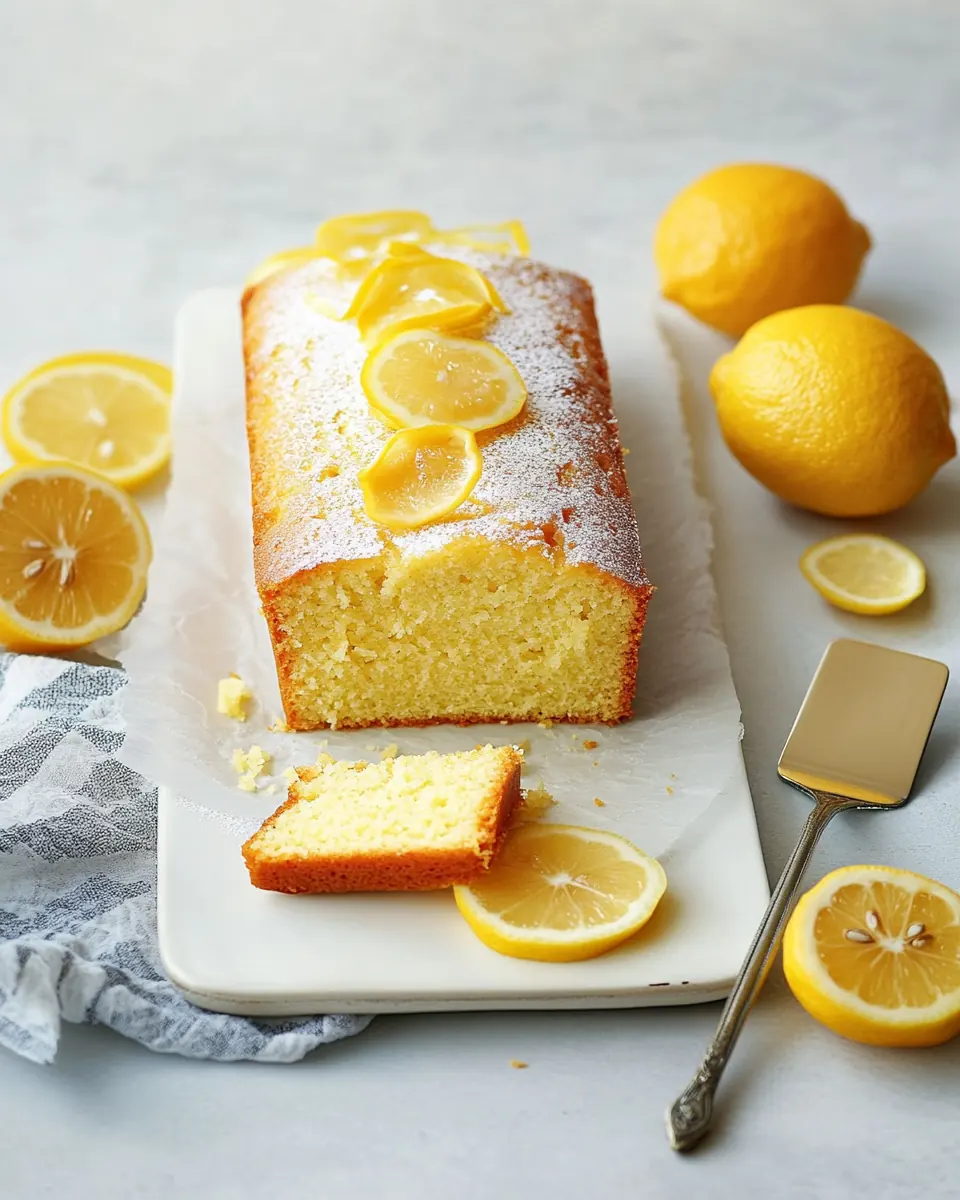
These practical tips will help you achieve consistent results and tweak the loaf to your taste. A few small choices, like how you incorporate oil or apply syrup, make outsized differences in texture and flavor.
- Room temperature ingredients matter Use eggs and cream at room temperature so they blend smoothly with olive oil, which helps create an emulsion and a uniformly tender crumb.
- Choose a fruity olive oil Pick a mild to medium fruity extra virgin olive oil to complement the floral notes of Meyer lemon without making the cake taste savory.
- Rubbing zest into sugar Breaks up zest clumps and releases essential oils, providing stronger citrus aroma throughout the loaf instead of in isolated pockets.
- Slow syrup application Pour the warm syrup in two or three stages to allow even absorption and avoid a soggy center, concentrating on the top edges and crack.
- Be gentle with flour Fold the flour in gradually and stop when nearly combined, finishing with gentle strokes to prevent gluten overdevelopment and keep the cake soft.
- Test outside the crack Insert a skewer near the crack but not in it to get an accurate doneness reading, since the crack area remains softer due to oil.
- Glaze consistency check Add Meyer lemon juice to sifted powdered sugar one teaspoon at a time until you reach a brushable glaze, rather than pouring all the juice at once.
How to Enjoy Meyer Lemon Olive Oil Loaf Cake
This loaf is wonderfully adaptable. Serve small slices with coffee for breakfast, bring it to a casual dinner party, or offer it as a light dessert after a rich meal. It stores well and is easy to transport.
- Brunch pairing Serve slices alongside fruit and yogurt for a bright morning spread that highlights the lemon notes.
- Afternoon tea Present thin slices with a pot of tea or coffee, letting guests enjoy the tender crumb and crackly glaze.
- After dinner Offer modest slices as a light dessert, especially after creamy or heavy mains, when its citrus lift is most welcome.
- Occasions This is a lovely option for spring gatherings, baby showers, or casual celebrations where you want a refined but unfussy dessert.
- Storage Wrap the loaf tightly and refrigerate for up to one week; bring to room temperature before serving for optimal texture.
- Make ahead The loaf often tastes better the next day after flavors meld, so baking the night before can be a smart move for hosting.
FAQ
Conclusion
This Meyer Lemon Olive Oil Loaf Cake stands out because of its bright citrus character, tender crumb from olive oil, and the layered textures created by syrup and glaze. Give it a try if you want a dessert that feels both simple and polished; it is forgiving and improves when made ahead. I hope you find this loaf as satisfying to slice and share as I do, and that it becomes a regular in your baking rotation for brunches, casual gatherings, or a quiet afternoon treat.
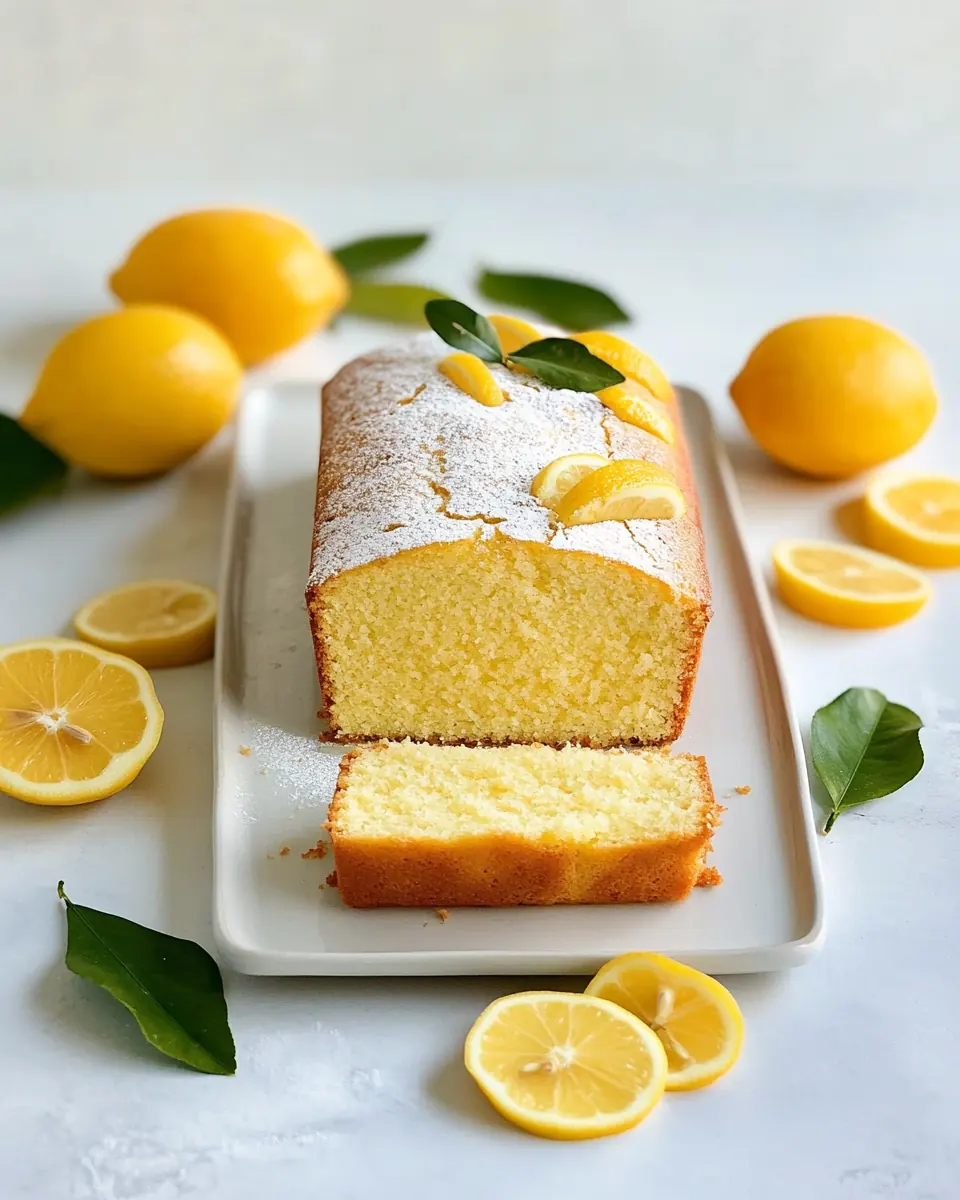
Meyer Lemon Olive Oil Loaf Cake
Ingredients
Equipment
Method
- Preheat oven to 350 degrees F. Butter an 8 1/2-by-4 1/2-inch loaf pan, line with a strip of parchment paper, leaving an overhang on the long sides to help lift the cake out later (the short sides will be un-lined).: Right away you will sense a warm anticipation as the oven warms, and you can hear the faint hum of the heating element when it clicks on. Preparing the pan with butter and a parchment sling prevents sticking and makes unmolding effortless, which preserves the loaf's crack and crust. If the pan is not well buttered the cake can cling and tear when lifted, so be generous. A common mistake is trimming the parchment too short, which makes removal awkward later.
- In a mixing bowl or the bowl of a stand mixer, combine sugar and lemon zest. Rub the zest and sugar between your fingers to release the oils and break up the clumps of zest. Add baking powder and salt and mix to combine.: You will smell a burst of citrus as the oils release into the granulated sugar , the aroma bright and floral, which signals flavor extraction. Mixing in the baking powder and salt at this point ensures they are evenly distributed so the cake rises and tastes balanced. If you skip rubbing the zest, the lemon scent will be muted in the final loaf. Avoid overworking to a paste, you want dispersed oil pockets, not a uniform paste.
- Add eggs and beat with the paddle attachment for 3 to 5 minutes or until batter is lightened in color and falls in ribbons from the beater.: As you beat the eggs and sugared zest, notice the color lift and increased volume, the batter becoming pale and airy, which gives a lighter crumb. The ribbon stage is the visual cue that enough air has been incorporated to support rise. Underbeating yields a dense loaf, while overbeating can break down structure, so watch for that ribbon and stop. A common error is rushing this step; patience yields a more delicate texture.
- With the mixer running on low, slowly drizzle in olive oil until fully emulsified.: As the extra virgin olive oil is slowly incorporated, you will see a glossy emulsion form, like silk folding into the batter, and a slight fruity scent from the oil blending with lemon. This gentle drizzle prevents the batter from separating, which would cause greasy pockets. If you pour too fast you risk breaking the emulsion and ending up with a dense, oily cake, so take it slow.
- Mix in half of flour, followed by half of cream. Scrape down the sides of the bowl as needed. Add remaining flour, and once it is nearly incorporated, add the rest of the cream and lemon juice and mix until just combined (do not overmix, the batter may be a little bit lumpy, that's ok).: Touching the batter you will notice it thicken and then loosen with added heavy cream , creating a tender matrix. Scraping ensures no streaks of flour remain, which would create dry pockets. The lumps are fine and prevent gluten overdevelopment, which keeps the loaf soft. Overmixing is the typical pitfall here and results in a tough crumb, so mix minimally.
- Pour batter into prepared baking pan. To help define the crack in the middle of the cake, dip a bench scraper in olive oil and press it in the very center of the batter, about 1/4-inch deep.: As you pour, the batter will settle glossy and smooth, and pressing with an oiled scraper creates a weak line that encourages a clean central crack, giving the loaf its characteristic look. The crack is appealing and helps the syrup pool attractively later. If you skip oiling the scraper the metal can drag and tear the batter, so keep it oiled.
- Bake for 50 to 60 minutes or until top is golden brown and a skewer inserted at the highest point near the edge of the crack comes out mostly clean (don't test in the crack itself, which will be a bit softer because of the oil).: During baking the kitchen will fill with lemon steam and the crust will turn a warm golden brown, a reliable visual cue. Testing near the crack avoids misreads since the center will be softer due to oil pooling. Pulling it too soon leads to a gooey center, while baking too long dries the loaf, so aim for mostly clean with a few moist crumbs.
- About 10 minutes before the cake is done, prepare the lemon syrup by combining the lemon juice, sugar, olive oil and salt in a small saucepan. Heat over medium, stirring occasionally until sugar is completely dissolved and liquid is clear.: Heating the syrup melts sugar into the Meyer lemon juice , creating a fragrant liquid that will seep into the crumb. You will see the mixture go from cloudy to translucent as sugars dissolve, and a tiny shimmer of oil ties flavors together. If the syrup boils vigorously it can darken or caramelize, so keep it gentle. A common oversight is not dissolving the sugar fully, leaving a grainy finish.
- Let cake cool for 5 minutes (just until it's cool enough to handle), then lift out cake using parchment overhang and place on a wire rack set inside a baking sheet to catch overflow. Poke all over the surface of the cake using a thin skewer (I used a cocktail pick which was the perfect length).: The slight cooling period stops the crumb from collapsing, and poking creates channels for syrup absorption. You will hear faint air release as you poke, and the loaf will feel springy. If the cake is too hot it may fall apart when moved, and if too cool it will not absorb syrup well. Avoid poking so much that the structure weakens.
- Pour warm syrup over top of cake, focusing mainly on the areas around the crack (if you soak too much syrup in the crack it may get a little soggy). Scrape the overflow from the baking pan back into the saucepan, then pour another coat over the cake.: The sound of syrup hitting warm cake is reassuring, and you will notice the surface darken where it is absorbed, signaling success. Let the first coat sink in before adding more, so the cake soaks evenly. Flooding the crack can cause a soggy center, so direct pours mainly to the top edges. A typical mistake is pouring too fast, causing uneven saturation.
- Let cool completely, or, if making ahead of time, wrap the still warm cake in plastic wrap and refrigerate overnight (I personally think it's even better this way).: Cooling allows sugars to redistribute and the crumb to set, and wrapping warm can amplify flavor melding overnight. The texture firms slightly and the cake slices neater after chilling. Leaving it out too long unwrapped can dry the surface, while wrapping immediately once hot can trap condensation, so follow the timing suggested here.
- For the glaze, Preheat oven to 350 degrees F. Place cake on an oven-safe wire rack set inside a baking sheet.: A glossy, sweet sheen forms as you brush, and the glaze will settle into fine ridges if it is the right thickness. Brief warming sets the glaze into a delicate crackly shell, which makes the loaf extra pretty. If the glaze is too thin it will run off, and if too thick it will look pasty, so add juice gradually to reach the right viscosity.
- Sift powdered sugar into a bowl. Add lemon juice, 1 teaspoon at a time, until glaze is smooth and a nice brushable consistency. Brush glaze over entire surface of cake, top and sides. Like the syrup, try not to fill the crack too full of glaze. Bake for 2 to 3 minutes just to set the glaze (this helps the glaze set up extra crackly).: As the glaze cools you will see it harden slightly and the aroma will intensify, making the cake inviting. Slicing at room temperature yields even slices with a moist interior and a crisp glaze edge. Cutting while too warm can smudge the glaze, while slicing when too cold may make the crumb firmer than desired.
- Let cool for 30 minutes or so until glaze is cooled and full set, then slice and serve at room temperature.: Stored properly the loaf retains moisture and flavor, and a quick return to room temperature revives softness. You will notice the scent deepen overnight as flavors meld. Refrigeration keeps it safe longer, but allow slices to sit a bit before serving so the fats soften, enhancing mouthfeel. A common mistake is leaving it unwrapped, which causes drying.
Notes
- Room temperature ingredients matter Use eggs and cream at room temperature so they blend smoothly with olive oil, which helps create an emulsion and a uniformly tender crumb.
- Choose a fruity olive oil Pick a mild to medium fruity extra virgin olive oil to complement the floral notes of Meyer lemon without making the cake taste savory.
- Rubbing zest into sugar Breaks up zest clumps and releases essential oils, providing stronger citrus aroma throughout the loaf instead of in isolated pockets.
- Slow syrup application Pour the warm syrup in two or three stages to allow even absorption and avoid a soggy center, concentrating on the top edges and crack.
- Be gentle with flour Fold the flour in gradually and stop when nearly combined, finishing with gentle strokes to prevent gluten overdevelopment and keep the cake soft.
- Test outside the crack Insert a skewer near the crack but not in it to get an accurate doneness reading, since the crack area remains softer due to oil.
- Glaze consistency check Add Meyer lemon juice to sifted powdered sugar one teaspoon at a time until you reach a brushable glaze, rather than pouring all the juice at once.