Roast Sunflower Seeds
Roast Sunflower Seeds is one of those tiny kitchen projects I return to when I want a crunchy, salty snack that feels homemade and honest. The first time I roasted a batch, I was coaxing life back into a tired jar of raw seeds and ended up with an addictive nibble that vanished before dinner. I remember standing at the counter, spoon in hand, tasting for seasoning and marveling at how simple heat transforms plain sunflower seeds into something to savor.
Over the years I have tweaked timing and technique, and I often make a double sheet to stash in the pantry. When friends pop by, I reach for a jar and a little bowl, and everyone seems to love the same warm, toasty aroma that fills the kitchen. I prefer roasting in the oven for an even color, though the skillet method is fast when you need seeds in a hurry. Either way, the result is a crunchy, lightly nutty snack that plays well in salads, on yogurt, or straight from the jar.
Recipe Snapshot
20 mins
5 mins
15 mins
Easy
150 kcal
American
Keto, Vegan
Appetizers
Rimmed baking sheet, Parchment paper or foil, Medium skillet
Why Try This Roast Sunflower Seeds
Pure, toasted flavor
I love how Roast Sunflower Seeds amps up the natural nuttiness of the seeds without heavy seasonings. A short roasting time draws out oils and creates that characteristic toasted scent, so each bite offers deep, toasty notes that taste richer than raw seeds.
Fast and forgiving
This recipe is wonderfully user friendly. I can get a crunchy batch in under 20 minutes, so it’s perfect for last minute snacks. Because the seeds roast quickly, small timing adjustments only nudge the texture, which makes it forgiving for cooks who are multitasking.
Versatile snack and pantry staple
I often use a jar of these roasted sunflower seeds as a quick salad topper, an oatmeal add in, or a crunchy hand snack. Their shelf life is friendly to busy schedules, so you can prep ahead and rely on them for several weeks when stored properly.
Two great methods
I appreciate having both oven and skillet options. The oven gives even color and is hands off, while the skillet delivers immediate control, and a slightly deeper sear. I choose based on how much attention I can give the pan, and I love the subtle differences each method brings.
Minimal ingredients, maximum payoff
With just raw sunflower seeds and optional finishing salt, this recipe proves that a couple of good ingredients can lead to a hugely satisfying snack. I find that small, decisive techniques matter more than a long ingredient list, and that makes the recipe approachable and repeatable.
Key Ingredients for Roast Sunflower Seeds
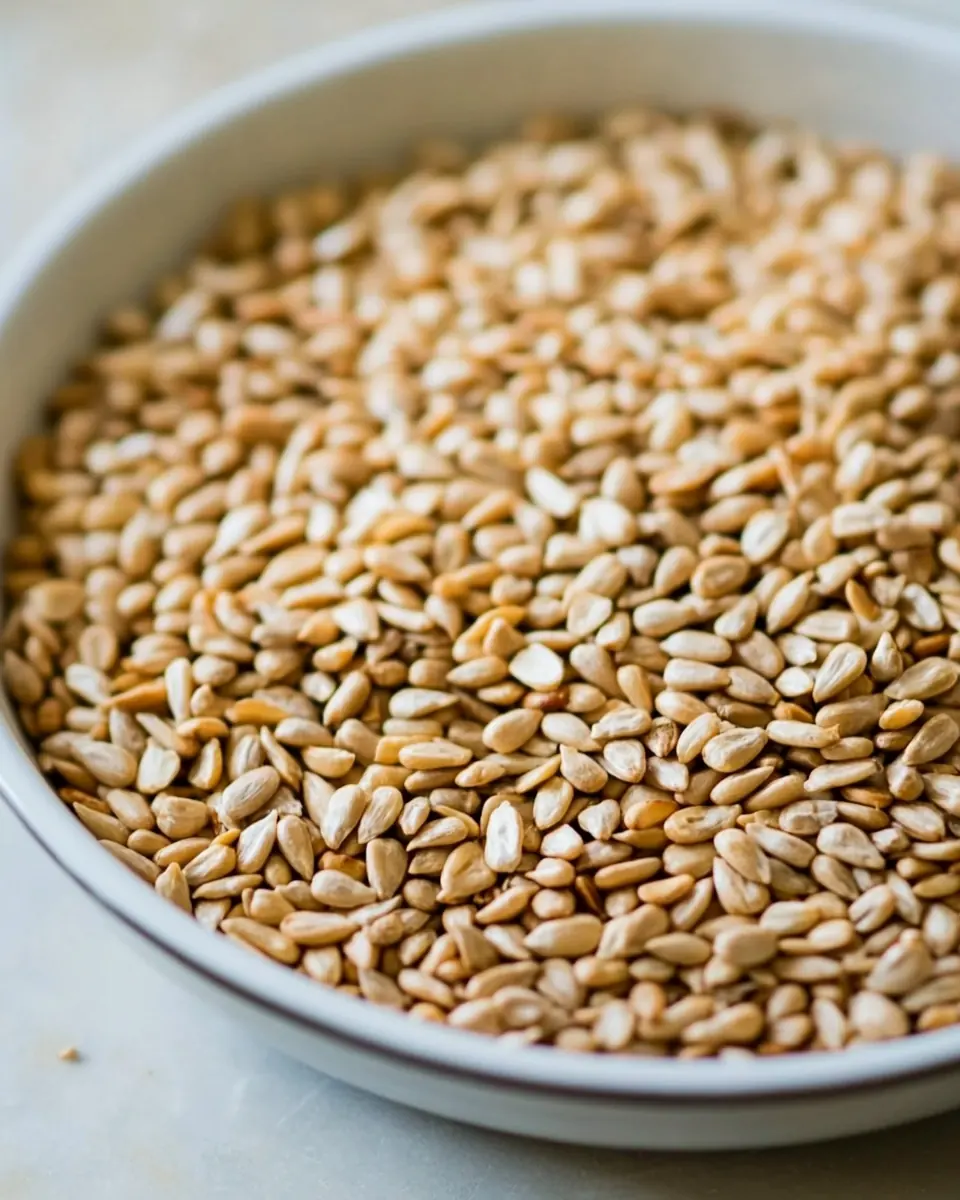
These few ingredients form the backbone of the recipe, and the philosophy is simple: let the seeds shine. The focus is on developing deep, toasty flavors through heat, while any small finishing touches, like a pinch of salt, enhance without masking the natural nuttiness. The key players are tiny, but they work in concert to deliver crisp texture and satisfying aroma.
- 12 ounces raw sunflower seeds (2 1/4 cups): Roasted to develop a toasty, nutty flavor and crunchy texture; use high-quality raw sunflower seeds to ensure even roasting and maximum flavor. Spread seeds in a single layer on a baking sheet, season if desired, and monitor closely to prevent burning, stirring once or twice for uniform browning. Allow seeds to cool completely to crisp up and store in an airtight container to preserve freshness and crunch.
Making This Roast Sunflower Seeds
I find the instructions calm and straightforward, and they let you focus on sensory cues rather than exact timing. Below I unfold each direction into thorough, personal steps so you can learn to trust sight, smell, and touch. Follow these cues and your batch will come out crisp and fragrant every time.
- Preheat oven to 350 degrees. Line a rimmed baking sheet with parchment paper or foil for easy cleanup.: The kitchen will fill with a faint, warm aroma even before the seeds hit the pan, which is a subtle promise of the toasting to come. You want the oven steady at 350 degrees so the seeds roast evenly without scorching. Lining the sheet with parchment or foil not only makes cleanup effortless, it helps prevent tiny seeds from sticking and burning in hotspots. One thing to watch for is opening the oven repeatedly, which causes temperature swings and uneven browning, so set everything up before you slide the pan in. If you notice smoke early, your oven is likely hotter than indicated, so reduce temperature by 25 degrees and rotate the pan to avoid blackened bits.
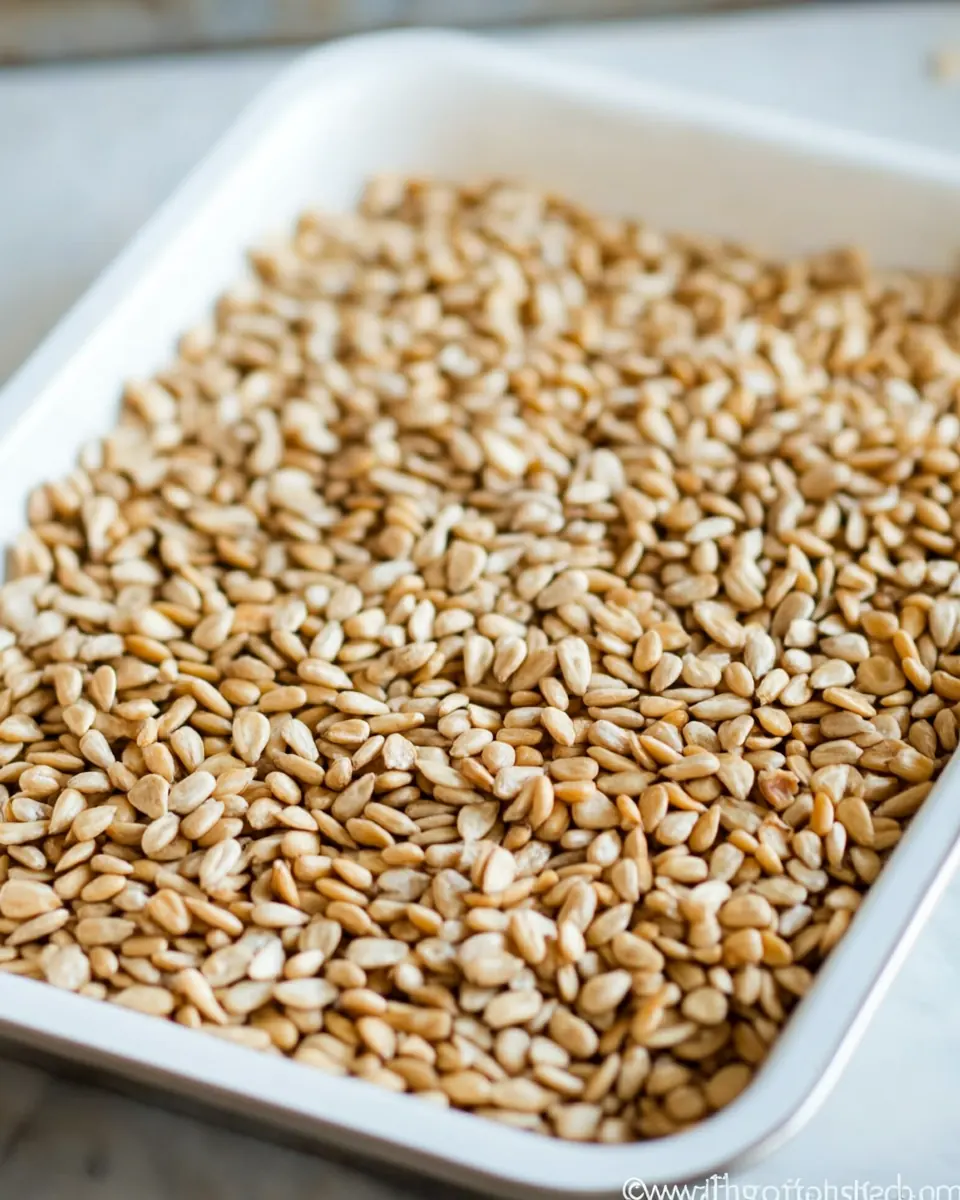
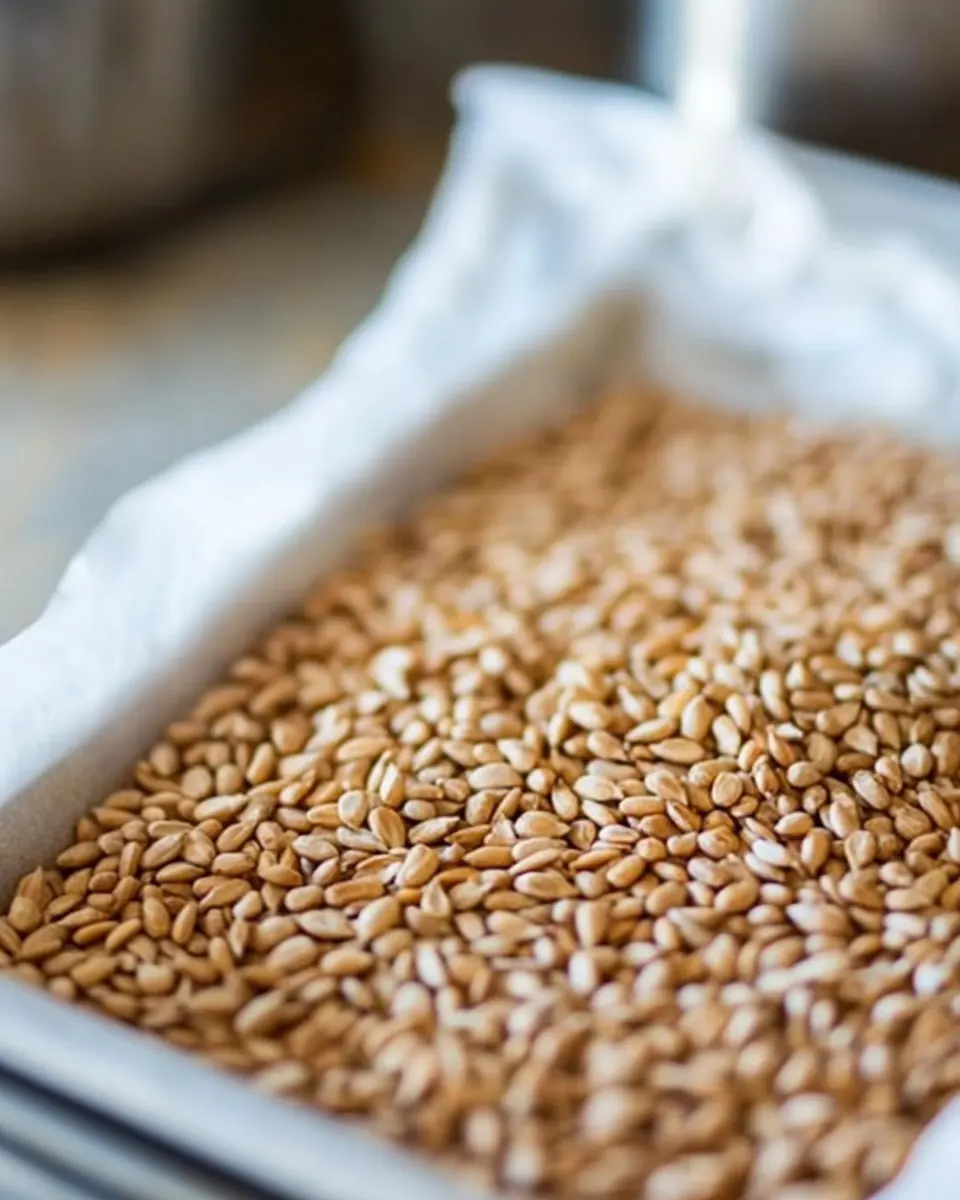
- Arrange sunflower seeds in a single layer on prepared baking sheet. Roast until lightly browned and fragrant, stirring occasionally, about 10 to 15 minutes.: As the sunflower seeds hit the pan you will see a spread of pale, plump kernels that should not overlap, because crowding causes steaming instead of crisping. A single layer ensures every seed gets direct contact with hot air, producing uniform color and crunch. At this stage you might gently shake the pan to settle seeds evenly. Avoid piling them, because crowded sections will stay soft and underroasted; if your pan looks heaped, use two pans or roast in batches for the best results. Expect the seeds to start giving off a toasty smell midway through roasting, which is your cue to check for evenness.
- Remove from oven and cool before storing covered in the pantry for 3 to 4 months. Freeze for up to 1 year.: Around the ten minute mark the kitchen will begin to smell nutty and warm, and you will see tiny color shifts from pale to golden. Stirring every few minutes exposes all sides to heat and prevents hot spots from creating scorched patches. Aim for an even, light brown tone, not dark brown, because a deep brown can taste bitter. If you get distracted and the seeds darken quickly, a common mistake is to let them go too far, so remove the pan earlier and allow residual heat to finish them if needed. Use oven mitts and listen for a soft crackle as moisture leaves the seeds, which is a wonderful sensory sign of progress.
- In a medium skillet over medium heat, heat sunflower seeds until lightly browned and fragrant, stirring occasionally, about 5 to 10 minutes.: As soon as the pan is out, the seeds carry a concentrated toasted perfume that mellows as they cool. Cooling on the sheet prevents condensation that could make them soggy, so spread them in a thin layer and let them rest at room temperature until completely cool to the touch. Storing in an airtight container keeps them crisp, and labeled jars in the pantry will stay fresh for three to four months. Freezing is a safe long term solution, but seal tightly to prevent freezer odors from sneaking in. A typical misstep is sealing warm seeds, which traps steam and softens them, so always cool completely first.
- Remove from skillet and cool before storing covered in the pantry for 3 to 4 months. Freeze for up to 1 year.: When I use the skillet method, the sensory experience is more immediate, with quick toasting aromas and fast visual cues. Use a dry, medium skillet and keep the heat at medium so the seeds brown without burning. Continuous stirring encourages even contact and prevents localized scorching, and you will hear a lively, faint pop as they release oils. Because skillet heat is direct and intense, it is easy to overshoot the roast, so remove the pan from heat a touch early and let residual warmth finish the color. Avoid high heat, which makes seeds char on the outside while remaining raw inside.
- Remove from skillet and cool before storing covered in the pantry for 3 to 4 months. Freeze for up to 1 year.: Right after the skillet they will be at their fragrant peak, and letting them cool on a sheet or plate helps them firm into crispness. The final texture becomes clear when you bite a cooled seed, which should be snappy and toasted rather than leathery. Store only when completely cooled, and label containers with the date to track freshness. A common error is transferring hot seeds into a sealed jar, which traps moisture and ruins the crisp texture, so always wait until they are cool.
Ways to Adapt This Recipe
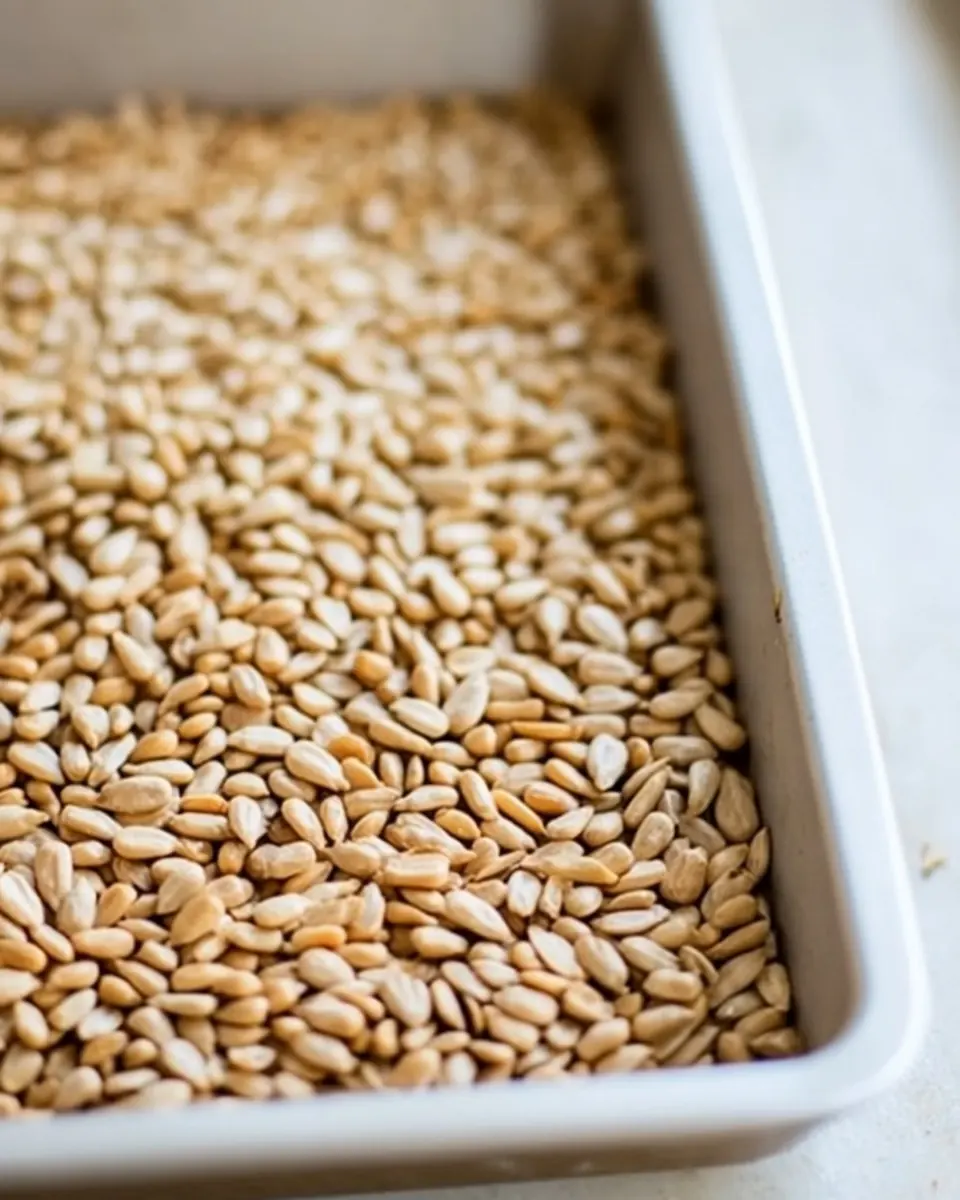
There are a few simple ways to vary the finished seeds while keeping the core technique unchanged. Below I offer practical ideas that respect the original ingredient list and help you customize texture and flavor while staying true to the roasted seed experience.
- Lightly salted finish Add a pinch of salt immediately after roasting while the seeds are still warm so the crystals adhere, enhancing the natural nutty flavor.
- Batch size Roast in two pans if you want perfect, even color, because overcrowding leads to uneven texture; this is especially helpful when doubling for a party.
- Skillet sear For a slightly more intense toast, use the skillet method and keep the seeds moving, which encourages caramelized edges without burning.
- Storage method Use an airtight jar in the pantry for short term keeping, or freeze in portioned bags for long term use, labeling with dates to track freshness.
- Visual check Trust color and smell over clock time, because ovens vary; aim for light golden and a warm, nutty aroma to know they are done.
Side Dish Ideas for Roast Sunflower Seeds
These roasted seeds are a small but mighty addition to many plates. They add crunch and toasty flavor to breakfasts, lunches, and snacks. Below I outline ways to serve them, seasonal pairings, and storage ideas so you can integrate them throughout your cooking rotation.
- Salad topper Sprinkle cooled seeds over green salads to add a crunchy contrast in texture and a toasty note that complements leafy greens.
- Breakfast boost Scatter seeds on yogurt or oatmeal for extra protein and crunch, especially during busy mornings.
- Snack jar Keep a jar on the counter for grab and go nibbling during the day, they are ideal for work snacks or school lunches.
- Party bowl Serve in a small bowl alongside other nibbles for gatherings, where they pair nicely with olives or dried fruit for a varied snack spread.
- Seasonal pairing In cooler months, their toasty flavor complements roasted vegetables, while in summer they add brightness to chilled grain salads.
- Storage tip Store in a cool, dark pantry for three to four months, or freeze up to a year to preserve the fresh roasted flavor for later use.
FAQ
Conclusion
Roast Sunflower Seeds are special because they turn a single, humble ingredient into a deeply satisfying crunchy snack with very little effort. The quick roast unlocks oils and aroma, delivering a toasted flavor that is versatile enough for snacking or garnishing. Give this simple method a try and you may find yourself reaching for homemade seeds instead of store bought ones. They store well, travel easily, and add a lovely textural lift to everyday meals, making them a tiny kitchen triumph.
Roast Sunflower Seeds
Ingredients
Equipment
Method
- Preheat oven to 350 degrees. Line a rimmed baking sheet with parchment paper or foil for easy cleanup.: The kitchen will fill with a faint, warm aroma even before the seeds hit the pan, which is a subtle promise of the toasting to come. You want the oven steady at 350 degrees so the seeds roast evenly without scorching. Lining the sheet with parchment or foil not only makes cleanup effortless, it helps prevent tiny seeds from sticking and burning in hotspots. One thing to watch for is opening the oven repeatedly, which causes temperature swings and uneven browning, so set everything up before you slide the pan in. If you notice smoke early, your oven is likely hotter than indicated, so reduce temperature by 25 degrees and rotate the pan to avoid blackened bits.
- Arrange sunflower seeds in a single layer on prepared baking sheet. Roast until lightly browned and fragrant, stirring occasionally, about 10 to 15 minutes.: As the sunflower seeds hit the pan you will see a spread of pale, plump kernels that should not overlap, because crowding causes steaming instead of crisping. A single layer ensures every seed gets direct contact with hot air, producing uniform color and crunch. At this stage you might gently shake the pan to settle seeds evenly. Avoid piling them, because crowded sections will stay soft and underroasted; if your pan looks heaped, use two pans or roast in batches for the best results. Expect the seeds to start giving off a toasty smell midway through roasting, which is your cue to check for evenness.
- Remove from oven and cool before storing covered in the pantry for 3 to 4 months. Freeze for up to 1 year.: Around the ten minute mark the kitchen will begin to smell nutty and warm, and you will see tiny color shifts from pale to golden. Stirring every few minutes exposes all sides to heat and prevents hot spots from creating scorched patches. Aim for an even, light brown tone, not dark brown, because a deep brown can taste bitter. If you get distracted and the seeds darken quickly, a common mistake is to let them go too far, so remove the pan earlier and allow residual heat to finish them if needed. Use oven mitts and listen for a soft crackle as moisture leaves the seeds, which is a wonderful sensory sign of progress.
- In a medium skillet over medium heat, heat sunflower seeds until lightly browned and fragrant, stirring occasionally, about 5 to 10 minutes.: As soon as the pan is out, the seeds carry a concentrated toasted perfume that mellows as they cool. Cooling on the sheet prevents condensation that could make them soggy, so spread them in a thin layer and let them rest at room temperature until completely cool to the touch. Storing in an airtight container keeps them crisp, and labeled jars in the pantry will stay fresh for three to four months. Freezing is a safe long term solution, but seal tightly to prevent freezer odors from sneaking in. A typical misstep is sealing warm seeds, which traps steam and softens them, so always cool completely first.
- Remove from skillet and cool before storing covered in the pantry for 3 to 4 months. Freeze for up to 1 year.: When I use the skillet method, the sensory experience is more immediate, with quick toasting aromas and fast visual cues. Use a dry, medium skillet and keep the heat at medium so the seeds brown without burning. Continuous stirring encourages even contact and prevents localized scorching, and you will hear a lively, faint pop as they release oils. Because skillet heat is direct and intense, it is easy to overshoot the roast, so remove the pan from heat a touch early and let residual warmth finish the color. Avoid high heat, which makes seeds char on the outside while remaining raw inside.
- Remove from skillet and cool before storing covered in the pantry for 3 to 4 months. Freeze for up to 1 year.: Right after the skillet they will be at their fragrant peak, and letting them cool on a sheet or plate helps them firm into crispness. The final texture becomes clear when you bite a cooled seed, which should be snappy and toasted rather than leathery. Store only when completely cooled, and label containers with the date to track freshness. A common error is transferring hot seeds into a sealed jar, which traps moisture and ruins the crisp texture, so always wait until they are cool.
Notes
- Lightly salted finish Add a pinch of salt immediately after roasting while the seeds are still warm so the crystals adhere, enhancing the natural nutty flavor.
- Batch size Roast in two pans if you want perfect, even color, because overcrowding leads to uneven texture; this is especially helpful when doubling for a party.
- Skillet sear For a slightly more intense toast, use the skillet method and keep the seeds moving, which encourages caramelized edges without burning.
- Storage method Use an airtight jar in the pantry for short term keeping, or freeze in portioned bags for long term use, labeling with dates to track freshness.
- Visual check Trust color and smell over clock time, because ovens vary; aim for light golden and a warm, nutty aroma to know they are done.