Raspberry Lemon Loaf Cake
Raspberry Lemon Loaf Cake is the kind of bake I reach for when I want something bright, tender, and a little bit nostalgic.
One rainy afternoon I dug out an old loaf tin and found a forgotten jar of Greek yogurt in the fridge. I wanted a simple treat that would cheer up the kitchen, so I tossed together a bowl, some eggs, a squeeze of lemon juice, and a handful of fresh raspberries. The batter smelled like citrus sunshine and promised a soft crumb that would pair perfectly with afternoon tea. Turning the oven dial felt like a small ritual that set the whole house at ease.
As the loaf baked and the scent of zested lemon filled the air, I found myself thinking about how straightforward bakes like this become go to recipes for guests, school snacks, or a quiet Sunday slice with coffee. The crumb came out tender and just moist enough thanks to the sunflower oil and Greek yogurt, while the fruit kept pockets of jammy brightness. I love how a little powdered sugar and a drizzle of lemon glaze transforms it from everyday to special.
Every time I make this loaf I tweak the glaze or the berry mix, and that small bit of creativity keeps it exciting. I hope this version inspires you to try your hand at a citrus and berry loaf that feels both homey and a little festive.
Recipe Snapshot
55 mins
5 mins
50 mins
Medium
240 kcal
American
Gluten-Free, Low FODMAP
Desserts
8 x 8 x 30 cm baking tin, Parchment paper, Mixing bowls, Spatula, Whisk
What’s Great About This Raspberry Lemon Loaf Cake
Bright, balanced flavor
I adore how Raspberry Lemon Loaf Cake balances sharp citrus with sweet berry notes. The lemon zest and lemon juice lift the whole cake so each bite feels lively rather than cloying. I find that the little pops of raspberries give contrast, so you taste brightness and sweetness together.
Moist texture without fuss
This loaf stays moist because of the combination of Greek yogurt and sunflower oil. I like using yogurt for a gentle tang and oil to keep the crumb tender, it means you do not need complicated steps to achieve a bakery style texture at home.
Adaptable and forgiving
One of the reasons I keep this recipe in my rotation is its flexibility. You can swap berries or adjust the glaze without breaking the formula. I often double the batter for a larger crowd, and the loaf handles slight changes in mixing or bake time quite well, so it is a forgiving bake if you are multitasking.
Quick to pull together
From mixing to the oven this loaf is remarkably fast. The straightforward method means you can have a fragrant cake ready with minimal prep, which is perfect when I want dessert but not a late night in the kitchen.
Perfect for everyday and special moments
I serve Raspberry Lemon Loaf Cake at casual brunches and also at small celebrations. Its fresh flavor profile reads like spring on a plate, yet it feels comforting and familiar. That balance is why I keep making it and why guests always ask for the recipe.
What You Need for Raspberry Lemon Loaf Cake
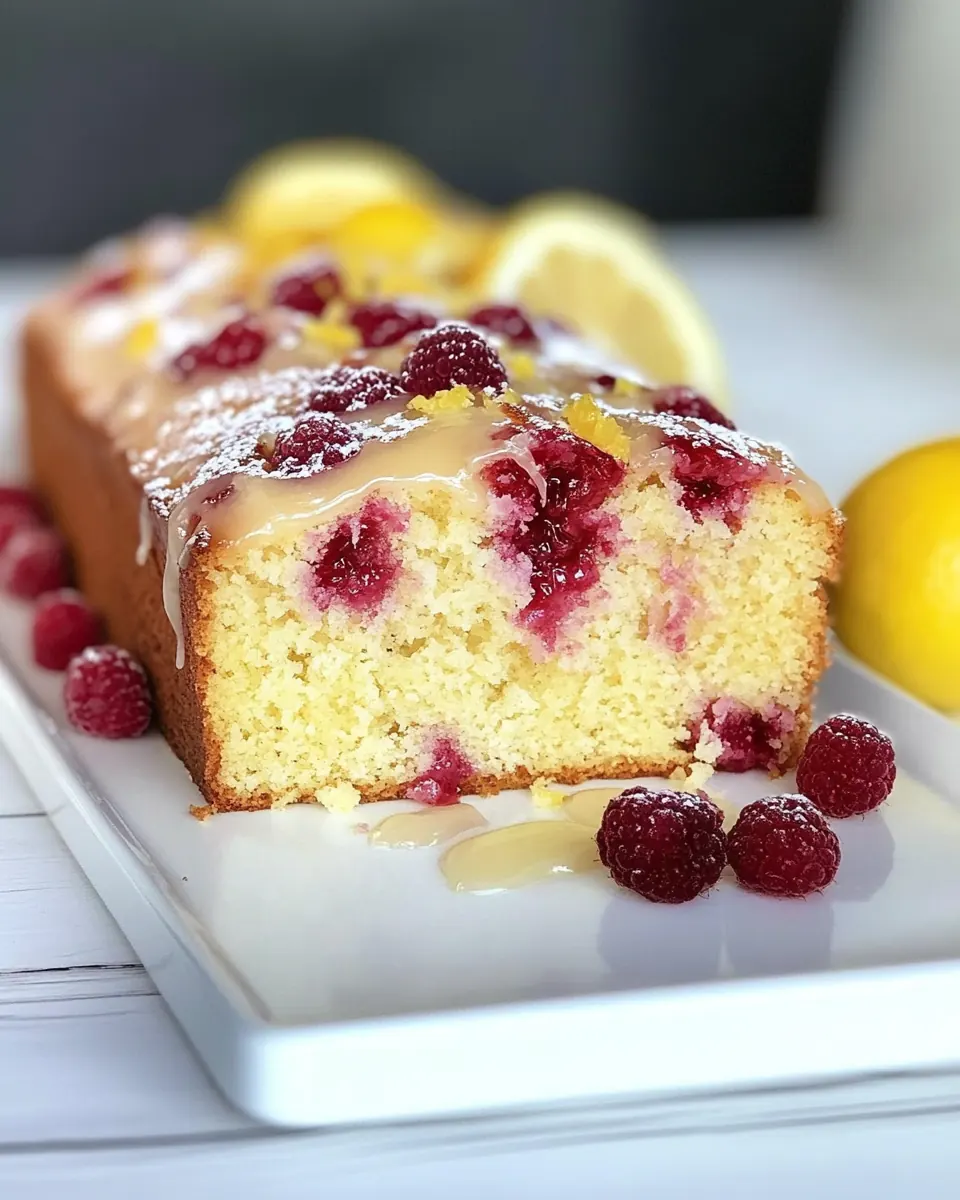
These ingredients work together to create a loaf that is bright, tender, and slightly tangy. The key players are the Greek yogurt and sunflower oil which keep the crumb moist, the eggs which add structure, and the fresh raspberries which provide bursts of natural sweetness. The dry components provide lift and crumb, while the glaze and powdered sugar deliver a finishing touch that ties everything together.
- 3 eggs: Whisk vigorously to incorporate air and provide structure and lift in the cake; eggs also help bind ingredients and contribute moisture and richness for a tender crumb.
- 175 g sugar: Sweeten the batter and help with browning and crumb texture; sugar also aids in tenderizing the loaf and balancing the tartness of lemon and raspberries.
- 2 tbsp lemon juice: Add bright acidity and lemon flavor while activating baking powder slightly; lemon juice also balances sweetness and enhances the cake's fresh aroma.
- 1 lemon zested: Provide concentrated citrus oils and bright aromatic notes when finely grated; lemon zest intensifies lemon flavor without adding extra liquid, elevating the overall fragrance.
- 220 g Greek yogurt: Contribute moisture, tangy flavor, and a creamy texture while replacing some fat; Greek yogurt also helps create a tender crumb and improves the cake's keeping quality.
- 100 ml sunflower oil (vegetable oil): Provide fat for moistness and a soft mouthfeel; sunflower (vegetable) oil keeps the loaf tender and helps distribute flavor evenly throughout the batter.
- 200 g flour: Form the structure of the cake by supplying gluten and starch; flour combines with wet ingredients to create the batter and determines the loaf's density and chew.
- 1 tsp baking powder: Leaven the batter by producing gas during baking, helping the loaf rise and become light; baking powder also contributes to an even, tender crumb.
- 1/3 tsp salt: Enhance and balance flavors by suppressing bitterness and boosting sweetness; a small amount of salt also strengthens gluten and improves overall taste.
- 100 g fresh raspberries or other berries: Introduce fresh fruity pockets and bursts of flavor and color; raspberries (or other berries) add juiciness and a pleasant tart contrast to the sweet, lemony loaf.
- 1 tsp vanilla essence: Impart warm, sweet aromatic notes that complement lemon and berries; vanilla essence rounds out the flavor profile and deepens the cake's overall taste.
- 100 g powdered sugar: Create a smooth, sweet glaze or finishing sweetness with a melt-in-mouth texture; powdered sugar dissolves easily and provides a glossy finish when mixed into icing.
- 1 tbsp lemon juice: Brighten and thin the glaze while adding extra lemon punch to the finished loaf; a tablespoon of lemon juice balances the powdered sugar for a zesty topping.
The Method for Raspberry Lemon Loaf Cake
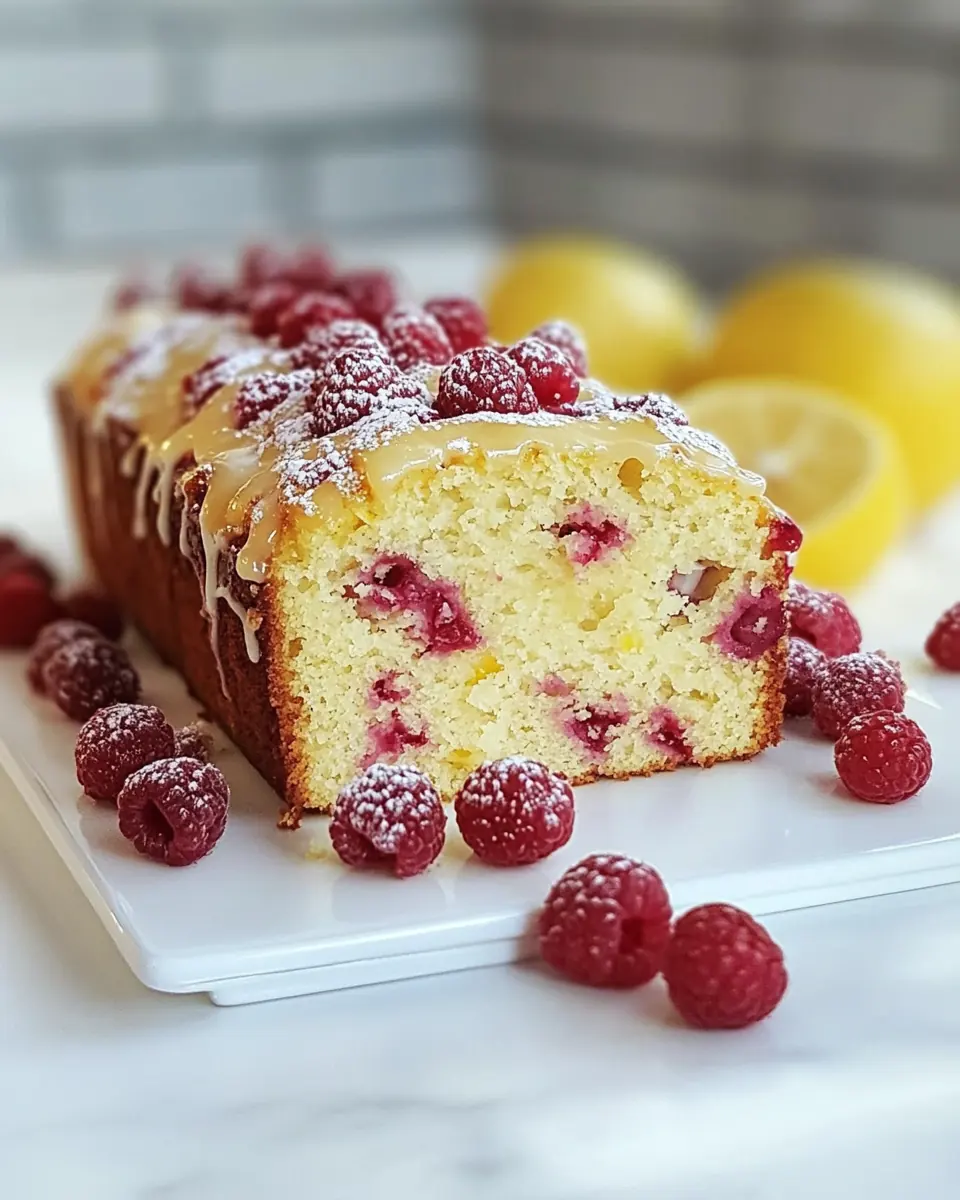
These steps guide you through making a loaf that has a delicate crumb and lively citrus notes. Take your time folding the batter, handle the raspberries gently, and watch the oven for the telltale signs of doneness.
- Preheat the oven to 175°C/345° F, no fan.: You will notice a subtle warmth in the kitchen as the oven reaches temperature, and a consistent heat is crucial so the loaf rises evenly. Preheating ensures the batter begins setting right away when it goes in, creating that tender edge and structured rise. A common mistake is putting the loaf into an oven that is not fully up to temperature, which can cause uneven baking or a dense center, so wait until the oven reaches the full heat.
- Line an 8 x 8 x 30 cm (3 x 3 x 12 inches) baking tin with parchment paper.: The paper provides a nonstick surface and helps lift the loaf cleanly after baking, and you will see the batter cling evenly to the sides when lined properly. Press the paper into the corners so it sits flat, which prevents the batter pooling at one side. Avoid using an undersized tin as it can cause overflow, or failing to line the pan, which risks sticking and tearing the crust when you remove it.
- Mix the eggs with the sugar and vanilla essence until you have a thick, light-colored foam.: As you whisk the eggs and sugar , air is incorporated and the mixture will become pale and voluminous, creating a sweeter aroma. This foam traps air that expands in the oven, promoting a lighter crumb. If you rush this step or underbeat, the loaf may lack lift, so take a few extra minutes to reach that ribbon stage.
- Add the yogurt, oil, lemon juice and zest and stir until the ingredients are folded in.: After adding the wet ingredients, the batter will smell bright from the lemon zest and carry a creamy tang from the Greek yogurt . Folding combines them without deflating the air you created, so use gentle strokes. A frequent error here is vigorous mixing which knocks out the aeration, resulting in a denser loaf.
- Sift the dry ingredients: flour, salt and baking powder, and gradually add them to the mixture, folding them in with a spatula with wide top to bottom strokes.: flour, salt and baking powder, and gradually add them to the mixture, folding them in with a spatula with wide top to bottom strokes : Sifting ensures there are no lumps and lets the baking powder distribute evenly, giving a uniform rise. The batter will start to look smoother and slightly thicker as you fold in the flour . Overworking the batter at this stage develops gluten and can make the texture tough, so fold just until combined.
- The mixture must not be runny, so do not overmix! Mix just until the ingredients are folded in and make sure there are no lumps of flour.: A proper batter has body, and when you lift the spatula it should fall in ribbons that hold slightly before blending back. You will hear less splashing and see a satiny surface. If the batter turns liquid or overly glossy, stop mixing immediately, because overmixing leads to a tight crumb.
- Add the raspberries to the mixture and fold in gently.: When you fold in the raspberries , they add bright color and small bursts of juice, and you will see tiny pockets of pink appear. Use soft strokes to keep berries intact, which gives you pleasant whole fruit bites rather than streaks through the batter. A common slip is to stir too vigorously, which crushes berries and discolors the batter.
- Pour the mixture into the baking pan and bake for 50-55 minutes.: As the batter goes into the pan, it should settle evenly and fill the tin without overflowing. During baking you will notice the aroma deepen and edges starting to turn golden. The time window accounts for minor oven differences; begin checking near the lower end to avoid overbaking, as a dried loaf is the main risk here.
- The cake is baked when a toothpick inserted in the center comes out clean.: When the toothpick comes out mostly clean, the crumb is set and the center is no longer wet, and you may see a gentle spring when you press the top lightly with a finger. If the toothpick has wet batter, give it more time and check again in minutes, because removing it too early leaves the interior undercooked.
- Leave the cake in the pan to cool completely.: Cooling in the pan lets the crumb stabilize and prevents the loaf from collapsing, and you will notice steam condensing on the parchment as it cools. Patience here helps the glaze adhere later. A mistake is trying to glaze or slice while warm, which can cause the cake to crumble or the glaze to run off.
- You can eat it as it is or sprinkle powdered sugar on top or pour a simple glaze of lemon juice mixed with powdered sugar over it.: Powdered sugar dusted over the top gives a gentle sweetness and an elegant look, while the lemon glaze adds shine and a zesty finish. The glaze will soak slightly into the crust and give a glossy sheen. Avoid applying a thick glaze while the loaf is still hot or it will melt away.
- Mix the powdered sugar with the lemon juice. Pour over the cooled cake, then sprinkle with raspberry and grated lemon zest.: The glaze should be smooth and pourable, and as it hits the cooled loaf it will spread and settle into tiny crevices, adding sweetness and tang. Finish with extra raspberries and lemon zest for visual appeal and a burst of fresh flavor. Do not overdo the glaze, a thin layer is all you need for balance.
Change It Up
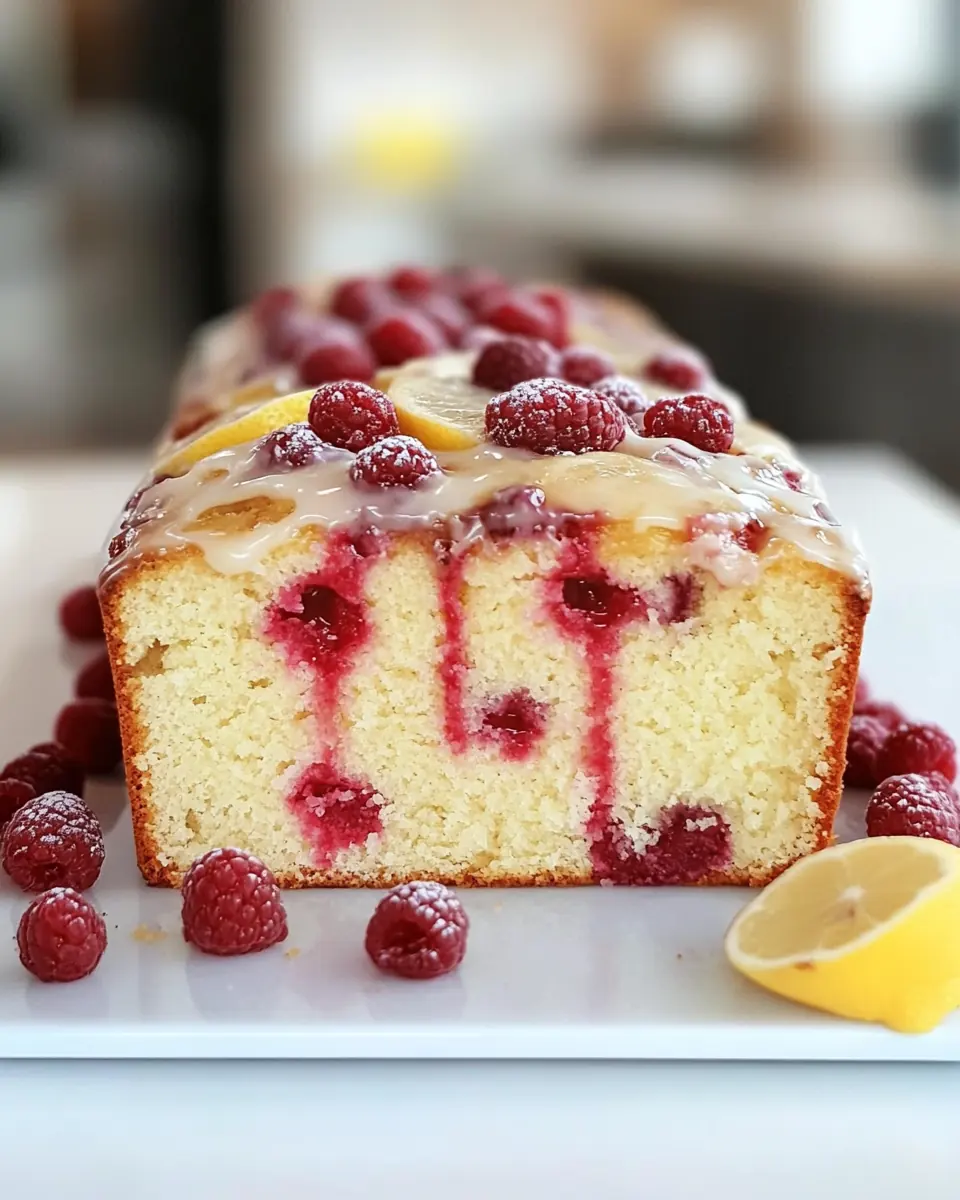
If you want to vary the loaf, small swaps and finishing touches can change the character while keeping the bake reliable. Below are helpful ideas and practical suggestions to experiment without losing the texture and balance of the original recipe.
- Use different berries Replace the raspberries with blueberries or chopped strawberries for a different fruit profile, but fold them in gently to avoid crushing and altering batter color.
- Orange variation Swap the lemon zest and juice for orange to create a sweeter, less tart loaf, and consider a light orange glaze for a complementary finish.
- Yogurt swap Use full fat Greek yogurt for richness; lower fat yogurts will produce a slightly less tender crumb so keep the oil measurement the same.
- Texture tweak For a denser, more cake like texture, reduce the mixing time very slightly when adding dry ingredients, but do not overmix or you will develop gluten.
- Glaze thickness Adjust the powdered sugar to lemon juice ratio to control glaze thickness, adding juice a teaspoon at a time until it becomes pourable but not runny.
- Make ahead You can bake the loaf a day in advance and store it covered at room temperature; the flavor often improves as it rests, but avoid glazing until just before serving for the freshest look.
Serving Ideas for Raspberry Lemon Loaf Cake
This loaf suits an array of occasions from a quick coffee break to a small celebration. Below are serving ideas that pair well with the cake and suggestions for storage and seasonal touches.
- Simple tea time Slice the loaf and serve with a pot of mild black tea or a lemon herbal infusion for an afternoon pick me up.
- Brunch centerpiece Place on a cake stand alongside fresh fruit and yogurt for a relaxed weekend brunch that feels elegant.
- Light dessert Offer thin slices after a light dinner, perhaps with a scoop of plain yogurt on the side to echo the cake’s tang.
- Gift idea Wrap a cooled loaf in parchment and twine for a homemade gift, ideal for neighbors or hosts, and include a sprig of fresh lemon zest for flair.
- Storage tips Keep the cake wrapped at room temperature for two days, or refrigerate up to five days; bring to room temperature before serving so the texture softens.
- Seasonal pairing This loaf shines in spring, pairing beautifully with seasonal berries and light floral garnishes for a bright table setting.
FAQ
Conclusion
This loaf shines because it pairs a tender, moist crumb with bright lemon and fresh raspberry notes that feel both homey and refreshing. I encourage you to try it soon, whether for a quiet afternoon treat or to share at a small gathering. The recipe is forgiving and adaptable, so enjoy experimenting with small tweaks to make it your own. I hope it becomes a staple in your baking rotation, offering a slice of sunshine when you need it most.
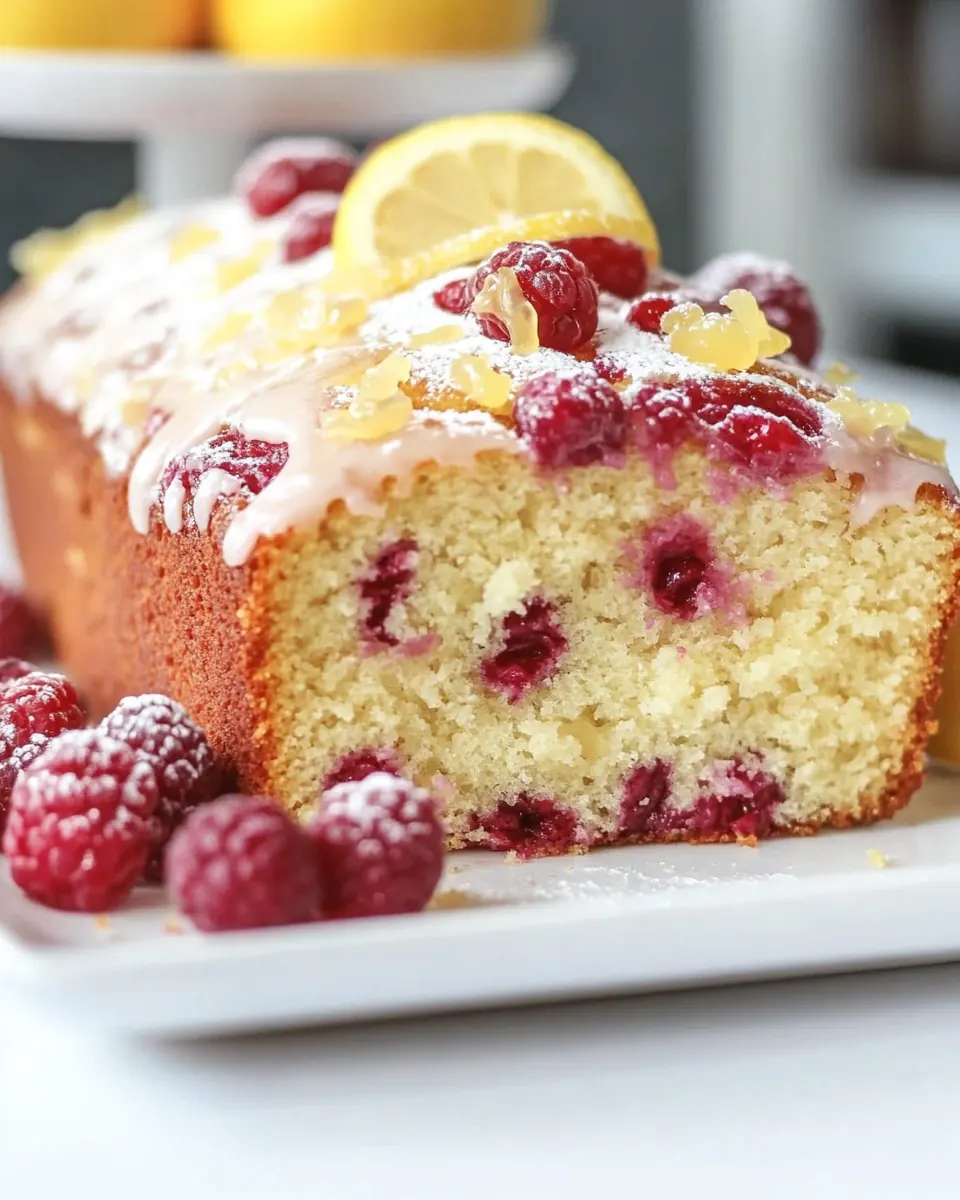
Raspberry Lemon Loaf Cake
Ingredients
Equipment
Method
- Preheat the oven to 175°C/345° F, no fan.: You will notice a subtle warmth in the kitchen as the oven reaches temperature, and a consistent heat is crucial so the loaf rises evenly. Preheating ensures the batter begins setting right away when it goes in, creating that tender edge and structured rise. A common mistake is putting the loaf into an oven that is not fully up to temperature, which can cause uneven baking or a dense center, so wait until the oven reaches the full heat.
- Line an 8 x 8 x 30 cm (3 x 3 x 12 inches) baking tin with parchment paper.: The paper provides a nonstick surface and helps lift the loaf cleanly after baking, and you will see the batter cling evenly to the sides when lined properly. Press the paper into the corners so it sits flat, which prevents the batter pooling at one side. Avoid using an undersized tin as it can cause overflow, or failing to line the pan, which risks sticking and tearing the crust when you remove it.
- Mix the eggs with the sugar and vanilla essence until you have a thick, light-colored foam.: As you whisk the eggs and sugar , air is incorporated and the mixture will become pale and voluminous, creating a sweeter aroma. This foam traps air that expands in the oven, promoting a lighter crumb. If you rush this step or underbeat, the loaf may lack lift, so take a few extra minutes to reach that ribbon stage.
- Add the yogurt, oil, lemon juice and zest and stir until the ingredients are folded in.: After adding the wet ingredients, the batter will smell bright from the lemon zest and carry a creamy tang from the Greek yogurt . Folding combines them without deflating the air you created, so use gentle strokes. A frequent error here is vigorous mixing which knocks out the aeration, resulting in a denser loaf.
- Sift the dry ingredients: flour, salt and baking powder, and gradually add them to the mixture, folding them in with a spatula with wide top to bottom strokes.: flour, salt and baking powder, and gradually add them to the mixture, folding them in with a spatula with wide top to bottom strokes : Sifting ensures there are no lumps and lets the baking powder distribute evenly, giving a uniform rise. The batter will start to look smoother and slightly thicker as you fold in the flour . Overworking the batter at this stage develops gluten and can make the texture tough, so fold just until combined.
- The mixture must not be runny, so do not overmix! Mix just until the ingredients are folded in and make sure there are no lumps of flour.: A proper batter has body, and when you lift the spatula it should fall in ribbons that hold slightly before blending back. You will hear less splashing and see a satiny surface. If the batter turns liquid or overly glossy, stop mixing immediately, because overmixing leads to a tight crumb.
- Add the raspberries to the mixture and fold in gently.: When you fold in the raspberries , they add bright color and small bursts of juice, and you will see tiny pockets of pink appear. Use soft strokes to keep berries intact, which gives you pleasant whole fruit bites rather than streaks through the batter. A common slip is to stir too vigorously, which crushes berries and discolors the batter.
- Pour the mixture into the baking pan and bake for 50-55 minutes.: As the batter goes into the pan, it should settle evenly and fill the tin without overflowing. During baking you will notice the aroma deepen and edges starting to turn golden. The time window accounts for minor oven differences; begin checking near the lower end to avoid overbaking, as a dried loaf is the main risk here.
- The cake is baked when a toothpick inserted in the center comes out clean.: When the toothpick comes out mostly clean, the crumb is set and the center is no longer wet, and you may see a gentle spring when you press the top lightly with a finger. If the toothpick has wet batter, give it more time and check again in minutes, because removing it too early leaves the interior undercooked.
- Leave the cake in the pan to cool completely.: Cooling in the pan lets the crumb stabilize and prevents the loaf from collapsing, and you will notice steam condensing on the parchment as it cools. Patience here helps the glaze adhere later. A mistake is trying to glaze or slice while warm, which can cause the cake to crumble or the glaze to run off.
- You can eat it as it is or sprinkle powdered sugar on top or pour a simple glaze of lemon juice mixed with powdered sugar over it.: Powdered sugar dusted over the top gives a gentle sweetness and an elegant look, while the lemon glaze adds shine and a zesty finish. The glaze will soak slightly into the crust and give a glossy sheen. Avoid applying a thick glaze while the loaf is still hot or it will melt away.
- Mix the powdered sugar with the lemon juice. Pour over the cooled cake, then sprinkle with raspberry and grated lemon zest.: The glaze should be smooth and pourable, and as it hits the cooled loaf it will spread and settle into tiny crevices, adding sweetness and tang. Finish with extra raspberries and lemon zest for visual appeal and a burst of fresh flavor. Do not overdo the glaze, a thin layer is all you need for balance.
Notes
- Use different berries Replace the raspberries with blueberries or chopped strawberries for a different fruit profile, but fold them in gently to avoid crushing and altering batter color.
- Orange variation Swap the lemon zest and juice for orange to create a sweeter, less tart loaf, and consider a light orange glaze for a complementary finish.
- Yogurt swap Use full fat Greek yogurt for richness; lower fat yogurts will produce a slightly less tender crumb so keep the oil measurement the same.
- Texture tweak For a denser, more cake like texture, reduce the mixing time very slightly when adding dry ingredients, but do not overmix or you will develop gluten.
- Glaze thickness Adjust the powdered sugar to lemon juice ratio to control glaze thickness, adding juice a teaspoon at a time until it becomes pourable but not runny.
- Make ahead You can bake the loaf a day in advance and store it covered at room temperature; the flavor often improves as it rests, but avoid glazing until just before serving for the freshest look.