Lemon Blueberry Custard Pie
Lemon Blueberry Custard Pie is the kind of dessert that has followed me through slow Sunday afternoons and bright spring brunches, the kind I turn to when I want something that tastes both nostalgic and a little adventurous.
Years ago I found this combination at a neighborhood bake sale, and the memory of the first bite stuck with me because the filling was silky, the lemon woke up every other flavor, and the blueberries offered little pockets of sweetness. I kept experimenting, swapping techniques and adjusting the balance between tang and cream until the custard felt just right for a single 9 inch pie shell.
When I make Lemon Blueberry Custard Pie now, I think about texture first. The interplay between a tender pie crust and a smooth, slightly set custard is what keeps people coming back for another slice. The fresh blueberries are the punctuation marks, popping with juice against the bright lemon notes. I love how this pie slices cleanly yet still looks as though it was pulled from a sunlit bakery window.
There is a small ritual to it I enjoy, from crimping the edges of the crust to gently folding in the whipped egg whites so the filling stays light. Each step invites a moment of attention, and that slow, deliberate rhythm is part of the pleasure. I hope you feel invited to make it the centerpiece of a casual gathering, a picnic, or an after dinner treat when you want something that feels special without being fussy.
Recipe Snapshot
60 mins
20 mins
40 mins
Medium
250 kcal
American
Gluten-Free, Low FODMAP
Desserts
Oven, Pie pan, Electric mixer, Mixing bowls
What Sets This Lemon Blueberry Custard Pie Apart
Bright, balanced flavor
I love how Lemon Blueberry Custard Pie balances tart and sweet, because the fresh lemon juice and zest cut through the richness of the custard while the blueberries add juicy bursts of natural sugar. That contrast keeps a slice lively on the palate, and it means you never feel overpowered by one note.
Light, yet creamy texture
The technique of folding in the whipped egg whites gives the filling an airy lift that still finishes creamy. I find this approach makes each forkful feel luxurious without being heavy, which is perfect for spring gatherings when you want dessert that feels fresh.
Simple, pantry friendly ingredients
Most of the components are pantry staples like all purpose flour, granulated white sugar, and milk, so this recipe is approachable. I appreciate a dessert that does not require obscure items, and that makes it a reliable choice when guests drop by unexpectedly.
Beautiful presentation
Scattered fresh blueberries on top make the pie look effortlessly elegant. I always feel a small thrill when I slide a pie from the oven, seeing the filling set and the fruit shining on the surface, ready to be sliced and shared.
Adaptable and forgiving
There is room to adjust sweetness or lemon intensity to taste, and the method tolerates small timing variations. That forgiving nature makes the recipe approachable for home bakers who are still building confidence.
Shopping List for Lemon Blueberry Custard Pie
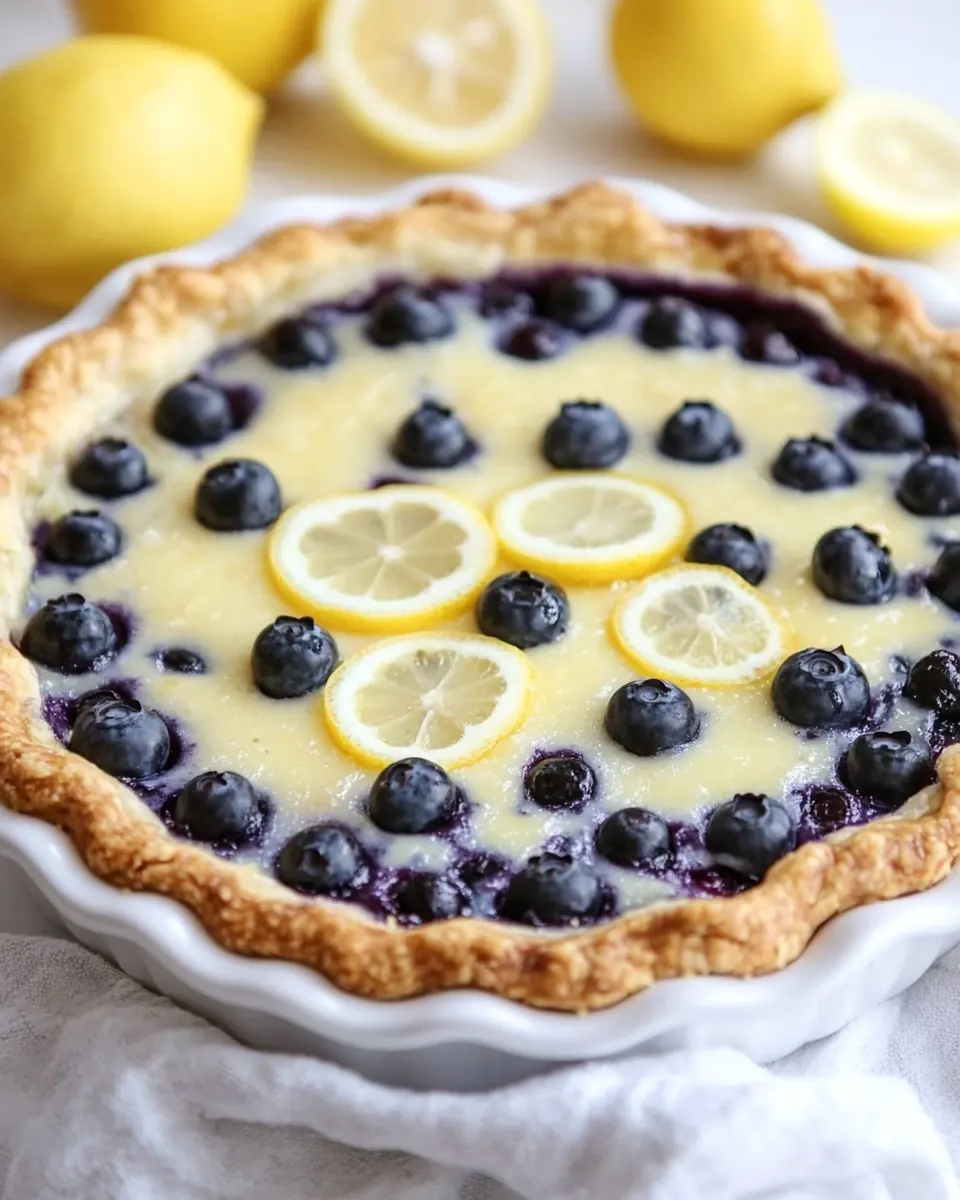
These ingredients work as a cohesive team: the pie crust provides structure, the butter and eggs give richness, the lemon brightens the custard, and the blueberries bring fresh sweetness. I pick components that support texture and flavor so the final slice is both creamy and lively.
- One 9 inch unbaked pie crust: Use to line the pie dish and provide a crisp, buttery base that holds the custard filling; blind-bake if recipe requires extra firmness to prevent sogginess. Prick or dock gently to allow steam to escape and ensure even baking for a golden crust.
- 1 tablespoon butter, softened: Soften and spread to enrich the filling’s texture and add a subtle buttery flavor; fold into the custard mixture so it melds smoothly without creating lumps. Reserve a small amount to dot on top of the filling if desired for added richness and browning.
- 2/3 cup granulated white sugar: Sweeten and balance the tartness from lemon and blueberries while helping to set the custard through sugar’s interaction with eggs; measure accurately to maintain proper sweetness and texture. Dissolve with other dry ingredients to avoid gritty spots and ensure an even, glossy custard.
- 2 tablespoons all purpose flour: Thicken and stabilize the custard by absorbing excess moisture and preventing it from being too runny, contributing to a smooth set. Whisk with sugar before adding liquids to evenly distribute and avoid clumping in the mixture.
- 3 tablespoons freshly squeezed lemon juice: Brighten and add fresh acidity to lift the dessert’s flavor profile; acid helps set custards and balances sweetness from sugar and blueberries. Strain out seeds if needed and mix into the custard base for a clean lemon taste.
- 1 tablespoon grated lemon zest: Provide concentrated citrus aroma and intense lemon flavor to enhance the pie’s brightness; fold finely grated zest into the custard to distribute aromatic oils. Avoid bitter white pith by using only the colored outer peel when grating.
- 2 large egg yolks: Enrich and thicken the custard by contributing fat, color, and structure while creating a silky mouthfeel; whisk yolks with sugar until smooth before tempering with hot milk. Ensure yolks are well incorporated to prevent curdling when heated.
- 1 cup milk: Add creaminess and dilute the mixture to the correct custard consistency while contributing subtle dairy flavor; warm before tempering into eggs to avoid scrambling. Use whole milk for a richer result or adjust fat content according to desired richness.
- 2 large egg whites: Whip to incorporate air and create a lighter, slightly meringue-like component if folded into the filling, or beat to soft peaks for a fluffier texture; ensure whites are free of yolk for maximum volume. Fold carefully to retain air and avoid deflating the mixture.
- 1 1/4 cups fresh blueberries: Introduce bursts of sweet-tart fruit that contrast the creamy custard and contribute color and texture; gently fold into the filling to avoid crushing and bleeding too much color. Rinse and pat dry before use and scatter evenly for balanced distribution.
The Process for Making Lemon Blueberry Custard Pie
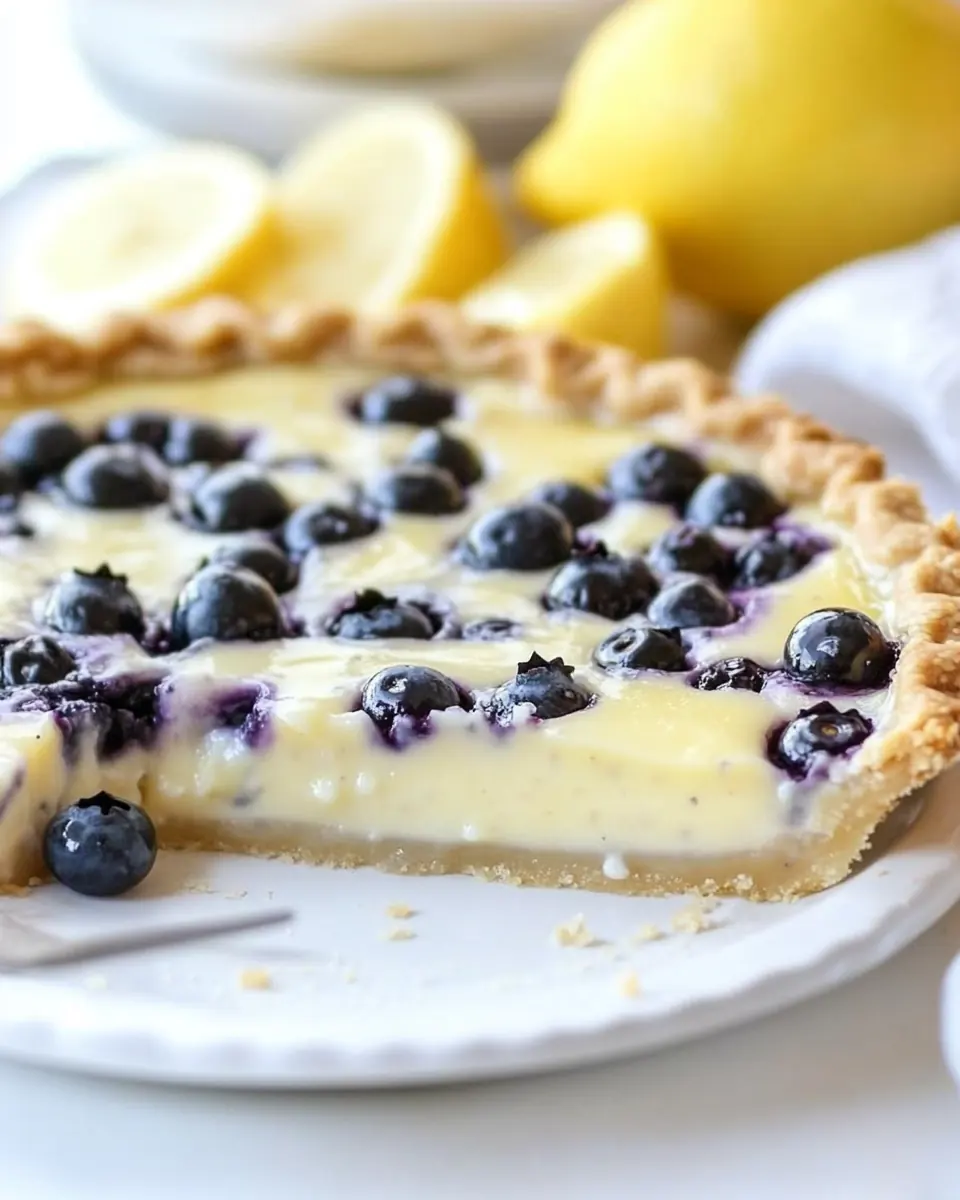
This recipe is a small ritual from start to finish. I like to prepare my mise en place first, and then move through steps deliberately so the custard comes together with the right texture and the fruit stays fresh. Below I expand each direction with sensory cues, reasons behind the technique, and common pitfalls to avoid.
- Preheat the oven to 350°F. Place the pie crust in a pie pan and crimp edges.: You will notice a warm, anticipatory smell in the kitchen as the oven comes to temperature, and the visual cue of a uniformly heated oven is essential for even baking. Pressing the crust into the pan and crimping the edges not only creates an attractive rim, it helps the crust maintain shape as the filling sets. Warm ovens produce gentle heat that sets the custard evenly, preventing overbrowning. A common mistake is skipping the crimping or pressing the crust too thin, which can lead to tears or uneven rising. If the crust looks puckered or has thin spots, press gently with your fingers to redistribute the dough for a consistent thickness.
- In a large bowl, use an electric mixer to combine the butter and sugar. Mix in the flour, lemon juice and lemon zest. Beat in the egg yolks, then milk.: The butter and sugar creaming will sound slightly airy and will change texture from grainy to smoother as the sugar dissolves, releasing the butter's fragrance. Adding the flour early helps it disperse and prevents lumps later. When you add the lemon juice and zest , their citrus oils will perfume the bowl, offering a clean, bright aroma. Beating in the egg yolks yields a glossy, thickened batter, and adding the milk loosens it into a silky custard base. The technique matters because even mixing yields a uniform set and prevents pockets of flour or sugar. One error to avoid is overbeating after adding the milk, which can incorporate too much air and change the texture; stop when the mixture looks cohesive and smooth.
- In a large glass or metal bowl, beat the egg whites with an electric mixer until stiff peaks form. Gently fold the stiff egg whites into the lemon mixture. Pour the filling into the pie crust. Scatter the blueberries evenly on top.: When whipping the egg whites , you will hear a progressively higher pitch as the foam tightens, and the peaks should stand straight when the beaters lift. Folding is a slow, deliberate motion, and you will see ribbons of pale white fold into the yellow custard before fully integrating, creating a light, airy body. Pouring the filling should produce a quiet, flowing sound as it settles into the crust, and scattering the blueberries gives contrast and color against the pale custard. The reason for folding and not stirring vigorously is to preserve the air for a tender texture. A frequent mistake is deflating the whites by using a circular blender motion, so always use a gentle under and over fold, and stop when the mixture is evenly streaked and uniform.
- Bake for 20 minutes, then cover with foil to avoid browning. Bake an additional 15 to 25 minutes, or until the filling is set. Allow to cool slightly before serving.: In the first 20 minutes the oven will coax the custard to rise slightly and the surface will begin to set, giving off a warm, oven scent that signals progress. Covering with foil prevents the top from coloring too quickly while the center continues to cook, preserving an even, pale finish. During the final bake, look for a gentle wobble in the center rather than a liquid jiggle, which indicates proper set. You will notice subtle changes, like steam escaping from edges and a slight firming under a fingertip on the crust. The purpose of the two stage bake is to ensure the exterior sets and the interior cooks through without overcooking. Avoid pulling the pie too early; an underdone center can collapse when cooling. If you see dark spots or rapid browning, lower the oven temperature slightly and extend the time for a gentler finish.
- Allow to cool slightly before serving.: Cooling brings the pieces into sharper focus, as the custard transitions from a soft gel to a sliceable texture, and the kitchen will smell faintly of citrus and baked dough. I recommend letting the pie rest on a rack so air circulates beneath, preventing a soggy bottom and helping the filling finish setting. As it cools you will observe the surface tightening and the blueberries nestling slightly into the custard, signaling readiness. The why is simple, patience yields cleaner slices and a better mouthfeel. A common misstep is slicing while the pie is too warm, which causes the custard to spill and the presentation to suffer, so resist the urge to cut immediately.
Ways to Customize
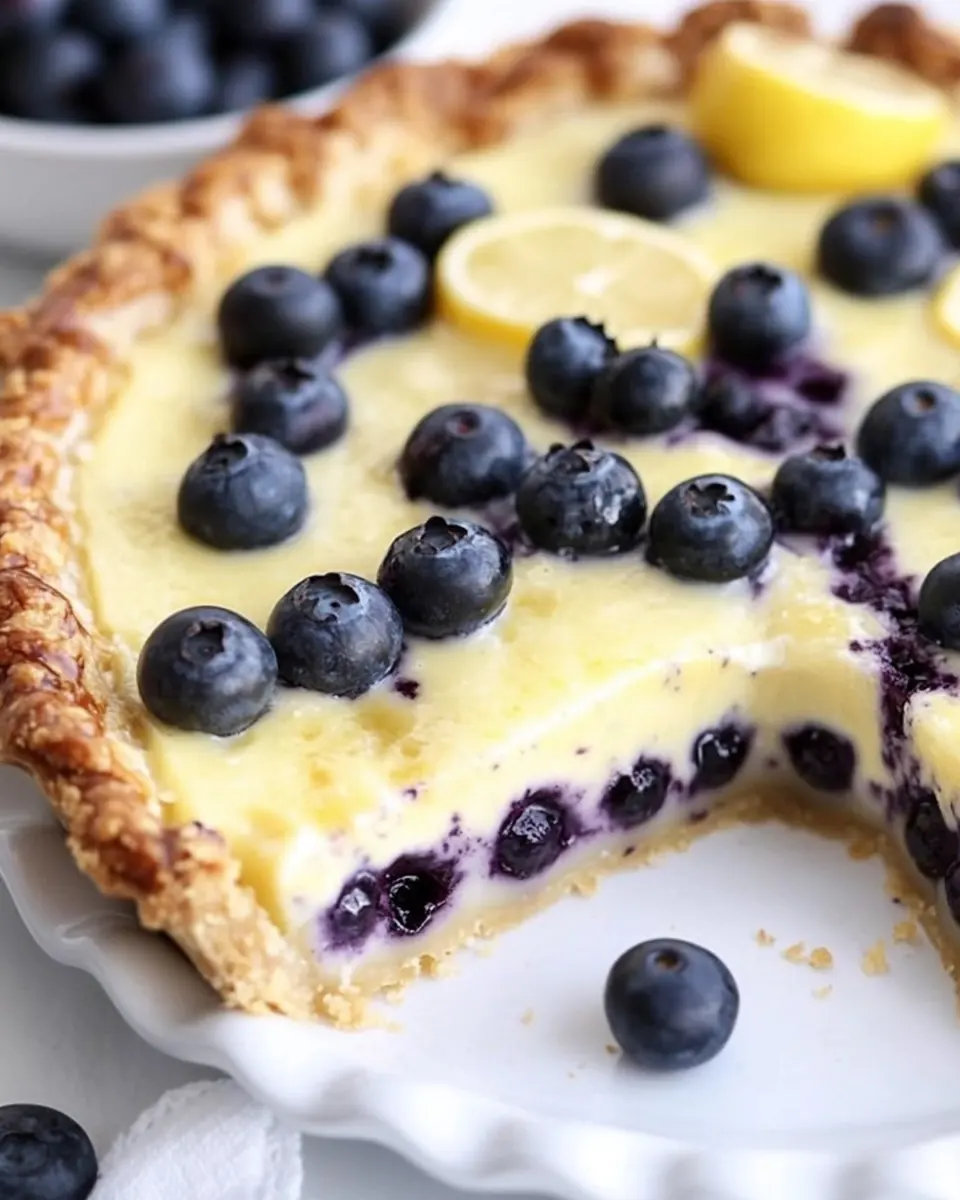
I like to offer a few thoughtful adjustments so you can tailor the pie to your taste or occasion, while keeping the core method intact. Below are practical, tested suggestions that remain faithful to the original recipe and ingredients.
- Adjust lemon intensity If you prefer a brighter lemon profile, increase the lemon zest by up to one additional teaspoon. The zest adds aromatic oils without altering the custard structure, but avoid adding too much liquid lemon juice or the filling may become too loose.
- Milk richness Use whole milk for a silkier mouthfeel; skim will make the custard lighter but less luxurious. The fat content influences texture, so choose based on how rich you want the final slice to be.
- Blueberry placement For even distribution, fold a small portion of the blueberries into the filling and scatter the rest on top. This provides visual appeal and ensures a few berries in every bite without releasing too much juice into the custard.
- Crust options If you prefer a crisper base, pre bake the crust for about 8 to 10 minutes and allow it to cool before adding the filling. That extra step prevents a soggy bottom when the custard is poured in.
- Serving temperature Serve slightly warm for a tender, creamy feel, or chilled for firmer slices and a more pronounced lemon brightness. Both are delightful, so choose according to the season or your guests’ preferences.
- Make ahead You can bake the pie a day in advance and store it covered in the fridge. Cooling overnight helps the custard set fully and can improve sliceability, making it a convenient option for entertaining.
Accompaniments for Lemon Blueberry Custard Pie
This pie pairs with simple accompaniments that highlight its brightness and creamy texture. Consider light additions that complement rather than overpower the citrus and berry notes. The suggestions below cover serving ideas, storage, and occasion pairings to help you plan when and how to present the dessert.
- Light whipped cream A dollop of softly whipped cream adds a cloudlike contrast to each slice and mellows the lemon if you prefer a gentler finish.
- Fresh berry garnish Arrange extra blueberries on the plate or a few sprigs of a mild herb to add color and freshness for spring brunch presentations.
- Casual gatherings This pie is excellent for afternoon tea, a casual weekend brunch, or a spring picnic, because its flavors are familiar yet elevated and it travels well when chilled.
- Holiday and seasonal pairing For spring celebrations, pair with light salads or fruit plates to keep the meal bright. The pie’s citrus notes make it particularly suited to seasonal menus.
- Storage tips Cover and refrigerate leftover slices for up to three days. For best texture, allow chilled slices to sit at room temperature briefly before serving to soften slightly.
- Presentation style Slice the pie with a warm, clean knife and wipe the blade between cuts for perfect wedges. Serve on small dessert plates so each person can appreciate the visual contrast of custard and blueberries.
FAQ
Conclusion
Lemon Blueberry Custard Pie stands out because it combines a silky, lightly aerated custard with bright citrus and fresh berries for a balanced, elegant dessert. You should try it because it’s approachable, uses common ingredients, and produces a delightful contrast of textures and flavors that suit many occasions. Give this recipe a go when you want a spring friendly dessert that feels special yet remains comfortably familiar; it’s the kind of pie that draws compliments and invites a second slice.
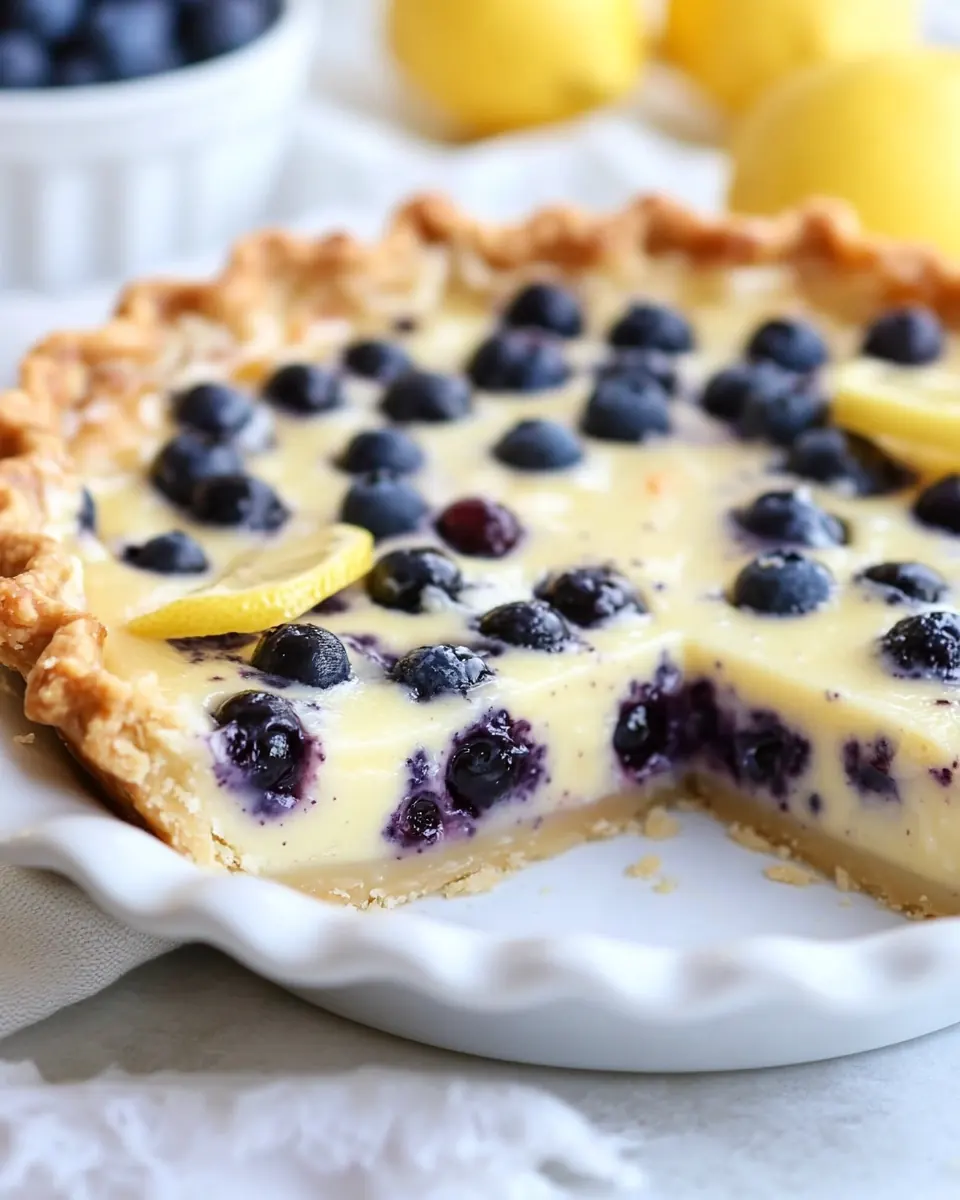
Lemon Blueberry Custard Pie
Ingredients
Equipment
Method
- Preheat the oven to 350°F. Place the pie crust in a pie pan and crimp edges.: You will notice a warm, anticipatory smell in the kitchen as the oven comes to temperature, and the visual cue of a uniformly heated oven is essential for even baking. Pressing the crust into the pan and crimping the edges not only creates an attractive rim, it helps the crust maintain shape as the filling sets. Warm ovens produce gentle heat that sets the custard evenly, preventing overbrowning. A common mistake is skipping the crimping or pressing the crust too thin, which can lead to tears or uneven rising. If the crust looks puckered or has thin spots, press gently with your fingers to redistribute the dough for a consistent thickness.
- In a large bowl, use an electric mixer to combine the butter and sugar. Mix in the flour, lemon juice and lemon zest. Beat in the egg yolks, then milk.: The butter and sugar creaming will sound slightly airy and will change texture from grainy to smoother as the sugar dissolves, releasing the butter's fragrance. Adding the flour early helps it disperse and prevents lumps later. When you add the lemon juice and zest , their citrus oils will perfume the bowl, offering a clean, bright aroma. Beating in the egg yolks yields a glossy, thickened batter, and adding the milk loosens it into a silky custard base. The technique matters because even mixing yields a uniform set and prevents pockets of flour or sugar. One error to avoid is overbeating after adding the milk, which can incorporate too much air and change the texture; stop when the mixture looks cohesive and smooth.
- In a large glass or metal bowl, beat the egg whites with an electric mixer until stiff peaks form. Gently fold the stiff egg whites into the lemon mixture. Pour the filling into the pie crust. Scatter the blueberries evenly on top.: When whipping the egg whites , you will hear a progressively higher pitch as the foam tightens, and the peaks should stand straight when the beaters lift. Folding is a slow, deliberate motion, and you will see ribbons of pale white fold into the yellow custard before fully integrating, creating a light, airy body. Pouring the filling should produce a quiet, flowing sound as it settles into the crust, and scattering the blueberries gives contrast and color against the pale custard. The reason for folding and not stirring vigorously is to preserve the air for a tender texture. A frequent mistake is deflating the whites by using a circular blender motion, so always use a gentle under and over fold, and stop when the mixture is evenly streaked and uniform.
- Bake for 20 minutes, then cover with foil to avoid browning. Bake an additional 15 to 25 minutes, or until the filling is set. Allow to cool slightly before serving.: In the first 20 minutes the oven will coax the custard to rise slightly and the surface will begin to set, giving off a warm, oven scent that signals progress. Covering with foil prevents the top from coloring too quickly while the center continues to cook, preserving an even, pale finish. During the final bake, look for a gentle wobble in the center rather than a liquid jiggle, which indicates proper set. You will notice subtle changes, like steam escaping from edges and a slight firming under a fingertip on the crust. The purpose of the two stage bake is to ensure the exterior sets and the interior cooks through without overcooking. Avoid pulling the pie too early; an underdone center can collapse when cooling. If you see dark spots or rapid browning, lower the oven temperature slightly and extend the time for a gentler finish.
- Allow to cool slightly before serving.: Cooling brings the pieces into sharper focus, as the custard transitions from a soft gel to a sliceable texture, and the kitchen will smell faintly of citrus and baked dough. I recommend letting the pie rest on a rack so air circulates beneath, preventing a soggy bottom and helping the filling finish setting. As it cools you will observe the surface tightening and the blueberries nestling slightly into the custard, signaling readiness. The why is simple, patience yields cleaner slices and a better mouthfeel. A common misstep is slicing while the pie is too warm, which causes the custard to spill and the presentation to suffer, so resist the urge to cut immediately.
Notes
- Adjust lemon intensity If you prefer a brighter lemon profile, increase the lemon zest by up to one additional teaspoon. The zest adds aromatic oils without altering the custard structure, but avoid adding too much liquid lemon juice or the filling may become too loose.
- Milk richness Use whole milk for a silkier mouthfeel; skim will make the custard lighter but less luxurious. The fat content influences texture, so choose based on how rich you want the final slice to be.
- Blueberry placement For even distribution, fold a small portion of the blueberries into the filling and scatter the rest on top. This provides visual appeal and ensures a few berries in every bite without releasing too much juice into the custard.
- Crust options If you prefer a crisper base, pre bake the crust for about 8 to 10 minutes and allow it to cool before adding the filling. That extra step prevents a soggy bottom when the custard is poured in.
- Serving temperature Serve slightly warm for a tender, creamy feel, or chilled for firmer slices and a more pronounced lemon brightness. Both are delightful, so choose according to the season or your guests' preferences.
- Make ahead You can bake the pie a day in advance and store it covered in the fridge. Cooling overnight helps the custard set fully and can improve sliceability, making it a convenient option for entertaining.