Meyer Lemon Raspberry Scones
Meyer Lemon Raspberry Scones arrived in my kitchen one bright spring morning when a bag of Meyer lemons begged to be used and a punnet of raspberries looked far too pretty to pass up. I remember zesting that first lemon, the citrus oil spraying tiny bursts of fragrance across the counter, and thinking I had stumbled on something both simple and a little celebratory. The first sentence of this story is true, and every time I make these scones they call back that same sunny mood.
I was testing pastry techniques that week, and these scones became my laboratory for tenderness. I love how the cold, cubed unsalted butter gets worked into the flour until the mixture looks like coarse sand, then the heavy cream brings everything together into a dough that feels soft but not wet. Folding in the raspberries is the moment I slow down, treating each berry gently so the color remains jewel like rather than a raspberry sauce.
On the day I wrote the recipe down, a neighbor knocked while I was glazing a warm tray. We shared scones on the porch, and I watched the glaze harden into a delicate shine. That memory lives in the crumb and the tart pop of lemon in every bite. These are scones you can make when you want something that reads like a treat, but is easy enough for a morning when you have time to savor coffee and conversation.
Recipe Snapshot
30 mins
15 mins
15 mins
Easy
250 kcal
American
Gluten-Free, Low FODMAP
Breakfast
Oven, Baking sheet, Parchment paper, Mixing bowl, Pastry blender, Spatula
Why This Meyer Lemon Raspberry Scones Is a Winner
Bright, seasonal flavor that feels special
I adore how Meyer Lemon Raspberry Scones balance tart and sweet. The Meyer lemon zest and juice add a floral, less acidic lemon note than regular lemons, which lets the raspberries shine without being overwhelmed. When I bite into one, that whisper of citrus lifts the whole pastry, making it a perfect spring bake.
Simple technique with a big payoff
We keep the method straightforward, and that is the genius here. Using cold, cubed unsalted butter and working it into the dry ingredients creates pockets of butter that steam in the oven, giving those flaky layers I aim for. I love that you do not need fancy equipment, just a pastry blender or two knives and a bit of patience.
Flexible for any occasion
These scones are equally at home at a casual weekend breakfast or a polished tea. I often make them for guests because they look impressive yet come together quickly. They travel well, and the glaze keeps them presentable for a few hours, which is why I reach for this recipe when hosting.
Textural contrast that delights
The contrast between tender crumb, flaky texture, and the soft burst of raspberries creates an engaging bite. I purposely keep the dough lightly handled to preserve that texture, and the glaze adds a sweet sheen that sets against the crumb for an irresistible finish.
Reliable and forgiving
I appreciate recipes that tolerate small errors, and this one does. If your dough is slightly sticky, a touch more flour when shaping fixes it. If you overwork it a bit, the scones still turn out tasty, though a lighter touch yields the best flakiness. That forgiving nature makes me recommend this to bakers of all levels.
What Goes Into Meyer Lemon Raspberry Scones
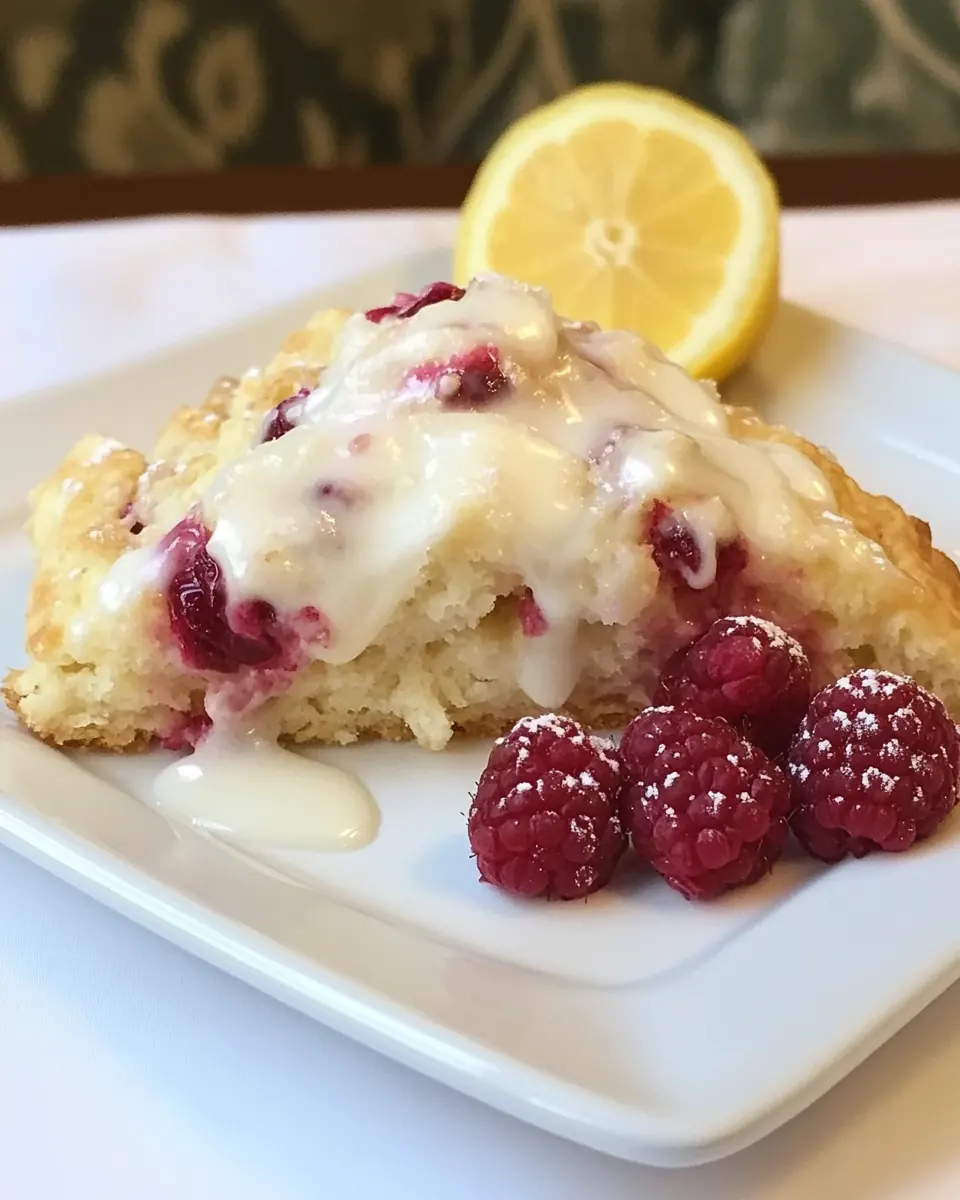
These ingredients are chosen to create a tender, slightly crumbly scone with bright citrus notes and juicy fruit bursts. The key players are the all purpose flour which forms the structure, the unsalted butter which gives flakiness and flavor, and the heavy cream which enriches the dough and helps with browning. The Meyer lemon contributes a fragrant citrus character, while the raspberries provide sweet tart pockets that keep each bite interesting.
- 3 tablespoons granulated sugar: Adds sweetness and helps balance the tartness of lemon and raspberries; also contributes to browning and tender crumb when creamed with butter or incorporated into dough. Use measured amount to avoid overly sweet scones and dissolve partially into wet ingredients for even texture.
- Zest from 1 Meyer lemon: Provides fragrant citrus oils that brighten overall flavor and add aromatic complexity; finely grate only the yellow outer layer to avoid bitter pith. Incorporate zest into dry ingredients or cut into the butter to distribute lemon flavor throughout the scones.
- 2 cups all-purpose flour: Forms the structural base of the scone dough, supplying gluten for texture and bulk to hold mix-ins like raspberries; sift for aeration if needed. Weigh or spoon into the cup to ensure accurate measurement for consistent rise and crumb.
- 1 tablespoon baking powder: Leavens the dough by releasing gas when baked, creating lift and a tender crumb; ensures scones are light rather than dense. Measure carefully and distribute evenly among dry ingredients to avoid metallic or bitter pockets.
- 1/2 teaspoon salt: Enhances overall flavor by balancing sweetness and boosting other flavors; also tightens gluten slightly to improve texture. Dissolve into dry mixture evenly to prevent salty spots and maintain proper chemical balance with leavening.
- 6 tablespoons unsalted butter, cold, cut into cubes: Creates flakiness and richness by coating flour particles and releasing steam during baking; cold, cubed butter yields distinct layers and tender pockets. Keep butter well chilled and cut into small pieces to achieve optimal texture in the scones.
- 1 cup heavy cream: Provides fat and moisture for tender crumb and rich mouthfeel, and can be used to bind the dough; extra creaminess helps with browning the crust. Add cold to the mixture and mix just until combined to avoid overworking gluten.
- 1 cup raspberries: Contributes bright tartness and juicy bursts of flavor, adding texture and visual appeal; whole berries can be folded in gently to prevent crushing. Toss berries in a little flour before adding to dough to minimize bleeding into the batter.
- 1 cup powdered sugar: Supplies fine sweetness and dissolves smoothly to create a glaze or finishing icing that contrasts tart lemon and raspberries; powdered texture ensures a silky finish. Whisk with lemon juice to desired consistency and drizzle over cooled scones for a glossy topping.
- 2 tablespoons Meyer lemon juice: Delivers concentrated citrus acidity and bright flavor to balance sweetness and enhance aroma; fresh juice provides the most vibrant taste. Combine with powdered sugar for glaze or add a small amount to dough for added lemony tang.
Cooking Instructions for Meyer Lemon Raspberry Scones
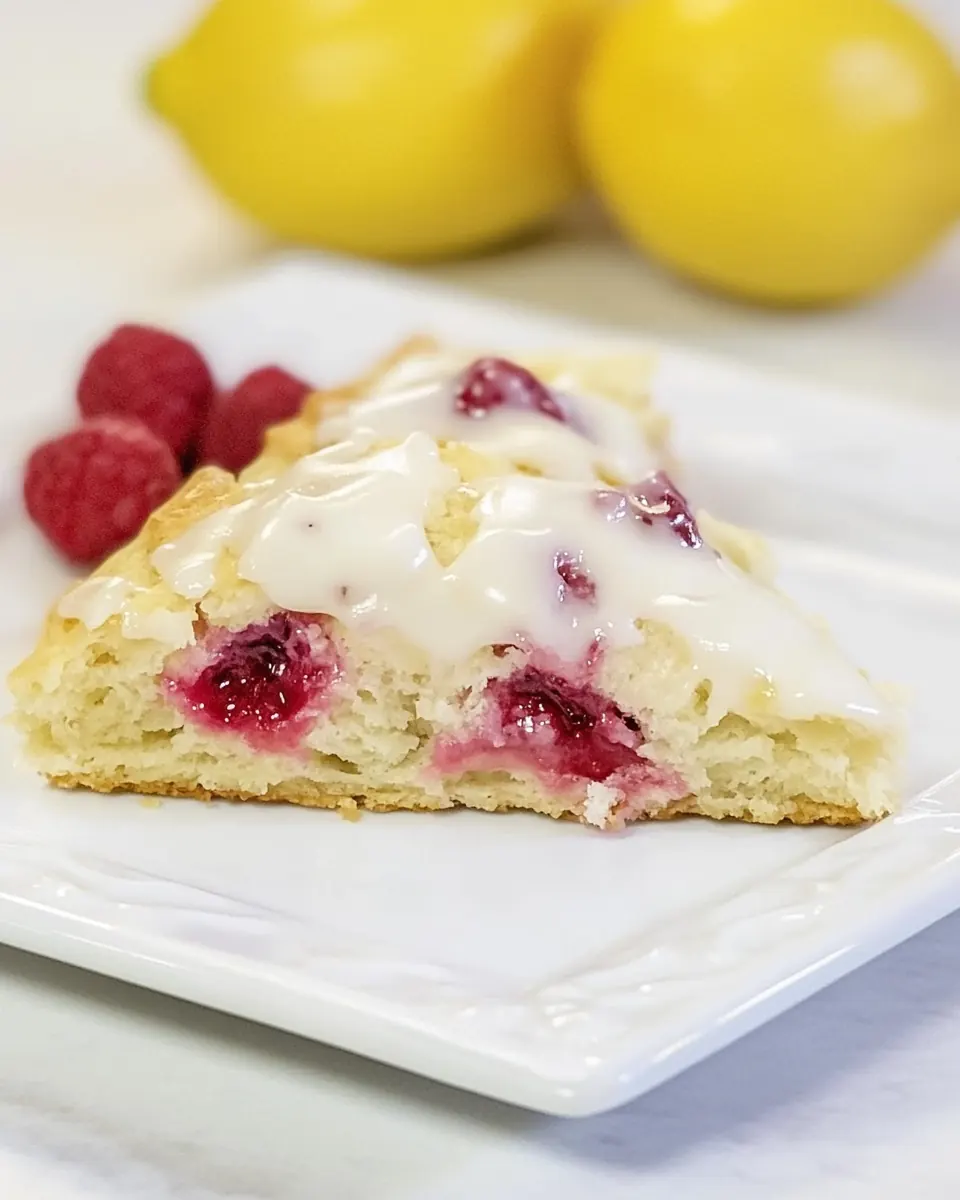
These directions guide you through a straightforward, hands on process that prioritizes cold butter and gentle folding. I write these steps as if we are baking together, focusing on the sensory cues that tell you when you are on track. Read through the full set once, then get your mise en place ready and enjoy the rhythm of mixing, shaping, and baking.
- Make the Scones: Preheat oven to 400 degrees F. Line a baking sheet with parchment paper; set aside.: Preheat oven to 400 degrees F : The warm, slightly hot oven creates steam quickly from the butter pockets, which is critical for lift and flaky texture. You should feel the oven heat change when you open the door, and the air will smell faintly warm. The immediate bounce in temperature helps set the crust while the interior rises. A common error here is not allowing the oven to fully preheat, which can lead to uneven baking and poor rise, so give it time to reach a steady temperature before sliding the tray in.
- Place the sugar in a large bowl and add the lemon zest. Using your fingertips, rub the lemon zest into the sugar until it is evenly distributed. Add the flour, baking powder and salt to the bowl and whisk to combine.: The parchment prevents sticking and makes for even browning on the bottom surface, plus it helps you transfer the scones easily. When I place the sheet, I press the parchment flat so the scones sit level and bake uniformly. Avoid using a greased pan without parchment if you can, because removal becomes messy and the bottoms can brown too fast.
- Add the cubed butter and, using a pastry blender or two knives, cut the butter into the flour mixture until it is the texture of coarse sand and there are no pieces of butter larger than the size of a pea remaining.: Rubbing the zest into the granulated sugar releases aromatic oils that perfume the sugar, creating an infused base for the dough. You will notice the sugar darken slightly and the bowl fill with citrus scent, which signals a good distribution. Be careful not to over rub to the point of pulverizing the zest, or you will lose the delicate texture it brings.
- Pour the heavy cream and raspberries into the flour mixture and, using a spatula, gently fold until a dough starts to come together. Turn the dough out onto a lightly floured surface and gently knead a few times to bring the dough together. Using floured hands, gently pat the dough into a 7-inch circle and cut into 8 triangles.: This tactile step warms your hands a little and spreads the citrus oils. The sugar should look speckled and fragrant, and when you press a bit between fingers it should feel slightly moist from the zest oils. If the mixture seems too dry, you may have missed enough zest, so take a moment to recheck the lemon before adding other dry ingredients.
- Transfer the scones to the prepared baking sheet and bake for 15 to 20 minutes, or until golden brown and set. Remove from the oven and allow to cool completely.: Whisking makes the leavening and salt distribute evenly through the all purpose flour , which ensures consistent rise and seasoning. You will see the mixture look uniform and slightly aerated, which helps later when the butter is cut in. A mistake to avoid is adding the butter before the dry ingredients are fully combined, as that leads to inconsistent pockets of leavening.
- Make the Glaze: In a small bowl, whisk together the powdered sugar and juice from Meyer lemons and drizzle over scones. Add more powdered sugar or juice if you prefer a thicker or thinner glaze.: Work until the texture resembles coarse sand with pea sized bits of unsalted butter . As you do this, you should hear a soft scraping and see small, irregular bits of butter coated in flour. The remaining visible butter bits are what create flakiness, so resist the urge to overwork them into the flour. Overblending results in a uniformly mealy mix that will not steam properly in the oven.
- Until it is the texture of coarse sand and there are no pieces of butter larger than the size of a pea remaining: The tactile check here is key, aim for a sandy feel under your fingers. You may pick up a pinch and press it to see if it holds slightly; that indicates the right proportion of butter to flour. If some chunks remain larger, cut them down carefully rather than working the whole mix too long, which generates warmth and softens the butter.
- Pour the heavy cream and raspberries into the flour mixture: When you add the heavy cream and the raspberries , the mixture transforms from dusty to tacky, carrying sweet and fruity aromas. The cream hydrates the flour, while the berries add moisture and color. Pour slowly to avoid sudden saturation and be ready to fold immediately to keep the fruit intact.
- Using a spatula, gently fold until a dough starts to come together: Folding is about patience, you should see streaks of cream soften the dry mix and the raspberries nestle into the dough. The sound changes from dry rustling to a soft pat as the dough forms. Avoid vigorous stirring that will crush the berries and turn the dough pink and runny.
- Turn the dough out onto a lightly floured surface and gently knead a few times to bring the dough together: The table will feel cool under your hands, and your touch should be light, using the heel of your hand to fold the dough over itself about four to five times. Kneading too much produces gluten development that makes the scones tough, so limit this to just enough to make the dough cohesive. A sticky surface may need a dusting of all purpose flour , but add sparingly to avoid a dry texture.
- Using floured hands, gently pat the dough into a 7 inch circle and cut into 8 triangles: As you pat, you will feel the dough spread and relax. The surface should be smooth with visible berry pockets. Cutting into triangles gives classic scone shapes and even baking. If the dough resists shaping, chill it for a few minutes rather than forcing it, which can compress the air pockets you want to keep.
- Transfer the scones to the prepared baking sheet and bake for 15 to 20 minutes, or until golden brown and set: In the oven, the kitchen fills with a warm, buttery aroma and the tops take on a golden sheen. Watch for deepening color at the edges and a set center, which indicates doneness. Opening the oven too often reduces heat and can prevent proper rise, so check near the lower end of the time range and rely on color and firmness rather than the clock alone.
- Remove from the oven and allow to cool completely: Cooling lets the crumb set and prevents the glaze from sliding off, and you will notice the scones firming as steam escapes. Patience here means cleaner glazing and a better texture when you bite in. Cutting or glazing too soon leads to a gummy interior and messy topping.
- Make the Glaze: In a small bowl, whisk together the powdered sugar and juice from Meyer lemons : The glaze should become glossy and pourable, and the lemon scent will brighten as you whisk. Start with the stated ratio and adjust to reach a consistency that coats the back of a spoon. If it is too thin, add a touch more powdered sugar , if too thick, a few drops of Meyer lemon juice will loosen it.
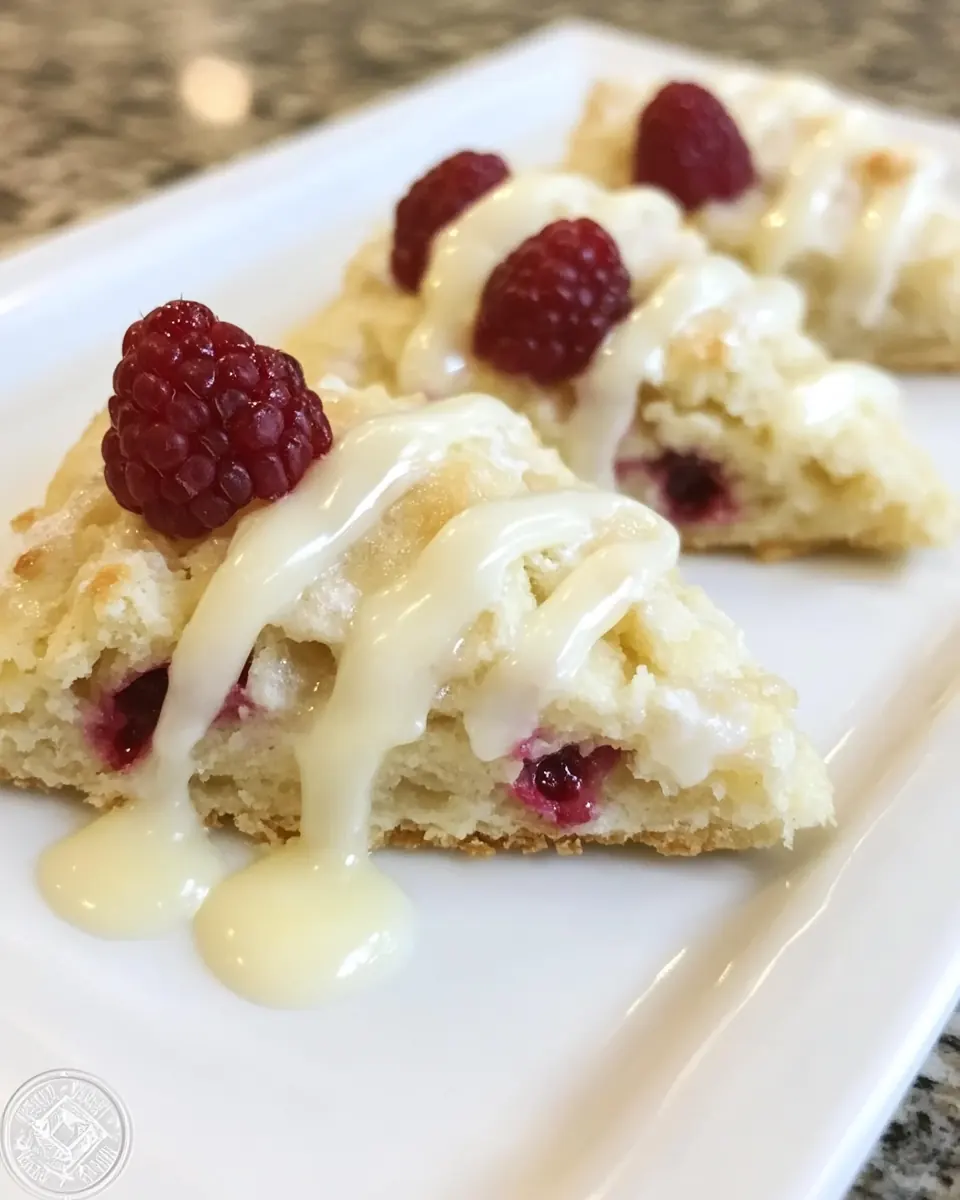
- And drizzle over scones: The glaze should form a shiny, slightly opaque coating that sets within minutes. I like a loose drizzle that pools subtly on the tops, highlighting the raspberries . A common mistake is pouring while the scones are very hot, which can cause the glaze to run off; let them cool to avoid that.
- Add more powdered sugar or juice if you prefer a thicker or thinner glaze: Tastes vary, so tweak the balance to match your preference for sweetness or brightness. Thicker glaze gives a sweet snap when you bite into it, while thinner glaze soaks slightly into the crumb for extra moisture. Make adjustments in small increments to keep the flavor balanced.
Ways to Adapt This Recipe
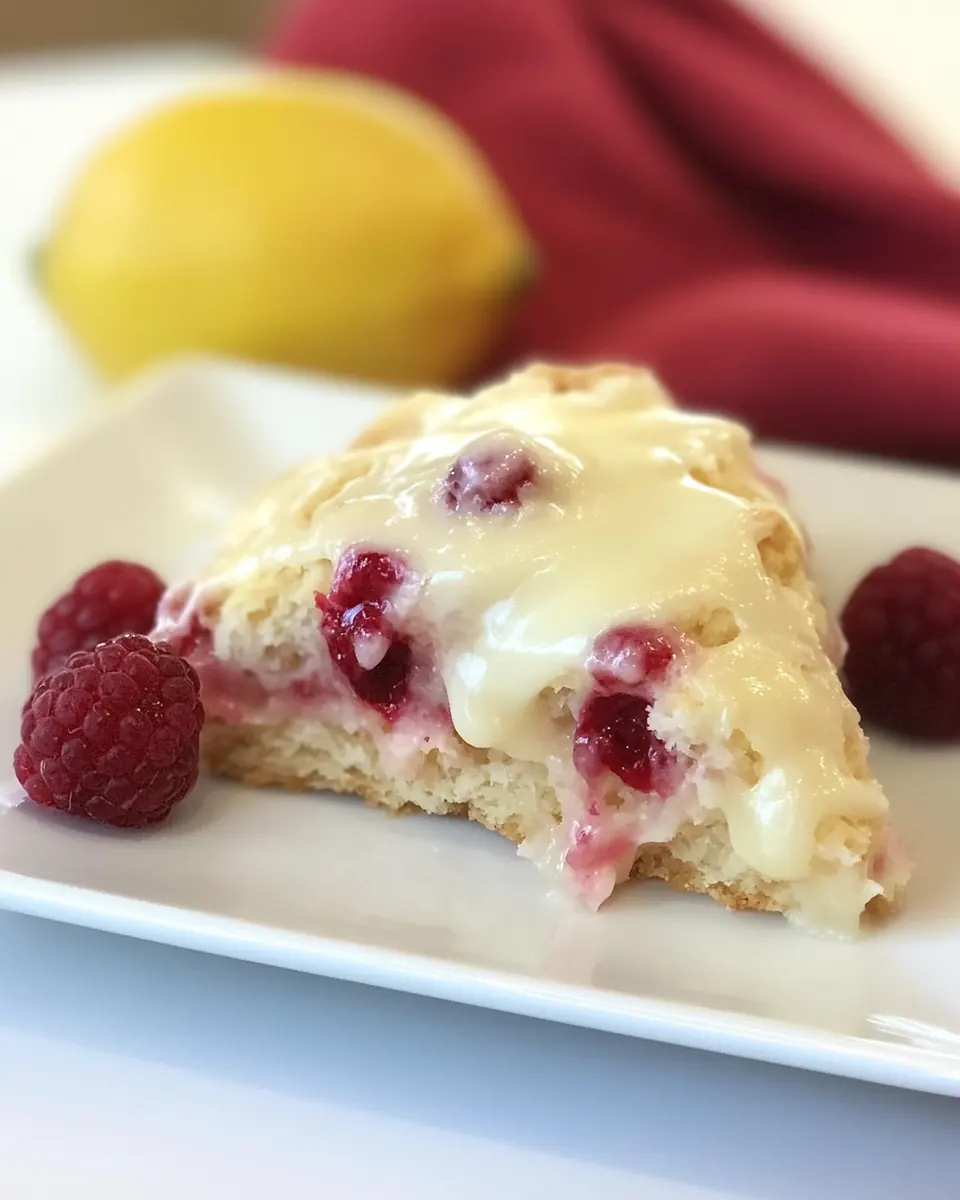
These adaptations let you tailor the scones to flavor preferences, dietary needs, or ingredient availability. Below are practical tips I use when I want a little twist or need to accommodate what is in my pantry.
- Swap cream for cultured dairy, try using cultured buttermilk if you prefer a tangier crumb and slightly lighter texture, adjusting the amount to get similar dough consistency.
- Use frozen raspberries carefully, if fresh fruit is not available, fold in frozen raspberries straight from the freezer to minimize bleeding, and increase baking time by a couple of minutes if the centers feel cool.
- Make mini scones, divide the dough into smaller rounds for faster baking and bite sized portions, checking them early as they will brown sooner.
- Gently chill the shaped dough, for cleaner slices and flakier layers, refrigerate the cut triangles for 15 minutes before baking to keep the butter cold.
- Adjust sweetness of the glaze, whisk in more or less powdered sugar to suit your sweetness level, keeping in mind the natural tartness of the raspberries.
Great Combinations for Meyer Lemon Raspberry Scones
These serving suggestions highlight how the scones can be enjoyed in different settings and paired with complementary items. Think about temperature contrasts, textures, and seasonal occasions when planning to serve.
- Morning coffee pairing, serve warm scones with a strong brewed coffee or an herbal tea for a balanced breakfast experience that juxtaposes bright citrus with roasted notes.
- Afternoon tea spread, include these scones alongside small sandwiches and jam for a classic tea service, letting the Meyer Lemon lift the other flavors.
- Brunch centerpiece, present the scones on a platter with fresh berries and a small bowl of clotted cream or extra powdered sugar glaze so guests can customize each bite.
- Picnic friendly, these travel well when fully cooled and glazed, pack them in a single layer and bring a small container of extra glaze if you like them sweeter.
- Seasonal spring brunch, highlight the scones at spring gatherings, pairing with light salads and citrus forward drinks to match the fresh, floral notes of the Meyer Lemon.
- Storage tips, keep cooled scones in an airtight container for up to two days at room temperature, or freeze for longer storage and reheat gently to refresh their texture.
FAQ
Conclusion
What makes Meyer Lemon Raspberry Scones special is their effortless balance of bright citrus and tender, buttery crumb combined with jewel like bursts of raspberry. This recipe is approachable for bakers of any level yet yields a pastry that feels sophisticated and seasonally fresh. Give them a try when you want a small celebration on your breakfast table or a charming addition to a brunch spread. I hope you enjoy the aroma of lemon zest and the first warm bite as much as I do.
Meyer Lemon Raspberry Scones
Ingredients
Equipment
Method
- Make the Scones: Preheat oven to 400 degrees F. Line a baking sheet with parchment paper; set aside.: Preheat oven to 400 degrees F : The warm, slightly hot oven creates steam quickly from the butter pockets, which is critical for lift and flaky texture. You should feel the oven heat change when you open the door, and the air will smell faintly warm. The immediate bounce in temperature helps set the crust while the interior rises. A common error here is not allowing the oven to fully preheat, which can lead to uneven baking and poor rise, so give it time to reach a steady temperature before sliding the tray in.
- Place the sugar in a large bowl and add the lemon zest. Using your fingertips, rub the lemon zest into the sugar until it is evenly distributed. Add the flour, baking powder and salt to the bowl and whisk to combine.: The parchment prevents sticking and makes for even browning on the bottom surface, plus it helps you transfer the scones easily. When I place the sheet, I press the parchment flat so the scones sit level and bake uniformly. Avoid using a greased pan without parchment if you can, because removal becomes messy and the bottoms can brown too fast.
- Add the cubed butter and, using a pastry blender or two knives, cut the butter into the flour mixture until it is the texture of coarse sand and there are no pieces of butter larger than the size of a pea remaining.: Rubbing the zest into the granulated sugar releases aromatic oils that perfume the sugar, creating an infused base for the dough. You will notice the sugar darken slightly and the bowl fill with citrus scent, which signals a good distribution. Be careful not to over rub to the point of pulverizing the zest, or you will lose the delicate texture it brings.
- Pour the heavy cream and raspberries into the flour mixture and, using a spatula, gently fold until a dough starts to come together. Turn the dough out onto a lightly floured surface and gently knead a few times to bring the dough together. Using floured hands, gently pat the dough into a 7-inch circle and cut into 8 triangles.: This tactile step warms your hands a little and spreads the citrus oils. The sugar should look speckled and fragrant, and when you press a bit between fingers it should feel slightly moist from the zest oils. If the mixture seems too dry, you may have missed enough zest, so take a moment to recheck the lemon before adding other dry ingredients.
- Transfer the scones to the prepared baking sheet and bake for 15 to 20 minutes, or until golden brown and set. Remove from the oven and allow to cool completely.: Whisking makes the leavening and salt distribute evenly through the all purpose flour , which ensures consistent rise and seasoning. You will see the mixture look uniform and slightly aerated, which helps later when the butter is cut in. A mistake to avoid is adding the butter before the dry ingredients are fully combined, as that leads to inconsistent pockets of leavening.
- Make the Glaze: In a small bowl, whisk together the powdered sugar and juice from Meyer lemons and drizzle over scones. Add more powdered sugar or juice if you prefer a thicker or thinner glaze.: Work until the texture resembles coarse sand with pea sized bits of unsalted butter . As you do this, you should hear a soft scraping and see small, irregular bits of butter coated in flour. The remaining visible butter bits are what create flakiness, so resist the urge to overwork them into the flour. Overblending results in a uniformly mealy mix that will not steam properly in the oven.
- Until it is the texture of coarse sand and there are no pieces of butter larger than the size of a pea remaining: The tactile check here is key, aim for a sandy feel under your fingers. You may pick up a pinch and press it to see if it holds slightly; that indicates the right proportion of butter to flour. If some chunks remain larger, cut them down carefully rather than working the whole mix too long, which generates warmth and softens the butter.
- Pour the heavy cream and raspberries into the flour mixture: When you add the heavy cream and the raspberries , the mixture transforms from dusty to tacky, carrying sweet and fruity aromas. The cream hydrates the flour, while the berries add moisture and color. Pour slowly to avoid sudden saturation and be ready to fold immediately to keep the fruit intact.
- Using a spatula, gently fold until a dough starts to come together: Folding is about patience, you should see streaks of cream soften the dry mix and the raspberries nestle into the dough. The sound changes from dry rustling to a soft pat as the dough forms. Avoid vigorous stirring that will crush the berries and turn the dough pink and runny.
- Turn the dough out onto a lightly floured surface and gently knead a few times to bring the dough together: The table will feel cool under your hands, and your touch should be light, using the heel of your hand to fold the dough over itself about four to five times. Kneading too much produces gluten development that makes the scones tough, so limit this to just enough to make the dough cohesive. A sticky surface may need a dusting of all purpose flour , but add sparingly to avoid a dry texture.
- Using floured hands, gently pat the dough into a 7 inch circle and cut into 8 triangles: As you pat, you will feel the dough spread and relax. The surface should be smooth with visible berry pockets. Cutting into triangles gives classic scone shapes and even baking. If the dough resists shaping, chill it for a few minutes rather than forcing it, which can compress the air pockets you want to keep.
- Transfer the scones to the prepared baking sheet and bake for 15 to 20 minutes, or until golden brown and set: In the oven, the kitchen fills with a warm, buttery aroma and the tops take on a golden sheen. Watch for deepening color at the edges and a set center, which indicates doneness. Opening the oven too often reduces heat and can prevent proper rise, so check near the lower end of the time range and rely on color and firmness rather than the clock alone.
- Remove from the oven and allow to cool completely: Cooling lets the crumb set and prevents the glaze from sliding off, and you will notice the scones firming as steam escapes. Patience here means cleaner glazing and a better texture when you bite in. Cutting or glazing too soon leads to a gummy interior and messy topping.
- Make the Glaze: In a small bowl, whisk together the powdered sugar and juice from Meyer lemons : The glaze should become glossy and pourable, and the lemon scent will brighten as you whisk. Start with the stated ratio and adjust to reach a consistency that coats the back of a spoon. If it is too thin, add a touch more powdered sugar , if too thick, a few drops of Meyer lemon juice will loosen it.
- And drizzle over scones: The glaze should form a shiny, slightly opaque coating that sets within minutes. I like a loose drizzle that pools subtly on the tops, highlighting the raspberries . A common mistake is pouring while the scones are very hot, which can cause the glaze to run off; let them cool to avoid that.
- Add more powdered sugar or juice if you prefer a thicker or thinner glaze: Tastes vary, so tweak the balance to match your preference for sweetness or brightness. Thicker glaze gives a sweet snap when you bite into it, while thinner glaze soaks slightly into the crumb for extra moisture. Make adjustments in small increments to keep the flavor balanced.
Notes
- Swap cream for cultured dairy, try using cultured buttermilk if you prefer a tangier crumb and slightly lighter texture, adjusting the amount to get similar dough consistency.
- Use frozen raspberries carefully, if fresh fruit is not available, fold in frozen raspberries straight from the freezer to minimize bleeding, and increase baking time by a couple of minutes if the centers feel cool.
- Make mini scones, divide the dough into smaller rounds for faster baking and bite sized portions, checking them early as they will brown sooner.
- Gently chill the shaped dough, for cleaner slices and flakier layers, refrigerate the cut triangles for 15 minutes before baking to keep the butter cold.
- Adjust sweetness of the glaze, whisk in more or less powdered sugar to suit your sweetness level, keeping in mind the natural tartness of the raspberries.