Lemon Brownies
Lemon Brownies is one of those recipes that sneaks into my week and makes any afternoon feel like a tiny celebration. The first time I baked these I was chasing a bright citrus twist on a familiar texture, and the kitchen filled with a warm, buttery aroma that somehow smelled like sunshine and home. I remember standing at the counter, zest on my fingertips, watching the batter come together and thinking, this is exactly the kind of treat I want to bring to potlucks and slow Sunday coffees.
Over the years I have riffed on this simple idea, learning small tricks that turn good results into reliably great ones. The balance between all-purpose flour and the eggs creates a tender crumb, while the combination of lemon zest and lemon juice gives a lemon brightness that cuts through the sweetness. I’ll confess I often make a double batch to share, but I also love saving a pan for myself, because these hold up beautifully and taste even better the next day.
Recipe Snapshot
40 mins
15 mins
25 mins
Medium
240 kcal
American
Gluten-Free, Low FODMAP
Desserts
Mixing bowl, Hand mixer, 9×9-inch baking dish, Parchment paper, Whisk, Measuring cups
The Beauty of This Lemon Brownies
Bright Citrus Flavor That Stands Out
I fall for this version because the lemon zest and lemon juice deliver a focused, fresh citrus note. I like how the tang lifts the sugary base, so the dessert never feels cloying. When I want a bold lemon presence, I add a touch more zest, and when I prefer subtlety, I trim the juice slightly. This flexibility makes the recipe approachable for every palate.
Moist, Tender Texture
The combination of vegetable oil, whole eggs, and an extra egg yolk creates a dense yet tender crumb that feels indulgent without being heavy. I appreciate how the oil keeps the brownies moist even after refrigeration, and the yolk adds a richer color and silkier mouthfeel. For me, that texture is the reason I reach for this pan when hosting or gifting.
Quick and Simple to Make
I value recipes I can pull together without fuss, and this one fits that bill. The batter comes together in a single bowl, which means fewer dishes and less cleanup, so I often make these on busy afternoons. The straightforward steps let me focus on small details, like zesting the lemon just so, which makes the final result feel crafted and intentional.
Versatile Glaze Finishing
The glaze is one of my favorite finishing moves because it adds a glossy, sweet contrast and lets the lemon shine. It is easy to make and you can control the texture from thick and opaque to a light drizzle. Personally, I aim for an opaque glaze for visual contrast, but a thin drizzle works beautifully when I want less sweetness.
Perfect for Sharing and Gifting
These Lemon Brownies travel well and slice into neat squares, which makes them ideal for potlucks or packaged gifts. I’ve wrapped them in parchment and twine more times than I can count, and they always feel like a thoughtful, homemade present. The bright flavor profile makes them especially welcome in spring gatherings, when people crave something fresh and cheerful.
Lemon Brownies Shopping List
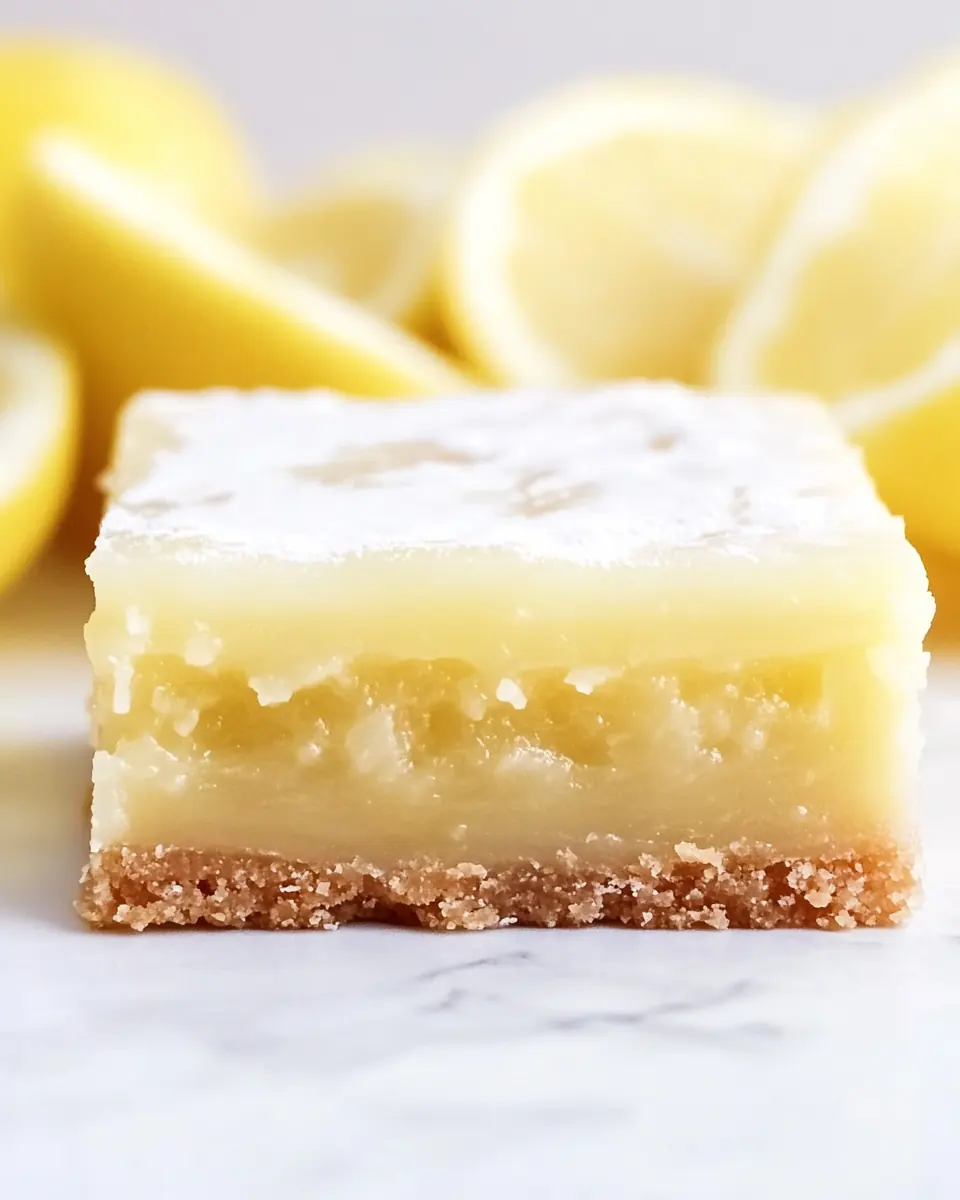
These ingredients are intentionally straightforward, each playing a specific role in texture and flavor. The eggs and oil provide moisture and structure, the flour and leavening give the right lift, and the lemon elements deliver brightness. The glaze components add a sweet, glossy finish that contrasts the tender brownie, making every bite harmonious.
- 1/2 cup vegetable oil: Provide moisture and tender crumb while carrying and distributing flavor throughout the batter; vegetable oil keeps the brownies soft and extends freshness for several days.
- 1 cup granulated sugar: Add sweetness and structure by blending with wet ingredients to dissolve and help create a glossy top; granulated sugar also aids in browning during baking.
- 1 teaspoon lemon extract: Concentrate bright citrus aroma and enhance lemon flavor without adding extra liquid; lemon extract intensifies the overall lemon profile in the brownies.
- 1 teaspoon vanilla extract: Contribute warm, rounded background flavor and amplify sweetness; vanilla extract balances the citrus notes and deepens overall flavor complexity.
- 1 lemon zest (about 2 teaspoons): Deliver intense fresh lemon aroma and natural oils that brighten the batter; finely grated zest adds layered citrus complexity without extra acidity.
- 2 tablespoons fresh lemon juice: Provide fresh acidity and brightness to balance sweetness; fresh lemon juice adds tang and helps activate leavening for a lighter texture.
- 2 large eggs (room temperature): Structure the batter through coagulation during baking while adding richness; room–temperature large eggs emulsify fat and liquid for a uniform crumb.
- 1 egg yolk (room temperature): Increase richness and tenderness while contributing to structure; room–temperature egg yolk adds fat and helps create a fudgy, moist interior.
- 1 cup all-purpose flour: Give necessary bulk and gluten for structure while creating the crumb; all-purpose flour binds ingredients and determines final texture when not overmixed.
- 1/2 teaspoon salt: Enhance flavor and balance sweetness while tightening crumb slightly; salt amplifies other flavors and prevents the brownies from tasting flat.
- 1/2 teaspoon baking powder: Provide lift and lightness by releasing gas when heated; baking powder helps create a slightly cakier, yet still tender, brownie texture.
- 1 cup powdered sugar: Create a sweet, smooth glaze for topping that adds additional sweetness and a soft finish; powdered sugar dissolves easily to form a glossy icing.
- 2 tablespoons water: Adjust glaze consistency by thinning powdered sugar to a spreadable or drizzleable texture; water helps achieve the desired thickness for pouring.
- 1 teaspoon lemon extract: Boost and sharpen glaze lemon notes and aroma; lemon extract in the icing intensifies citrus flavor without adding extra acidity.
- 1 teaspoon lemon juice (or more water): Add a touch of fresh acidity and balance sweetness in the glaze; a small amount of lemon juice brightens the icing and can loosen it if too thick.
- 1 to 2 teaspoons lemon zest ( garnish) (optional): Provide optional finishing touch with concentrated citrus oils and visual appeal; a light scattering of extra lemon zest enhances aroma and presentation.
Making This Lemon Brownies
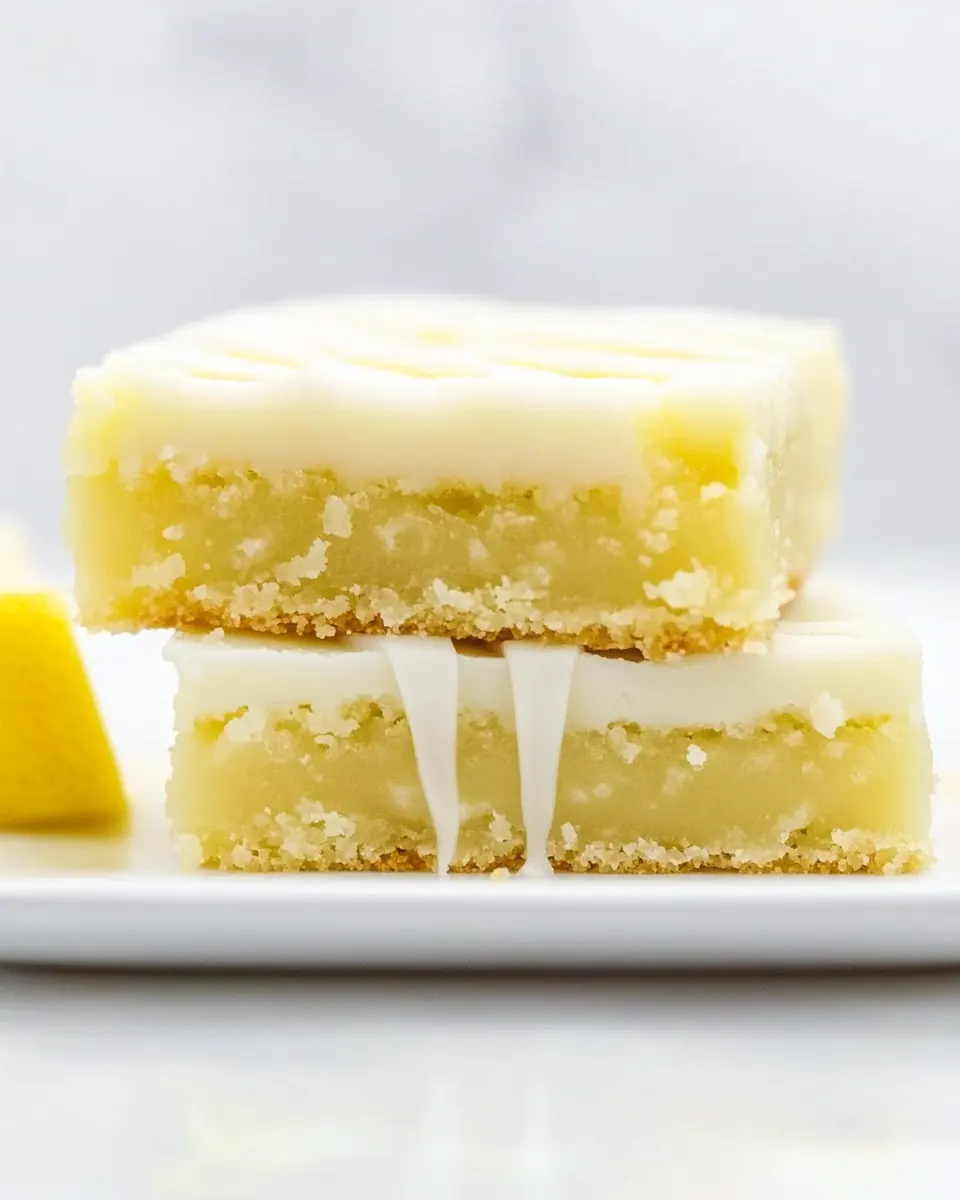
I find the process of making these brownies to be both comforting and precise, a balance between simple mixing and mindful finishing. Follow the sequence and watch for the sensory cues I describe, because they tell you when each stage is right. Take your time with the glaze, and allow the brownies to cool so the texture sets properly.
- Preheat the oven to 350°F. Line a 9×9-inch square glass baking dish with parchment paper and set it aside.: Warmth fills the kitchen right away, and the faint hum from the oven signals the start of baking, creating an even heat that helps the brownies rise and set uniformly. You should feel the oven warming and notice a dry, hot air sensation when you open the door, which means the temperature is stabilizing. This step matters because an accurately preheated oven ensures the batter begins cooking evenly at the moment it enters, avoiding an underbaked center or overcooked edges. A common mistake is sliding the pan into an oven that is not fully hot, which can lead to uneven texture and extended baking time. To troubleshoot, give your oven the full 10 to 15 minutes to reach temperature, and use an oven thermometer if you suspect inaccuracies.
- Mix together the oil and sugar in a large mixing bowl. Use a hand mixer or stand mixer to combine.: You will feel the grainy texture of the sugar dissolve slightly into the oil as you whisk, and the mixture takes on a glossy sheen that hints at the tender crumb to come. The mixing releases sugar granules into the oil, helping to aerate the batter for subtle lift. This technique matters because proper integration of oil and sugar creates a uniform base that carries the lemon flavor throughout. Avoid overmixing at this early stage, or you may create an overly aerated batter that bakes unevenly. If you see distinct pockets of oil or sugar, scrape the bowl and continue mixing just until smooth.
- Beat in lemon extract, vanilla extract, lemon zest, and lemon juice. Add one egg at a time and then the egg yolk, mixing well between each one.: The moment the lemon oils meet the batter you will notice a bright perfume, and each egg incorporation will thicken the mixture into a silky emulsion. Adding eggs slowly lets them blend smoothly without separating, and the yolk contributes extra richness and a satiny texture. This matters because a well emulsified batter yields tender, cohesive brownies instead of a greasy or curdled loaf. A common error is dumping eggs in all at once, which can produce streaks and uneven texture. If the batter appears curdled, continue mixing gently until it smooths out, or add a tablespoon of flour to help stabilize the emulsion.
- Stir together the flour, salt, and baking powder and add to the wet mixture.: When you add the dry ingredients, you will see the mixture thicken and become more structured, with visible streaks that signal it is ready to fold. The scent shifts to a sweeter, baked-note as the flour integrates, which is a visual and olfactory cue that the batter is approaching readiness for the pan. This step is important because the dry ingredients provide the framework that holds moisture and creates the final crumb. A common pitfall is vigorous stirring, which can develop gluten and produce a tougher brownie. To avoid this, fold the dry ingredients in gently until no streaks remain.
- Beat together 1 to 2 minutes until fluffy and well combined.: As you beat, the batter becomes slightly lighter and smoother, with tiny air bubbles forming and a glossy finish developing, indicating good incorporation. The texture should feel cohesive and a bit elastic, not runny, which lets it spread evenly in the pan. This brief beating encourages even distribution of leavening so the brownies rise uniformly in the oven. One common mistake is extending this step too long, which can introduce too much air and result in a cakier texture. If you notice the batter thinning too much, stop and proceed to the next step.
- Spread the batter into the prepared baking dish. Bake for 25 minutes. Remove from the oven and allow them to cool for 30 minutes before preparing the glaze.: Spreading the batter evenly gives the brownies a uniform thickness, and once in the oven you will hear a gentle quiet as the top sets, sometimes with a faint crackle as microbubbles pop. After baking, the edges will pull slightly from the parchment and the top should be set with a hint of spring when pressed lightly. Cooling is crucial because warm brownies absorb glaze differently and can collapse or create a runny finish. A frequent error is glazing too soon, which melts the glaze into the warm crumb. To prevent that, wait the full cooling period; if in doubt, touch the center to ensure it feels set to the touch.
- Whisk together the powdered sugar, water, lemon extract, and lemon juice until a smooth paste-like glaze forms.: As you whisk, the powdered sugar transforms into a silky, glossy mixture that should slowly ribbon from the whisk when ready, smelling sharply of lemon oils. The consistency is important because too thin a glaze will run off and will not set, while too thick will be clumpy and hard to spread. This step matters because the glaze adds a sweet counterpoint and visual shine, sealing in the lemon aroma. A typical mistake is adding all the liquid at once, which can make the glaze too thin. To fix over-thinned glaze, add a bit more powdered sugar, or if too thick, add water drop by drop.
- Spread glaze over the brownies. Allow brownies to cool completely and the glaze will set so that it’s dry to the touch. Garnish with lemon zest.: Spreading the glaze creates a smooth, reflective surface that picks up the zest sparkles as decoration, and once it sets it gives a slight crackle when you slice through it. The contrast between the opaque white glaze and the yellow crumb looks wonderful, and the tiny flecks of zest add aroma and texture. Letting the glaze set completely is essential so slices are neat and the surface does not stick to your knife. A common issue is slicing too early, which drags the glaze; use a sharp knife wiped between cuts to keep edges clean.
- Cut into pieces and serve.: When the brownies are fully set, the knife glides through with a satisfying sound, revealing squares with a glossy top and tender interior. You will notice a burst of lemon aroma as you lift a piece, and the texture should be moist but held together. This final step is when all the elements come together, and the presentation can be simple or dressed up for guests. A frequent mistake is using a dull knife, which tears the glaze and creates rough edges, so use a sharp blade and clean it between cuts for the best look.
Tips for Success
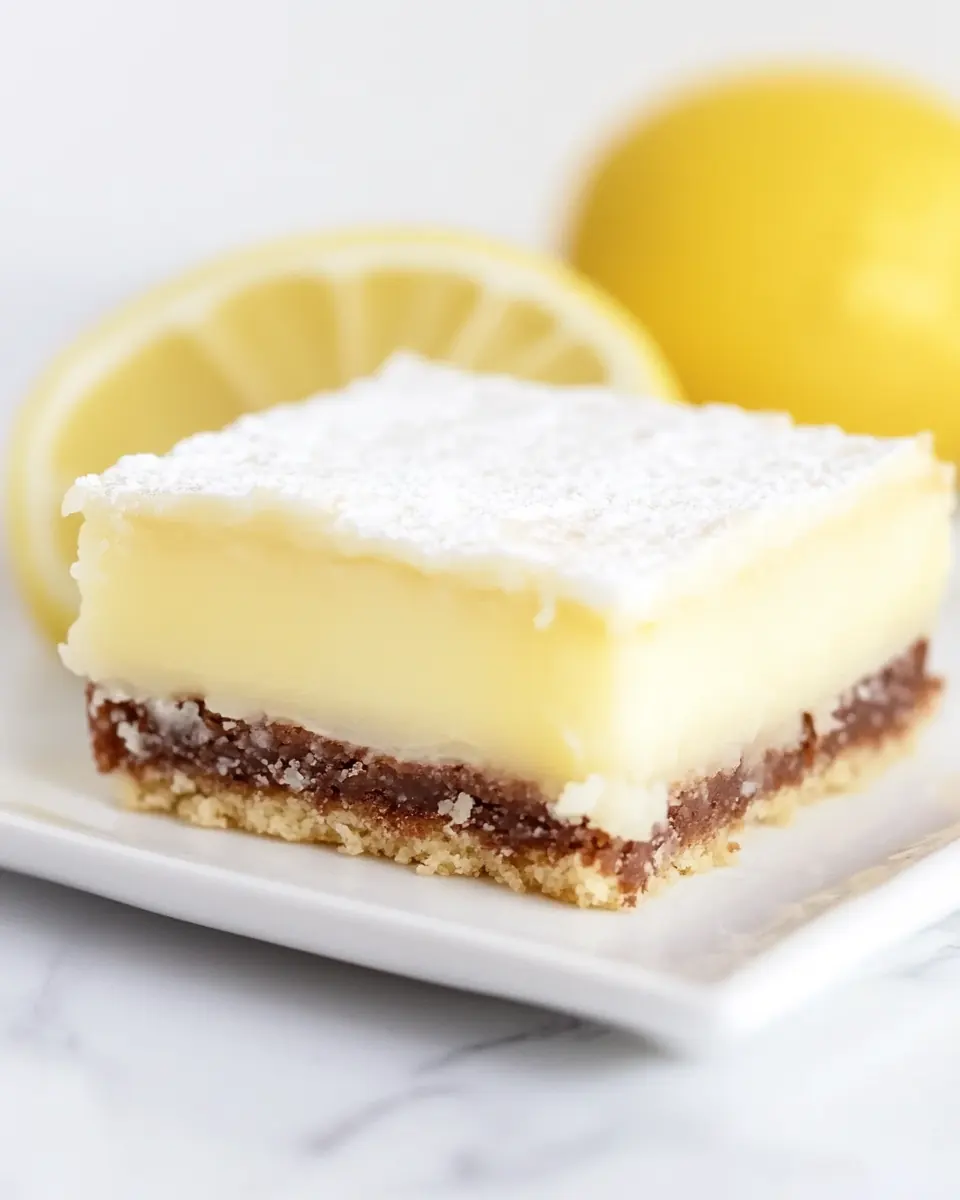
These are practical, experience-driven tips I use every time I make Lemon Brownies. They focus on texture, timing, and small adjustments that yield consistent results. Keep them close while you bake for an easier, more reliable outcome.
- Egg Temperature: Bring the eggs to room temperature for at least 20 minutes so they blend smoothly and create a uniform batter, which helps prevent a curdled mixture and uneven texture.
- Measure Flour Correctly: Spoon and level your all-purpose flour into the cup rather than scooping directly, to avoid packing and a dry, dense brownie. This small step keeps the crumb tender.
- Zest Before Juicing: Always zest the lemon before juicing to capture the aromatic oils and avoid the bitter white pith; fresh zest enhances the lemon aroma far more than bottled options.
- Gradual Liquid for Glaze: Add water or lemon juice gradually when making the glaze to control consistency, preventing a runny finish that will not set properly on the brownies.
- Use Parchment for Easy Removal: Lining the pan with parchment paper makes lifting the brownies simple and keeps edges intact, so you get neat squares with minimal fuss.
- Storage: Store baked and glazed brownies in an airtight container at room temperature for up to two days, or refrigerate for longer keeping, but allow them to come to room temperature before serving for best texture.
Perfect Matches for Lemon Brownies
These serving ideas and pairings make the most of the lemon brightness and tender texture. Think about occasions, complementary flavors, and how to store or present these treats.
- Afternoon Tea or Coffee Break: Serve squares alongside a cup of hot tea or coffee, the citrus cuts through the warmth and sugar, making them ideal for casual gatherings or a midafternoon treat.
- Spring Brunch: These are great on a spring brunch spread with light pastries and fruit, providing a citrus note that pairs well with fresh berries and lighter salads for a seasonal menu.
- Gifting: Wrap cooled squares in parchment and tie with twine for a charming homemade gift, perfect for neighbors, teachers, or a simple thank you present during holidays or special moments.
- Picnics and Potlucks: Because they slice neatly and travel well, these brownies are a reliable contribution to outdoor meals and communal gatherings where easy serving is a priority.
- Storage Tips: Keep in an airtight container at room temperature for up to two days, or refrigerate for up to five days. If chilled, bring to room temperature before serving to restore tenderness and aroma.
- Seasonal Pairings: Pair with light, fresh fruit or a crisp salad for spring or summer occasions, highlighting the lemon brightness and keeping the meal feeling airy and fresh.
FAQ
Conclusion
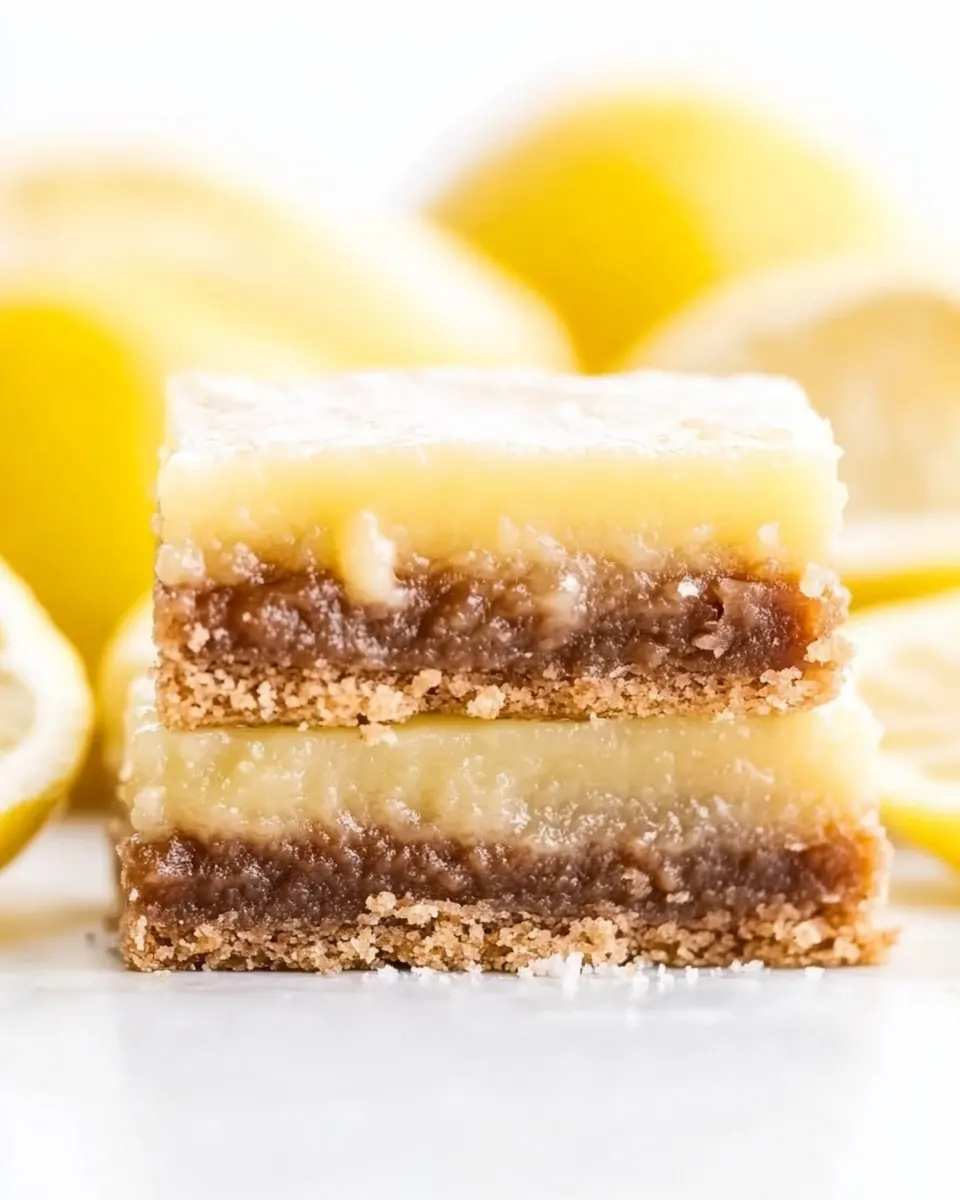
These Lemon Brownies marry a tender, moist crumb with bright citrus notes and a glossy, sweet glaze, which is what makes them special. Try them when you want a dessert that feels both comforting and fresh, perfect for sharing at casual gatherings or brightening an ordinary day. They are simple enough for a weekday baking project, yet elegant enough for company, offering pleasing texture and unmistakable lemon flavor. I hope you enjoy making and sharing them as much as I do.
Lemon Brownies
Ingredients
Equipment
Method
- Preheat the oven to 350°F. Line a 9×9-inch square glass baking dish with parchment paper and set it aside.: Warmth fills the kitchen right away, and the faint hum from the oven signals the start of baking, creating an even heat that helps the brownies rise and set uniformly. You should feel the oven warming and notice a dry, hot air sensation when you open the door, which means the temperature is stabilizing. This step matters because an accurately preheated oven ensures the batter begins cooking evenly at the moment it enters, avoiding an underbaked center or overcooked edges. A common mistake is sliding the pan into an oven that is not fully hot, which can lead to uneven texture and extended baking time. To troubleshoot, give your oven the full 10 to 15 minutes to reach temperature, and use an oven thermometer if you suspect inaccuracies.
- Mix together the oil and sugar in a large mixing bowl. Use a hand mixer or stand mixer to combine.: You will feel the grainy texture of the sugar dissolve slightly into the oil as you whisk, and the mixture takes on a glossy sheen that hints at the tender crumb to come. The mixing releases sugar granules into the oil, helping to aerate the batter for subtle lift. This technique matters because proper integration of oil and sugar creates a uniform base that carries the lemon flavor throughout. Avoid overmixing at this early stage, or you may create an overly aerated batter that bakes unevenly. If you see distinct pockets of oil or sugar, scrape the bowl and continue mixing just until smooth.
- Beat in lemon extract, vanilla extract, lemon zest, and lemon juice. Add one egg at a time and then the egg yolk, mixing well between each one.: The moment the lemon oils meet the batter you will notice a bright perfume, and each egg incorporation will thicken the mixture into a silky emulsion. Adding eggs slowly lets them blend smoothly without separating, and the yolk contributes extra richness and a satiny texture. This matters because a well emulsified batter yields tender, cohesive brownies instead of a greasy or curdled loaf. A common error is dumping eggs in all at once, which can produce streaks and uneven texture. If the batter appears curdled, continue mixing gently until it smooths out, or add a tablespoon of flour to help stabilize the emulsion.
- Stir together the flour, salt, and baking powder and add to the wet mixture.: When you add the dry ingredients, you will see the mixture thicken and become more structured, with visible streaks that signal it is ready to fold. The scent shifts to a sweeter, baked-note as the flour integrates, which is a visual and olfactory cue that the batter is approaching readiness for the pan. This step is important because the dry ingredients provide the framework that holds moisture and creates the final crumb. A common pitfall is vigorous stirring, which can develop gluten and produce a tougher brownie. To avoid this, fold the dry ingredients in gently until no streaks remain.
- Beat together 1 to 2 minutes until fluffy and well combined.: As you beat, the batter becomes slightly lighter and smoother, with tiny air bubbles forming and a glossy finish developing, indicating good incorporation. The texture should feel cohesive and a bit elastic, not runny, which lets it spread evenly in the pan. This brief beating encourages even distribution of leavening so the brownies rise uniformly in the oven. One common mistake is extending this step too long, which can introduce too much air and result in a cakier texture. If you notice the batter thinning too much, stop and proceed to the next step.
- Spread the batter into the prepared baking dish. Bake for 25 minutes. Remove from the oven and allow them to cool for 30 minutes before preparing the glaze.: Spreading the batter evenly gives the brownies a uniform thickness, and once in the oven you will hear a gentle quiet as the top sets, sometimes with a faint crackle as microbubbles pop. After baking, the edges will pull slightly from the parchment and the top should be set with a hint of spring when pressed lightly. Cooling is crucial because warm brownies absorb glaze differently and can collapse or create a runny finish. A frequent error is glazing too soon, which melts the glaze into the warm crumb. To prevent that, wait the full cooling period; if in doubt, touch the center to ensure it feels set to the touch.
- Whisk together the powdered sugar, water, lemon extract, and lemon juice until a smooth paste-like glaze forms.: As you whisk, the powdered sugar transforms into a silky, glossy mixture that should slowly ribbon from the whisk when ready, smelling sharply of lemon oils. The consistency is important because too thin a glaze will run off and will not set, while too thick will be clumpy and hard to spread. This step matters because the glaze adds a sweet counterpoint and visual shine, sealing in the lemon aroma. A typical mistake is adding all the liquid at once, which can make the glaze too thin. To fix over-thinned glaze, add a bit more powdered sugar, or if too thick, add water drop by drop.
- Spread glaze over the brownies. Allow brownies to cool completely and the glaze will set so that it’s dry to the touch. Garnish with lemon zest.: Spreading the glaze creates a smooth, reflective surface that picks up the zest sparkles as decoration, and once it sets it gives a slight crackle when you slice through it. The contrast between the opaque white glaze and the yellow crumb looks wonderful, and the tiny flecks of zest add aroma and texture. Letting the glaze set completely is essential so slices are neat and the surface does not stick to your knife. A common issue is slicing too early, which drags the glaze; use a sharp knife wiped between cuts to keep edges clean.
- Cut into pieces and serve.: When the brownies are fully set, the knife glides through with a satisfying sound, revealing squares with a glossy top and tender interior. You will notice a burst of lemon aroma as you lift a piece, and the texture should be moist but held together. This final step is when all the elements come together, and the presentation can be simple or dressed up for guests. A frequent mistake is using a dull knife, which tears the glaze and creates rough edges, so use a sharp blade and clean it between cuts for the best look.
Notes
- Egg Temperature: Bring the eggs to room temperature for at least 20 minutes so they blend smoothly and create a uniform batter, which helps prevent a curdled mixture and uneven texture.
- Measure Flour Correctly: Spoon and level your all-purpose flour into the cup rather than scooping directly, to avoid packing and a dry, dense brownie. This small step keeps the crumb tender.
- Zest Before Juicing: Always zest the lemon before juicing to capture the aromatic oils and avoid the bitter white pith; fresh zest enhances the lemon aroma far more than bottled options.
- Gradual Liquid for Glaze: Add water or lemon juice gradually when making the glaze to control consistency, preventing a runny finish that will not set properly on the brownies.
- Use Parchment for Easy Removal: Lining the pan with parchment paper makes lifting the brownies simple and keeps edges intact, so you get neat squares with minimal fuss.
- Storage: Store baked and glazed brownies in an airtight container at room temperature for up to two days, or refrigerate for longer keeping, but allow them to come to room temperature before serving for best texture.