Healthy Egg Salad
Healthy Egg Salad is the kind of recipe I reach for when I want something nourishing, simple, and utterly dependable. The first time I made this version, I was juggling a busy week and needed a lunch that felt fresh but required almost no thought. I kept a jar of chopped chives in the fridge and a container of Greek yogurt, so putting together Healthy Egg Salad felt like assembling comfort from the odds and ends I always seem to have on hand.
Over the years I have tweaked proportions and learned to trust small adjustments, like a touch more Dijon when the salad needs brightness, or a little extra celery for crunch. That trial and error taught me to listen to texture and seasoning, and now I often make a double batch to keep on hand for quick sandwiches or a protein boost on top of greens. Healthy Egg Salad has become my go to for hurried mornings and relaxed weekend lunches alike.
Recipe Snapshot
15 mins
5 mins
10 mins
Easy
200 kcal
American
Keto, Gluten-Free
Salads
Mixing bowl, Knife, Cutting board, Spoon
Why We Love This Healthy Egg Salad
Versatile and Quick
I love that Healthy Egg Salad transitions effortlessly from a grab and go lunch to an elegant picnic addition. You can serve it on whole grain bread, tuck it into lettuce leaves, or spoon it beside a simple salad, and it will never feel out of place. The ease of assembly means you can have a wholesome meal ready in minutes, which is something I appreciate after a long morning.
Bright, Creamy Texture Without Excess Fat
This recipe swaps heavier mayo for plain Greek yogurt, which keeps the texture creamy while adding a tangy note and a protein boost. I find the yogurt gives a lush mouthfeel without weighing the salad down, and it makes the flavor sing where plain mayonnaise sometimes mutes the other ingredients.
Great for Meal Prep
I often make a batch on Sunday and portion it into containers for the week. The mixture holds up well in the fridge for several days, and that predictability saves me from questionable takeout choices. It reheats poorly, so it is best enjoyed cold or at room temperature, which fits my routine perfectly.
Health Forward but Crowd Friendly
Even though this is a lighter take on egg salad, it still satisfies. The chopped celery adds a crisp counterpoint to the rich eggs, while the Dijon mustard and chives contribute notes that make each bite interesting. I’ve served it at casual gatherings and always get compliments, especially from friends who appreciate balanced flavors.
Simple Ingredients, Big Impact
What I appreciate most is how a handful of everyday ingredients combine to deliver a layered, savory result. This is the kind of recipe that rewards small, mindful tweaks, so you can make it milder, tangier, or bolder depending on your mood. I keep coming back to it because it reliably tastes like care in a bowl.
What You Need for Healthy Egg Salad
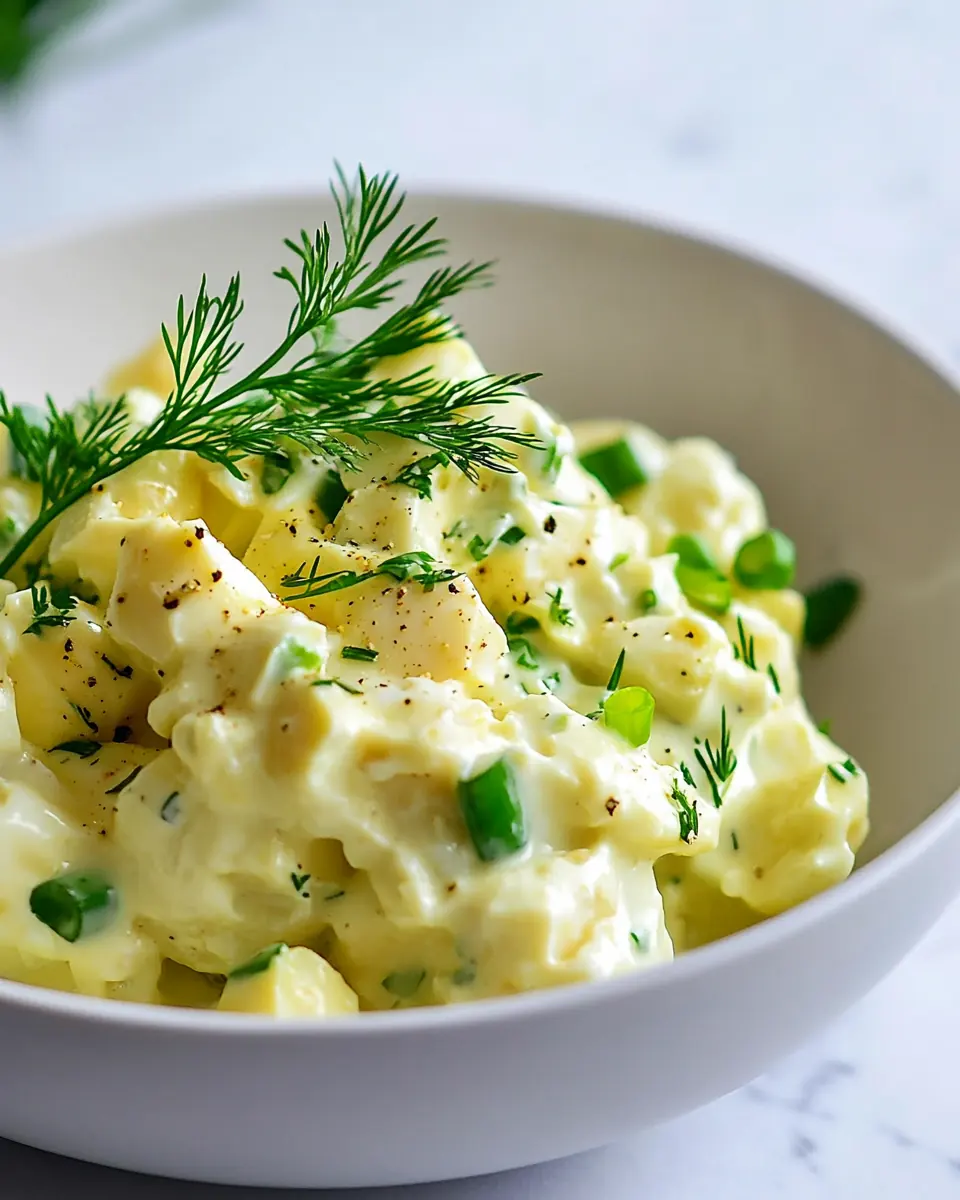
The ingredients for Healthy Egg Salad are straightforward and purposeful. Each component plays a clear role: the eggs bring rich protein and creamy texture, the Greek yogurt keeps things light while adding tang, Dijon mustard amps up brightness, and the celery and chives introduce crunch and fresh herbal notes. Salt and black pepper balance the flavors so the dish feels complete without extra adornment.
- 6 large eggs hard-boiled and peeled: Provide creamy, rich texture and significant protein to the salad while binding the ingredients together. Offer a mild, familiar egg flavor that contrasts with the tangy yogurt and mustard. Contribute a firm but tender bite when chopped and help make the salad hearty enough for sandwiches or lettuce wraps.
- 1/3 cup plain Greek yogurt: Add a tangy, creamy base that lightens the overall calorie and fat content compared with mayonnaise. Impart a smooth mouthfeel and subtle acidity that complements the eggs and mustard. Help create a cohesive dressing that keeps the mixture moist without overpowering the other flavors.
- 1 tablespoon Dijon mustard: Bring a sharp, piquant flavor that brightens the dressing and balances the creaminess. Offer a concentrated mustard heat that merges with the yogurt to create a well-rounded, savory note. Act as an emulsifier to help bind the yogurt to the egg pieces for an even coating.
- 1/4 cup celery finely chopped: Provide a crisp, fresh crunch and mild vegetal flavor that contrasts with the soft eggs. Add visual appeal and a subtle aromatic freshness that lifts the dish. Contribute moisture and fiber, improving texture and nutritional value.
- 1 tablespoon chives chopped: Provide a delicate onion-like aroma and subtle herbal brightness that elevates the flavor profile. Add small bursts of fresh, mild sharpness that distribute evenly through the salad. Enhance visual contrast with flecks of green while keeping the flavor light and nuanced.
- 1/4 teaspoon salt: Enhance overall taste by bringing out the natural flavors and balancing richness without overwhelming the palate. Help control seasoning levels so the yogurt and mustard can shine while complementing the eggs. Allow for personal adjustment to achieve the desired savory finish.
- 1/4 teaspoon black pepper: Introduce a gentle heat and depth that complements the mustard and lifts the salad’s flavor profile. Balance the salt and creamy components by providing slight pungency and aromatic complexity. Let small amounts season each bite without dominating the mild ingredients.
How to Cook Healthy Egg Salad
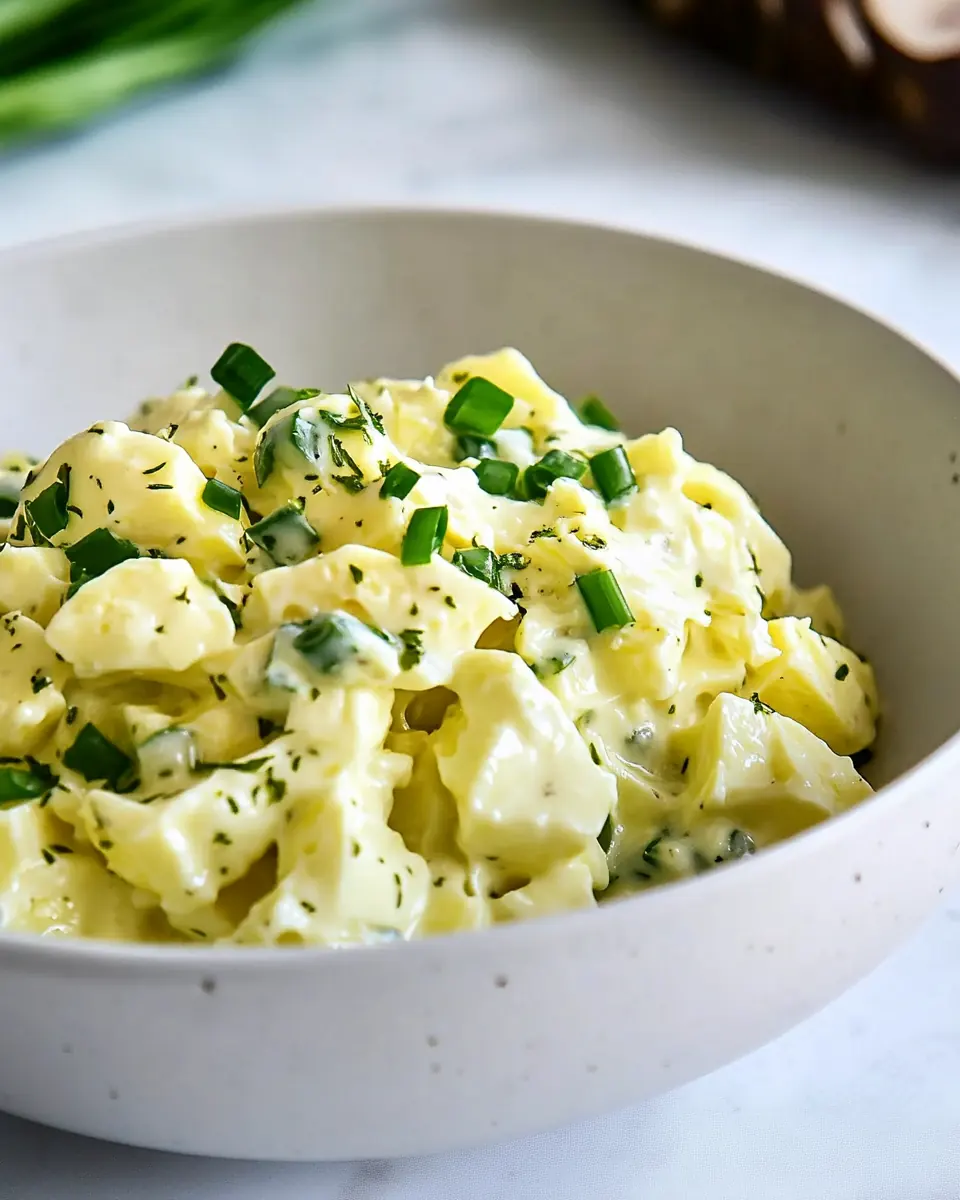
Making this Healthy Egg Salad is a small set of thoughtful actions rather than a long process. Below I expand each direction into detailed, sensory rich guidance to help you achieve the ideal texture and balance. Read each description to understand what to watch for and how to troubleshoot common pitfalls.
- Chop the hard-boiled eggs into small pieces and place them in a large mixing bowl.: As you chop, notice the tactile change from firm white to crumbly yolk and the subtle aroma of cooked eggs . Aim for small, irregular pieces so the salad has both creamy pockets and bite sized chunks, which improves mouthfeel. Use a sharp knife or an egg slicer then a quick chop to avoid smashing the yolks into paste. A common mistake is overmashing, which creates a uniform paste instead of contrasting textures. If the pieces look too large, pulse them lightly with a fork on a cutting board until you reach the desired balance of chunk and creaminess. Visual cues: distinct white fragments and golden yolk bits, not a single uniform color. The sound is muted, a soft chopping rhythm, and the aroma is clean and savory. Taking time here sets the foundation for even mixing and prevents the salad from becoming gluey once the yogurt is added.
- Add Greek yogurt, Dijon mustard, chopped celery, chives, salt, and pepper to the bowl with the eggs.: When you add the Greek yogurt and Dijon mustard , watch how the creamy yogurt coats the egg pieces while the mustard streaks in with its sharper tang. Fold in the chopped celery and chives , which introduce fresh, green notes and crisp texture. Sprinkle the measured salt and black pepper evenly to avoid pockets of oversalting. If your yogurt seems thin, spoon it in gradually so the mixture absorbs without becoming watery. A typical pitfall is dumping all ingredients at once and overmixing; instead, layer and fold to preserve texture. The sound at this stage is soft scraping as the spoon moves through the bowl, and you should smell a faint tang from the yogurt and mustard. Visually, the salad will look cohesive but still show flecks of green and yellow.
- Mix all the ingredients together until well combined. Adjust seasoning to taste.: As you mix, pay attention to how the texture comes together, noticing pockets of creamy yolk and the shimmer of yogurt. Use a gentle folding motion rather than vigorous stirring to keep some chunkiness. The why here is that gentle mixing preserves the contrast between the soft yolk and the firm white, so each bite has variety. A common error is overworking the mixture until it becomes uniformly smooth, losing the pleasant bite. If the salad looks too dry, add a touch more Greek yogurt , but add sparingly to maintain the balance. Smell the bowl for an even blend of tang and savory notes, and visually ensure the seasoning appears distributed without clumps.
- Serve the egg salad on whole-grain bread, in lettuce wraps, or as a side with your favorite greens.: This is where your palate personalizes the dish. Taste a small spoonful and consider whether it needs more salt for depth, more Dijon mustard for brightness, or extra black pepper for heat. Adjustments should be minor, because the flavors concentrate as the salad chills. A pitfall is overseasoning, so add in increments and taste between additions. The sensory check: flavor should be balanced with a gentle tang, savory egg richness, and a light herbal kick. Visually, a well seasoned salad looks lively and not dull. If you make a big adjustment, stir gently to re distribute everything evenly.
- Serve the egg salad on whole-grain bread, in lettuce wraps, or as a side with your favorite greens: When plating, think about texture contrasts and temperature. For a sandwich, the toast should be slightly warm or room temperature so the salad stays cool; with lettuce wraps, crisp leaves provide a refreshing counterpoint. Spoon a generous helping and, if desired, garnish with extra chopped chives for color and aroma. A common mistake is packing too much salad between soft bread, which makes the sandwich soggy. The sound is the soft rustle of bread or the crisp snap of lettuce, and the final visual should show defined chunks and speckled herbs. Serving method affects perception, so choose based on whether you want crispness, heartiness, or lightness.
Recipe Variations about Healthy Egg Salad
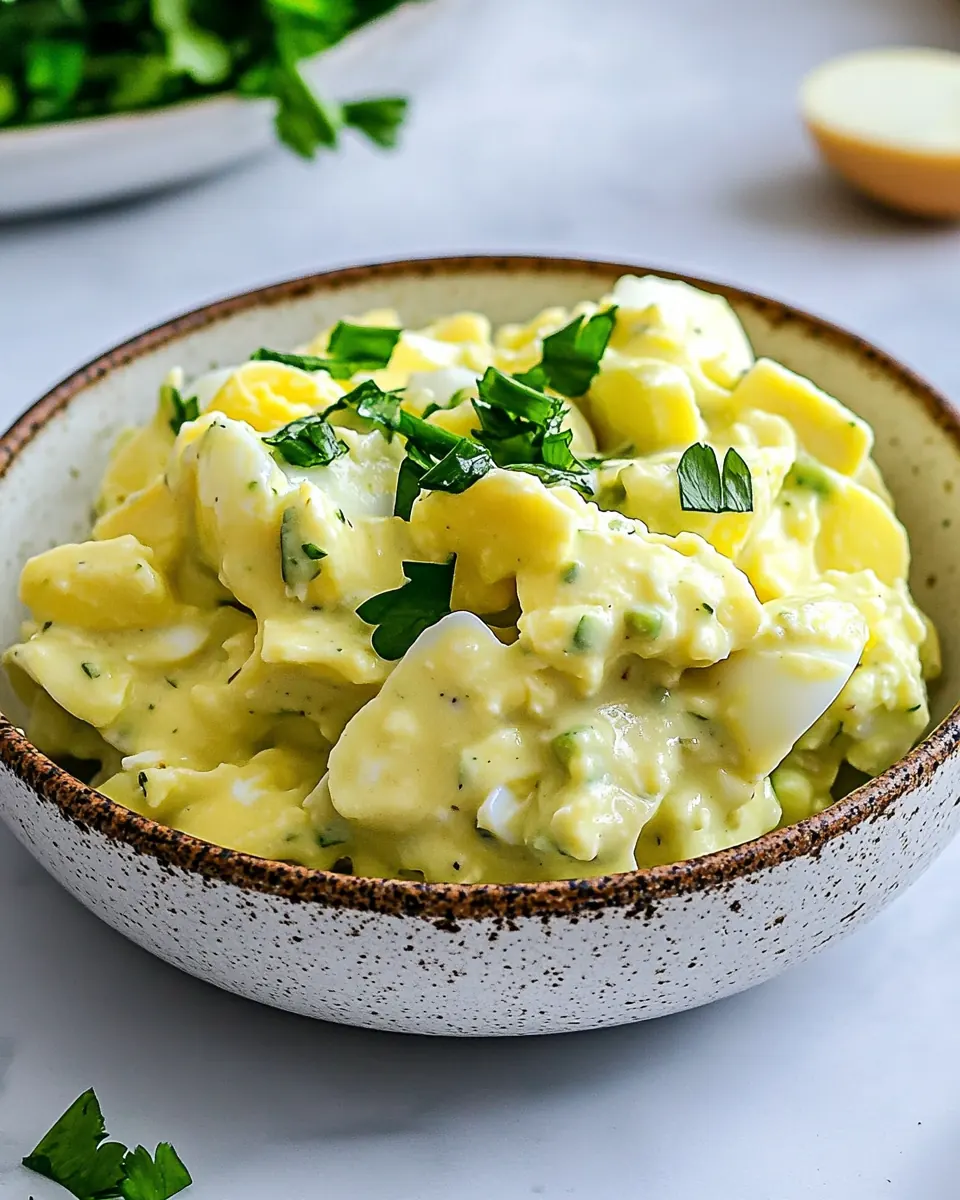
This section explores easy variations and ways to adapt Healthy Egg Salad to your preferences. Each tip highlights a simple swap or addition that preserves the recipe’s spirit while offering new textures and flavors.
- Swap or add herbs — Try parsley, dill, or extra chives for different aromatic profiles; each herb shifts the salad subtly, so add a little at a time to find your preferred balance.
- Adjust binder ratios — For a thicker salad, reduce the Greek yogurt slightly or use strained yogurt; for creamier texture, add a touch more yogurt but do so sparingly to avoid looseness.
- Boost the tang — If you like more brightness, add a small squeeze of lemon or an extra half teaspoon of Dijon mustard; both add acid that lifts the flavors.
- Make it extra crunchy — Increase the amount of finely chopped celery or add a small amount of diced cucumber for a fresh snap in every bite.
- Mix in texture — Fold in a spoonful of cooked quinoa for bulk and texture without changing the core flavor profile, but add gradually so the salad does not become grainy.
Serving Ideas for Healthy Egg Salad
Here are thoughtful ways to serve Healthy Egg Salad across meals and occasions. Each suggestion focuses on pairing, presentation, and storage so you can enjoy this dish in many contexts.
- Classic sandwich — Spread the salad between two slices of toasted whole grain bread for a satisfying lunch that balances creamy and crunchy textures.
- Lettuce wraps — Spoon the salad into crisp romaine or butter lettuce leaves for a low carb, refreshing option that works well for picnics or light dinners.
- On a bed of greens — Serve a scoop atop mixed baby greens dressed lightly in olive oil and lemon for a protein packed salad that doubles as a complete meal.
- As a side dish — Offer small bowls of the salad alongside grilled vegetables or a grain bowl for casual gatherings and family meals.
- Meal prep bowls — Portion into containers with separate compartments for bread or greens to keep textures fresh throughout the week.
- Occasion pairing — Perfect for lunch, brunch, and easy dinners, and it works well during gatherings like Ramadan if you need quick, nourishing options after fasting.
- Storage tips — Keep in an airtight container refrigerated up to four days, and avoid freezing as the texture will change; if the salad loosens, drain excess liquid and gently stir in a little more strained Greek yogurt.
FAQ
Conclusion
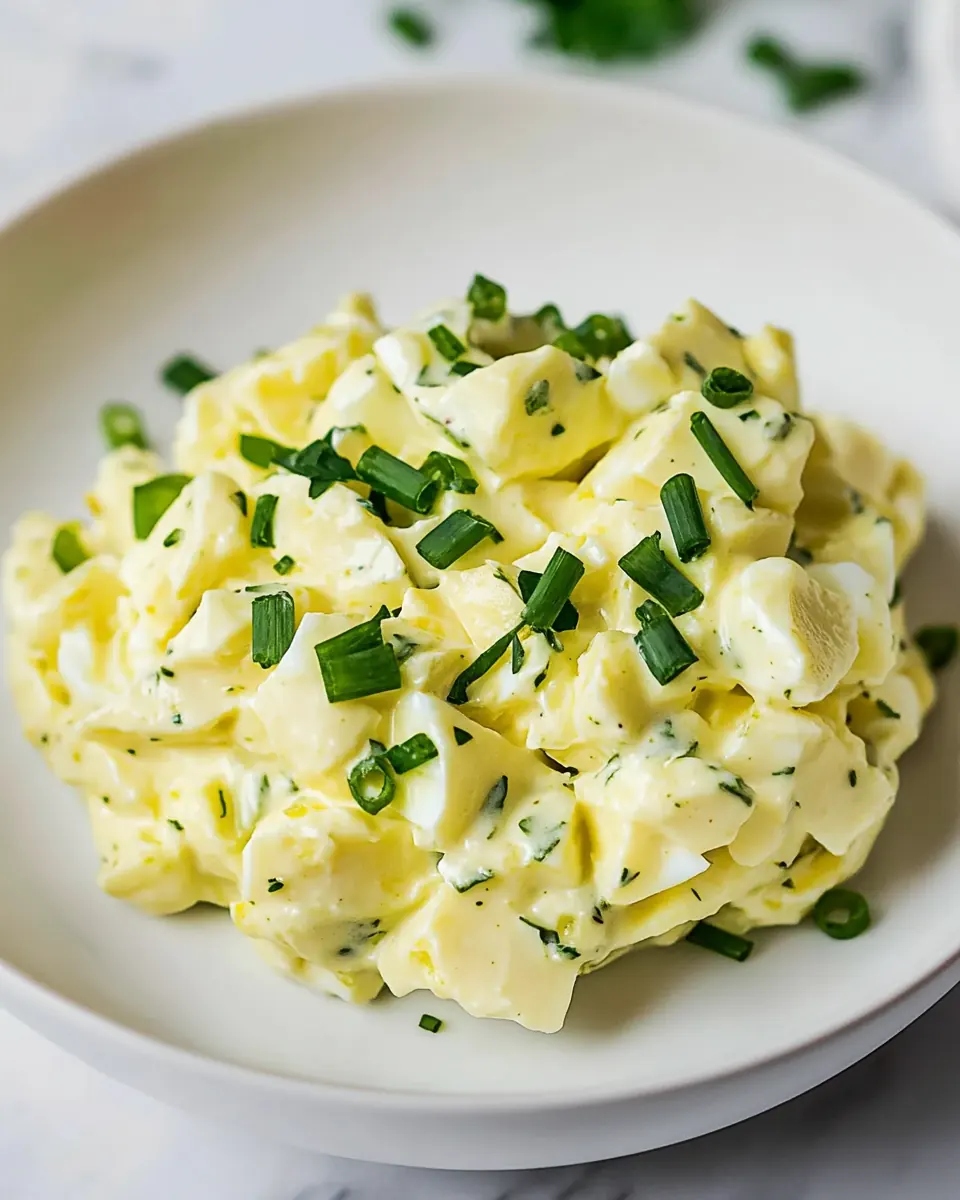
What makes this Healthy Egg Salad special is its simplicity and balanced flavor profile, combining creamy hard boiled eggs with tangy Greek yogurt and bright accents from mustard and chives. I encourage you to try it because it comes together quickly, holds up well for meal prep, and can be tailored to your taste with tiny adjustments. It’s a dependable, nourishing option whether you need a fast lunch or a flexible addition to a relaxed meal, and once you make it a couple of times you’ll have your own favorite tweak.
Healthy Egg Salad
Ingredients
Equipment
Method
- Chop the hard-boiled eggs into small pieces and place them in a large mixing bowl.: As you chop, notice the tactile change from firm white to crumbly yolk and the subtle aroma of cooked eggs . Aim for small, irregular pieces so the salad has both creamy pockets and bite sized chunks, which improves mouthfeel. Use a sharp knife or an egg slicer then a quick chop to avoid smashing the yolks into paste. A common mistake is overmashing, which creates a uniform paste instead of contrasting textures. If the pieces look too large, pulse them lightly with a fork on a cutting board until you reach the desired balance of chunk and creaminess. Visual cues: distinct white fragments and golden yolk bits, not a single uniform color. The sound is muted, a soft chopping rhythm, and the aroma is clean and savory. Taking time here sets the foundation for even mixing and prevents the salad from becoming gluey once the yogurt is added.
- Add Greek yogurt, Dijon mustard, chopped celery, chives, salt, and pepper to the bowl with the eggs.: When you add the Greek yogurt and Dijon mustard , watch how the creamy yogurt coats the egg pieces while the mustard streaks in with its sharper tang. Fold in the chopped celery and chives , which introduce fresh, green notes and crisp texture. Sprinkle the measured salt and black pepper evenly to avoid pockets of oversalting. If your yogurt seems thin, spoon it in gradually so the mixture absorbs without becoming watery. A typical pitfall is dumping all ingredients at once and overmixing; instead, layer and fold to preserve texture. The sound at this stage is soft scraping as the spoon moves through the bowl, and you should smell a faint tang from the yogurt and mustard. Visually, the salad will look cohesive but still show flecks of green and yellow.
- Mix all the ingredients together until well combined. Adjust seasoning to taste.: As you mix, pay attention to how the texture comes together, noticing pockets of creamy yolk and the shimmer of yogurt. Use a gentle folding motion rather than vigorous stirring to keep some chunkiness. The why here is that gentle mixing preserves the contrast between the soft yolk and the firm white, so each bite has variety. A common error is overworking the mixture until it becomes uniformly smooth, losing the pleasant bite. If the salad looks too dry, add a touch more Greek yogurt , but add sparingly to maintain the balance. Smell the bowl for an even blend of tang and savory notes, and visually ensure the seasoning appears distributed without clumps.
- Serve the egg salad on whole-grain bread, in lettuce wraps, or as a side with your favorite greens.: This is where your palate personalizes the dish. Taste a small spoonful and consider whether it needs more salt for depth, more Dijon mustard for brightness, or extra black pepper for heat. Adjustments should be minor, because the flavors concentrate as the salad chills. A pitfall is overseasoning, so add in increments and taste between additions. The sensory check: flavor should be balanced with a gentle tang, savory egg richness, and a light herbal kick. Visually, a well seasoned salad looks lively and not dull. If you make a big adjustment, stir gently to re distribute everything evenly.
- Serve the egg salad on whole-grain bread, in lettuce wraps, or as a side with your favorite greens: When plating, think about texture contrasts and temperature. For a sandwich, the toast should be slightly warm or room temperature so the salad stays cool; with lettuce wraps, crisp leaves provide a refreshing counterpoint. Spoon a generous helping and, if desired, garnish with extra chopped chives for color and aroma. A common mistake is packing too much salad between soft bread, which makes the sandwich soggy. The sound is the soft rustle of bread or the crisp snap of lettuce, and the final visual should show defined chunks and speckled herbs. Serving method affects perception, so choose based on whether you want crispness, heartiness, or lightness.
Notes
- Swap or add herbs — Try parsley, dill, or extra chives for different aromatic profiles; each herb shifts the salad subtly, so add a little at a time to find your preferred balance.
- Adjust binder ratios — For a thicker salad, reduce the Greek yogurt slightly or use strained yogurt; for creamier texture, add a touch more yogurt but do so sparingly to avoid looseness.
- Boost the tang — If you like more brightness, add a small squeeze of lemon or an extra half teaspoon of Dijon mustard; both add acid that lifts the flavors.
- Make it extra crunchy — Increase the amount of finely chopped celery or add a small amount of diced cucumber for a fresh snap in every bite.
- Mix in texture — Fold in a spoonful of cooked quinoa for bulk and texture without changing the core flavor profile, but add gradually so the salad does not become grainy.