How Many Burgers In One Pound Of Meat
How Many Burgers In One Pound Of Meat is a question I’ve answered countless times at backyard grills and busy weeknight kitchens, and I still love how practical it is. The first time I broke down a pound of meat into perfect patties, I was teaching a friend who was nervous about feeding a crowd, and we turned the task into a little workshop. I remember the warm sun, the scent of sizzling beef, and the relief on their face when four equal patties slid onto the grill, proving that a simple pound of meat can stretch farther than most people expect.
That afternoon taught me that knowing How Many Burgers In One Pound Of Meat is more than math, it’s confidence. When you can portion meat evenly, season with purpose, and handle patties gently, you get consistent cooking and happier eaters. Over the years I’ve adjusted tiny details like the center press, seasoning amounts, and patty thickness to make sure every bite is juicy and balanced, whether you’re feeding kids after school or hosting neighbors for impromptu burgers.
Recipe Snapshot
15 mins
5 mins
10 mins
Medium
400 kcal
American
Paleo, Whole30
Dinner
Grill or Griddle, Spatula, Kitchen scale
Why We Love This How Many Burgers In One Pound Of Meat
Reliable Portions for Every Cookout
I love that knowing How Many Burgers In One Pound Of Meat removes guesswork. When you divide the pound into four, each patty is predictably close to a quarter pound, so your cook times and bun sizes line up. You can relax about serving sizes, and that calm shows in the kitchen.
Consistent Flavor and Texture
Seasoning each portion as suggested ensures every patty tastes identical. I appreciate how a little garlic salt and pepper applied consistently results in uniform browning, aroma, and bite, which means fewer complaints and more satisfied smiles at the table.
Simple Technique, Big Payoff
Shaping and scoring the patties is straightforward, but it dramatically improves cooking. From my practice, a small center press and a shallow X cut help the patties cook evenly and keep their shape, so you get a nice crust without overcooking the middle.
Speed and Low Fuss
I often rely on this method when time is limited. With a 5 minute prep and about 10 minutes of cooking, you can have four substantial burgers on the table fast. That makes it my go to for quick weeknight dinners or an easy weekend grill session.
Flexible and Friendly
Finally, this approach scales and adapts. If you’re feeding more people, you multiply the technique, and if you prefer thicker or thinner patties, you merely alter the shape and cooking time. It’s an approachable baseline I keep returning to.
Ingredients Overview for How Many Burgers In One Pound Of Meat
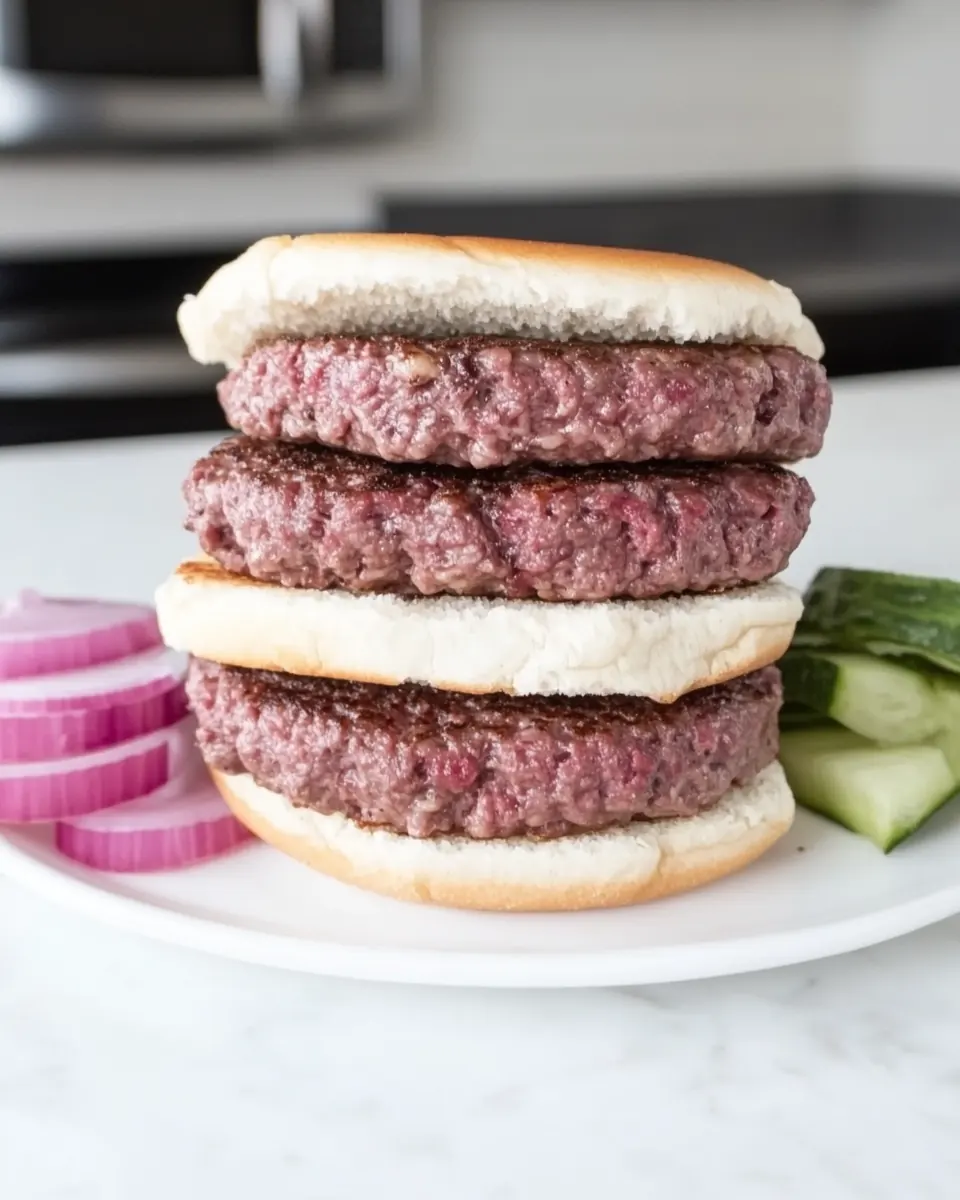
These ingredients are intentionally minimal, built around a single star, the meat. The goal is to enhance natural beef flavor while keeping the assembly quick and dependable. Each component plays a clear role, from seasoning to delivery, and together they create a straightforward, classic burger experience you can reproduce anytime.
- 1 pound ground beef: Provide the primary protein and fat that form the base of the burgers; mix and shape into patties for cooking and determine juiciness and flavor. Season and handle gently to avoid overworking the meat, which keeps burgers tender and prevents toughness when grilled or pan-fried.
- 1 tsp garlic salt: Add savory and slightly pungent seasoning to enhance the overall flavor profile; sprinkle into the meat mixture or onto patties before cooking for consistent taste. Complement other spices and help create a savory crust during searing without overpowering the beef.
- 1/2 tsp pepper: Impart mild heat and depth to balance the savory and salty elements; grind and distribute evenly through the meat to avoid hot spots. Use sparingly to accentuate the beef’s natural flavors and adjust to personal preference for a subtle peppery finish.
- 4 burger buns: Provide a soft, handheld vessel to serve the cooked patties and complete the burger experience; toast lightly to add texture and prevent sogginess from juices and condiments. Offer structure and contrast to the meat, allowing toppings to be layered and enjoyed conveniently.
Cooking Instructions for How Many Burgers In One Pound Of Meat
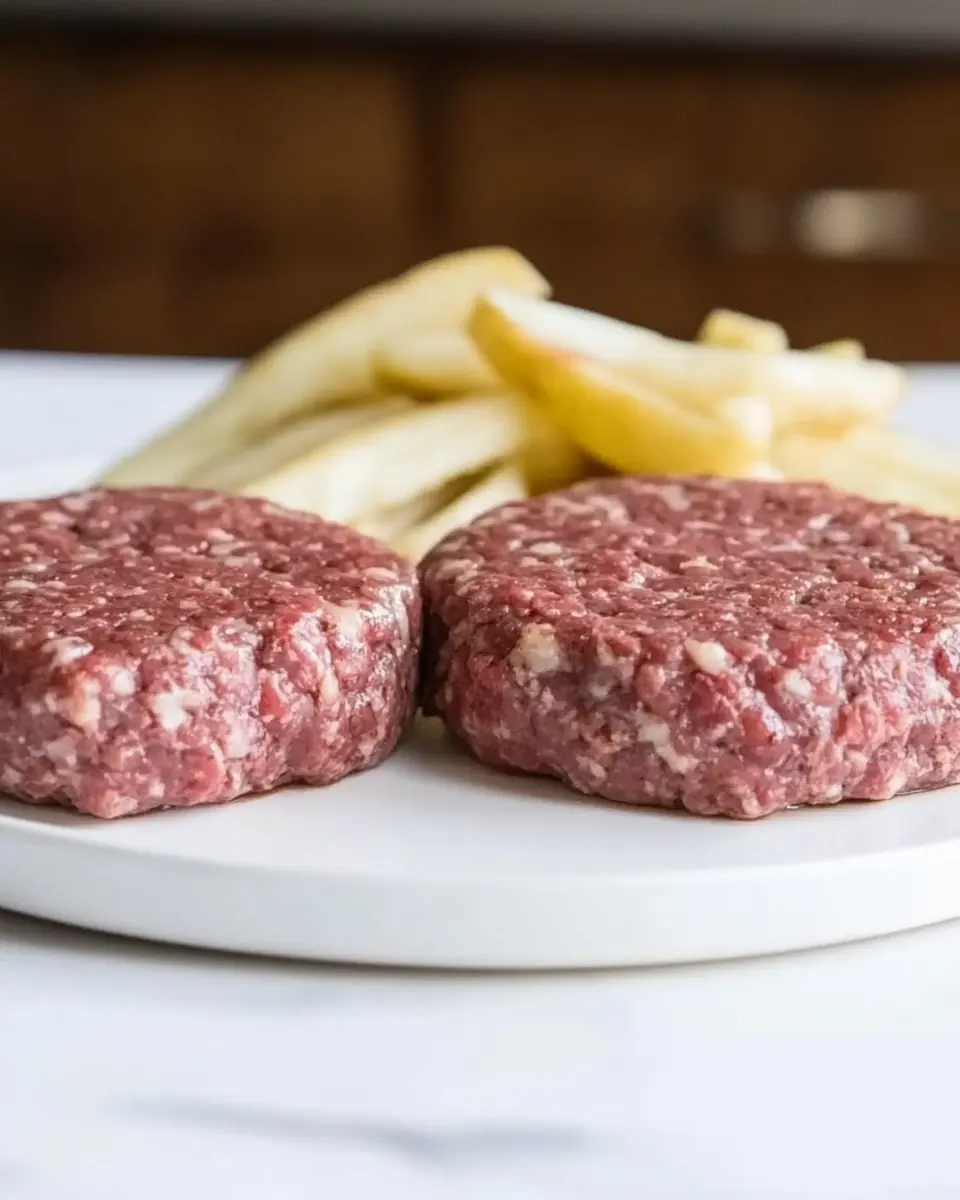
These directions will guide you to four consistent quarter pound patties, with sensory cues so you know when you’re on the right track. Read each step closely, and lean into the smells and textures as you cook to achieve the best results.
- Divide the 1 pound of ground beef into four equal portions, each weighing approximately a quarter pound.: The meat should feel cool and slightly tacky in your hands, not wet or greasy. When you portion evenly, cooking becomes predictable, and each burger fits a standard bun. I use my palms to gently press out portions, paying attention to weight rather than perfect shape. If you press too hard you'll compress the meat making dense patties, so keep movements light. A kitchen scale helps if you want precision, but eyeing the portions works fine once you get practice.
- Use a knife to create an X-shaped cut on each portion to ensure even distribution.: The shallow X helps the meat relax and gives a guide for shaping, while also preventing doming when cooking. You should hear a soft tearing sound as the knife scores the surface, and the meat will feel more pliable afterward. Do not slice too deep, or you may create weak spots that fall apart on the grill. Many people overdo the cut, which can lead to uneven thickness after forming the patty.
- Sprinkle each portion generously with garlic salt and pepper, using approximately 1/4 teaspoon of garlic salt and 1/8 teaspoon of pepper per portion.: You will notice the aroma of garlic lifting from the meat immediately, and the visual of seasoning speckled on the surface is a good cue. Even distribution is key, so I lightly sprinkle from a few inches above to cover the surface. Over-salting at this stage is the typical misstep, so measure if you are unsure, because salt cannot be removed once it is mixed in.
- Incorporate the seasonings into the meat by gently mixing with your hands until well integrated.: The motion should be slow and folding rather than vigorous kneading, allowing the spices to spread without overworking the protein. You will feel the texture become slightly more cohesive, and the scent will be more uniform. If you mix too forcefully, the fat gets compacted and the final burger will be tough, so stop as soon as the seasonings look evenly distributed.
- Shape each portion into a ball and then flatten into a patty, ensuring it is thin enough to fit a standard burger bun. Push down the center if desired.: When flattening, aim for a uniform thickness so the burgers cook evenly; the surface should appear matte and slightly tacky. If you like, press a small indentation in the center with your thumb to prevent doming during cooking. Overworking edges to force shape can create dense rims that cook faster than the center, so keep edges neat but not compressed. A consistent patty ensures predictable doneness.
- Optional: Sprinkle additional garlic salt and pepper on the top of each patty for extra flavor.: This small action helps the patty stay flat as it cooks, producing an even sear across the top and bottom. You should see the center hold its shape rather than puff up, and the texture will feel balanced when you press lightly. Skipping this can lead to rounded burgers that take longer to cook through in the middle, which is the most common issue here.
- Heat a grill or griddle over medium or medium-high heat.: Sprinkle additional garlic salt and pepper on the top of each patty for extra flavor : A light dusting right before cooking intensifies the aroma and enhances crust formation as the seasoning reaches higher temperatures. You will smell the spices bloom almost instantly on a hot surface. Be cautious with extra salt, since the meat is already seasoned internally, and avoid heavy layering that masks the beef.
- Cook the patties for 4-5 minutes on each side, or until desired level of doneness is reached.: Look for a surface that is hot enough to make a clean sizzle but not so hot that it chars immediately. The metal will feel very warm if you hold your hand a few inches above it, and you should hear a steady sizzle when the patties first touch. If the surface is too cool the burgers will cook slowly and dry out, so allow adequate preheating time. A common error is rushing to place meat on a lukewarm surface, which prevents a good sear.
- Serve the patties on burger buns with your favorite toppings and condiments.: Listen for a sustained sizzling sound and look for a deep golden crust forming before flipping. The edges will firm and juices may rise to the top surface, signaling it's time to turn. Resist pressing the patties with a spatula, because that squeezes out juices and dries the burger. Use a thin spatula and flip once for best results.
- Enjoy your perfectly sized quarter pound burgers!: The contrast of a warm, slightly toasted bun against the savory, aromatic patty is essential. Layer toppings evenly for balanced bites, and if you toast the buns briefly on the grill you'll add crunch and prevent sogginess. A frequent mistake is piling too many wet toppings without a barrier like lettuce or toasted bread, which can make the bun limp.
- Enjoy your perfectly sized quarter pound burgers: Take a moment to notice the scent of the cooked beef, the crisp edges, and the harmony of seasoning on the first bite. Eating right away preserves texture and warmth. Letting burgers sit too long cools the fats and flattens the experience, so serve promptly for the best enjoyment.
Expert Tips about How Many Burgers In One Pound Of Meat
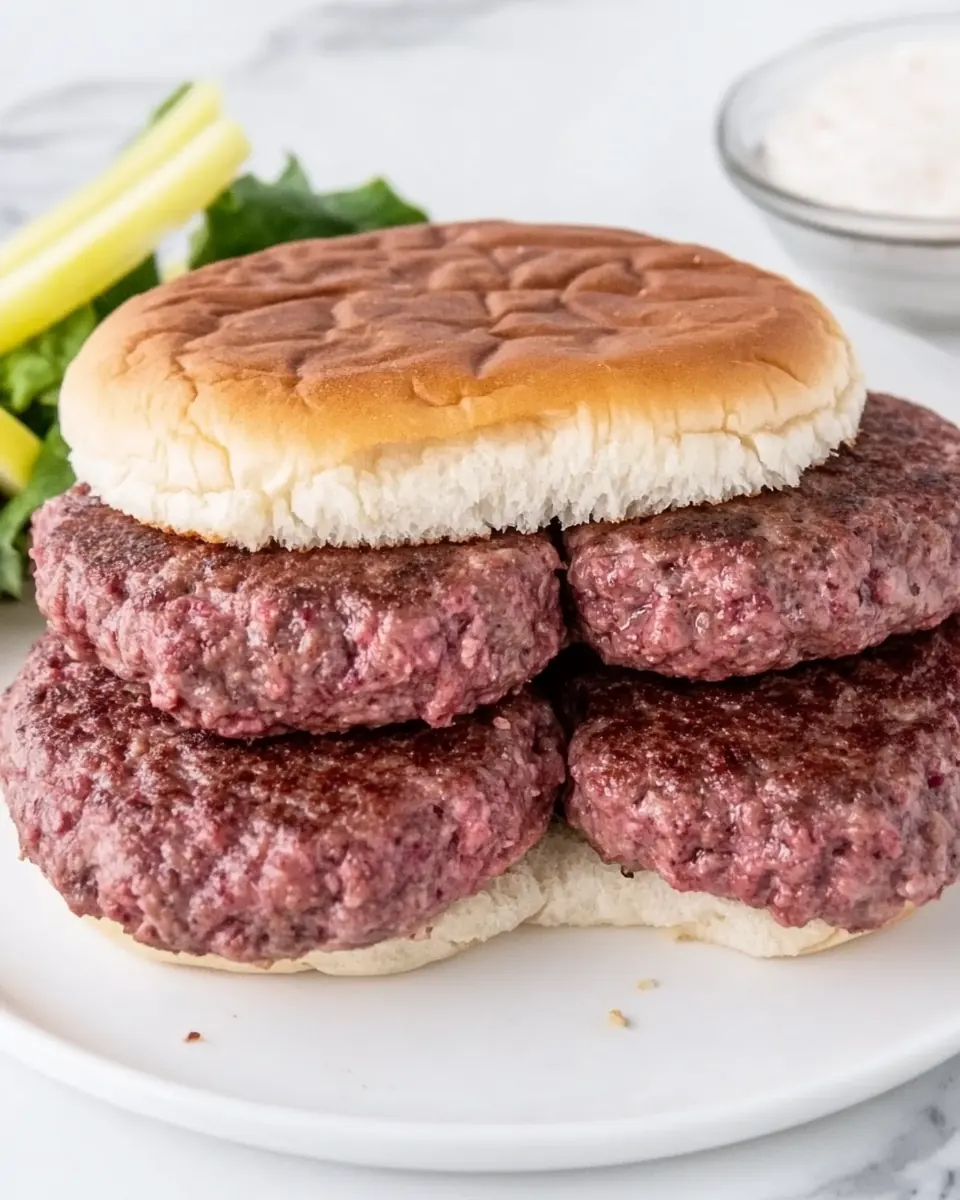
I like to keep tips simple and practical so every home cook can make consistent burgers. Below are expanded, hands on pointers that highlight technique, timing, and small adjustments that make a big difference on the grill or griddle.
- Measure for consistency Use a kitchen scale if you want exact quarter pound patties, it removes guesswork and helps with even cooking.
- Keep meat cold Cold meat shapes more cleanly and holds together on the grill, so return portions to the fridge if they start to warm while you prep.
- Light seasoning first Season portions before shaping to help the flavors integrate without overworking the meat.
- Make a center dimple A small indent prevents doming and encourages even thickness, which yields a uniform crust and doneness.
- Preheat thoroughly Allow your grill or griddle to reach medium to medium high so the patties sear on contact and develop a caramelized surface.
- Flip once Limit flipping to preserve juices and to create a better crust, flipping multiple times interrupts the sear development.
- Let rest briefly Resting for a couple minutes helps juices redistribute, making each bite juicier and less likely to drip out immediately.
Perfect Matches for How Many Burgers In One Pound Of Meat
Serving a quarter pound burger is flexible, whether you are planning a casual lunch or a lively dinner. Below I cover pairing ideas, occasions, and storage advice in detail so you can plan a full meal around these simple patties.
- Classic sides Pair with crisp fries or potato chips for a traditional combo, the crunchy texture contrasts the juicy patty.
- Fresh salads A simple green salad adds brightness and a light counterpoint to the flavorful beef, ideal for balancing the meal.
- Occasions Great for backyard barbecues, weeknight dinners, or casual gatherings where quick, satisfying food is appreciated.
- Storage tips Refrigerate cooked patties in an airtight container for up to two days, reheat gently to avoid drying out.
- Seasonal pairings Serve with summer grilled vegetables or winter roasted sides, both work well depending on what’s fresh.
- Serving style Offer a small toppings station so guests can personalize burgers, which keeps service simple and fun.
FAQ
Conclusion
This method turns one pound of meat into four dependable, flavorful burgers that are easy to make and satisfying to eat. Give this simple portioning and seasoning approach a try the next time you fire up the grill, you’ll appreciate how predictable and foolproof it is. With just a few measured ingredients and a warm cooking surface, you can deliver juicy quarter pound burgers that please a crowd and simplify meal planning, so enjoy the process and the tasty results.
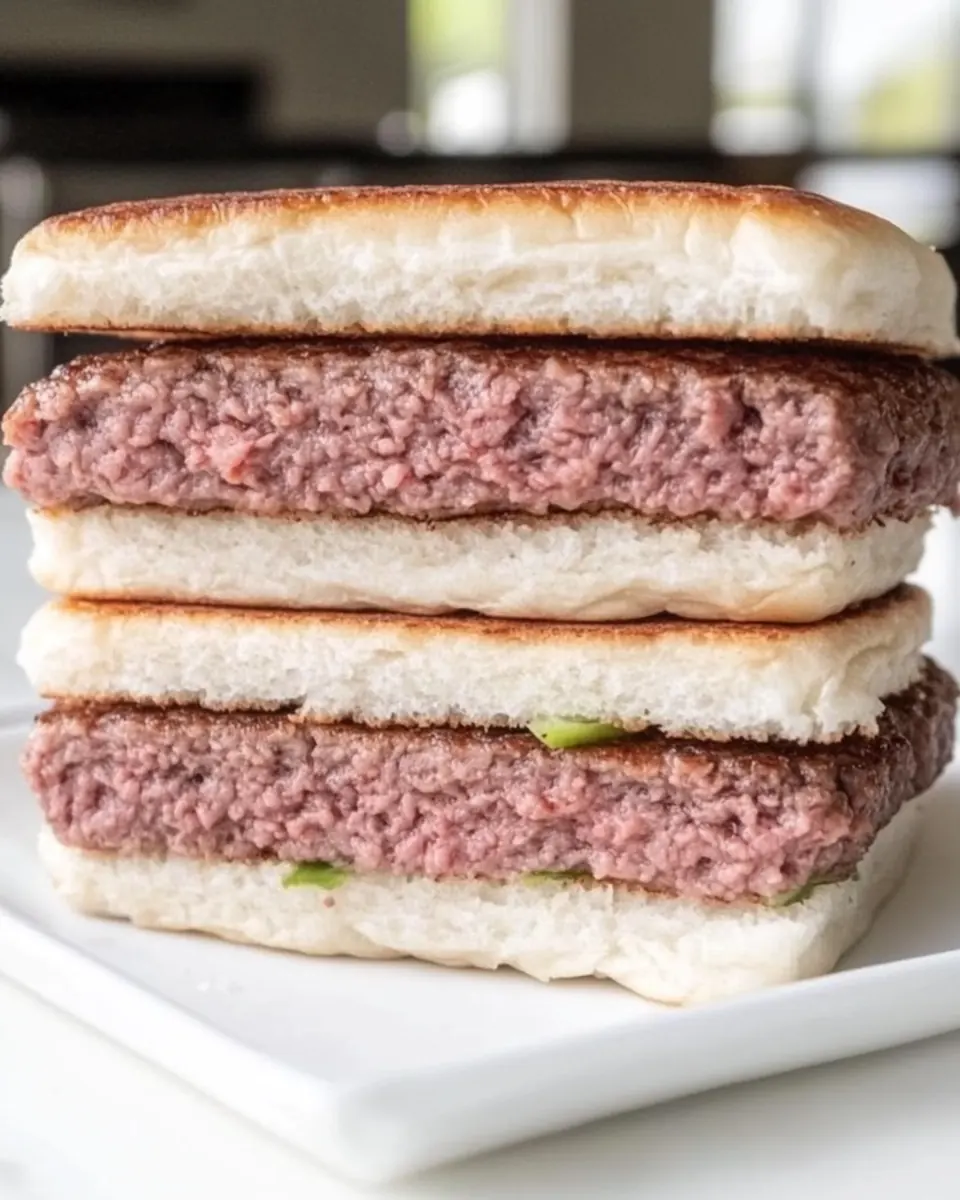
How Many Burgers In One Pound Of Meat
Ingredients
Equipment
Method
- Divide the 1 pound of ground beef into four equal portions, each weighing approximately a quarter pound.: The meat should feel cool and slightly tacky in your hands, not wet or greasy. When you portion evenly, cooking becomes predictable, and each burger fits a standard bun. I use my palms to gently press out portions, paying attention to weight rather than perfect shape. If you press too hard you'll compress the meat making dense patties, so keep movements light. A kitchen scale helps if you want precision, but eyeing the portions works fine once you get practice.
- Use a knife to create an X-shaped cut on each portion to ensure even distribution.: The shallow X helps the meat relax and gives a guide for shaping, while also preventing doming when cooking. You should hear a soft tearing sound as the knife scores the surface, and the meat will feel more pliable afterward. Do not slice too deep, or you may create weak spots that fall apart on the grill. Many people overdo the cut, which can lead to uneven thickness after forming the patty.
- Sprinkle each portion generously with garlic salt and pepper, using approximately 1/4 teaspoon of garlic salt and 1/8 teaspoon of pepper per portion.: You will notice the aroma of garlic lifting from the meat immediately, and the visual of seasoning speckled on the surface is a good cue. Even distribution is key, so I lightly sprinkle from a few inches above to cover the surface. Over-salting at this stage is the typical misstep, so measure if you are unsure, because salt cannot be removed once it is mixed in.
- Incorporate the seasonings into the meat by gently mixing with your hands until well integrated.: The motion should be slow and folding rather than vigorous kneading, allowing the spices to spread without overworking the protein. You will feel the texture become slightly more cohesive, and the scent will be more uniform. If you mix too forcefully, the fat gets compacted and the final burger will be tough, so stop as soon as the seasonings look evenly distributed.
- Shape each portion into a ball and then flatten into a patty, ensuring it is thin enough to fit a standard burger bun. Push down the center if desired.: When flattening, aim for a uniform thickness so the burgers cook evenly; the surface should appear matte and slightly tacky. If you like, press a small indentation in the center with your thumb to prevent doming during cooking. Overworking edges to force shape can create dense rims that cook faster than the center, so keep edges neat but not compressed. A consistent patty ensures predictable doneness.
- Optional: Sprinkle additional garlic salt and pepper on the top of each patty for extra flavor.: This small action helps the patty stay flat as it cooks, producing an even sear across the top and bottom. You should see the center hold its shape rather than puff up, and the texture will feel balanced when you press lightly. Skipping this can lead to rounded burgers that take longer to cook through in the middle, which is the most common issue here.
- Heat a grill or griddle over medium or medium-high heat.: Sprinkle additional garlic salt and pepper on the top of each patty for extra flavor : A light dusting right before cooking intensifies the aroma and enhances crust formation as the seasoning reaches higher temperatures. You will smell the spices bloom almost instantly on a hot surface. Be cautious with extra salt, since the meat is already seasoned internally, and avoid heavy layering that masks the beef.
- Cook the patties for 4-5 minutes on each side, or until desired level of doneness is reached.: Look for a surface that is hot enough to make a clean sizzle but not so hot that it chars immediately. The metal will feel very warm if you hold your hand a few inches above it, and you should hear a steady sizzle when the patties first touch. If the surface is too cool the burgers will cook slowly and dry out, so allow adequate preheating time. A common error is rushing to place meat on a lukewarm surface, which prevents a good sear.
- Serve the patties on burger buns with your favorite toppings and condiments.: Listen for a sustained sizzling sound and look for a deep golden crust forming before flipping. The edges will firm and juices may rise to the top surface, signaling it's time to turn. Resist pressing the patties with a spatula, because that squeezes out juices and dries the burger. Use a thin spatula and flip once for best results.
- Enjoy your perfectly sized quarter pound burgers!: The contrast of a warm, slightly toasted bun against the savory, aromatic patty is essential. Layer toppings evenly for balanced bites, and if you toast the buns briefly on the grill you'll add crunch and prevent sogginess. A frequent mistake is piling too many wet toppings without a barrier like lettuce or toasted bread, which can make the bun limp.
- Enjoy your perfectly sized quarter pound burgers: Take a moment to notice the scent of the cooked beef, the crisp edges, and the harmony of seasoning on the first bite. Eating right away preserves texture and warmth. Letting burgers sit too long cools the fats and flattens the experience, so serve promptly for the best enjoyment.
Notes
- Measure for consistency Use a kitchen scale if you want exact quarter pound patties, it removes guesswork and helps with even cooking.
- Keep meat cold Cold meat shapes more cleanly and holds together on the grill, so return portions to the fridge if they start to warm while you prep.
- Light seasoning first Season portions before shaping to help the flavors integrate without overworking the meat.
- Make a center dimple A small indent prevents doming and encourages even thickness, which yields a uniform crust and doneness.
- Preheat thoroughly Allow your grill or griddle to reach medium to medium high so the patties sear on contact and develop a caramelized surface.
- Flip once Limit flipping to preserve juices and to create a better crust, flipping multiple times interrupts the sear development.
- Let rest briefly Resting for a couple minutes helps juices redistribute, making each bite juicier and less likely to drip out immediately.