Chicken and Stuffing Casserole
Chicken and Stuffing Casserole has been my go to when family drops by unexpectedly or when I want something comforting after a long day. The first time I made it, the kitchen smelled like warm broth and butter, and everyone kept circling the oven trying to guess what was baking. I still remember the satisfying crackle when I broke through the golden top, and the way the filling stayed creamy while the stuffing held a pleasant texture. That meal felt like a hug on a plate, and it became a fast favorite at potlucks and simple weeknight dinners.
Over the years I have tweaked small things, but the heart of this dish stays true to its name. Using shredded rotisserie chicken makes life easier, while ready made stuffing keeps the process forgiving. I love that you can riff on the vegetables based on what you have on hand, and that the combination of creamy soups and broth creates a lush, cohesive filling. When I serve it, I’m always surprised at how often the dish disappears first, even when there are multiple sides on the table.
Recipe Snapshot
1 hr 20 mins
15 mins
65 mins
Medium
400 kcal
American
Keto, Gluten-Free
Dinner
Oven, 9×13 baking dish, Medium saucepan, Large bowl
Why You Need This Chicken and Stuffing Casserole
Comforting, reliable crowd pleaser
I often reach for this recipe when I need something that feeds many with minimal stress. The layers of creamy filling and fluffy stuffing create textures that please kids and adults alike, so I know it will be enjoyed across the table.
Time smart without sacrificing flavor
Because the recipe uses pre cooked chicken, canned soups, and boxed stuffing, it comes together quickly while still tasting homemade. I appreciate how the short active time translates into more time with guests and less time tied to the stove.
Flexible and forgiving
We swap the frozen vegetable medley for seasonal produce or what’s in the freezer, and the dish still sings. I’ve learned that slight variations in the veggies or extra herbs do not derail the final result, making this casserole an easy platform for creativity.
Textural harmony
The contrast between a creamy, savory interior and a light, slightly crisp stuffing top is what keeps people coming back for seconds. I pay attention to fluffing the stuffing and baking until the top is lightly browned, and it rewards patience with the perfect bite.
Great for leftovers
This casserole reheats beautifully, which makes it a go to for busy weeks. I love that it tastes even better the next day as the flavors meld, and it’s simple to portion for lunches or a quick family meal.
Ingredients Required for Chicken and Stuffing Casserole
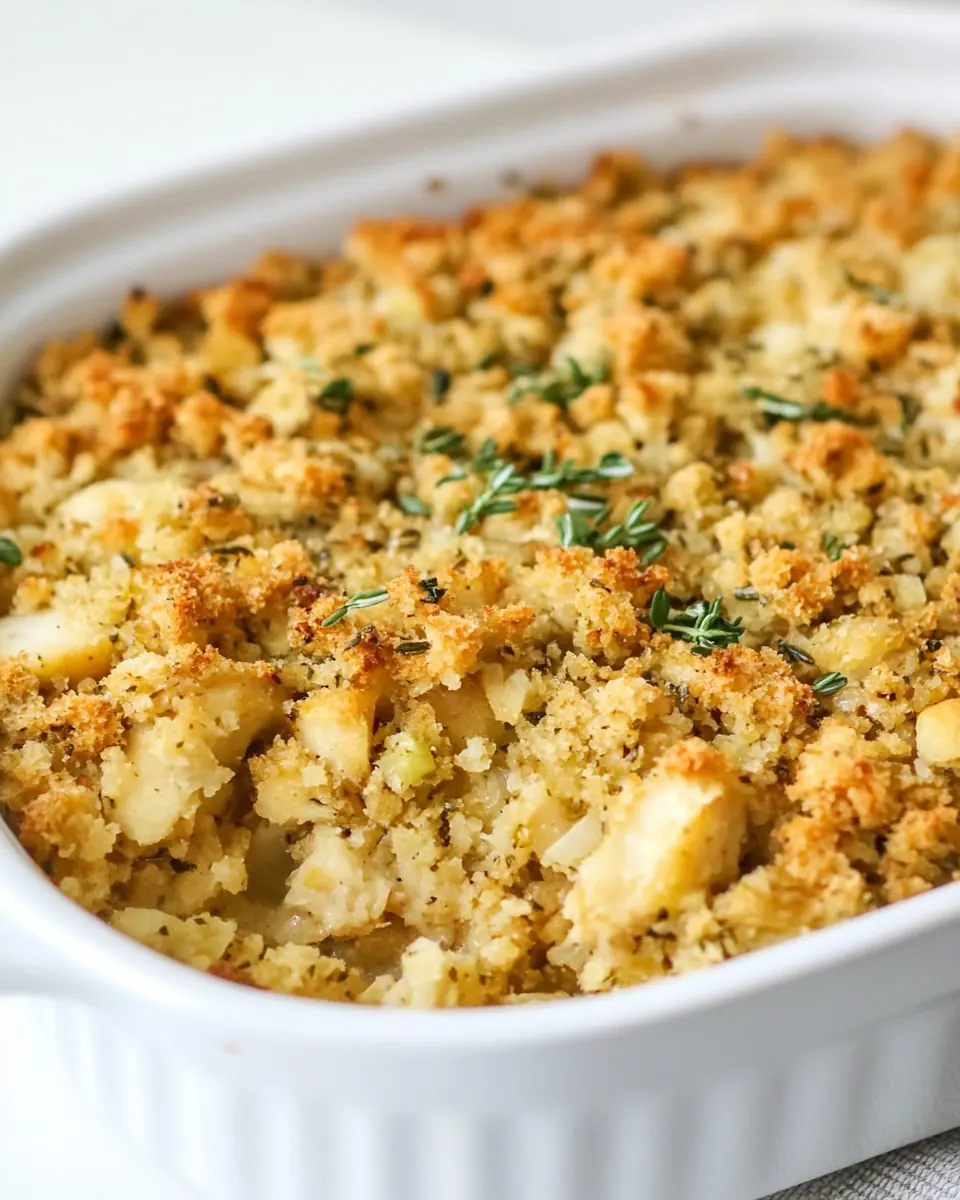
These ingredients are intentionally straightforward and pantry friendly, so they work together without drama. The key players are the creamy soups and broth which create the silky base, the shredded chicken that brings savory body, and the stuffing that delivers texture. The frozen vegetable medley brightens the casserole with color and added nutrients, while butter helps the stuffing reach that irresistible golden top.
- 1 1/2 cups low sodium chicken broth: Provide savory liquid and depth to the casserole, helping to hydrate the stuffing mix and bind ingredients; use low sodium to better control overall saltiness and prevent an overly salty final dish.
- 1/4 cup butter: Add richness and a smooth mouthfeel to the casserole while helping brown and moisten the stuffing topping; melt before combining to ensure even distribution throughout the mixture.
- 1 (6-ounce) package Stove-Top stuffing mix: Contribute the bulk of the casserole’s breadcrumb-based topping and seasoned flavor; accommodate rapid preparation by absorbing the broth and forming a tender, cohesive stuffing layer when baked.
- 1 (10.75-ounce) can cream of chicken soup: Lend creamy chicken flavor and body to the casserole base while contributing thickening properties; blend smoothly with soups and sour cream to create a cohesive sauce.
- 1 cup sour cream: Provide tangy creaminess and a slightly rich texture that lightens the soup mixture; fold in to add moisture and a pleasant mouth-coating finish without overpowering other flavors.
- 1 (10.5-ounce) can cream of mushroom soup: Introduce earthy, savory notes and additional creaminess to complement the cream of chicken soup; combine with other creamy elements to create a balanced, flavorful sauce for the casserole.
- 1 whole cooked rotisserie chicken, shredded (about 3 cups): Supply tender cooked protein and hearty texture, shredding into bite-sized pieces to distribute flavor and substance evenly; use rotisserie chicken for convenient, ready-to-use meat that boosts savory taste.
- 1 (12-ounce) bag frozen mixed vegetables, thawed: Offer color, nutrients, and textural contrast with tender-crisp bites once thawed and mixed in; use mixed vegetables to add variety and balance to the rich, creamy casserole.
The Process for Making Chicken and Stuffing Casserole
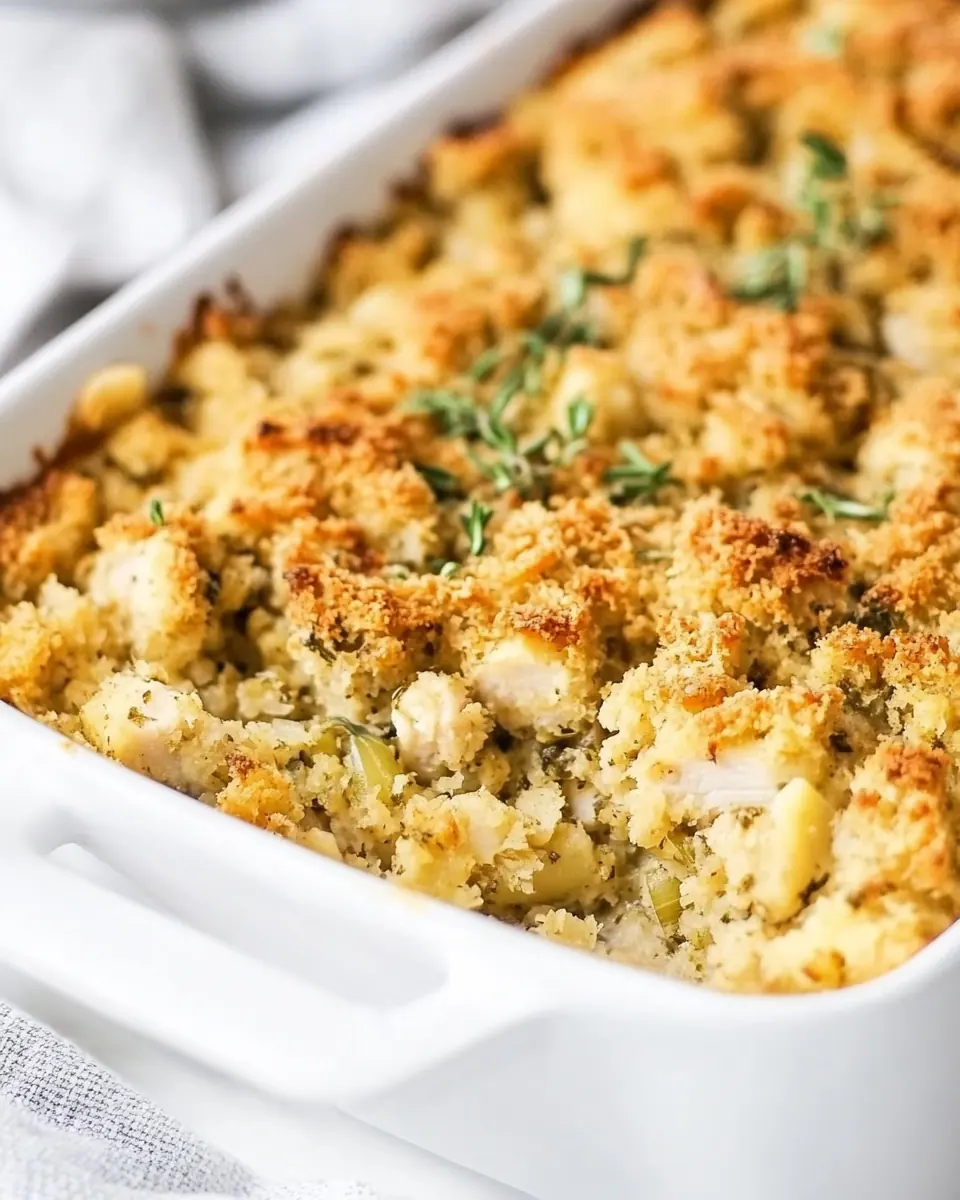
This casserole uses simple, clear techniques that reward attention to sensory cues. I find that pacing the steps and noticing aromas and textures makes every stage predictable and satisfying. Below I expand each direction into rich guidance so you can bake with confidence.
- Preheat the oven to 375°F. Spray a 9×13 baking dish with cooking spray.: As the oven warms, you should sense a dry, rising heat and the faint metallic hum of the oven cycling, which signals a stable baking environment. Ensuring the oven reaches a steady 375°F before you insert the casserole promotes even baking and helps the stuffing brown reliably. Lightly coating the pan with cooking spray prevents the casserole from sticking, so the edges lift cleanly when served. A common mistake here is putting the dish into an oven that is not fully heated, which can lengthen bake time and yield uneven browning; allow the full preheat period to complete for best results.
- Add the chicken broth and butter to a medium saucepan, and bring the mixture to a boil. Stir in the stuffing mix, remove from heat, and cover. Let stand for five minutes, then fluff with a fork.: At the stove you will hear the broth begin to chatter and see small bubbles form as it reaches a boil, carrying buttery aroma that tells you it is hot enough. Stirring in the stuffing causes it to absorb the hot liquid quickly, swelling into a tender crumb. Covering and letting it rest for five minutes allows the steam to finish hydrating the crumbs so they are moist but not soggy. Fluffing with a fork introduces air and separates clumps, producing a lighter topping. Avoid skipping the rest time or failing to fluff, as packed stuffing will become dense instead of crisping on top.
- In a large bowl, mix the cream of chicken soup, sour cream, and cream of mushroom soup. Add the rotisserie chicken and mixed vegetables, and stir to combine. Pour the mixture into the prepared baking dish, spreading evenly. Add small dollops of stuffing evenly over the top.: When you stir the soups and sour cream together you will notice a glossy, velvety texture and a savory perfume that foreshadows the baked filling. Folding in the shredded chicken and thawed vegetables distributes protein and color, creating a balanced mouthfeel. As you spread the mixture into the baking dish, aim for an even layer so the filling cooks uniformly and bubbles consistently. Placing small dollops of the prepared stuffing across the surface rather than packing it in encourages pockets of golden crisp and soft crumb underneath. A frequent error is over mixing at this stage which can break down the vegetables or compress the stuffing, reducing contrast in texture.
- Bake for 1 hour (uncovered), until the stuffing is lightly browned and the filling is bubbling.: During baking the kitchen will fill with a warm, savory aroma as the filling begins to bubble and steam escapes from the surface. Keep the dish uncovered so moisture can evaporate and the stuffing can crisp, watching for a gentle, even browning on top. The filling bubbling around the edges is a visual cue that internal temperature is sufficient and the components have melded. If the top browns too quickly, tent loosely with foil for the final minutes to prevent burning while the center finishes cooking. An easy mistake is removing the casserole too early when the center still looks wet; wait for those bubbling cues to ensure the proper texture.
Making Adjustments
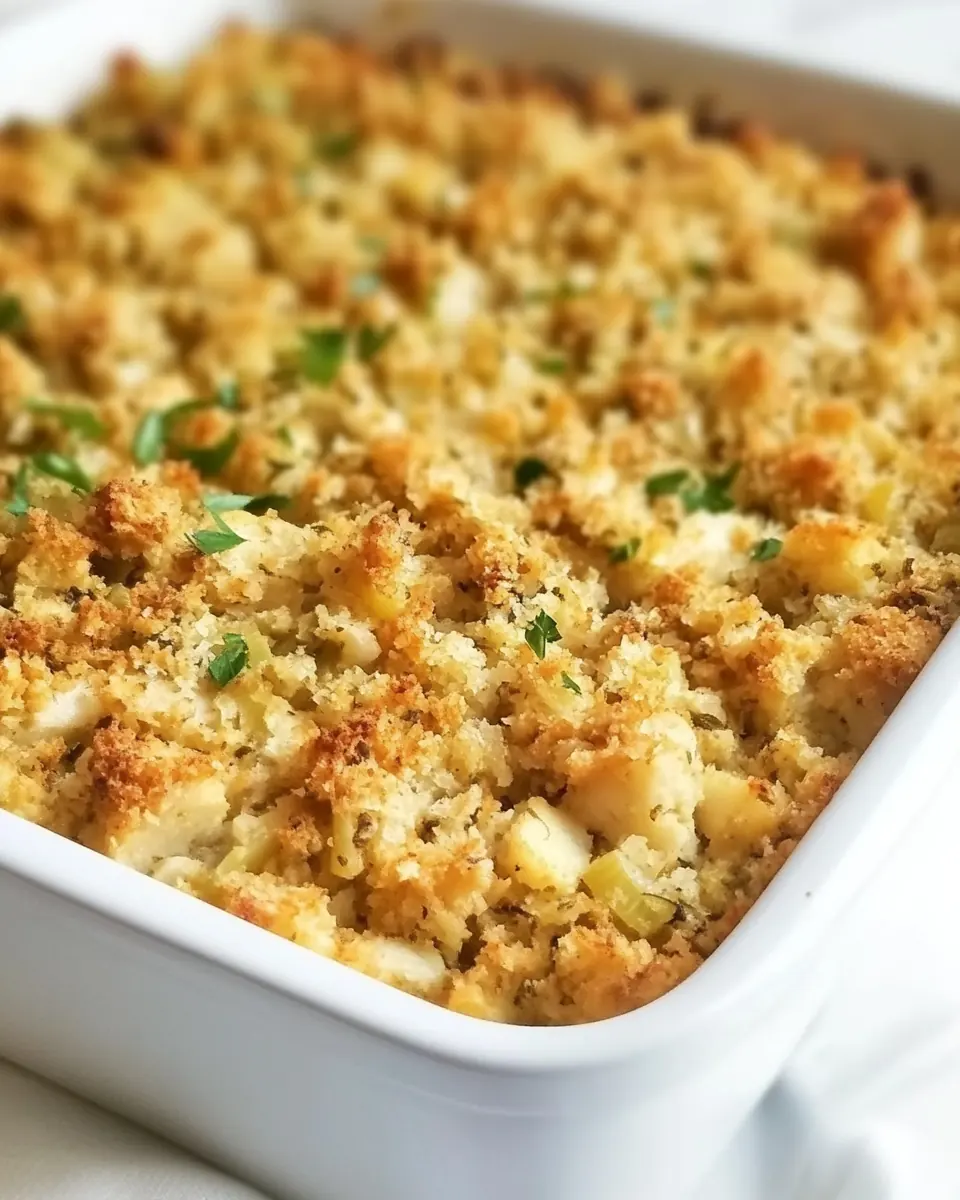
This casserole is forgiving, and small adjustments can tune it to your pantry or taste. Below are practical tips I use to adapt the recipe while preserving its comforting character.
- Control salt: Start with low sodium chicken broth and taste the filling before baking, you can always add a pinch of salt after if needed.
- Vegetable swaps: Replace the frozen medley with any combination of thawed frozen carrots, peas, corn, or green beans to match what you have on hand.
- Make ahead: Assemble the casserole a few hours ahead and refrigerate, then bake straight from cold adding five to ten extra minutes of cooking time until bubbling.
- Crispier top: Dot the stuffing with a little extra melted butter before baking to encourage deeper browning and a richer finish.
- Stretch servings: Mix in an extra cup of thawed mixed vegetables or an additional can of soup if you need to feed more people without changing bake time significantly.
How to Enjoy Chicken and Stuffing Casserole
This casserole is ideal for family dinners and holiday gatherings, and it pairs with simple sides to complete a meal. Below I explain serving ideas, storage, and occasions where this dish shines.
- Serve warm family style: Place the casserole in the center of the table with serving utensils, letting everyone help themselves to generous scoops of the creamy filling and crisp stuffing.
- Pairing suggestions: Offer a light green salad or a platter of roasted vegetables alongside to add freshness and contrast to the casserole’s richness.
- Holiday use: This dish works well on Thanksgiving or other holidays as a comforting side or main, particularly when you want an easy option that feeds many.
- Storage tips: Refrigerate leftovers in an airtight container for up to four days, reheat in the oven at 350°F until warmed through to preserve texture.
- Portioning: For meal prep, divide into individual containers for easy reheating and grab and go lunches during a busy week.
- Seasonal notes: In winter I lean into root vegetable mixes, while in milder months I prefer peas and carrots to keep the dish lighter.
FAQ
Conclusion
This Chicken and Stuffing Casserole stands out for its comforting combination of creamy filling and a light, golden stuffing top. It is easy to assemble, forgiving with substitutions, and reliably feeds a crowd which makes it a weeknight hero or holiday side in my kitchen. Give it a try when you want a warm, satisfying dish that travels well to potlucks and keeps beautifully as leftovers. I hope it becomes one of your go to recipes for simple, delicious feeding.
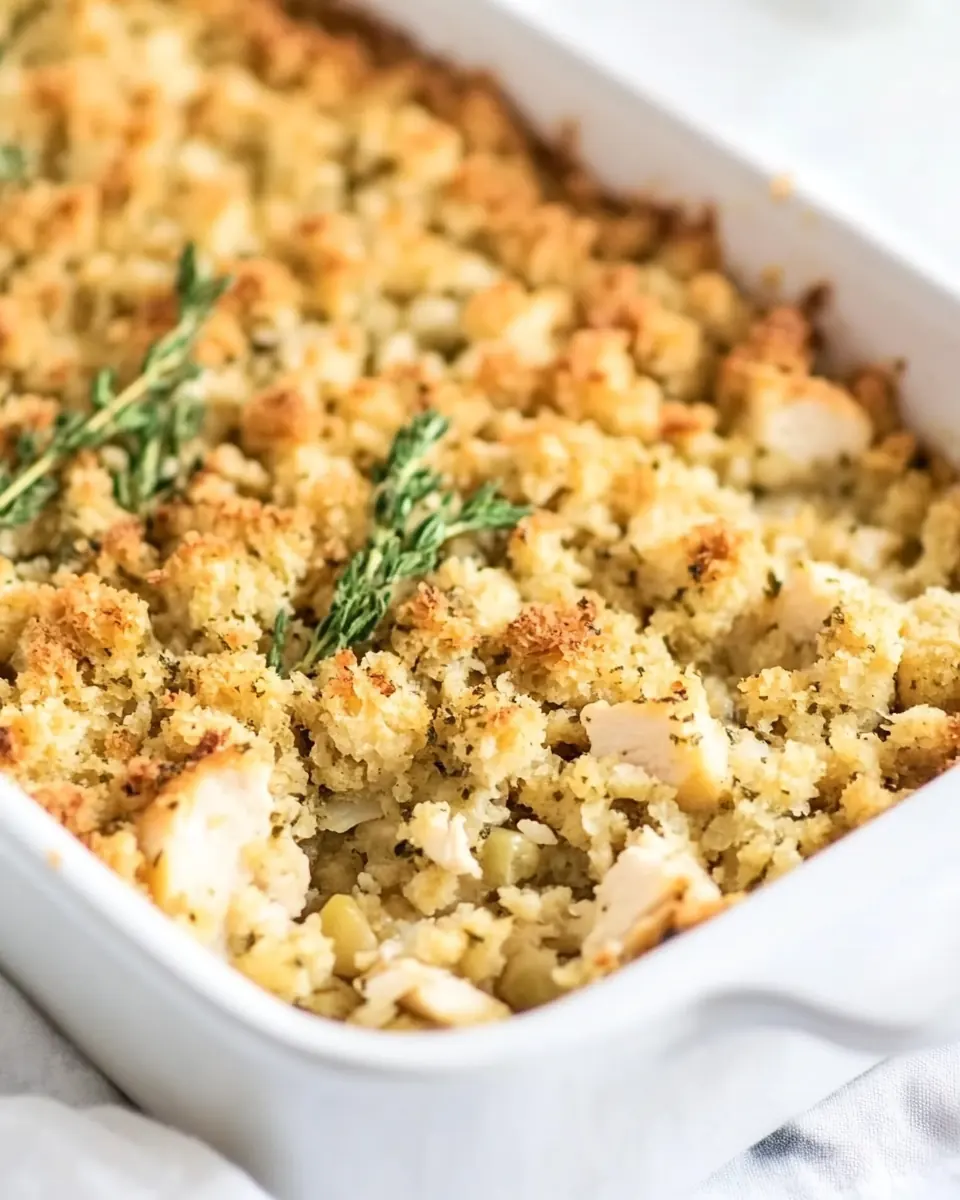
Chicken and Stuffing Casserole
Ingredients
Equipment
Method
- Preheat the oven to 375°F. Spray a 9×13 baking dish with cooking spray.: As the oven warms, you should sense a dry, rising heat and the faint metallic hum of the oven cycling, which signals a stable baking environment. Ensuring the oven reaches a steady 375°F before you insert the casserole promotes even baking and helps the stuffing brown reliably. Lightly coating the pan with cooking spray prevents the casserole from sticking, so the edges lift cleanly when served. A common mistake here is putting the dish into an oven that is not fully heated, which can lengthen bake time and yield uneven browning; allow the full preheat period to complete for best results.
- Add the chicken broth and butter to a medium saucepan, and bring the mixture to a boil. Stir in the stuffing mix, remove from heat, and cover. Let stand for five minutes, then fluff with a fork.: At the stove you will hear the broth begin to chatter and see small bubbles form as it reaches a boil, carrying buttery aroma that tells you it is hot enough. Stirring in the stuffing causes it to absorb the hot liquid quickly, swelling into a tender crumb. Covering and letting it rest for five minutes allows the steam to finish hydrating the crumbs so they are moist but not soggy. Fluffing with a fork introduces air and separates clumps, producing a lighter topping. Avoid skipping the rest time or failing to fluff, as packed stuffing will become dense instead of crisping on top.
- In a large bowl, mix the cream of chicken soup, sour cream, and cream of mushroom soup. Add the rotisserie chicken and mixed vegetables, and stir to combine. Pour the mixture into the prepared baking dish, spreading evenly. Add small dollops of stuffing evenly over the top.: When you stir the soups and sour cream together you will notice a glossy, velvety texture and a savory perfume that foreshadows the baked filling. Folding in the shredded chicken and thawed vegetables distributes protein and color, creating a balanced mouthfeel. As you spread the mixture into the baking dish, aim for an even layer so the filling cooks uniformly and bubbles consistently. Placing small dollops of the prepared stuffing across the surface rather than packing it in encourages pockets of golden crisp and soft crumb underneath. A frequent error is over mixing at this stage which can break down the vegetables or compress the stuffing, reducing contrast in texture.
- Bake for 1 hour (uncovered), until the stuffing is lightly browned and the filling is bubbling.: During baking the kitchen will fill with a warm, savory aroma as the filling begins to bubble and steam escapes from the surface. Keep the dish uncovered so moisture can evaporate and the stuffing can crisp, watching for a gentle, even browning on top. The filling bubbling around the edges is a visual cue that internal temperature is sufficient and the components have melded. If the top browns too quickly, tent loosely with foil for the final minutes to prevent burning while the center finishes cooking. An easy mistake is removing the casserole too early when the center still looks wet; wait for those bubbling cues to ensure the proper texture.
Notes
- Control salt: Start with low sodium chicken broth and taste the filling before baking, you can always add a pinch of salt after if needed.
- Vegetable swaps: Replace the frozen medley with any combination of thawed frozen carrots, peas, corn, or green beans to match what you have on hand.
- Make ahead: Assemble the casserole a few hours ahead and refrigerate, then bake straight from cold adding five to ten extra minutes of cooking time until bubbling.
- Crispier top: Dot the stuffing with a little extra melted butter before baking to encourage deeper browning and a richer finish.
- Stretch servings: Mix in an extra cup of thawed mixed vegetables or an additional can of soup if you need to feed more people without changing bake time significantly.