Sautéed Peas
Sautéed Peas is one of those small dishes that always makes me feel like I did something right in the kitchen, even on a rushed weeknight. The first time I made Sautéed Peas I was juggling dinner for friends and a stubborn oven that would not cooperate, so I leaned into a quick skillet side and found comfort in the bright, tender sweetness of the peas. I remember standing at the stove, stirring the pan while the aroma of butter and onion built, and thinking that a few simple pantry items can transform a meal into something memorable.
Another evening, I served Sautéed Peas alongside roasted chicken for a small Sunday supper, and a guest asked for the recipe between bites. That question reminded me how the right balance of texture and herb can elevate humble vegetables into something guests ask about. The dill really stole the show that night, cutting through the richness of the butter and connecting the flavors in a fresh, effortless way.
I also turn to Sautéed Peas when I want to add a quick seasonal touch to a meal in spring. The dish comes together so fast that it’s become my go to when I want something verdant and bright without fuss. Over time I learned little tricks like when to add the broth for the most pleasing glaze and how to finish with fresh herbs so the aroma stays vibrant. These small choices matter, and they are what make this recipe keepers in my rotation.
Recipe Snapshot
25 mins
10 mins
15 mins
Easy
150 kcal
American
Gluten-Free, Low FODMAP
Side Dishes
12-inch Cast Iron Skillet
Why This Sautéed Peas Hits Different
Fresh, clean flavor that sings
I love how Sautéed Peas highlights the pea itself. When cooked properly, the peas taste sweet and grassy, not mushy. The combination of butter and a short splash of chicken broth gives a silky coating that amplifies the pea’s natural flavor, which is why I often make this when I want a restrained, vegetable forward side.
Speed without compromise
We all need recipes that respect the clock. Sautéed Peas is quick, finishing from pan to plate in under half an hour, yet the texture and depth of flavor feel deliberate. I appreciate that you can deliver an elegant vegetable course in the same time it takes to make a salad, and still impress guests or family.
Flexible and forgiving
This recipe bends to what you have on hand. If you prefer vegetable broth instead of chicken broth, it still sings. Salt and pepper are adjustable, and the finishing dill can be dialed up or down. Because this dish is forgiving, I feel free to adapt it without losing the essence of the recipe.
Textural contrast and aroma
There is a satisfying contrast between the soft, slightly blistered peas and the melting ribbons of onion. The brief sauté produces subtle caramel notes from the onion, while the minced garlic adds an aromatic lift. I find that these small textural and aromatic shifts make every forkful interesting.
Seasonal appeal
Peas are a spring favorite in my kitchen, and Sautéed Peas captures that seasonal brightness. The fresh dill at the end ties everything to springtime flavors, making it a go to for seasonal dinners, casual lunches, or when you want a quick, green side that feels special.
What Goes Into Sautéed Peas
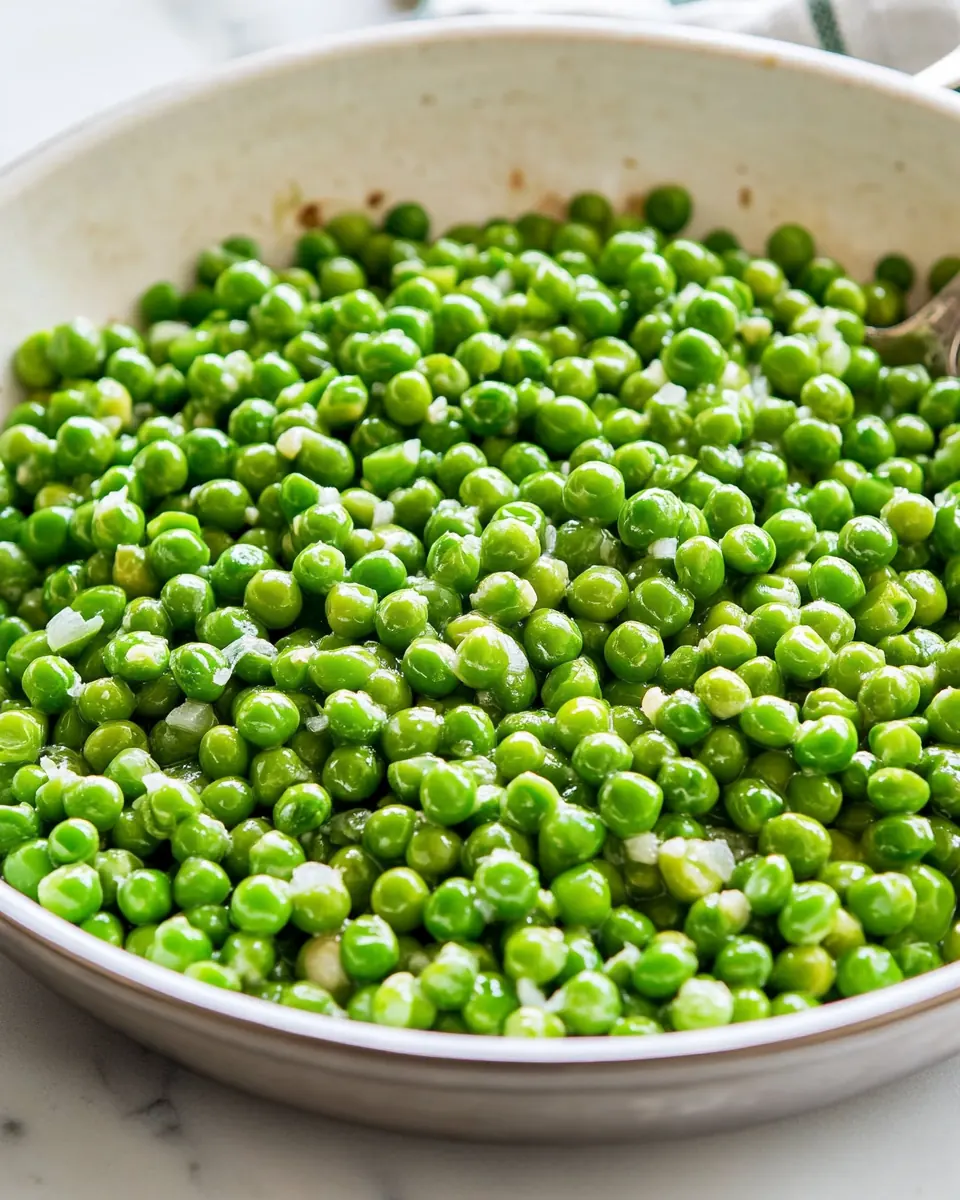
These ingredients are intentionally simple and focused on showcasing the natural sweetness and texture of the peas. The key players are the peas, which provide the main flavor and color; butter and onion, which add richness and aromatic depth; and the broth and dill, which create a glossy finish and bright herbal lift. Each item has a clear role, and together they create a balanced, comforting side dish.
- 4 tablespoon butter (unsalted): Melted in the pan to provide a rich, silky base for sautéing; unsalted butter adds smooth mouthfeel and helps carry flavors. Use to sweat the onion and garlic gently without browning too quickly, and finish the peas with a glossy coating for richness.
- 1 large onion (chopped): Chopped and cooked until translucent to build a sweet, aromatic foundation for the dish; onion contributes texture and natural sweetness. Sauté slowly in butter to release sugars and deepen flavor, ensuring a balanced backdrop for the peas and herbs.
- 2 cloves garlic (minced): Minced and added early to release pungent, savory aromatics; garlic brightens and layers flavor without overpowering when cooked briefly. Stir into the sweating onions so its aroma infuses the butter and lifts the overall savoriness of the peas.
- 1 pound frozen green peas: Frozen and added to the pan as the primary vegetable, delivering tender bite and fresh green flavor when heated through. Cook with broth and aromatics until warmed and evenly coated, preserving color and texture while absorbing savory notes.
- 3/4 cup chicken broth (or vegetable broth, low sodium): Poured in to deglaze and provide cooking liquid, offering savory depth and a gentle simmer for the peas; low sodium keeps salt controllable. Use to steam and finish the peas, concentrating flavor while preventing dryness.
- 1/4 teaspoon salt (or to taste): Measured and added to season, enhancing the natural flavors while allowing for personal adjustment; salt balances sweetness and brings out depth. Start with the stated amount and taste before adding more, since broth may already contain sodium.
- 1/2 teaspoon pepper (or to taste): Ground and included to introduce mild heat and aromatic sharpness, rounding out the seasoning profile. Sprinkle in during finishing stages and adjust to preference so pepper complements without overwhelming the delicate peas and dill.
- 2 tablespoon fresh dill (chopped): Chopped and stirred in at the end to impart a bright, herbaceous finish that lifts the dish; dill adds a fresh, slightly anise-like note. Fold through just before serving to preserve its color and fragrant, delicate flavor.
Sautéed Peas Instructions
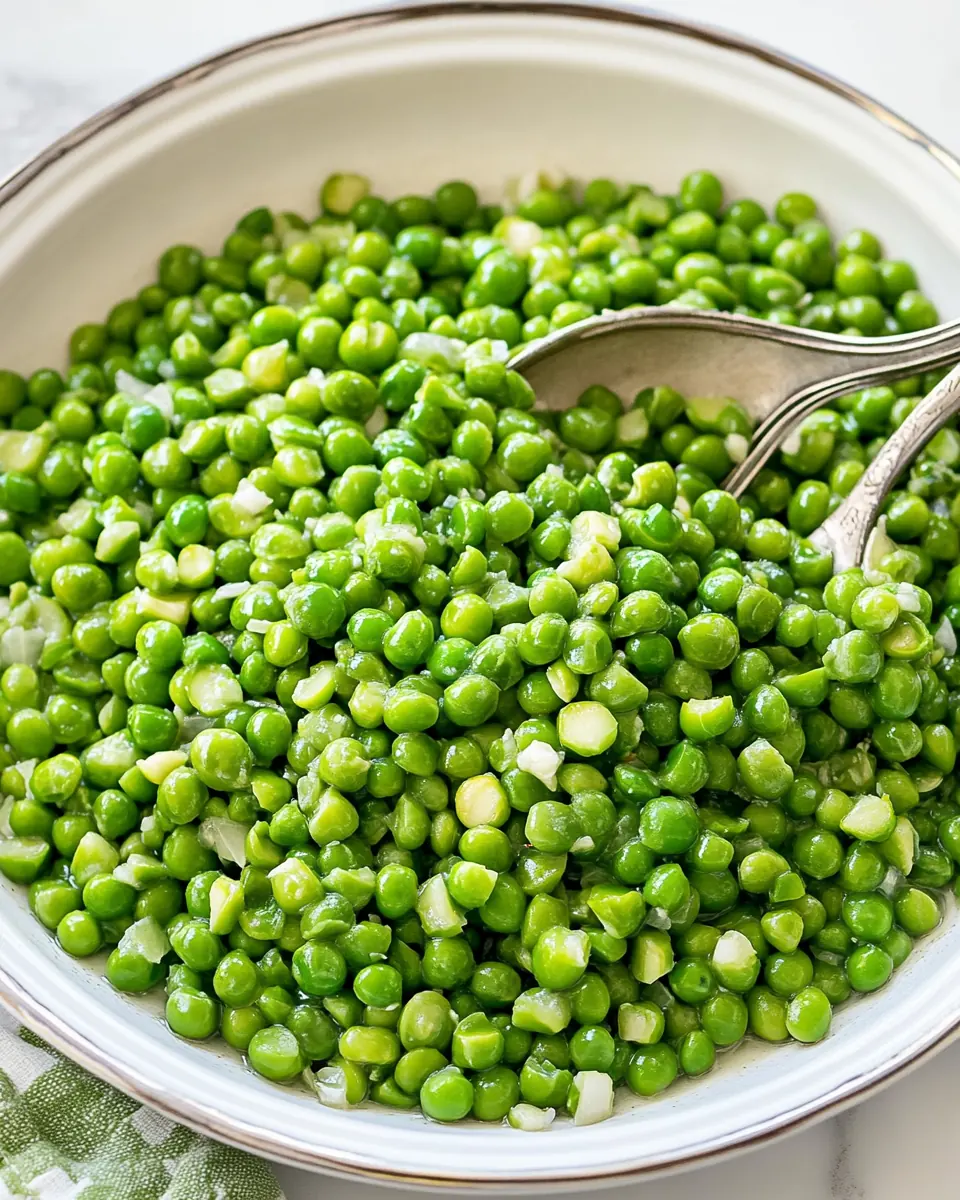
I like to keep the instructions conversational and sensory so you can feel confident at the stove. These steps move from melting butter to finishing with fresh dill, and I’ll point out what to listen for and what color changes to watch. Follow the cues to get the best texture and flavor.
- Melt the butter in a large skillet over medium heat.: You should hear a gentle sizzle as the butter settles into the pan and see it foam and then calm, giving off a warm, nutty aroma. This stage builds the flavor base and ensures the onion will cook evenly. If the butter browns too quickly, lower the heat to avoid a bitter note. One common mistake is cranking the heat which scorches the fat and ruins the delicate flavors, so be patient as the pan warms.
- Add the onion to the skillet and cook for 5 minutes until the onion is soft and translucent. Stir in the garlic and cook for another 30 seconds until aromatic.: As the onion softens, you will notice it turning glossy and losing its raw edge, releasing a sweet, mellow scent. After stirring in the minced garlic , lean in and catch the fragrant lift that comes almost instantly. Keep the heat moderate because garlic can burn in a blink, becoming acrid instead of fragrant. If the edges of the onion begin to brown too fast, reduce the heat and stir more frequently to promote even caramelization.
- Add the frozen peas and chicken broth. Season with salt and pepper and stir. Cook for 5 to 10 minutes or until most of the liquid has cooked off.: When the frozen peas hit the warm pan you will hear a soft hiss as they release chilled steam and begin to warm. The splash of broth adds a savory layer and creates a gentle simmer that helps the peas cook through without becoming waterlogged. Stirring until the liquid is incorporated ensures every pea picks up flavor. A common slip here is adding too much liquid; use the stated amount so the dish finishes with a glossy reduction rather than soupy.
- Garnish with lots of fresh dill. Serve with fresh lemon wedges, if preferred.: During this phase, watch for the broth to reduce into a silky glaze that clings to the peas . You want the peas to be tender but still hold their shape, and the sound of a light simmer will shift to occasional gentle bubbling as the liquid evaporates. Taste for texture; if the peas feel mealy, they are overcooked. Stir intermittently to prevent sticking, and if the pan dries out too quickly, add a splash more broth sparingly.
- Garnish with lots of fresh dill.: Finish with the chopped dill sprinkled over the hot peas , and watch the herb release an immediate, bright aroma. This final herbaceous note contrasts the warm, buttery base and lifts each bite. If you add the dill too early it will lose vibrancy, so save it for right before serving. One tip is to taste and adjust salt and pepper after the herb goes in, because fresh dill can subtly alter the perception of seasoning.
- Serve with fresh lemon wedges, if preferred.: A squeeze of lemon brightens the whole dish and accentuates the sweetness of the peas . If you choose to use lemon, add it sparingly and taste as you go to avoid overwhelming the herbs. A mistake some make is squeezing too much citrus which can dominate the delicate balance, so add gradually and test for harmony.
Tips and Variations
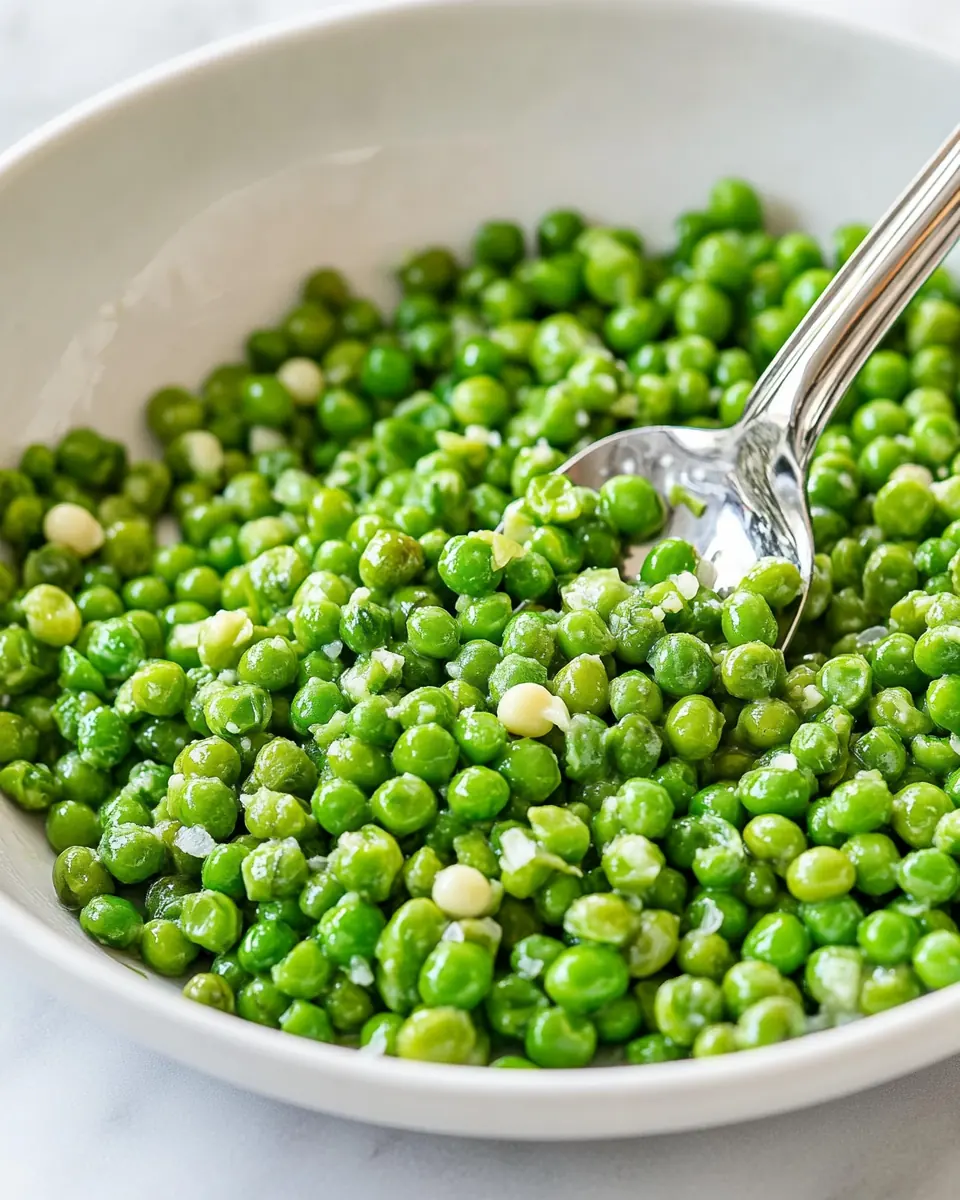
I like to offer practical variations that honor the simple spirit of Sautéed Peas while giving you options for different meals and seasons. These tips help you get consistent results and inspire small tweaks.
- Start with unsalted butter: Using unsalted butter makes it easier to manage salt levels, especially when your broth may already contain sodium.
- Mind the heat for the garlic: Add minced garlic after the onion softens to prevent burning and to keep the aroma bright rather than bitter.
- Keep some broth on hand: A little extra broth saved nearby helps if the pan dries out before the peas reach the ideal texture, but add it sparingly to avoid a soupy finish.
- Finish with fresh dill only: Add chopped dill at the end so the oils and fragrance remain vibrant, which is key to the dish’s spring like character.
- Stir gently to preserve texture: Handle the peas with care while stirring; aggressive stirring breaks them down and loses the pleasant pop of each bite.
- Adjust seasoning at the end: Taste after the dill goes in, because herbs can change your perception of salt and pepper, and small adjustments ensure balance.
- Serve immediately: This dish is best hot from the skillet when the aroma of dill and butter are most pronounced, though it keeps well for reheating.
Serving Suggestions
Sautéed Peas works as an elegant weeknight side or as part of a special dinner. It pairs nicely with roasted mains and makes for a spring friendly accompaniment. Below are serving ideas, storage tips, and pairing suggestions to make the most of this simple dish.
- As a side for dinner: Serve hot alongside roasted chicken or grilled fish for a bright, verdant counterpoint that keeps the plate balanced and colorful.
- For casual lunches: Spoon Sautéed Peas over warm grains or toss with cold pasta for a quick, flavorful midday meal that benefits from the fresh dill.
- Holiday or seasonal table: Bring this to a spring or family gathering as a light vegetable option, its color and fresh herb finish make it an appealing choice on a festive spread.
- Storage tips: Let the peas cool, then transfer to a shallow, airtight container and store in the fridge for 3 to 5 days; reheat gently to avoid overcooking.
- Freezing leftovers: Transfer cooled portions to freezer safe containers and freeze up to 6 months; thaw in the fridge and reheat slowly in a skillet with a splash of broth.
- Seasonal pairings: In spring, pair with fresh salads and lemon forward dishes; in cooler months, it brightens heartier mains without stealing the spotlight.
- Portioning: For a party, keep the peas warm in a shallow pan over low heat and stir occasionally to preserve texture and gloss.
- Presentation: Finish with a few extra sprigs of chopped dill on top for color and aroma just before serving to create an inviting plate.
- Occasions: Ideal for weeknight dinners, casual lunch spreads, spring gatherings, and anytime you want a fast, elegant vegetable dish.
- Make ahead notes: You can prep the onion and mince the garlic in advance; finish cooking shortly before serving to preserve the fresh herb notes.
FAQ
Conclusion
What makes this recipe special is its ability to turn a few simple ingredients into a lively, comforting side that feels both homey and refined. The balance of buttery richness, aromatic onion and garlic, and the bright finish of fresh dill lets the natural sweetness of the peas shine. Give this one a try next time you want a fast vegetable that still feels thoughtful, and let the small techniques like timing and finishing herbs show off why simple cooking can be so satisfying. I think you will find it becomes one of those dependable recipes you reach for again and again.
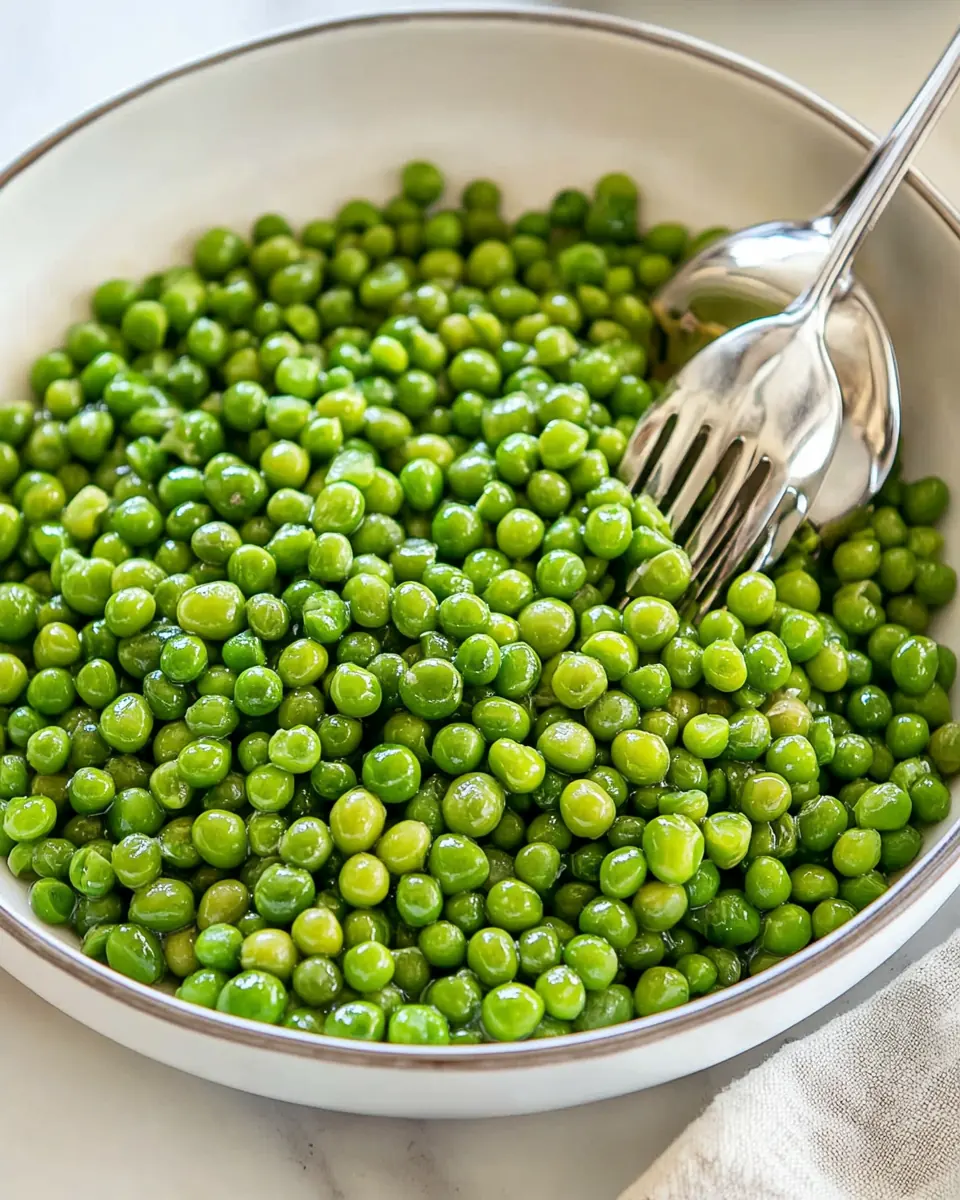
Sautéed Peas
Ingredients
Equipment
Method
- Melt the butter in a large skillet over medium heat.: You should hear a gentle sizzle as the butter settles into the pan and see it foam and then calm, giving off a warm, nutty aroma. This stage builds the flavor base and ensures the onion will cook evenly. If the butter browns too quickly, lower the heat to avoid a bitter note. One common mistake is cranking the heat which scorches the fat and ruins the delicate flavors, so be patient as the pan warms.
- Add the onion to the skillet and cook for 5 minutes until the onion is soft and translucent. Stir in the garlic and cook for another 30 seconds until aromatic.: As the onion softens, you will notice it turning glossy and losing its raw edge, releasing a sweet, mellow scent. After stirring in the minced garlic , lean in and catch the fragrant lift that comes almost instantly. Keep the heat moderate because garlic can burn in a blink, becoming acrid instead of fragrant. If the edges of the onion begin to brown too fast, reduce the heat and stir more frequently to promote even caramelization.
- Add the frozen peas and chicken broth. Season with salt and pepper and stir. Cook for 5 to 10 minutes or until most of the liquid has cooked off.: When the frozen peas hit the warm pan you will hear a soft hiss as they release chilled steam and begin to warm. The splash of broth adds a savory layer and creates a gentle simmer that helps the peas cook through without becoming waterlogged. Stirring until the liquid is incorporated ensures every pea picks up flavor. A common slip here is adding too much liquid; use the stated amount so the dish finishes with a glossy reduction rather than soupy.
- Garnish with lots of fresh dill. Serve with fresh lemon wedges, if preferred.: During this phase, watch for the broth to reduce into a silky glaze that clings to the peas . You want the peas to be tender but still hold their shape, and the sound of a light simmer will shift to occasional gentle bubbling as the liquid evaporates. Taste for texture; if the peas feel mealy, they are overcooked. Stir intermittently to prevent sticking, and if the pan dries out too quickly, add a splash more broth sparingly.
- Garnish with lots of fresh dill.: Finish with the chopped dill sprinkled over the hot peas , and watch the herb release an immediate, bright aroma. This final herbaceous note contrasts the warm, buttery base and lifts each bite. If you add the dill too early it will lose vibrancy, so save it for right before serving. One tip is to taste and adjust salt and pepper after the herb goes in, because fresh dill can subtly alter the perception of seasoning.
- Serve with fresh lemon wedges, if preferred.: A squeeze of lemon brightens the whole dish and accentuates the sweetness of the peas . If you choose to use lemon, add it sparingly and taste as you go to avoid overwhelming the herbs. A mistake some make is squeezing too much citrus which can dominate the delicate balance, so add gradually and test for harmony.
Notes
- Start with unsalted butter: Using unsalted butter makes it easier to manage salt levels, especially when your broth may already contain sodium.
- Mind the heat for the garlic: Add minced garlic after the onion softens to prevent burning and to keep the aroma bright rather than bitter.
- Keep some broth on hand: A little extra broth saved nearby helps if the pan dries out before the peas reach the ideal texture, but add it sparingly to avoid a soupy finish.
- Finish with fresh dill only: Add chopped dill at the end so the oils and fragrance remain vibrant, which is key to the dish’s spring like character.
- Stir gently to preserve texture: Handle the peas with care while stirring; aggressive stirring breaks them down and loses the pleasant pop of each bite.
- Adjust seasoning at the end: Taste after the dill goes in, because herbs can change your perception of salt and pepper, and small adjustments ensure balance.
- Serve immediately: This dish is best hot from the skillet when the aroma of dill and butter are most pronounced, though it keeps well for reheating.