Slow Cooked Coffee Glazed Brisket
Slow Cooked Coffee Glazed Brisket became one of those recipes I turn to when I want something comforting, bold, and a little bit unexpected on the table. The first time I made it, I was chasing a smoky, sweet sauce that would stand up to a thick cut of beef, and the addition of freshly brewed coffee surprised everyone at the dinner table. That night, neighbors lingered over plates, asking for seconds while the house smelled like a cozy roadside smokehouse.
I still remember the ritual of seasoning the raw brisket and searing it until a caramelized crust formed, the sound of hot oil hissing and the scent of meat transforming in the pan. The glaze simmers into a glossy, syrupy coating that clings to the slices, balancing savory depth with bright sweet notes from honey and tang from ketchup. It’s an easy recipe to love because it rewards patience with layers of flavor that feel luxurious without fuss.
Over time I adapted small habits that made the process more relaxed, like making the glaze while the brisket browns so everything moves smoothly. It’s become my go to when I want to feed a handful of friends, but it’s also forgiving on a weeknight when you want something hearty and satisfying. I often serve the slices with simple sides so the glaze remains the star. Every time I slice against the grain and return the meat to the pan juices, I feel a little proud, like I’ve coaxed the best out of a humble cut of beef. Try it once, and you’ll find reasons to make it again.
Recipe Snapshot
3 hr 15 mins
15 mins
180 mins
Hard
500 kcal
American
Gluten-Free, Paleo
Dinner
Dutch oven, Oven
Why This Slow Cooked Coffee Glazed Brisket Is a Winner
Comforting, yet unexpected
I love that Slow Cooked Coffee Glazed Brisket marries familiar comfort with a twist. The coffee adds an earthy backbone that deepens the savory profile without making the dish taste like a cup of joe. When guests taste it, they always pause, trying to place that rich, smoky note, and then they smile. It’s the kind of recipe that sparks conversation at the table.
Hands off, big payoff
What stands out to me is how hands off most of the time is, yet the payoff is enormous. After an initial sear and a careful glaze pour, the oven does the heavy lifting. That slow cooking time lets collagen melt and flavors concentrate, which means you get fork tender brisket with very little babysitting. I’m always reminded that patience in the kitchen pays dividends.
Balance of sweet and savory
The glaze is a study in balance. The combination of honey, ketchup, and chili sauce layers sweetness, tang, and mild heat, while Worcestershire sauce and a splash of soy sauce bring umami that grounds the profile. I appreciate how each ingredient has a job, and together they create a glossy finish that makes the slices sing.
Versatile serving options
I find Slow Cooked Coffee Glazed Brisket works for many occasions, from a cozy winter dinner to an easy weekend gathering. You can slice it thin for sandwiches or present generous slices for a plated meal. That flexibility means I rely on the recipe whether I want low fuss or something that feels special. It’s also easy to reheat and remain juicy when stored properly.
Approachable technique
Finally, the technique is approachable. If you can brown a piece of beef and mix a few pantry staples, you can pull this off. I like that it invites cooks of all levels to experiment without fear, and the sensory cues along the way help guide you to success.
What to Buy for Slow Cooked Coffee Glazed Brisket
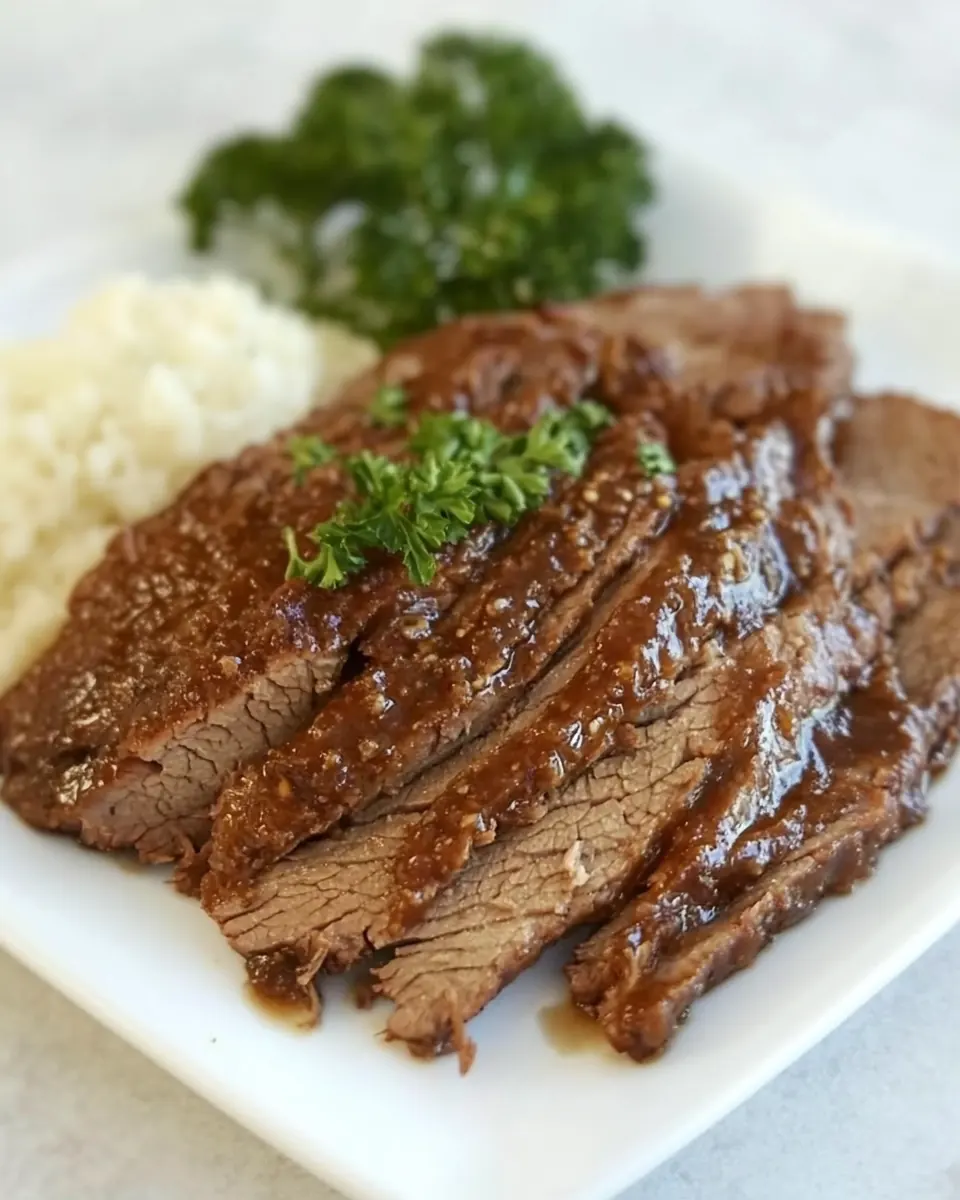
These ingredients work together to build a deep, layered sauce while supporting the rich texture of a slow cooked cut of beef. The brisket provides the gelatinous meatiness, while the sweeteners and condiments create a glossy glaze that both caramelizes and keeps the slices juicy. The key players are the coffee for depth, the trio of sweet and tangy sauces for balance, and the salt and pepper to let the meat sing.
- 3 pounds beef brisket (thin first cut if possible): Season generously and help create a flavorful crust while enhancing the natural beef taste; use kosher salt and freshly ground pepper to balance and intensify the meat’s savory profile during long, slow cooking. Apply evenly on all sides before searing and slow roasting to draw out moisture and form a rich bark that carries the glaze.
- Kosher salt and freshly ground pepper: Sear brisket to develop deep brown color and concentrated flavor; heat canola oil in a heavy skillet until shimmering and use it to brown the meat on all sides before transferring to the slow cooker. Allow the oil to coat the pan to promote even Maillard reaction without smoking.
- 2 tablespoons canola oil: Add bold roasted coffee notes and slight bitterness to counterbalance the sweetness of the glaze; pour freshly brewed coffee into the cooking liquid to deepen the sauce’s complexity and add moisture for low-and-slow braising. Use a robust brew to ensure the coffee stands up to the other strong flavors.
- 1/2 cup freshly brewed coffee: Provide tangy tomato richness and body to the glaze; incorporate ketchup into the sauce base to thicken and lend subtle sweetness while binding other liquid ingredients. Stir well to create a cohesive glaze that clings to the brisket during finishing.
- 1/2 cup ketchup: Contribute sweet-tart tomato-based flavor and additional texture to the sauce; mix in chili sauce to enhance the glaze’s sweet-savory dimension and introduce a gentle spiciness. Use it to round out flavors and help achieve a glossy finish on the meat.
- 1/2 cup chili sauce: Impart natural sweetness and sticky gloss to the glaze while balancing savory and acidic components; add honey to create caramelization and a lacquered crust as the brisket finishes. Adjust amount to control sweetness and sheen.
- 1/2 cup honey: Introduce savory, umami-rich depth and a salty, tangy backbone; blend Worcestershire sauce into the braising liquid to lift flavors and add complexity with vinegar and anchovy undertones. Use it sparingly to avoid overpowering more subtle ingredients.
- 1/3 cup Worcestershire sauce: Provide aromatic pungency and subtle heat to the sauce; mince garlic and incorporate into the glaze or rub to infuse savory fragrance throughout the brisket during slow cooking. Sauté briefly if desired to mellow raw sharpness before combining with liquids.
- 1 clove garlic, minced: Enhance overall saltiness and deepen umami intensity in the glaze; add soy sauce to taste to anchor sweet and acidic components and boost savory richness in the finished sauce. Use 1–2 tablespoons depending on desired salt level and soy flavor concentration.
- 1 2 tablespoons soy sauce: Create balanced seasoning control by combining coarse salt and pepper with the oil for initial searing and glaze application; use them together to ensure even flavor distribution and proper crust development on the brisket. Adjust amounts to taste before slow cooking.
How to Assemble Slow Cooked Coffee Glazed Brisket
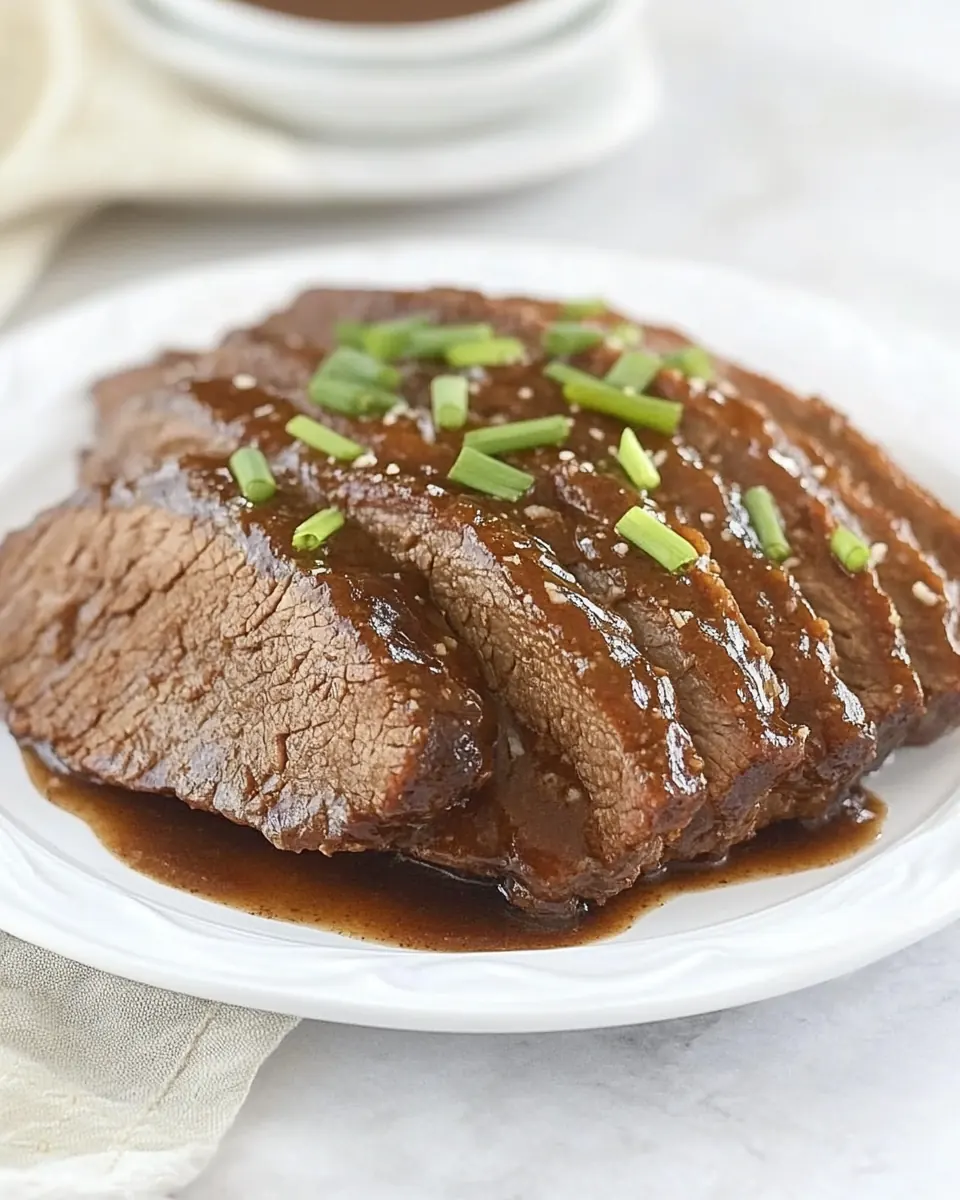
I like to approach this recipe as a sequence of sensory checkpoints, so you always know you are on the right track. The gentle oven time transforms the meat while the glaze concentrates, and each step gives visual and aromatic cues that tell you what to expect. Below are the cleaned directions rewritten into guided steps that keep you calm and confident at the stove.
- Heat oil in a Dutch oven. Season brisket with salt and pepper. Add the brisket, fat side down and cook until well browned, about 4-5 minutes per side.: As the oil warms, you will hear a faint ripple and see it shimmer, signaling it is ready to sear. The pan should be hot enough that when you lay the brisket in, it sizzles immediately, forming a brown crust. This Maillard reaction contributes nutty, savory flavors that are vital to the final dish. If the oil smokes, lower the heat to prevent bitterness. A common misstep is overcrowding the pot, which makes the meat steam instead of sear, so work with enough surface space.
- Preheat your oven to 325º.: After patting the brisket dry, you will feel the texture change as the seasonings adhere. Even seasoning at this stage helps build flavor from the inside out during the long cook. I press the salt and freshly ground pepper into the meat so it forms a seasoning crust when seared. Avoid oversalting because the glaze will reduce and intensify salty notes.
- Combine the remaining ingredients, place the brisket in a Dutch oven, and pour sauce over the brisket.: When the meat hits the hot oil, listen for a steady sizzle and watch for a deepening brown color. That crust signals that flavorful compounds are forming, leading to a richly flavored sauce later. Flip carefully so the sear remains intact. Rushing this step or turning too often prevents proper browning.
- Cover and bake in 325º oven for 2 1/2-3 hours, flipping halfway through cooking time.: You will notice the kitchen temperature settle into a warm hum as the oven comes up to heat. The low and steady oven environment allows connective tissue in the brisket to break down slowly, yielding tender slices. Confirm the oven reaches the desired temperature before inserting the pan, as placing cold meat into an oven that is still warming can extend cooking time and affect texture.
- Check the beef and if it shreds easily with a fork, it's done.: As you whisk together the coffee , ketchup , chili sauce , honey , Worcestershire sauce , minced garlic , and soy sauce , inhale the evolving aroma of sweet, salty, and roasted notes. Pouring this mixture over the seared brisket helps distribute flavors evenly and creates a bathing liquid that will reduce into the glaze. A frequent error is not tasting the sauce before baking, so take a spoonful and adjust seasoning if needed.
- Remove to a cutting board and slice against the grain.: In the oven, you will begin to notice a deep, concentrated scent coming from the pot as sugars caramelize and beef juices mingle with the glaze. The long, low bake allows collagen to melt and makes the meat tender. Flip at the halfway point to ensure even exposure to juices and glaze. One mistake to avoid is opening the oven too often, which drops temperature and lengthens cooking time.
- Place the slices back in the Dutch oven to allow slices to absorb some of the pan juices. Serve with sauce.: The tactile cue of the fork gliding through the meat is the clearest sign of readiness, and you will see strands separating gently rather than tearing. This texture means collagen has converted to gelatin, delivering that silky mouthfeel. If it resists, return it to the oven and check again later; undercooking will leave the meat tough rather than tender.
- Alternatively, you may cook in a slow cooker on low for 8 hours, flipping at the halfway mark.: Slicing against the grain shortens muscle fibers, producing tender bite sized pieces rather than long, chewy strands. Look for the direction of fibers and cut perpendicular to them for the best texture. If you slice with the grain, the meat will feel stringy and tougher, so take a moment to orient the cut.
- Place the slices back in the Dutch oven to allow slices to absorb some of the pan juices: Returning the sliced brisket to the warm juices lets the glaze cling to every surface, amplifying flavor and keeping the meat moist. You will see the sauce gloss over the slices and smell intensified aromatics. A common oversight is plating immediately, which can leave the meat drier and the sauce separated; resting in the pan allows flavors to marry.
- Serve with sauce: As you spoon the glossy sauce over the plated slices, the shine and the perfume of roasted coffee and sweet glaze will be the first impression for diners. Serving warm keeps the texture luscious and highlights the contrast between crust and tender interior. Avoid refrigerating and serving cold shortly after cooking, as the glaze firms up and the experience is less pleasant.
- Alternatively you may cook in a slow cooker on low for 8 hours, flipping at the halfway mark: Cooking low and slow in a crock produces a deeply tender result with minimal monitoring. You will notice a diffuse, steady aroma signaling progress, and the meat will become fall apart tender. The trade off is less surface crust than searing and oven braising, so if you prefer a caramelized exterior, searing first is recommended. A mistake to watch for is adding too little liquid in the slow cooker, which can lead to dryness during the long cook.
Variations to Try
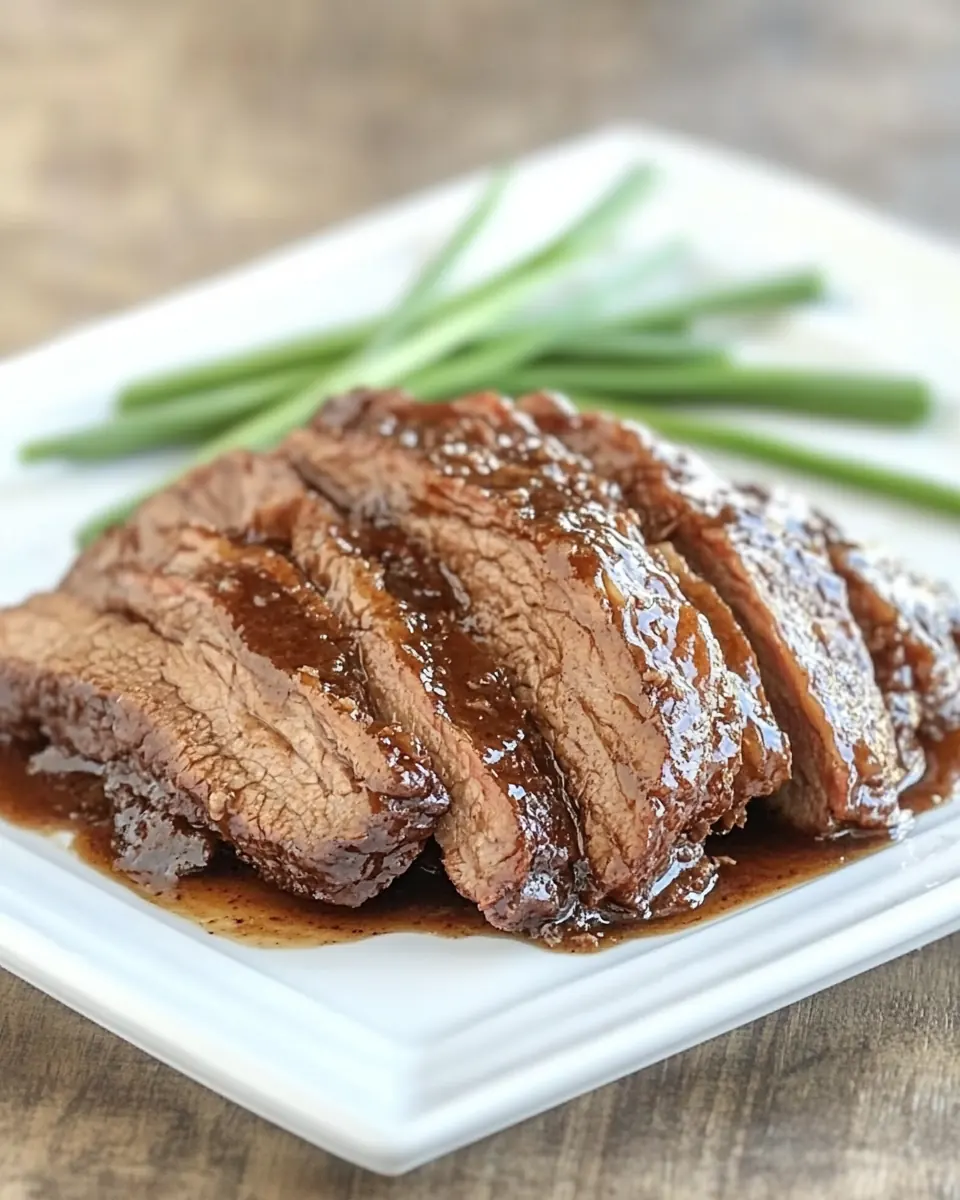
If you like experimenting, these variations let you nudge the flavor profile without changing the method. Each tip below highlights a simple shift you can make with pantry ingredients, and they are phrased so you can pick one or combine several to suit your mood or the occasion.
- Stronger coffee note Adjust the coffee to a darker, bolder brew to deepen the roast character, which plays beautifully against the sweet glaze and amplifies the savory backbone.
- Adjust sweetness Vary the honey quantity to suit your taste, using the lower amount if you plan to reduce the glaze significantly, to avoid an overly sticky finish.
- Boost umami Increase the Worcestershire sauce slightly for a richer, meatier glaze, but balance with a touch more honey if it becomes too tangy.
- Mild heat Keep the chili sauce as written for a gentle warmth, or swap in a milder variety if you prefer no perceptible heat at all.
- Slow cooker option Use the low and slow method for a hands off day; sear first if you want more crust, otherwise the meat will be softer with less surface caramelization.
What to Pair With Slow Cooked Coffee Glazed Brisket
This glaze forward brisket pairs wonderfully with simple, textural sides that let the meat remain the hero. Think about contrast in texture and temperature, and choose sides that can soak up sauce or offset the sweetness. Below are specific serving ideas, storage tips, and occasion suggestions to help you plan a complete meal.
- Mashed potatoes or creamy polenta Thick, creamy starches absorb the sauce beautifully, creating a comforting base that balances the brisket‘s bold flavor. Serve hot so the potatoes pick up the glaze.
- Roasted root vegetables Carrots, parsnips, and sweet potatoes bring roasted sweetness and a firmer bite, great for textural contrast. Roast until caramelized to echo glaze notes.
- Simple green salad A bright, acidic salad with a light vinaigrette cuts through the richness, refreshing the palate between bites of glazed brisket.
- Sandwiches Thinly sliced brisket piled on crusty bread with a smear of extra sauce makes a hearty sandwich option for casual lunches or a game day spread.
- Occasions This recipe fits winter dinners, weekend gatherings, and special family meals. Its warming profile and make ahead potential make it ideal for longer celebrations or when you want an impressive, low stress centerpiece.
- Storage tips Refrigerate leftover slices in the pan juices to keep them moist, and reheat gently over low heat so the glaze loosens without burning. Properly stored, leftovers last three to four days.
- Seasonal pairing In colder months, serve with root vegetables and braised greens. The hearty flavors feel particularly fitting during winter meals and cozy evenings.
FAQ
Conclusion
What makes Slow Cooked Coffee Glazed Brisket special is its bold, layered glaze that elevates a simple cut of meat into something rich and memorable. The marriage of roasted coffee, sweet syrupy honey, and savory condiments yields a sticky, lacquered finish that clings to tender slices, creating a satisfying contrast of textures. I encourage you to give it a try, whether for a cozy dinner or when you want to impress guests with minimal fuss. Serve it warm, slice against the grain, and let the savory sweetness shine through.
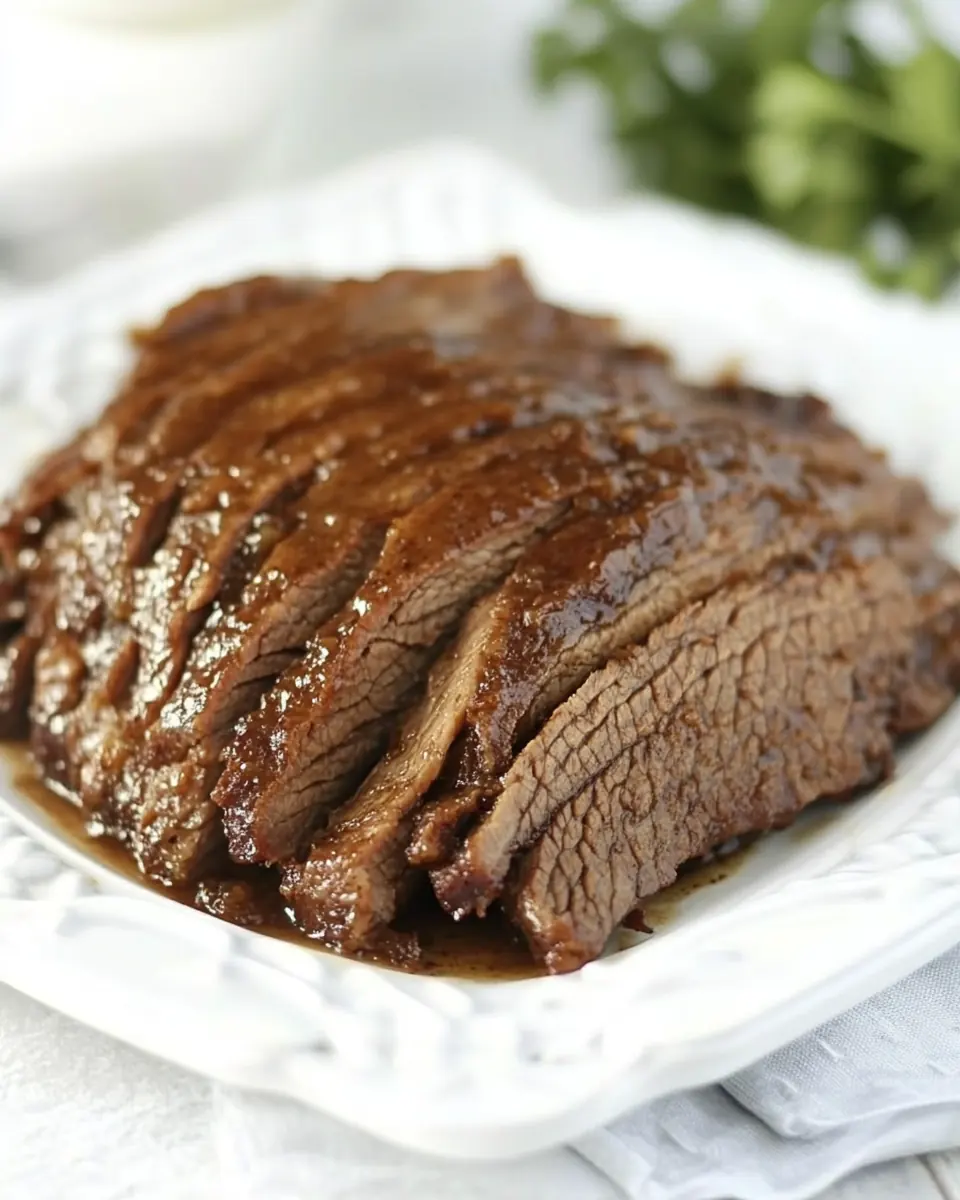
Slow Cooked Coffee Glazed Brisket
Ingredients
Equipment
Method
- Heat oil in a Dutch oven. Season brisket with salt and pepper. Add the brisket, fat side down and cook until well browned, about 4-5 minutes per side.: As the oil warms, you will hear a faint ripple and see it shimmer, signaling it is ready to sear. The pan should be hot enough that when you lay the brisket in, it sizzles immediately, forming a brown crust. This Maillard reaction contributes nutty, savory flavors that are vital to the final dish. If the oil smokes, lower the heat to prevent bitterness. A common misstep is overcrowding the pot, which makes the meat steam instead of sear, so work with enough surface space.
- Preheat your oven to 325º.: After patting the brisket dry, you will feel the texture change as the seasonings adhere. Even seasoning at this stage helps build flavor from the inside out during the long cook. I press the salt and freshly ground pepper into the meat so it forms a seasoning crust when seared. Avoid oversalting because the glaze will reduce and intensify salty notes.
- Combine the remaining ingredients, place the brisket in a Dutch oven, and pour sauce over the brisket.: When the meat hits the hot oil, listen for a steady sizzle and watch for a deepening brown color. That crust signals that flavorful compounds are forming, leading to a richly flavored sauce later. Flip carefully so the sear remains intact. Rushing this step or turning too often prevents proper browning.
- Cover and bake in 325º oven for 2 1/2-3 hours, flipping halfway through cooking time.: You will notice the kitchen temperature settle into a warm hum as the oven comes up to heat. The low and steady oven environment allows connective tissue in the brisket to break down slowly, yielding tender slices. Confirm the oven reaches the desired temperature before inserting the pan, as placing cold meat into an oven that is still warming can extend cooking time and affect texture.
- Check the beef and if it shreds easily with a fork, it's done.: As you whisk together the coffee , ketchup , chili sauce , honey , Worcestershire sauce , minced garlic , and soy sauce , inhale the evolving aroma of sweet, salty, and roasted notes. Pouring this mixture over the seared brisket helps distribute flavors evenly and creates a bathing liquid that will reduce into the glaze. A frequent error is not tasting the sauce before baking, so take a spoonful and adjust seasoning if needed.
- Remove to a cutting board and slice against the grain.: In the oven, you will begin to notice a deep, concentrated scent coming from the pot as sugars caramelize and beef juices mingle with the glaze. The long, low bake allows collagen to melt and makes the meat tender. Flip at the halfway point to ensure even exposure to juices and glaze. One mistake to avoid is opening the oven too often, which drops temperature and lengthens cooking time.
- Place the slices back in the Dutch oven to allow slices to absorb some of the pan juices. Serve with sauce.: The tactile cue of the fork gliding through the meat is the clearest sign of readiness, and you will see strands separating gently rather than tearing. This texture means collagen has converted to gelatin, delivering that silky mouthfeel. If it resists, return it to the oven and check again later; undercooking will leave the meat tough rather than tender.
- Alternatively, you may cook in a slow cooker on low for 8 hours, flipping at the halfway mark.: Slicing against the grain shortens muscle fibers, producing tender bite sized pieces rather than long, chewy strands. Look for the direction of fibers and cut perpendicular to them for the best texture. If you slice with the grain, the meat will feel stringy and tougher, so take a moment to orient the cut.
- Place the slices back in the Dutch oven to allow slices to absorb some of the pan juices: Returning the sliced brisket to the warm juices lets the glaze cling to every surface, amplifying flavor and keeping the meat moist. You will see the sauce gloss over the slices and smell intensified aromatics. A common oversight is plating immediately, which can leave the meat drier and the sauce separated; resting in the pan allows flavors to marry.
- Serve with sauce: As you spoon the glossy sauce over the plated slices, the shine and the perfume of roasted coffee and sweet glaze will be the first impression for diners. Serving warm keeps the texture luscious and highlights the contrast between crust and tender interior. Avoid refrigerating and serving cold shortly after cooking, as the glaze firms up and the experience is less pleasant.
- Alternatively you may cook in a slow cooker on low for 8 hours, flipping at the halfway mark: Cooking low and slow in a crock produces a deeply tender result with minimal monitoring. You will notice a diffuse, steady aroma signaling progress, and the meat will become fall apart tender. The trade off is less surface crust than searing and oven braising, so if you prefer a caramelized exterior, searing first is recommended. A mistake to watch for is adding too little liquid in the slow cooker, which can lead to dryness during the long cook.
Notes
- Stronger coffee note Adjust the coffee to a darker, bolder brew to deepen the roast character, which plays beautifully against the sweet glaze and amplifies the savory backbone.
- Adjust sweetness Vary the honey quantity to suit your taste, using the lower amount if you plan to reduce the glaze significantly, to avoid an overly sticky finish.
- Boost umami Increase the Worcestershire sauce slightly for a richer, meatier glaze, but balance with a touch more honey if it becomes too tangy.
- Mild heat Keep the chili sauce as written for a gentle warmth, or swap in a milder variety if you prefer no perceptible heat at all.
- Slow cooker option Use the low and slow method for a hands off day; sear first if you want more crust, otherwise the meat will be softer with less surface caramelization.