Strawberry Chicken with Goat Cheese
Strawberry Chicken with Goat Cheese felt like a tiny celebration the first time I served it to friends on a breezy spring evening. I remember carrying a warm skillet to the table, the scent of seared chicken and sweet, tangy strawberry sauce mingling in the air, and everyone leaning in to take a bite. That moment made me realize how a few thoughtful ingredients can turn a simple protein into something that feels special and seasonal.
I often make this recipe when I want something that looks elevated but does not demand a whole day of work. It combines fresh, bright flavors with creamy goat cheese tucked into the center of thin, tenderized chicken breasts. The contrast between warm, savory chicken and the vibrant strawberry sauce is unexpectedly delicious, and guests always ask for the recipe. I like serving it with light sides and a glass of something chilled when the weather leans toward warm.
Recipe Snapshot
30 mins
10 mins
20 mins
Medium
350 kcal
American
Gluten-Free, Low FODMAP
Dinner
Oven, Oven safe pan, Large pot, Rolling pin or meat mallet, Instant read thermometer
Why We Love This Strawberry Chicken with Goat Cheese
Bright spring flavor
I love how Strawberry Chicken with Goat Cheese captures the spirit of spring. The strawberry sauce brings a fresh, slightly tart sweetness that lifts the whole dish, and it makes the plate feel seasonal without fuss. I’ll often choose this dish when the farmers market is full of ripe berries.
Texture contrast
The interplay between creamy goat cheese and tender chicken is what keeps me coming back. That burst of creamy tang inside each roll-up creates pockets of richness that pair perfectly with the silky fruit sauce. It’s a simple trick that makes a plain protein sing.
Effort that rewards
This recipe looks and tastes like you spent more time than you did. A few minutes pounding the chicken, a quick sear, and a short bake deliver restaurant caliber texture and flavor. I often say it is an easy weeknight dish that will make guests think you planned for hours.
Flexible and elegant
I appreciate how adaptable it is. You can scale it up for a small dinner party or keep it cozy for two, and the presentation reads as elegant even when the technique is straightforward. The garnish of fresh basil adds a final aromatic flourish that ties the flavors together.
Family friendly, yet grown up
This dish bridges comfort and sophistication. Kids tend to like the mild chicken, while adults enjoy the layered flavors of honey, balsamic, and tangy goat cheese. It’s one of those recipes that works across generations, which makes it a keeper in my rotation.
Ingredients to Make Strawberry Chicken with Goat Cheese
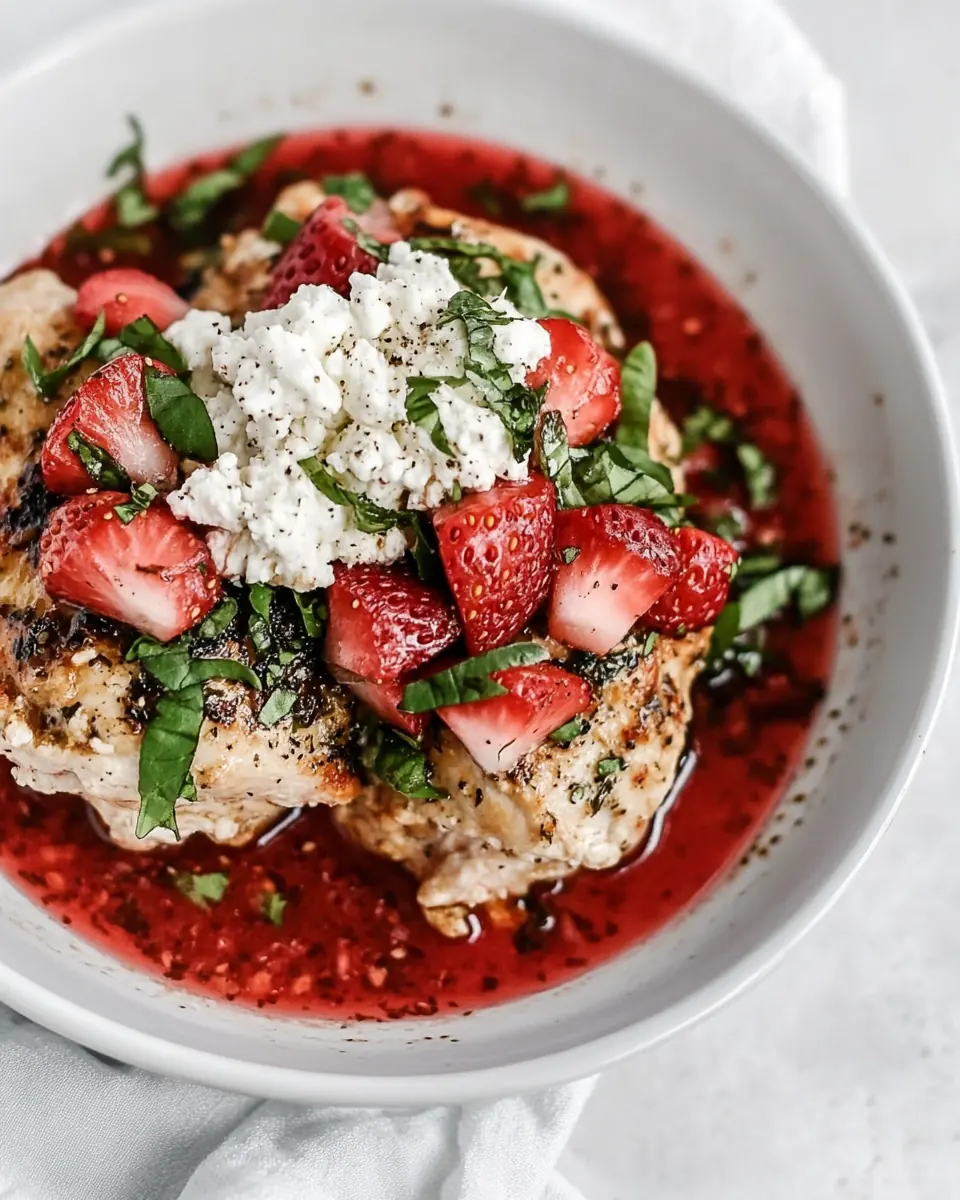
These ingredients lean into contrast and balance. The key players are the chicken for savory body, the strawberry for bright acidity and natural sweetness, and the goat cheese for creamy tang. A touch of olive oil and a splash of balsamic plus honey helps the sauce sing without overpowering the mildness of the chicken. Fresh basil finishes the dish with herbal lift.
- 1 pound chicken breast (about 4 small breasts): Season lightly to enhance and balance the chicken's natural flavor, helping to bring out savory notes while moderating sweetness from the strawberries and honey. Use sparingly during cooking and adjust at the table to avoid overpowering delicate goat cheese and balsamic nuances.
- Salt: Preserve aromatic complexity by sprinkling dried basil for gentle herbal warmth that complements both chicken and strawberries; it adds Mediterranean character without overwhelming the dish. Rehydrate slightly in pan juices to release oils and bind flavors with the balsamic–honey glaze.
- Dried basil: Crumble over or dot the finished chicken to introduce tangy, creamy richness that contrasts with the fruit components and elevates mouthfeel. Allow small portions to soften slightly from residual heat so the goat cheese melds into the sauce without fully melting.
- 2 ounces goat cheese: Sear with a small amount of olive oil to achieve even browning and prevent sticking while contributing a subtle fruity, peppery undertone. Measure precisely to avoid excess oiliness; olive oil also helps conduct heat for a tender, juicier chicken breast.
- 2 teaspoons olive oil: Concentrate flavor by gently macerating chopped strawberries with water, balsamic, and honey to create a bright, slightly saucy topping that pairs with the goat cheese. Maintain bite-sized pieces so the fruit provides bursts of acidity and sweetness without dominating texture.
- 1 cup ripe strawberries, roughly chopped and tightly packed (180 g): Add sparingly to loosen the strawberry mixture and create a light, glossy sauce that helps coat the chicken; water also prevents the glaze from becoming too thick as it reduces. Use measured amounts to maintain concentrated fruit flavor while achieving desired sauciness.
- 4 tablespoons water: Brighten the strawberry glaze with a sharp, aged balsamic that supplies acidity, complexity, and mild sweetness, helping to tie fruit and cheese together. Choose a thick, high-quality vinegar so a little goes a long way and the glaze develops depth during reduction.
- 1 teaspoon good-quality thick balsamic vinegar: Sweeten modestly to balance the balsamic's acidity and the goat cheese's tang, promoting harmony between savory chicken and fruit components. Combine with heat to dissolve fully into the glaze for a cohesive, slightly caramelized finish.
- 1 teaspoon honey: Garnish at the end to add fresh herbal aroma and visual contrast, enhancing the dish's presentation while imparting a bright basil note. Tear or chiffonade leaves to release oils and avoid large pieces that could overpower delicate flavors.
- Fresh basil, for garnish: Season the chicken breasts with salt before cooking to improve texture and flavor absorption, ensuring even seasoning throughout. Pat dry first for better browning and apply salt cautiously to harmonize with other seasoned components.
Recipe Steps for Strawberry Chicken with Goat Cheese
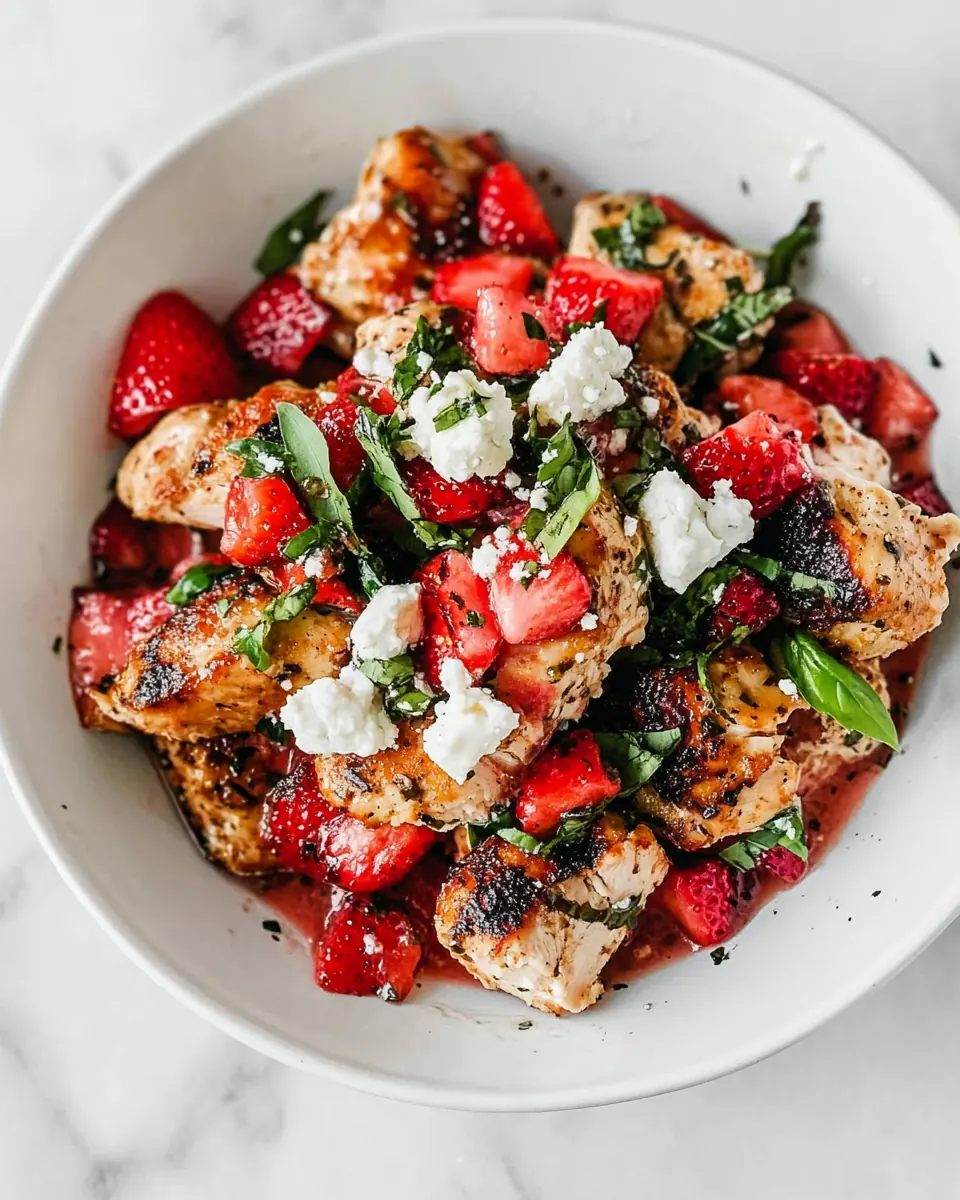
I love the rhythm of this recipe because it moves from prep to sear to bake, with a simple stovetop sauce making the final impression. Below, each step is written to guide you through sensory cues, reasons why, and common pitfalls to avoid so you feel confident at every turn.
- Preheat your oven to 350°F.: Warm air fills the kitchen as the oven comes up to temperature, and that steady heat at 350°F ensures the chicken cooks through gently after searing. Preheating is crucial, because starting in a cold oven will change your bake time and can dry the meat. A common mistake is not waiting for the oven to fully preheat, which leads to inconsistent doneness.
- Place the chicken between two layers of parchment paper and use a rolling pin or meat mallet to pound it out thinly. Sprinkle both sides with salt and dried basil (no need to measure).: When you pound the chicken , you should feel the fibers relax and hear a soft slap as the meat flattens. This creates an even thickness so the center cooks at the same rate as the edges. The salt draws out a bit of moisture and seasons the meat through, while dried basil adds base herb notes. Avoid pounding so thin that the meat tears, which will make rolling difficult and cause filling leakage.
- Place 1/2 ounce of cheese at the end of each breast and roll up tightly, using toothpicks to secure if needed.: The tactile pleasure here is forming neat little logs of chicken with a creamy center. The goat cheese should be firm enough to handle but soft enough to melt slightly during baking. Rolling tightly helps maintain shape and creates that contrast between a crisp exterior and a melted core. A common error is overfilling which causes the cheese to escape during searing and baking.
- Heat the oil in a large, oven-safe pan on high heat. Sear the chicken breasts until golden brown on both sides, about 1 to 2 minutes per side.: You want the pan hot enough that the olive oil shimmers and gives a satisfying sizzle when the chicken hits the surface. That initial sear creates browned, aromatic crusts and locks in juices, producing savory notes that contrast the sweet sauce. Look for even golden coloration rather than blackened spots. If the pan is overcrowded, the chicken will steam instead of sear, so give each piece space.
- Transfer to the oven and bake until an instant-read thermometer inserted into the chicken breast reads 165°F degrees, about 15 to 20 minutes.: In the oven, the heat finishes cooking through gently, melting the goat cheese and allowing flavors to meld. The thermometer is your best friend, and reaching 165°F ensures food safety while keeping the meat juicy. If you skip the thermometer, you risk overcooking, which dries the chicken out. If the cheese starts leaking, tent lightly with foil to protect edges while allowing internal heat to continue.
- While the chicken bakes, combine the strawberries and water in a large pot and bring to a boil. Once boiling, reduce the heat to medium and simmer until the strawberries break down and the sauce thickens up slightly, about 7 to 10 minutes.: The pot will soon fill with the bright aroma of warm strawberry s as they soften and release juices. Boiling then simmering concentrates the fruit, and you should see the mixture bubble and reduce to a glossy sauce. Use a wooden spoon to break larger pieces as they soften. A frequent mistake is simmering too long which can overly reduce the sauce to a jammy texture rather than a spoonable glaze.
- Remove from heat and stir in the vinegar and honey.: Off the heat, the steam eases and the sauce cools slightly, which is the perfect moment to add the balsamic and honey so they integrate without evaporating. The vinegar adds acid and depth, while the honey balances and shines. Stir until smooth and taste for balance. If you add the vinegar while the sauce is boiling hard, the acid can become harsh, so gentle mixing off heat is best.
- Spoon the sauce over the chicken and garnish with basil and extra thick balsamic if desired. Serve hot.: The final assembly is visual and aromatic, a glossy ribbon of strawberry sauce splashed over warm chicken that releases a mix of savory and fruity scents. Fresh basil torn on top lifts the flavors and adds a green note. Serve immediately so the textures remain distinct. Letting the plated dish sit too long will cause the sauce to soften the crust and reduce the contrast that makes this recipe memorable.
Ways to Adapt This Recipe
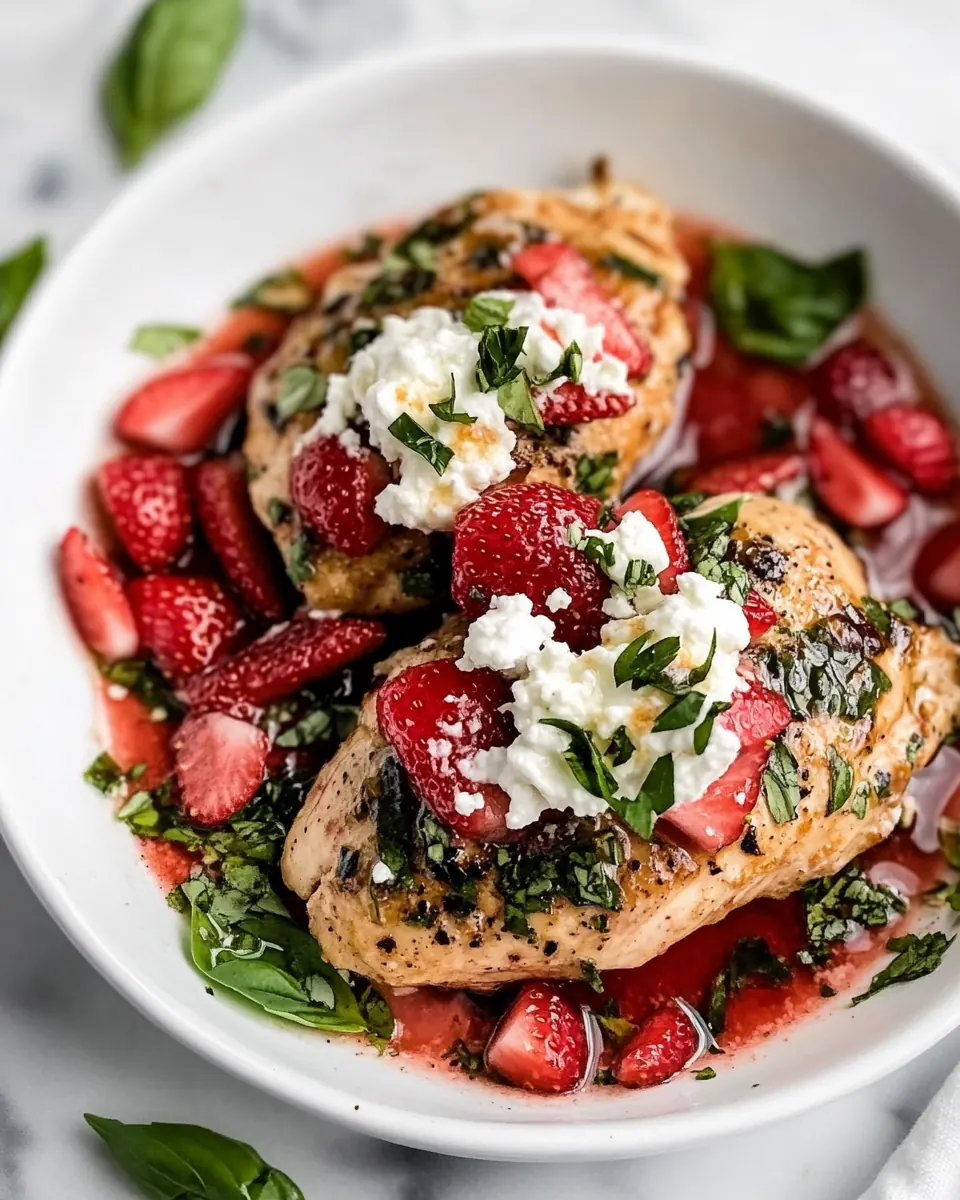
I like to offer small, practical adjustments so you can tune this dish to your pantry and mood. Below are adaptable tips that keep the core flavors intact while offering variations on texture, presentation, and timing.
- Make-ahead prep: Prep and roll the chicken up to a day ahead, store covered in the refrigerator, then sear and bake when you are ready to serve.
- Sauce texture: If you prefer a smoother sauce, blend the cooked strawberrys briefly with an immersion blender, then return to the pot to thicken slightly.
- Bake timing: If your breasts are thicker, tent with foil and add a few extra minutes in the oven while relying on an instant-read thermometer for doneness.
- Presentation: Slice the rolls on a slight bias to show the creamy goat cheese center and drizzle the sauce in a controlled line across the plate for an elegant look.
- Sweetness balance: Adjust the honey up or down depending on how ripe your strawberrys are; taste the sauce before final plating.
- Garnish options: Use whole or chiffonade fresh basil leaves for both aroma and visual contrast, adding them just before serving to preserve brightness.
Perfect Pairings for Strawberry Chicken with Goat Cheese
This dish pairs beautifully with light, fresh sides and settings that lean spring or early summer. Below are serving ideas, occasion notes, and storage pointers laid out so you can choose the right companion for your meal.
- Light green salad: A simple salad of mixed greens with a lemon vinaigrette complements the fruity sauce without competing with it.
- Grain sides: Serve with a bed of fluffy couscous or herbed quinoa to absorb the sauce and add a neutral, hearty base.
- Vegetable accompaniments: Roasted asparagus or steamed green beans work well, they add a crisp, vegetal contrast to the creamy interior of the rolls.
- Occasions: This is a great option for a spring dinner, brunch with friends, or a special weeknight when you want an elegant but simple main.
- Serving style: Serve family style with the skillet on the table, or plate individually for a more formal presentation; either approach highlights the glossy sauce and basil garnish.
- Storage tips: Store leftover chicken and sauce separately in airtight containers in the refrigerator for up to 3 days; reheat gently to preserve texture.
- Seasonal pairing: Lean into spring berries and herbs for a seasonal menu, and consider light appetizers to keep the meal feeling fresh.
FAQ
Conclusion
This recipe stands out because it pairs the savory comfort of seared and baked chicken with a vibrant, slightly sweet strawberry sauce and creamy goat cheese for a memorable contrast of flavors and textures. Give it a try when you want an approachable dish that looks thoughtful and tastes like you spent time crafting it. You may find it becomes a springtime favorite that friends ask for again, thanks to its bright flavors and elegant presentation. I hope you enjoy how simple techniques and fresh ingredients can elevate an ordinary weeknight into a meal worth sharing.
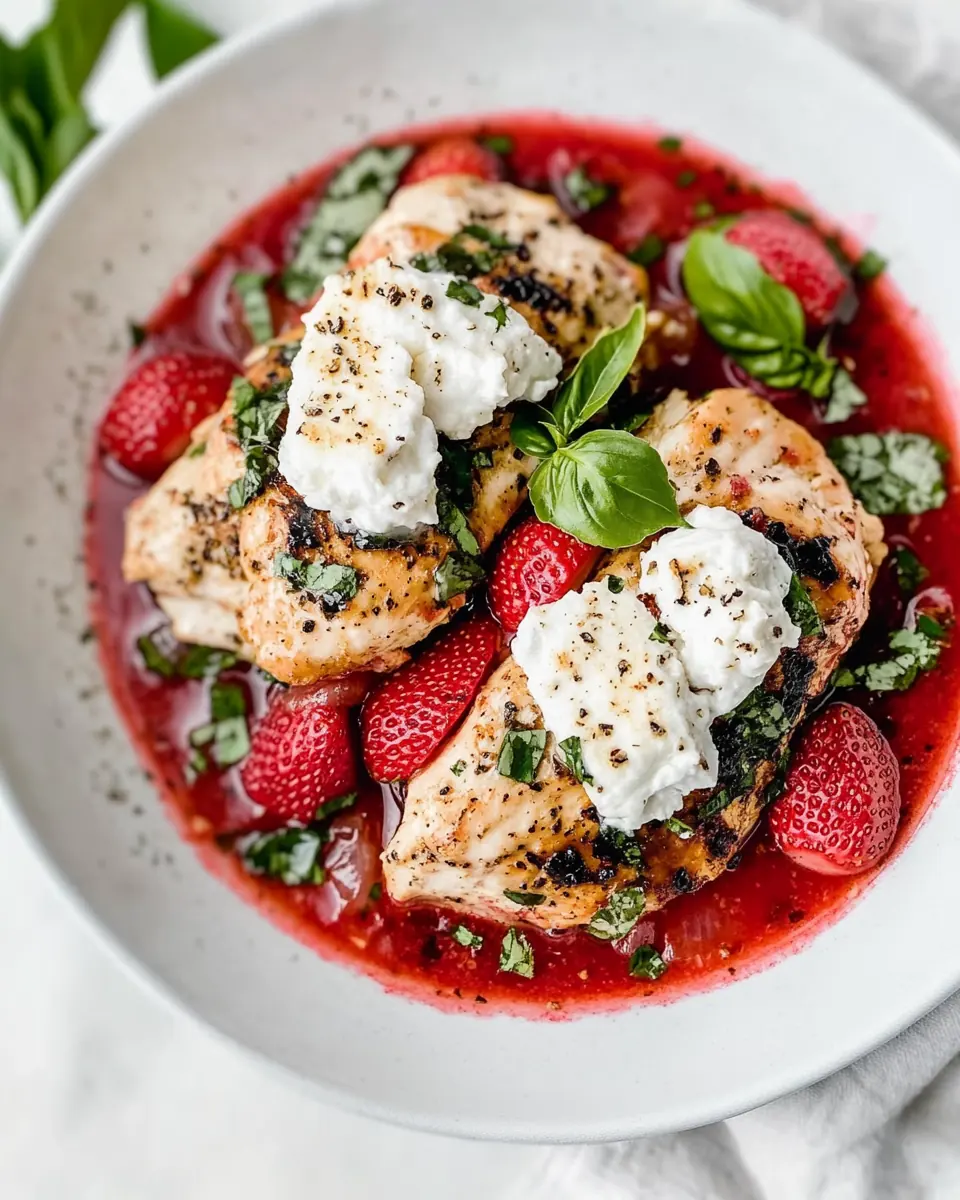
Strawberry Chicken with Goat Cheese
Ingredients
Equipment
Method
- Preheat your oven to 350°F.: Warm air fills the kitchen as the oven comes up to temperature, and that steady heat at 350°F ensures the chicken cooks through gently after searing. Preheating is crucial, because starting in a cold oven will change your bake time and can dry the meat. A common mistake is not waiting for the oven to fully preheat, which leads to inconsistent doneness.
- Place the chicken between two layers of parchment paper and use a rolling pin or meat mallet to pound it out thinly. Sprinkle both sides with salt and dried basil (no need to measure).: When you pound the chicken , you should feel the fibers relax and hear a soft slap as the meat flattens. This creates an even thickness so the center cooks at the same rate as the edges. The salt draws out a bit of moisture and seasons the meat through, while dried basil adds base herb notes. Avoid pounding so thin that the meat tears, which will make rolling difficult and cause filling leakage.
- Place 1/2 ounce of cheese at the end of each breast and roll up tightly, using toothpicks to secure if needed.: The tactile pleasure here is forming neat little logs of chicken with a creamy center. The goat cheese should be firm enough to handle but soft enough to melt slightly during baking. Rolling tightly helps maintain shape and creates that contrast between a crisp exterior and a melted core. A common error is overfilling which causes the cheese to escape during searing and baking.
- Heat the oil in a large, oven-safe pan on high heat. Sear the chicken breasts until golden brown on both sides, about 1 to 2 minutes per side.: You want the pan hot enough that the olive oil shimmers and gives a satisfying sizzle when the chicken hits the surface. That initial sear creates browned, aromatic crusts and locks in juices, producing savory notes that contrast the sweet sauce. Look for even golden coloration rather than blackened spots. If the pan is overcrowded, the chicken will steam instead of sear, so give each piece space.
- Transfer to the oven and bake until an instant-read thermometer inserted into the chicken breast reads 165°F degrees, about 15 to 20 minutes.: In the oven, the heat finishes cooking through gently, melting the goat cheese and allowing flavors to meld. The thermometer is your best friend, and reaching 165°F ensures food safety while keeping the meat juicy. If you skip the thermometer, you risk overcooking, which dries the chicken out. If the cheese starts leaking, tent lightly with foil to protect edges while allowing internal heat to continue.
- While the chicken bakes, combine the strawberries and water in a large pot and bring to a boil. Once boiling, reduce the heat to medium and simmer until the strawberries break down and the sauce thickens up slightly, about 7 to 10 minutes.: The pot will soon fill with the bright aroma of warm strawberry s as they soften and release juices. Boiling then simmering concentrates the fruit, and you should see the mixture bubble and reduce to a glossy sauce. Use a wooden spoon to break larger pieces as they soften. A frequent mistake is simmering too long which can overly reduce the sauce to a jammy texture rather than a spoonable glaze.
- Remove from heat and stir in the vinegar and honey.: Off the heat, the steam eases and the sauce cools slightly, which is the perfect moment to add the balsamic and honey so they integrate without evaporating. The vinegar adds acid and depth, while the honey balances and shines. Stir until smooth and taste for balance. If you add the vinegar while the sauce is boiling hard, the acid can become harsh, so gentle mixing off heat is best.
- Spoon the sauce over the chicken and garnish with basil and extra thick balsamic if desired. Serve hot.: The final assembly is visual and aromatic, a glossy ribbon of strawberry sauce splashed over warm chicken that releases a mix of savory and fruity scents. Fresh basil torn on top lifts the flavors and adds a green note. Serve immediately so the textures remain distinct. Letting the plated dish sit too long will cause the sauce to soften the crust and reduce the contrast that makes this recipe memorable.
Notes
- Make-ahead prep: Prep and roll the chicken up to a day ahead, store covered in the refrigerator, then sear and bake when you are ready to serve.
- Sauce texture: If you prefer a smoother sauce, blend the cooked strawberrys briefly with an immersion blender, then return to the pot to thicken slightly.
- Bake timing: If your breasts are thicker, tent with foil and add a few extra minutes in the oven while relying on an instant-read thermometer for doneness.
- Presentation: Slice the rolls on a slight bias to show the creamy goat cheese center and drizzle the sauce in a controlled line across the plate for an elegant look.
- Sweetness balance: Adjust the honey up or down depending on how ripe your strawberrys are; taste the sauce before final plating.
- Garnish options: Use whole or chiffonade fresh basil leaves for both aroma and visual contrast, adding them just before serving to preserve brightness.